Joel Benavides, Managing Director of Global Legal Services at Box, explains the policies enterprise companies can anticipate with cloud data management after the GDPR.
Cyber-activists, state actors, and hackers may capitalize on the Olympics to spread messages and steal personally identifiable information, says Kroll cybersecurity analyst Alan Brill.
You have a Mac so you’re impervious to malware, ransomware, and nefarious hacks, right? Wrong! Addigy CEO Jason Dettbarn explains how and why MacOS is vulnerable to cyberattacks.
Users in APAC were the most knowledgeable and comfortable with biometric authentication, while the U.S. lagged furthest behind in these categories says IBM Security’s Limor Kessem.
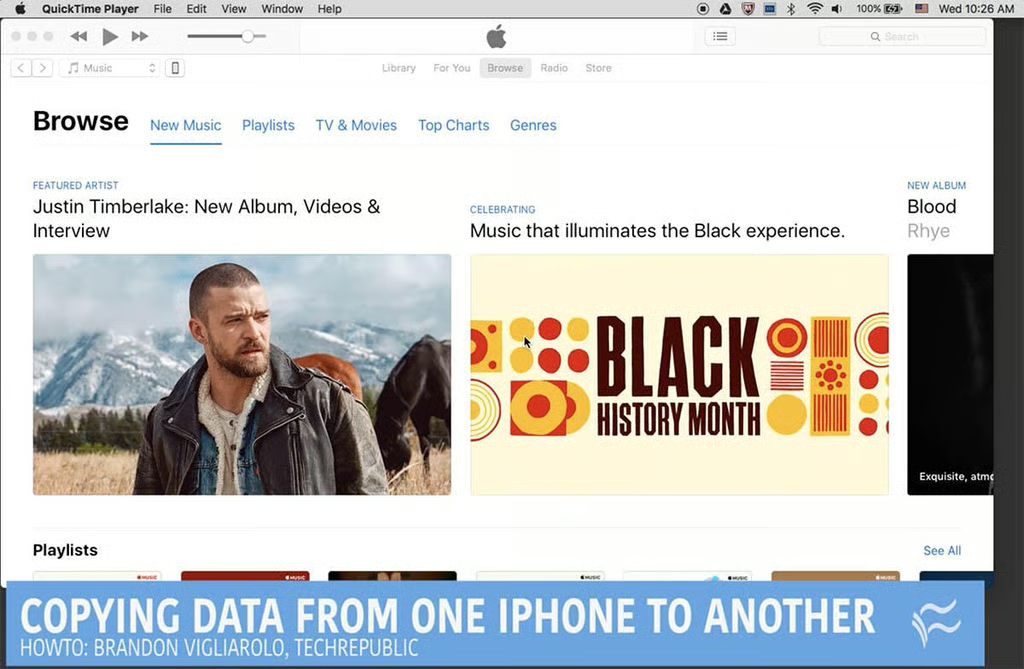
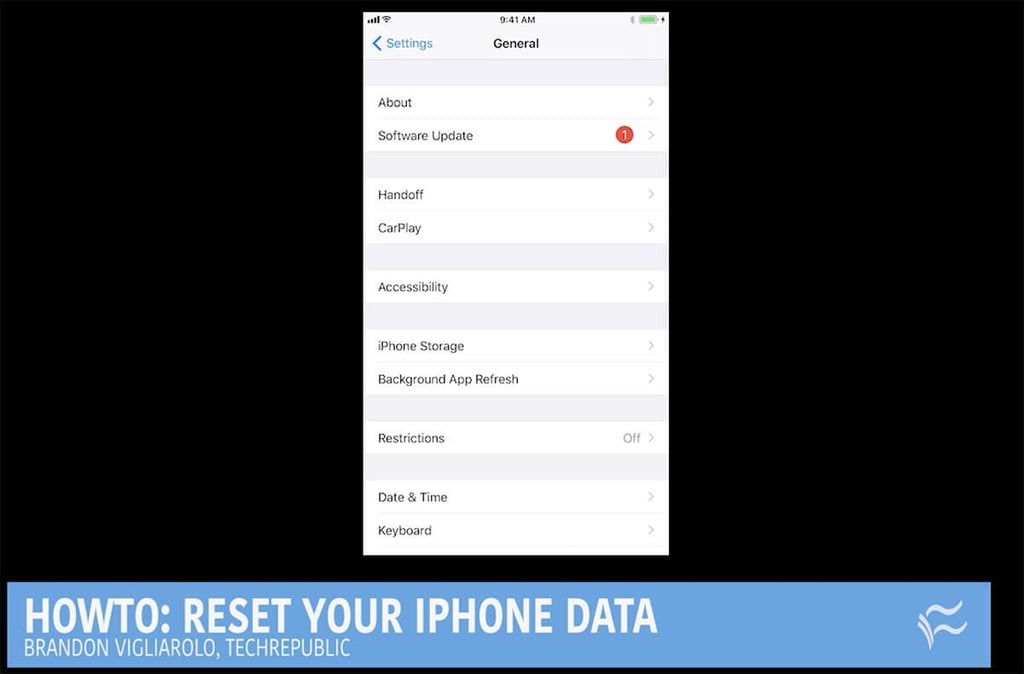
Before resetting a company-owned device or turning in your old iPhone, it’s important to know how to get rid of all the personal data that might be on it. Here’s how to do it.
Paul Westcott, VP of data at L2, explains how machine learning and automation help political campaigns craft policy messages that resonate with constituents.
Arcules CEO Lars Nordenlund predicts oncoming disruptive technologies, and shares best practices for how enterprise companies can anticipate future disruptive tech.
Letting students facilitate their own learning can be an effective tool for learning to code, says Izaak Prats, director of curriculum for Interapt Skills.
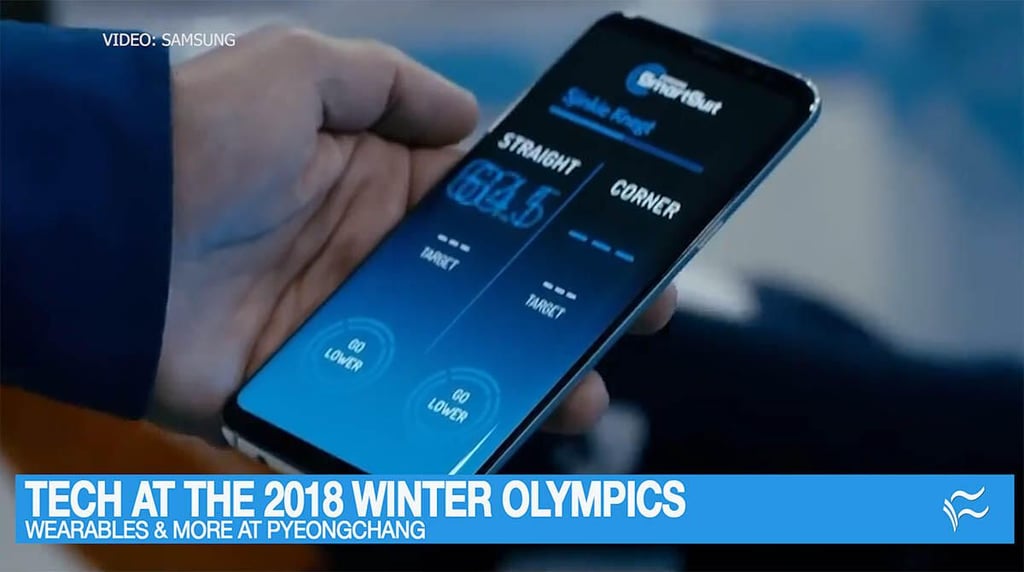
From a self-warming jacket to a smart suit for speed skaters, Teena Maddox walks us through some of the wearable tech that athletes will be using at the 2018 Winter Olympics in Pyeongchang.
Everbridge’s Meg Lovell explains why major tech companies with distributed teams like Apple, Google, and Amazon have their own emergency notification systems.