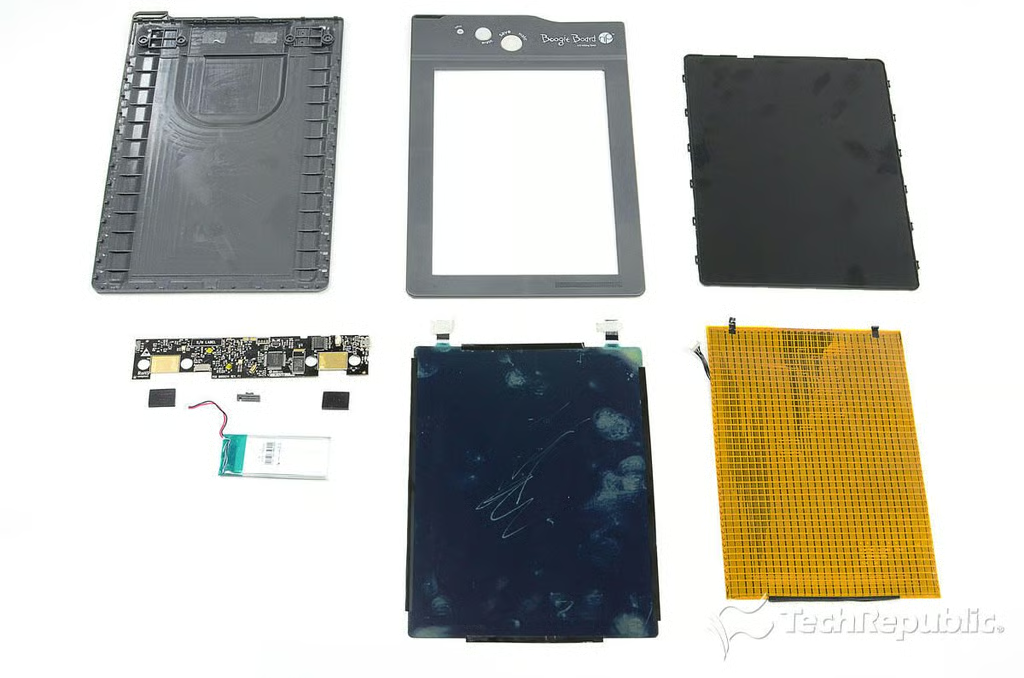
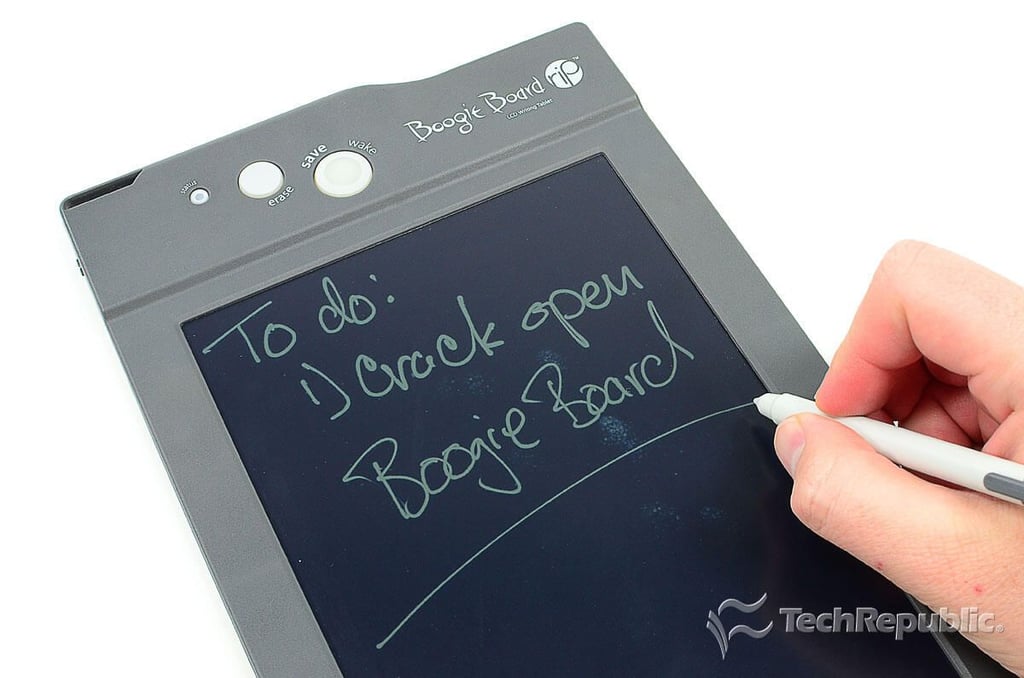
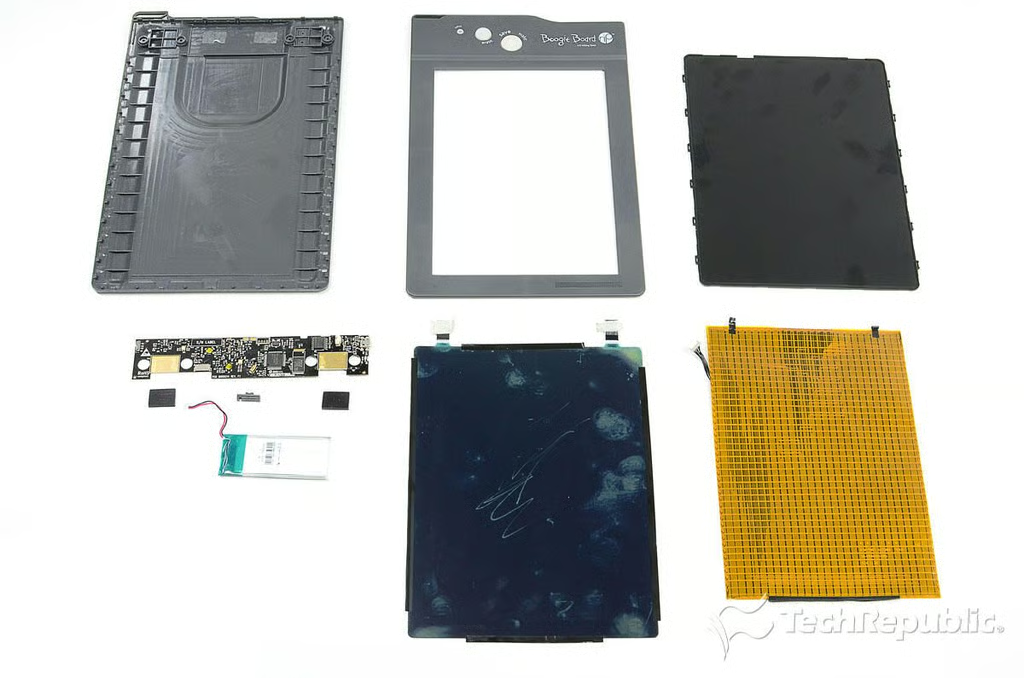
\n\tThe Boogie Board Rip is an electronic note-taking device. It alows you to save notes and transfer them to your computer as PDF. The e-writer is available from various retailers for $129.99 (US). Follow along as I crack open the Boogie Board Rip.
\n\t
\n\tFor a detailed analysis of the teardown, check out my article and video, Boogie Board Rip Teardown: Overpriced and two features short.
\n\t
\n\tPhoto by: Bill Detwiler / TechRepublic
\n\tCaption by: Bill Detwiler
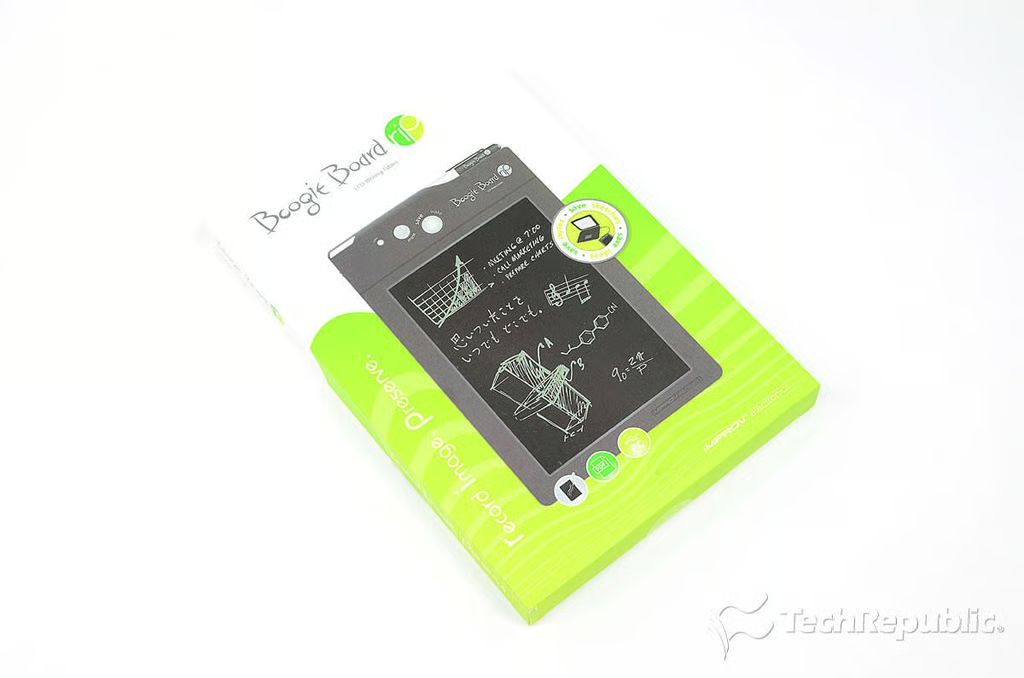
Cracking Open Boogie Board Rip: Box
\n\tThe Boogie Board Rip has a 9.5″ LCD. According to the manufacturer, the unit’s 8MB of internal storage is capable of storing “200 typical images”. The rechargeable Li-Ion battery is rated for 60 days of standby time and 1 week of typical usage.
\n\t
\n\tPhoto by: Bill Detwiler / TechRepublic
\n\tCaption by: Bill Detwiler
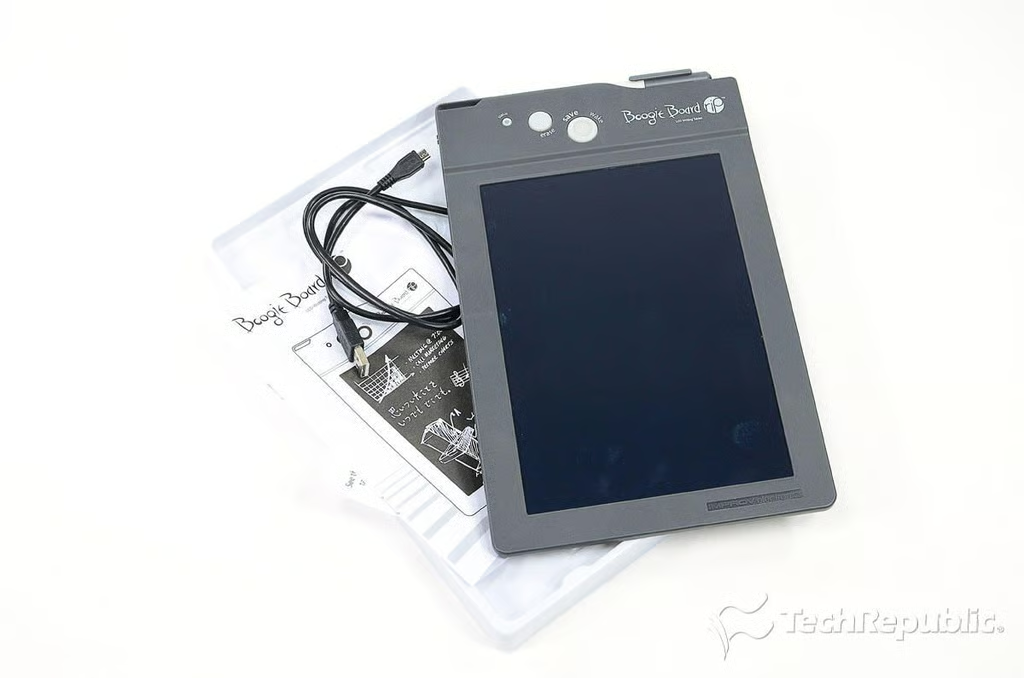
Cracking Open Boogie Board Rip: Box contents
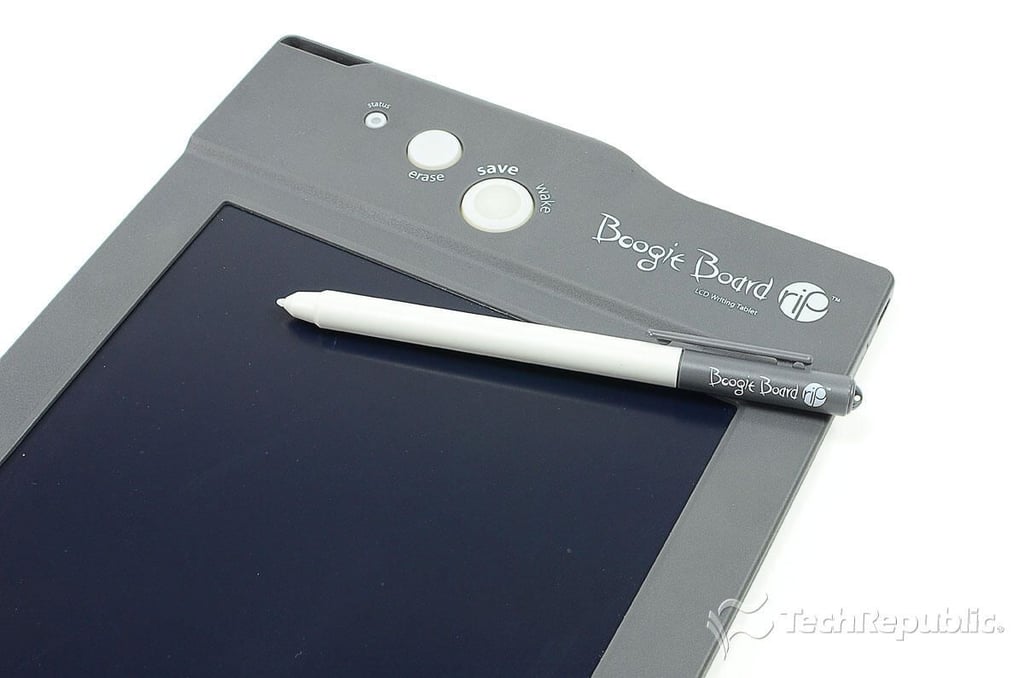
\n\tInside the Boogie Board Rip’s box, you’ll find the device itself, a stylus (required for creating images that can be saved), a USB cable, and the product documentation.
\n\t
\n\tPhoto by: Bill Detwiler / TechRepublic
\n\tCaption by: Bill Detwiler
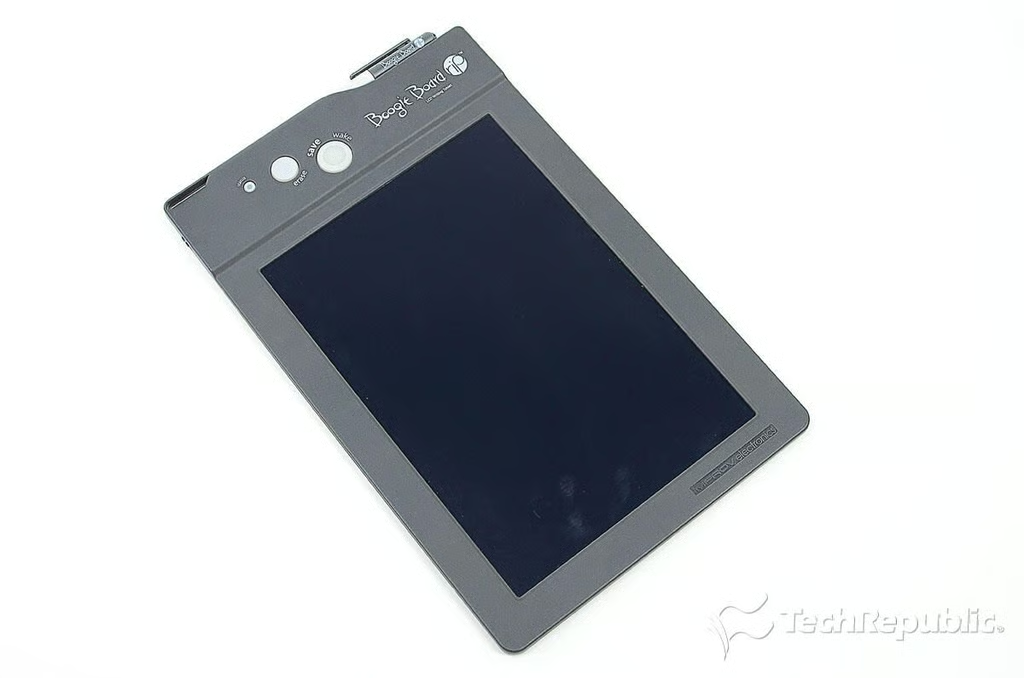
Cracking Open Boogie Board Rip: Dimensions and weight
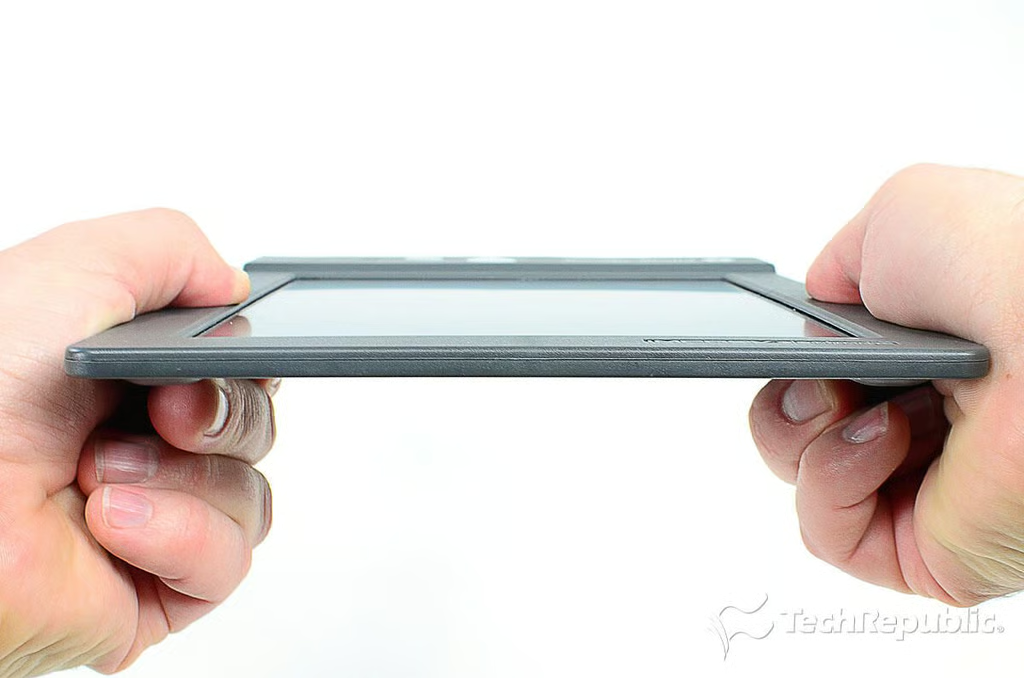
\n\tThe Boogie Board Rip measures 11.1″ (H) x 7″ (W) x 0.5″ (D) and weighs 11.5 ounces.
\n\t
\n\tPhoto by: Bill Detwiler / TechRepublic
\n\tCaption by: Bill Detwiler
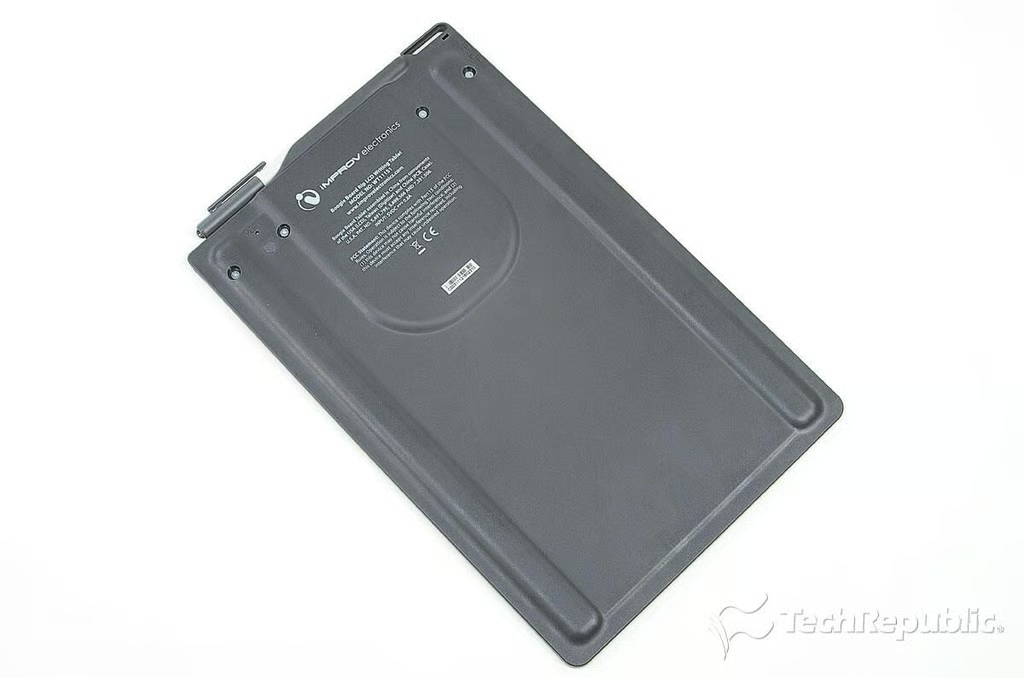
Cracking Open Boogie Board Rip: Back
Cracking Open Boogie Board Rip: Thickness
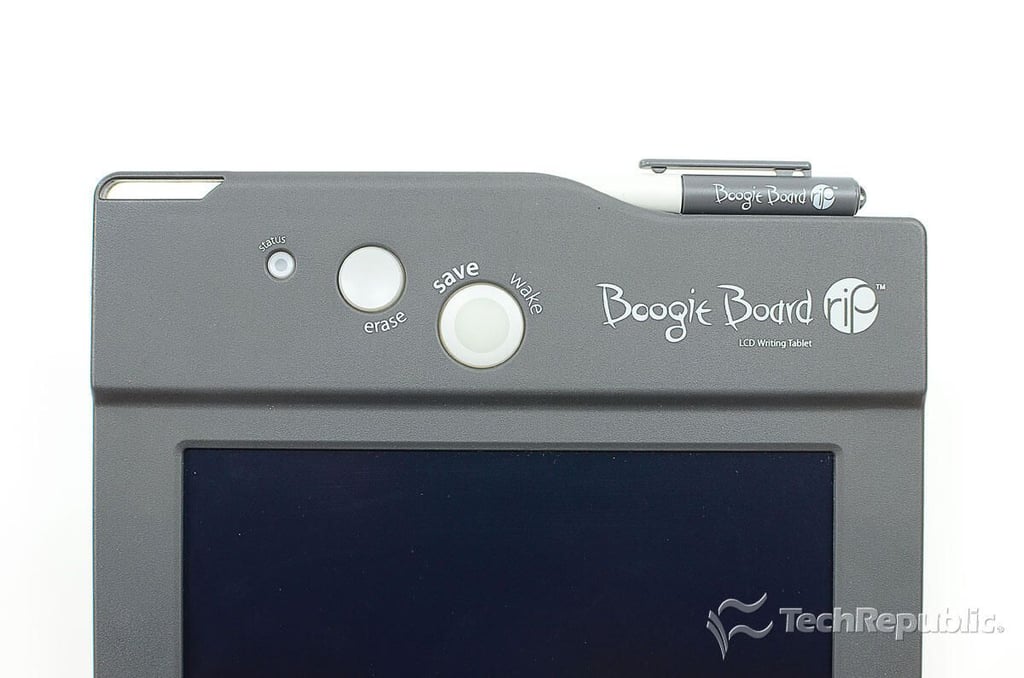
Cracking Open Boogie Board Rip: Simple controls
Cracking Open Boogie Board Rip: Stylus
Cracking Open Boogie Board Rip: Writing a note
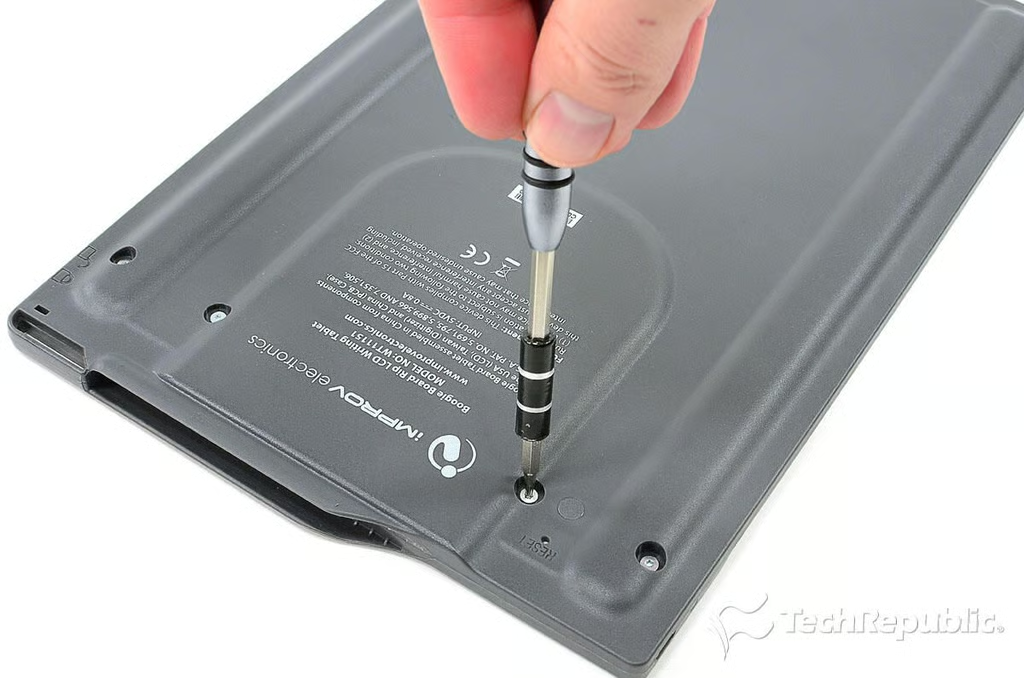
Cracking Open Boogie Board Rip: Removing the external case screws (Torx T6)
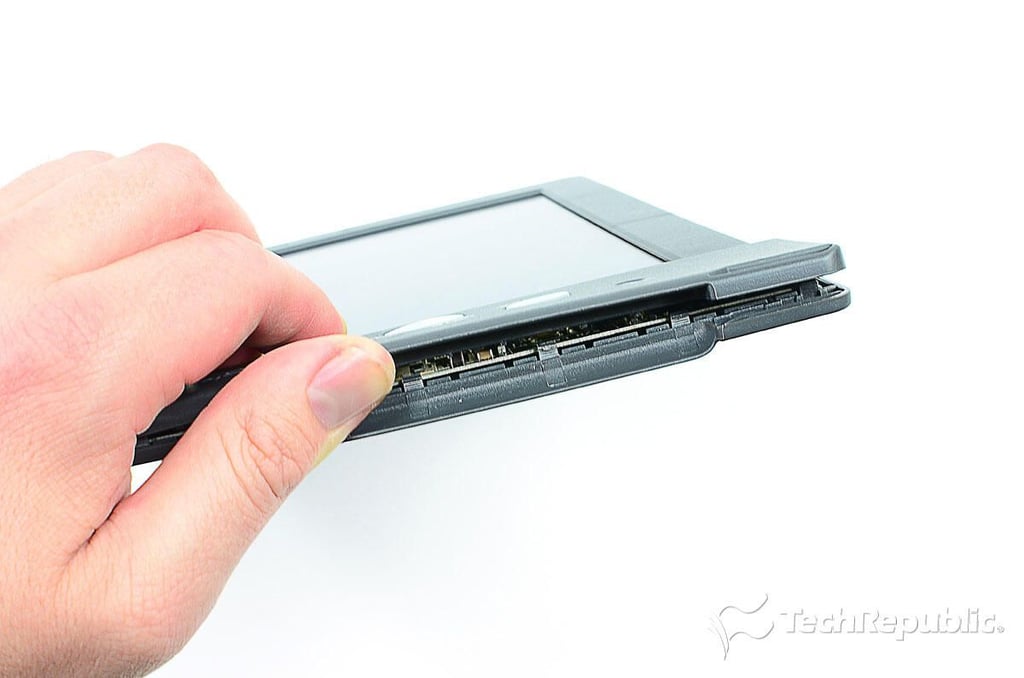
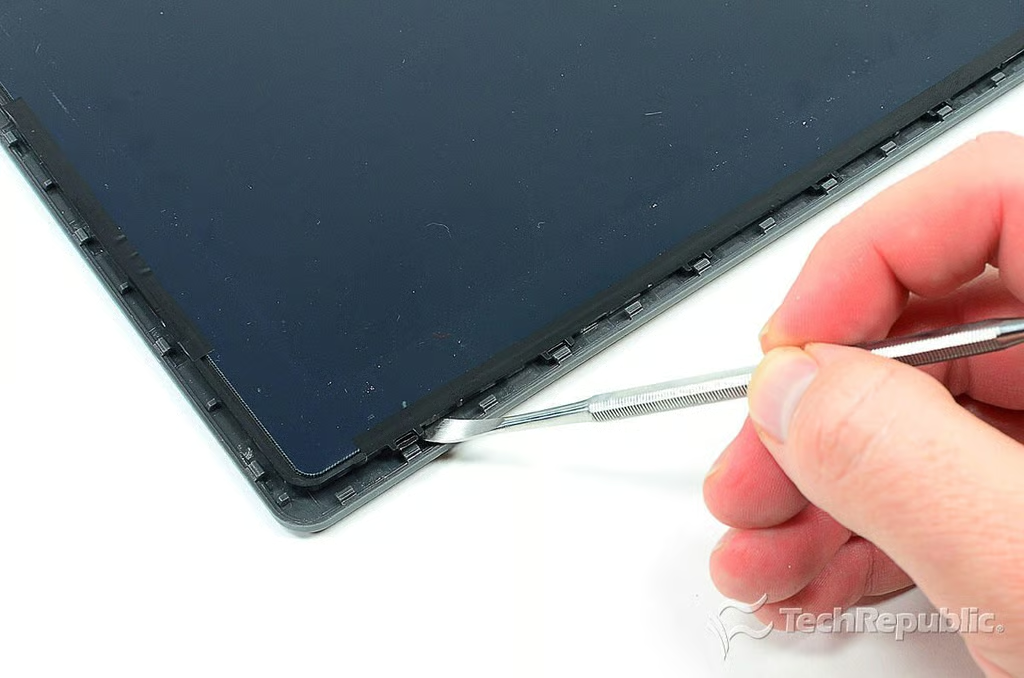
Cracking Open Boogie Board Rip: Popping loose the front cover
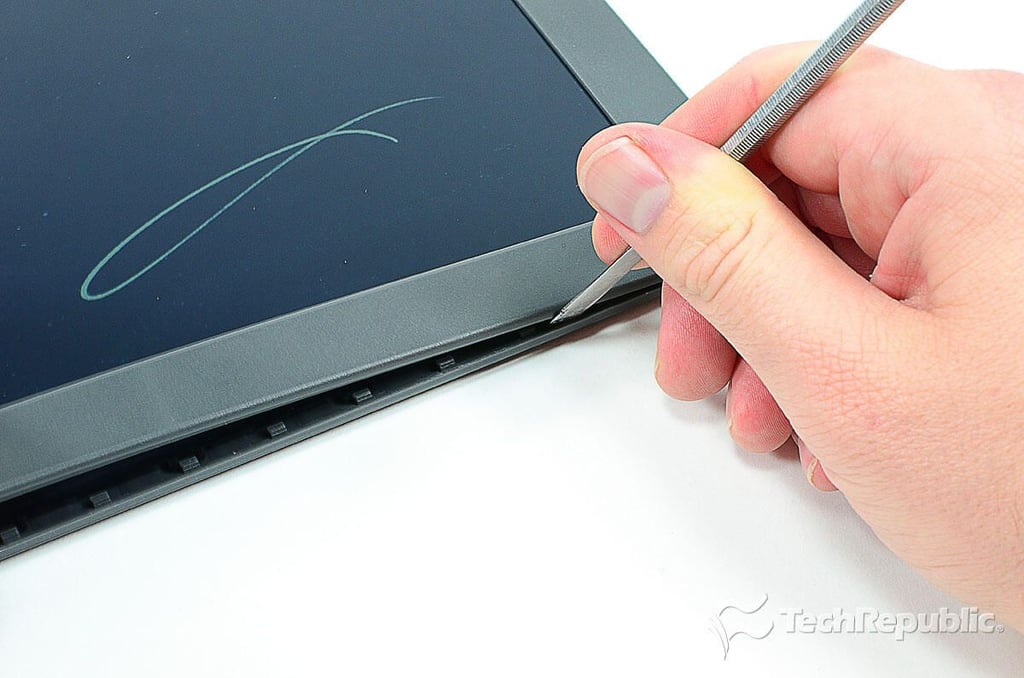
Cracking Open Boogie Board Rip: Working my way around the front cover
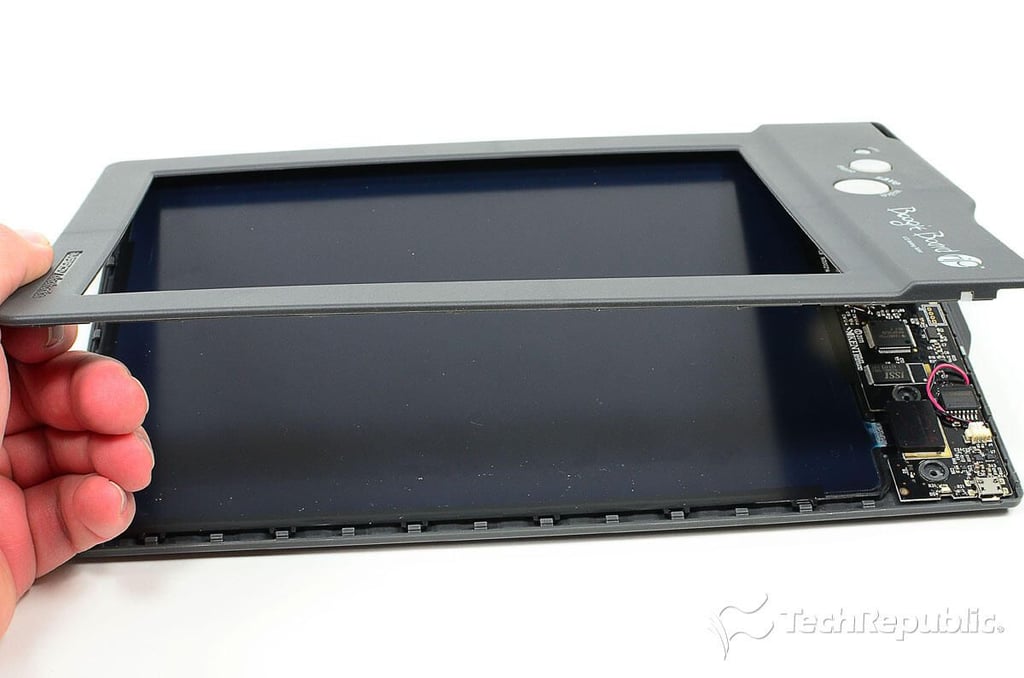
Cracking Open Boogie Board Rip: Removing the front cover
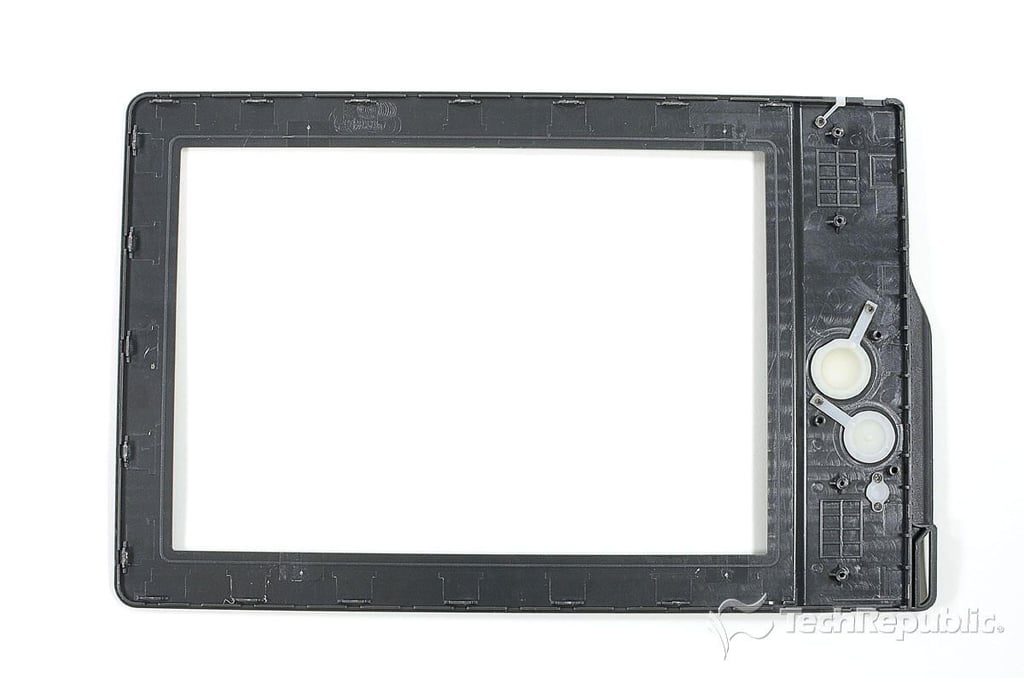
Cracking Open Boogie Board Rip: Front cover
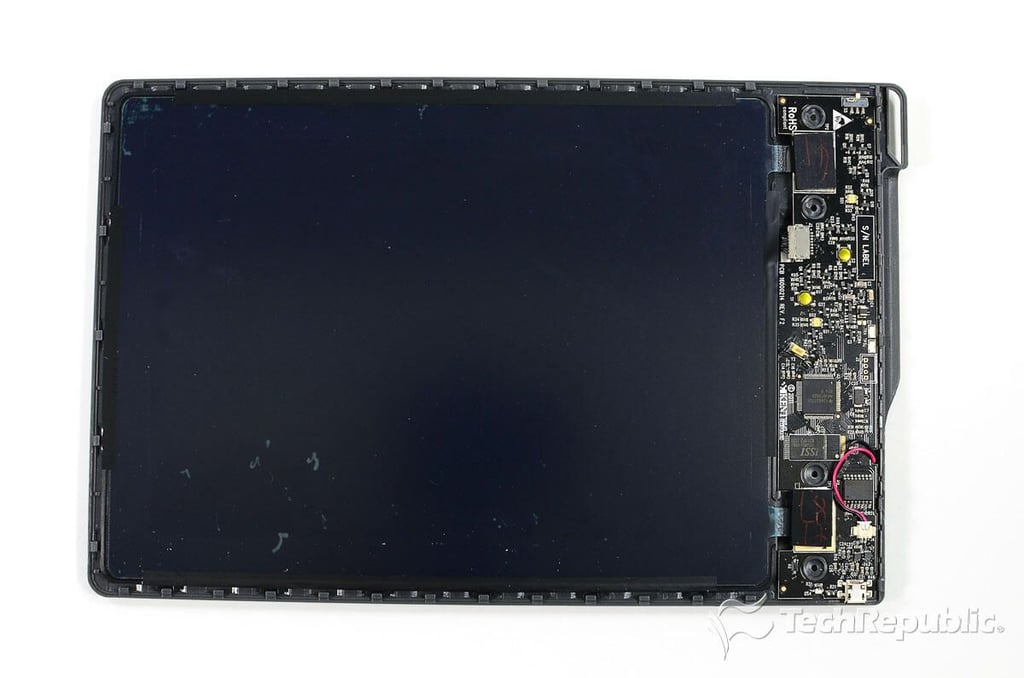
Cracking Open Boogie Board Rip: Internal hardware
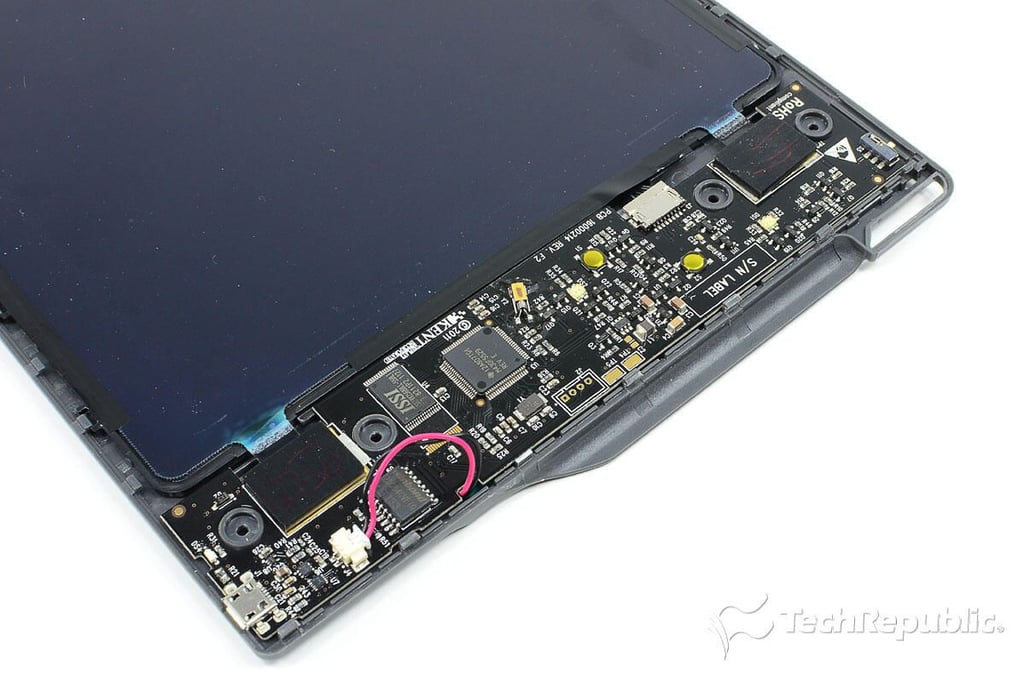
Cracking Open Boogie Board Rip: Main printed circuit board (PCB) or motherboard
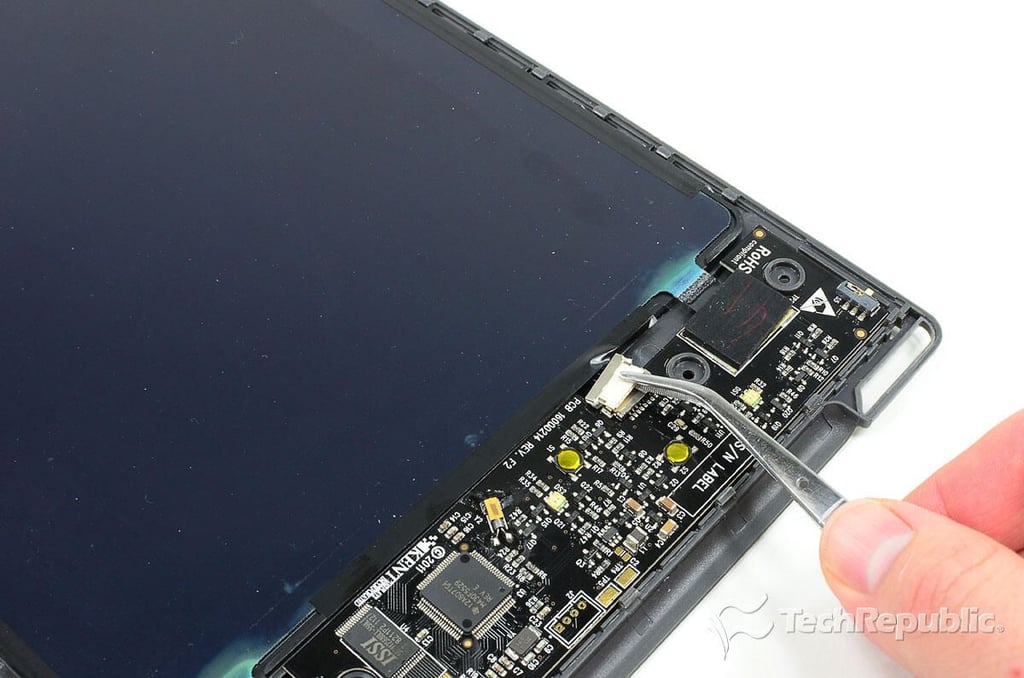
Cracking Open Boogie Board Rip: Disconnecting the battery from the motherboard
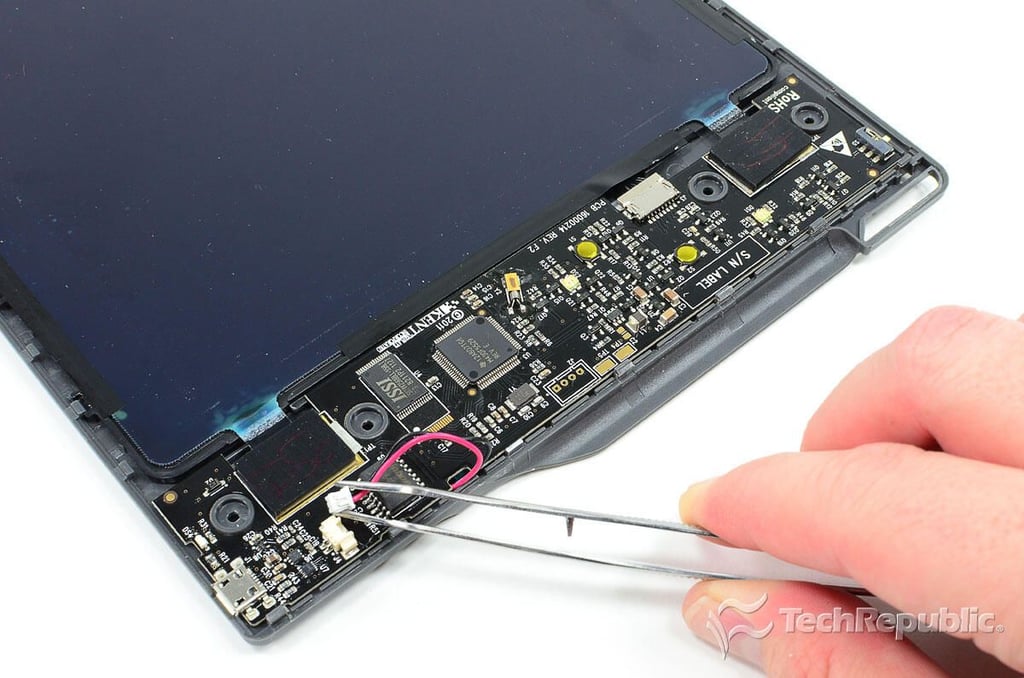
Cracking Open Boogie Board Rip: Disconnecting the Pen Input system from the motherboard
Cracking Open Boogie Board Rip: Removing the LCD tray from the case
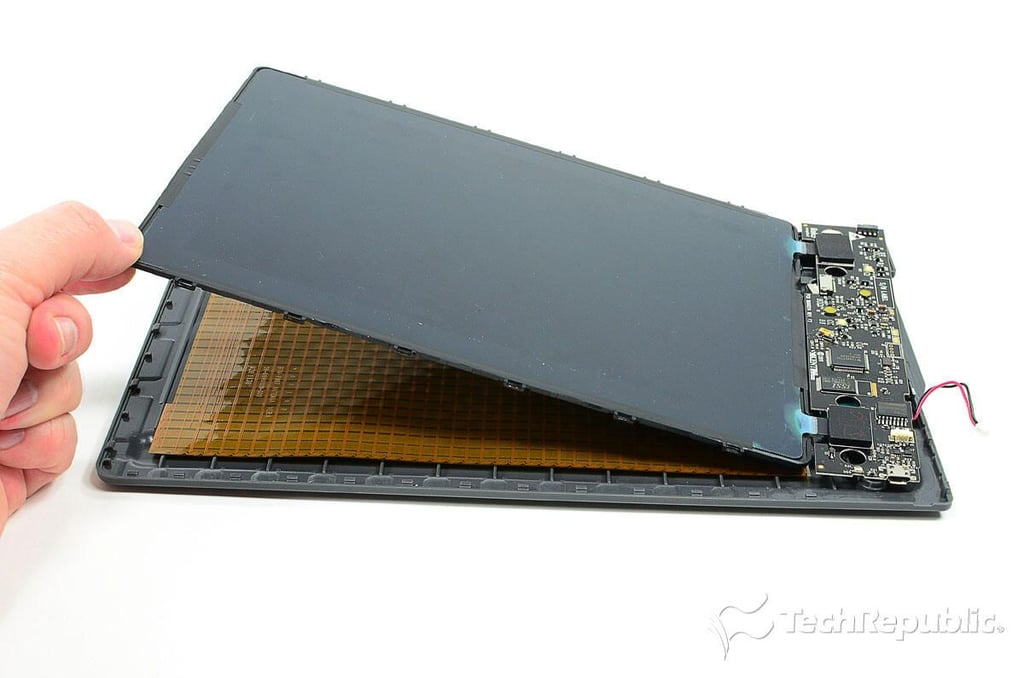
Cracking Open Boogie Board Rip: Lifting the LCD tray and motherboard assembly away from the case
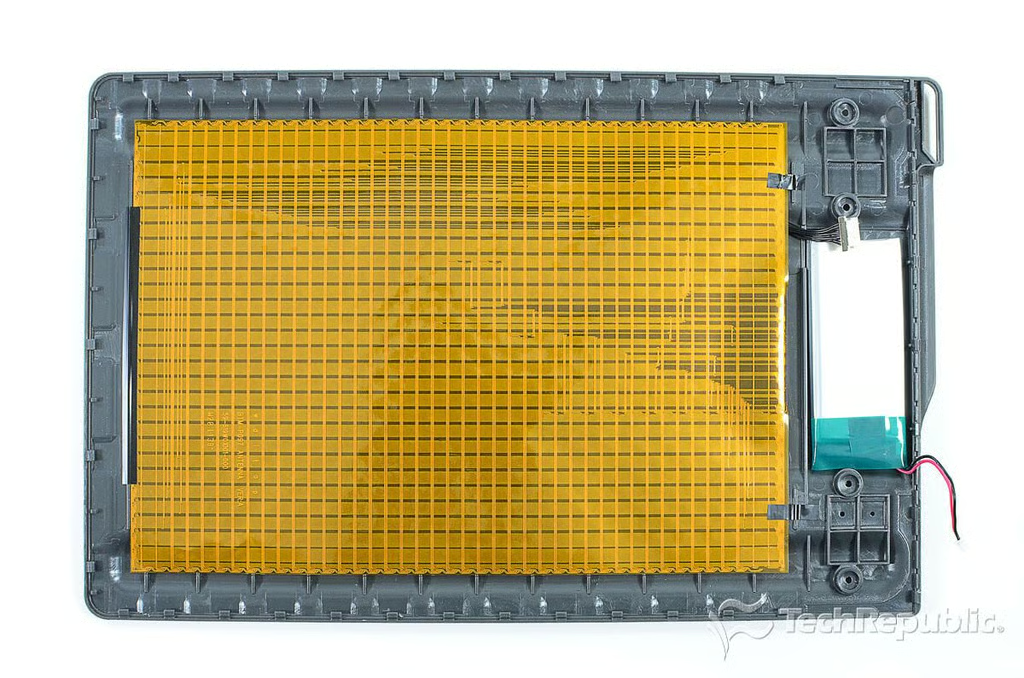
Cracking Open Boogie Board Rip: Case with Pen Input system and battery
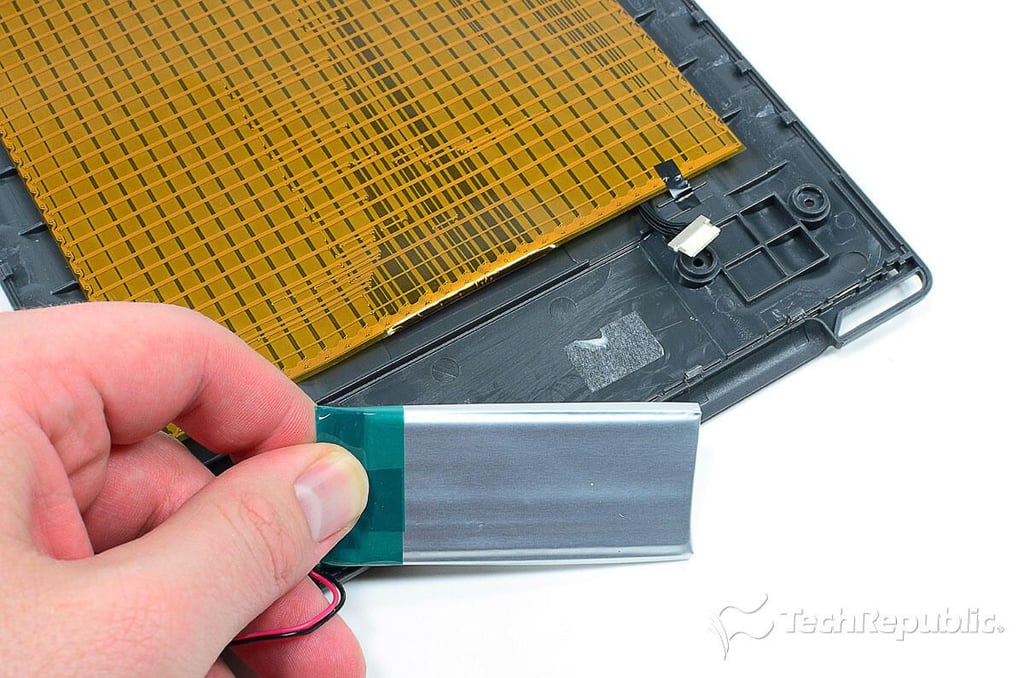
Cracking Open Boogie Board Rip: Removing the battery
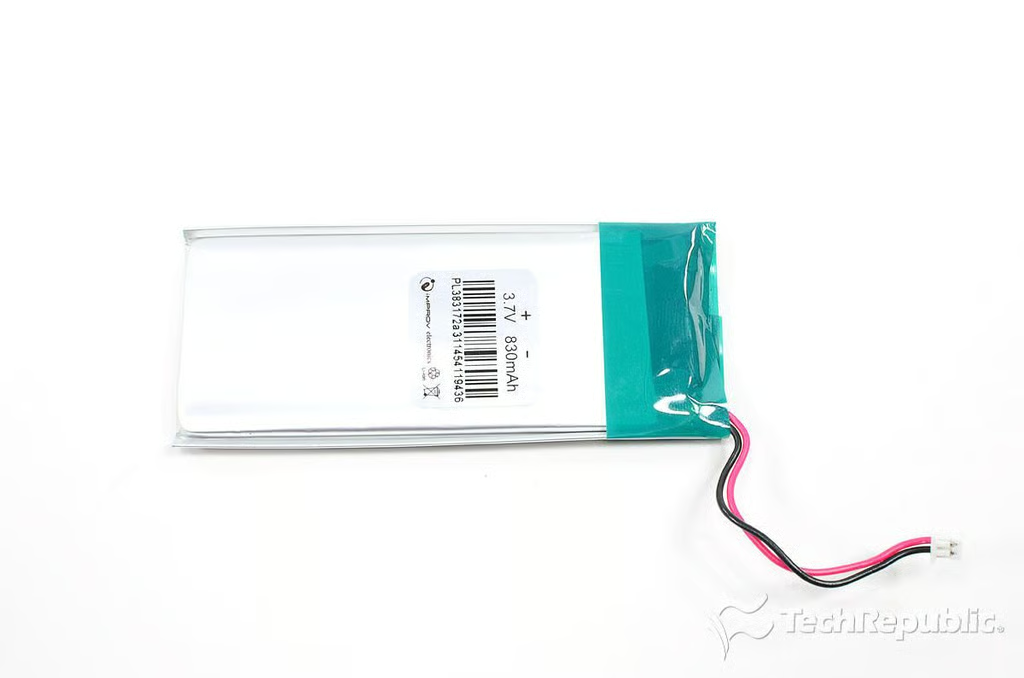
Cracking Open Boogie Board Rip: 3.7V 830mAh Li-Ion battery
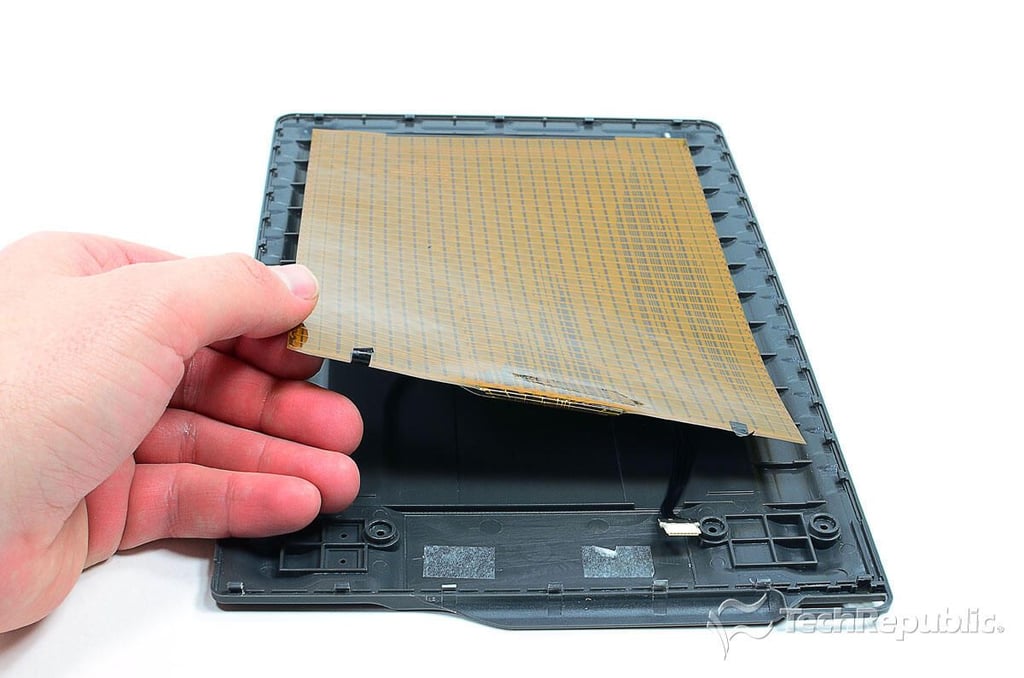
Cracking Open Boogie Board Rip: Removing the pen input system antenna
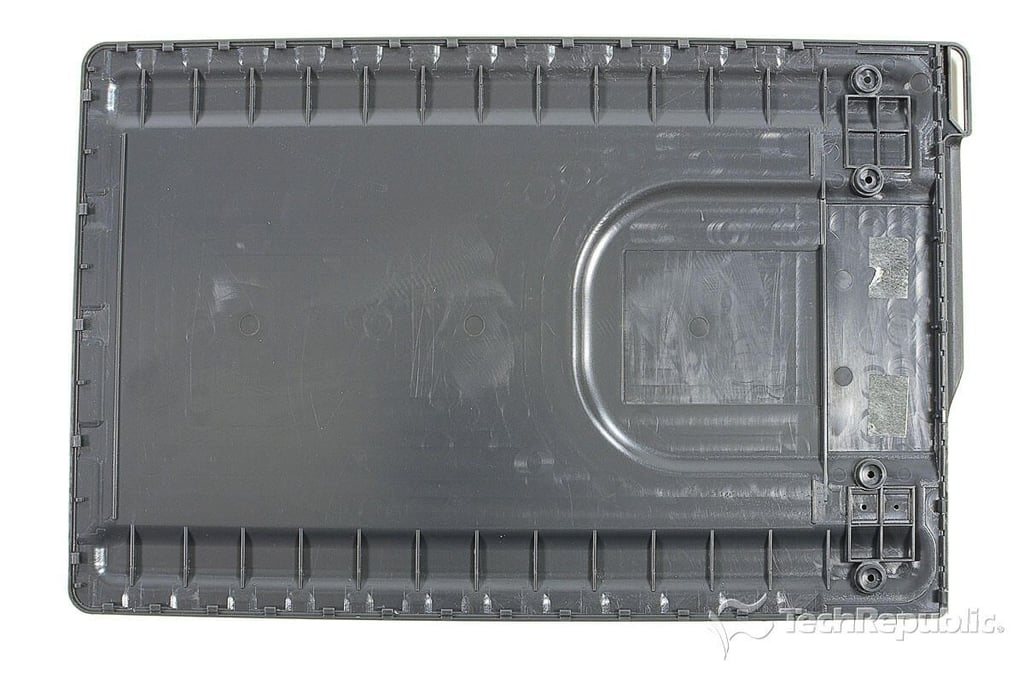
Cracking Open Boogie Board Rip: Case
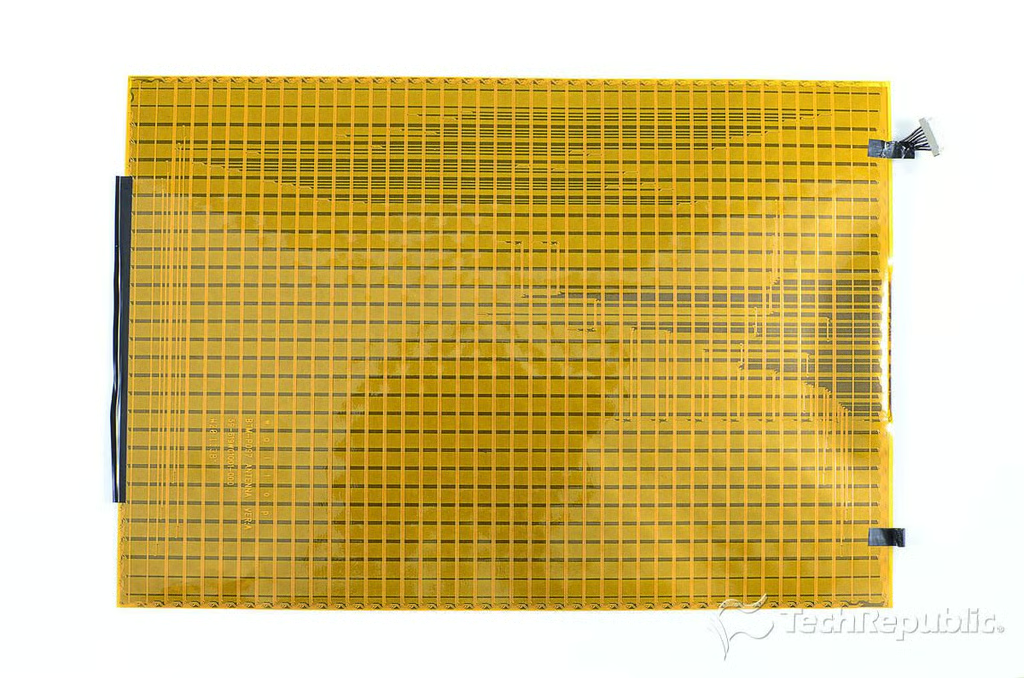
Cracking Open Boogie Board Rip: Pen input system antenna
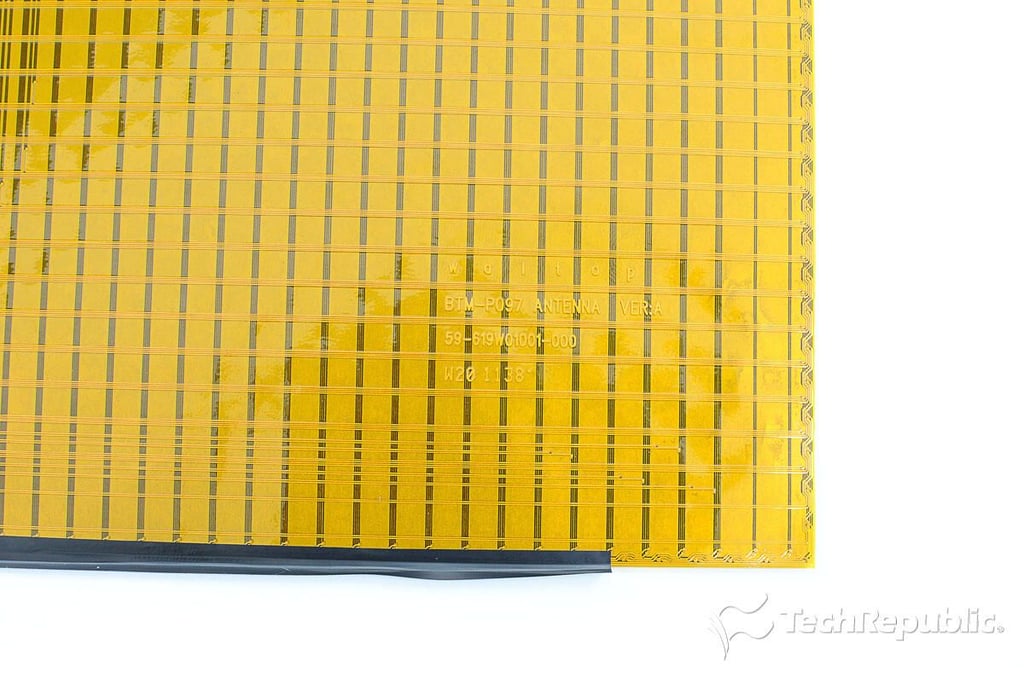
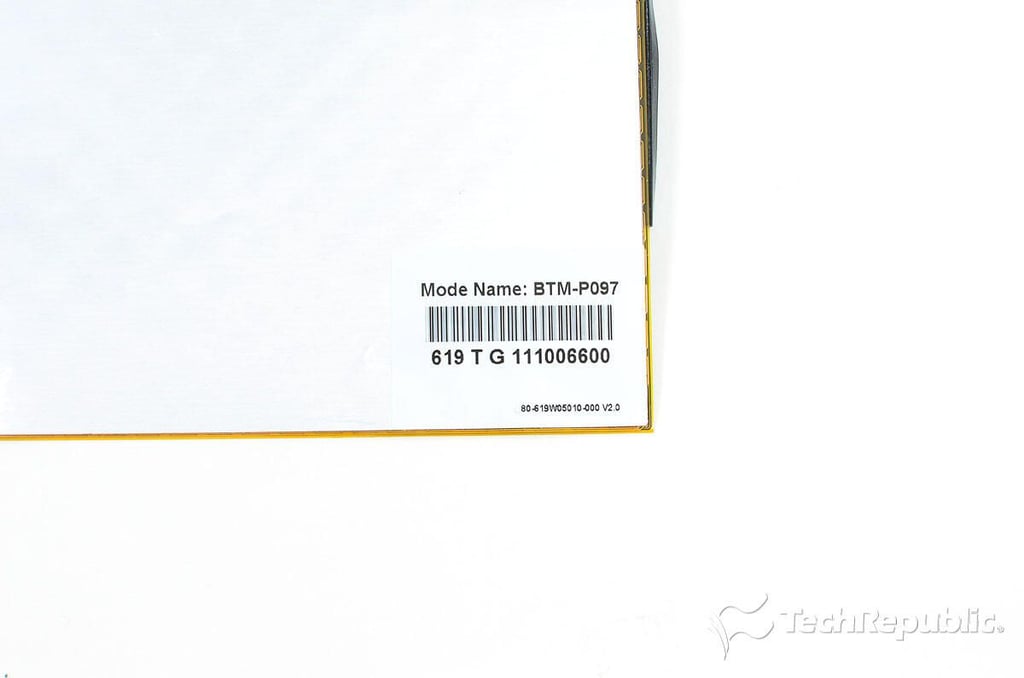
Cracking Open Boogie Board Rip: Pen input system antenna markings (BTM-P097)
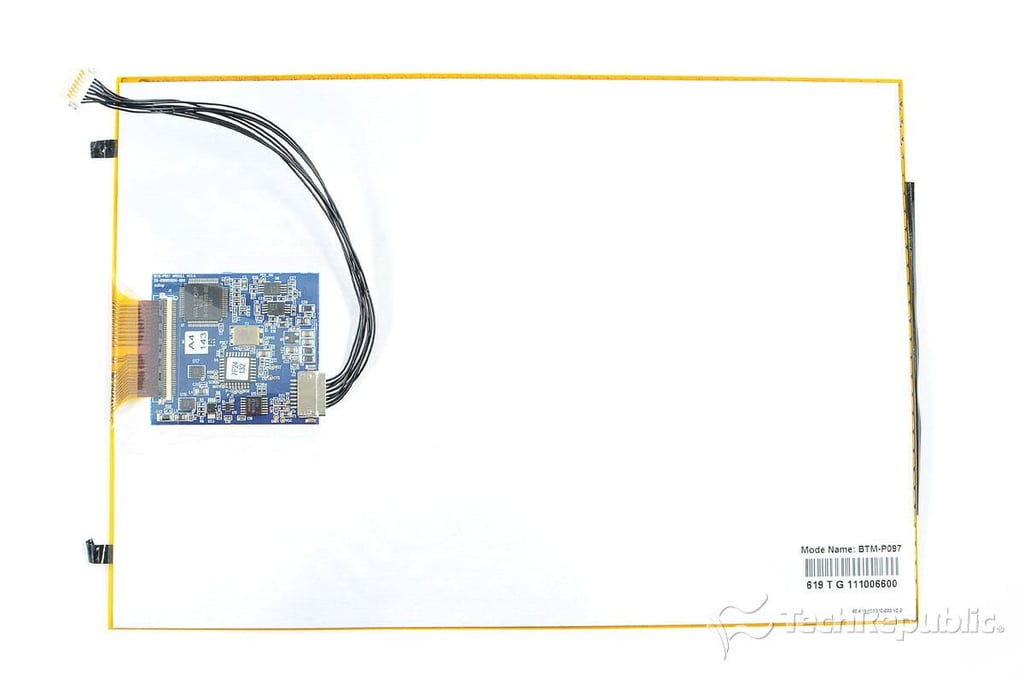
Cracking Open Boogie Board Rip: Pen input system antenna and circuit board
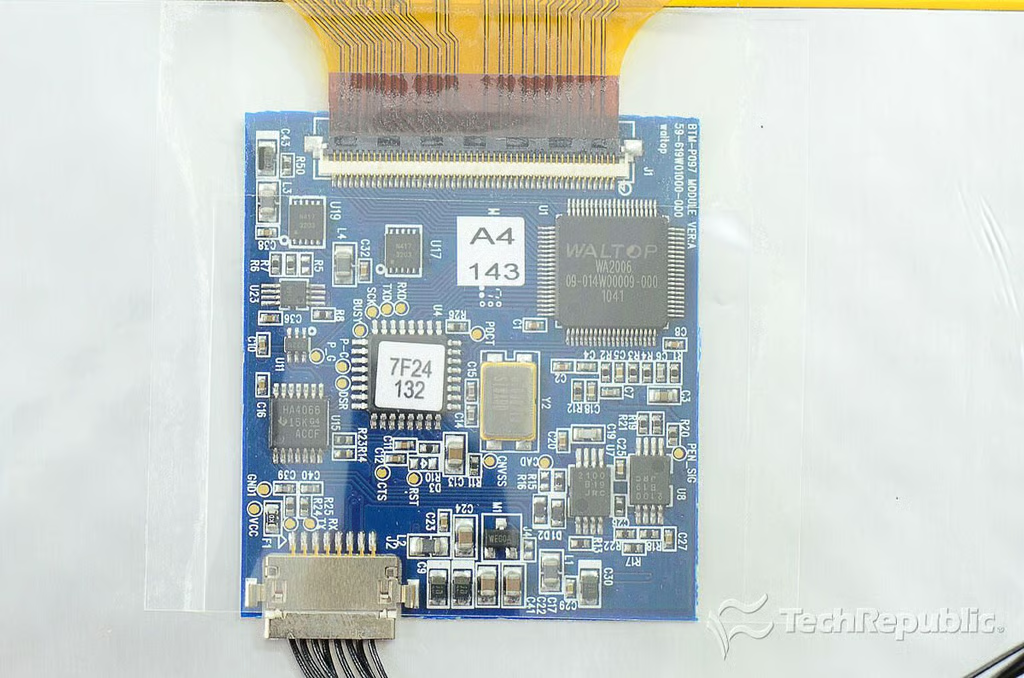
Cracking Open Boogie Board Rip: BTM-P097 Pen Input system
Cracking Open Boogie Board Rip: Pen input system circuit board
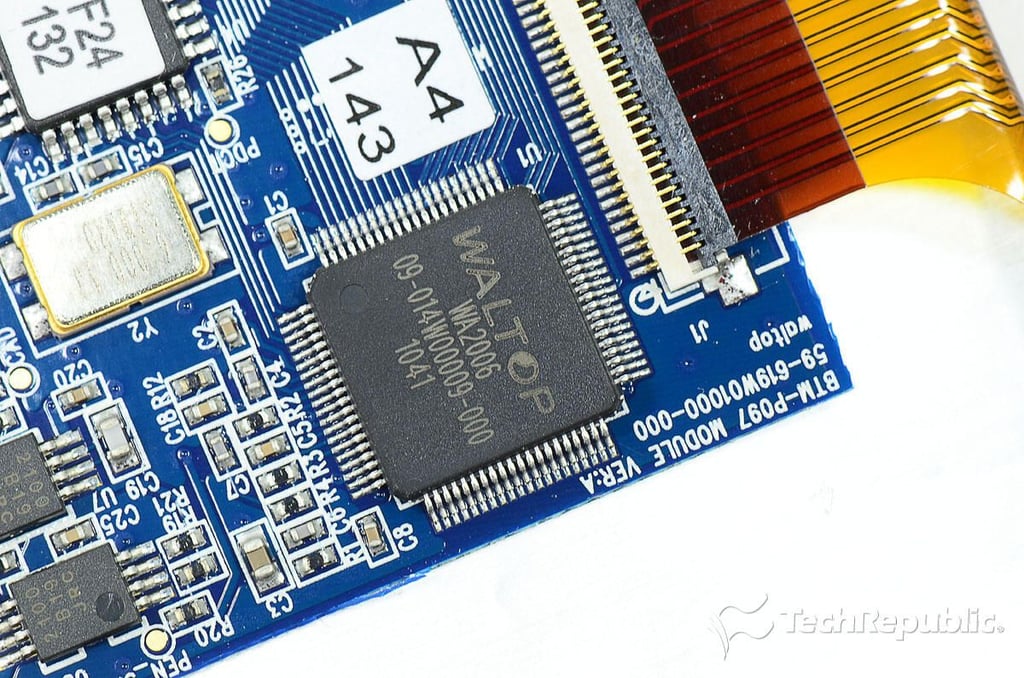
Cracking Open Boogie Board Rip: Waltop WA2006 Pen-Input Technology IC module
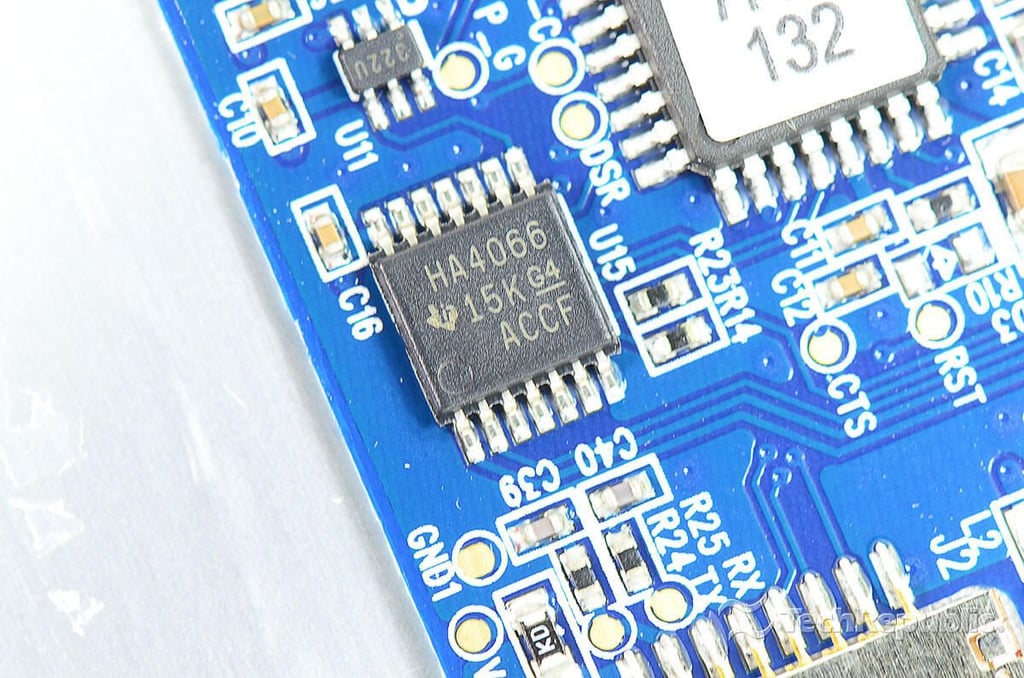
Cracking Open Boogie Board Rip: Texas Instruments SN74AHC4066 Quadruple Bilateral Analog Switch (HA4066 15K G4 ACCF)
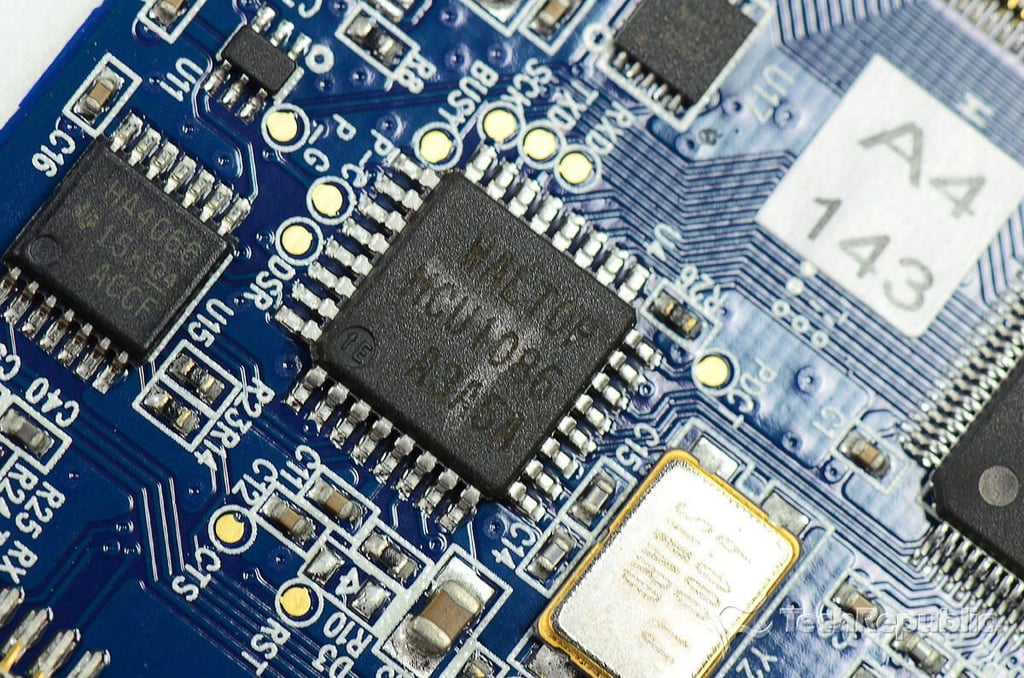
Cracking Open Boogie Board Rip: Waltop MCU1086 A3A5A
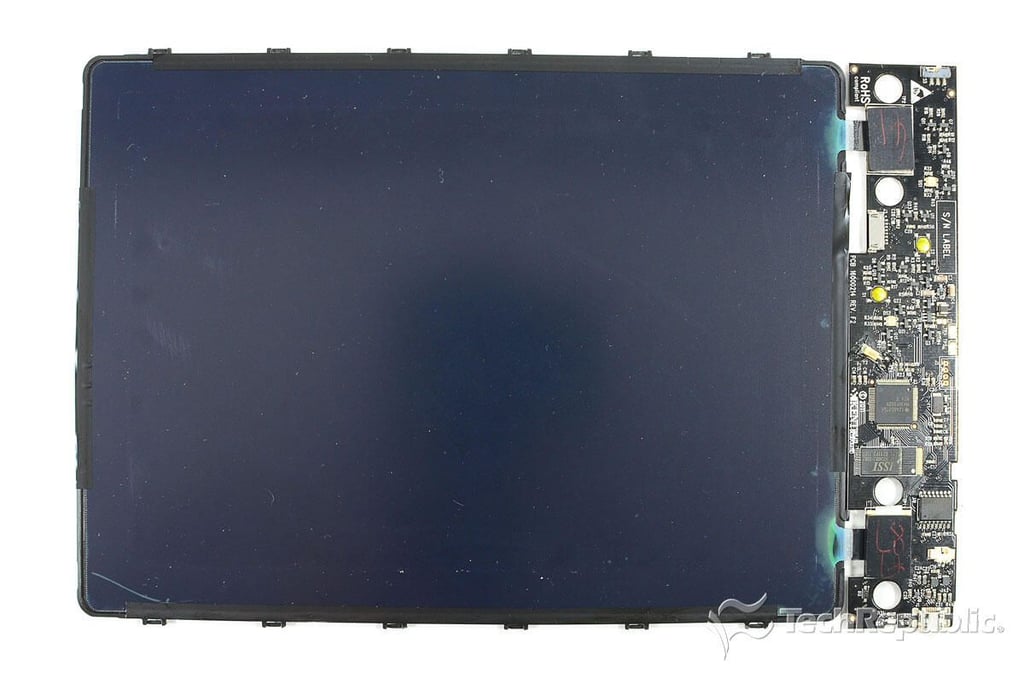
Cracking Open Boogie Board Rip: LCD and motherboard assembly - Front
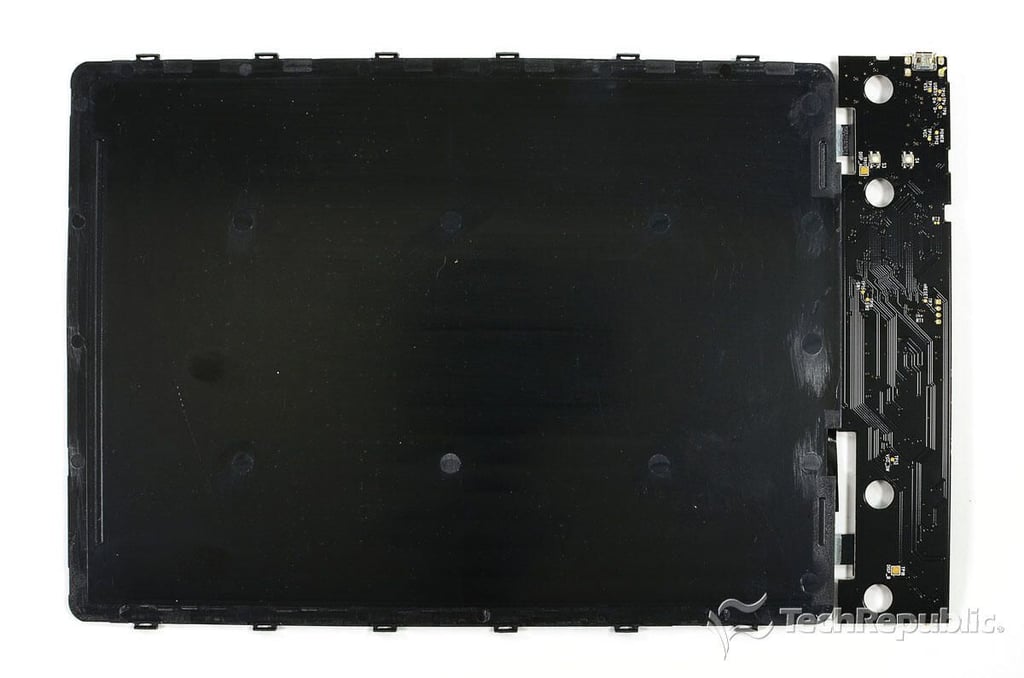
Cracking Open Boogie Board Rip: LCD and motherboard assembly - Back
Cracking Open Boogie Board Rip: Removing the rubber LCD contact protectors
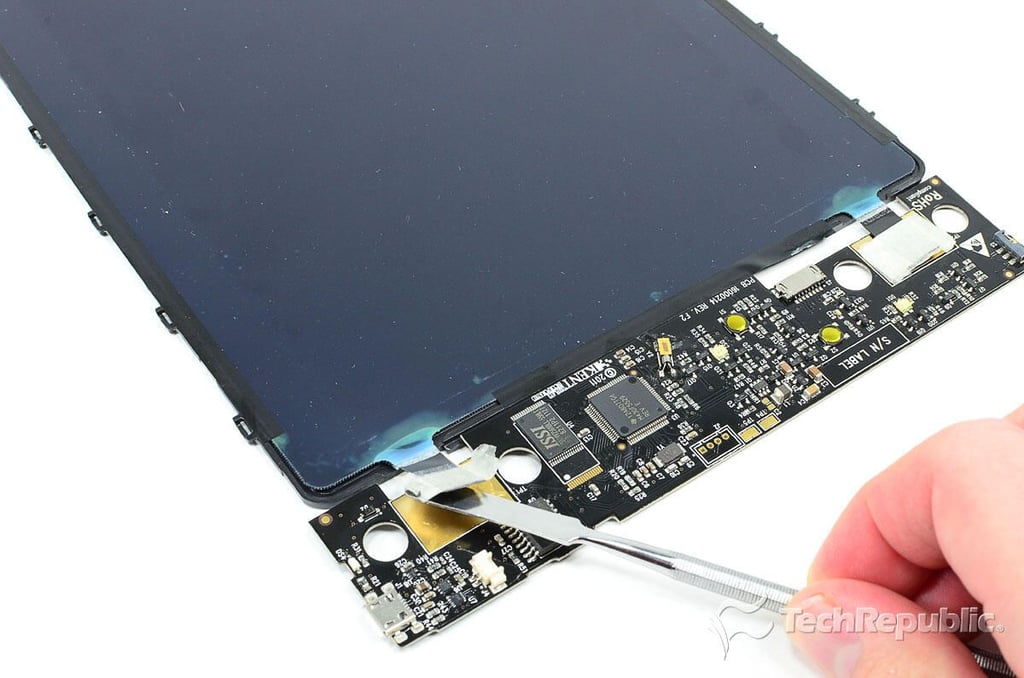
Cracking Open Boogie Board Rip: Disconnecting the LCD from the motherboard
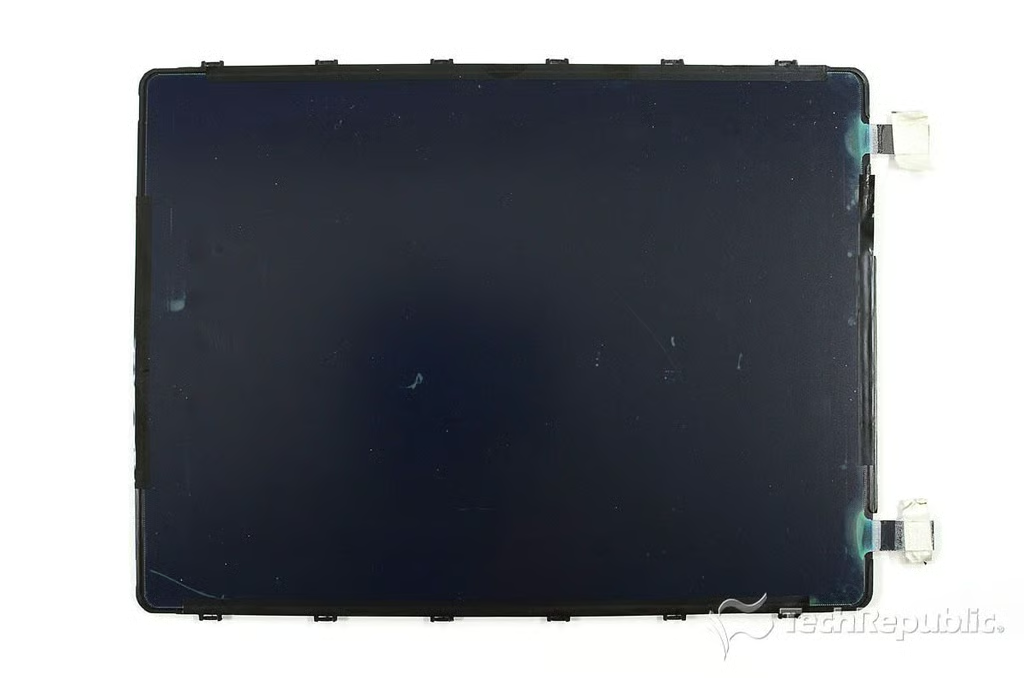
Cracking Open Boogie Board Rip: LCD and tray
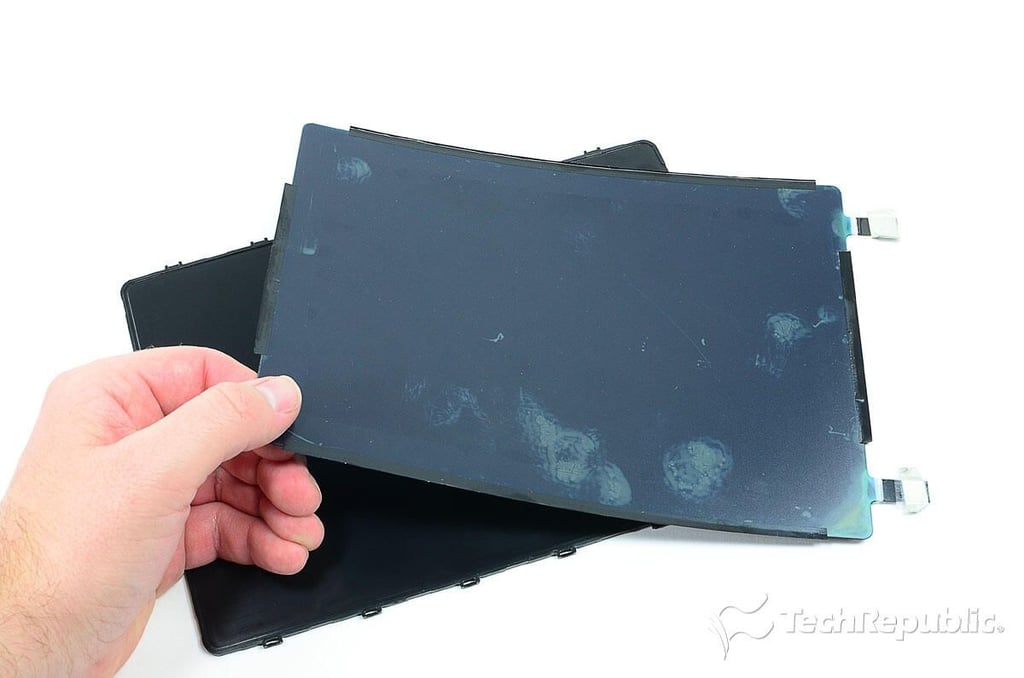
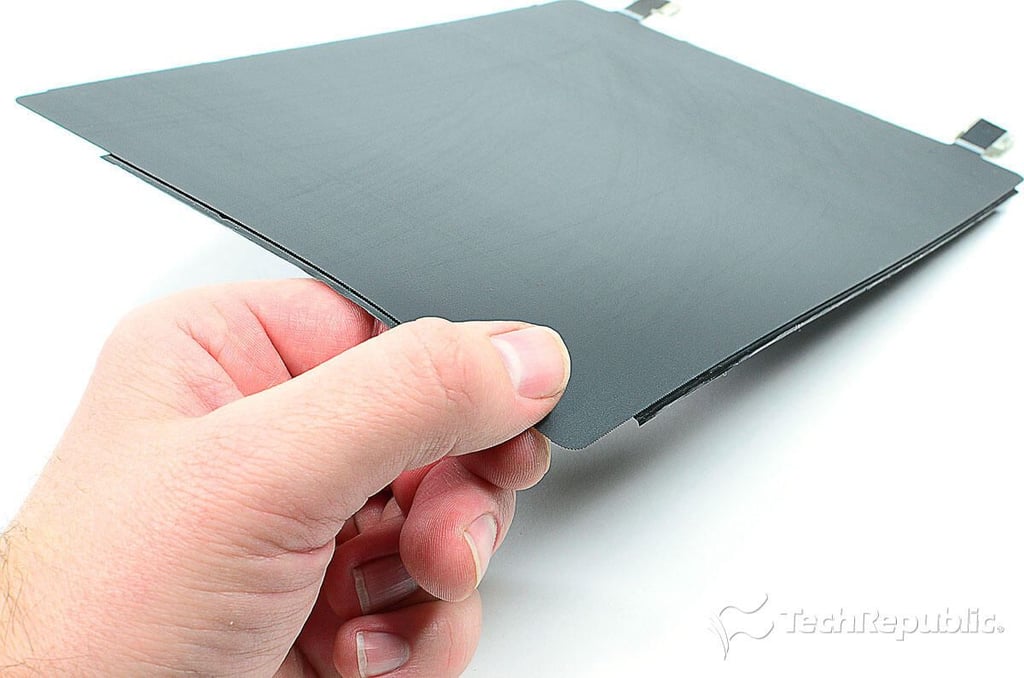
Cracking Open Boogie Board Rip: Removing the LCD from its hard plastic tray
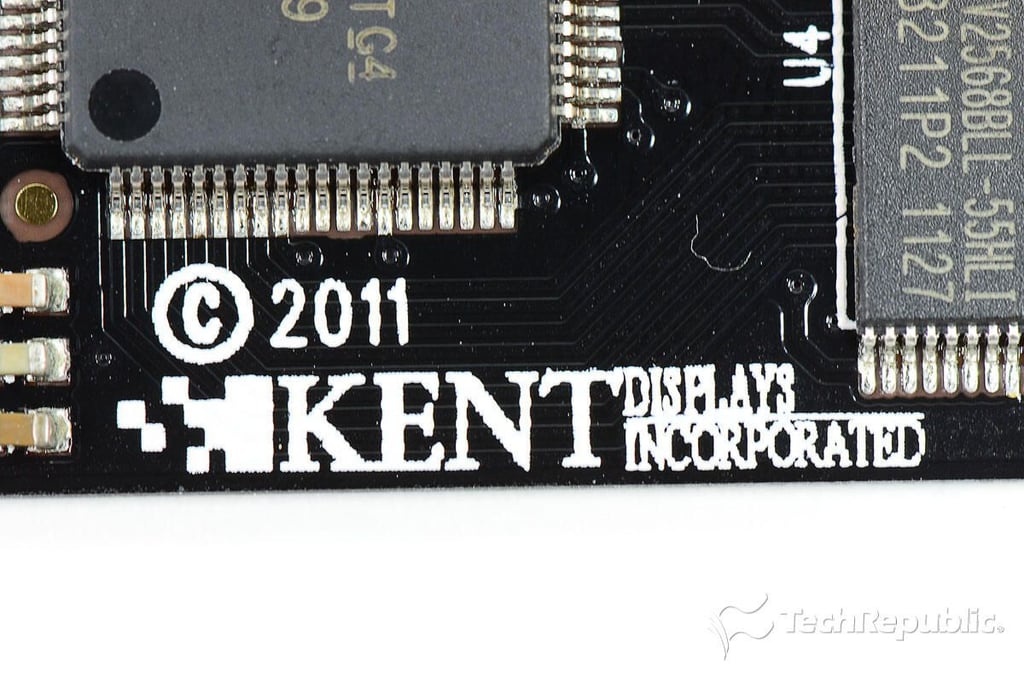
Cracking Open Boogie Board Rip: Kent Displays flexible cholesteric LCD
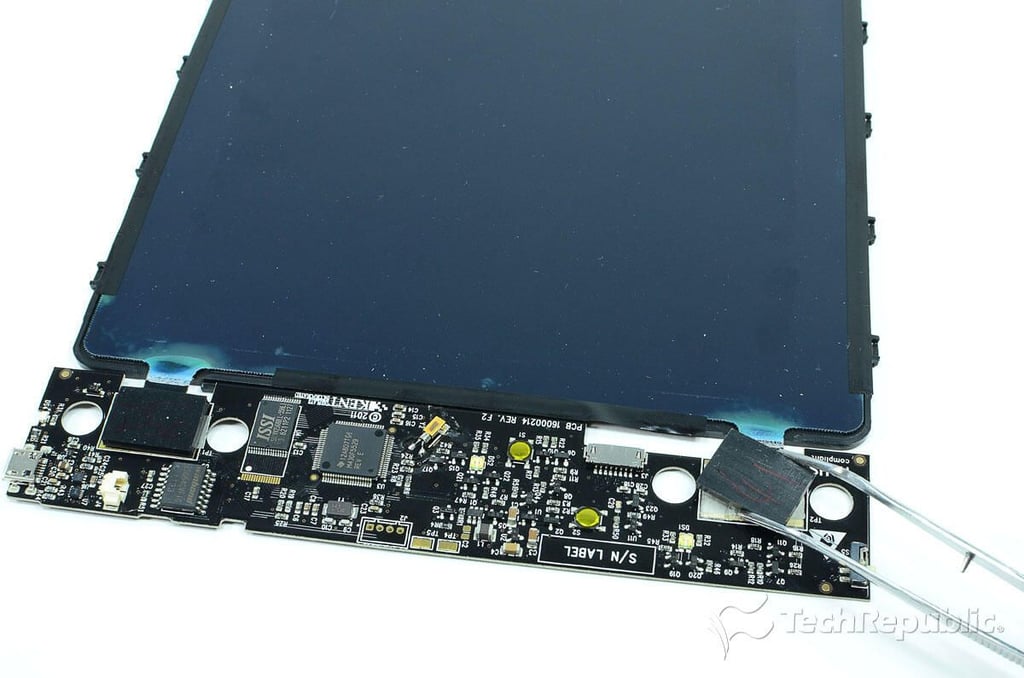
Cracking Open Boogie Board Rip: Motherboard - Front
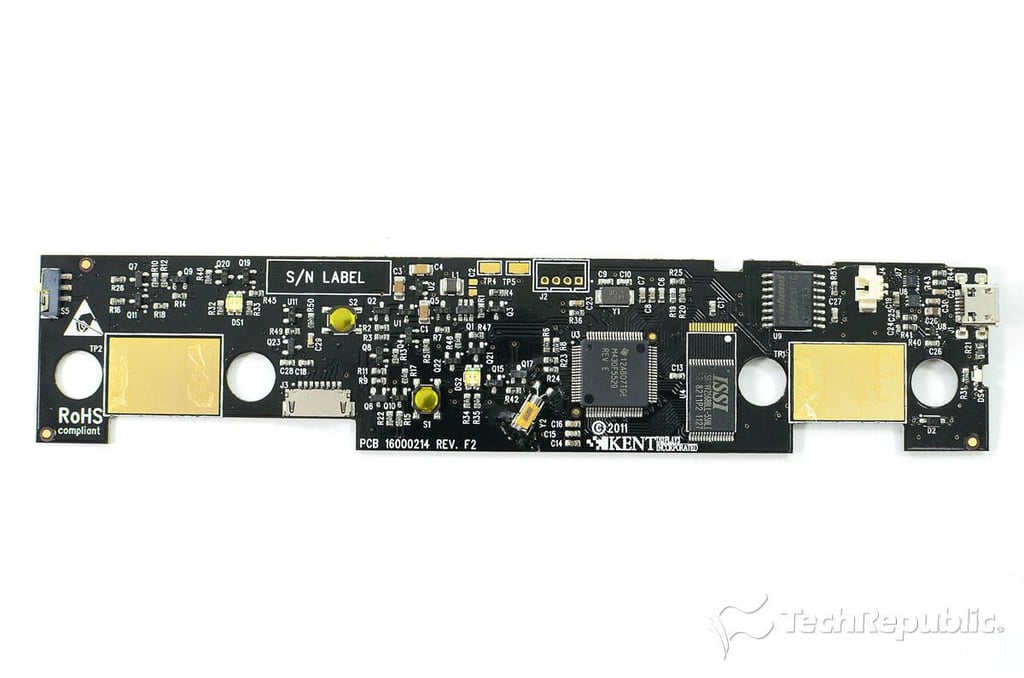
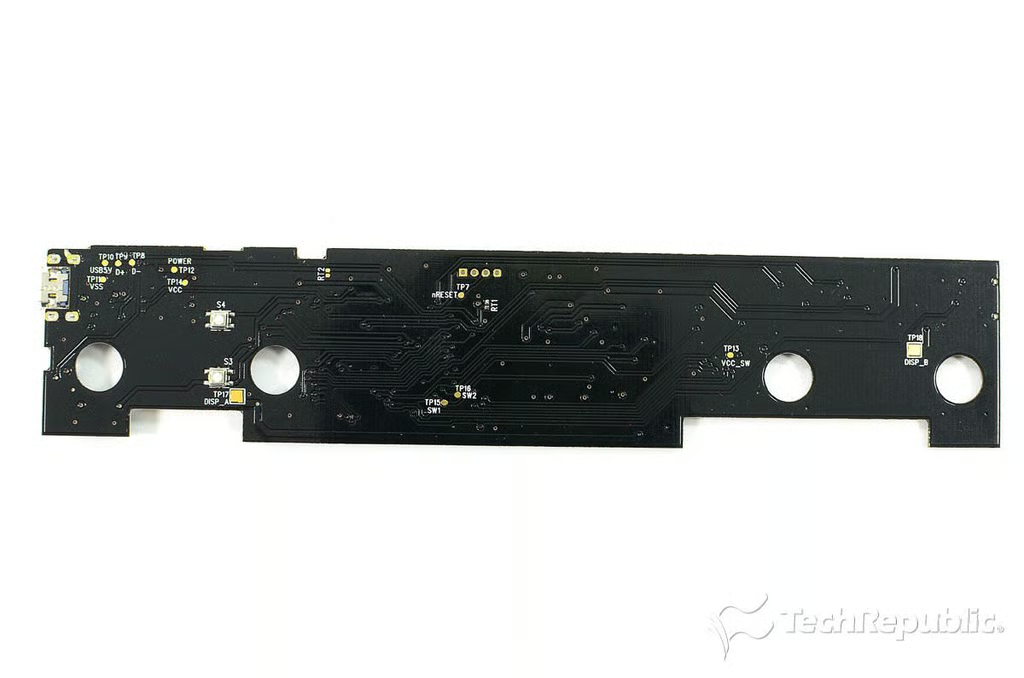
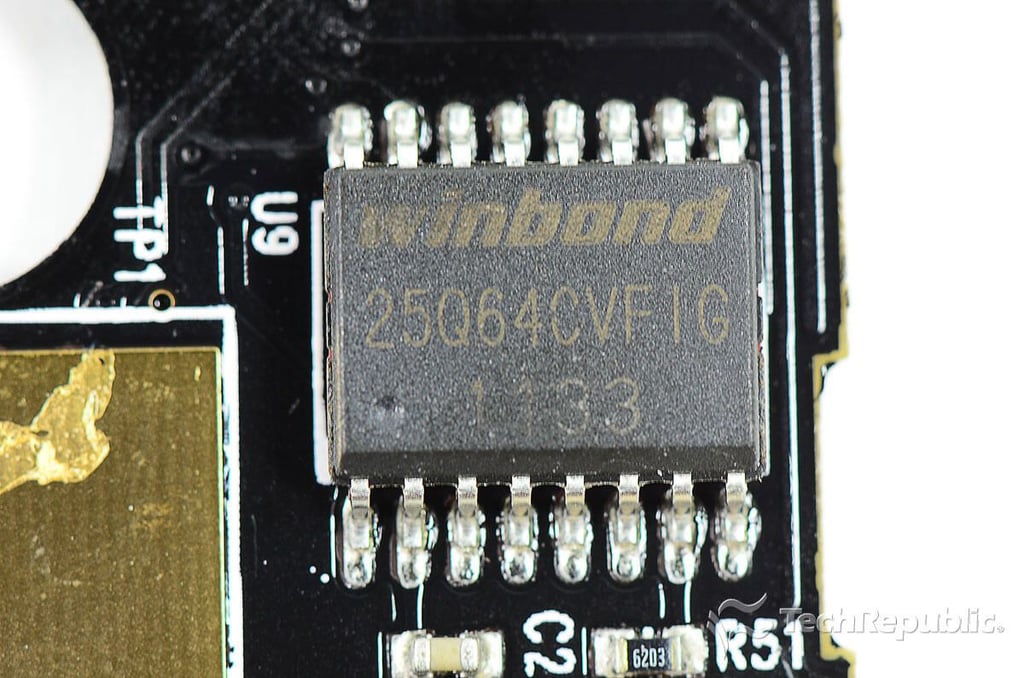
Cracking Open Boogie Board Rip: Motherboard - Back
Bill Detwiler is the Editor for Technical Content and Ecosystem at Celonis. He is the former Editor in Chief of TechRepublic and previous host of TechRepublic's Dynamic Developer podcast and Cracking Open, CNET and TechRepublic's popular online show. Previously, Bill was an IT manager in the social research and energy industries. He has bachelor's and master's degrees from the University of Louisville, where he has also lectured on computer crime and crime prevention.