


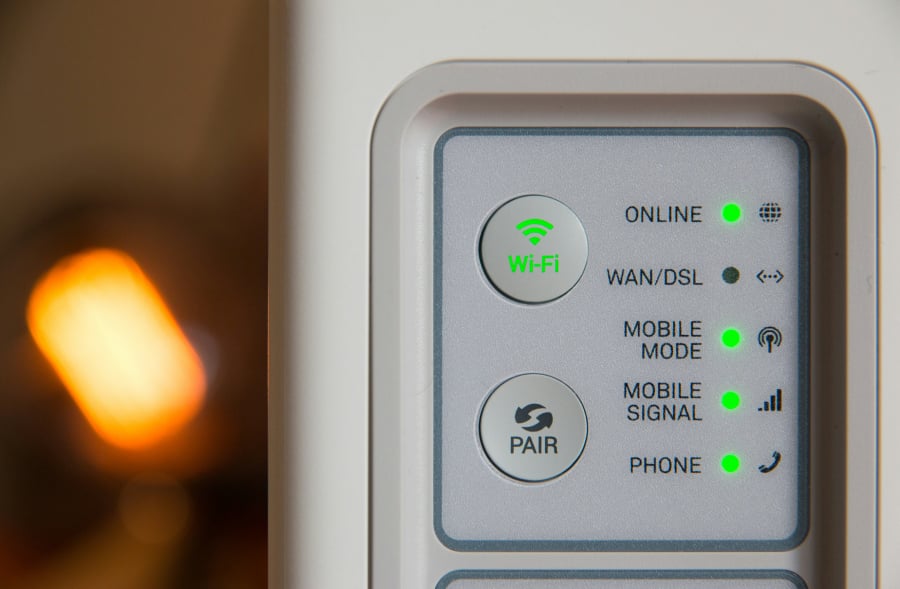
Your Wi-Fi router just became the latest battlefield in a growing war over cybersecurity and national control.
In a move that caught both consumers and the tech industry off guard, the Federal Communications Commission has banned the sale of any new foreign-made consumer routers in the United States, citing what the White House calls “unacceptable risks” to national security.
The decision, announced Monday, adds every consumer-grade router produced outside the US to the FCC’s Covered List. That decision means new router models made abroad can no longer receive FCC authorization, a requirement for devices to be imported, marketed, or sold in the US.
According to the FCC, the move comes after officials concluded that such devices “pose unacceptable risks to the national security of the United States or the safety and security of United States persons.” The agency’s action is not a standalone measure; it follows a directive from a White House-led national security review that flagged routers as a potential weak point in US infrastructure.
The Executive Branch determination warned that foreign-made routers introduce “a supply chain vulnerability that could disrupt the US economy, critical infrastructure, and national defense” and also pose “a severe cybersecurity risk that could be leveraged to immediately and severely disrupt U.S. critical infrastructure and directly harm U.S. persons.”
Officials also pointed to past cyber incidents. The FCC noted that: “Malicious actors have exploited security gaps in foreign-made routers to attack American households, disrupt networks, enable espionage, and facilitate intellectual property theft.”
The agency linked such vulnerabilities to major cyber campaigns known as Volt, Flax, and Salt Typhoon, which targeted US infrastructure between 2024 and 2025.
A broad and unusual scope
What makes this decision particularly striking is its reach. The definition of “foreign-made” extends beyond manufacturing to include design and development, meaning even US-based brands could be affected if any major production step happens overseas.
This could impact a large portion of the market, as most routers used in American homes are built outside the US, even those sold by domestic companies.
The FCC says companies can apply for an exemption, known as “conditional approval,” if they can prove their devices are secure and outline plans to shift production to the US.
Still, the requirement sets a high bar and could force manufacturers to rethink global supply chains or risk losing access to the US market.
Must-read security coverage
- UK Police Convicts Pair in £5.5 Billion Bitcoin Launder Case
- Blackpoint Cyber vs. Arctic Wolf: Which MDR Solution is Right for You?
- How GitHub Is Securing the Software Supply Chain
- 8 Best Enterprise Password Managers
What it means for consumers
For now, everyday users won’t notice immediate changes:
- Existing routers will continue to work normally
- Previously approved models can still be sold
- The impact will be felt gradually as new products fail to reach the market
Long-term, however, the shift could affect availability, pricing, and choice, especially as companies adjust their manufacturing to meet the new rules.
The router ban is part of a wider US effort to reduce reliance on foreign technology for critical infrastructure. Similar restrictions have already been applied to drones and telecom equipment in recent months, reflecting growing concern that everyday connected devices could become entry points for cyberattacks or surveillance.
For more on emerging cyber threats, read how a new variant of the ‘DarkSword’ leak exposed a dangerous iPhone exploit now putting users at risk.