
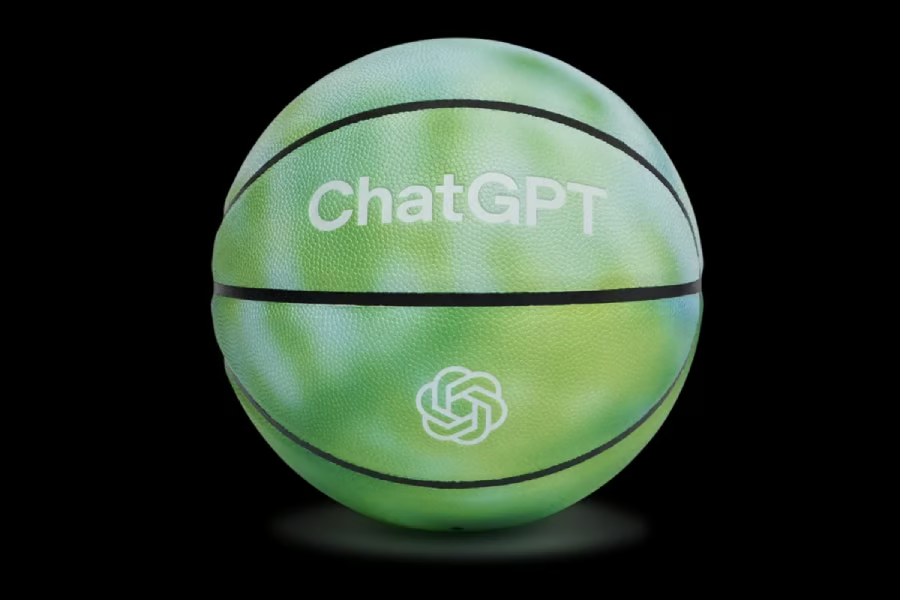


OpenAI wants ChatGPT users to log off, touch grass, and apparently shoot a few hoops.
The company has introduced a $70 ChatGPT-branded basketball as part of its “Pause. Play. Prompt.” campaign, alongside premium apparel and a compact keyboard marketed to Codex users. OpenAI describes the collection as a reminder that creativity exists beyond computer screens.
The basketball has no AI features and little connection to OpenAI’s software. Its real purpose may be to test whether ChatGPT has become recognizable enough to succeed as a consumer lifestyle brand.
What buyers get for $70
Despite the ChatGPT branding, the ball itself is relatively conventional. OpenAI describes it as a rubber basketball designed for outdoor play, with no digital features or connection to the company’s AI tools.
Its $70 price is therefore one of the most notable details. Standard outdoor basketballs are widely available at lower prices, suggesting that much of the product’s appeal rests on its branding, limited availability, or value as a collectible.
The basketball debuted alongside a compact keyboard that OpenAI markets as a “command center for agentic work.” That product has a clearer connection to the company’s software ambitions because it is positioned around Codex and AI-assisted development.
The contrast helps sharpen the story: one product supports OpenAI’s expanding technology ecosystem, while the other tests the cultural value of the ChatGPT name.
Building the ChatGPT brand
That’s not all that OpenAI released in its new merchandise collection.
The company is also selling apparel sporting research-based messaging like shirts that say “Good research takes time” and a $175 quarter-zip embroidered with the word “research” in cursive. Product descriptions lean into an academic aesthetic, and the emphasis on research reinforces OpenAI’s identity as an AI research company while simultaneously positioning the brand within a premium lifestyle category.
The broader merchandise strategy may show how OpenAI is attempting to transform ChatGPT from one of the world’s most recognizable AI products into a brand with offline visibility. While tech companies have long sold branded apparel and accessories to fans and employees, OpenAI’s basketball rolls that concept into less familiar territory.
The company’s product release tests whether it can turn its recognition into a consumer brand that extends beyond software subscriptions and APIs.
A bigger tech trend
While the basketball may seem like an odd move, OpenAI isn’t the first technology company to experiment with unconventional branded merchandise.
Tech companies have a long history of releasing unexpected products that have little to do with their core business but still manage to generate attention. Microsoft leaned into internet memes with its Xbox Mini Fridge, Tesla has sold everything from branded tequila to lifestyle accessories, and consumer electronics startup Nothing even launched a limited-edition beer to promote one of its smartphones.
For these companies, it seems the goal was never really about entering a new industry. It was about turning a recognizable tech brand into something fans could engage with beyond a screen. OpenAI’s basketball appears to follow a similar playbook, using an unexpected product to test just how far the ChatGPT brand can stretch.
More must-read AI coverage
- SS&C Intralinks DealCentre AI vs. Datasite: Which platform is built for the future of dealmaking?
- SS&C Intralinks FundCentre AI vs. Juniper Square: Which platform better supports modern private markets fund managers?
- Why Data, Not Models, Determines AI Success
- The Rise of the AI-Native Factory: How Physical AI Is Transforming Manufacturing
Testing consumer interest
So, who exactly is the intended consumer for the basketball, anyway?
Well, unlike the mini keyboard, the basketball offers little direct connection to AI beyond the ChatGPT logo. Furthermore, it appears to be designed primarily for enthusiasts, collectors, or fans of the company rather than for athletes seeking outdoor court equipment.
Still, it is worth noting that company merchandise can play an important role in building brand identity. Products like apparel, accessories, and collectibles often generate strong margins while reinforcing customer loyalty. If consumers are willing to wear OpenAI apparel or carry a ChatGPT basketball, it suggests the brand is evolving from a software platform into something with broader cultural recognition, which could encourage the company to expand further into lifestyle products.
Looking beyond software
The basketball launch may be more about brand awareness than sports accessories. As OpenAI continues to expand into AI assistants, hardware, and developer tools, its success may increasingly depend on building a recognizable identity outside its software ecosystem.
While the mini keyboard represents a practical step toward OpenAI’s ambitions in AI-powered hardware, the ChatGPT basketball tests whether the ChatGPT name has enough cultural backing to resonate in everyday life.
Also read: OpenAI’s ambitions extend well beyond branded merchandise, with the company reportedly developing a screenless AI speaker designed to bring ChatGPT into users’ homes.