


Image: Screenshot by Lisa Hornung/TechRepublic
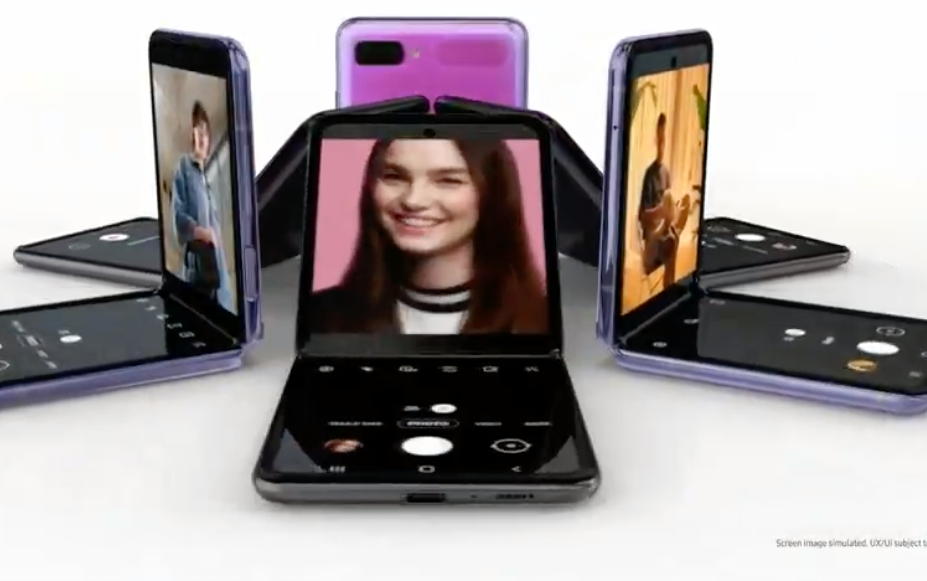
Samsung has formally announced its next foldable smartphone: The Samsung Galaxy Z Flip. The Z Flip comes from the same company that built last year’s Galaxy Fold, but it changes in several ways that may make a huge difference for interested buyers.
The Galaxy Z Flip has a new hinge design, which makes it possible for it to have an AMOLED screen made of seamless, foldable glass (according to Samsung); it has a familiar form factor in its clamshell design; and it competes directly with the new generation of Motorola Razr foldable smartphones.
With the Razr competing in the same market and the reputation-marring, problem-plagued Galaxy Fold less than a year in the past, life may be tough for the Galaxy Z Flip. That doesn’t mean it won’t be a good fit for some users, but with folding smartphones still a new form factor, it might remain more of a niche device.
SEE: Samsung Galaxy Z Flip: A cheat sheet (free PDF) (TechRepublic)
- What is the Samsung Galaxy Z Flip?
- Specs for the Samsung Galaxy Z Flip
- How is the Galaxy Z Flip different from the Galaxy Fold?
- Why should business users and developers care about the Galaxy Z Flip?
- How does the Galaxy Z Flip compare to the Motorola Razr?
- When will the Samsung Galaxy Z Flip be available?
What is the Samsung Galaxy Z Flip?
The concept of the Galaxy Z Flip is pretty similar to the Galaxy Fold, but Samsung’s design approach is different–instead of being a rectangle that unfolds into a square-shaped device, the Z Flip is shaped like an old clamshell phone. When folded up, the Galaxy Z Flip is a small square. There’s a tiny screen on the outside, but only for displaying notifications and being used as a viewfinder for the selfie camera. When the Galaxy Z Flip is unfolded, the main 6.7-inch folding screen is visible.
SEE: Mobile Device Computing Policy (TechRepublic Premium)
The screen is a new super-thin, flexible glass that Samsung said is an improvement over the screen in last year’s Galaxy Fold. Coupled with it’s folding mechanism, a new hinge called the “Hideaway Hinge,”, the glass screen is supposed to take more than 200,000 folds before it starts to have trouble.
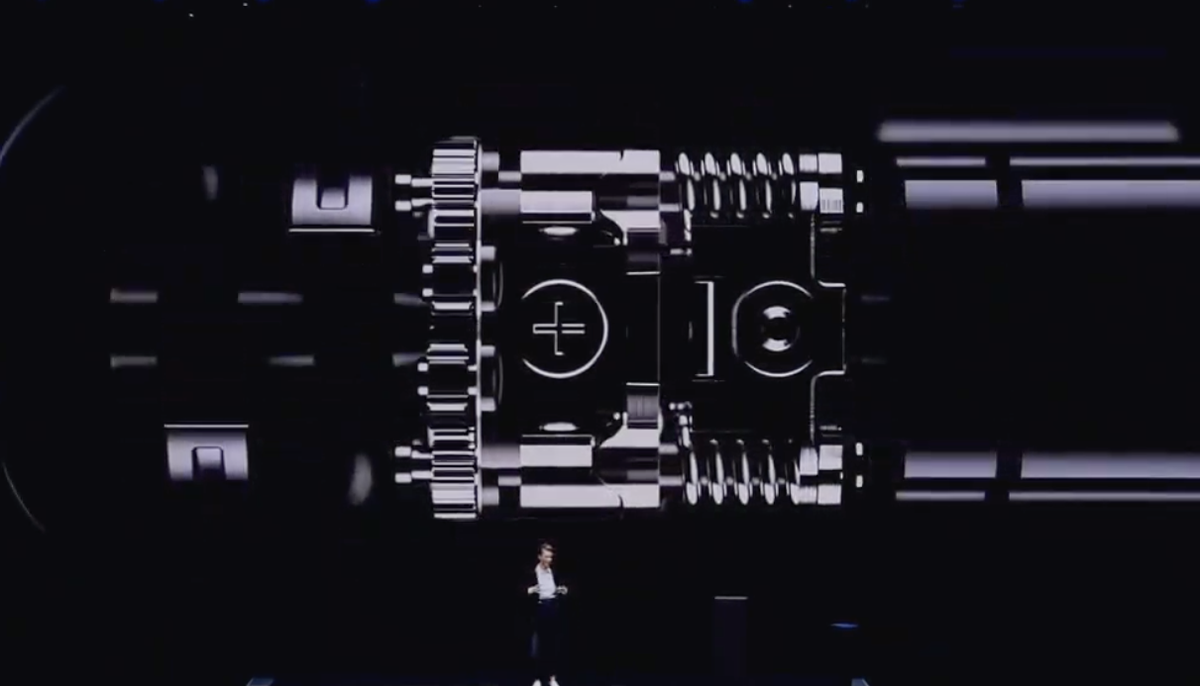
Image: Screenshot by Lisa Hornung/TechRepublic
The hinge is also designed to stop at any point—like that of a laptop—and many of the stock apps on the Z Flip have the ability to act in a split-screen mode–Flex Mode. YouTube comments can show below a video, a gallery of images can be scrolled through on the lower screen while particular images are viewed above, and the like. Users can take video calls while searching the web below in Flex Mode.
When opened, the Galaxy Z Flip looks almost like a standard brick-shaped phone—which is probably a good thing. If a folding smartphone can blend in with non-folding ones, it means folding phones may be maturing.
- Photos: Samsung Galaxy Z Flip is a bendy beauty (CNET)
- Samsung Galaxy Z Flip is a beautiful phone, until you touch it (CNET)
Specs for the Samsung Galaxy Z Flip
These specs for the Galaxy Z Flip are via Samsung.
- Operating system: Android 10 with Samsung One UI 2
- Processor: Qualcomm Snapdragon 855+
- Main display: 6.7-inch 2636 x 1080 FHD Dynamic AMOLED Infinity-O, 21.9:9
- Front display: 1.06-inch Super AMOLED always-on
- Storage: 256 GB
- Memory: 8 GB of RAM
- Rear cameras: 12-megapixel f/1.8 and 12-megapixel ultra-wide f/2.2
- Front camera (selfie camera): 10-megapixel f/2.4
- Battery: 3,300 mAh battery (could bring up to 33 hours battery life)
- Colors: Mirror Black, Mirror Purple, with Mirror Gold coming to select countries.
SEE: All of TechRepublic’s cheat sheets and smart person’s guides
How is the Galaxy Z Flip different from the Galaxy Fold?
The biggest detail separating the Galaxy Z Flip and the Galaxy Fold (aside from the Galaxy Z Flip’s extra generation of engineering) is their shapes. When unfolded, the Galaxy Fold had a 7.3″ main display with a nearly square shape. The Galaxy Z Flip folds out from a square like an old clamshell phone, becoming a long, skinny rectangle shape.
Hardware specs point to the Galaxy Fold still being a superior machine: It has more RAM, additional storage space, and larger storage capacity. It could be that Samsung doesn’t want to invest in a new form factor it still isn’t sure will succeed, or has it simply scaled down the hardware since the old version was over-specced?
With Motorola releasing the new folding touch screen Moto Razr, and with the Z Flip practically a direct response to it, a standard type of folding smartphone may be emerging; or, maybe the folding phone market is still exploring what works best for it.
Additional resources
- One month with the Samsung Galaxy Fold: Productivity unfolded (ZDNet)
- Foldable phones: Why you should wait for a folding 5G Apple iPhone (ZDNet)

Image: Screenshot by Lisa Hornung/TechRepublic
Why should business users and developers care about the Galaxy Z Flip?
Should business users should consider buying the Galaxy Z Flip? Probably not. While the Galaxy Z Flip is an improvement over last year’s Galaxy Fold, it still doesn’t address a problem with foldable smartphones: There is no clear business purpose–other than looking up-to-date on the latest tech trends.
Developers, on the other hand, may want to get a Galaxy Z Flip. If this Samsung device is successful, there might be demand for apps compatible with its folded screen mode, and its unique aspect ratio could lead to app owners scrambling to fix UIs for new devices.
Additional resources
- Samsung Galaxy Z Flip and Motorola Razr make little sense for business (ZDNet)
- Top Android security tips (free PDF) (TechRepublic)
- Hiring kit: Android developer (TechRepublic Premium)
- BYOD approval form (TechRepublic Premium)
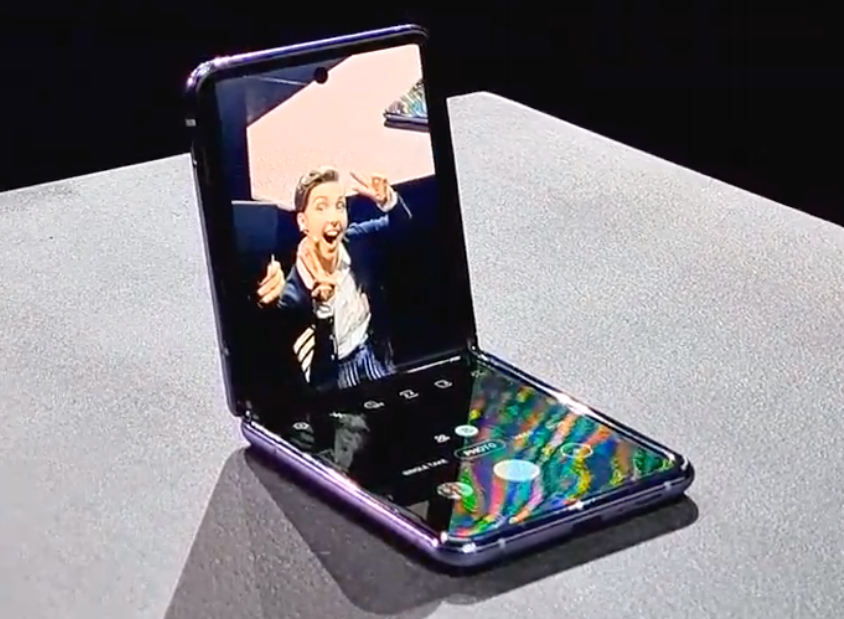
Image: Screenshot by Lisa Hornung/TechRepublic
How does the Galaxy Z Flip compare to the Motorola Razr?
By virtue of its shape alone, the Galaxy Z Flip has its competitive sights set directly on the Motorola Razr.
Both devices reintroduce older clamshell designs back into the modern smartphone market, but have full touchscreens, and both come from major players in the mobile tech world.
Motorola may have a leg up, at least in terms of nostalgia: The design of its new Razr device mimics the old Motorola Razr of the flip phone era.
Price-wise the Galaxy Z Flip has an edge, costing $1,380 USD to the Razr’s $1,499. Specs-wise, the Galaxy Z Flip has an edge: It has a bigger battery, more RAM, and more storage space.
Whether the Razr and the Z Flip actually become competitors bodes well for the entire folding smartphone market. If neither comes close to even meeting minimum sales numbers, then we know the world still isn’t ready for this new type of device outside of the gimmick.
Additional resources
When will the Samsung Galaxy Z Flip be available?
The Galaxy Z Flip goes on sale on Feb. 14, 2020 for $1,380.
Additional resources
- Samsung Galaxy Z Flip available Feb. 14 for $1,380 in limited quantities: Here are the specs (ZDNet)
- Galaxy S20 and Galaxy Z Flip: How to preorder Samsung’s new phones (CNET)
- This $5K foldable phone stars the Joker and Harley Quinn (CNET)
- Smartphones and mobile tech: More must-read coverage (TechRepublic on Flipboard)