


The gun alert was canceled within two minutes. Armed officers still arrived at Kenwood High School.
Four current and former students sued Omnilert, Baltimore County, the county school board, and individual school officials and police officers on Nov. 17, 2026. They allege that police unlawfully detained and searched them after the school’s AI gun detection system mistook a bag of Doritos for a possible firearm.
The complaint says the principal sent a screenshot from the original alert to a school resource officer after it had been canceled. The officer forwarded it to county police.
How a canceled alert reached police
On Oct. 20, 2025, four teenagers were waiting for rides after football practice at Kenwood High School in Baltimore County, Maryland. One of them, Taki Allen, was eating Cool Ranch Doritos. The complaint says Omnilert Gun Detect flagged what he was holding as a possible firearm with a 90% confidence score.
Omnilert’s reviewers forwarded the alert to school and police personnel, according to the complaint. District safety staff and a county police representative then reviewed it, determined there was no gun, and canceled it. The system sent a separate text announcing the cancellation.
The Maryland inspector general’s report found that the principal viewed the original alert and contacted the school resource officer before seeing the cancellation. It also found that district procedures didn’t cover what to do if someone passed along a canceled alert as active.
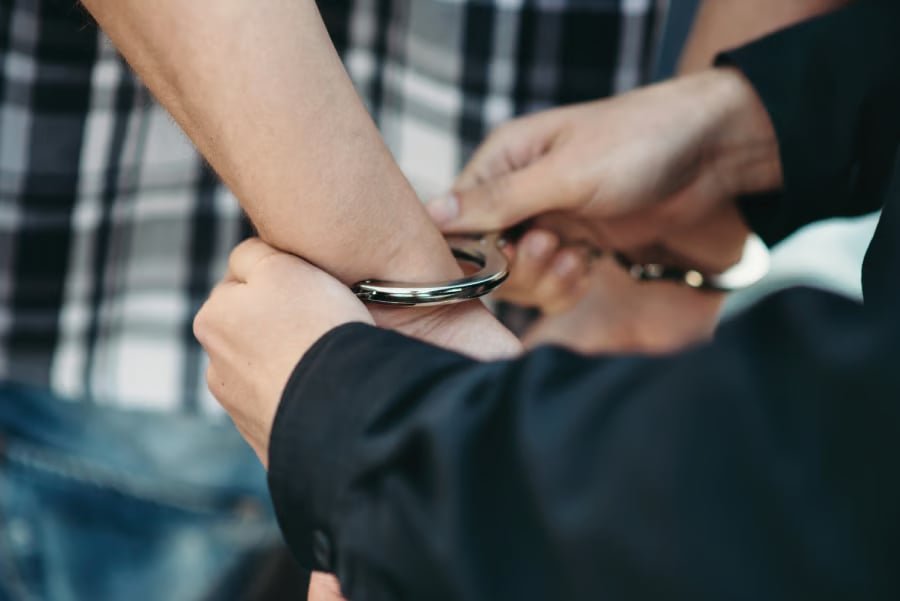
The complaint alleges that responding officers ordered the four teenagers to their knees, handcuffed them, and searched them. The plaintiffs are seeking damages and a court order barring use of the system or comparable technology until safeguards for verification, cancellation, communication, and training are in place.
Omnilert told Ars Technica it was reviewing the complaint and expressed regret for the fear the students experienced. The district declined to comment on the lawsuit.
More must-read AI coverage
- SS&C Intralinks DealCentre AI vs. Datasite: Which platform is built for the future of dealmaking?
- SS&C Intralinks FundCentre AI vs. Juniper Square: Which platform better supports modern private markets fund managers?
- Why Data, Not Models, Determines AI Success
- The Rise of the AI-Native Factory: How Physical AI Is Transforming Manufacturing
What security teams should test before an alert triggers action
Maryland’s inspector general found that Omnilert’s monitoring system filtered out 96% of the objects it flagged in Baltimore County Public Schools between November 2023 and November 2025. Fewer than 1% of the alerts Omnilert forwarded to the district required notifying law enforcement. At Kenwood, the district’s review caught the error. The cancellation still failed to stop the response.
The same failure can affect a security team whose alerts can dispatch guards, isolate a laptop, or disable an account. Before connecting a detection tool to a response workflow, test three things:
- Can responders see when an alert is canceled? Run a drill in which someone opens the original notification after a reviewer cancels it. Verify that responders check the current status in the same system used to authorize action, even if a screenshot has already been forwarded.
- Who can reopen a canceled alert? Name the person or role that can override a cancellation, record the reason, and require acknowledgment from anyone already responding. Build those approval controls into the automated response workflow.
- Where are errors getting through? In security monitoring and triage, count raw detections, alerts that reviewers forward, and alerts that trigger a response separately. Track missed detections and how long it takes for cancellations to reach responders.
Include the last person in the chain in the drill. Ask them to show where they would check the alert’s status and how they would stop a response already underway.
Read more: A single approval can have consequences beyond the person who gives it, as the BluePhishing research into AI agent consent and Microsoft cloud access shows.