Microsoft is partnering with top firms to launch new AI security tools, boosting breach analysis, threat detection, and AI model protection across cloud platforms.

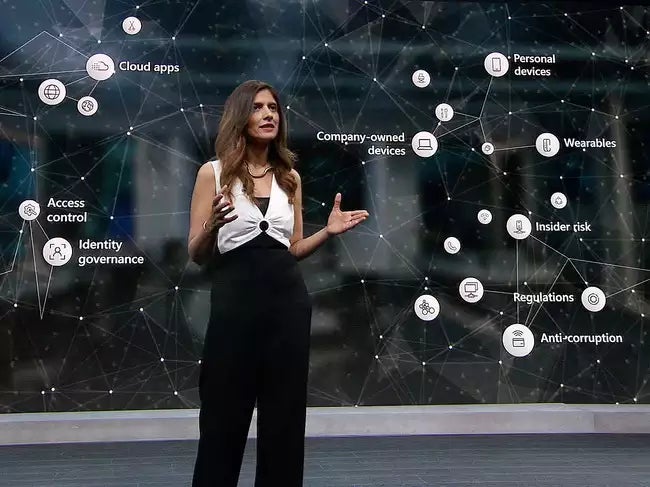
Microsoft is raising the bar in the cybersecurity game with a new wave of AI-driven security agents. The company announced an expansion of its Microsoft Security Copilot, introducing six AI agents designed to tackle cyber threats head-on. These agents, set to launch in April 2025, will assist overwhelmed security teams in handling phishing attacks, data breaches, and identity threats.
Cyberattacks have reached unprecedented levels, with Microsoft detecting more than 30 billion phishing emails in 2024 and tracking 7,000 password attacks every second. The new Security Copilot agents aim to ease the burden on cybersecurity teams by automating threat detection and response, enabling faster and more effective protection.
SEE: Next-Gen AI: Latest Microsoft and NVIDIA Collaboration is a ‘Significant Leap Forward’
The new Microsoft Security Copilot agents include:
Alongside Microsoft’s native tools, five partner companies — OneTrust, Aviatrix, BlueVoyant, Tanium, and Fletch — are launching integrated security tools within the Security Copilot framework. These collaborative tools will help businesses analyze data breaches, optimize security operations, and prevent cyber risks more effectively.
With AI adoption booming, the associated security challenges are, too. A Microsoft report found that 57% of organizations have experienced security incidents due to AI usage, yet 60% still lack a formal AI security strategy. In response, Microsoft is launching new security controls to protect AI models, detect emerging threats, and prevent data leaks.
SEE: Is Microsoft in Hot Water With The FTC Over AI Operations Antitrust Issues?
For instance, Microsoft Defender will introduce advanced posture management tools to protect AI models across cloud platforms including Azure, AWS, and Google Cloud. The company is also enhancing Microsoft Teams with robust phishing protection, ensuring that malicious links and attachments are flagged before they pose a risk.
Microsoft’s latest move reinforces the idea that AI isn’t just something businesses need to protect — it’s a critical line of defense against cyber threats. By offloading routine security tasks to intelligent agents, cybersecurity professionals can focus their efforts on identifying and neutralizing sophisticated, high-impact attacks.
Aminu Abdullahi is a B2C and B2B technology and finance writer with more than six years of experience covering enterprise IT, cybersecurity, cloud computing, artificial intelligence, fintech, business software, and emerging technologies. His work has appeared in publications including TechRepublic, eWEEK, Channel Insider, Geekflare, Enterprise Networking Planet, eSecurity Planet, CIO Insight, and Webopedia. With a technical background in computer science, he specializes in translating complex technology topics into clear, accessible content for business leaders and decision-makers.

