


Ozempic-style drugs have changed how people lose weight, but they have also raised a more pressing question: What exactly is being lost?
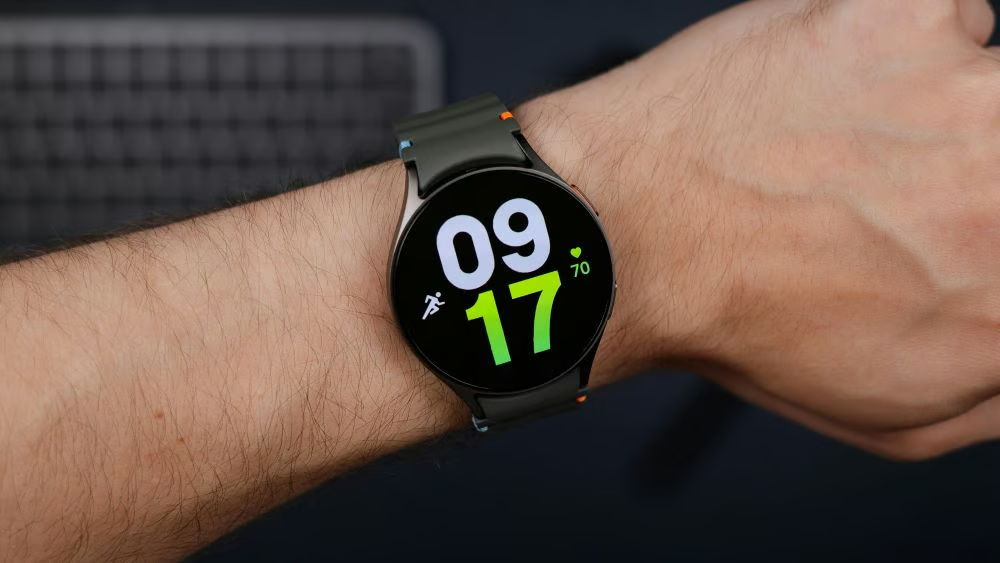
Samsung is working with Massachusetts General Hospital to study whether the Galaxy Watch8 can help monitor patients taking GLP-1 weight-loss drugs. The research will compare smartwatch-based tracking with standard care, using clinical scans to evaluate whether wearable data can help flag changes in body composition that a bathroom scale may miss.
The tech giant is betting that the next health use for a smartwatch may be watching the weight-loss boom more closely.
Galaxy Watch8 steps outside the gym
Muscle mass is the concern behind the new research. Mass General’s Diabetes Research Center wants to see whether the watch can help clinicians follow changes in lean mass as patients lose weight on GLP-1 drugs, the class that includes Ozempic, Wegovy, Mounjaro, and Zepbound.
The study will follow adults starting weight-loss medication and compare two approaches. One group will use the Galaxy Watch8 and Samsung Health, and the other will receive the standard guidance and care typically given to new patients.
Participants in the watch group will track body composition, physical activity, and heart rate. Exercise guidance will also be part of the program, allowing researchers to compare daily smartwatch support with the usual approach.
DXA scans will serve as a clinical benchmark, so the study will not rely solely on wrist-based data.
The hidden cost of rapid weight loss
Weight-loss drugs can change the scale quickly, but doctors are watching what happens beneath the number. Pounds lost may include muscle, not just body fat.
Muscle loss can affect strength, metabolism, and long-term weight maintenance. Dr. Melissa Putman, director of the MGH Diabetes Research Center, said many GLP-1 patients struggle with muscle mass loss, calling it “a common side effect” that can raise cardiovascular risk, lower basal metabolic rate, and lead to future weight regain.
Weekly weigh-ins may show progress but miss changes that affect how the body feels and functions.
Putman said wearable data could give clinicians a fuller view of a patient’s condition during treatment, helping them make more timely adjustments to care.
Where smartwatches may fit in treatment
Daily monitoring becomes more important as GLP-1 use grows. Nearly one in five adults say they have taken a GLP-1, according to KFF polling.
Wider use poses a challenge for patients and clinicians because treatment can unfold day by day, whereas medical visits occur far less often. A smartwatch cannot replace lab work, scans, or a doctor’s judgment, but it may help fill in some of the routine health data between appointments.
Galaxy Watch8 is being studied as a support tool, with Mass General evaluating whether its data can help clinicians track treatment progress. Samsung says the readings are not meant to diagnose or treat medical conditions.
Learn how Samsung Galaxy Watches measure blood sugar with the right CGM setup.