


Virtual bands are about to get a reality check on the world’s largest music streaming platform.
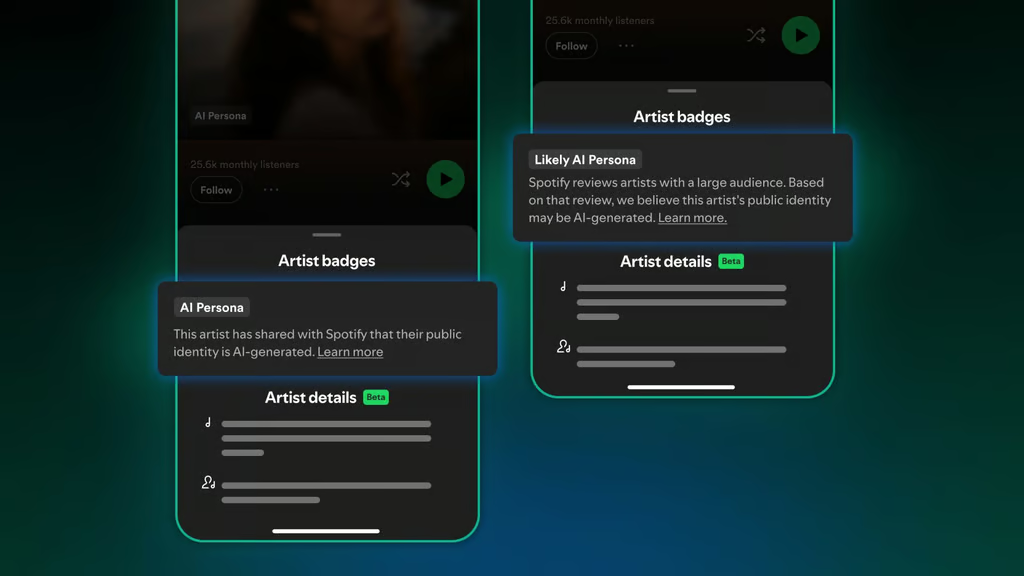
The streaming giant announced Tuesday that it will begin adding “AI Persona” badges to artist profiles that appear to represent AI-generated identities rather than human performers. The labels will start appearing in mid-September across artist pages, search results, and playlist track listings.
Spotify said the move is meant to improve transparency as AI-generated artists become more common on streaming platforms. “Listeners have been clear in telling us that they don’t like seeing an artist profile that seems human, only to find out that the persona is AI-generated,” the company said.
Artists will be able to voluntarily disclose that their profile represents an AI Persona through Spotify for Artists, but the company said it will not rely on self-reporting alone. Spotify will also review profiles whose names and images appear to depict photorealistic AI-generated identities, beginning with artists that have reached certain audience thresholds.
AI artists will lose algorithmic promotion
The biggest change is that Spotify will stop including AI Persona accounts in its editorial and algorithmic recommendations by default.
That means AI-generated artists will not appear in personalized features such as recommendation feeds unless a listener has already chosen to follow them. Users can still search for, listen to, and follow those artists. Spotify said the policy is focused on how artists present their identity, not whether AI was used during the music-making process.
“This badge is about the artist’s public identity, not about how the music was made,” Spotify said. The company will continue using separate tools, including AI Credits and SongDNA, to provide information about how songs were created and what role AI played in production.
The challenge of AI music discovery
The change comes as streaming platforms deal with a flood of AI-generated music and concerns that synthetic artists could compete with human musicians for attention and revenue.
Spotify has already introduced several transparency features, including Verified by Spotify for authentic artist identities and AI Credits that allow musicians to disclose AI involvement in their songs.
The company is also trying to balance AI innovation with concerns about low-quality, mass-produced content. Spotify has invested in AI-powered features such as AI DJ and other personalized tools while attempting to prevent recommendation systems from being overwhelmed by automated music uploads.
A new trust layer for streaming
Spotify’s approach creates a middle ground between banning AI artists and allowing them to compete equally for discovery. Instead of removing AI-generated performers, the company is limiting how easily they can be surfaced to listeners who did not actively seek them out.
That strategy could help protect human artists from losing visibility, but it also places pressure on Spotify to accurately identify AI personas. False labels could affect legitimate creators who use AI tools creatively, while missed detections could continue the same transparency problems the company is trying to solve.
The policy also highlights a growing divide in the music industry: AI itself is becoming less of the issue than whether listeners understand what they are hearing and who they believe they are supporting. Spotify said users will eventually be able to report artist profiles they believe represent AI Personas but have not been labeled, adding another layer of community oversight to the system.
Also read: YouTube is taking its own approach to synthetic content with new monetization limits for repetitive AI-generated videos and synthetic personas while still allowing creators to use AI as part of original work.