


For growing businesses and tech-focused teams, using a card that avoids personal credit reporting can preserve financial flexibility. In this guide, I review four of the best business credit cards that don’t check personal credit and highlight the top overall pick. “Issuers don’t report business cards to consumer credit bureaus unless the account is delinquent, which may affect your personal credit,” according to Capital One.[1]
- Best overall for tech-driven businesses seeking automated expense management and cash back rewards without a personal credit impact: Ramp Card
- Best for companies looking for unified spend management across HR, IT, and finance operations: Rippling Spend Card
- Best for businesses managing fleets or frequent travel operations that want to streamline fuel expenses: Coast Fuel Card
- Best for organizations needing real-time visibility and employee expense control without tying business activity to personal credit: Emburse Spend
Choosing the right business credit card helps companies manage expenses, streamline operations, and protect the owner’s personal credit. Some cards report to personal credit bureaus, while others keep business activity entirely separate.
- Overview of the best business credit cards that don’t report to personal credit
- Ramp Card: Best overall for tech-driven businesses seeking automated expense management & cash back rewards without a personal credit impact
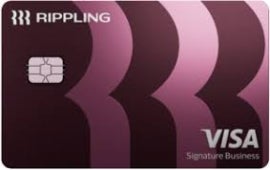
- Rippling Spend Card: Best for companies looking for unified spend management across HR, IT & finance operations
- Coast Fuel Card: Best for businesses managing fleets or frequent travel operations that want to streamline fuel expenses
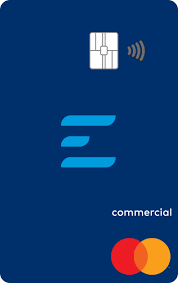
- Emburse Spend: Best for organizations needing real-time visibility & employee expense control without tying business activity to personal credit
- Methodology: How I selected the best business credit cards that don’t report to personal credit
- What to look for in a business credit card that doesn’t report to personal credit
- Why business credit cards report to personal credit
- How to tell if a business card reports to personal credit
- Tips and advice for maximizing business credit cards without affecting personal credit
- Pros & cons of using business credit cards that don’t report personal credit
- Frequently asked questions (FAQs)
Overview of the best business credit cards that don’t report to personal credit
| Annual fee | Rewards | Reports activity to personal credit | Reports to business credit bureaus | |
|---|---|---|---|---|
| Ramp Card | ||||
| Rippling Spend Card | ||||
| Coast Fuel Card | ||||
| Emburse Spend | ||||
Ramp Card: Best overall for tech-driven businesses seeking automated expense management & cash back rewards without a personal credit impact
 |
|
|---|---|
Pros
| Cons
|
Card details
Rewards
|
|
Why I like it
Ramp is a great fit if your tech-savvy business wants automation, rewards, and protection from personal credit risk. Instead of juggling categories or confusing rules, you can earn up to 1.5% cash back on purchases, making rewards simple and consistent.
Because Ramp doesn’t report to personal credit bureaus and require a personal guarantee, you can keep your personal credit protected while building your company’s financial profile. On top of that, Ramp’s automation tools, like real-time expense tracking, automatic receipt matching, and built-in policy controls, help cut down on manual work and keep spending in check.
For teams wanting a modern financial platform with straightforward rewards and strong oversight, Ramp is a strong choice.
Other benefits
In addition to its cash back program, the Ramp Card includes features that help businesses manage spending with greater control and efficiency.
- Get advanced spend controls to set limits, restrict merchant categories, and manage card access instantly
- Integrate seamlessly with accounting platforms, such as QuickBooks, NetSuite, and Xero
- Get support for both virtual and physical cards to accommodate remote teams and one-time purchases
- Enjoy real-time visibility into transactions to reduce manual tracking and improve financial oversight
Rippling Spend Card: Best for companies looking for unified spend management across HR, IT & finance operations
 |
|
|---|---|
Pros
| Cons
|
Card Details
Rewards
|
|
Why I like it
I recommend the Rippling Spend Card if your organization wants tighter control of expenses across HR, IT, and finance. Since it is part of Rippling’s broader platform, your company can issue and manage cards through the same system used for employee onboarding, payroll, and device management. This integration makes it easier to track and control spending while keeping policies consistent across departments.
Administrators can set detailed spending rules, automate approvals, and view transactions in real time from a single dashboard. The card does not report to personal credit bureaus and does not require a personal guarantee, which helps keep business and personal finances separate. For companies already using Rippling or looking to connect finance with other operations, the Spend Card offers a straightforward way to manage expenses with more accuracy and control.
Other benefits
Apart from centralized expense control, the Rippling Spend Card includes features that help streamline financial operations and improve cross-department visibility.
- Issue both virtual and physical cards with customizable rules tied to roles, departments, or spending categories
- Automate card access based on employee onboarding status for easier assignment and deactivation
- Use real-time tracking and policy enforcement to prevent out-of-policy spending before it occurs
- Integrate with accounting systems like QuickBooks and NetSuite to improve reconciliation and reporting
- Align financial processes with HR and IT systems for a more unified operational workflow
Coast Fuel Card: Best for businesses managing fleets or frequent travel operations that want to streamline fuel expenses
 |
|
|---|---|
Pros
| Cons
|
Card details
Rewards
|
|
Why I like it
The Coast Fuel Card is designed for businesses with fleets or teams that travel often and want better control over fuel costs without affecting personal credit. There is no personal guarantee, and activity is not reported to personal credit bureaus, which helps keep business and personal finances separate.
Administrators can set spending limits, track transactions in real time, and issue or disable cards as needed. These features give companies with drivers or field teams strong oversight while keeping operations efficient. If your business prioritizes mobility and cost control, the Coast Fuel Card provides a simple and transparent solution.
Other benefits
On top of its credit-friendly structure, the Coast Fuel Card includes features that simplify fleet and fuel expense management.
- Set customizable spending rules based on merchant type, time of day, or transaction amount
- Enjoy broad acceptance anywhere Visa is accepted, including fuel stations, maintenance shops, and car washes
- Get real-time transaction tracking and spending alerts to improve oversight and reduce fraud
- See transparent pricing with no hidden fees, setup costs, or interest charges
Emburse Spend: Best for organizations needing real-time visibility & employee expense control without tying business activity to personal credit
 |
|
|---|---|
Pros
| Cons
|
Card details
Rewards
|
|
Why I like it
The Emburse Spend Card is a good option if your company wants real-time visibility into expenses and stronger control over employee spending, without linking business activity to personal credit. Administrators can issue cards quickly with preset rules and limits, which makes it easier to enforce policies and cut down on unnecessary approvals.
Transactions appear in real time, giving your finance teams the ability to act quickly instead of waiting until after the fact. Because Emburse does not report to personal credit bureaus (unless the balance goes delinquent) and does not require a personal guarantee, it helps you separate personal and business finances. If you want smarter spend management and straightforward control, Emburse Spend is a practical choice.
Other benefits
In addition to offering cash back and protecting personal credit, the Emburse Spend Card includes several features that make it especially valuable for modern financial teams.
- Issue virtual and physical cards at no additional cost, with built-in policy controls
- Enjoy automated receipt matching and approval workflows that help reduce manual tracking and speed up reporting
- Integrate with accounting platforms to improve reconciliation accuracy
- Enjoy compatibility with mobile wallets such as Apple Pay and Google Pay for flexible, secure purchasing
- Have real-time visibility and tighter control over company spending
Methodology: How I selected the best business credit cards that don’t report to personal credit
To select the best business credit cards that do not report to personal credit, I used the following criteria:
- Verified that issuers clearly state their reporting policies through official sources or trusted third parties
- Prioritized cards that maintain a clear separation from personal credit, with no personal credit checks or guarantees required under normal terms
- Evaluated features that benefit small businesses and startups, such as spend management tools, rewards programs, and financial software integration
- Focused on cards that deliver strong business value while fully protecting the cardholder’s personal credit profile
What to look for in a business credit card that doesn’t report to personal credit
When choosing a business credit card that keeps personal credit separate, focus on a few key factors.
- Look for cards that clearly state they do not require a personal guarantee or personal credit check.
- Ensure the card reports to business credit bureaus so that your company can build its own credit profile.
- Choose a card with features that support growth, such as straightforward rewards, real-time expense tracking, and integrations with accounting software.
Together, these features give your business flexibility while protecting your personal credit.
Why business credit cards report to personal credit
Some business credit cards report to personal credit because the issuer requires extra protection in case the business cannot pay. Many cards ask for a personal guarantee, which makes the owner responsible for the balance. This reduces risk for the lender but means late payments or high balances can affect your personal credit score. Understanding these policies before applying helps you choose a card that matches your financial goals.
How to tell if a business card reports to personal credit
Before applying, check the card issuer’s terms and conditions to see how it handles credit reporting. Most providers state clearly whether activity is shared with personal credit bureaus or only with business credit agencies.
You can also look for details about personal guarantees and credit checks during the application process, since these are signs that the card may affect your personal credit. If the information is not listed, contact the issuer directly to confirm before you apply.
Tips and advice for maximizing business credit cards without affecting personal credit
Using a business credit card that does not report to personal credit bureaus offers significant advantages. However, to fully benefit from these cards and build strong financial foundations for your business, it is important to follow best practices.
Here are several actionable tips to consider:
- Always pay on time.
- Monitor business credit reports regularly.
- Set clear employee spending policies.
- Take advantage of expense management tools.
- Understand personal guarantee terms.
- Use rewards strategically.
Business credit cards that do not report to personal credit bureaus offer valuable protection for business owners — but responsible use is still essential. By following a few key best practices, companies can maximize the financial benefits of these cards, build strong business credit, and maintain a clear separation between personal and business finances.
Pros & cons of using business credit cards that don’t report personal credit
| Pros | Cons |
|---|---|
|
|
Frequently asked questions (FAQs)
Why do some business credit cards not report personal credit?
Business credit cards that do not report to personal credit bureaus are designed to keep personal and business finances separate. These cards are intended to help businesses build their commercial credit profiles without impacting the personal credit scores of the business owners or employees. This separation provides greater financial flexibility and protects personal credit from fluctuations tied to business spending.
Do business credit cards show up on a personal credit report?
In general, providers do not report business credit card activity to personal credit bureaus when accounts are in good standing. However, since each issuer may have its own policies regarding defaults or delinquencies, it’s best to confirm the details directly with the provider.
How do business credit cards help build business credit?
Many business credit cards report account activity to commercial credit bureaus such as Dun & Bradstreet, Experian Business, or Equifax Business. Responsible use, such as making on-time payments and maintaining low balances, can help establish and strengthen a company’s business credit profile. A strong business credit score can make it easier to secure loans, lines of credit, and favorable terms with suppliers.
What features should I look for in a business credit card that does not report to personal credit?
When choosing a business credit card that does not report to personal credit, look for features such as no personal guarantee requirements, strong rewards programs tailored to business spending, robust expense management tools, integration with accounting software, and clear reporting practices to business credit bureaus. Cards that offer these benefits can provide financial flexibility while supporting business growth.
Reference:
[1]Capital One