


Samsung has secured a preliminary ruling from the US International Trade Commission (ITC) against Chinese OLED supplier BOE, seeking a cease and desist order that could affect iPhone production.
Korean news outlet ET News reported that the ITC determined BOE and its affiliates had infringed on Samsung Display’s trade secrets. The ruling recommends halting further imports and sales of the disputed OLED panels, which are currently used in several iPhone models.
Samsung seeks damages for lost profits and unfair business advantage
The preliminary ruling follows a broader legal campaign by Samsung Display accusing BOE of copying proprietary OLED manufacturing technology. BOE, a major Chinese display maker, and seven of its affiliates were found to have violated key technical protections under US trade law, including 15 out of 16 confidential items reviewed by investigators.
Samsung first filed the trade secret complaint in October 2023. In April 2025, it expanded its legal action with a civil lawsuit in the Eastern District of Texas, seeking compensation for lost operating profit and recovery of BOE’s unjust gains. The tech company is also pursuing punitive damages up to twice the financial harm incurred.
According to Samsung, its OLED panel designs and processes were developed internally and then replicated without authorization. The ITC ruling, issued in July 2025, supports these findings and recommends a cease and desist order in addition to an import ban.
While the decision is not yet final, ET News noted that preliminary ITC rulings are rarely reversed once issued.
Mobility must-reads
- Big Apple OS Makeover: Here’s What to Expect & When
- MWC 2025: Nothing Shows Off (3A) Phones With AI Organization Tool
- Bad News for App Developers: Most Apps Fail to Hit $1,000 Monthly Revenue Within Two Years
- Mobile Device Computing Policy
Some iPhone models get tangled in legal crossfire
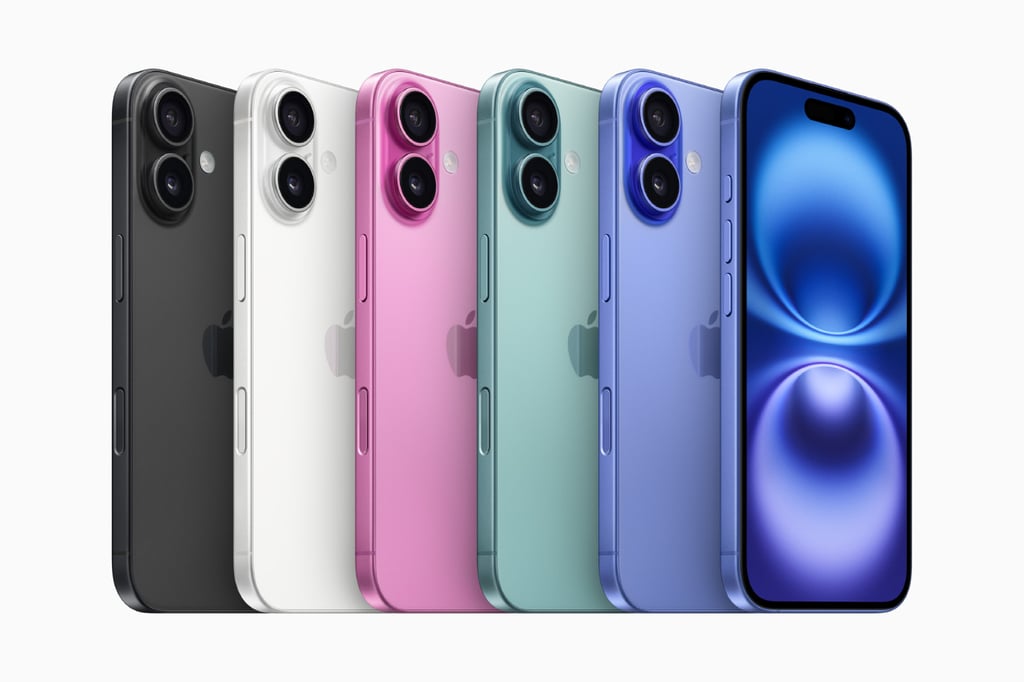
The iPhone 15, 15 Plus, 16, 16 Plus, and 16e use OLED panels sourced from BOE, leaving them directly vulnerable to the ITC’s preliminary ruling. These models are expected to remain on sale for now, even after the iPhone 17 launch, making them relevant to any future enforcement action.
The proposed ban would not apply to devices already manufactured or imported, providing Apple time to clear existing stock. Higher-end models like the iPhone 17 and 17 Air are unlikely to be affected, because those devices use LTPO OLED panels for ProMotion displays, components BOE has not been approved to supply, according to MacRumors. Those displays are currently produced by Samsung and LG.
In a statement, Apple said it is not a party to the case and maintained that the order “has no impact on any Apple products.”
A final decision from the ITC is expected in November 2025, followed by a 60-day presidential review.
As Apple deals with supplier uncertainty, its $799 iPhone could arrive in early 2026. Here’s what we know so far.