


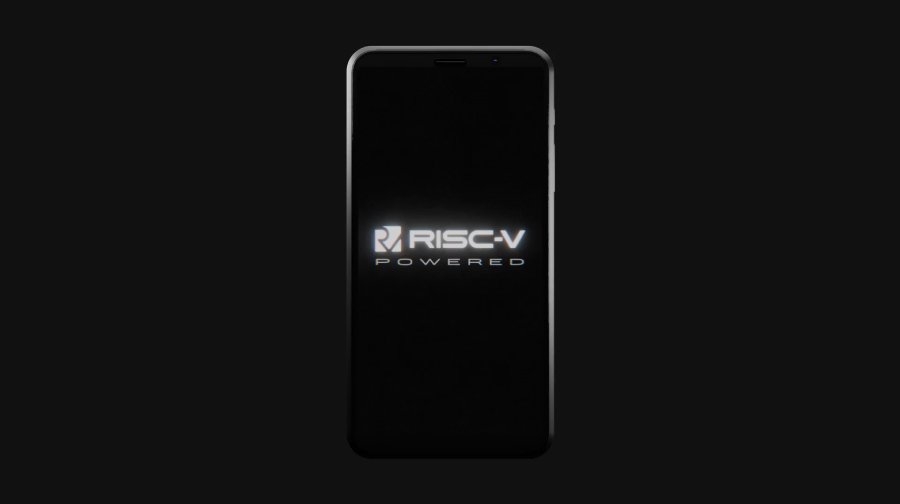
Most smartphones let you block camera and microphone access through settings. Purism wants users to be able to cut off the hardware itself.
The company announced the Librem 5 v2 on Nov. 17, a Linux-powered smartphone featuring physical switches that can disconnect its cameras, microphone, and wireless connections.
Several hardware upgrades are also planned, including a new processor and improvements intended to make the device more capable in everyday use.
An off switch that software cannot override
Three physical switches along the side of the Librem 5 v2 control different parts of the phone. According to Purism, each one can disconnect a specific set of components.
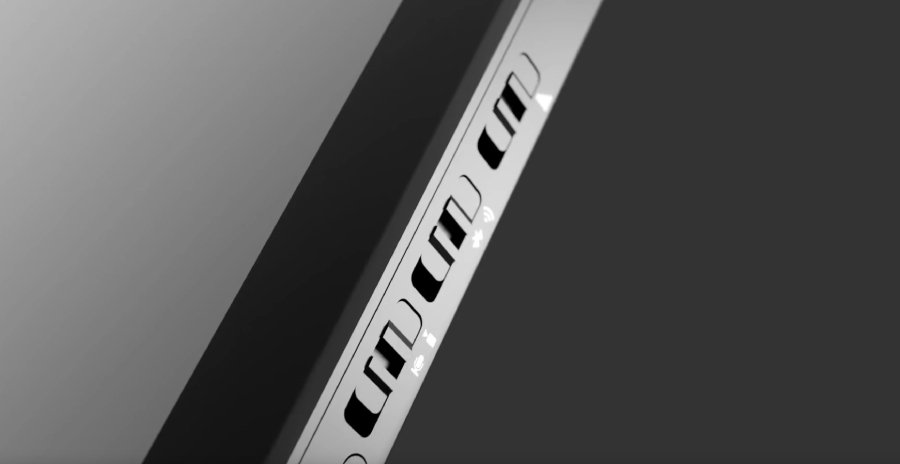
- Camera and microphone switch. Cuts power to both cameras and the microphone, preventing them from operating.
- Wi-Fi and Bluetooth switch. Shuts off power to the wireless module, disabling both connections.
- Cellular switch. Disconnects the modem, stopping cellular communication.
Moving all three switches into the off position also disables GPS and other satellite positioning systems, as well as motion sensors and the ambient light and proximity sensors. Purism calls the combined setting lockdown mode.
Because the switches interrupt electrical power, software cannot reactivate the affected components while they are disconnected. Owners can restore their operation by moving the corresponding switch back.
A familiar smartphone gets a substantial upgrade
Purism introduced the original Librem 5 in 2017 and began delivering devices in 2019. Its successor keeps the old design but introduces a new eight-core processor based on RISC-V, an open standard for developing computer chips. Memory also increases from 3 GB to 8 GB, with four times the storage of the previous model.
Other improvements include better video recording, faster file transfers using memory cards, and support for two SIM cards. Purism expects the upgraded hardware to produce less heat and extend battery life, making the phone more comfortable to use throughout the day. An improved 4G modem is also planned, with 5G support intended for a future upgrade.
Like its previous version, the device runs PureOS, a Linux-based system with standard functions such as calling, messaging, and web browsing. Users can also connect an external monitor to run desktop-style applications, with continued improving support for Android apps.
A removable battery and replaceable wireless components help maintain the phone’s repairable design.
Purism is funding the new model through a crowdfunding campaign, with a phone-only option starting at $1,599. Contributions remain open until Feb. 15, 2027, and the company estimates deliveries in 2028.
Mobility must-reads
- Big Apple OS Makeover: Here’s What to Expect & When
- MWC 2025: Nothing Shows Off (3A) Phones With AI Organization Tool
- Bad News for App Developers: Most Apps Fail to Hit $1,000 Monthly Revenue Within Two Years
- Mobile Device Computing Policy
What users gain and give up compared with mainstream smartphones
Apple iPhones let users manage camera and microphone permissions through Privacy & Security settings. Meanwhile, Google’s Pixel phones offer similar controls, while the Android Privacy Dashboard lets users review recent app activity.
Both systems provide protections, but Purism offers something different. Owners can physically prevent recording hardware from operating, regardless of what an app attempts to do.
| Camera and mic protection | Physical power cutoff | Software permissions and recording indicators |
| Everyday applications | Linux apps, web services, and Android compatibility tools | Established native app ecosystems |
| Repairs and upgrades | Removable battery and replaceable components | Repair options vary by model |
| Mobile connectivity | Improved 4G modem planned, with 5G in future development | 5G available on many recent models |
For example, a journalist meets a confidential source or an employee heads into a sensitive business discussion. A quick flip of the switch can disable recording hardware without disconnecting the phone from the cellular network.
Anyone dealing with private conversations could appreciate having a physical control they can check before entering the room.
There’s a security benefit, too. Research into Predator spyware has revealed how sophisticated malware can hide iPhone camera and microphone indicators after gaining deep system access. A physical cutoff protects against that particular form of unwanted sensor activation.
Of course, privacy controls are only one part of choosing a smartphone. Anyone considering the Librem 5 v2 for work should check whether important banking or workplace authentication apps will function properly, along with company device-management policies and carrier compatibility.
Someone who regularly handles confidential information might welcome the extra protection, but users who depend heavily on mainstream apps or 5G may prefer to keep their current phone.
A physical camera switch offers peace of mind, but a smartphone still needs to run the apps you depend on every day.
More on smartphones: Samsung’s latest premium foldable combines flagship cameras, AI tools, and seven years of software support. Read our complete buying guide.