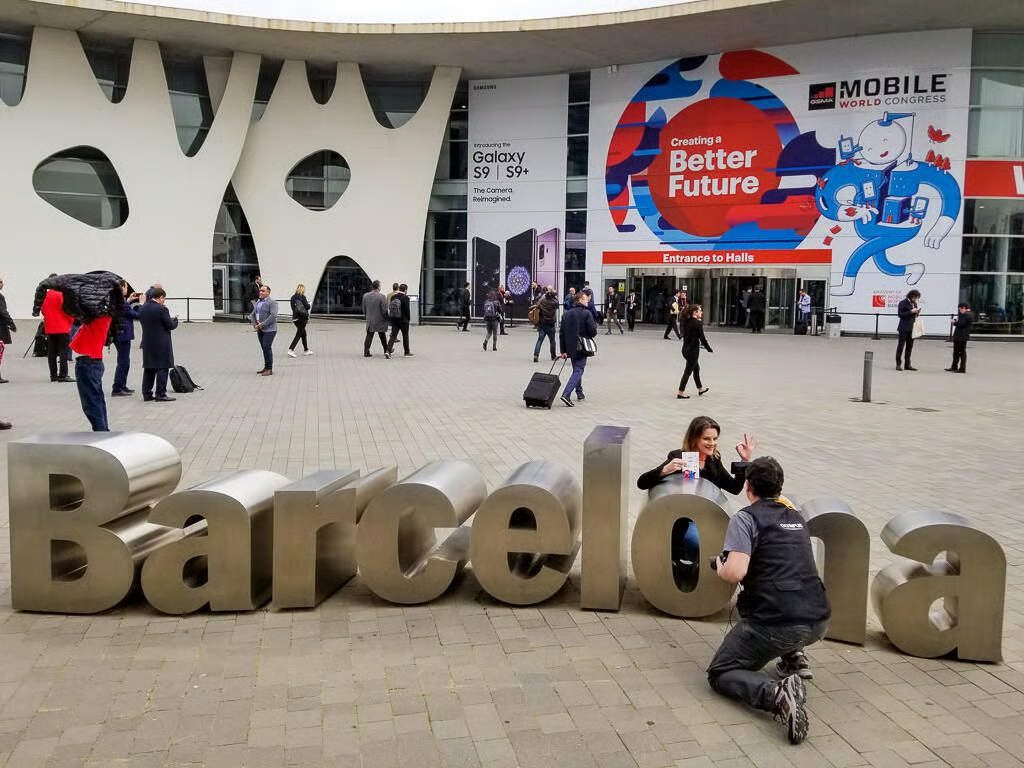
From smartphones as powerful as computers to mobile networks faster than Google Fiber, big ambitions characterized this year’s Mobile World Congress in Barcelona.
SEE: Cybersecurity in an IoT and mobile world (ZDNet special report) | Download the report as a PDF (TechRepublic)
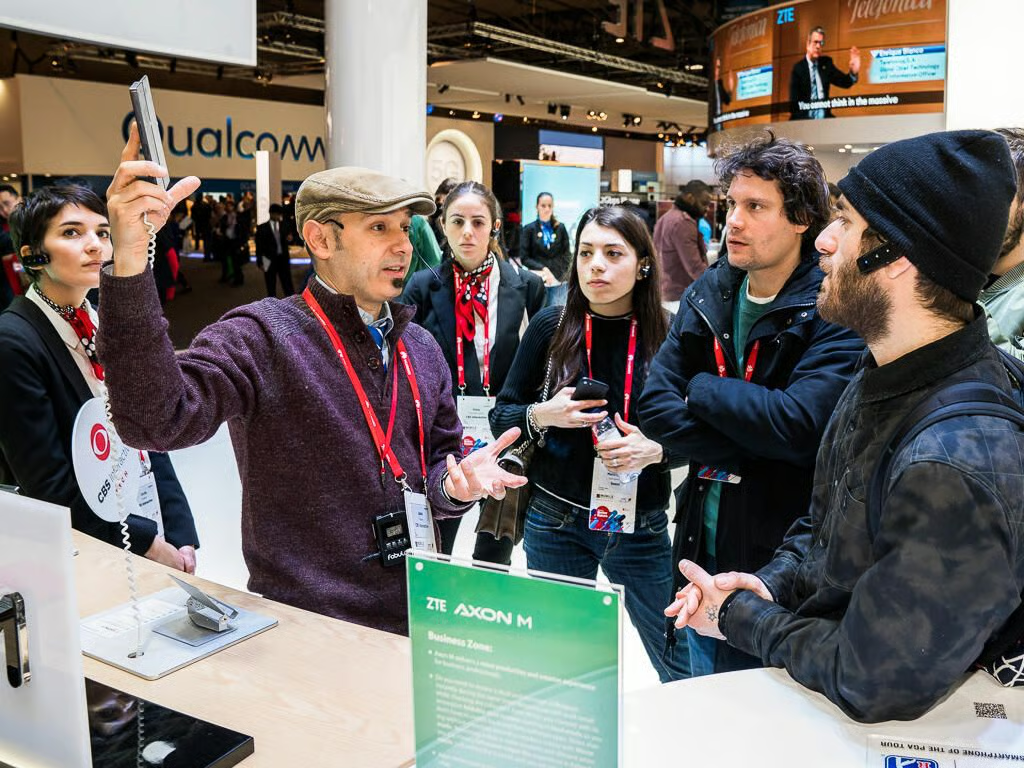
I gave tours of Mobile World Congress 2018, highlighting the best devices and the biggest trends. Now, here’s my photo tour for those who weren’t in Barcelona.
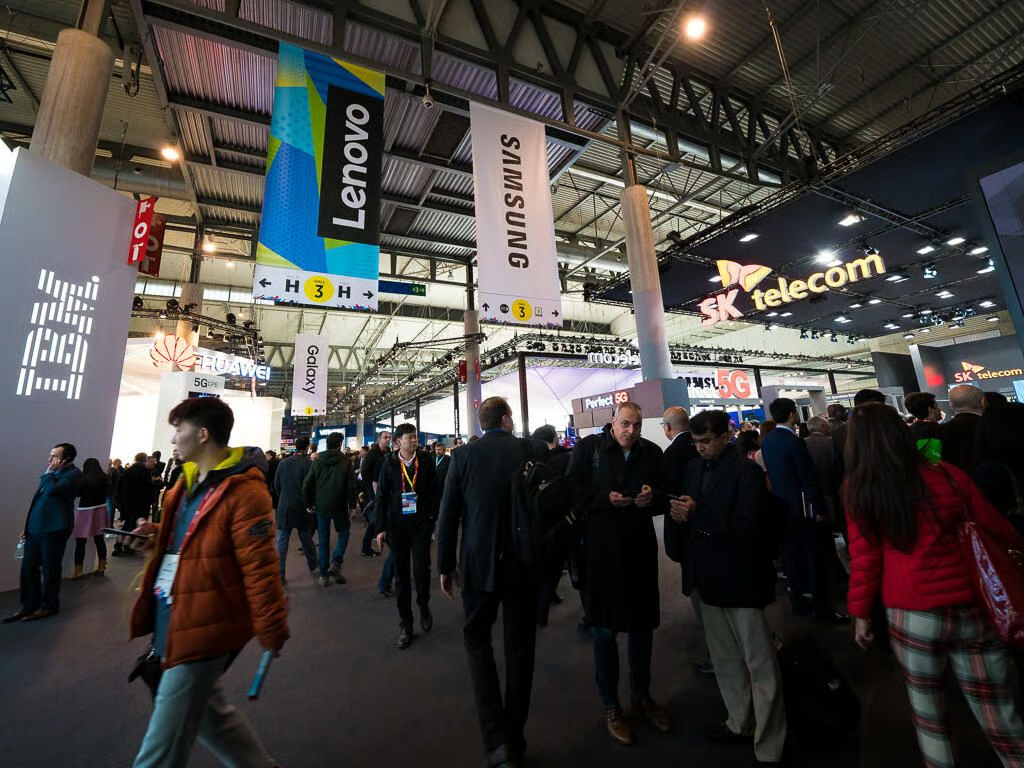
Mobile World Congress 2018 took up all eight halls of the Fira Barcelona conference center, but the heart of it all was Hall 3 where all of the big tech vendors set up shop in booths nearly as large as the biggest ones at CES.
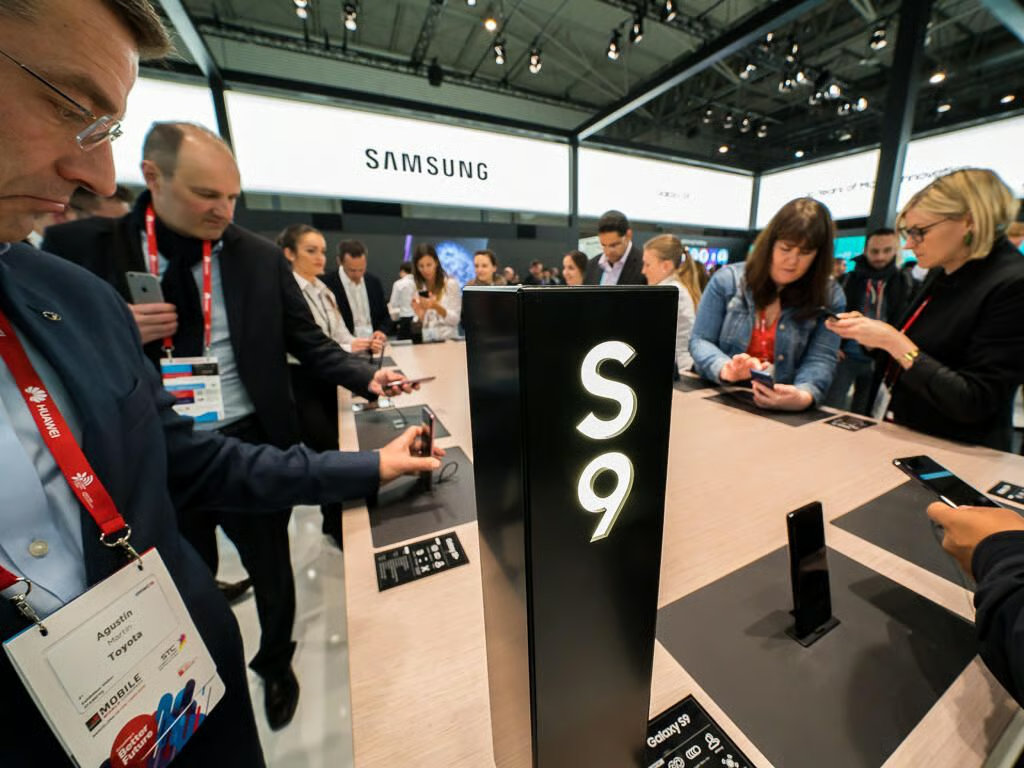
The night before Mobile World Congress 2018 opened, Samsung held a huge launch event for the Galaxy S9 in Barcelona. Predictably, that made the S9 the biggest buzz of the show.
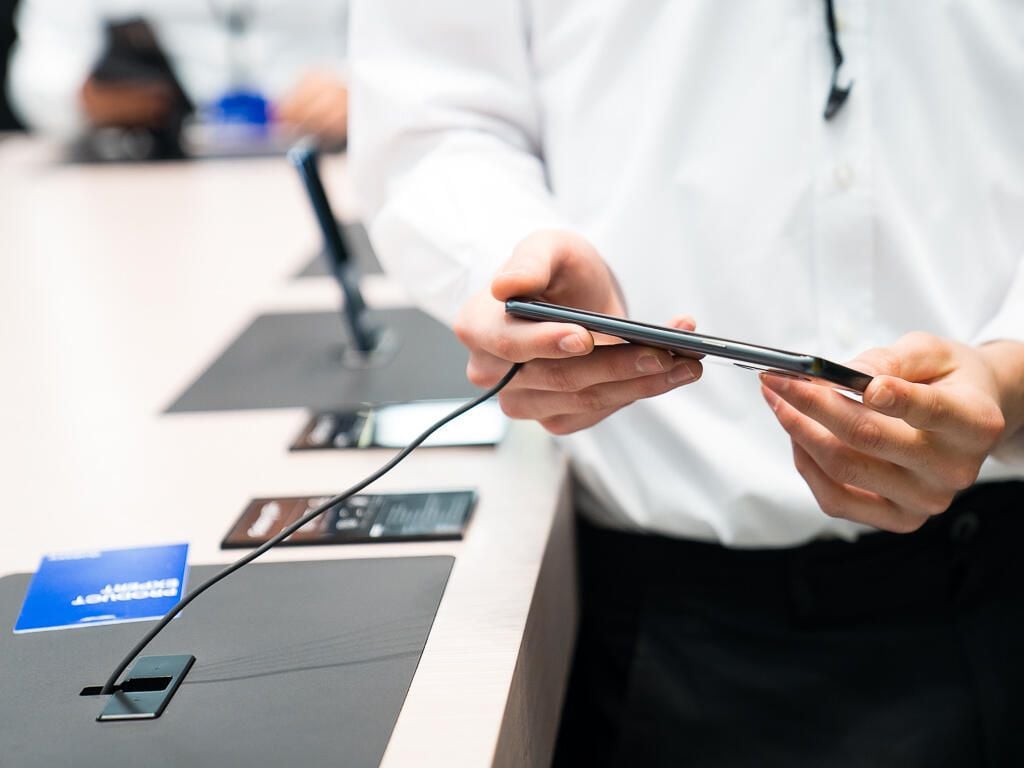
Samsung reps had their hand full the first couple days of the show as attendees flooded the booth to the see the new Galaxy S9 and S9 Plus.
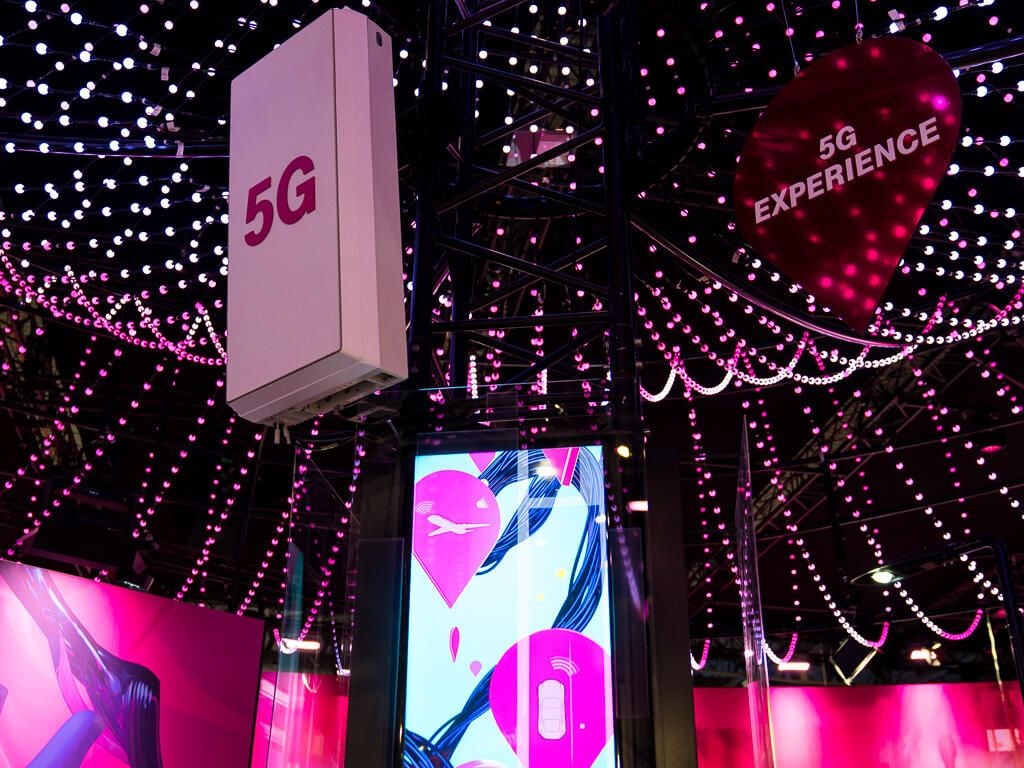
The biggest story of MWC 2018, by far, was 5G. T-Mobile promoted 5G in its typical flashy pink way. The carrier announced at the show that it would bring 5G to New York City, Los Angeles, Las Vegas, and Dallas, but it will wait until 2019 when the first 5G devices are ready.
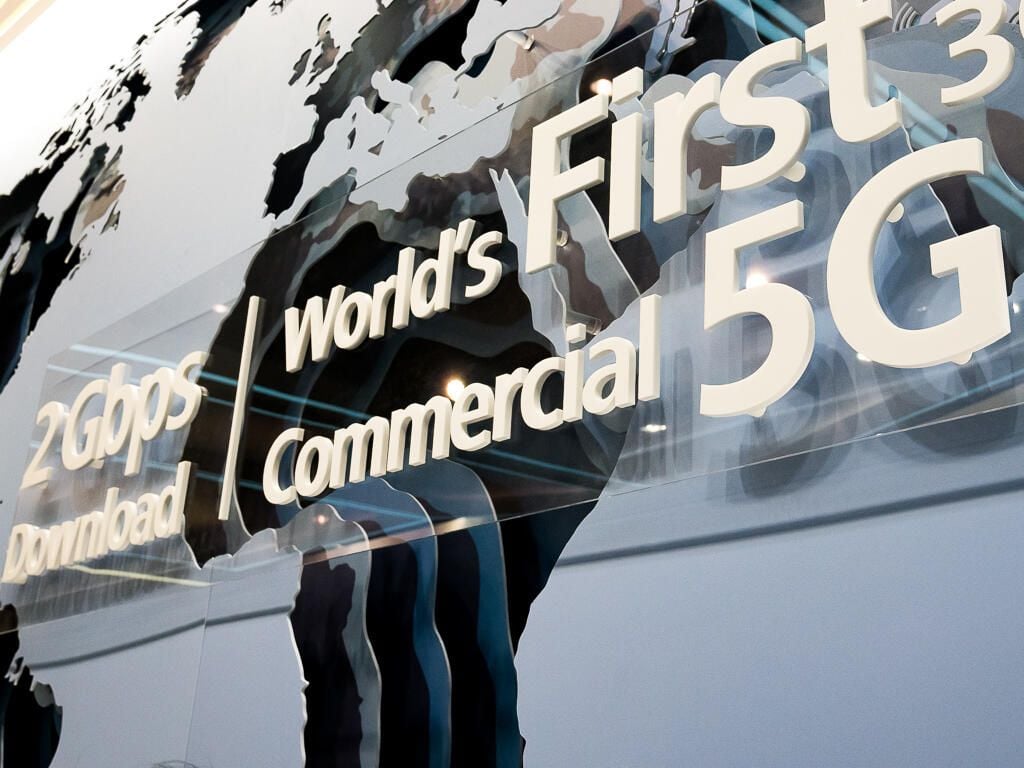
Huawei touted its big 5G test last year, which included 2GB downloads–twice the speed of Google Fiber.
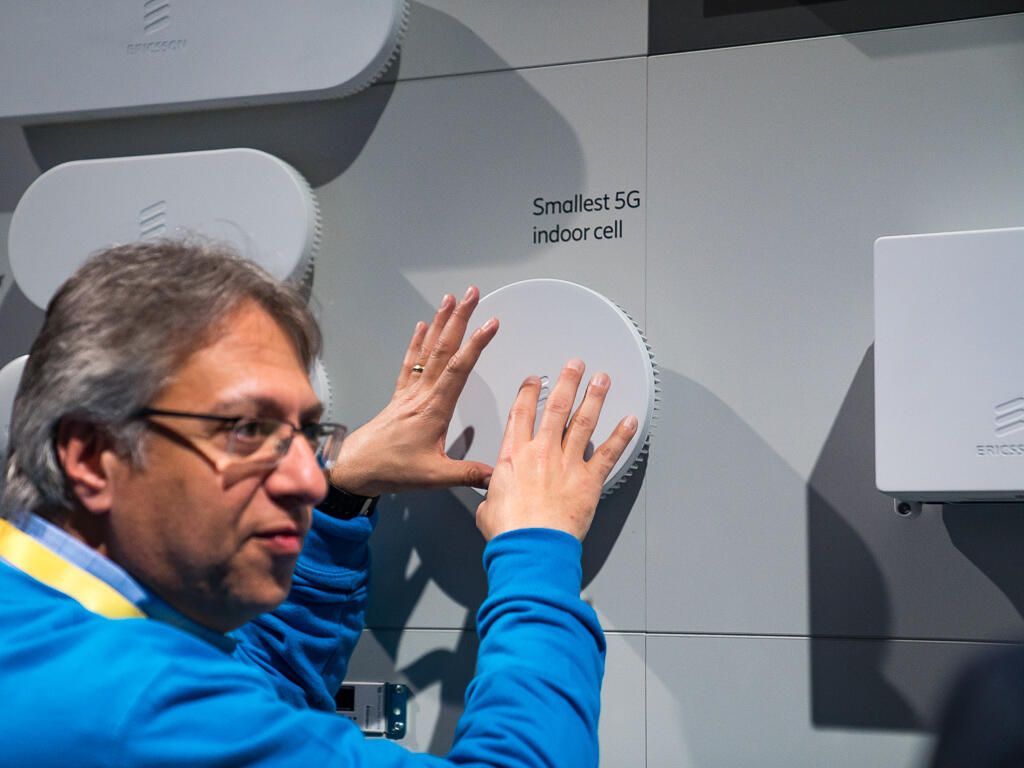
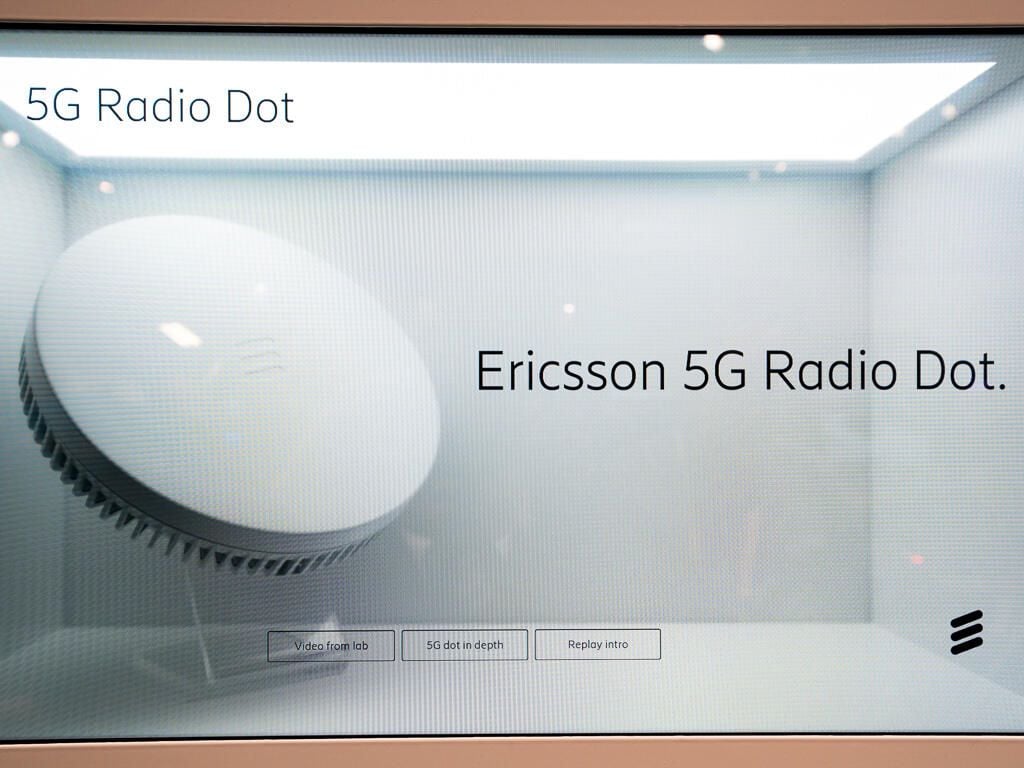
Ericsson made the biggest 5G equipment announcement of the show with its 5G Radio Dot, which can be used for 5G signals inside buildings.
SEE: Ericsson CEO says ‘5G is open for business’ at MWC 2018
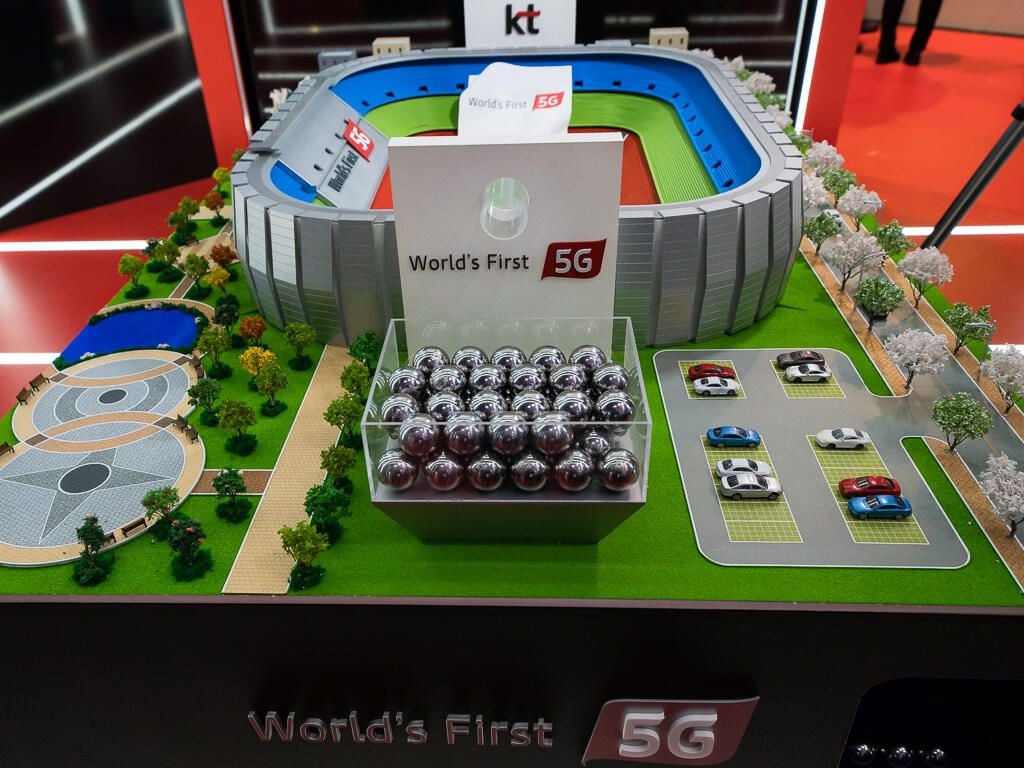
KT showed off its success in bringing real-world 5G connections to life in Pyeongchang during the 2018 Winter Olympics.
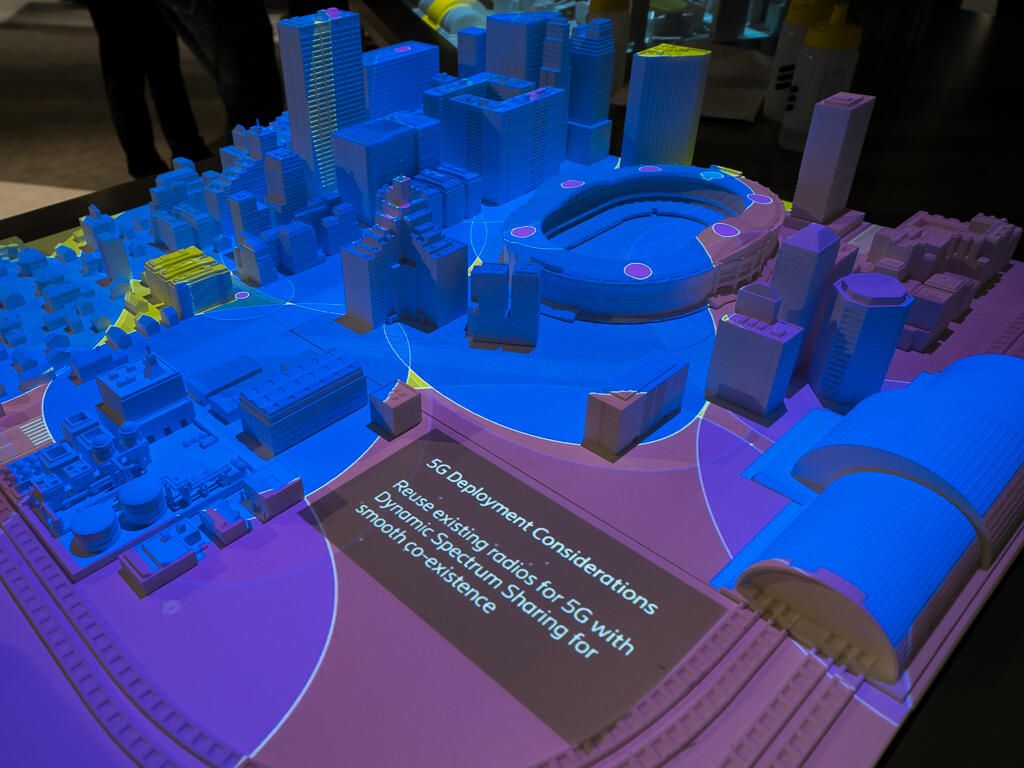
There was lots of talk among the telecom vendors about how to bring 5G to life in the best ways–a good sign that 2018 is likely to see a race among the carriers.
SEE: Why 5G is coming to the US faster than expected
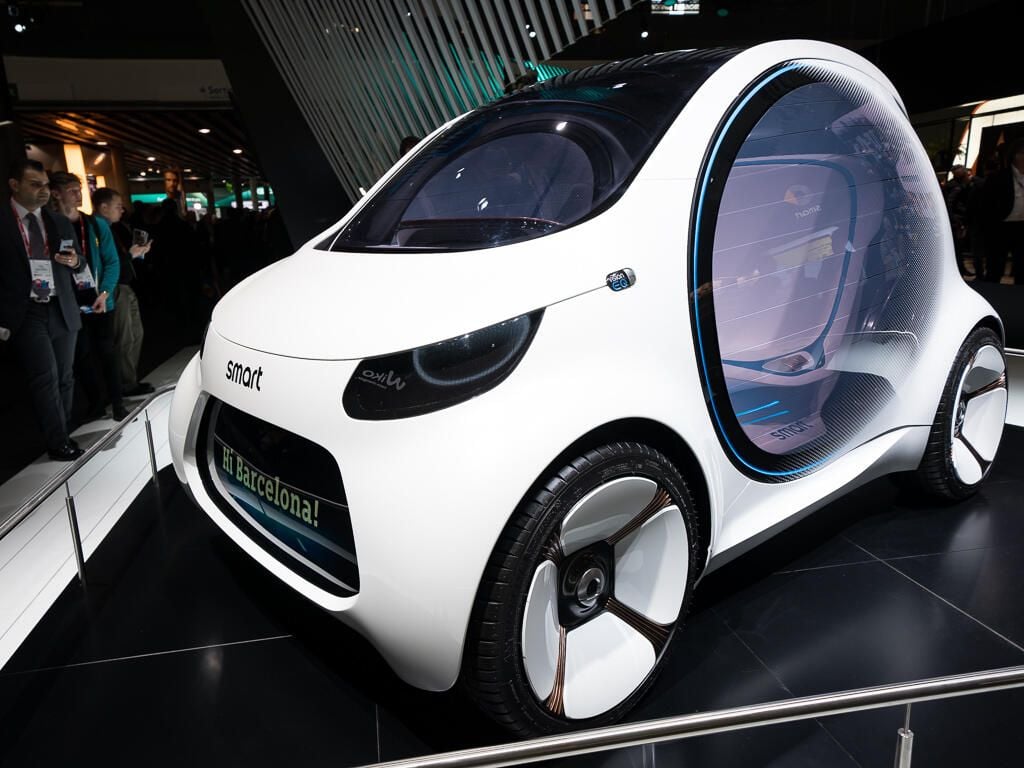
The next-generation Smartcar was one of the many automobiles being touted at MWC for their 5G, IoT, and AI features of the future.
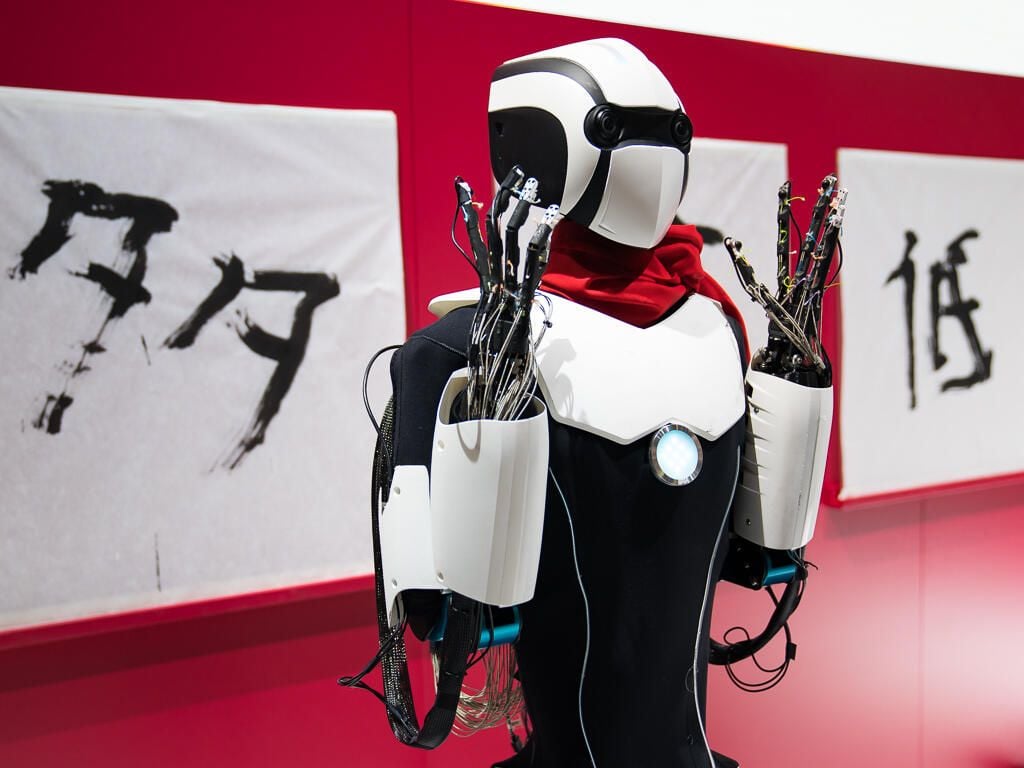
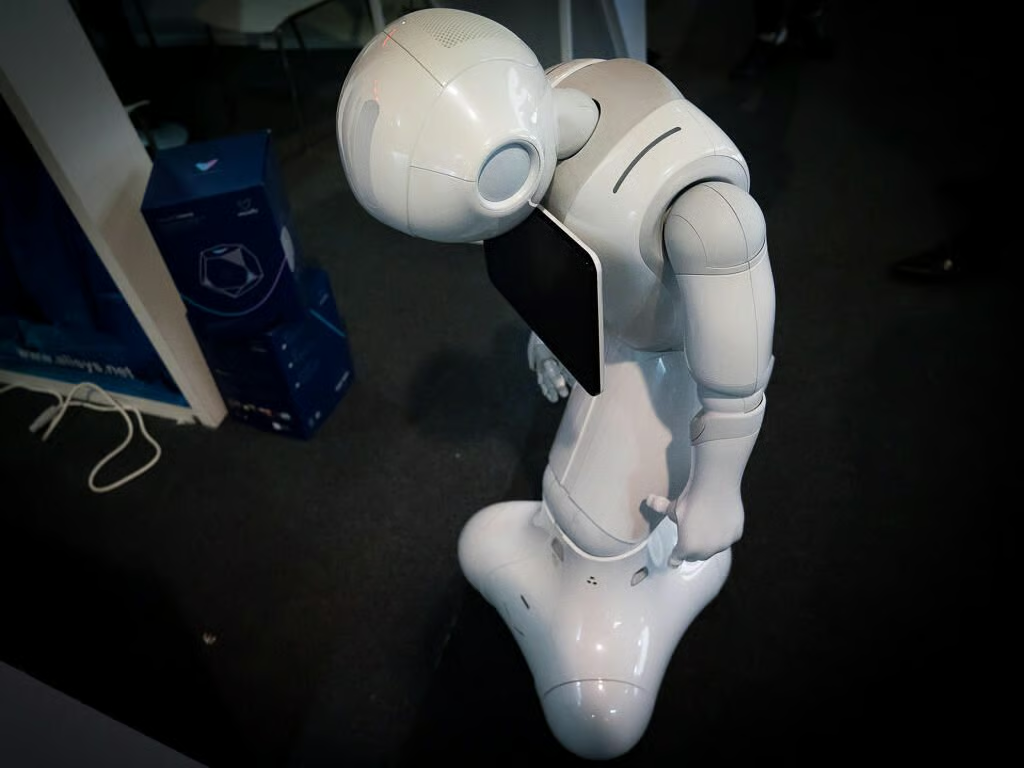
Robots of all shapes and sizes were seen across Mobile World Congress 2018, but this one at NTT Docomo was among the more stylish.
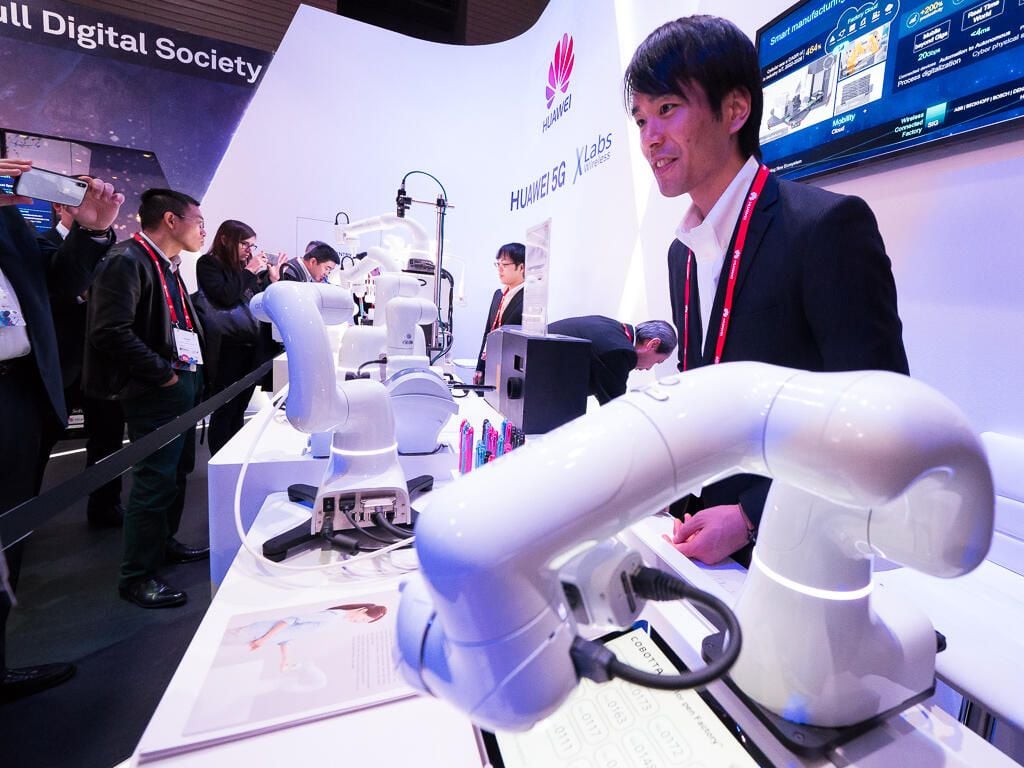
Many of the robots at MWC weren’t humanoid at all, and there was talk that 5G could lower the cost of robots by handling more processing in the cloud so that not as much computing power will need to be built into the robots themselves.
SEE: How 5G will drive down the cost of robots
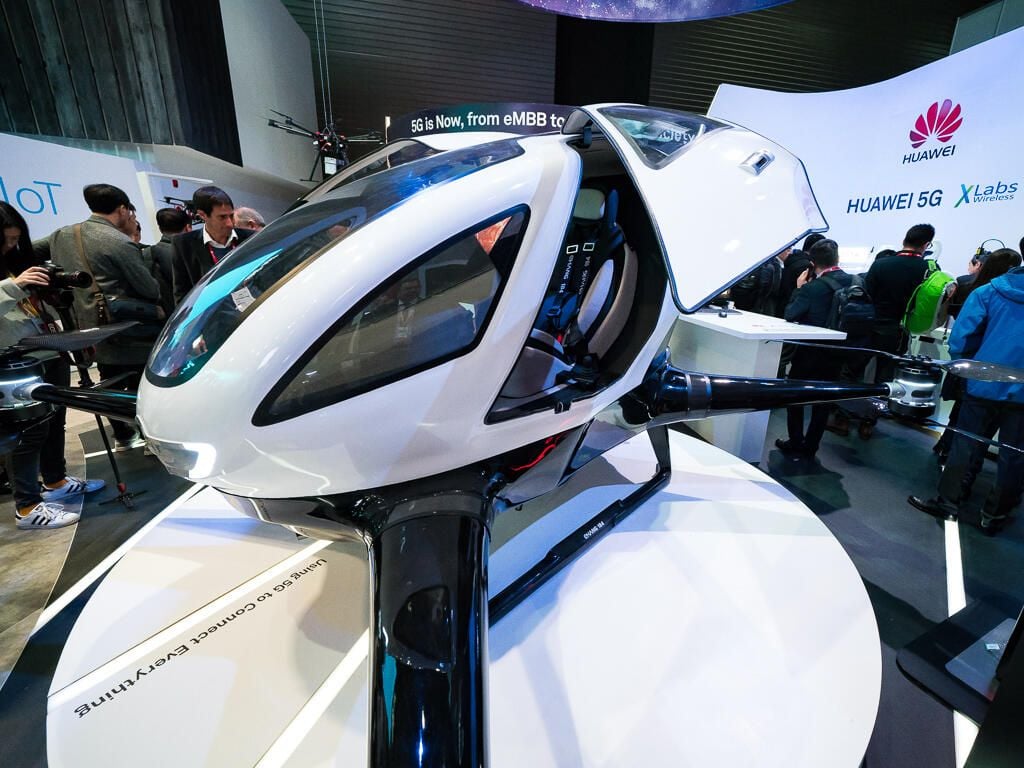
While there were lots of drones at MWC, this one that can carry a human passenger was the one a lot of people wanted to take a selfie with.
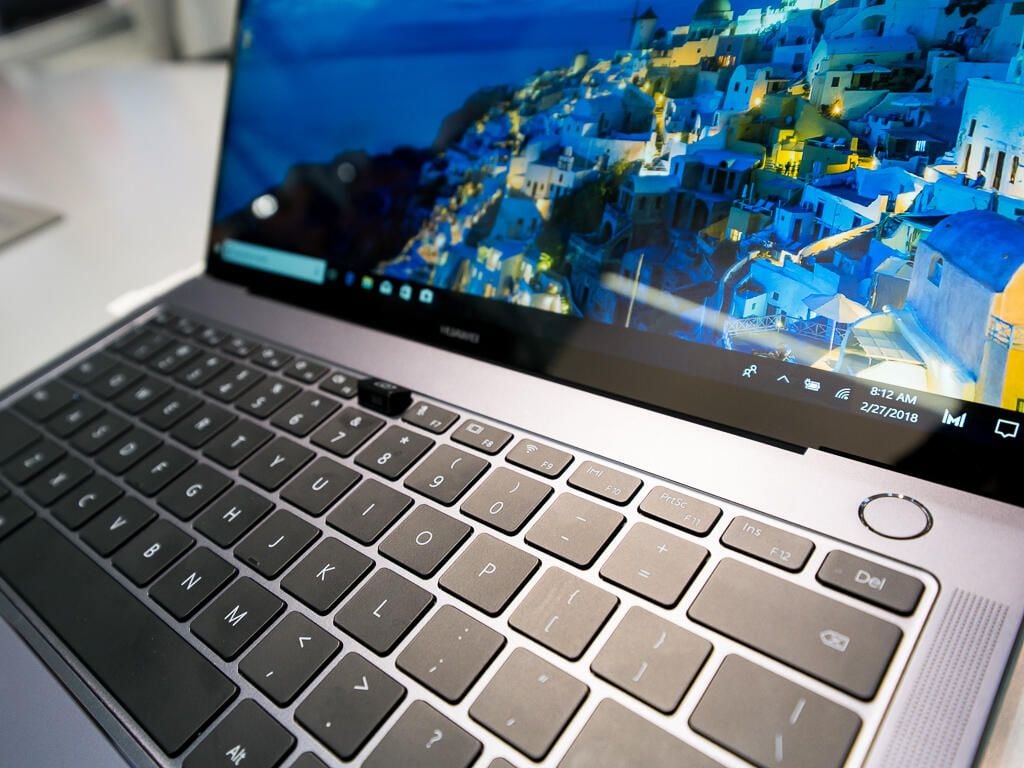
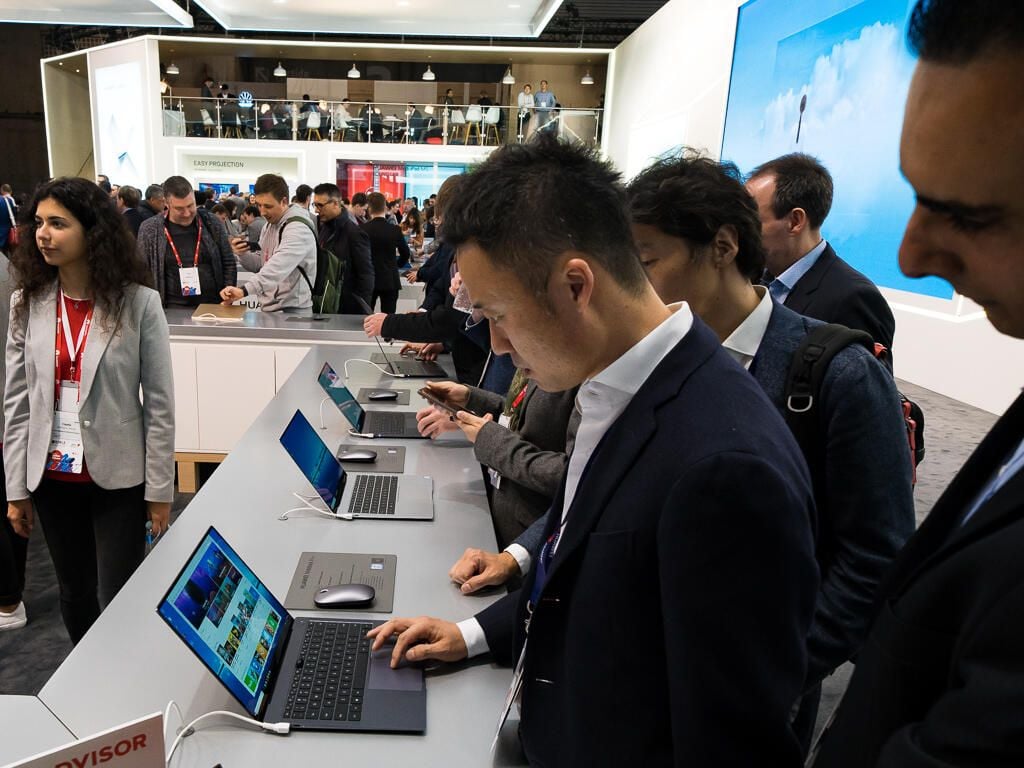
With its smartphone-like fingerprint scanner, razer thin bezel, and webcam that pops out of the keyboard, the Huawei MateBook X Pro looks like a worthy MacBook competitor.
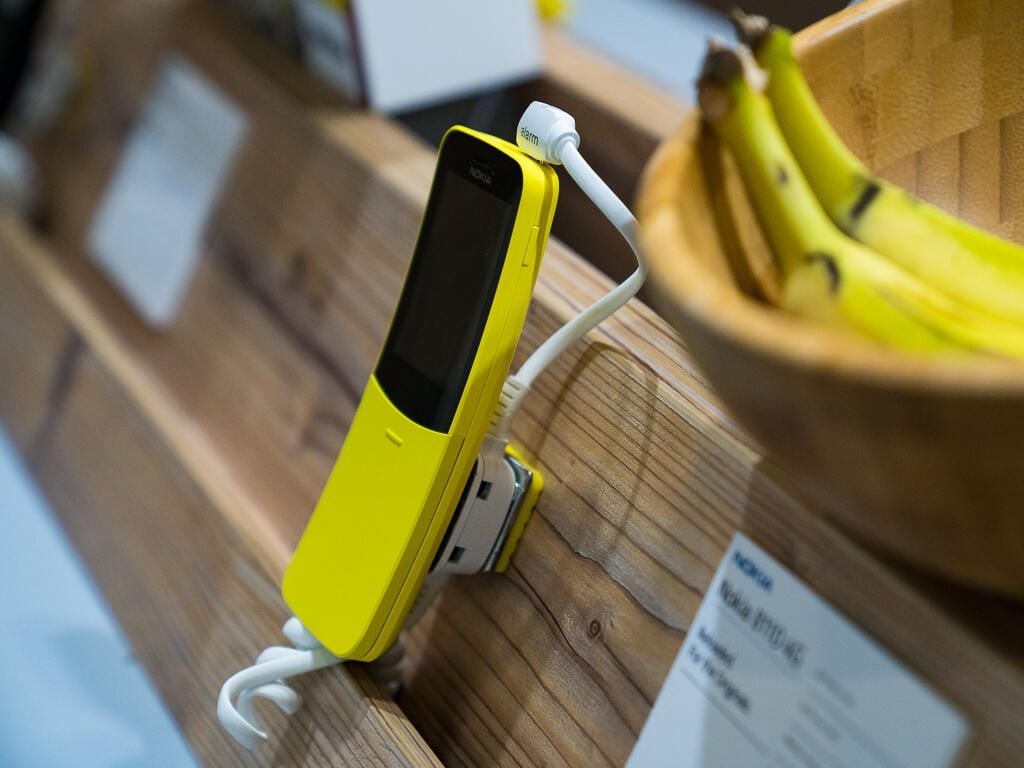
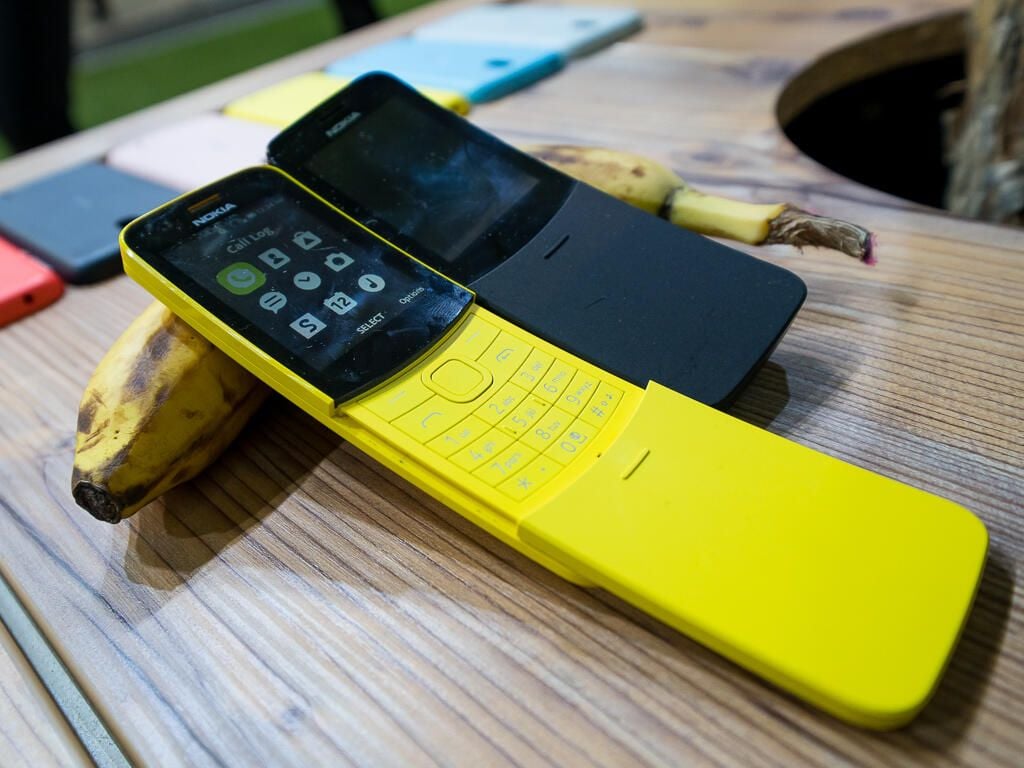
Nokia’s 8110 4G will cost 79 euros, has up to 30 days battery life, is a slight step up from a feature phone, and works as a 4G hotspot.
SEE: Nokia’s retro phone obsession isn’t completely bananas (CNET)
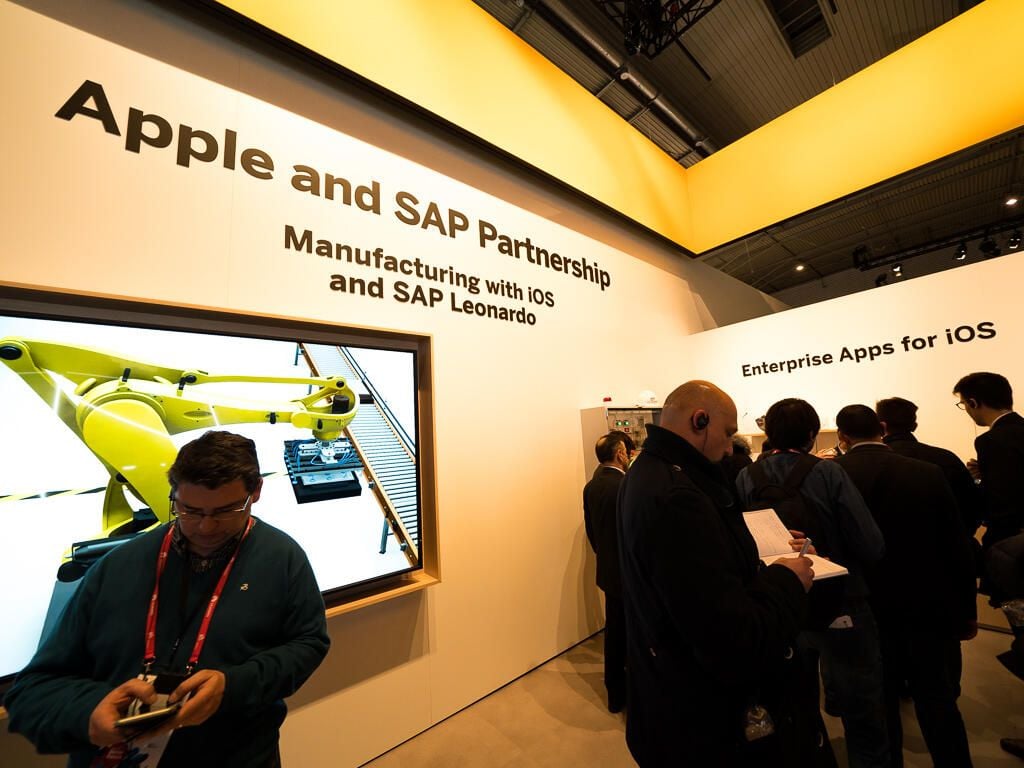
One of the common questions at MWC was where’s Apple? The world’s largest tech company wasn’t there, of course, but it did have a prominent showing in the SAP booth.
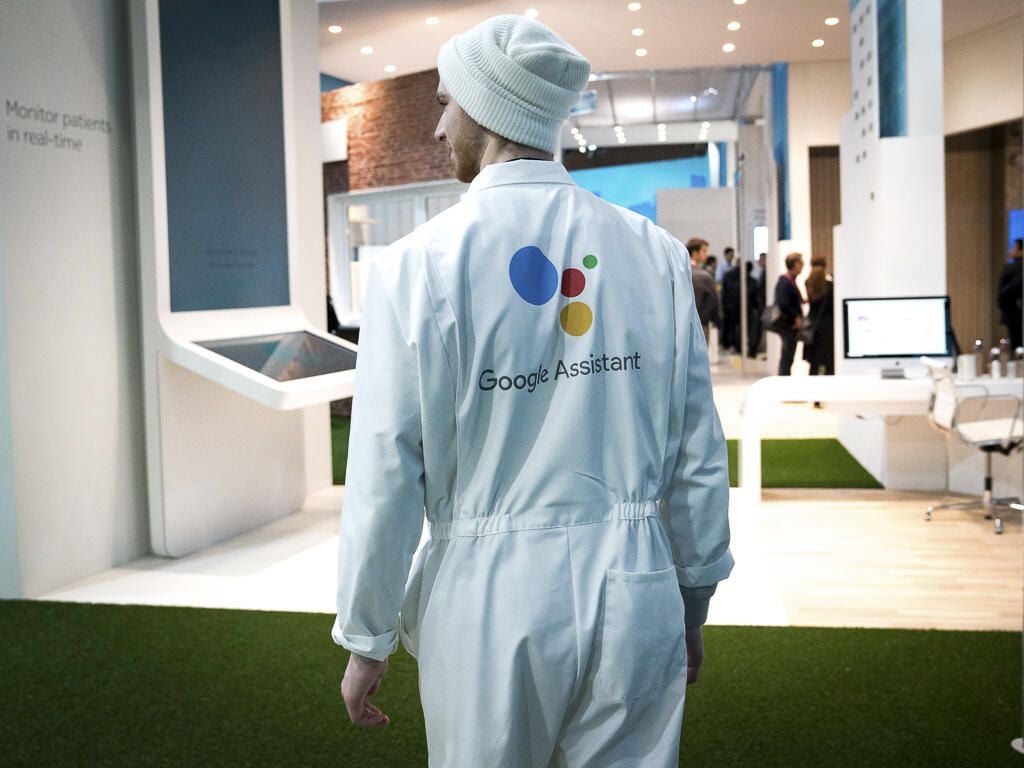
I met the Google Assistant walking around the show floor. He may have been an Android though.
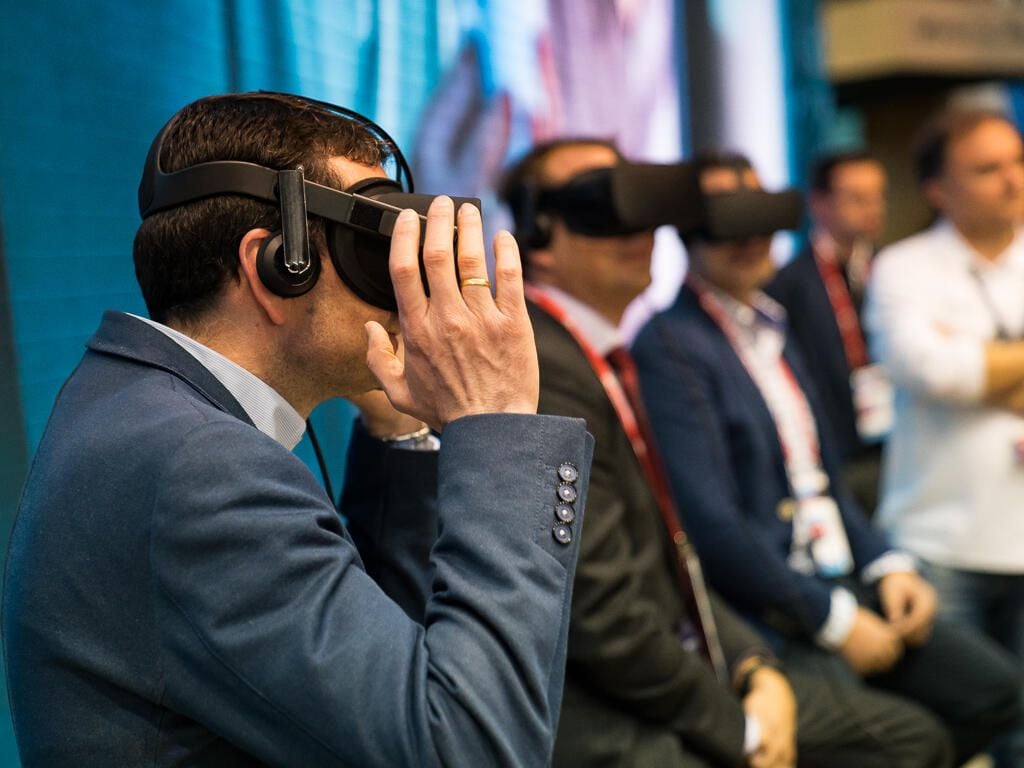
Putting VR headsets on grown-ups in groups at tech conferences is a very entertaining thing to watch, and not always in a good way.
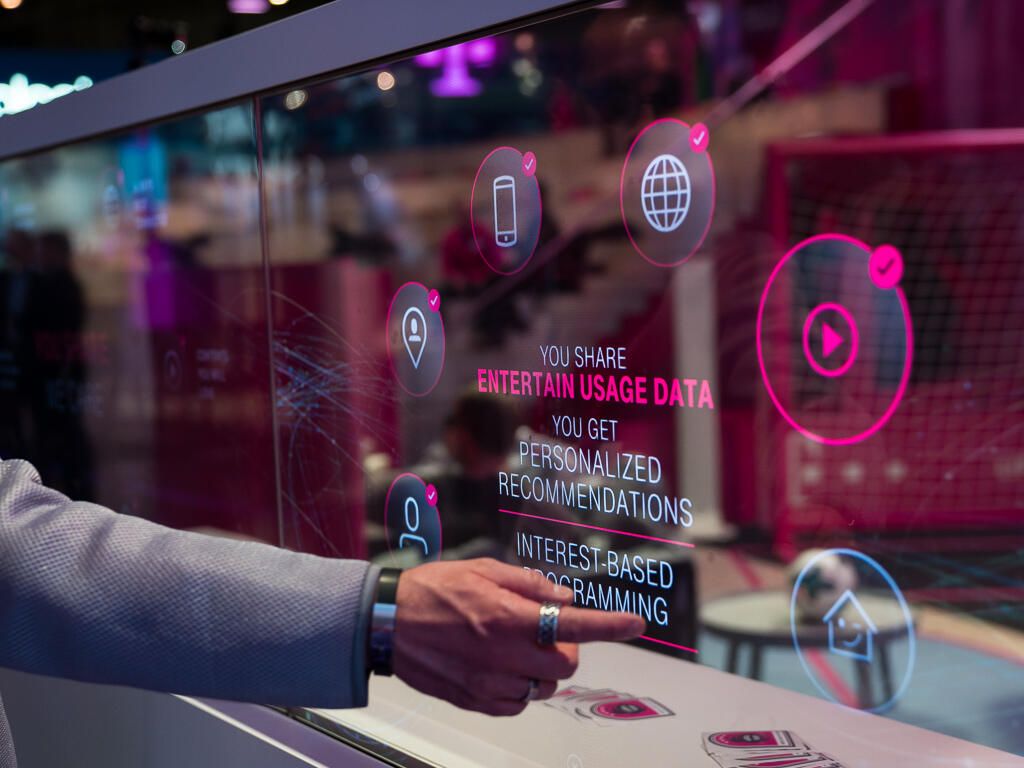
Clear glass touchscreens made their appearance at several MWC booths, and this one in the T-Mobile booth was one of the largest and most impressive.
CBSi Tech (TechRepublic, ZDNet, and CNET) not only offered tours at MWC 2018, but we also covered it from every angle. So check out all three sites for lots of information on what we’re learned about the future of mobility, IoT, robotics, drones, 5G, AI, digital transformation, and more.