


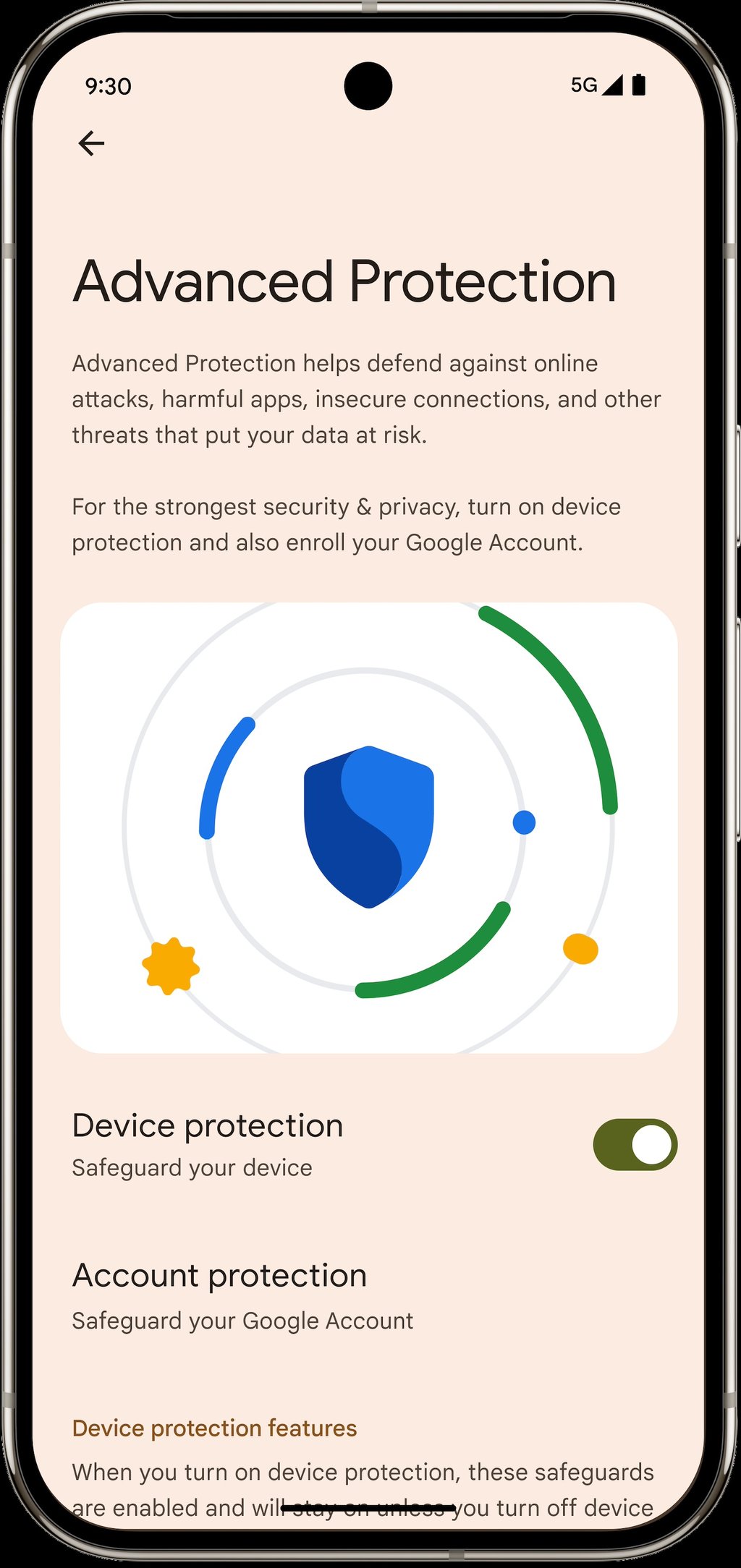
Ahead of Google I/O’s official start, the Android team previewed several new software upgrades and enhancements to the Android mobile operating system during the Android Show: I/O Edition.
“As the world’s most popular OS with more than 3 billion active devices in over 190 countries, it’s an exciting time for Android,” said Sameer Samat, president of Google’s Android ecosystem, in a recent blog post.
SEE: Android Unveils One of Its ‘Biggest Updates in Years’ at I/O Event
New security measures in Android 16
Warning about possible risks from unknown callers’ actions
Unknown callers can be more than an inconvenience; they can be malicious. With Android 16, users will now receive warnings whenever an unknown caller attempts to trick them into harmful actions, such as clicking malicious links, downloading fraudulent apps, or sharing sensitive information via screen share.
Enhanced fraud and scam protections
The Google and Android development teams are strengthening protections against fraud and scams. While they’ve implemented anti-fraud measures in the past, the RCS-based Google Messages app now features AI-driven safeguards targeting various fraud types, including:
- Cryptocurrency fraud
- Gift card fraud
- Toll road fraud
- Tech support impersonation
- Financial institution impersonation
Anti-theft and app protection upgrades
Google has introduced new anti-theft measures to Android phones in recent years. In December 2024, Google launched Identity Check, a feature requiring biometric authentication to change certain system settings; this will roll out to more devices when Android 16 becomes publicly available. While such measures do not prevent theft, they make it more difficult to use or resell stolen phones.
SEE: Google’s Gemini 2.5 Pro Preview (I/O Edition) Outperforms OpenAI, DeepSeek Models
Despite existing safeguards, some harmful apps evade detection. Google Play Protect, which is designed to block malicious apps from the Play Store, is being enhanced in the coming months for users of Google Pixel 6+. These upgrades target apps with hidden or altered icons and broaden the service’s coverage to detect more types of unsafe or malicious apps.
Locate lost friends, family, and property with Find Hub
Instead of the Find My Device feature, Android users will have the new Find Hub, which will simplify tracking lost friends, family members, and personal property. Find Hub is set to gain satellite connectivity in late 2025, enabling its use without a cellular connection.
Stay tuned for Google I/O news
We’ll be covering more Google, Android, and AI news, including perhaps security-related enhancements, during the Google I/O developer conference that starts on May 20, 2025.