The 22 safest jobs during the robot revolution - TechRepublic

The 22 safest jobs during the robot revolution

  • zdnet-robot-safe-jobs-veterinarian.jpg

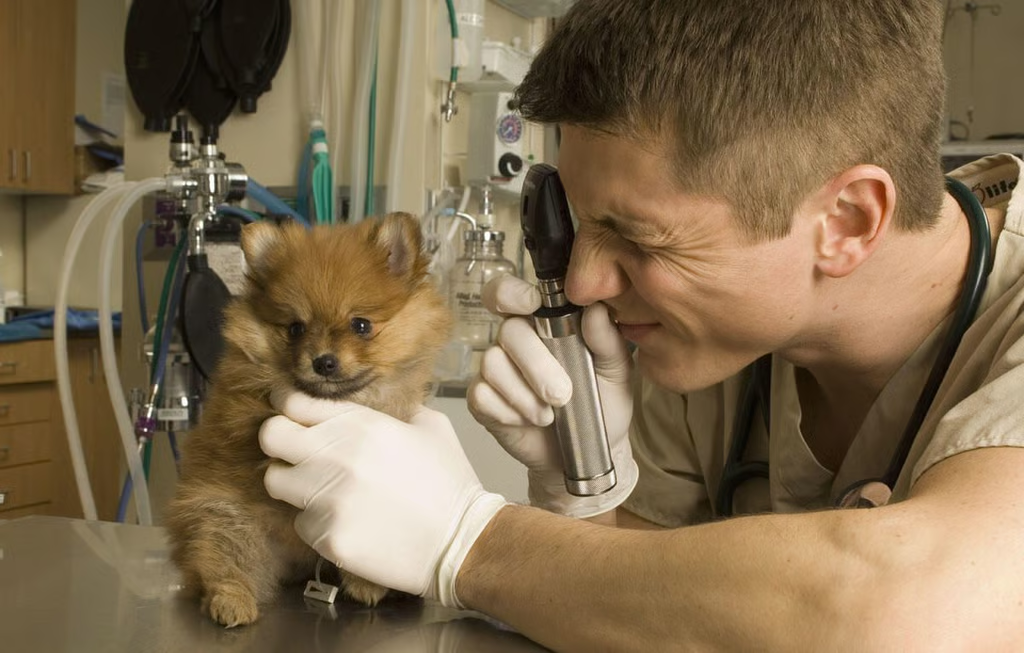
    Veterinarians

    A 2013 Oxford University study estimates that 47% of current US jobs could be taken over by computers in as little as two decades. But not all professions are equally vulnerable to automation.

    One particularly safe field is veterinary medicine. Pet owners expect a certain level of care and compassion from their veterinarians that robots are ill equipped to provide.

    In fact, the Oxford University researchers estimate the probability of veterinarians losing their jobs to robots in the next few decades to be just 3.8%.

    Photo: Richard Hutchings\/Corbis
  • zdnet-robot-safe-jobs-parks-and-recreation.jpg

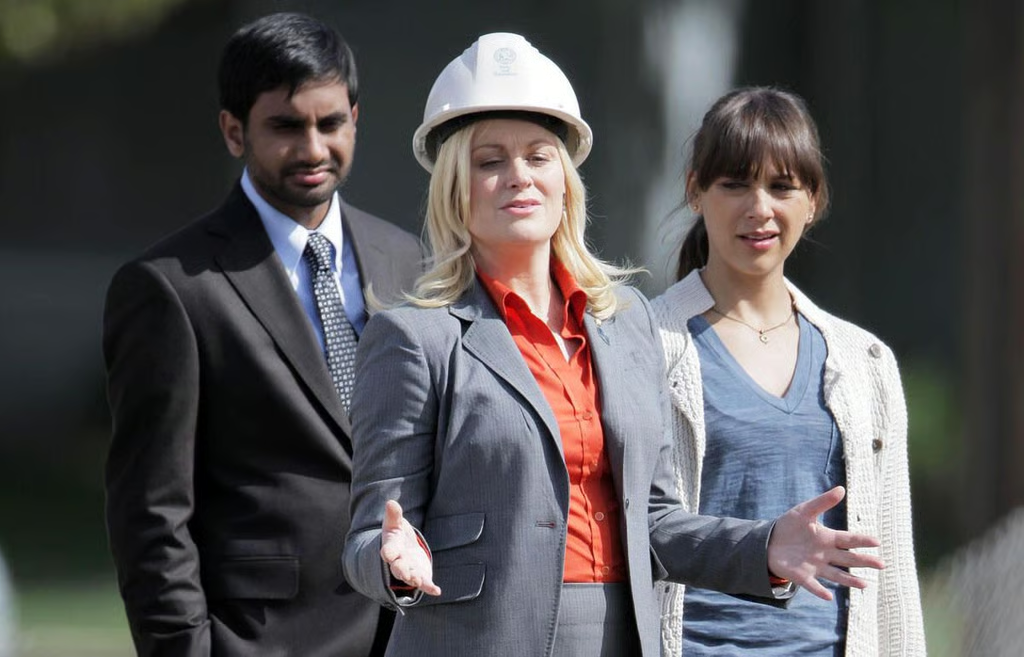
    Recreation workers

    Do you dream of working with Tom Haverford, Leslie Knope, and Ann Perkins? If so, good news: Robots won’t dash those dreams.

    The probability of this job being computerized in the next couple decades: 0.61%.

    Photo: Phil Ramey\/RameyPix\/Corbis
  • zdnet-robot-safe-jobs-personal-trainer.jpg

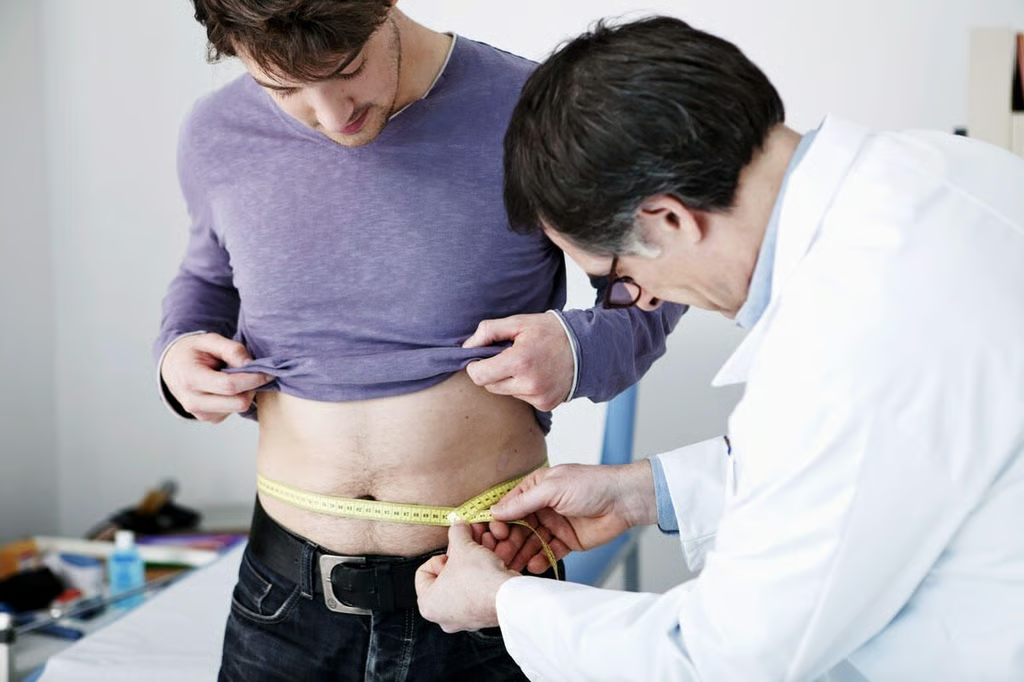
    Fitness trainers

    Automation may be on the rise, but according to the Centers for Disease Control and Prevention, so too is the rate of obesity in children and adults.

    Wearables and fitness apps address the issue, but there’s no automated substitute for the encouragement and accountability that a human personal trainer can provide.

    The probability of this job being computerized in the next couple decades: 8.5%.

    Photo: Corey Jenkins\/Corbis
  • zdnet-robot-safe-jobs-dietician.jpg

    Nutritionists

    Obesity rates and robots’ failure to provide a human level of accountability should protect the nutritionist profession from obsolescence in the near term, too.

    The probability of this job being computerized in the next couple decades: 0.39%.

    Photo: B. Boissonnet\/BSIP\/Corbis
  • zdnet-robot-safe-jobs-makeup-artist.jpg

    Makeup artists

    Like many other professions that involve creativity and artistry, it’s unlikely that robots will replace makeup artists any time soon. Besides, would you let a robot come at your face with a lipstick roller?

    The probability of this job being computerized in the next couple decades: 1.0%.

    Photo: moodboard\/Corbis
  • zdnet-robot-safe-jobs-dentist.jpg

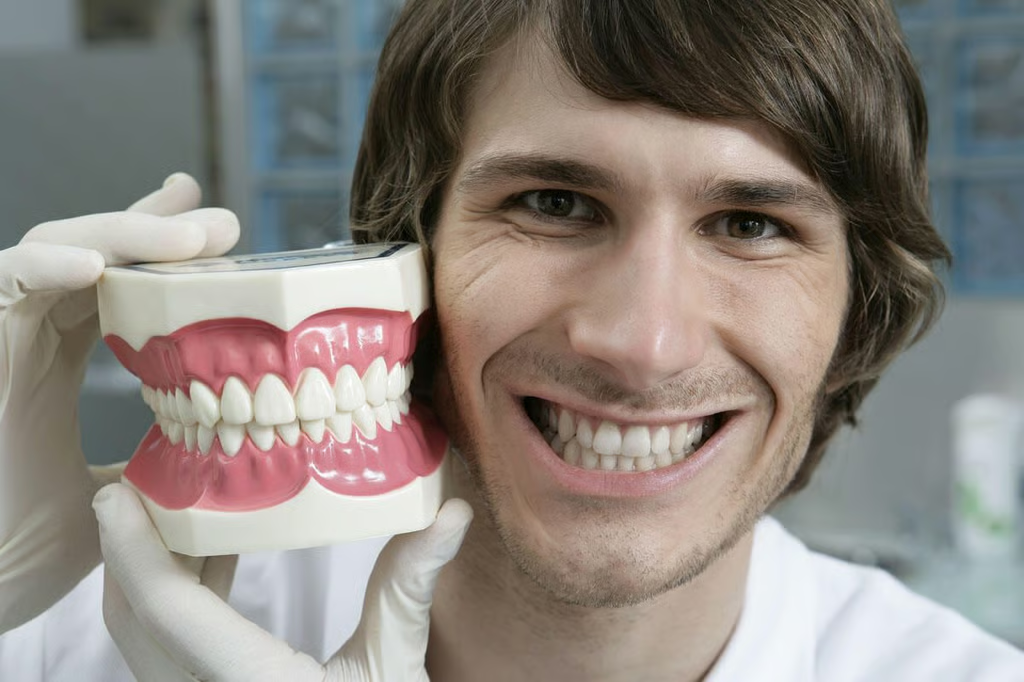
    Dentists and oral surgeons

    The field of dentistry is full of technical wonders — you can now have a replacement tooth 3D printed, for example. But even as this technology improves, it’s unlikely any of it will replace dentists.

    The probability of this job being computerized in the next couple decades: 0.44%.

    Photo: Wolfgang Flamisch\/Corbis
  • zdnet-robot-safe-jobs-architect.jpg

    Architect

    Relax, handsome stock photo architect, you can sit there looking as aloof as you want. After all, your job isn’t at risk to robots — success as an engineer requires large amounts of human creativity, artistry, and innovation.

    The probability of this job being computerized in the next couple decades: 1.8%.

    Photo: Josef Lindau\/Corbis
  • zdnet-robot-safe-jobs-animator.jpg

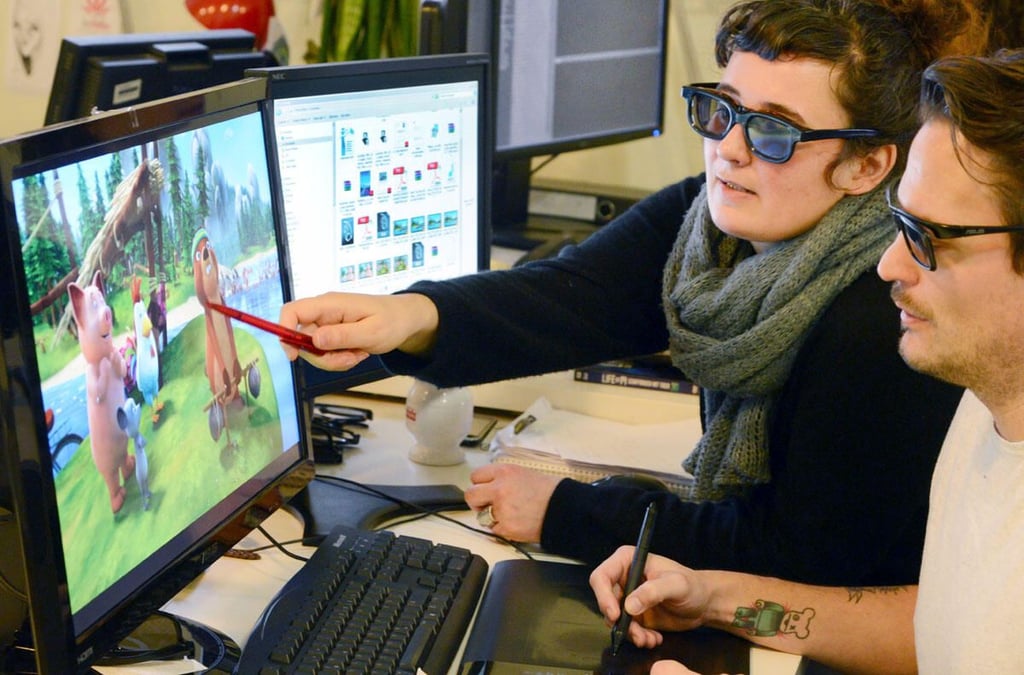
    Multimedia artists and animators

    Creative fields like animation aren’t necessarily immune to automation, but they’re better protected than most. A person needs to be involved to make sure that what the computer outputs will look pleasing and be entertaining to other humans.

    The probability of this job being computerized in the next couple decades: 0.9%.

    Photo: Waltraud Grubitzsch\/dpa\/Corbis
  • zdnet-robot-safe-jobs-forester.jpg

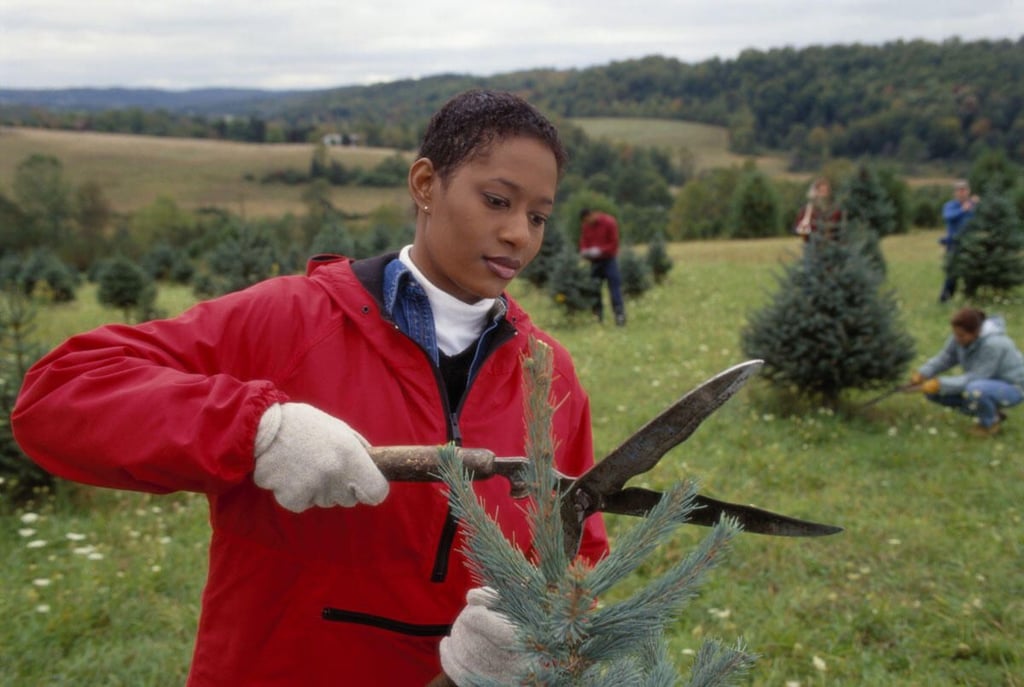
    Forester

    It’s no secret that automation has already done in a number of forester jobs in the logging industry. But the Oxford University study seems to put a premium on environmental and conservation efforts, suggesting that the bulk of these automation casualties have already been, um, cut.

    The probability of this job being computerized in the next couple decades: 0.81%.

    Photo: Gaetano\/Corbis
  • zdnet-robot-safe-jobs-fireman.jpg

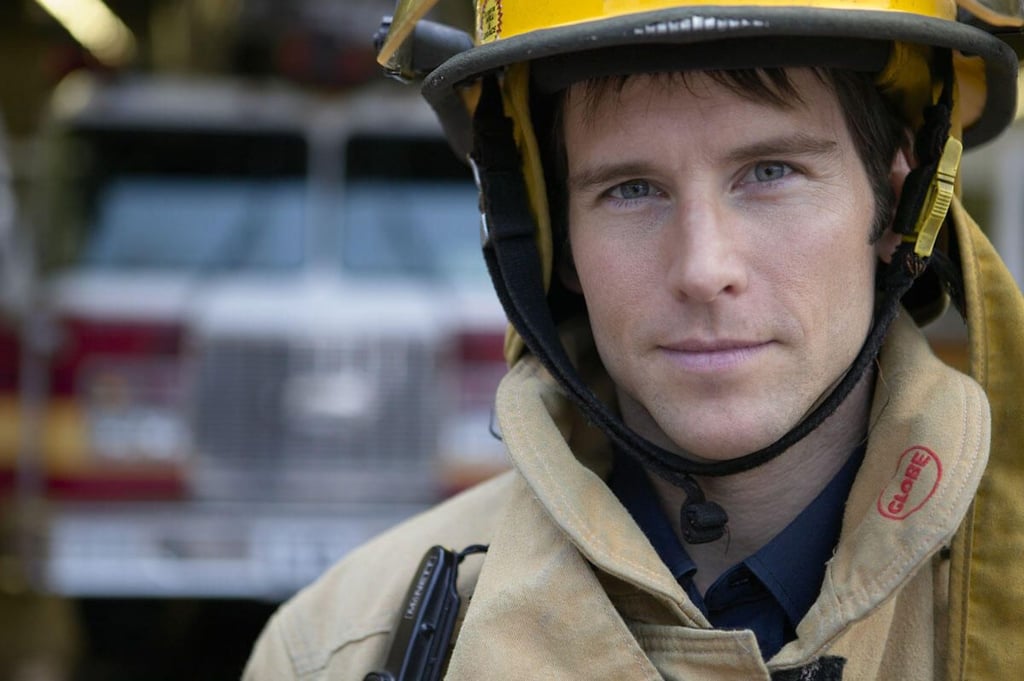
    Firefighting supervisors

    According to Oxford University, the average firefighter is unlikely (17%) to lose his or her job to a robot any time soon.

    That said, the study singles out first-line firefighting supervisors as enjoying an even higher level of job security than the rank and file.

    The probability of this job being computerized in the next couple decades: 0.36%.

    Photo: Dann Tardif\/LWA\/Corbis
  • zdnet-robot-safe-jobs-florist.jpg

    Floral designers

    It’s unlikely that floral designer will be a hot growth profession over the next few decades. But it’s also unlikely that florists will be replaced en masse by robots.

    The probability of this job being computerized in the next couple decades: 4.7%.

    Photo: J. James\/Corbis
  • zdnet-robot-safe-jobs-photographer.jpg

    Photographers

    These days, cameras are everywhere. But there’s a certain amount of skill and creativity necessary to craft a compelling photograph — just as it takes a trained eye to know what scenes are worth immortalizing.

    The probability of this job being computerized in the next couple decades: 0.9%.

    Photo: Tina Hager\/arabianEye\/arabianEye\/Corbis
  • zdnet-robot-safe-jobs-surgeon.jpg

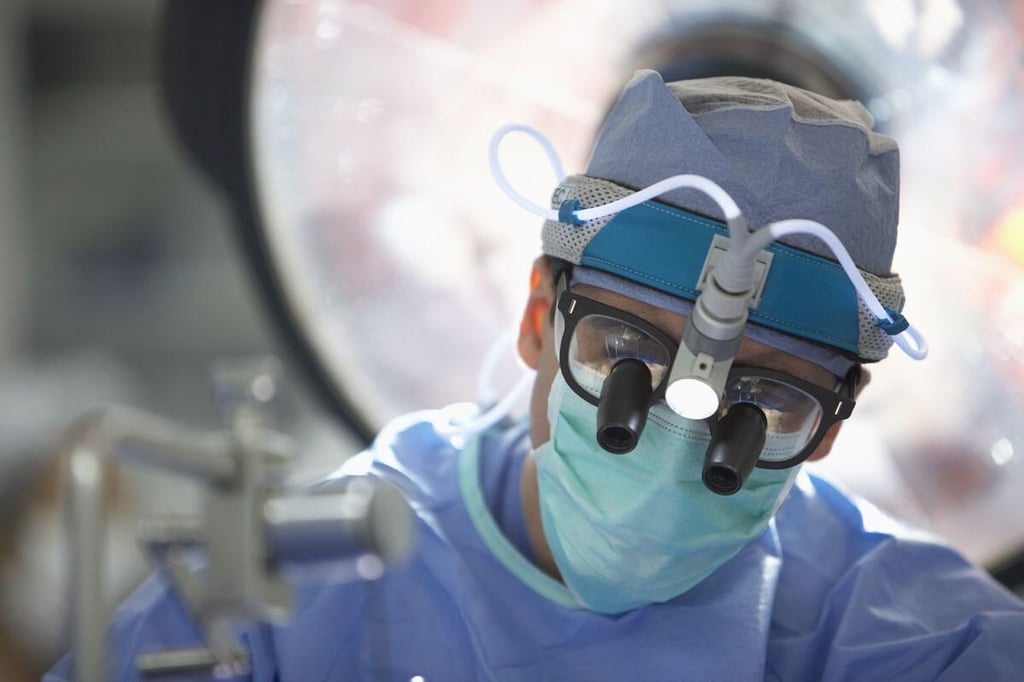
    Physicians and surgeons

    Walk in to any operating room in the country, and you’ll see plenty of machines performing important, life-saving duties. But you’ll also see doctors and other medical professionals on hand to operate those machines, ensure they’re working properly, and know what to do in emergencies when they’re not immediately available for use.

    The probability of these jobs being computerized in the next couple decades: 0.42%.

    Photo: Ben Edwards\/Corbis
  • zdnet-robot-safe-jobs-lawyer.jpg

    Lawyers

    We’ll concede that a robot would likely have no problem passing the bar exam — it simply needs to be programmed with all the answers. But when it comes to arguing cases in front of a human judge and jury, robots lack the same ability to connect and persuade as a human lawyer does.

    The probability of this job being computerized in the next couple decades: 3.5%.

    Photo: Heide Benser\/Corbis
  • zdnet-robot-safe-jobs-nurse.jpg

    Nurses

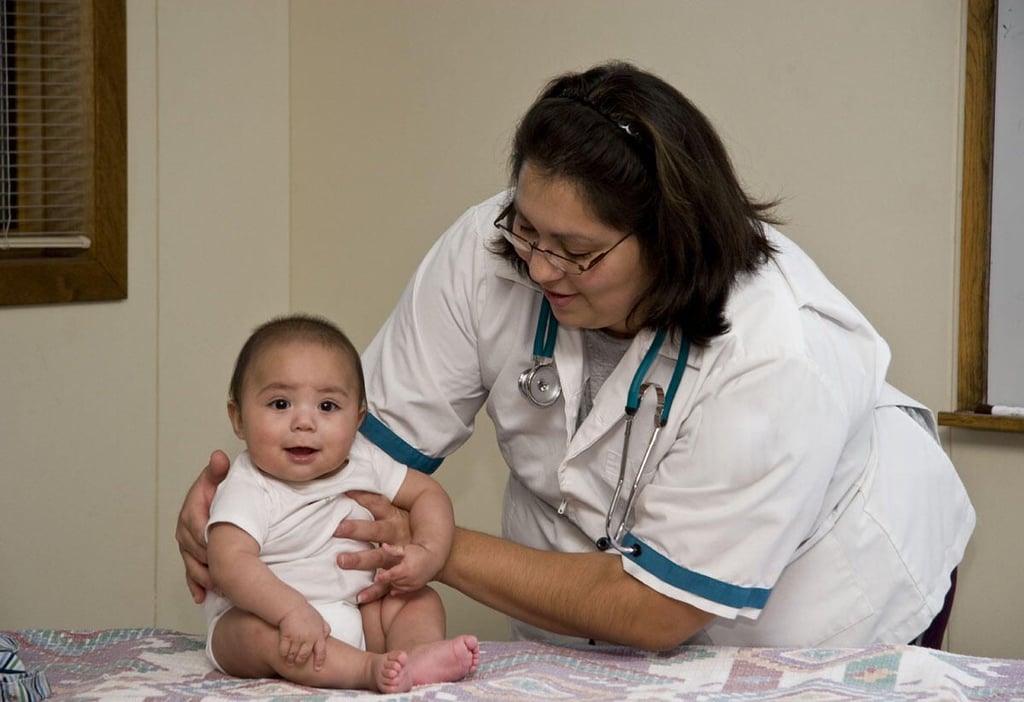
    Nurses provide a level of human tenderness, care, and emotional support that robots cannot easily replicate.

    The probability of this job being computerized in the next couple decades: 0.9%.

    Photo: Marilyn Angel Wynn\/Nativestock Pictures\/Corbis
  • zdnet-robot-safe-jobs-coach.jpg

    Coaches

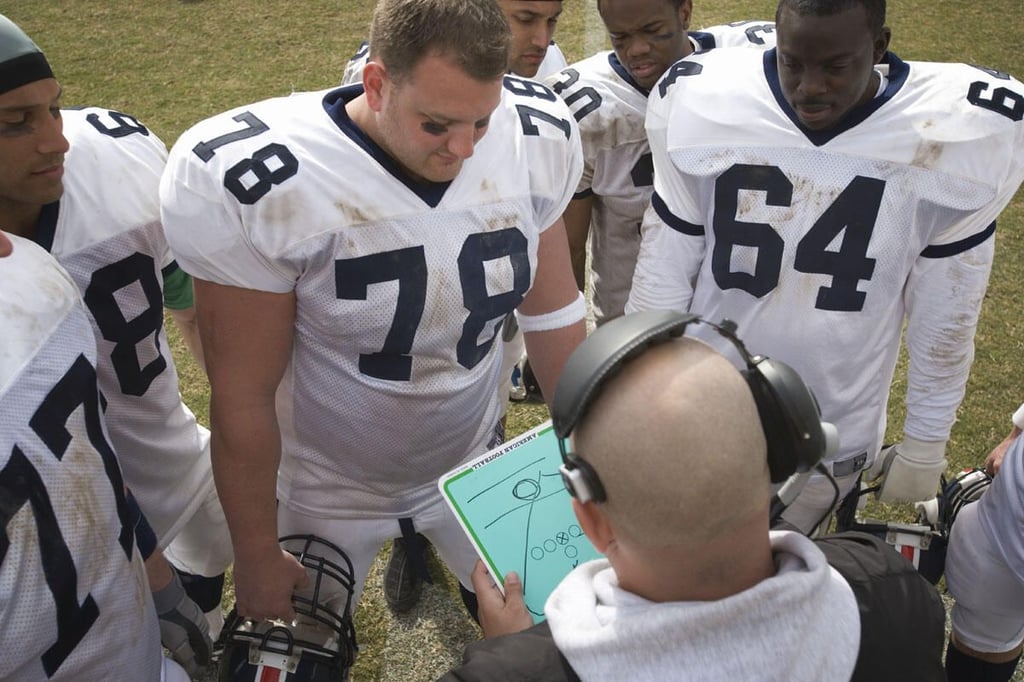
    Good coaches do more than just call plays — they serve as key leadership figures, connect with individual athletes, and provide encouragement and support. That’s not a great match for computerization.

    The probability of this job being computerized in the next couple decades: 1.3%.

    Photo: Nice One Productions\/Corbis
  • zdnet-robot-safe-jobs-engineer.jpg

    Engineers

    For the most part, engineers face a relatively low risk of job loss due to automation.

    According to the Oxford study, mechanical engineers face one of the lowest rates of automation (1.1%), followed closely by chemical (1.7%), aerospace (1.7%), environmental (1.8%), and civil engineering (1.9%).

    But not all engineering professions are safe: Agricultural engineers have a near 50-50 shot to lose their job to a computer sometime in the next few decades.

    Photo: Tim Pannell\/Corbis
  • zdnet-robot-safe-jobs-clergyman.jpg

    Clergy

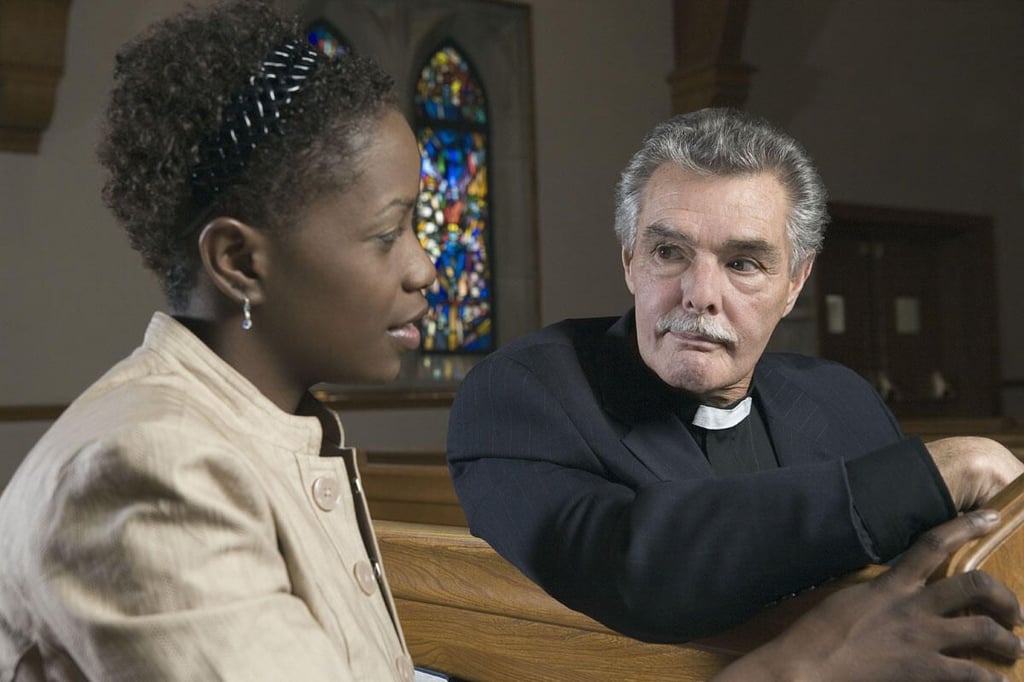
    Few things are more human (and less machine) than faith and a belief in a higher power.

    As such, it’s unlikely that robots will ever take over houses of worship — Futurama’s Reverend Lionel Preacherbot aside.

    The probability of this job being computerized in the next couple decades: 0.81%.

    Photo: Jason Horowitz\/Corbis
  • zdnet-robot-safe-jobs-composer.jpg

    Musical directors and composers

    Can a machine write a better song than Mozart could? Perhaps someday. As for the next few decades, writing and performing pop hits, country ballads, and more will be the domain of humans, not computers.

    The probability of this job being computerized in the next couple decades: 1.5%.

    Photo: Tim Pannell\/Corbis
  • zdnet-robot-safe-jobs-teacher.jpg

    Preschool and elementary teachers

    We concede that the future of the teaching profession will involve plenty of automated learning tools and possibly even telepresence robots.

    But full automation? Probably not — small kids require too much supervision.

    The probability of this job being computerized in the next couple decades: 0.44% for elementary school teachers and 0.74% for preschool teachers.

    Also see: Humans 2.0: How the robot revolution is going to change how we see, feel, and talkAI, Automation, and Tech Jobs (TechRepublic/ZDNet special feature), Why AI could destroy more jobs than it creates, and how to save them, and 10 ways automation may open up new IT job opportunities

    Photo: Sharie Kennedy\/LWA\/Corbis
  • 42-20702304.jpg

    Archaeologist

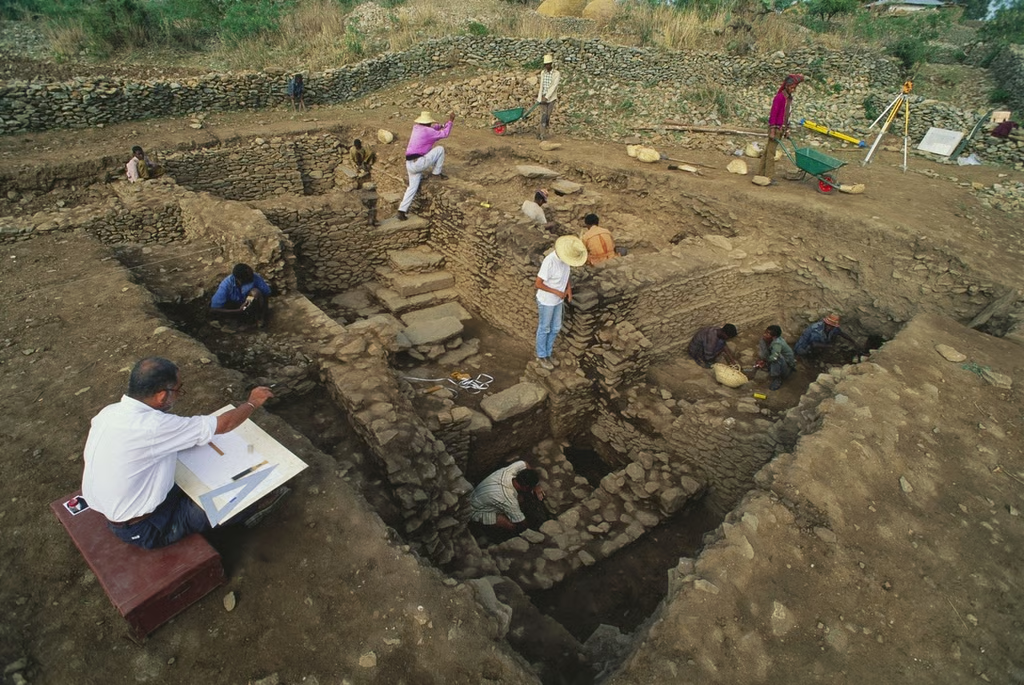
    Don’t let robots dash your hopes of becoming the next Indiana Jones.

    According to Oxford University, archaeologists are at incredibly low risk of job loss due to computerization — perhaps because their field work is so painstaking and intricate.

    The probability of this job being computerized in the next couple decades: 0.77%.

    George Steinmetz\/Corbis
1 of 21
Fox Van Allen

Fox Van Allen is a Los Angeles-based writer for CBS Interactive covering technology, tech lifestyle and gaming topics for GameSpot, CNET, ZDNet and TechRepublic. He has previously worked as a news and feature writer for a number of other sites, including Techlicious, Tecca, WoW Insider (Joystiq) and Blizzard Watch. In his spare time, Fox is an amateur skydiver, retro gaming and arcade enthusiast, 8-bit pixel artist, podcaster and Twitch live streamer.