A first look at the Windows 8 Developer Preview - TechRepublic

A first look at the Windows 8 Developer Preview

  • 6298115.png

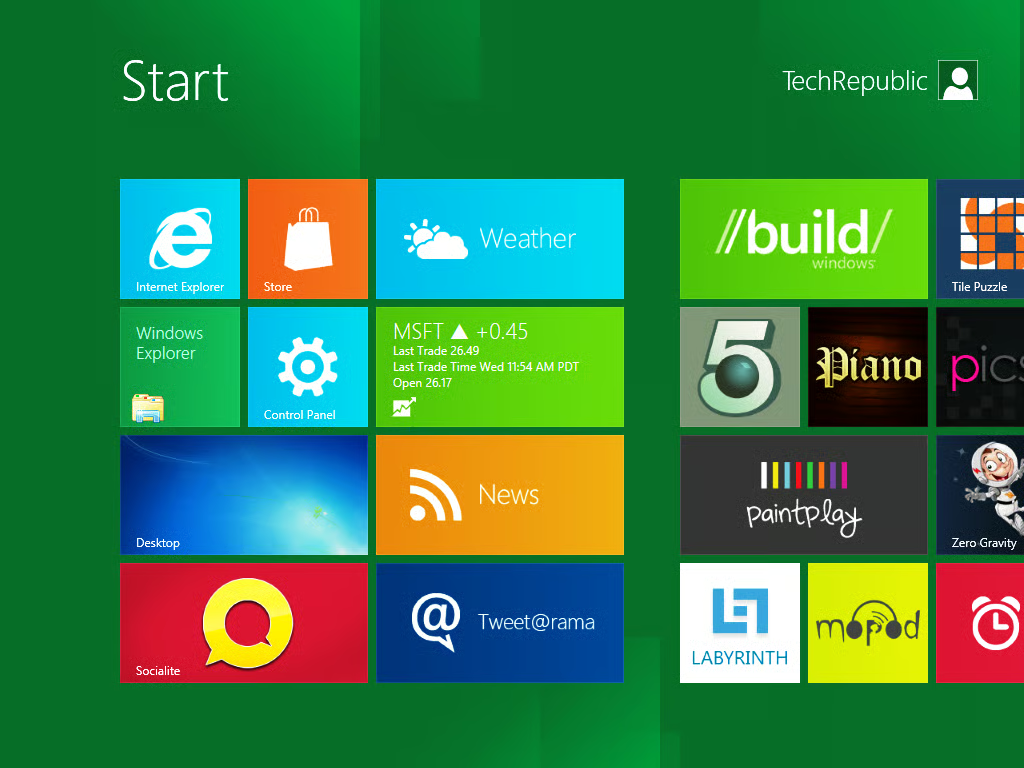
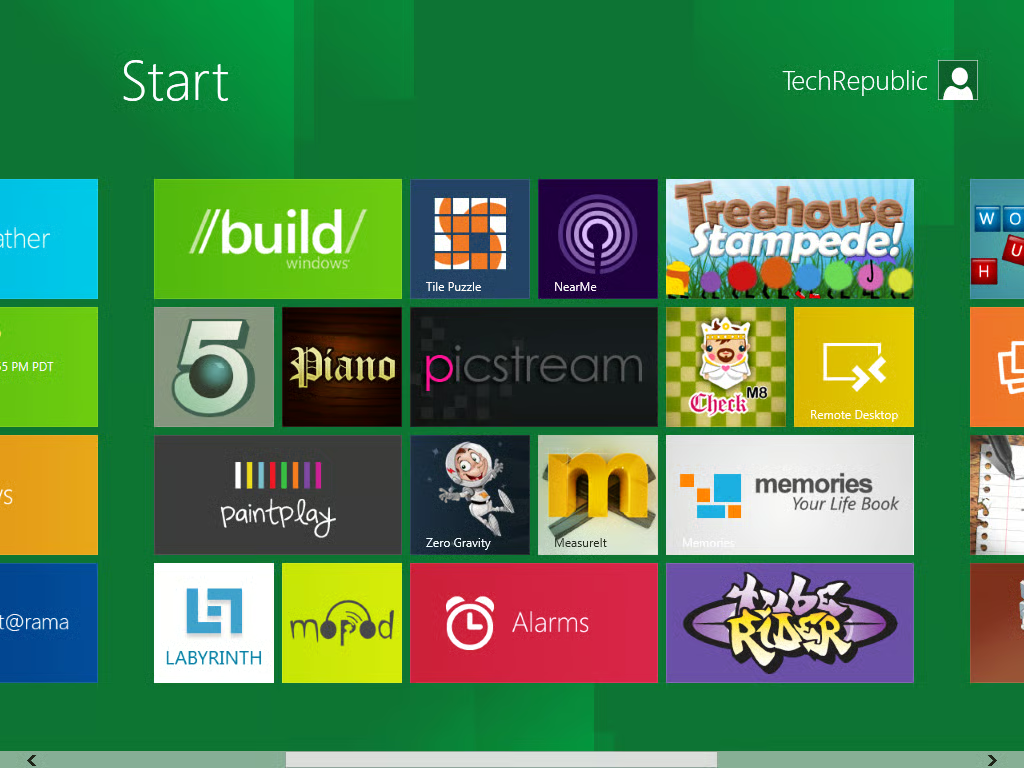
    Metro Interface

    \n\tThe Metro Interface in all its full glory. The metaphor is tiles. Some of the tiles are active (stocks for example) and will update periodically. This could be a good feature for users depending on what developers can come up with.

    \n

    \n\tImage by Mark Kaelin for TechRepublic.

  • IE10_123113.png

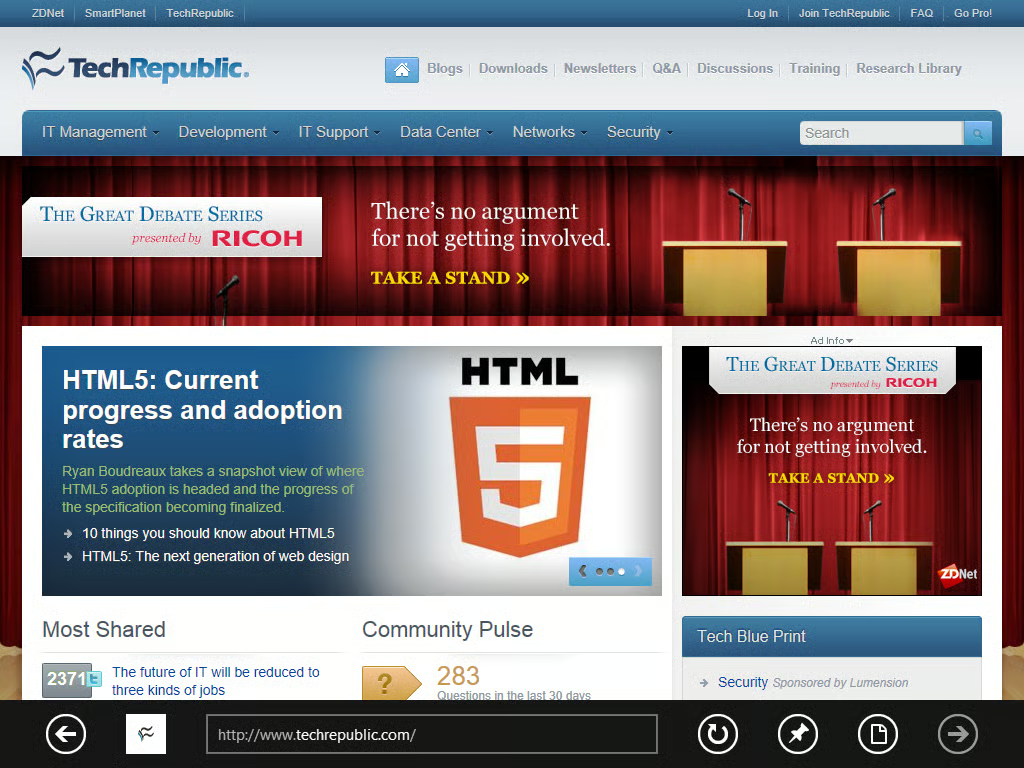
    Internet Explorer 10

    \n\tThe Metro Interface transforms your PC display into a Tablet display. Notice there are no title bars, no menus, no typical features of Internet Explorer.

    \n

    \n\tImage by Mark Kaelin for TechRepublic.

    Screenshot taken by Jack Wallen
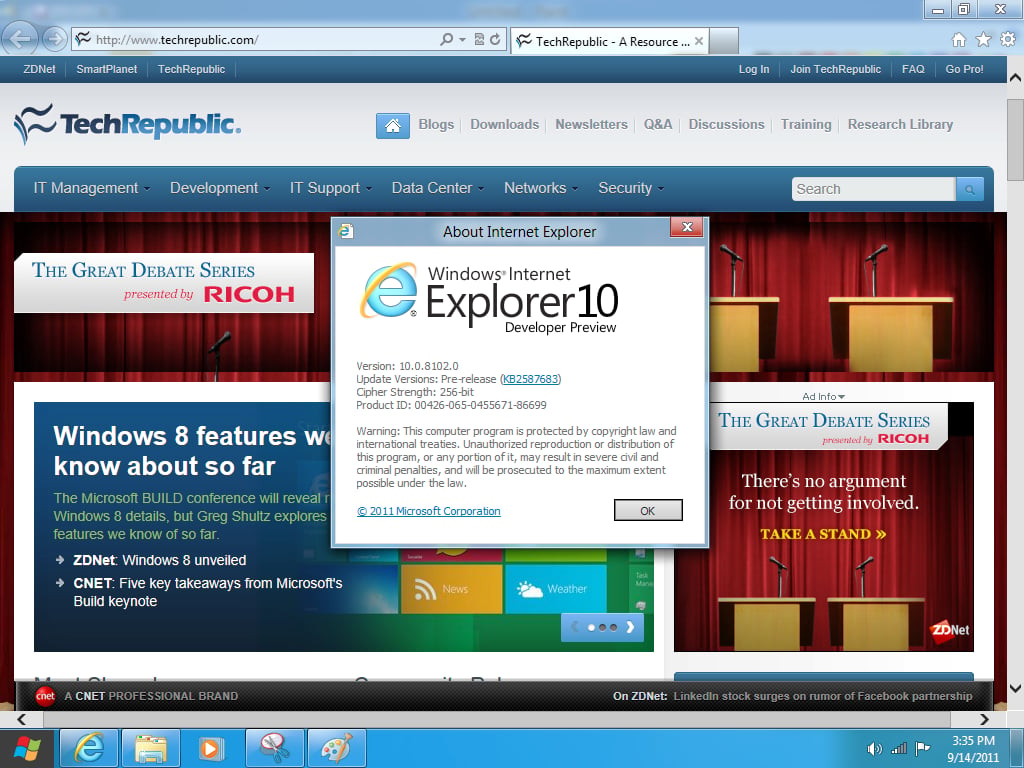
  • IE 10 on the Windows 8 desktop

    \n\tThe trick and the one thing every critic of Windows 8 needs to remember, is that you don’t have to use the Metro Interface. If you switch to the normal Windows Desktop you get Internet Explorer 10 with all the typical features.

    \n

    \n\tImage by Mark Kaelin for TechRepublic.

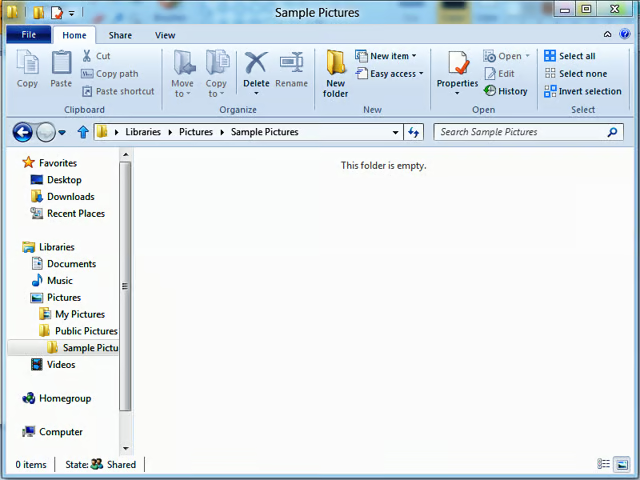
  • Windows Explorer with ribbon

    \n\tWindows Explorer will have a ribbon in Windows 8. It is supposed to be completely customizable, but I have not had the chance to try that out yet.
    \n

    \n\tImage by Mark Kaelin for TechRepublic.

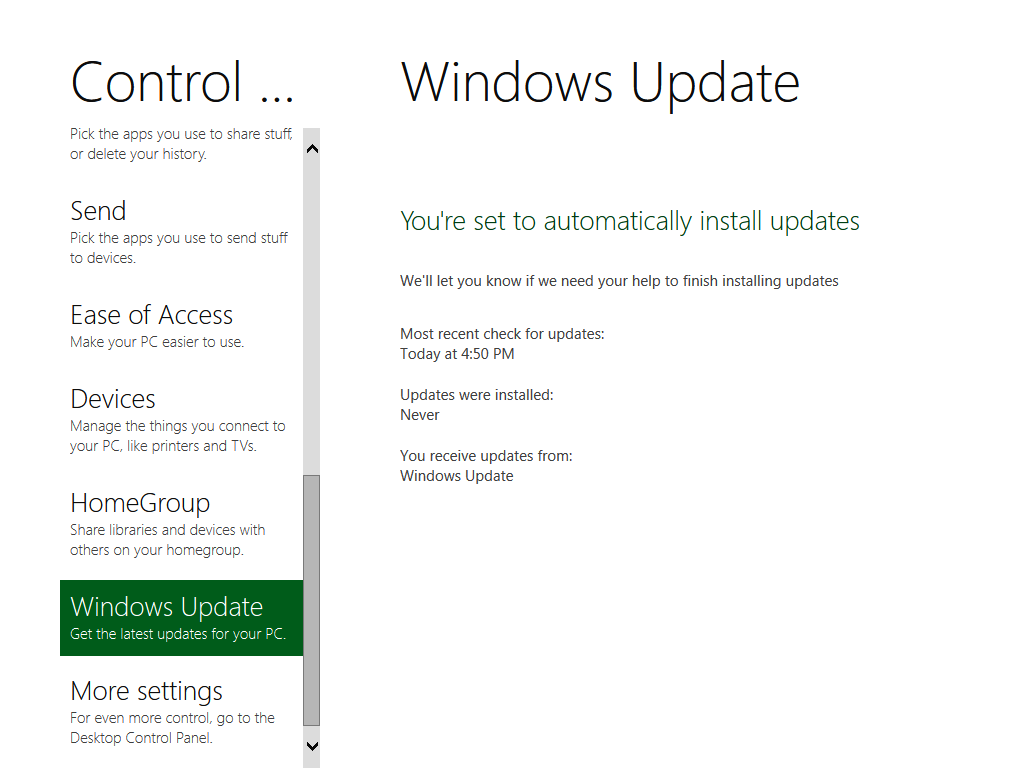
  • Control Options - Windows Update

    \n\tAccess to the Control Panel options are located in several places, but this is what the tile on the Start Page shows you. And, yes, you will still have Windows Update.

    \n

    \n\tImage by Mark Kaelin for TechRepublic.

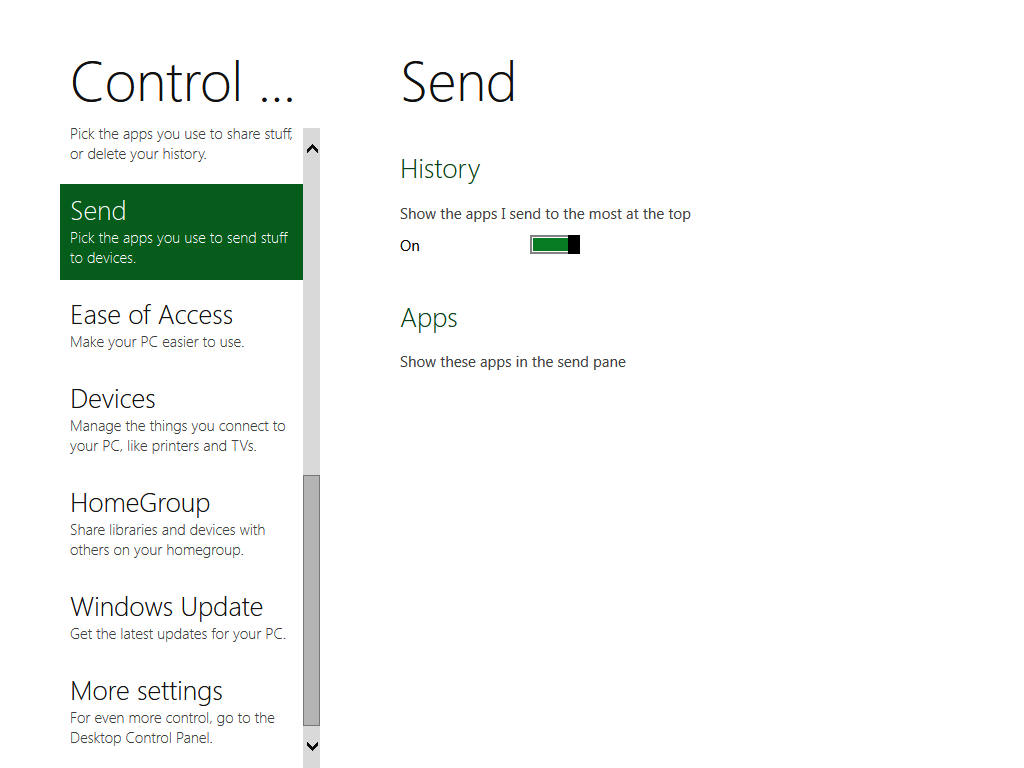
  • Send to

    \n\tA new empahsis is placed on the Send To concept –  a Tablet-friendly way to share links, photos, docs, etc.

    \n

    \n\tImage by Mark Kaelin for TechRepublic.

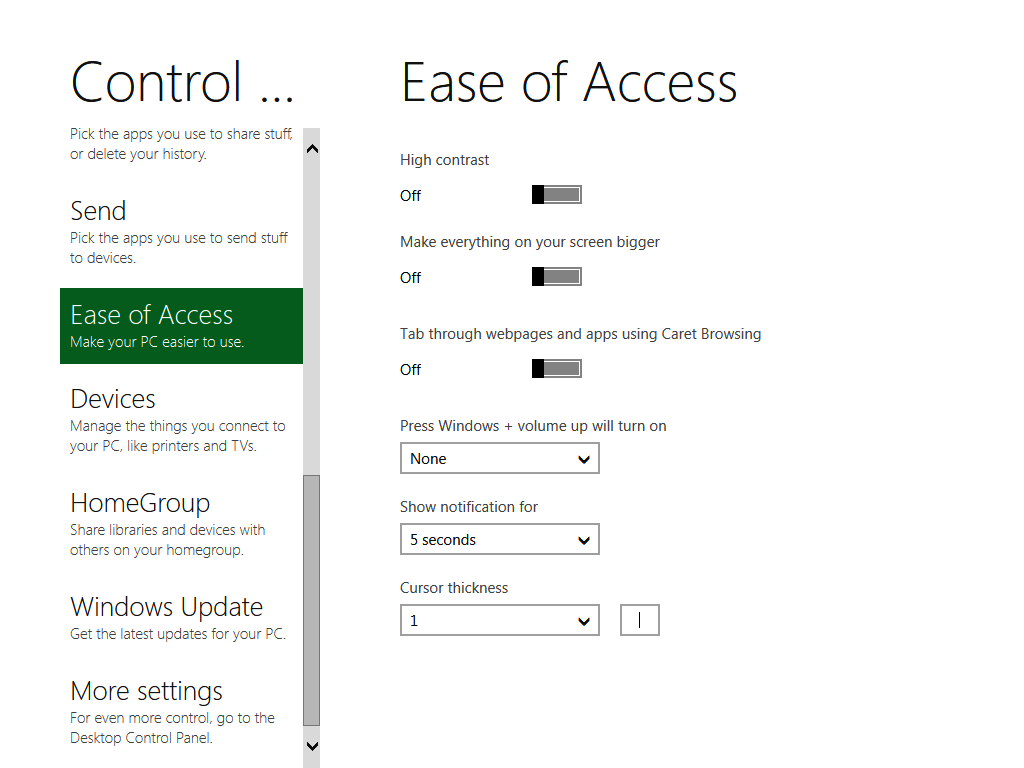
  • Ease of Access

    \n\tYou’ll be able to adjust settings to match the device you are using.

    \n

    \n\tImage by Mark Kaelin for TechRepublic.

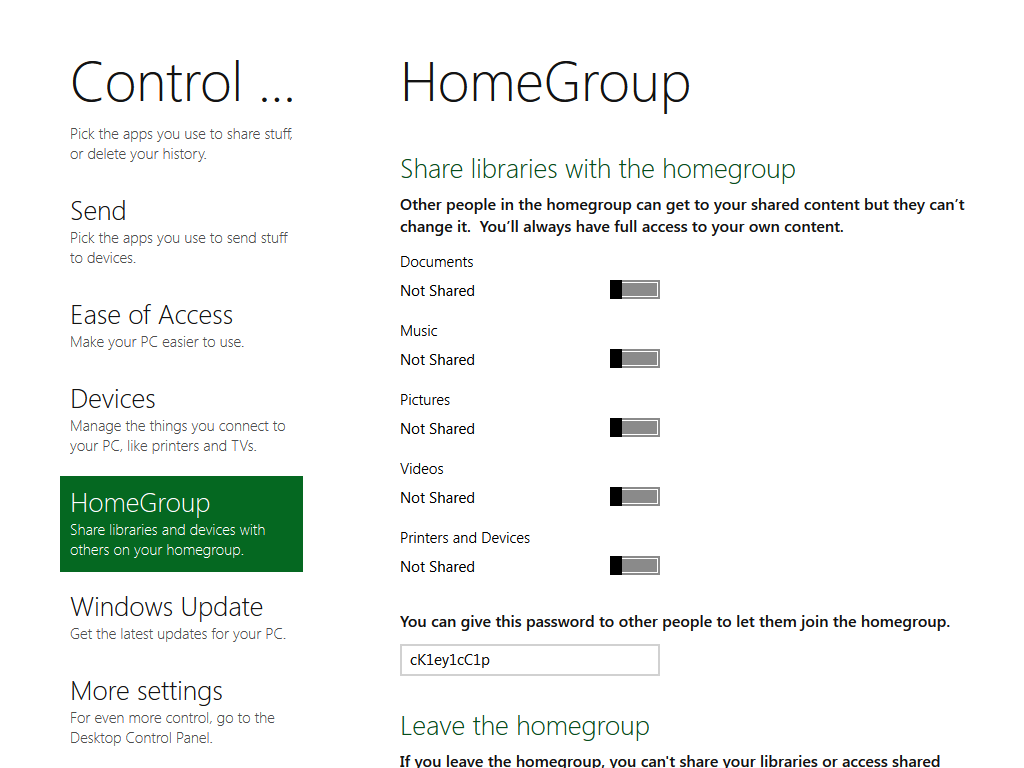
  • HomeGroup

    \n\tThere is a renewed empahsis on the HomeGroup concept. Again, this is one way to make tablet devices easier to work with on a network.

    \n

    \n\tImage by Mark Kaelin for TechRepublic.

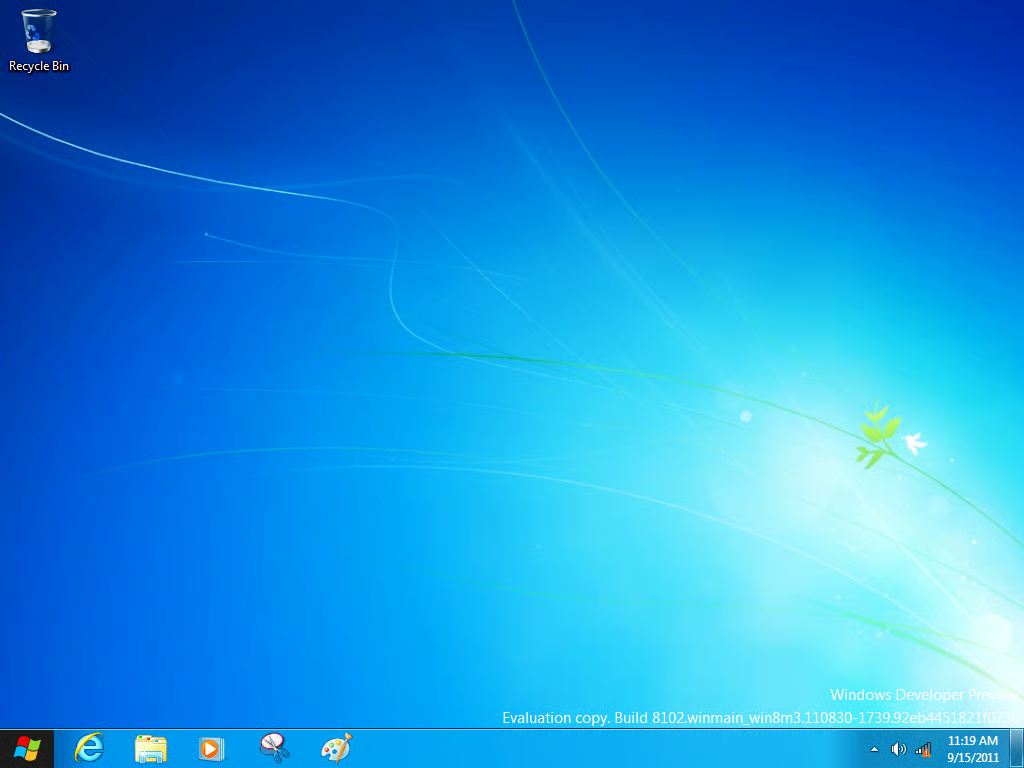
  • There is a Desktop

    \n\tHere is the Windows 8 Desktop – looks much like the Windows 7 Desktop.

    \n

    \n\tImage by Mark Kaelin for TechRepublic.

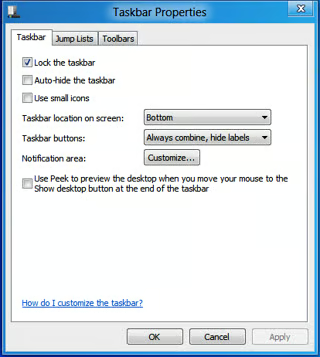
  • Taskbar Properties

    \n\tThere are the expected options for the Desktop Taskbar.

    \n

    \n\tImage by Mark Kaelin for TechRepublic.

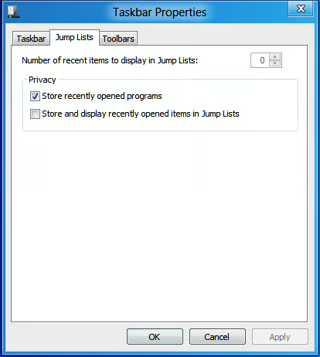
  • Taskbar Properties - Jump Lists

    \n\tImage by Mark Kaelin for TechRepublic.

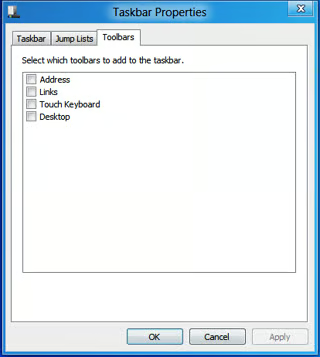
  • Taskbar Properties - Toolbars

    \n\tImage by Mark Kaelin for TechRepublic.

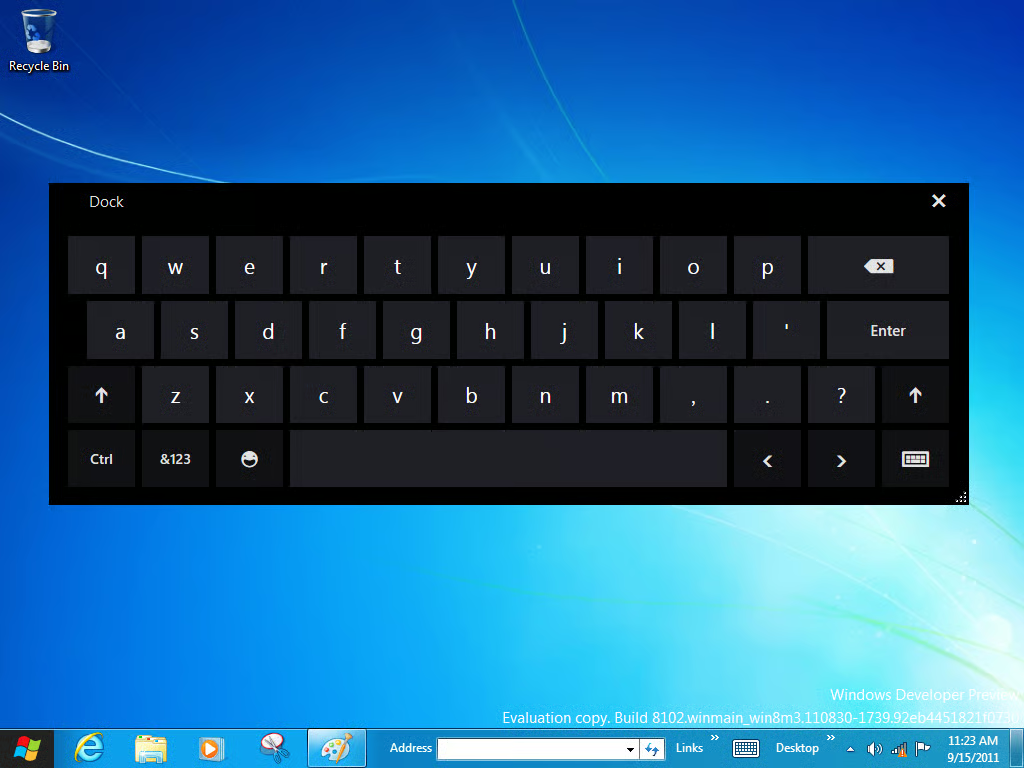
  • Software keyboard

    \n\tOf course, if you are on a tablet you will need a software keyboard. Notice that I also turned all the Taskbar Options shown in a previous image.

    \n

    \n\tImage by Mark Kaelin for TechRepublic.

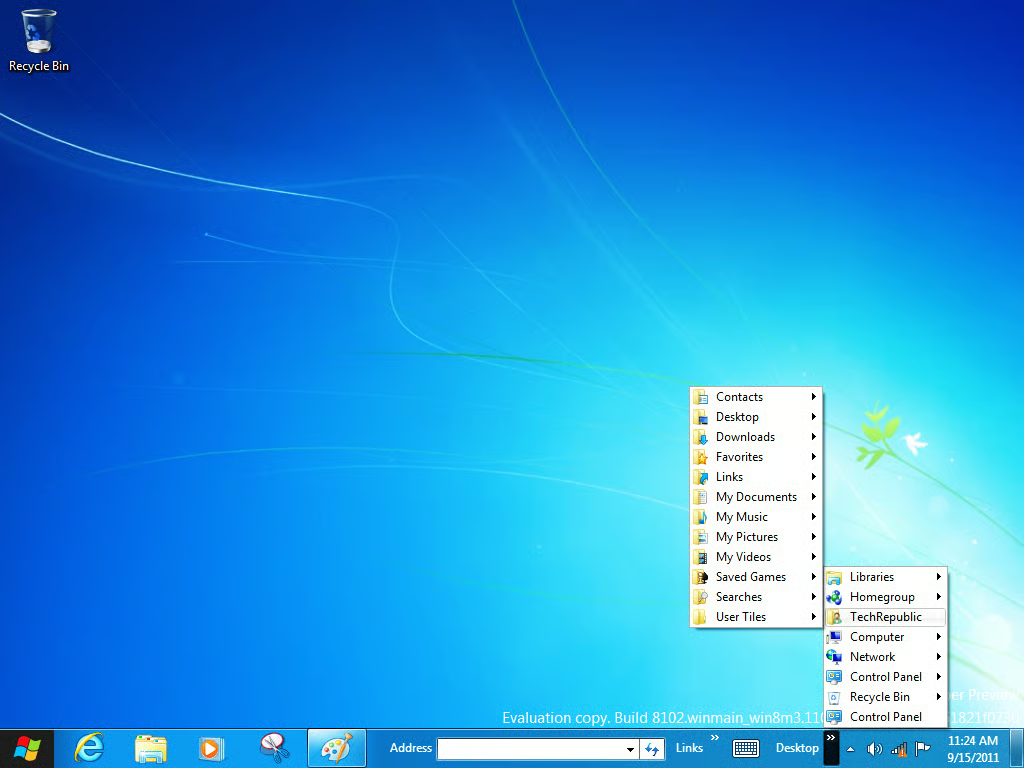
  • Desktop Options enabled

    \n\tWith the Desktop option turned on, you can get to a list of folders and applications much like from the Windows 7 Start Button. This too will be something of a change in pholiosophy – something we will have to explore in detail.

    \n

    \n\tImage by Mark Kaelin for TechRepublic.

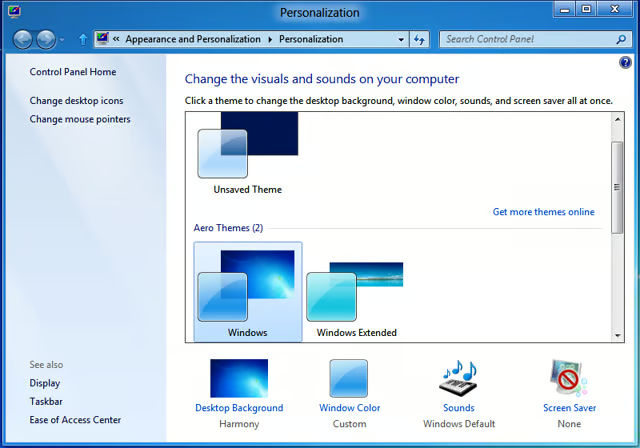
  • Personalization

    \n\tThere will be the usual Personalization features for the Desktop – the interesting prospect is how you will be able to personalize your tiles.

    \n

    \n\tImage by Mark Kaelin for TechRepublic.

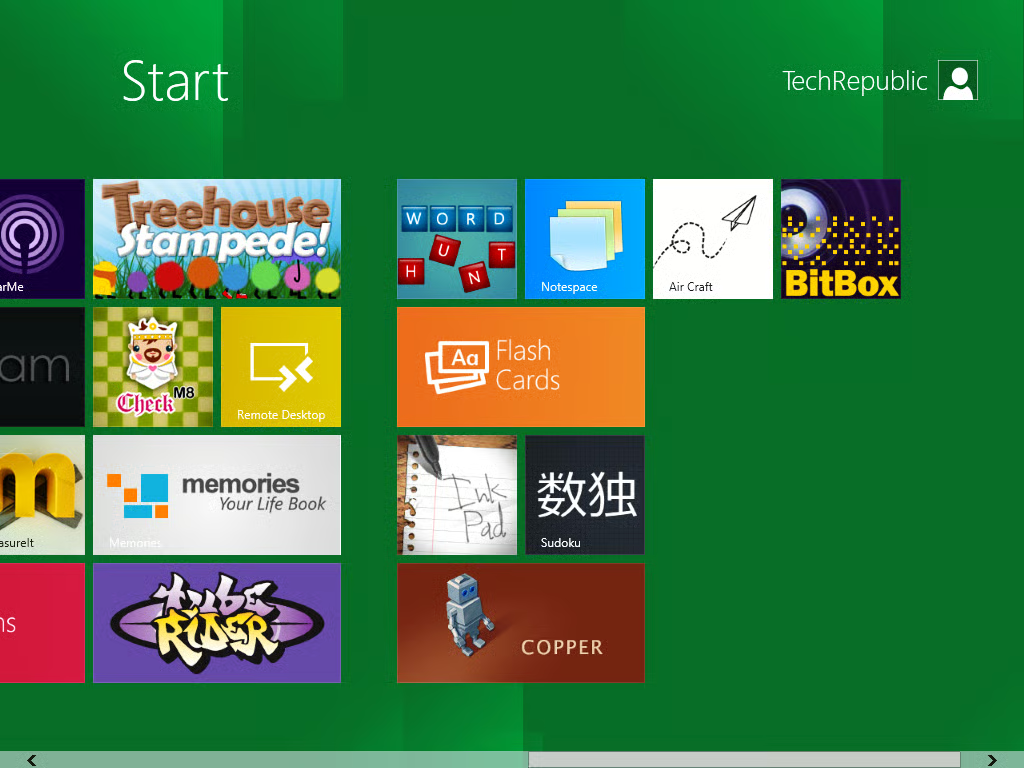
  • Sample apps page 1

    \n\tAs part of the Developer’s Preview, Microsoft included a set of sample applications written by a group of interns.

    \n

    \n\tImage by Mark Kaelin for TechRepublic.

  • Sample apps page 2

    \n\tImage by Mark Kaelin for TechRepublic.

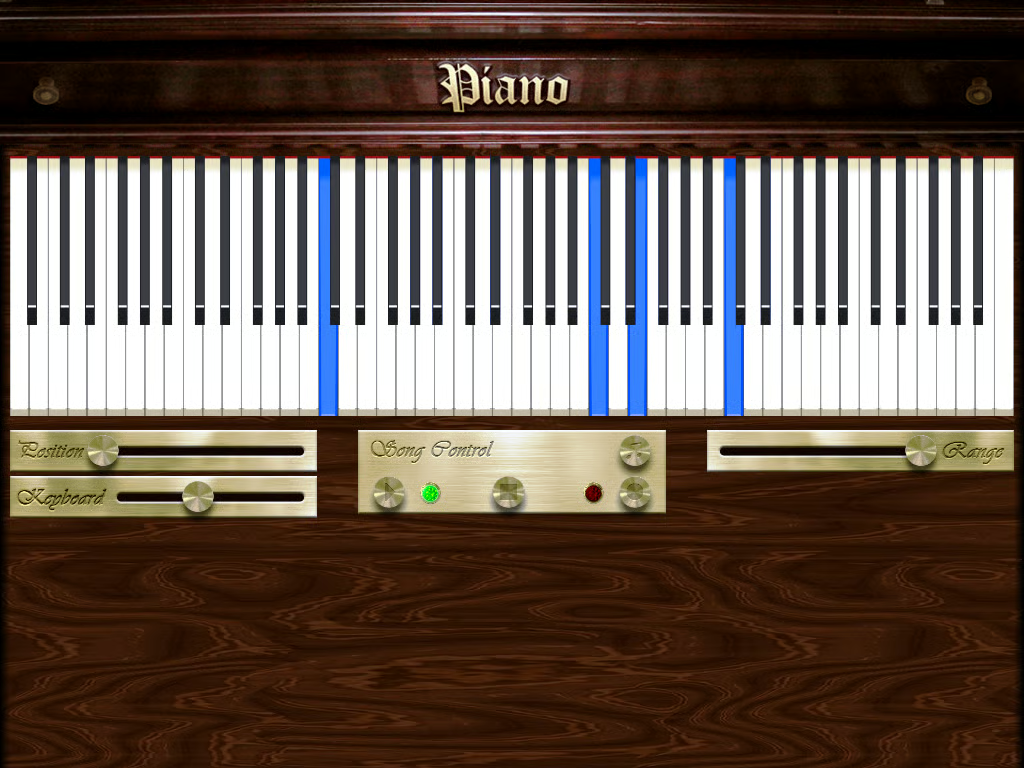
  • Piano app

    \n\tMany of the sample apps are the normal time-wasting example apps like games and this Piano app. I hope the developers can do a little more with Windows 8.

    \n

    \n\tImage by Mark Kaelin for TechRepublic.

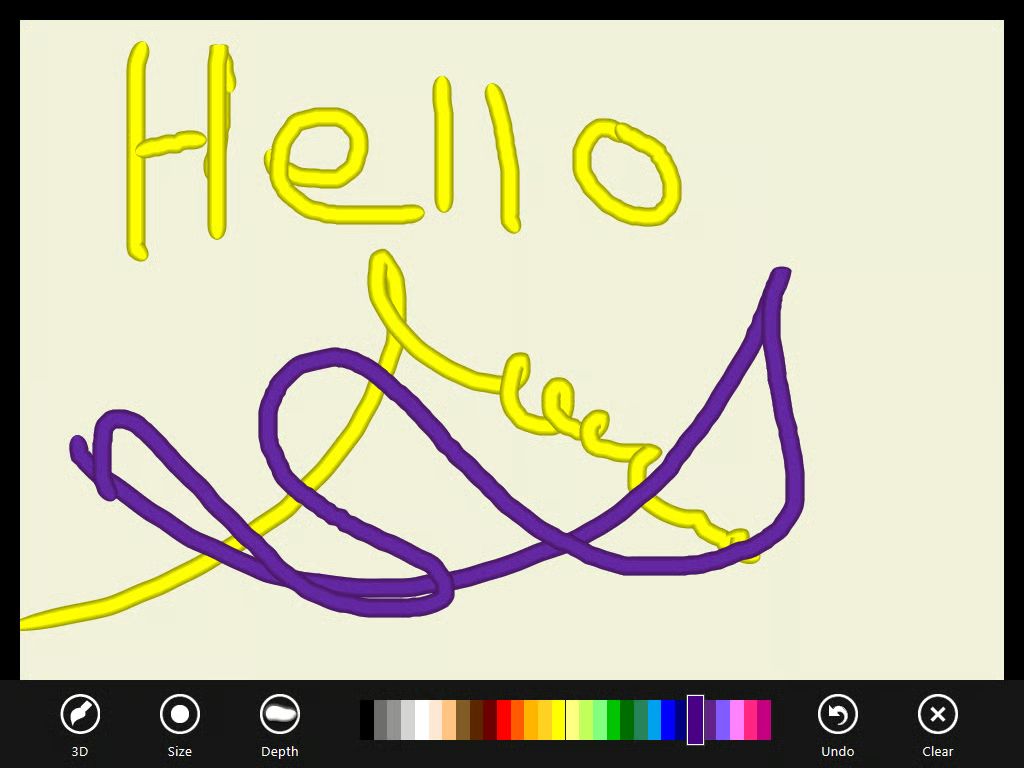
  • Draw stuff

    \n\tImage by Mark Kaelin for TechRepublic.

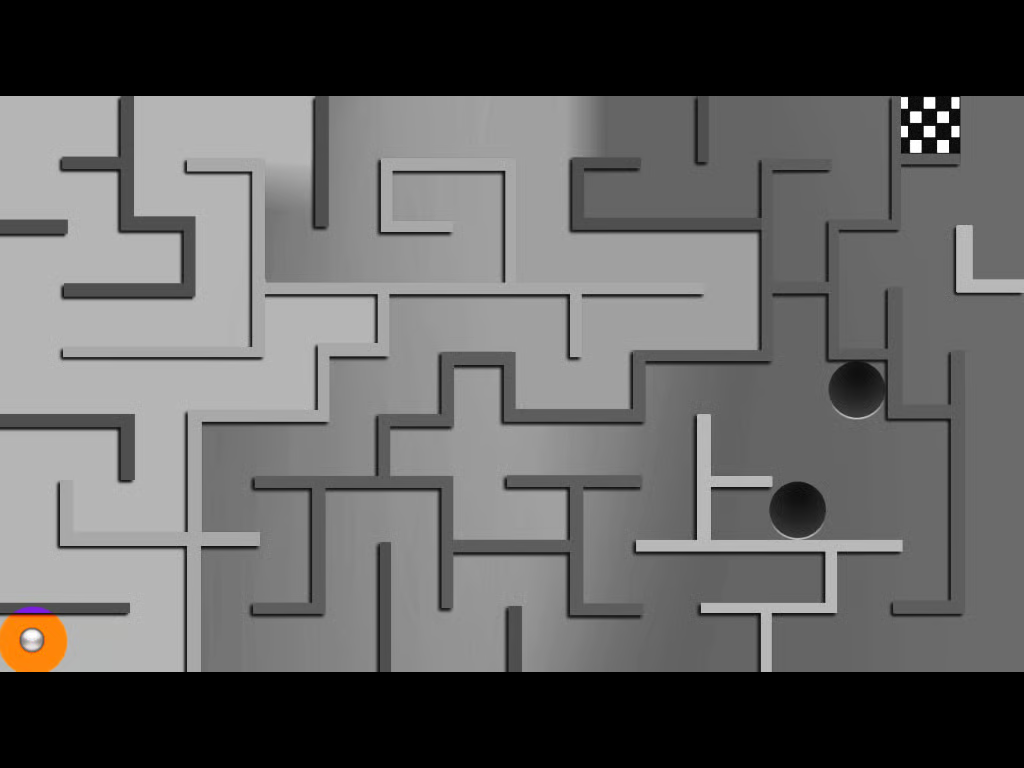
  • Move the ball through the maze

    \n\tImage by Mark Kaelin for TechRepublic.

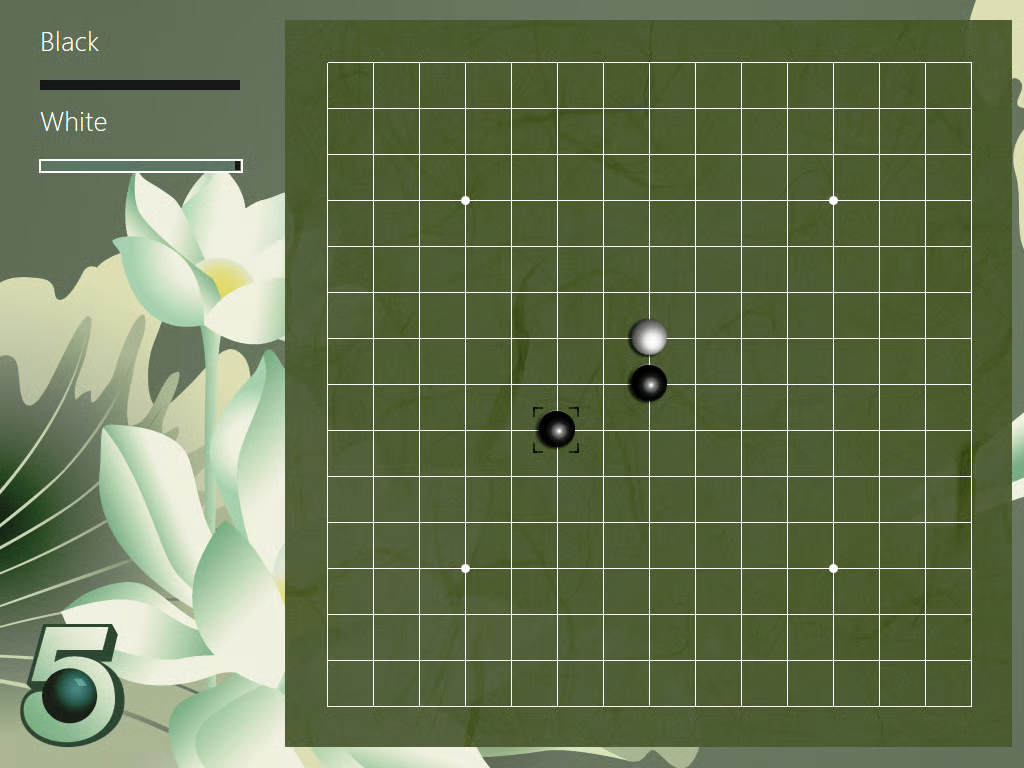
  • I think this is Othello

    \n\tI could not find the instructions for this game – something the developers need to work on. There must be some command to get to the instructions that I am missing because I am not on a tablet.

    \n

    \n\tImage by Mark Kaelin for TechRepublic.

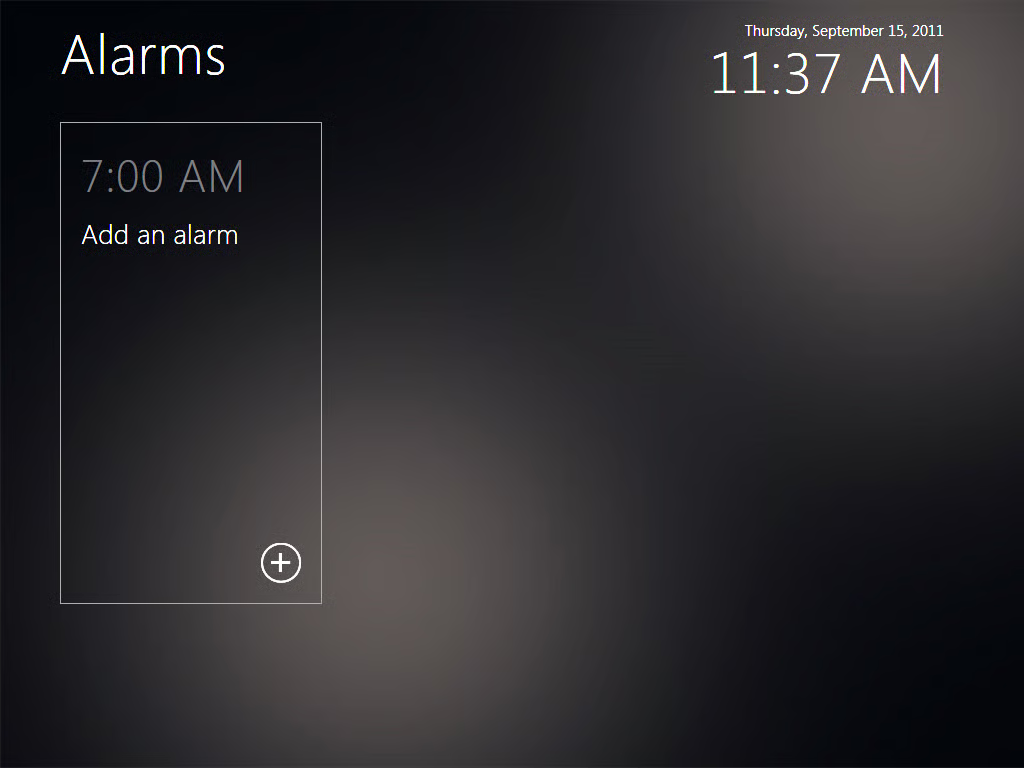
  • Set your alarm

    \n\tOne practical example app is this minimalist alarm app.

    \n

    \n\tImage by Mark Kaelin for TechRepublic.

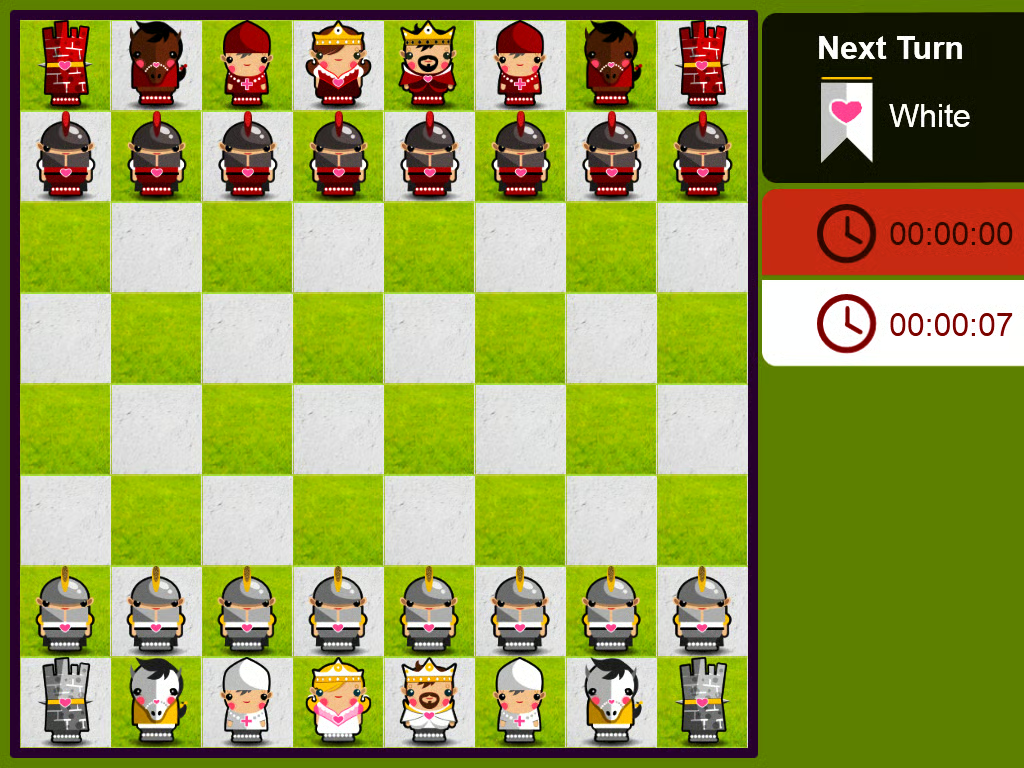
  • Chess

    \n\tImage by Mark Kaelin for TechRepublic.

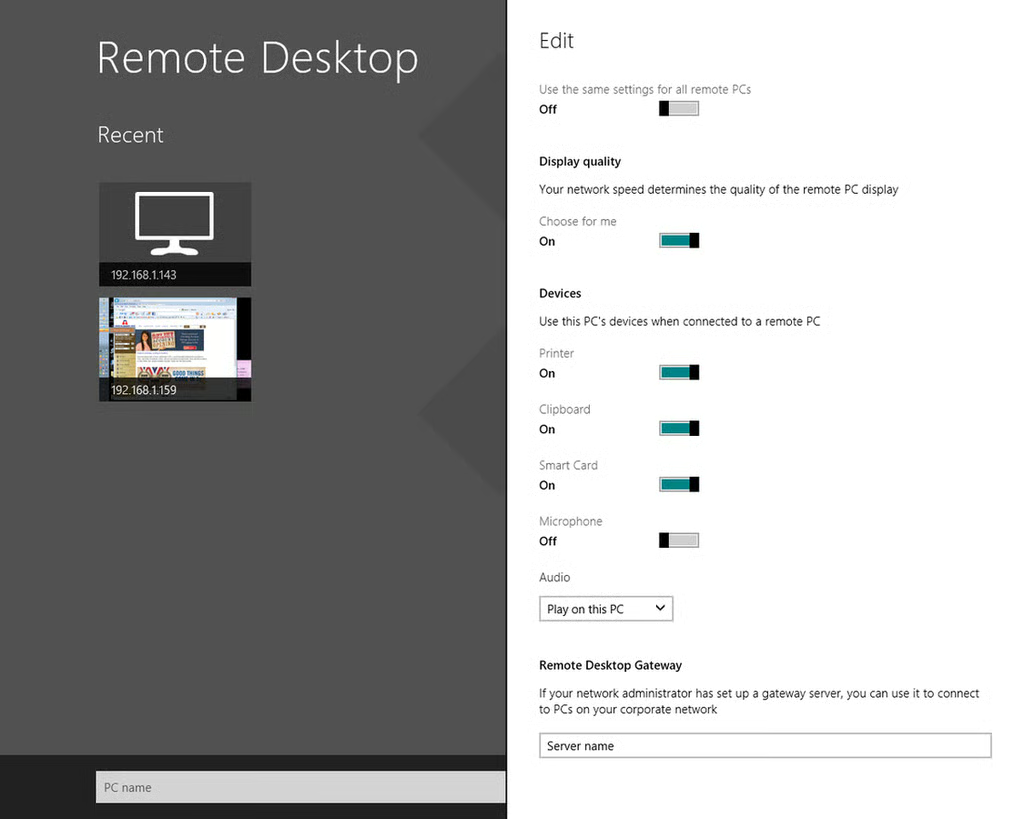
  • Remote Desktop

    \n\tA tablet friendly version of Remote Desktop. This app will be very important for some people so it better work well, the demo in they keynote speech showed that there was still some work to do.

    \n

    \n\tImage by Mark Kaelin for TechRepublic.

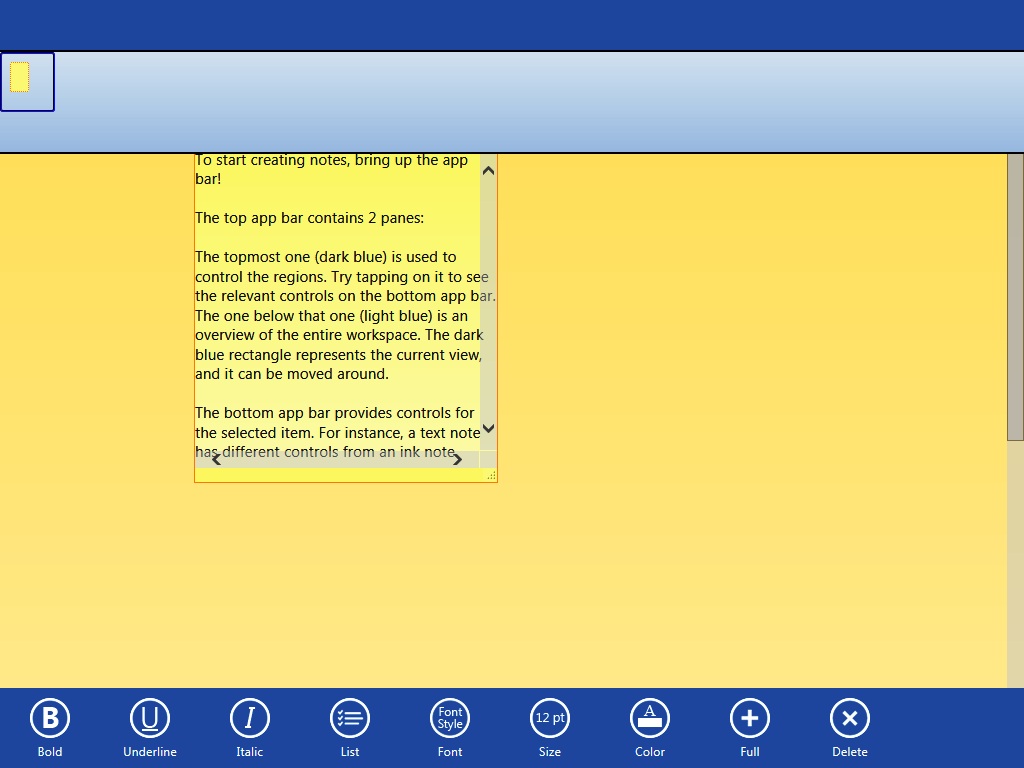
  • Take notes

    \n\tAnother favorite tablet app is the Note taking application.

    \n

    \n\tImage by Mark Kaelin for TechRepublic.

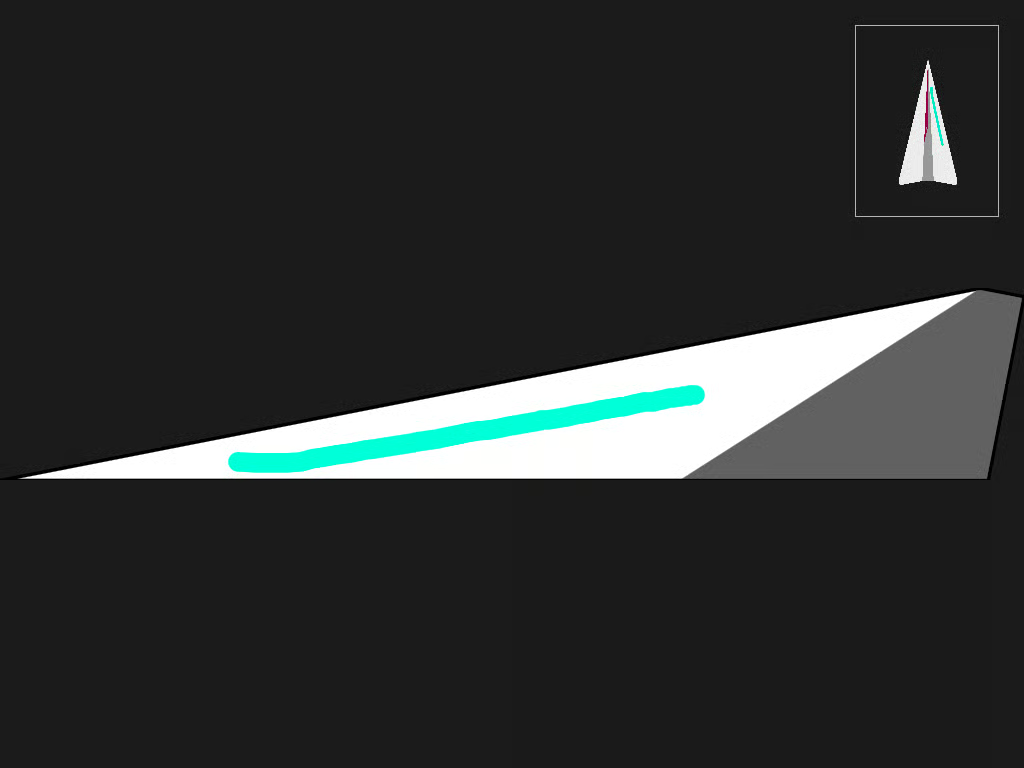
  • Paper airplanes

    \n\tImage by Mark Kaelin for TechRepublic.

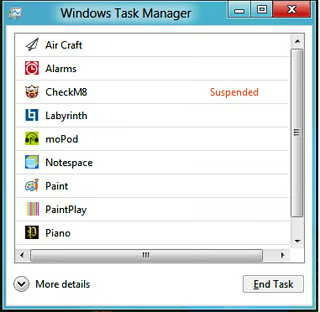
  • Windows Task Manager

    \n\tCTRL-ALT-DEL still gives you access to the Task Manager and this is where we can see the real change of philosophy in Windows 8. All of the apps that I loaded from Start Page tiles are loaded and waiting for me, just like they would be on a Tablet. It doesn’t show it here, but after a time all of the apps went into suspended mode. But they would pop right up if I click their tile again – right at the point I left them.

    \n

    \n\tThis is a big change of practice for many Windows-users. That behavior makes since for tablets, but the question is whether this idea will be embraced for Desktop and notebook PCs?

    \n

    \n\tOnly time will tell, but finding out should be very interesting.

    \n

    \n\tImage by Mark Kaelin for TechRepublic.

1 of 27
Mark W. Kaelin

Mark W. Kaelin has been writing and editing stories about the information technology industry, software, hardware, gaming, finance, accounting, and technology geekdom for more than 30 years.