From food waste to carbon fiber, the wide world of 3D printer filament - TechRepublic

From food waste to carbon fiber, the wide world of 3D printer filament

  • Food waste

    AgriDust is a material made from a blend of the most commonly found foods in landfills, like coffee grounds, peanut shells, orange and lemon peels, tomato skins, and a binder made of potato starch. The print and the excess filament can be composted after it’s used since it’s all biodegradable.

    Image: AgriDust
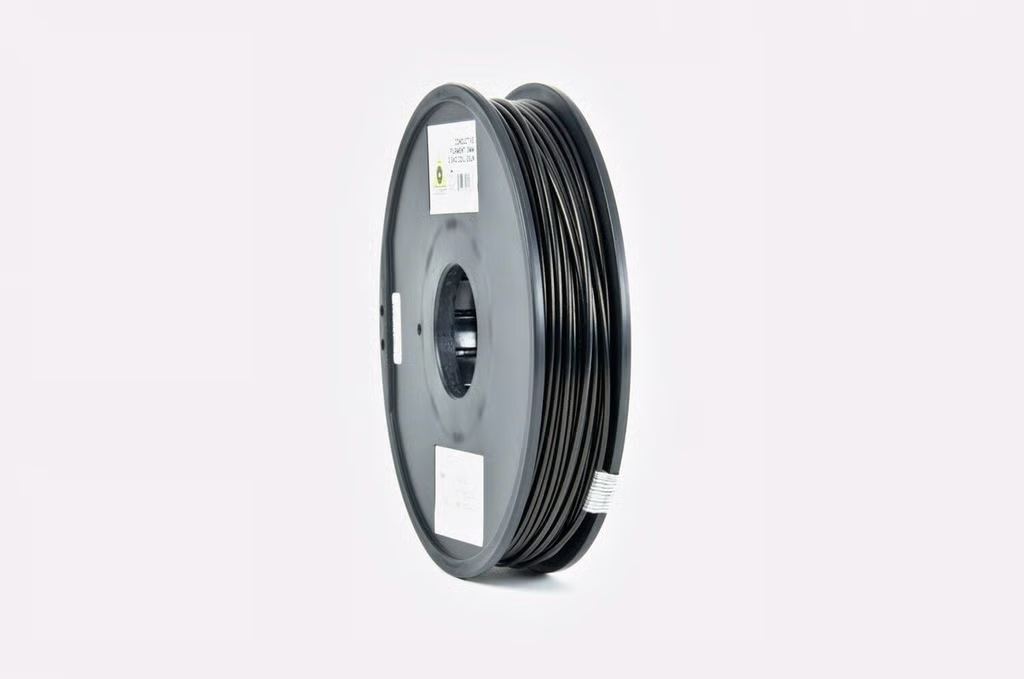
  • Conductive ABS

    Lulzbot makes this conductive filament, which they say can be used for low-power electronics, wearables, or robotics. For varying results, you can try differing the percentage of this infill. The company also recommends buying a special cleaning solution so that the residue isn’t left over in the extruder head.

    Image: eSun
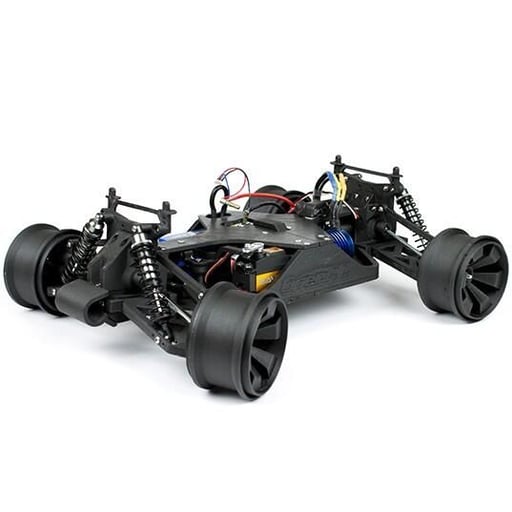
  • ColorFabb carbon fiber

    ColorFabb makes a popular carbon fiber filament from 20% specially sourced carbon fibers. This type of filament is great for parts that need a lot of stiffness and strength, rather than the flexibility PLA or ABS has.

    Image: ColorFabb
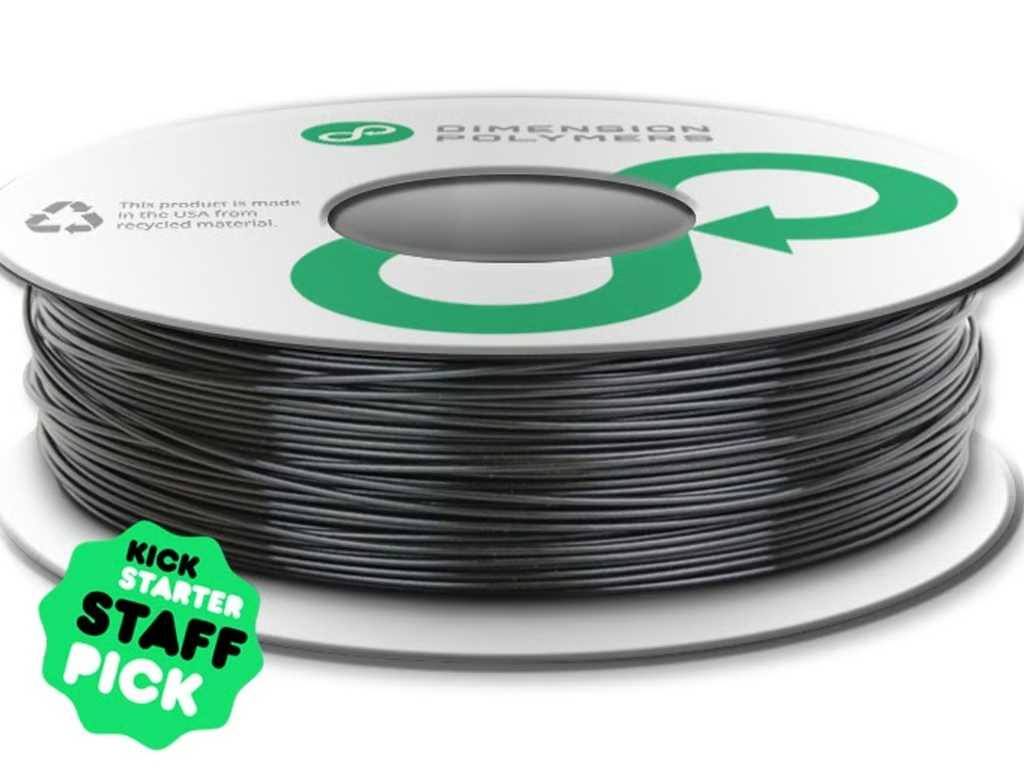
  • Recycled plastic filament

    Dimension Polymers is about to release the first recycled plastic filament for anyone to buy off the shelves. Right now, it only comes in black, but the team is planning on adding some more colors soon. They want it to be comparable to any other PLA or ABS filament, without the environmental impact.

    Image: Dimension Polymers
  • MakerBot PLA

    MakerBot makes both ABS and PLA plastic in a variety of colors. Their PLA, a bioplastic made from corn, is the best for their Replicator 3D printers.

    Image: MakerBot
  • Proto Crate

    This filament subscription by Proto Crate costs $49.99 per month and each time, the theme of the box is different. Some of the spools are from top brands, and others are lesser-known. The box also comes with a pre-printed example of what you can expect to achieve with the filament.

    Image: Proto Crate
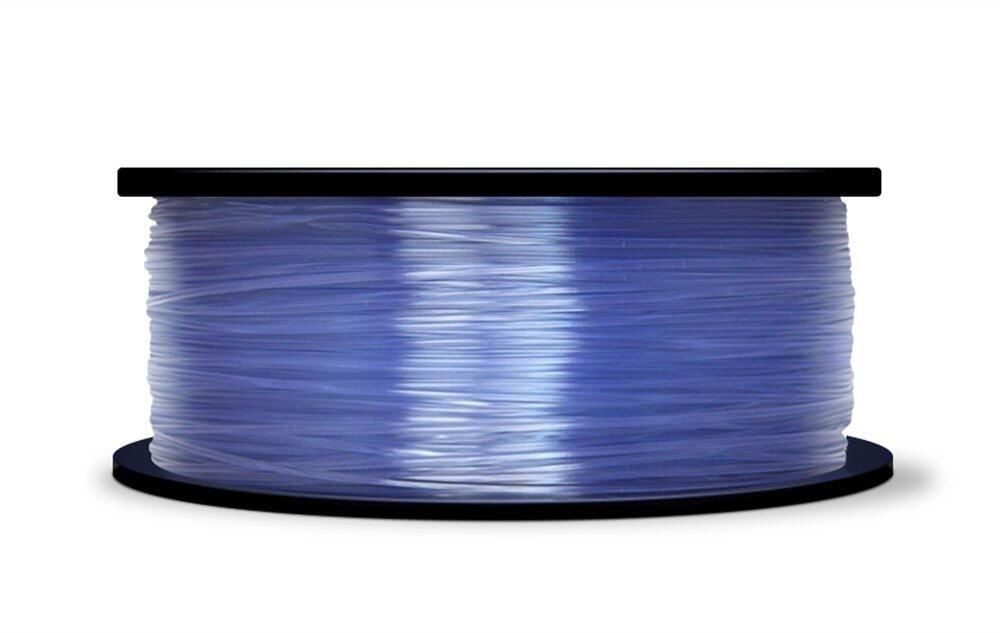
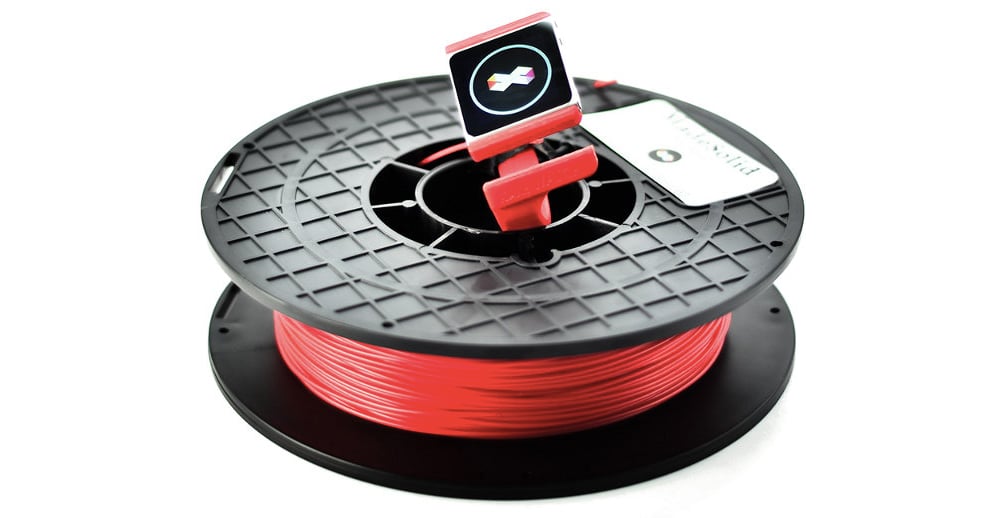
  • MadeSolid PET+

    MadeSolid makes PET+ filament, which they market as having the best properties of PLA and ABS, only better. It is strong and flexible, 100% recyclable, and is suitable for most desktop printers.

    Image: MadeSolid
  • MakerBot Composites

    Coming in late 2015 is MakerBot’s composite filaments, made with PLA plastic mixed with limestone, maple, bronze, or iron.

    Image: MakerBot
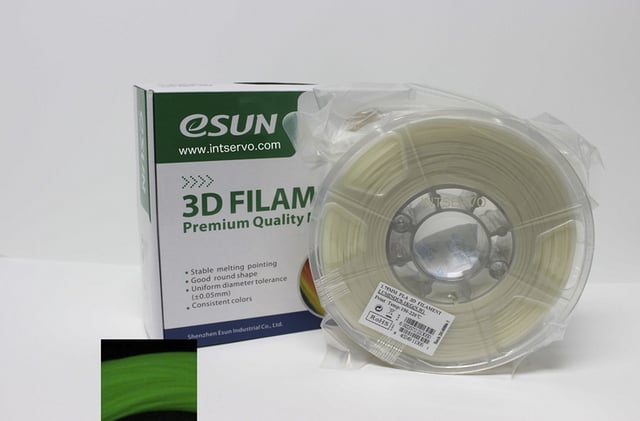
  • Glow in the dark

    eSun makes several types of PLA filaments with a variety of properties, and one of them is glow in the dark. This luminous green filament works with many of the most popular desktop 3D printers.

    Image: eSun
  • ninja1.jpg

    NinjaFlex

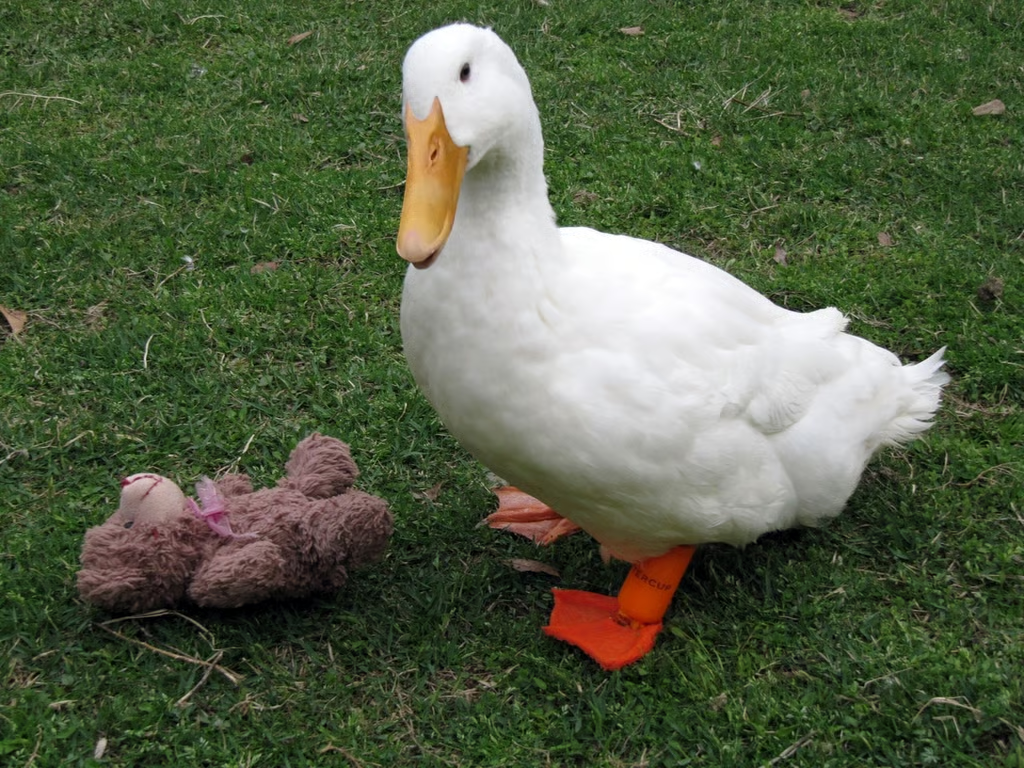
    This filament is flexible, as the name suggests, and is useful for printing objects that need a little give, like this duck foot. The company said the filament is made of “thermoplastic elastomer (TPE), ideal for 3D printers with direct-drive extruders.” They also offer a Semi-Flex material as well.

1 of 10
Lyndsey Gilpin

Lyndsey Gilpin is a former Staff Writer for TechRepublic, covering sustainability and entrepreneurship. She's co-author of the book Follow the Geeks.