Google's 12 biggest product debacles of all time - TechRepublic

Google’s 12 biggest product debacles of all time

  • Google Answers

    Google Answers

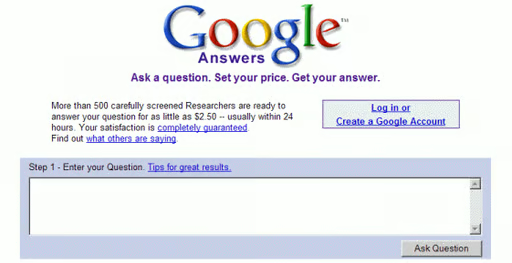
    Google Answers was Google’s marketplace for knowledge. Users posted a question and the amount they were willing to pay for an answer, and then researchers would answer the question. The community was too small and the service could never compete with Yahoo’s answers service.

    Image: Google
  • Google Buzz

    Google Buzz

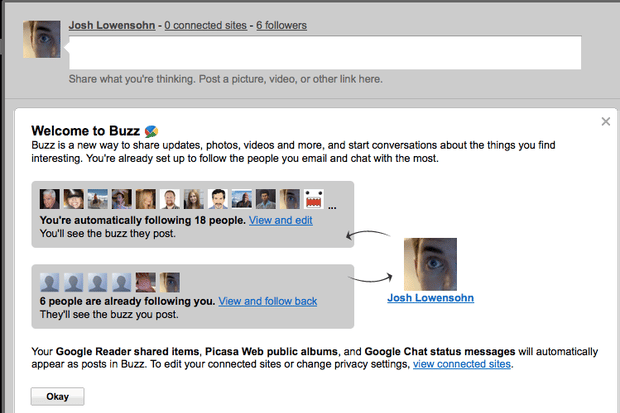
    Google Buzz was a social platform for sharing content that was incorporated into Gmail. Buzz met heavy criticism and raised numerous privacy issues among users. It was discontinued in December 2011.

    Image: CNET
  • Google Latitude

    Google Latitude

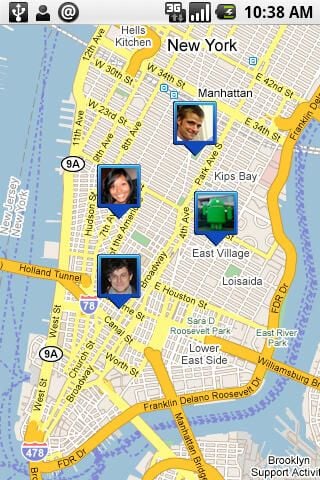
    Google Latitude was a location-based app that allowed users to find some of their Gmail contacts by proximity. It failed mostly because it was creepy.

    Image: CNET
  • Nexus Q

    Nexus Q

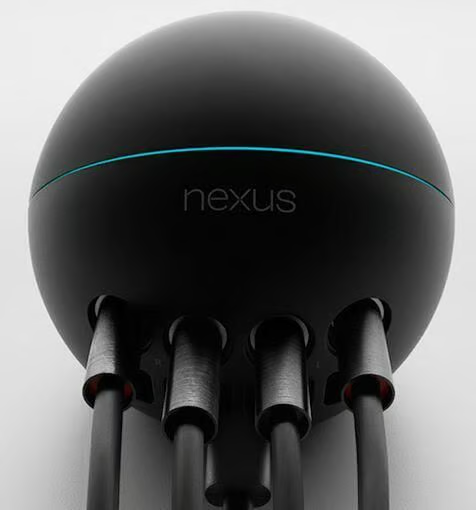
    The Nexus Q was Google’s multimedia player challenge to the Apple TV. The problem was that the product was $300 and it didn’t really do much. At least it looked cool.

    Image: Google
  • Google TV

    Google TV

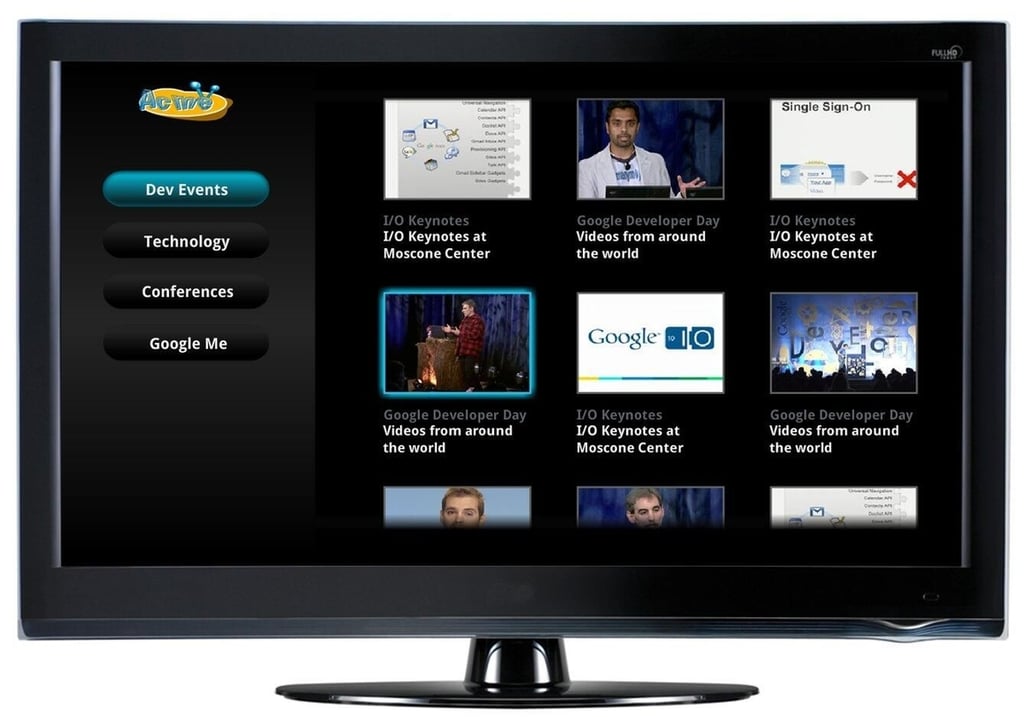
    Google TV was a smart TV platform launched in 2010. The implementation was clumsy and the products were not well-received. It’s rumored that Google TV could be rebranded as Android TV.

    Image: Google
  • iGoogle

    iGoogle

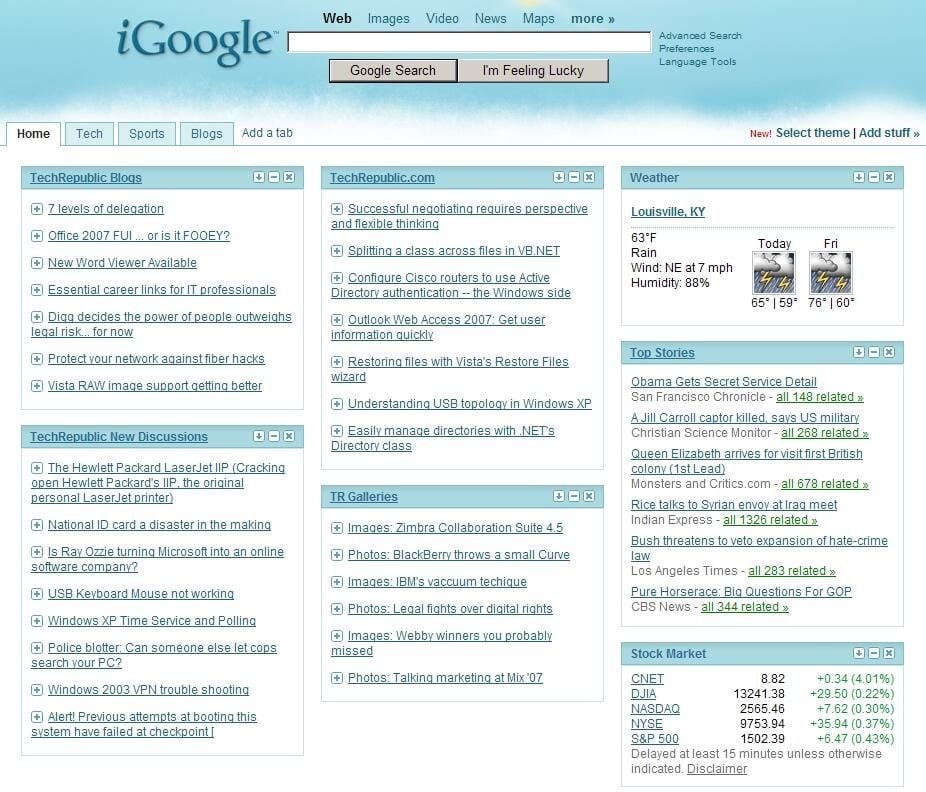
    iGoogle allowed users to created a customizable homepage with widgets such as weather and content feeds. The company initially announced they would migrate the social features in 2012.

    “With our new focus on Google+, we will remove iGoogle’s social features on January 15, 2012. iGoogle itself, and non-social iGoogle applications, will stay as they are,” said Bradley Horowitz, then vice president of product.

    As it turns out, the other features weren’t all that useful so Google canned iGoogle in November 2013.

    Image: TechRepublic
  • Knol

    Knol

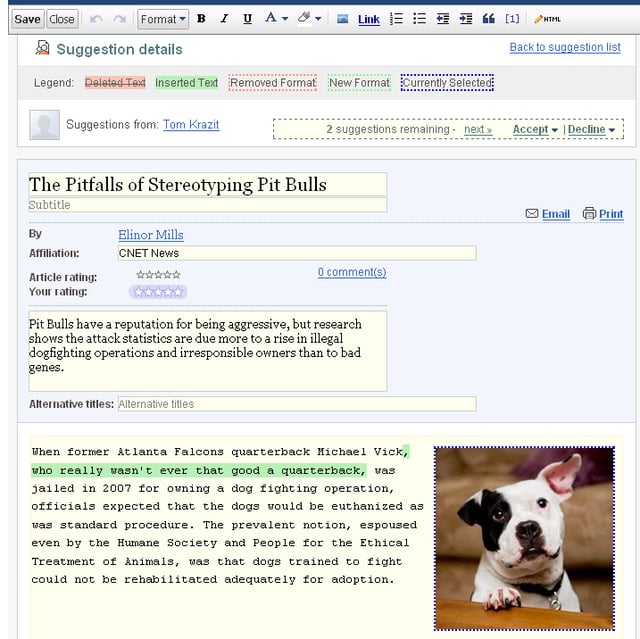
    Knol was Google’s challenge to Wikipedia. The site was plagued by plagiarism and poor sourcing, which ultimately led to its demise. Also, the concept of monetizing knowledge was too strange.

    Image: CNET
  • Web Accelerator

    Web Accelerator

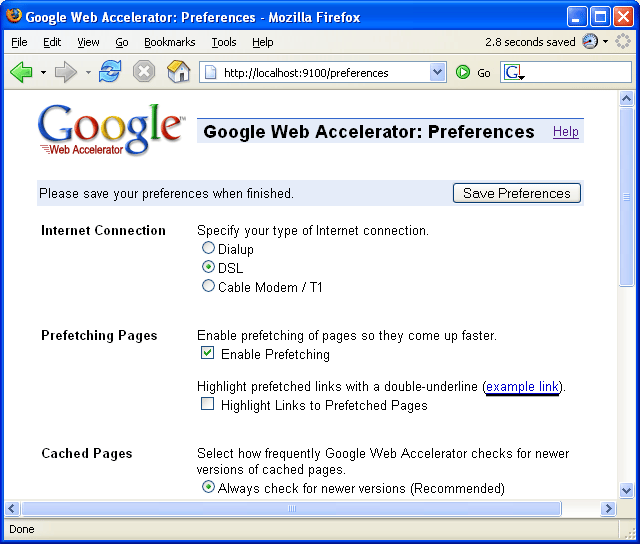
    Web Accelerator was a proxy server that sped up web surfing times by caching certain types of info. There were some privacy concerns and the product was buggy. It even kept users from watching YouTube videos.

    Image: Google
  • Lively

    Lively

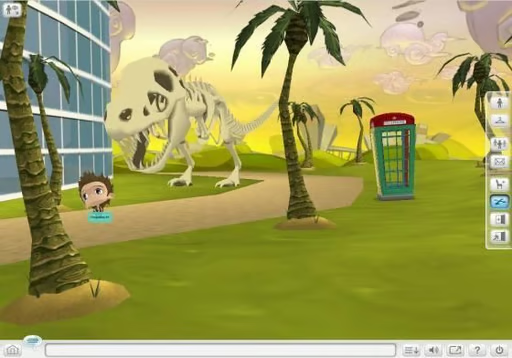
    Lively was Google’s online 3D universe, similar to Second Life. Lively was too complex and didn’t offer enough customization for users. It was barely six months old when Google killed it.

    Image: Google
  • Google Print Ads

    Google Print Ads

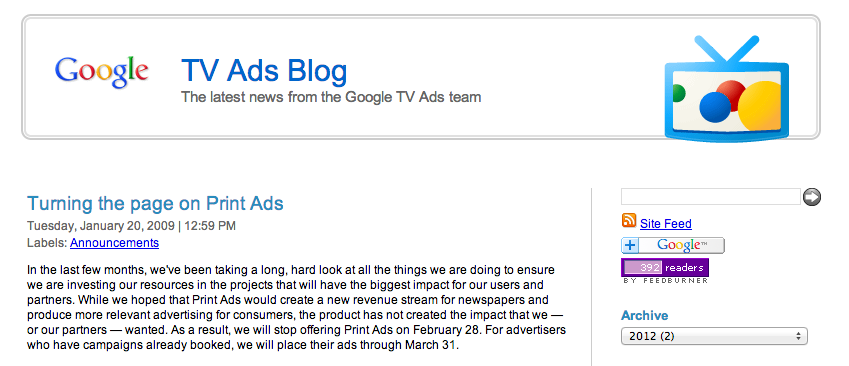
    Yep, at one point Google started producing print ads in nearly 800 newspapers. It was Google running backwards and the revenue just wasn’t there.

    Image: Google
  • Google Building Maker

    Google Building Maker

    Google Building Maker allowed users to make 3D models of buildings to be used in conjunction with Google Earth. Building Maker was too ambitious of a project and a community never developed around it, so the service was retired in 2013.

    Image: Google
1 of 11
Conner Forrest

Conner is a former Senior Editor for TechRepublic. He is now a Senior Research Analyst at 451 Research.