The startup scene in Africa is rapidly expanding, and young innovators are harnessing new technology to solve Africa-specific problems in revolutionary ways.
READ:
–The world’s unlikely leader in mobile payments: Kenya
Fridah Oyaro took a six-hour round trip bus ride five days a week for more than a year to attend school for computer science education in Nairobi, Kenya. The Matatu is Kenya’s public bus system.
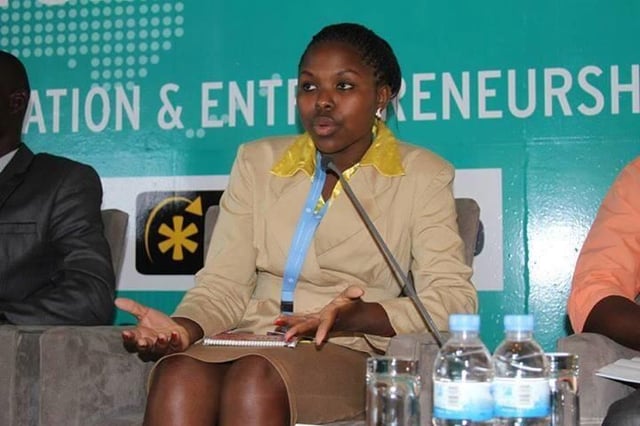
Fridah Oyaro, 20, is one of the most successful graduates of Akirachix, a year-long computer science education program for girls who cannot afford four-year university.
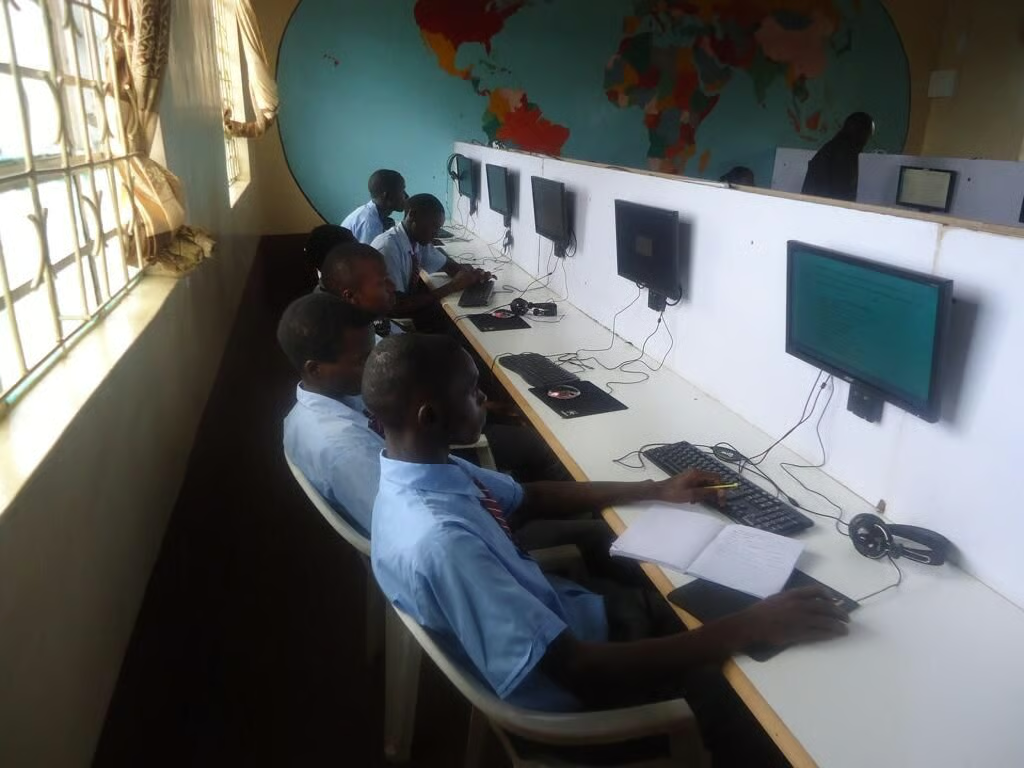
The Mawingu project in Kenya uses White Space for broadband wireless internet, benefits a local school as well as a hospital and county government office.
READ:
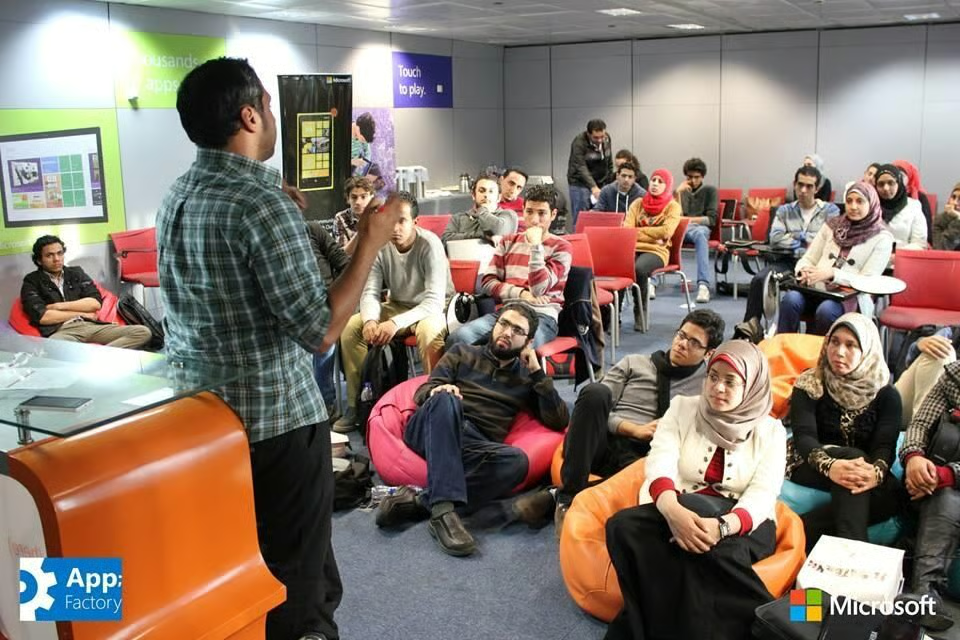
Egypt’s App Factory has created nearly 400 apps in the last year since its launch as part of Microsoft 4Afrika.
READ:
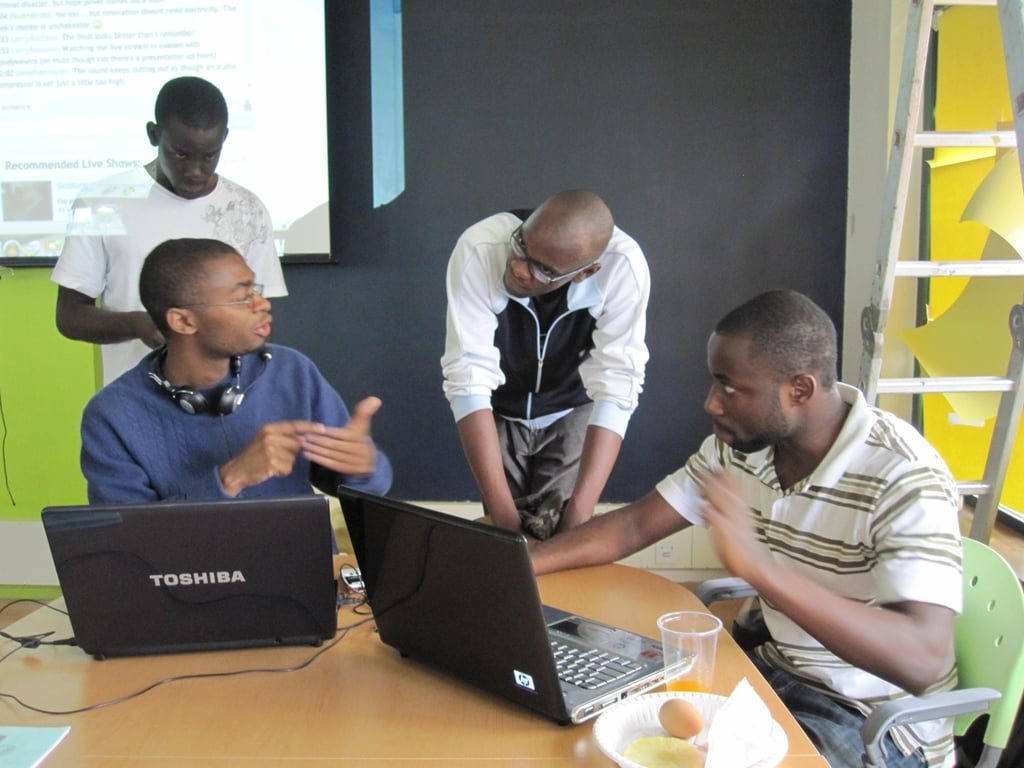
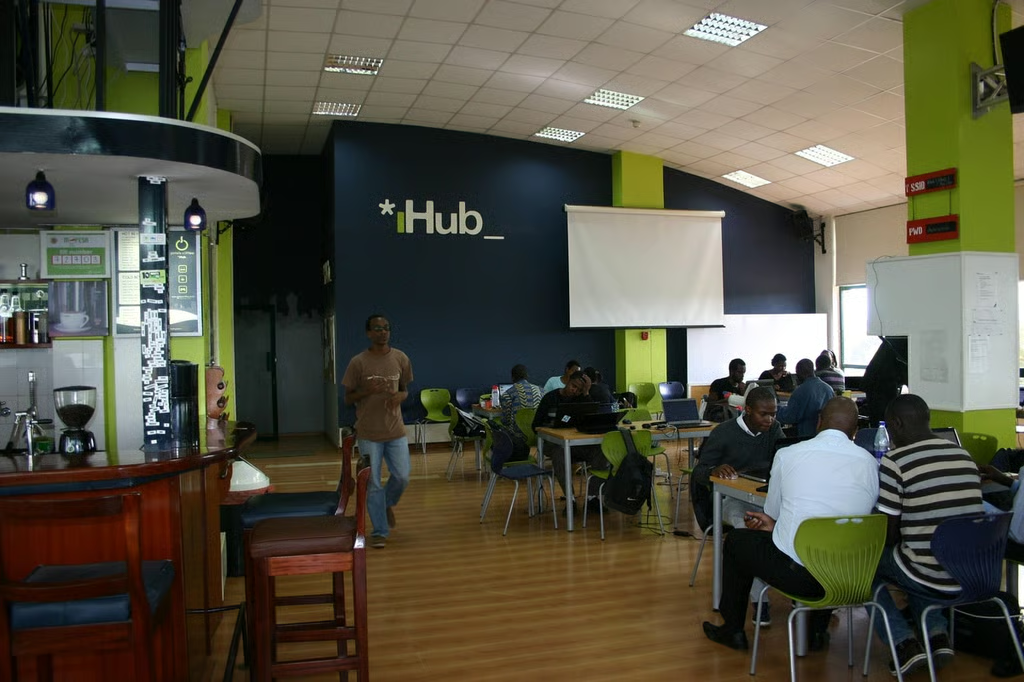
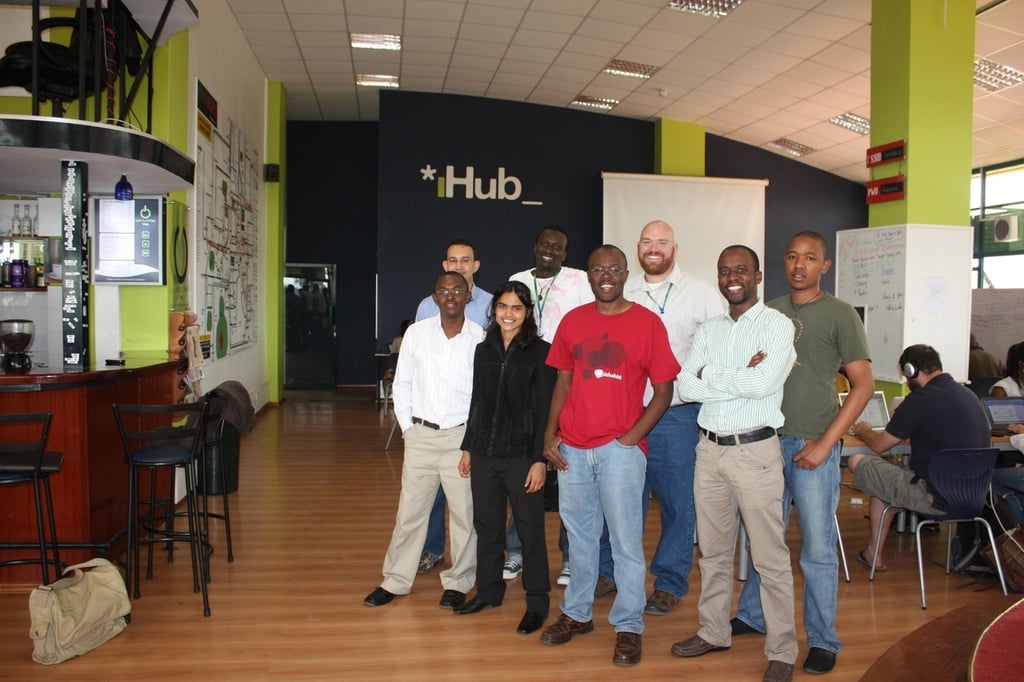
The iHub in Nairobi is one of Microsoft 4Afrika’s five partner innovation hubs across Africa.
READ:
–The world’s unlikely leader in mobile payments: Kenya
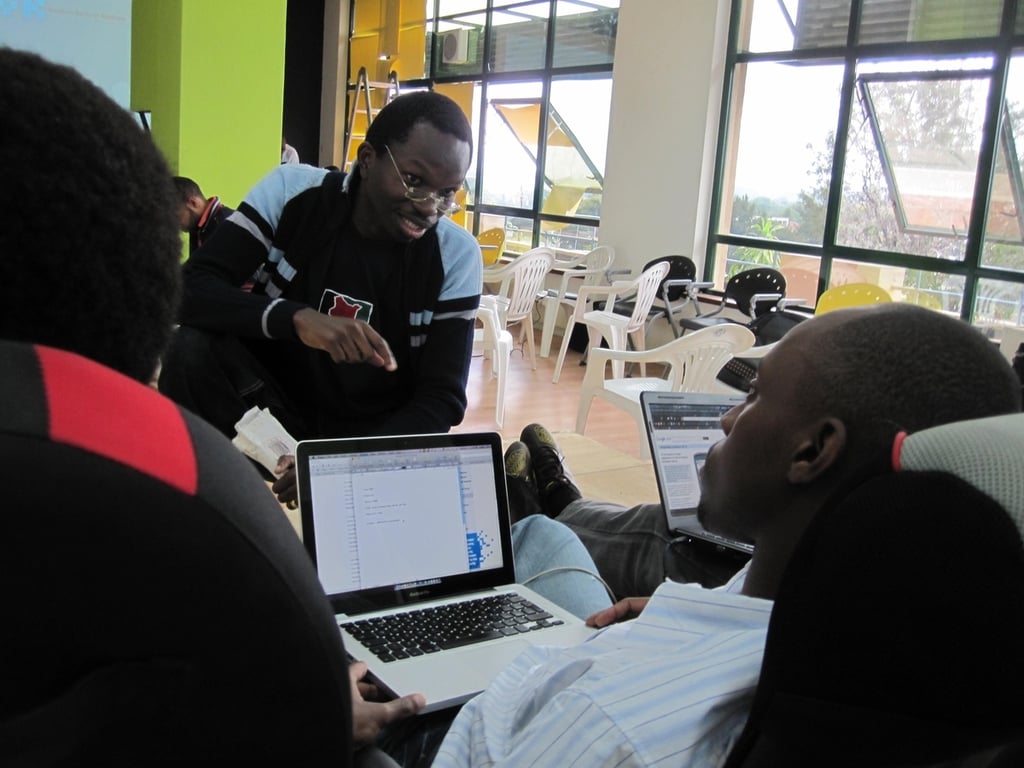
Nairobi’s iHub is the nerve center for the technology community. It is an open space for entrepreneurs, hackers, developers, and investors.
READ:
“The serendipity of the iHub and its most powerful value is that you never know who you’re going to meet,” said Erik Hersman, co-founder of iHub. “This is how startups find co-founders and investors find investees.”
READ:
–The world’s unlikely leader in mobile payments: Kenya
The iHub in Nairobi is one of Microsoft 4Afrika’s five partner innovation hubs across Africa.
READ:
–The world’s unlikely leader in mobile payments: Kenya
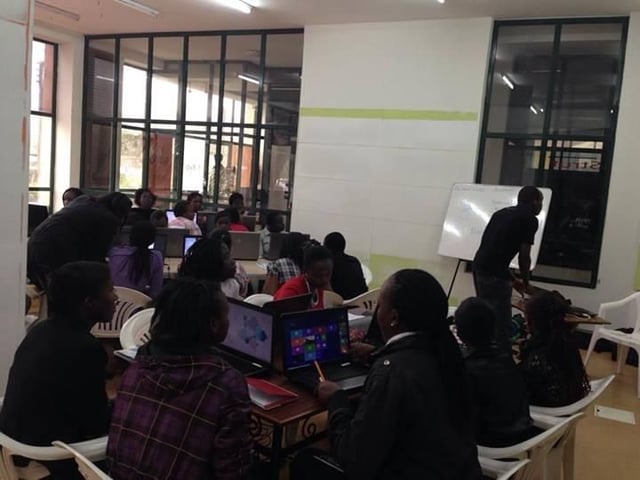
Girls work on their first day of class at Akirachix. Akirachix is a year-long program for girls, mostly from Kenyan slums, who cannot afford four-year university. They learn computer science, business, entrepreneurship, and graphic design.
READ:
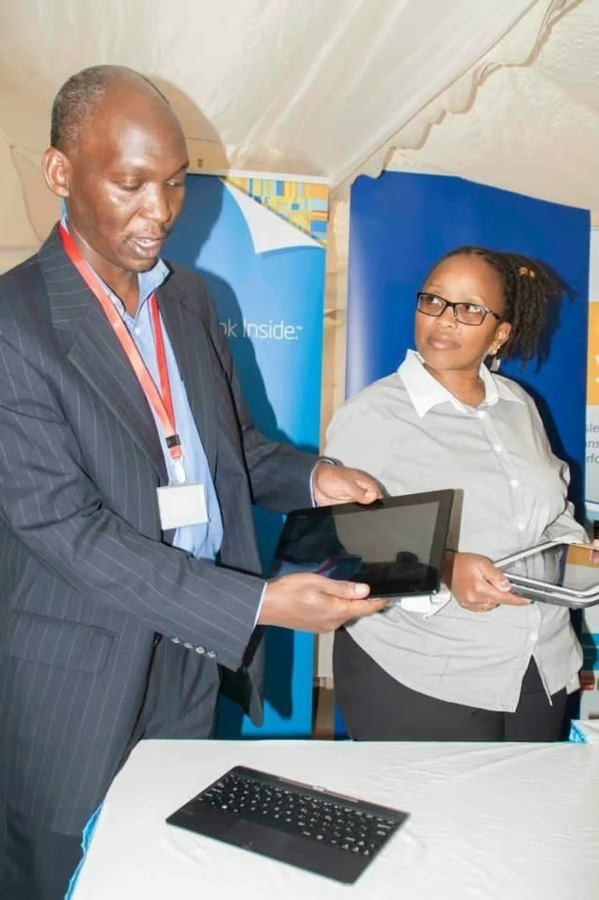
Microsoft’s youth device program in Kenya launched in February 2014 in partnership with Intel Corporation, the Kenya Private Schools Association (KPSA) and other local partners.
READ:
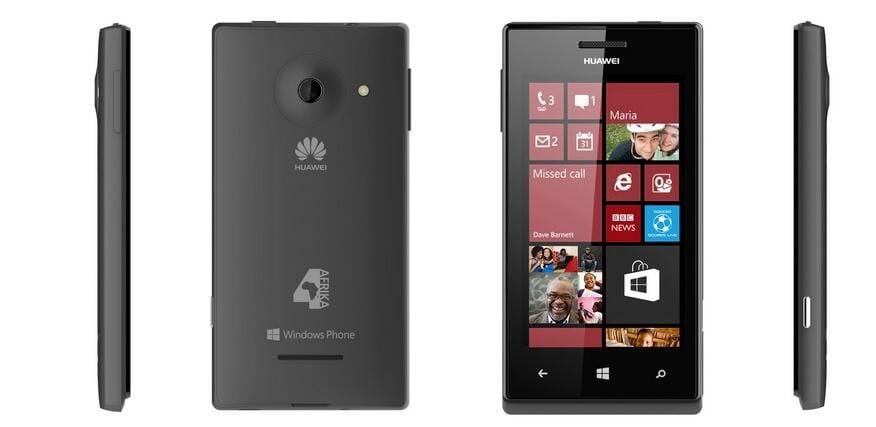
The phone has a 4-inch 400×800 display, dual-core 1.2 GHz Snapdragon processor, cameras, a 1950 mAh battery with 420 hours of life, and 4GB of storage.
READ:
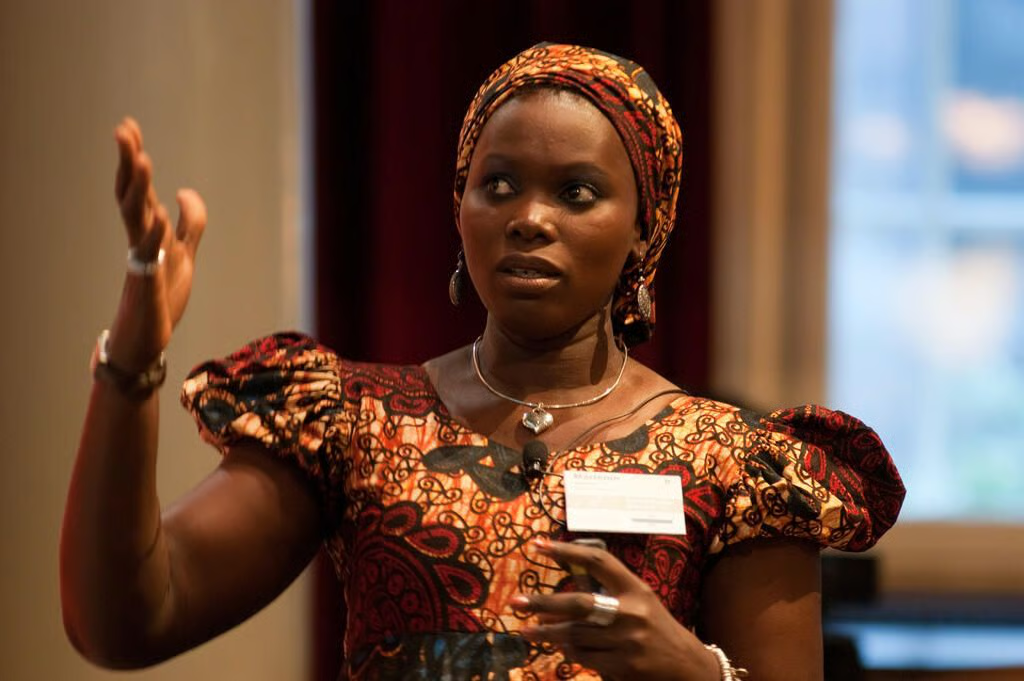
“The reason I joined was because when you are a pioneer in what you do and you are known in Africa, sometimes you need to be part of the conversation,” said Marieme Jamme, member of Microsoft 4Afrika’s Advisory Council. “If I exclude myself from the debate of what Microsoft is doing, then the mistakes will not be resolved.”
READ:
By 2016, Microsoft wants to get tens of millions of smart devices in the hands of African youth as part of their affordable access plan.
READ:
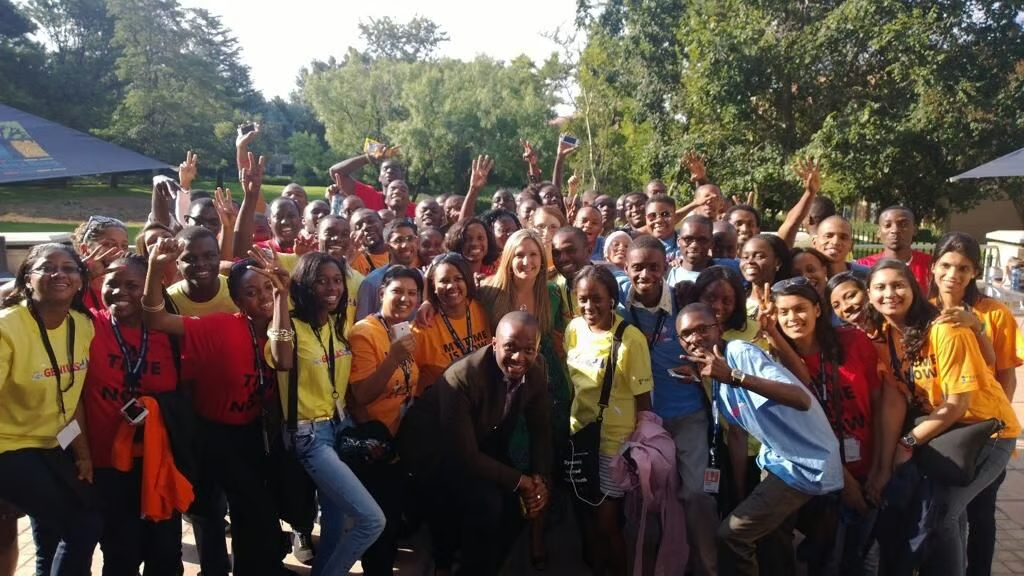
As part of the Youth4Afrika program, 70 interns from across sub-Saharan Africa were selected to spend a year learning skills at Microsoft.
READ:
–The world’s unlikely leader in mobile payments: Kenya
The service that uses White Space broadband is called “Mawingu,” Kiswahili for “cloud.” The first deployment uses “White Space” broadband, which is the unused portion of wireless frequencies in television spectrum after the migration from analog to digital TV.
READ:
“Right now the biggest problem is infrastructure, whether it’s power and energy or actual cable, it’s just not the same level in these countries as it is in the U.S. and Europe,” said Erik Hersman, co-founder of iHub.
READ: