Since 2011, Apple’s iPhone is the most widely-used camera on earth. That’s mostly due to the fact that the iPhone is so easy to use, but it’s also because it takes remarkably good photos for a point-and-shoot camera.
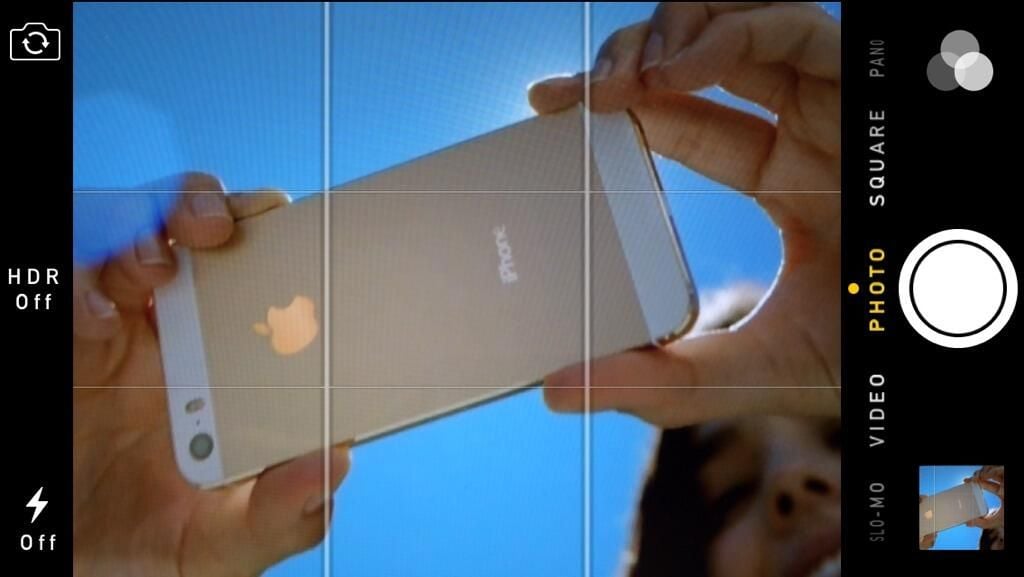
In addition to the new sensor in the iPhone 5s camera, Apple’s latest smartphone also features the new iOS 7 software, which includes an improved camera app.
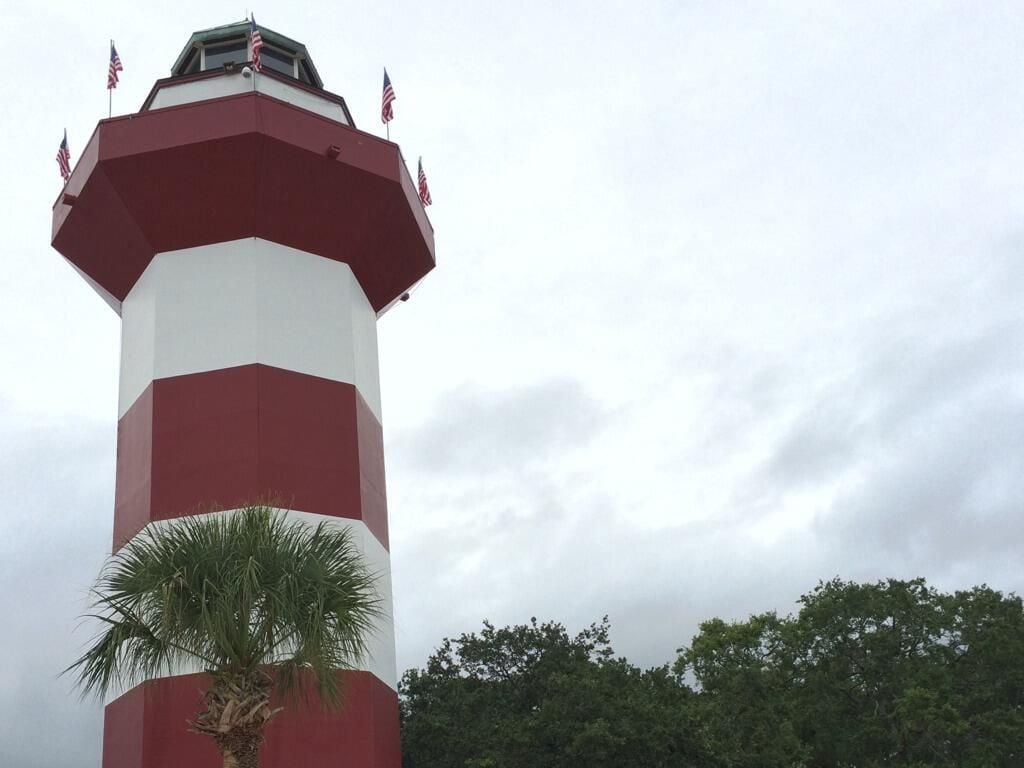
The day after the iPhone 5s was released I left for a family vacation in Hilton Head, South Carolina. This lighthouse is one of Hilton Head’s iconic symbols, but it was taken on a very rainy, overcast day with very poor lighting for a photo. In the past, this photo would have been grainy and dull, so I was impressed that the new sensor in the 5s was able to capture something appealing.
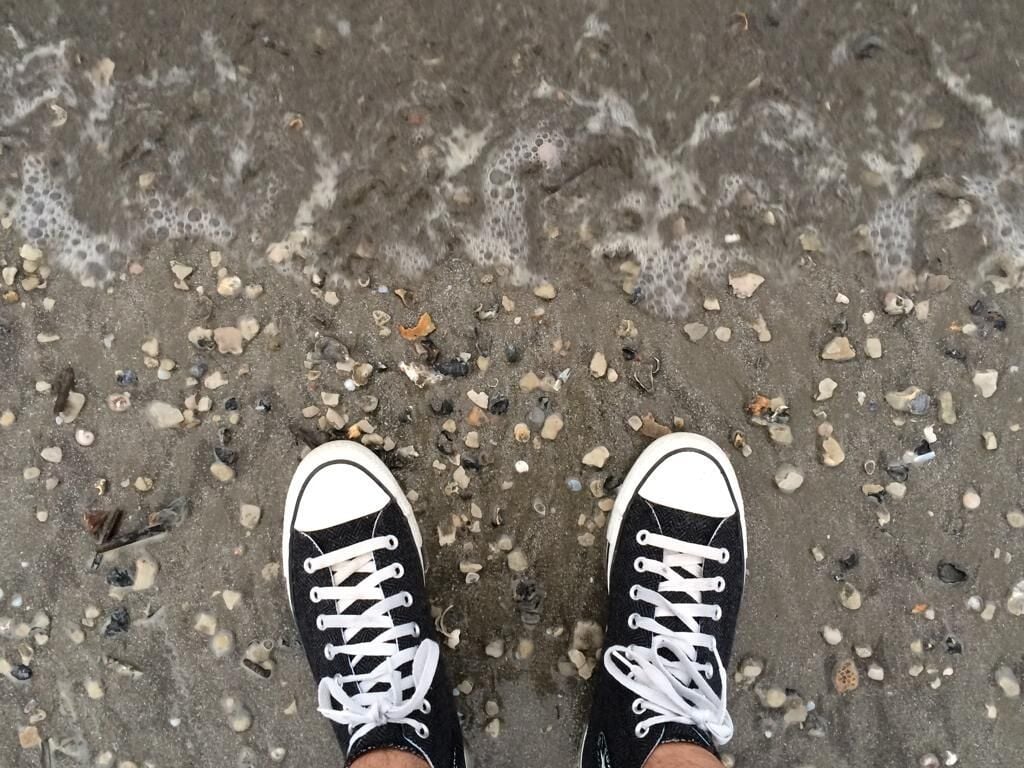
It’s hard to tell in this photo, but it was taken at dusk and there was not much light, plus there was movement happening from the water splashing in from the tide. Again, with phone cameras in the past this would have been very grainy and the water would have been really blurry from the movement of the waves.
We stayed at Disney’s resort in Hilton Head, and this morning photo of the resort sign shows vibrant colors in full sunlight.
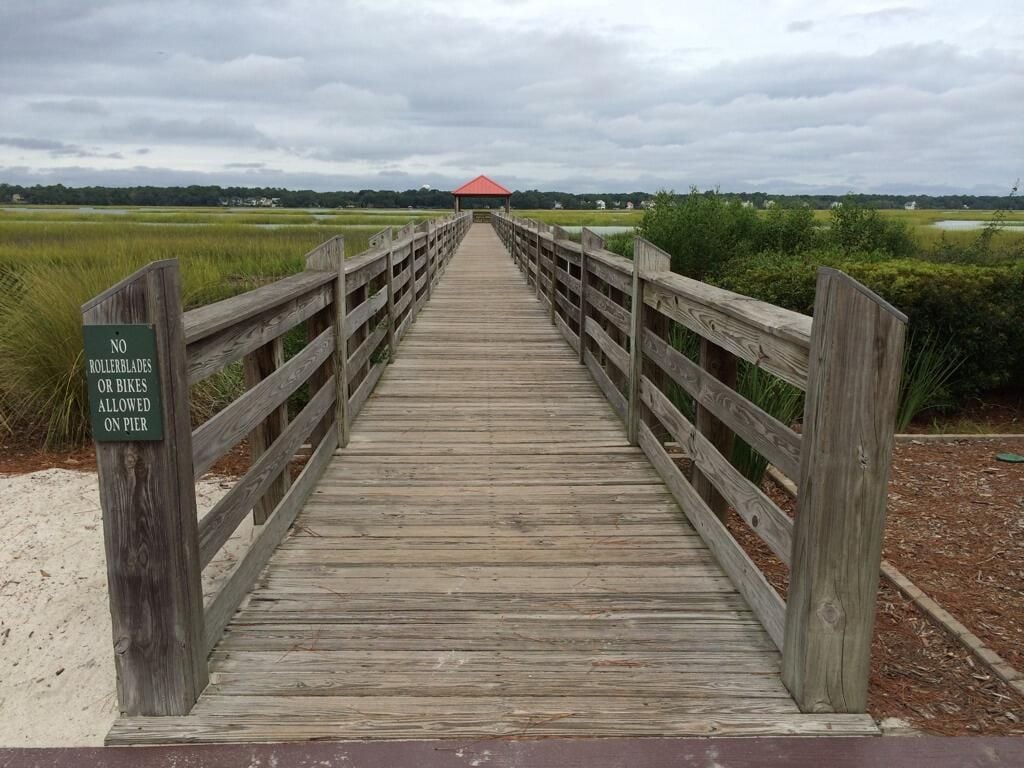
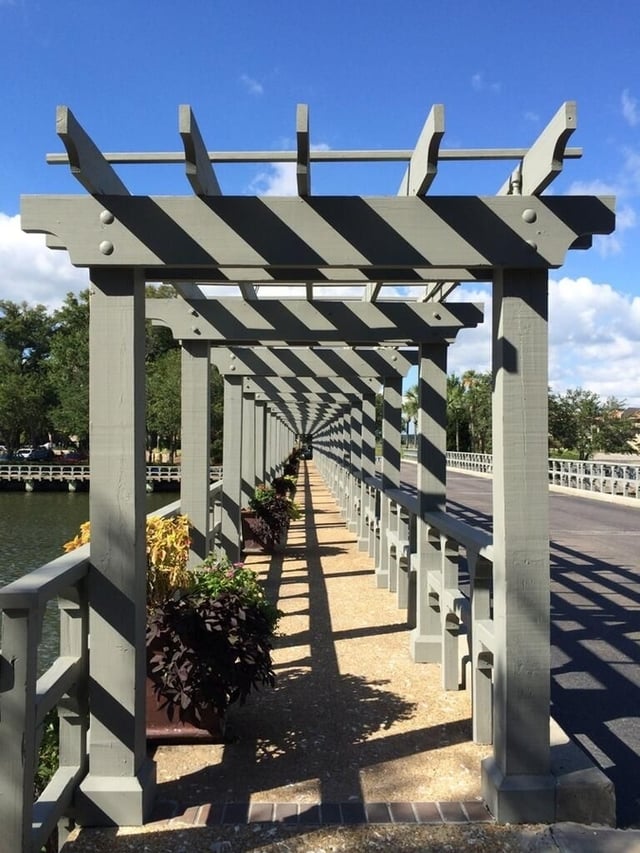
I enjoy vanishing point photos, and this wooden pier into the salt marsh in Hilton Head offered a great one. As you can see, this was a partly cloud day with odd shadows. The iPhone 5s sensor handled the dynamic range of the light very well.
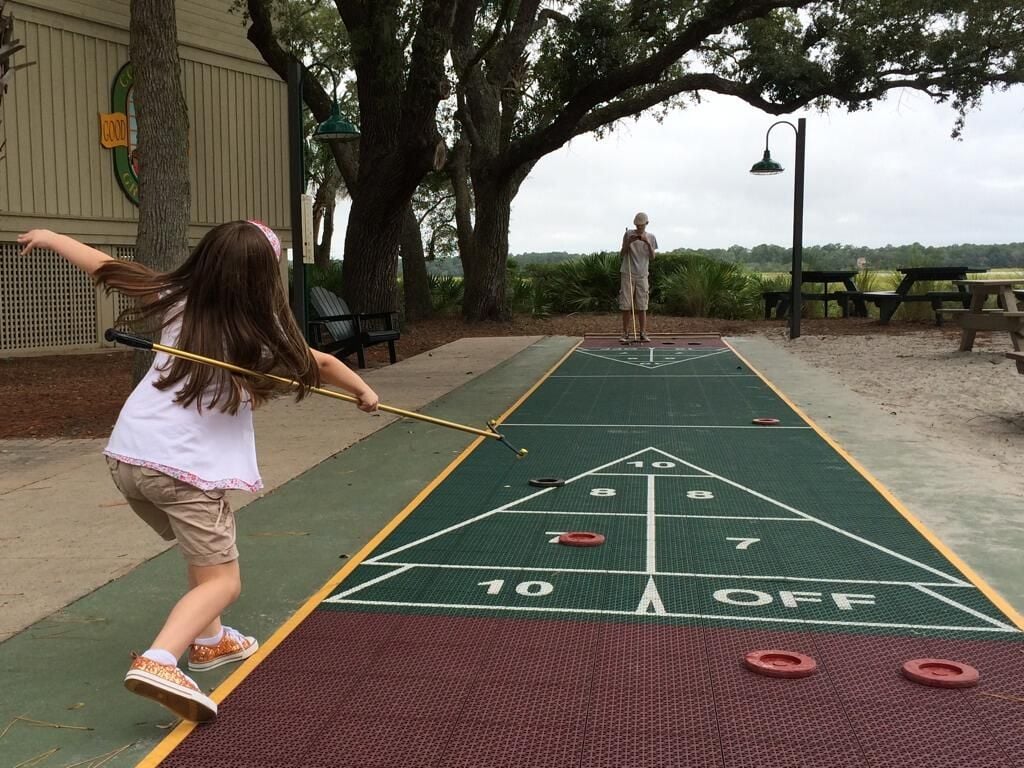
One of the things that camera phones have been traditonally bad at capturing has been motion, unless you used a flash (but that typically involved harsh light). The iPhone 5s has improved its image signal processor (ISP) for faster image capture and autofocus. This shuffleboard photo provides a great example of this feature in action.
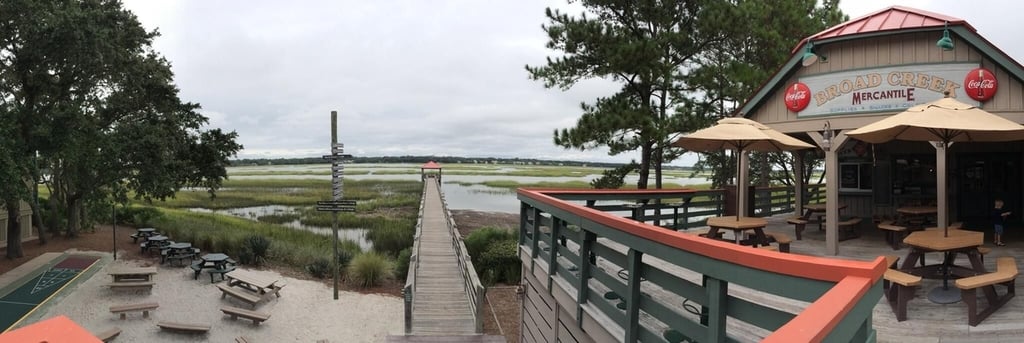
Here is a look at a panorama using the “Pano” mode in the iPhone camera app. This one handles various lighting situations across the wide scene very well.
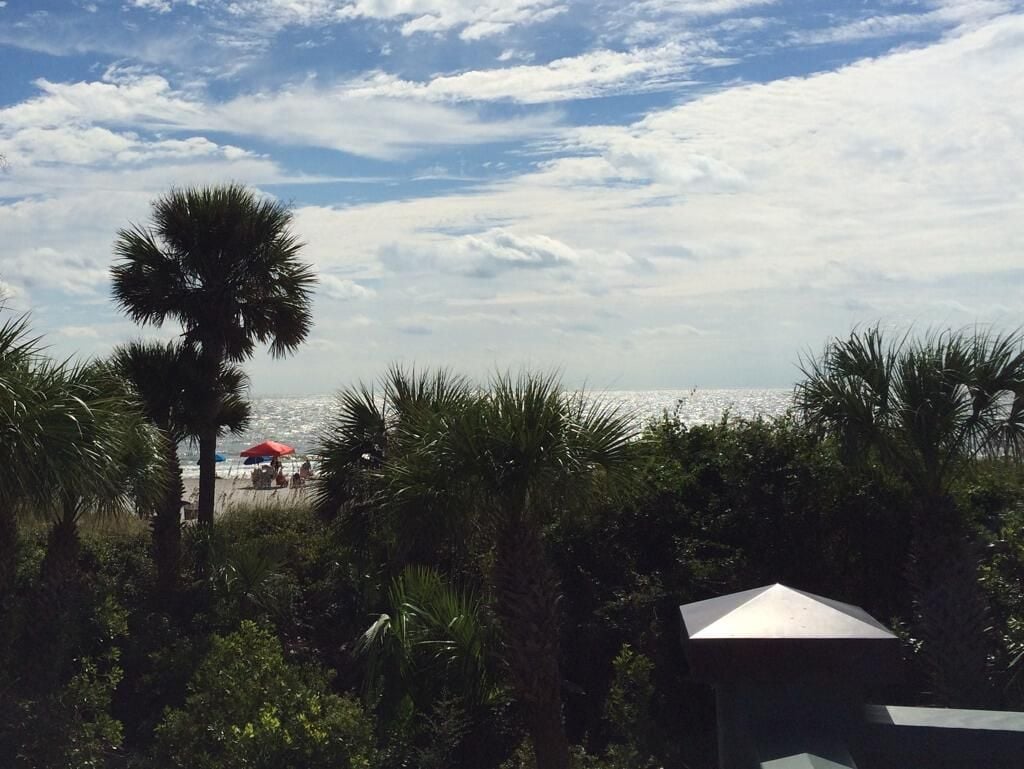
Here are two drastically different lighting situations in the same frame. There is the full sunlight in the distance and the deep shadow in the foreground. Previous to the iPhone 5s sensor, the foreground would have been very dark in most cases. It looks lighter in this photo than it did in true life.
This butterfly photo shows off the new camera’s macro abilities.
While this lizard blends into the tree, this photo shows what a macro shot looks like with the zoom zoomed all the way in. It’s a little bit grainy, but still impressive that I was able to get this shot standing 10 feet away.
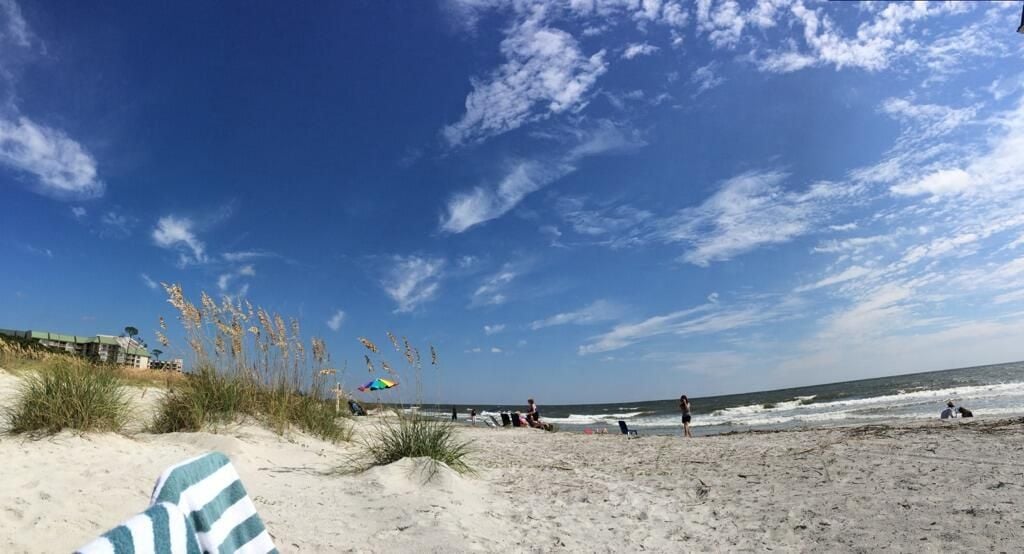
With this panorama, we see the iPhone 5s camera emulate a bit of an ultra-wide angle lens.
The sensor picks up the shadows of the plant in the foreground while also maintaining the colors and the lighting of the sea and sky in the background.
Here’s a look at what the iPhone 5s sensor can do in artificial light. This shot was taken about 9pm when it was pitch dark outside and minimal light inside this gelato shop (called Pino Gelato). The light in the case is the main light source here.
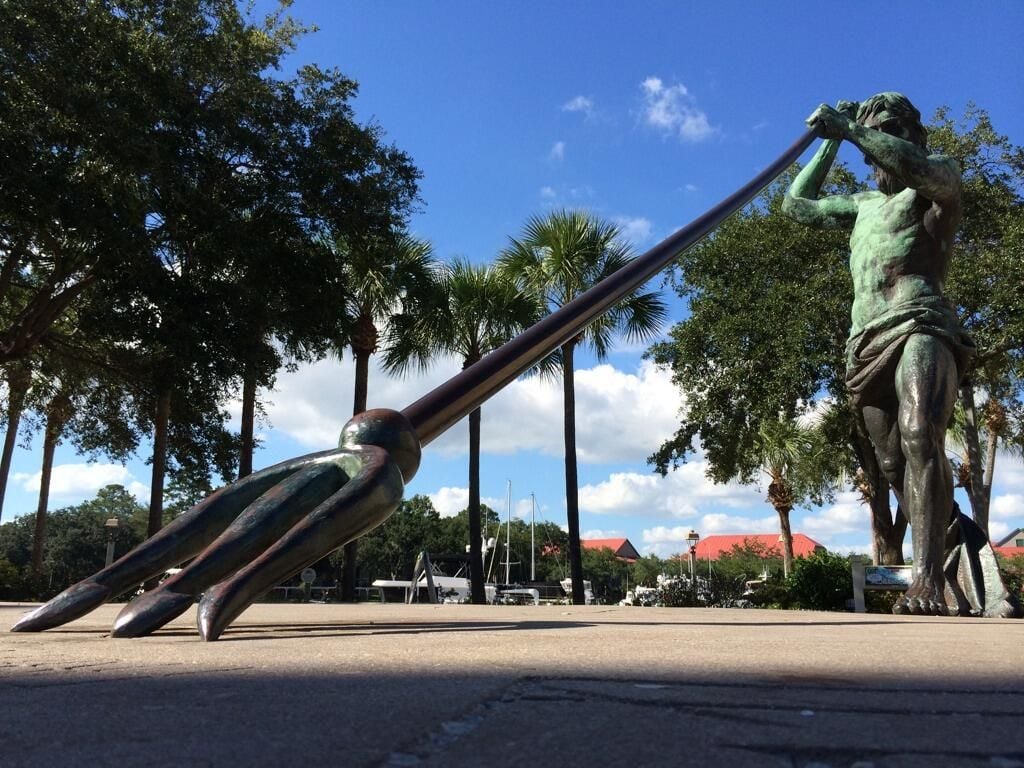
This perspective shot captures one of the world’s largest figurative sundials in the harsh afternoon sun.
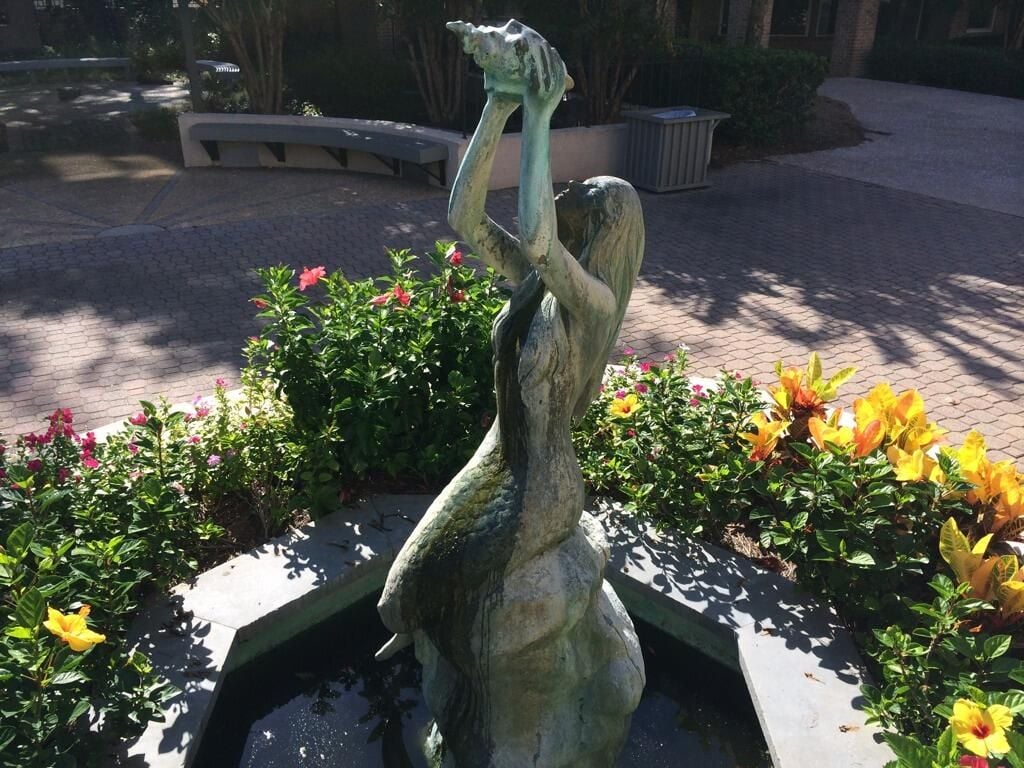
The light in shadows is captured very well in this shot, which was also taken in harsh afternoon light.
The light was quickly disappearing in this shot as the camera sensor captured the sunset and did it with very little grainy texture.
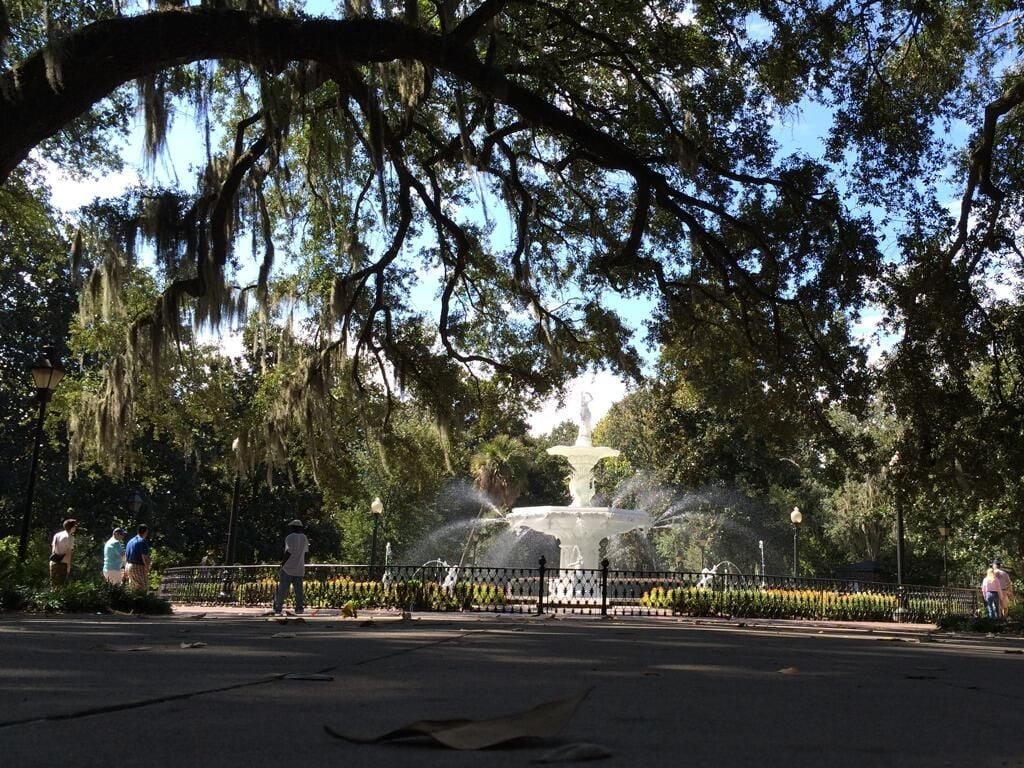
Savannah, Georgia is only a 45-minute drive from Hilton Head, so we also explored that historic city. This shot features the Spanish moss (which is neither Spanish nor moss) in Forsyth Park. You can also see Forsyth Fountain in the distance.
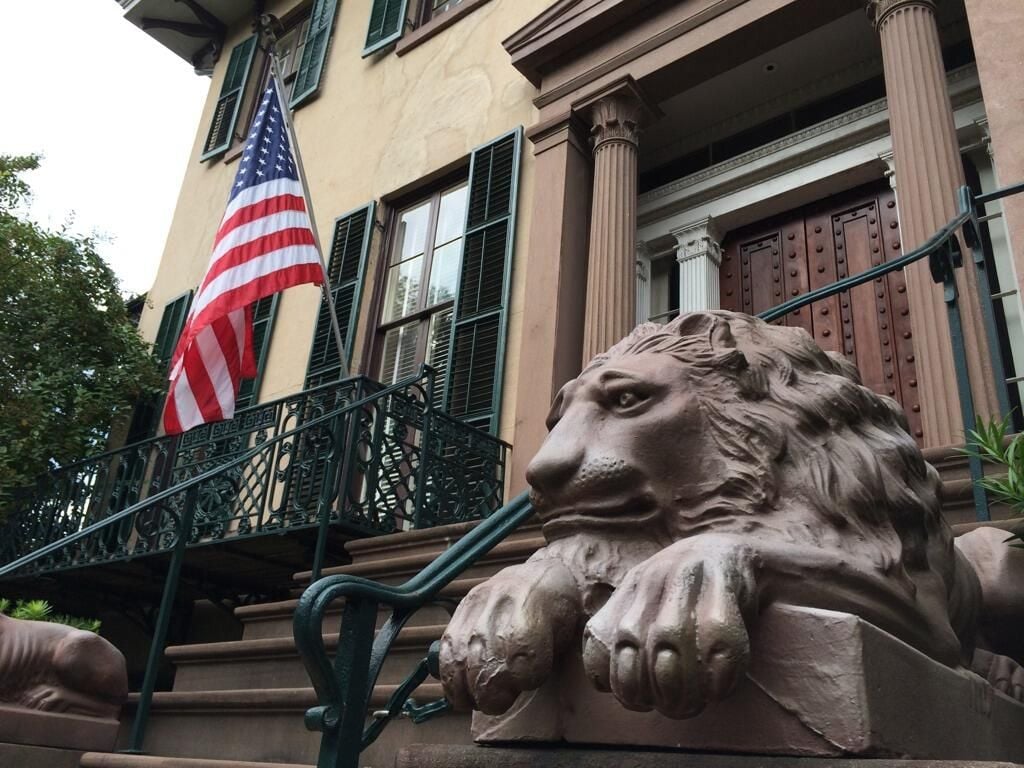
This house, made famous recently by the John Berendt novel Midnight in the Garden of Good and Evil, is now a museum.
The costumed interpreters in Savannah bring that city’s rich history to life. This one came on our trolley and gave us a business pitch for the cotton market. Again, the iPhone 5s did a nice job of capturing an action shot without any blurriness.
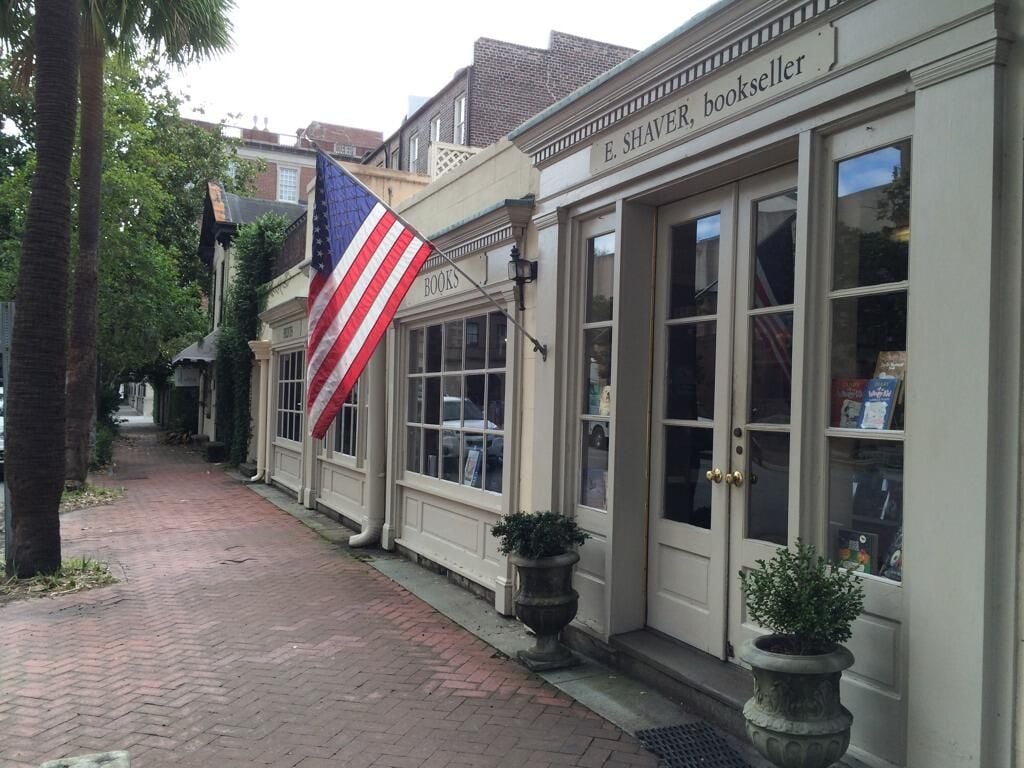
I loved the mix of the preserved old streets and sidewalks in Savannah. The 5s sensor captured the color and detail very nicely.

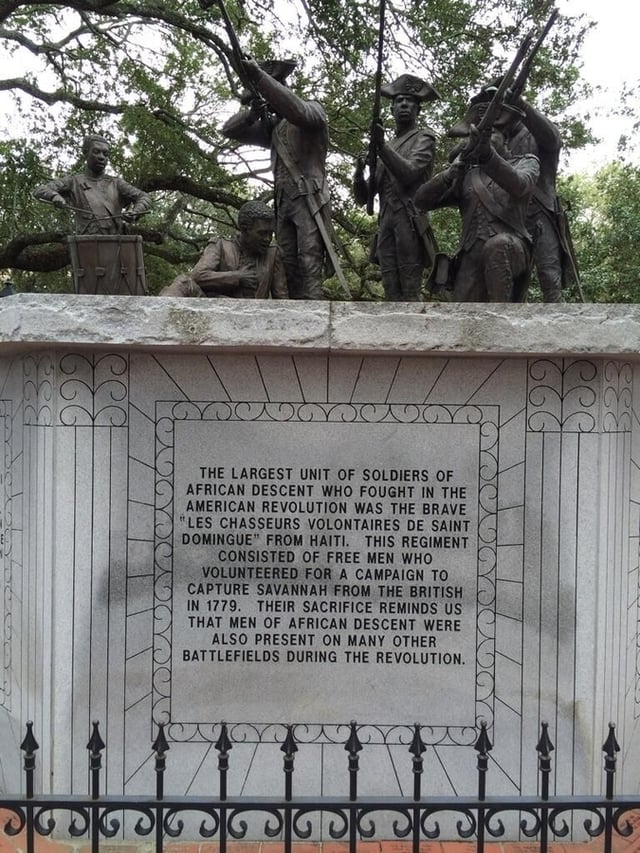
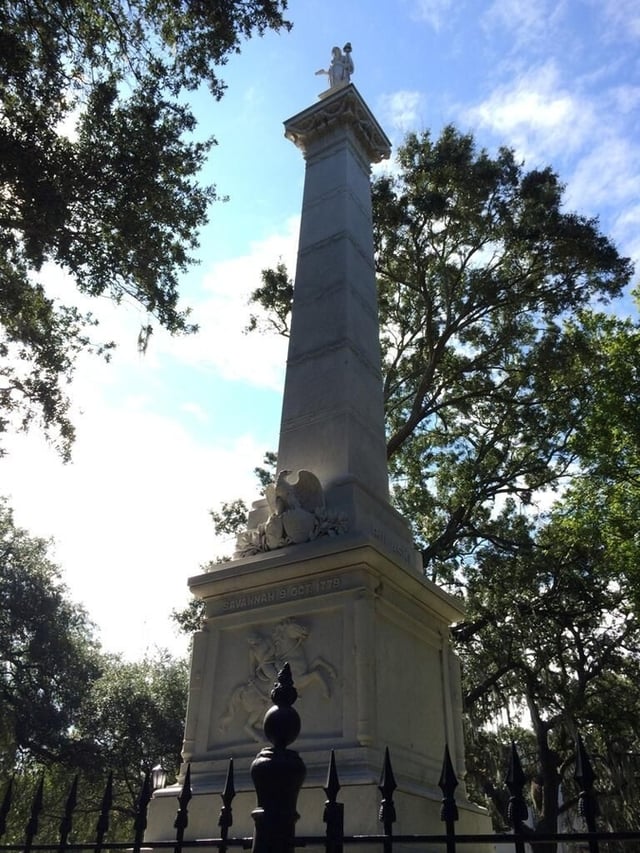
One the great pieces of public art in Savannah is this statue and monument honoring the regiment of free Africans from Haiti that volunteered to come here to help America win the Revolutionary War.
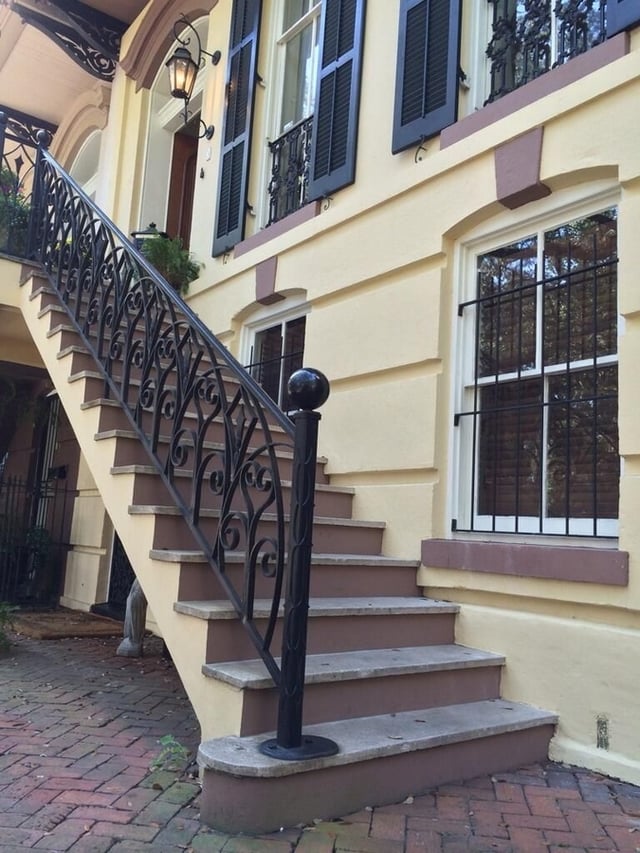
Savannah has a myriad of preserved and restored homes from various time periods, many dating from the 18th and 19th centuries.
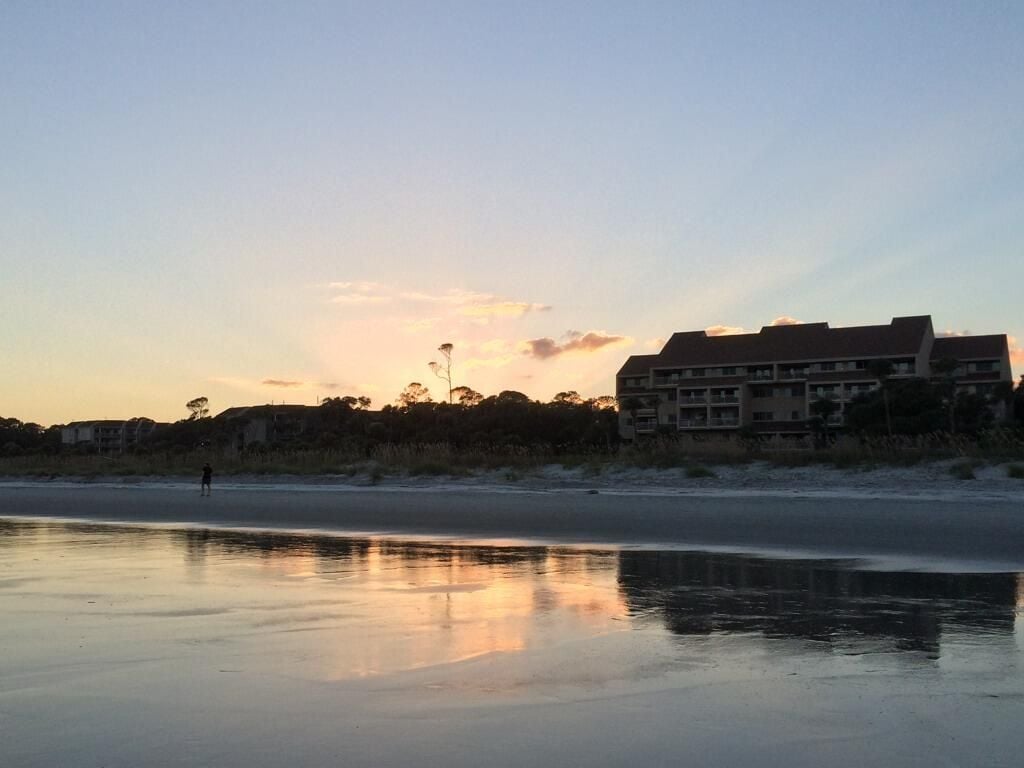
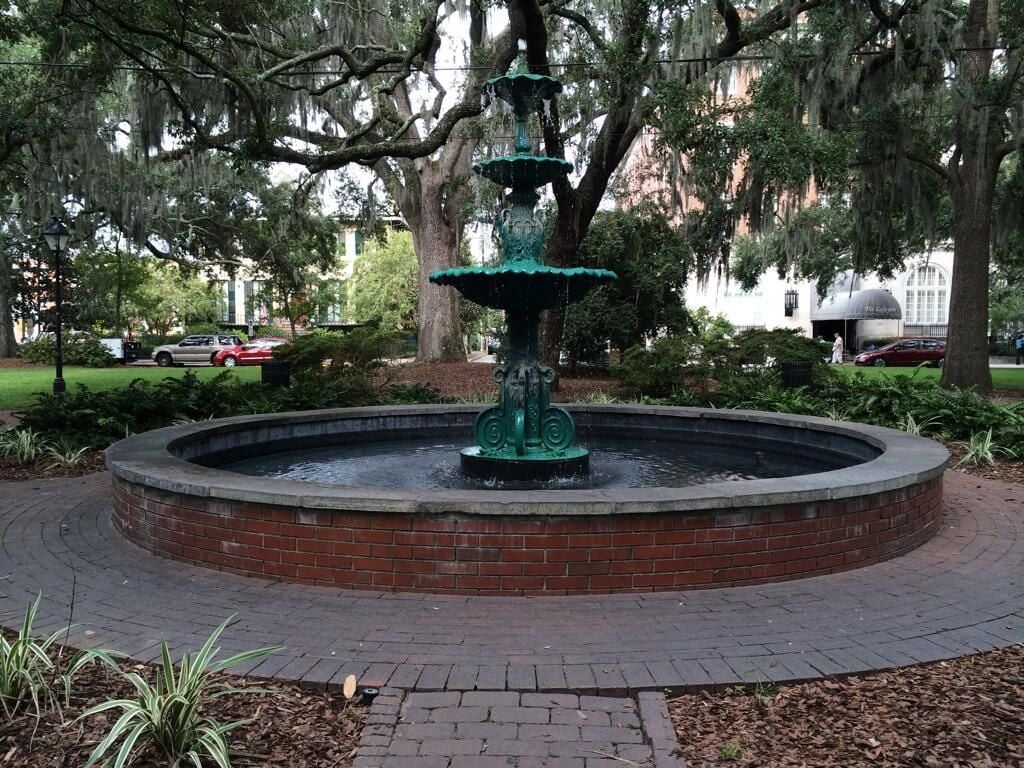
One of the things that makes Savannah remarkable is all of the open squares, many of which have statues, monuments, or fountains in the middle.
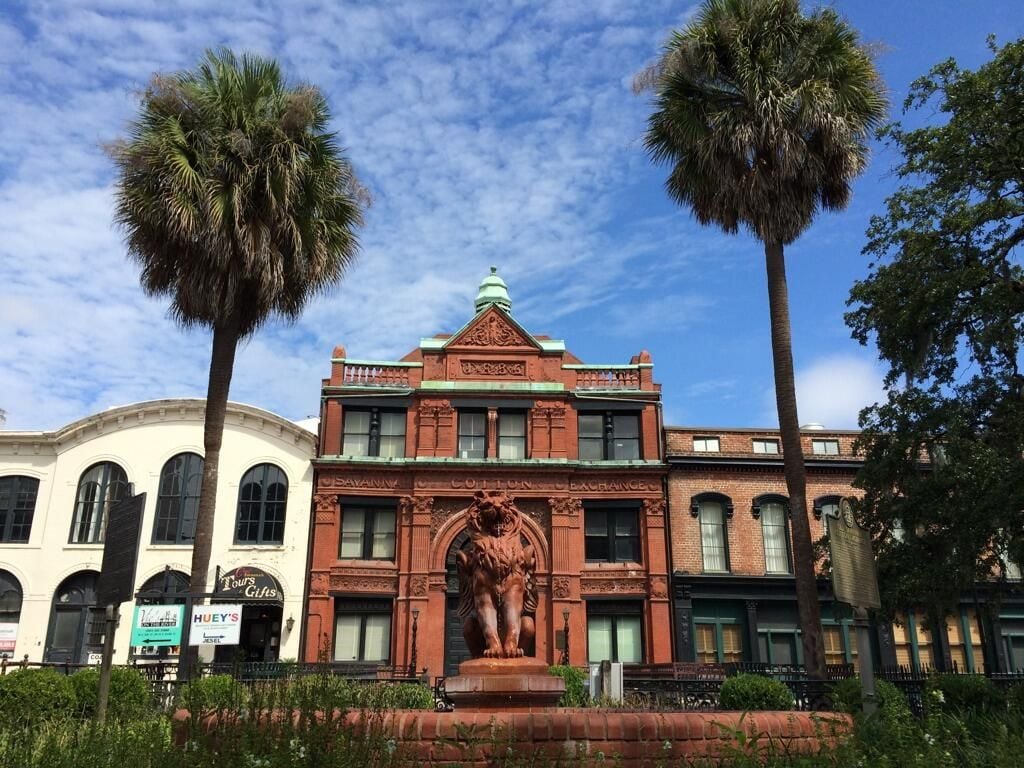
One of Savannah’s great landmarks is the old Cotton Exchange, which was once a symbol of the city’s economic life.
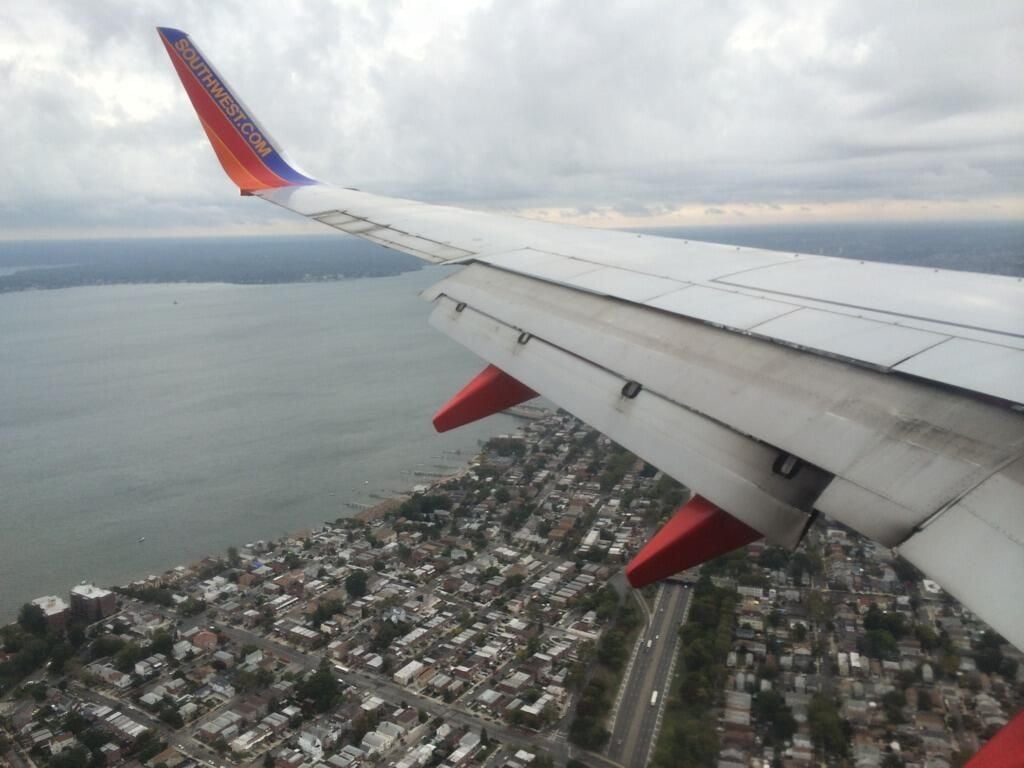
I snapped this photo flying into New York’s LaGuardia airport on a rainy Monday morning.
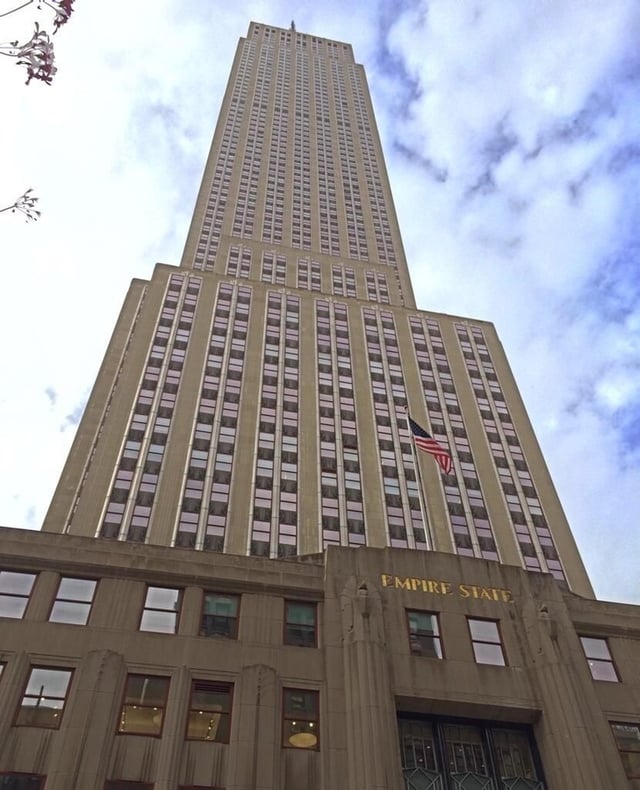
One of the longtime symbols of the Big Apple, the Empire State Building still continues to impress.
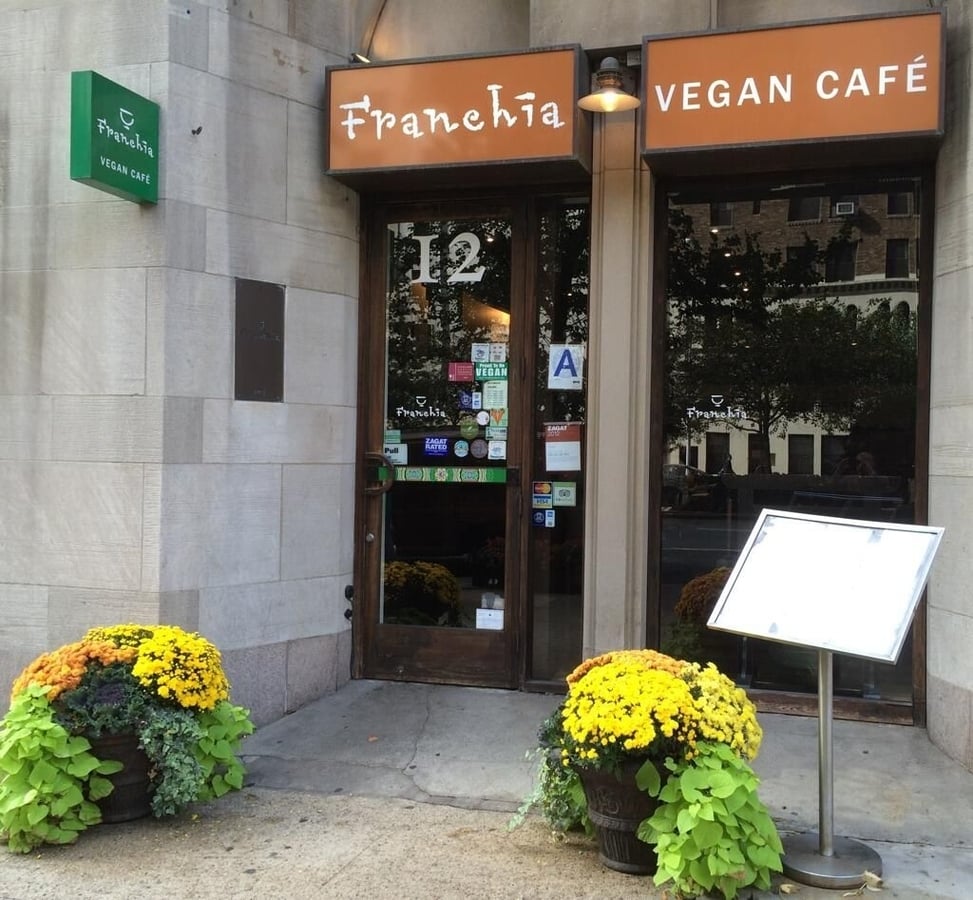
Here’s a situation where the iPhone 5s sensor did not perform all that great. In this photo the artificial light is low and harsh. In reality, the scene looked much softer than it looks in this shot.

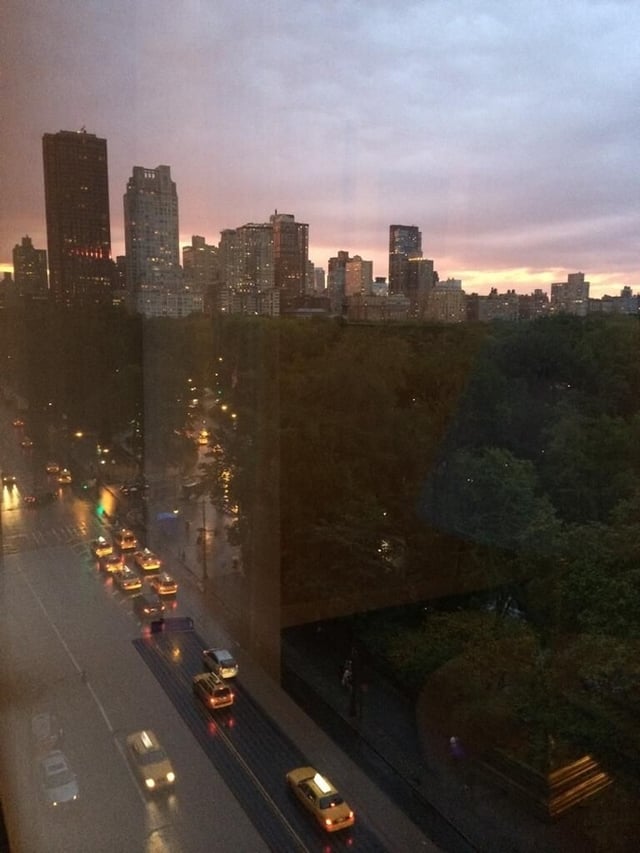
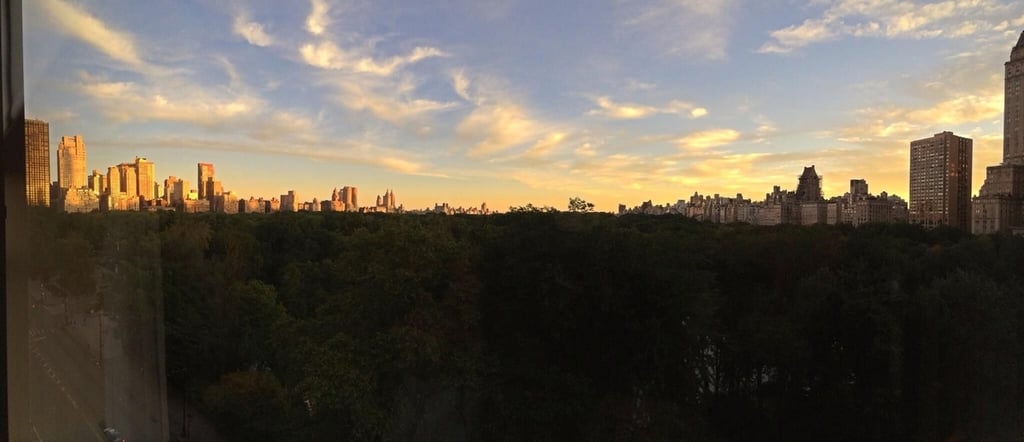
I was amazed that the iPhone 5s sensor was able to capture this one because it is very low light and very high dynamic range. It was raining, but as you look past New York’s Central Park, you can see sunset over the skyline in the distance where the clouds have cleared.
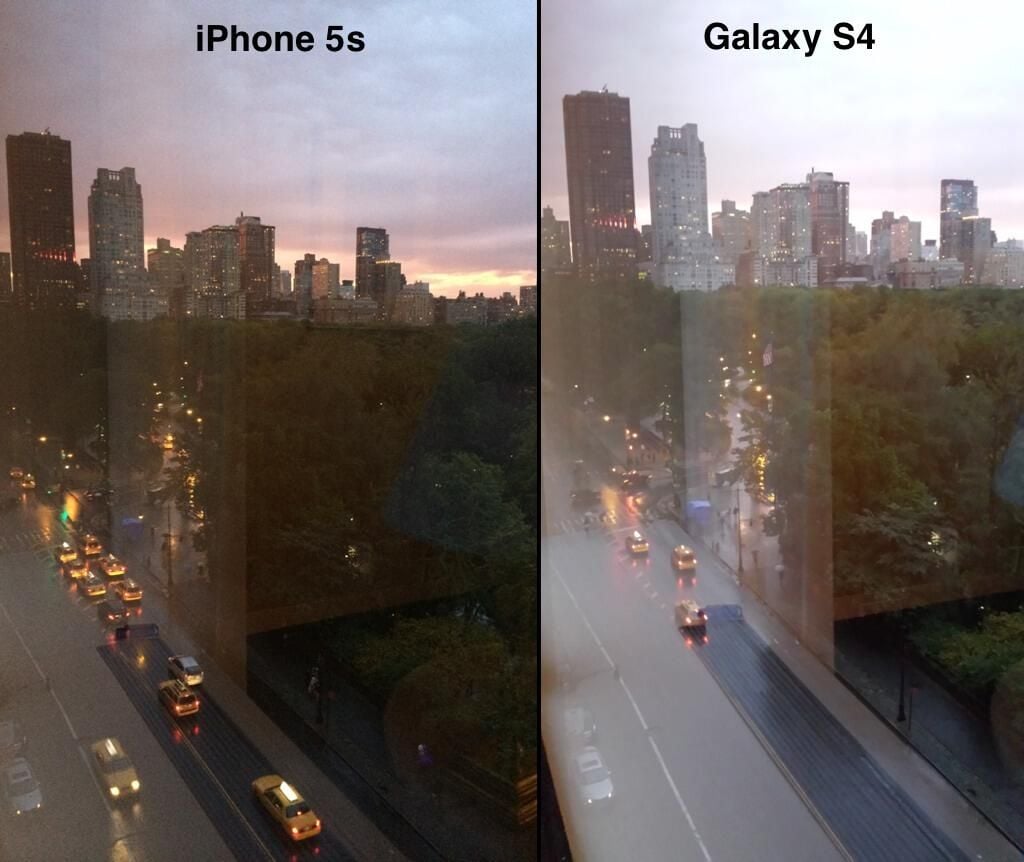
To get an idea of how well the iPhone 5s sensor performed in this case, here’s a comparison shot I took with the Samsung Galaxy S4. Notice how the Galaxy S4 is much brighter (far brighter than what the real scene looked like), but in automatically adding brightness it looses all of the color and dynamic range that makes this scene so compelling.
One of my favorite events of the year in Louisville, Kentucky (where the TechRepublic editorial department has its headquarters) is the St. James Court Art Show.
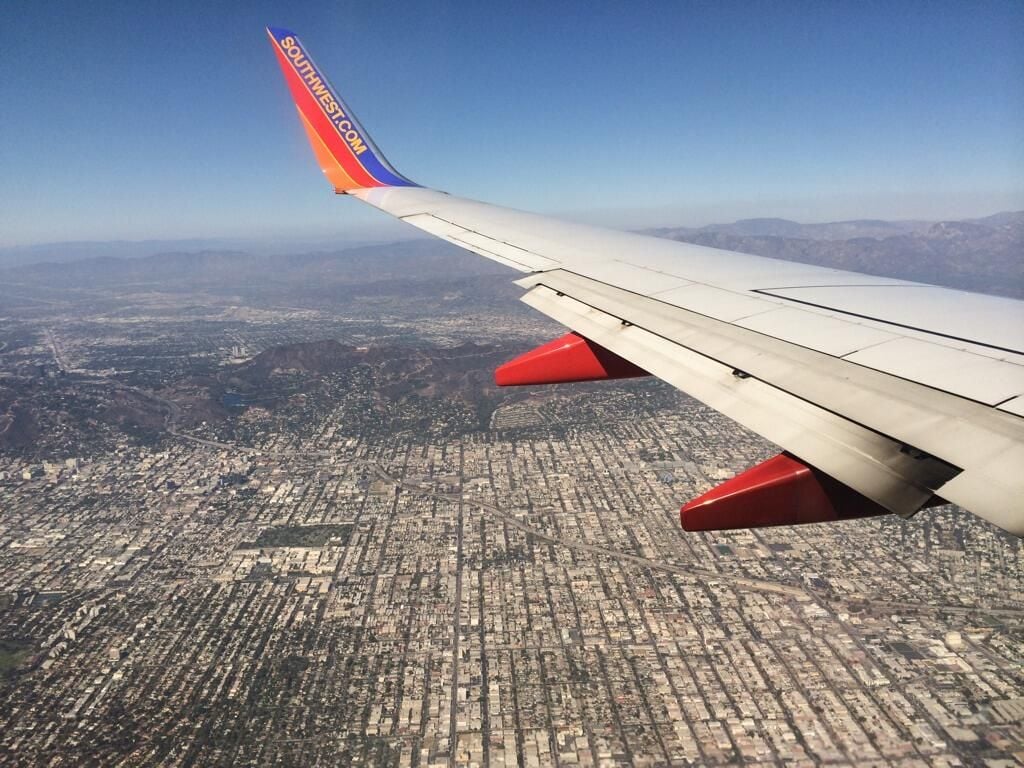
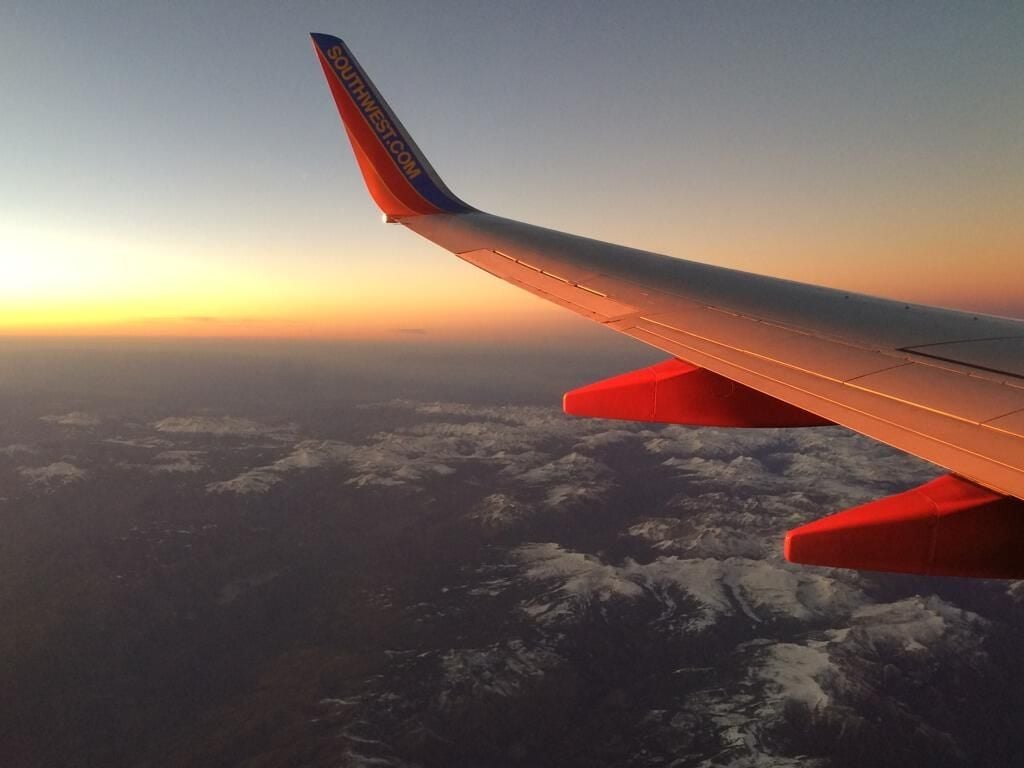
In this photo flying into Los Angeles, if you look at the little white line on the mountains in the distance (under the tip of the plane wing) that’s the iconic Hollywood sign.
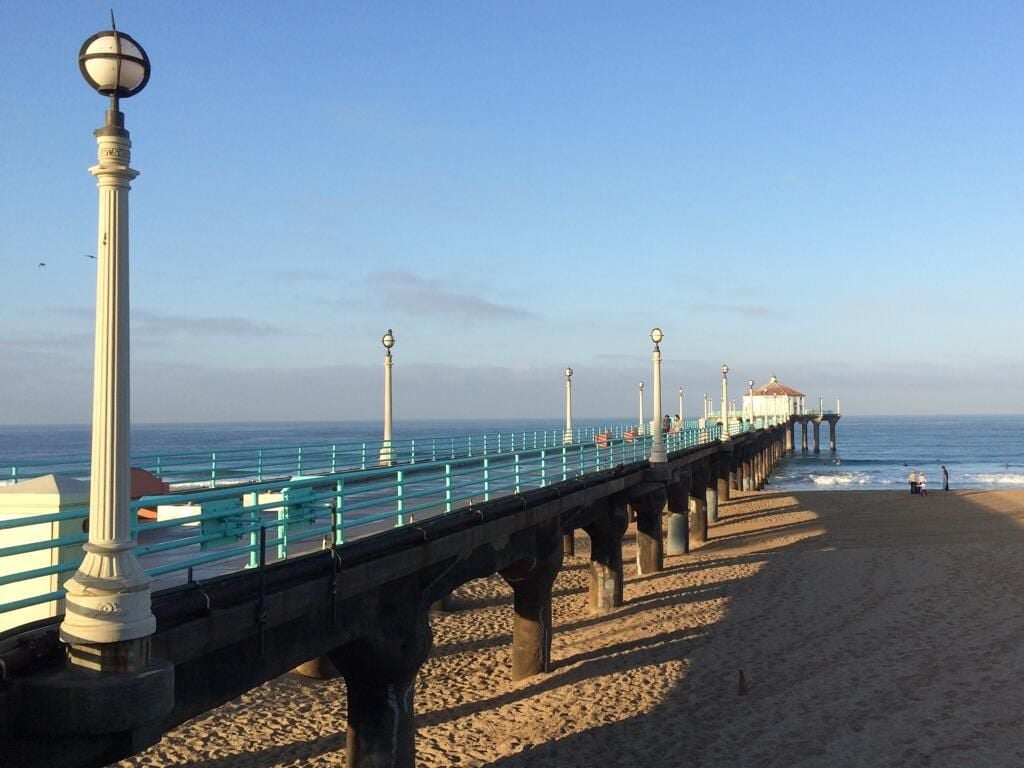
I love this shot. It feels like something I would have taken with a full dSLR.
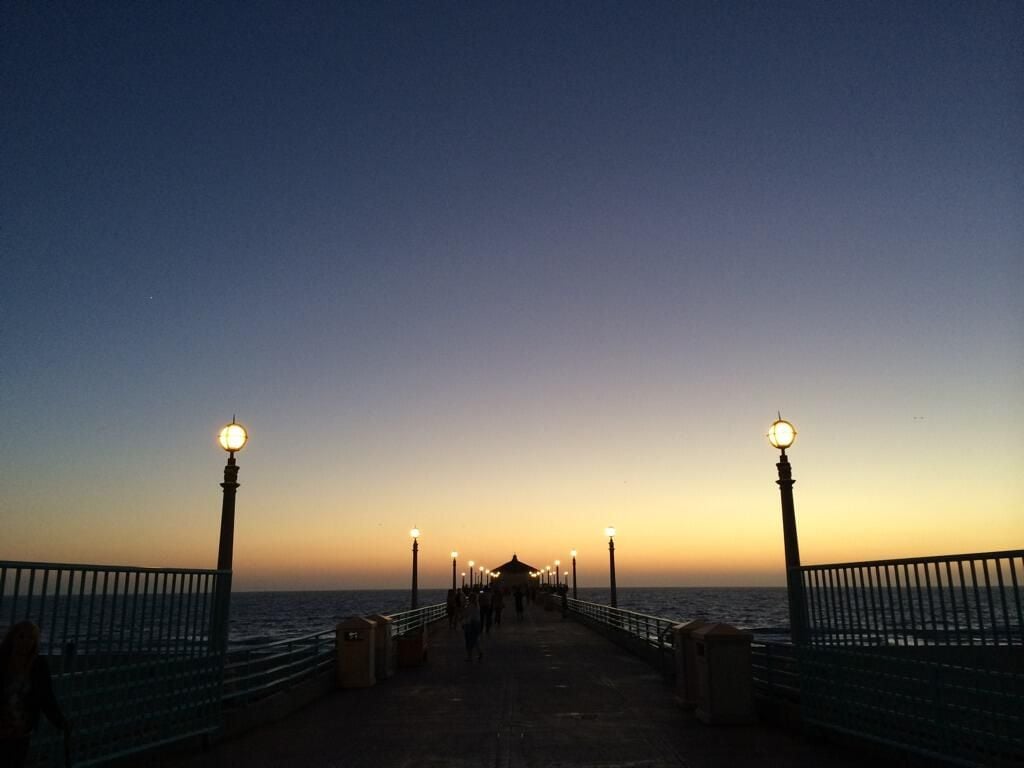
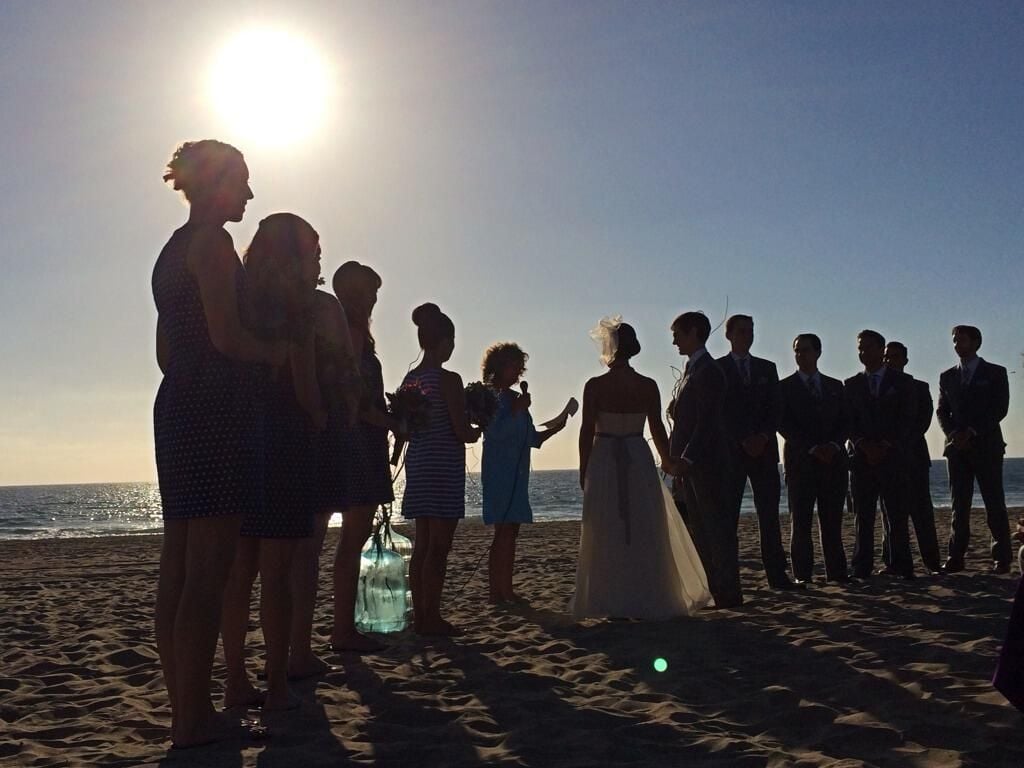
The reason I was in Southern California was to attend my cousin’s wedding in Manhattan Beach. This sunset photo with the wedding party silhoutted in the setting sun is another shot that reminds me of something I would have previously needed a dSLR to capture.
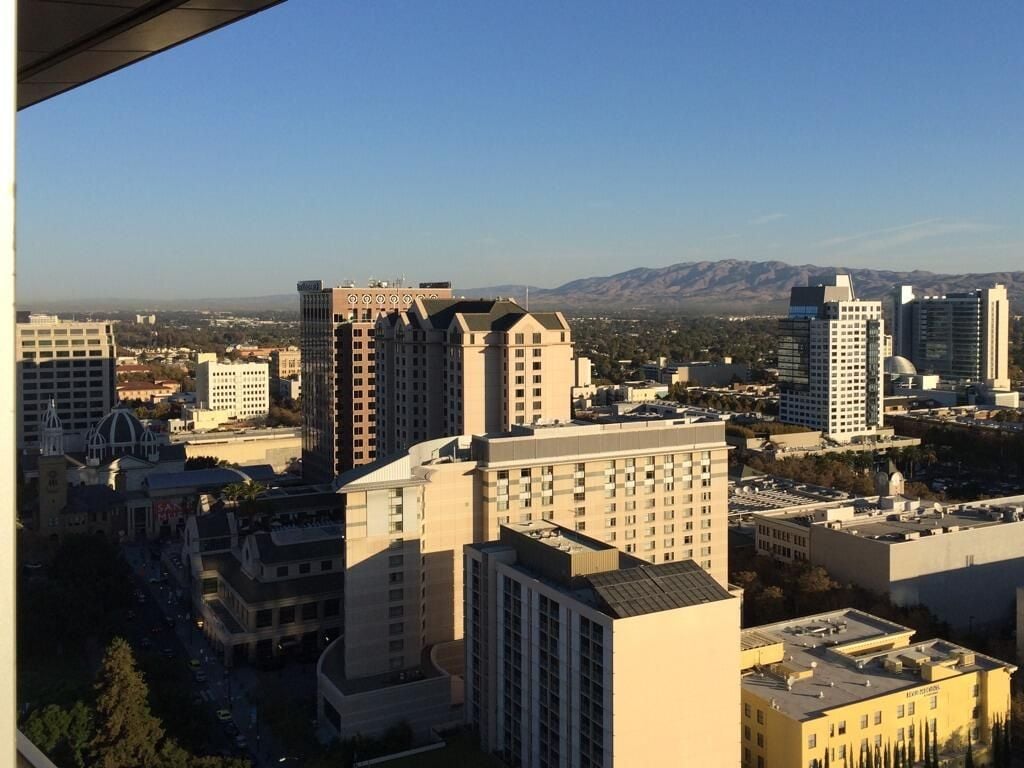
This shot of the San Jose skyline with the Santa Cruz Mountains in the background was taken from the lounge at the top of the San Jose Marriott at sunrise.
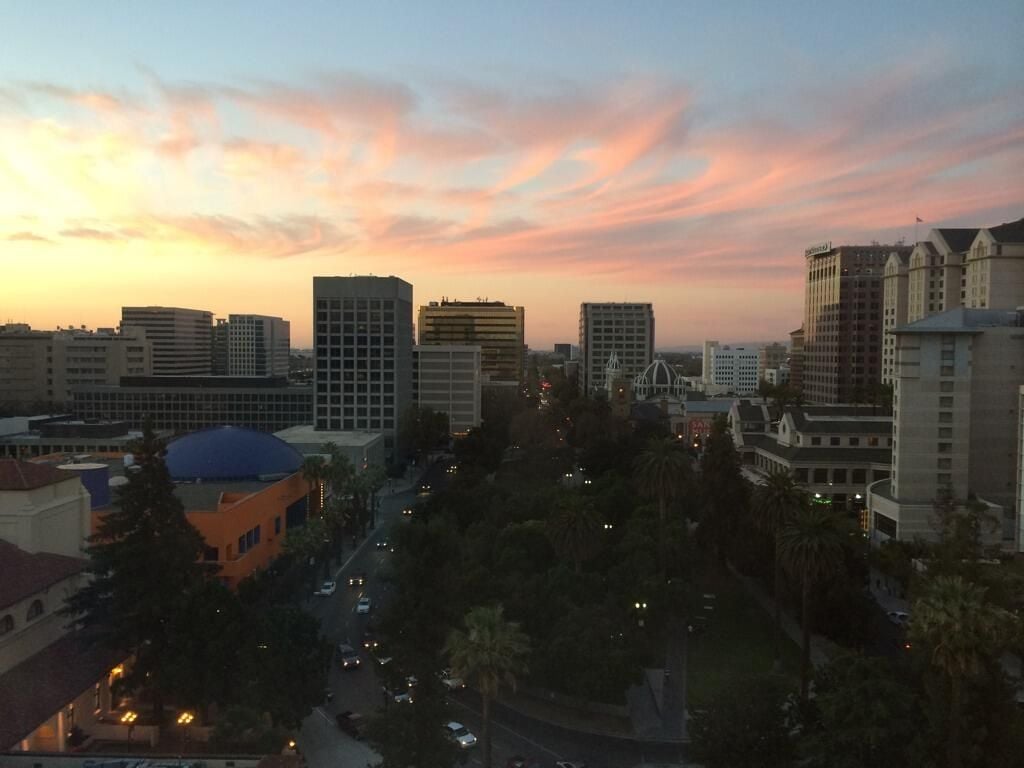
Taken from my room at the San Jose Marriott, this sunset shot is of the skyline looking north toward Silicon Valley. The blue doom on the left is The Tech Museum.
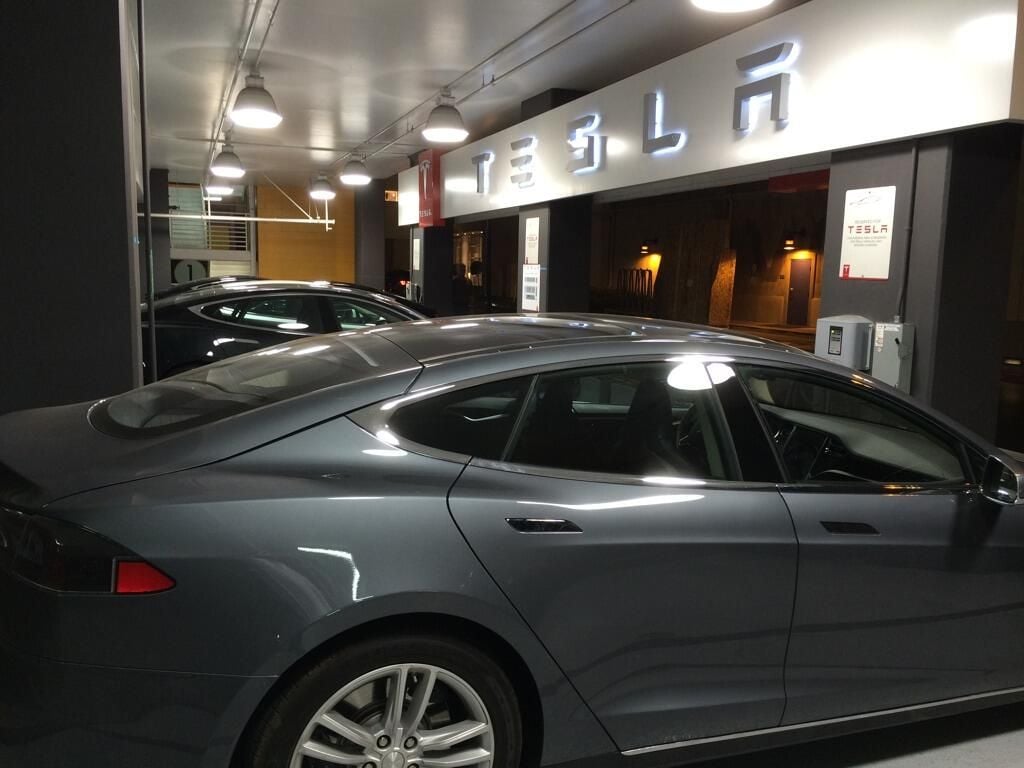
I was amazed at how many Tesla Model S cars I saw on the road in Silicon Valley during this trip. Tesla even bought up prime real estate in public parking garages like this one in San Jose. These parking spots are reserved for Tesla vehicles and include charging plugs for each spot.
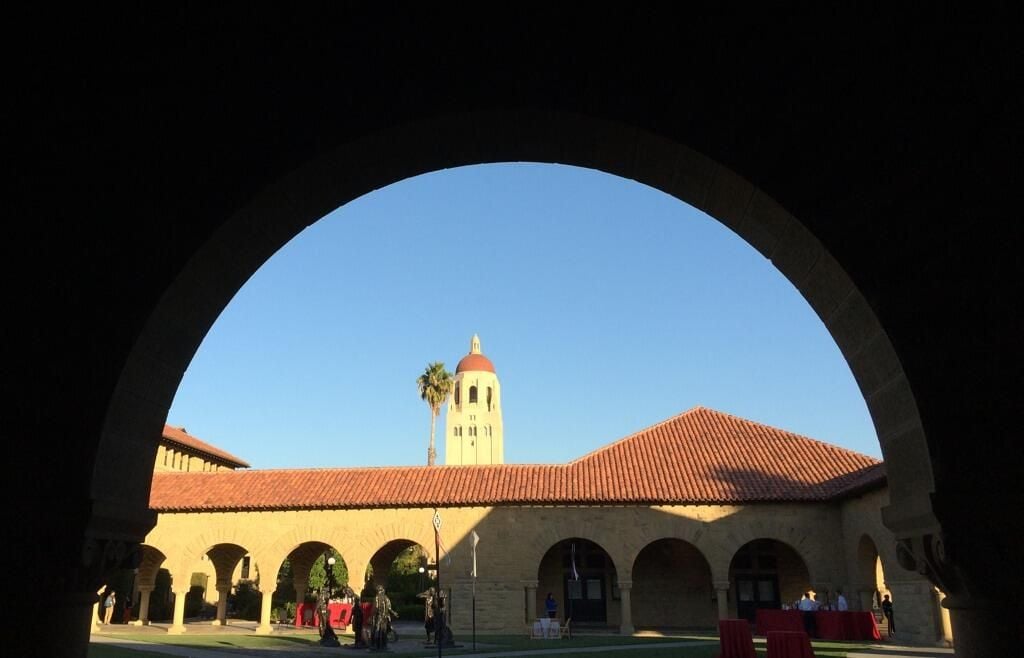
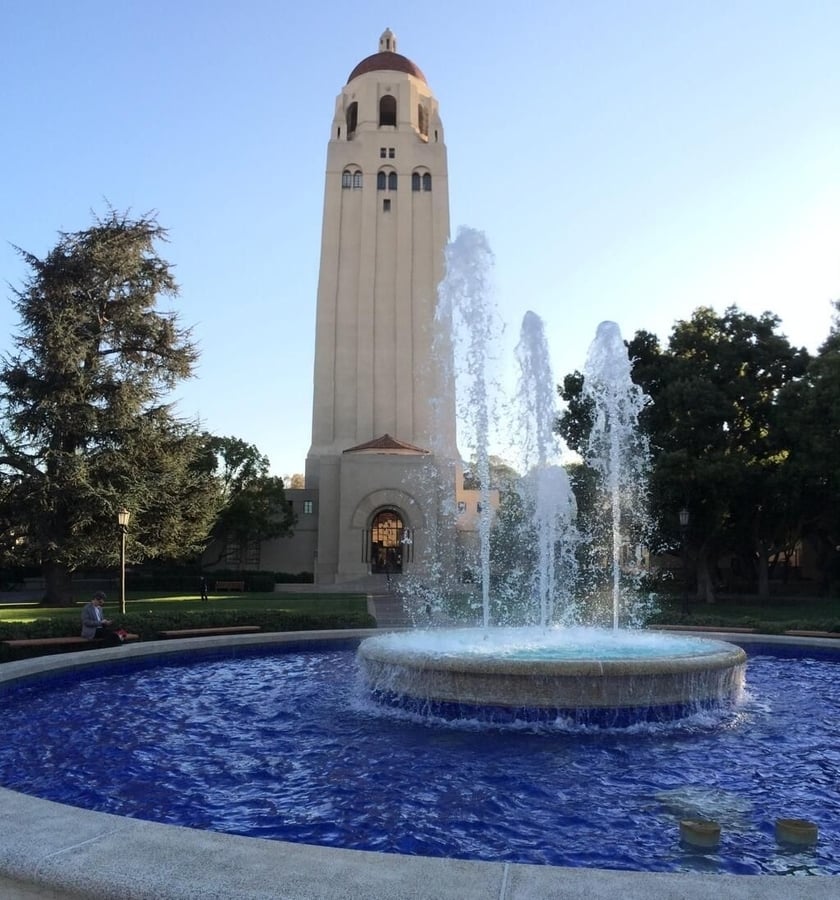
Here’s another shot that shows the dynamic range of the iPhone 5s sensor. There is the Hoover Tower in full sunlight, a building on the left in shadow, and the arch in the foreground in full silhouette.