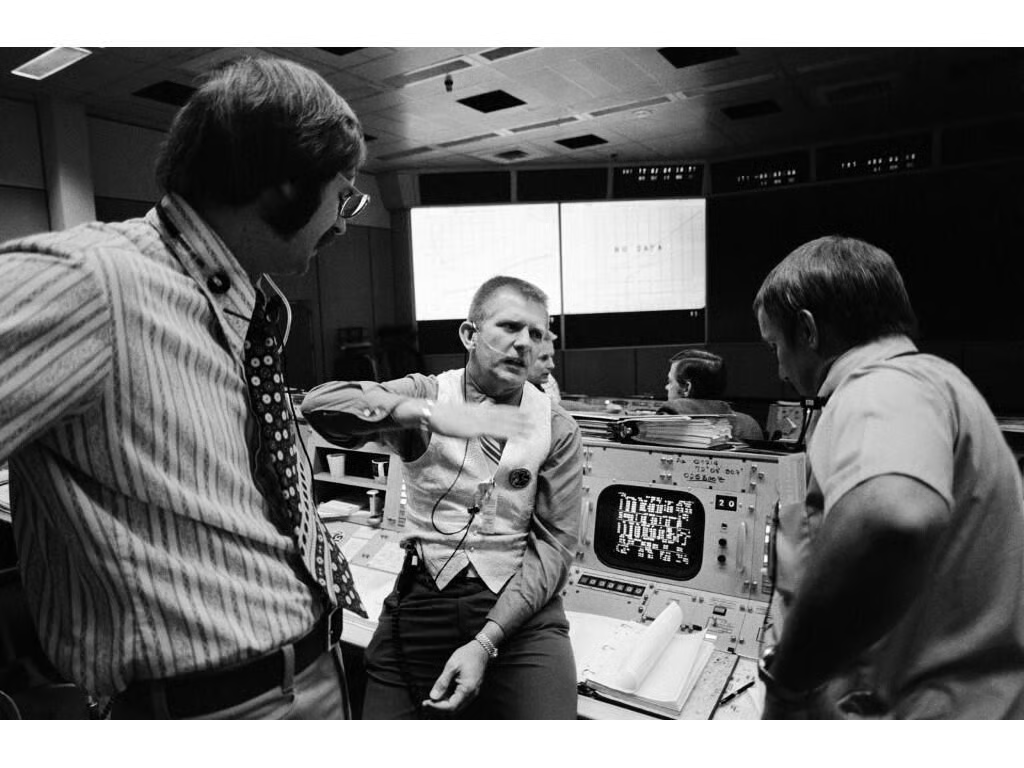
Mission Control in Houston served as the brain trust for the Apollo missions.
SEE: NASA’s unsung heroes: The Apollo coders who put men on the moon (PDF download)
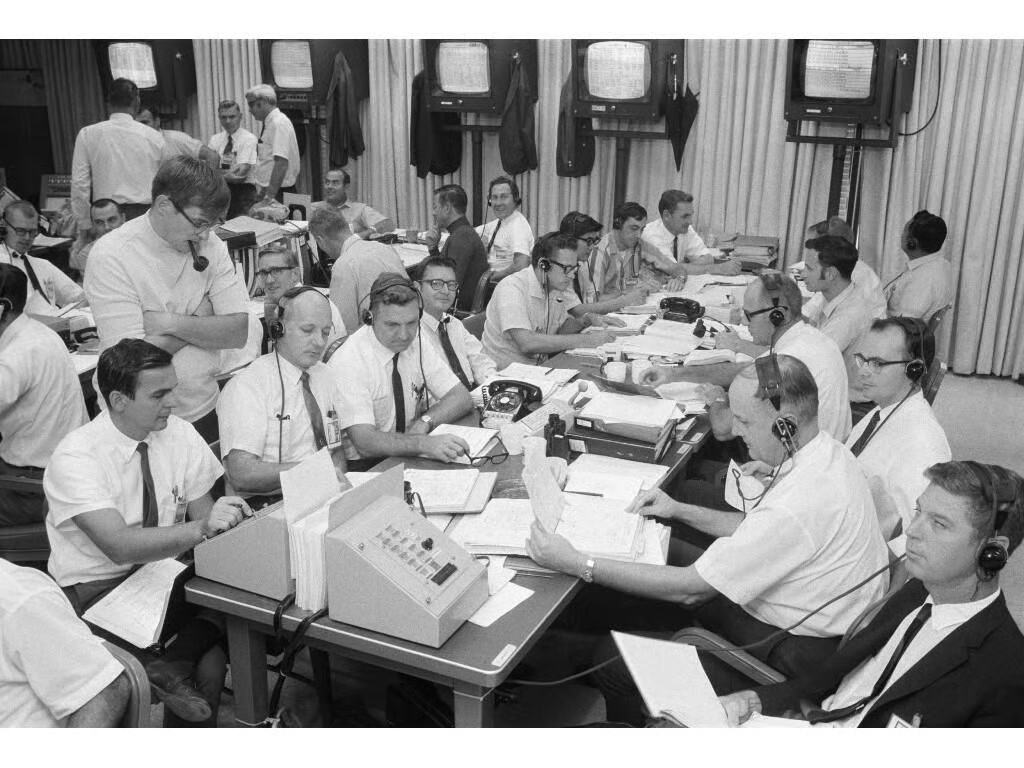
Engineers gathered in the Mission Evaluation Room during Apollo 11.
SEE: NASA’s unsung heroes: The Apollo coders who put men on the moon (PDF download)
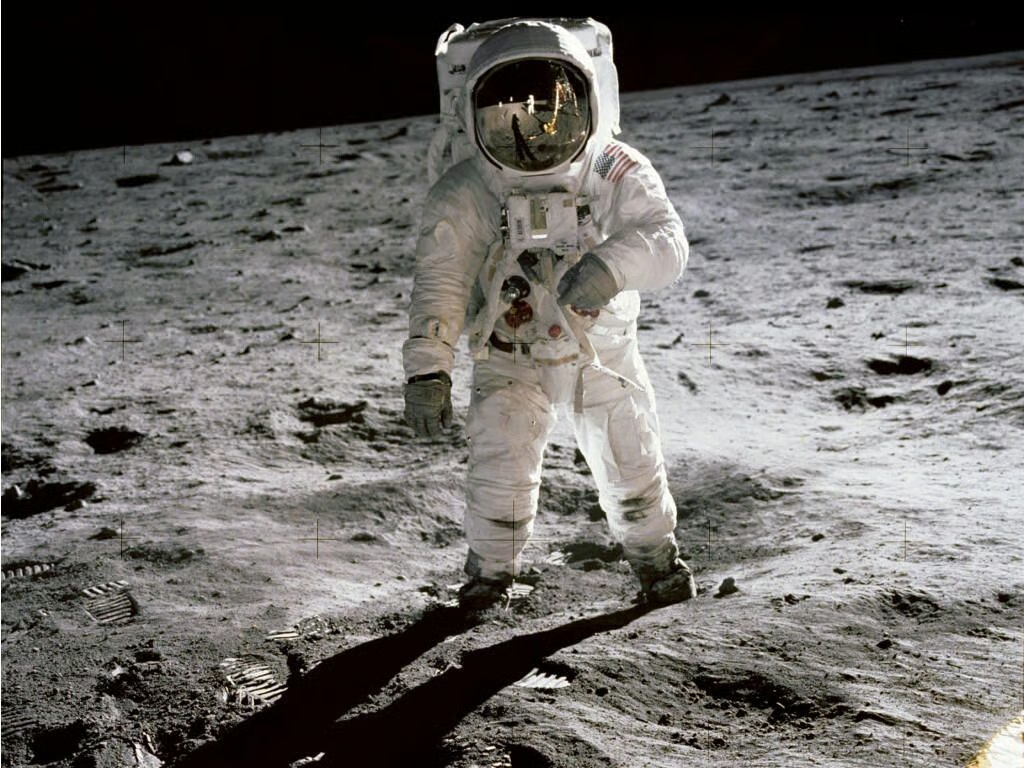
Buzz Aldrin’s famous moonwalk was made possible by some amazing computer programmers.
SEE: NASA’s unsung heroes: The Apollo coders who put men on the moon (PDF download)
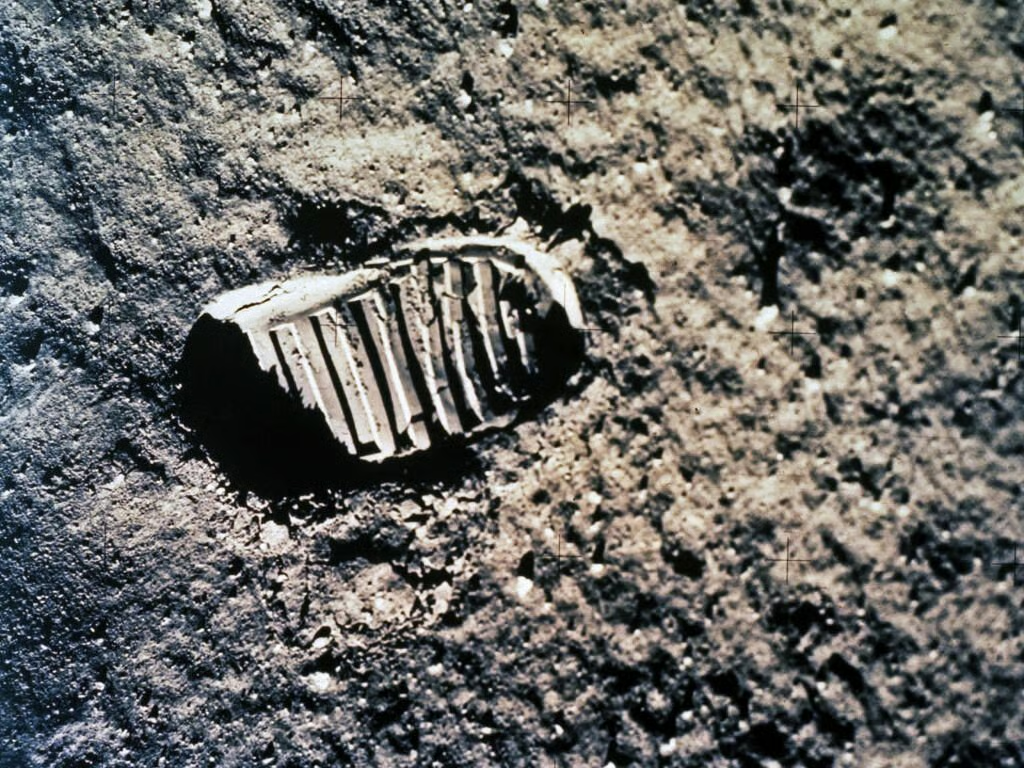
Buzz Aldrin’s footprint left quite a mark.
SEE: NASA’s unsung heroes: The Apollo coders who put men on the moon (PDF download)
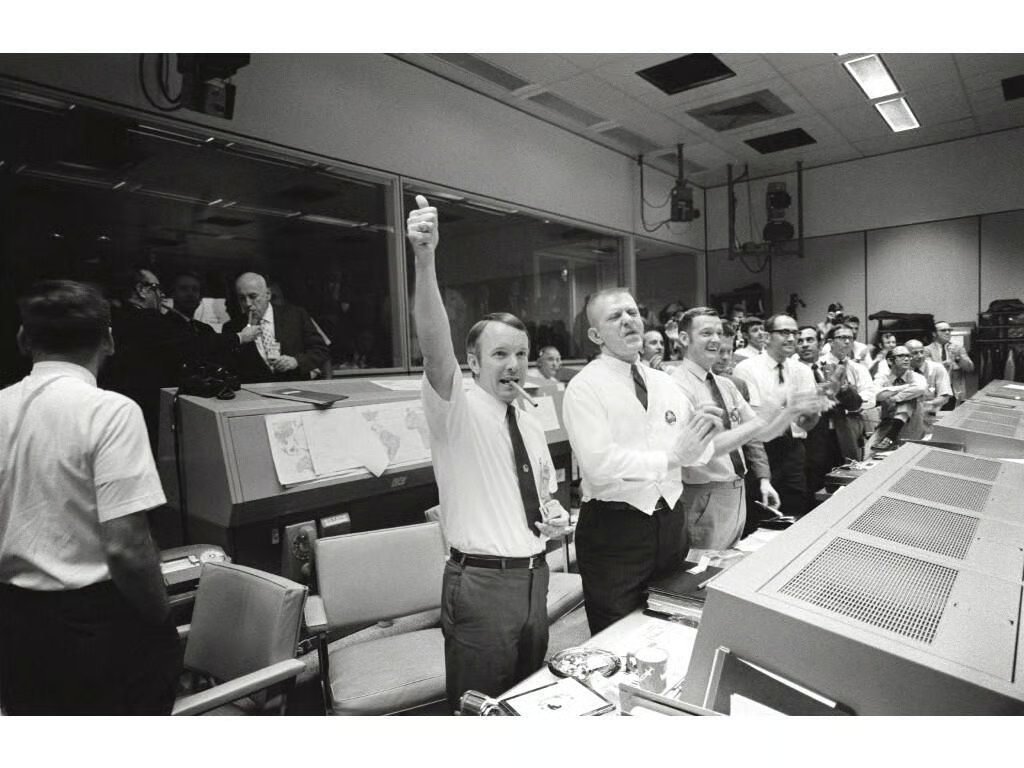
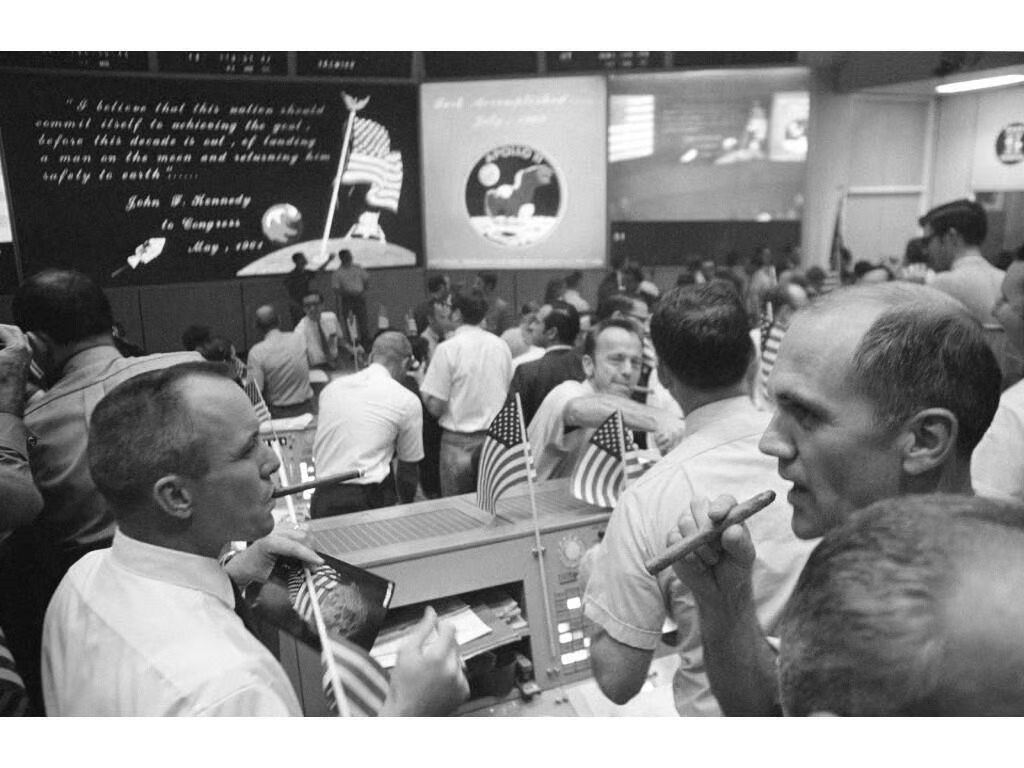
Three of NASA’s four Apollo 13 flight directors applaud the successful splashdown of the command module Odyssey, while Manned Spacecraft Center deputy director Dr. Christopher C. Kraft Jr. lights up cigars in the upper left.
SEE: NASA’s unsung heroes: The Apollo coders who put men on the moon (PDF download)
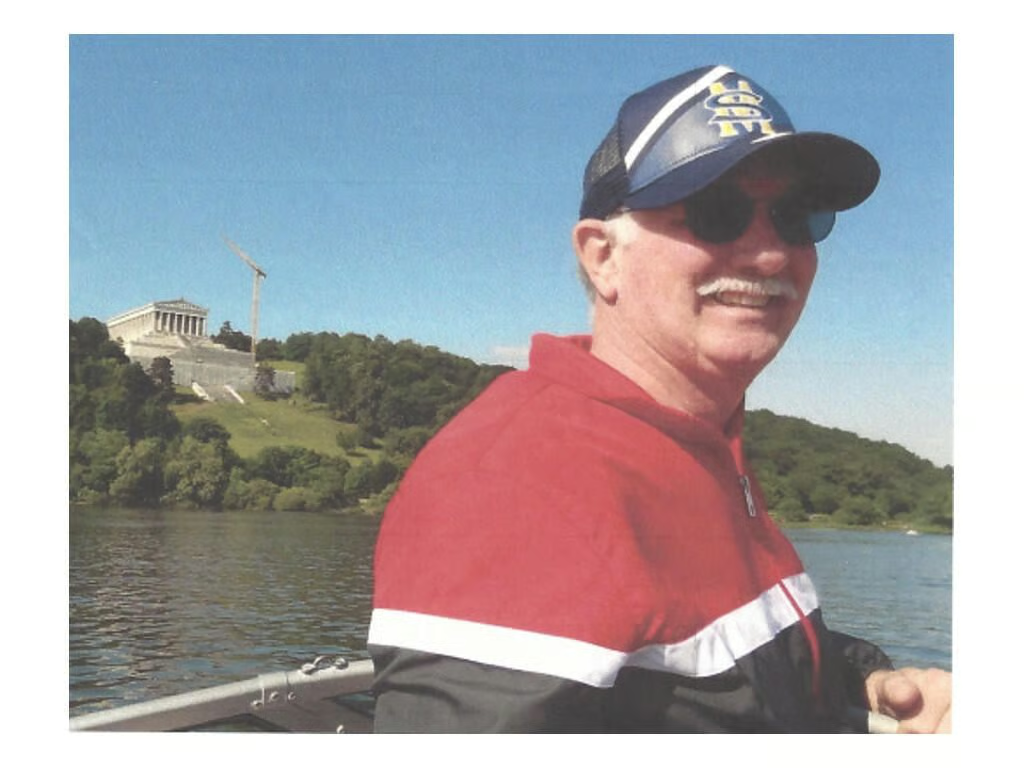
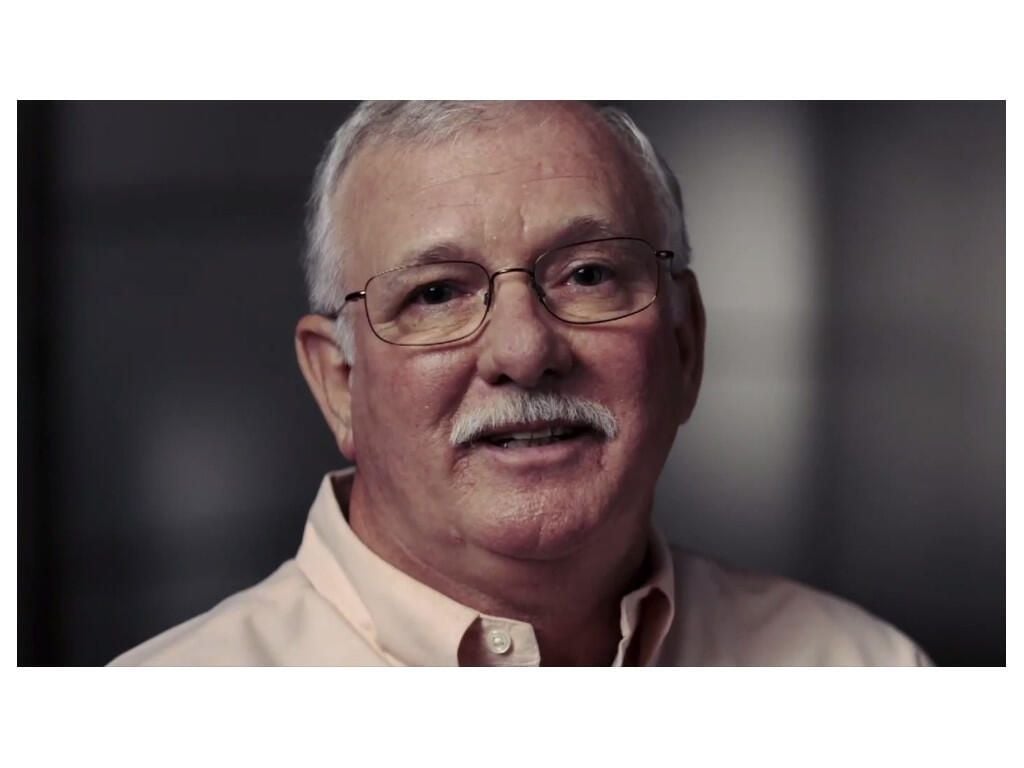
Modern day photo of Homer Ahr.
SEE: NASA’s unsung heroes: The Apollo coders who put men on the moon (PDF download)
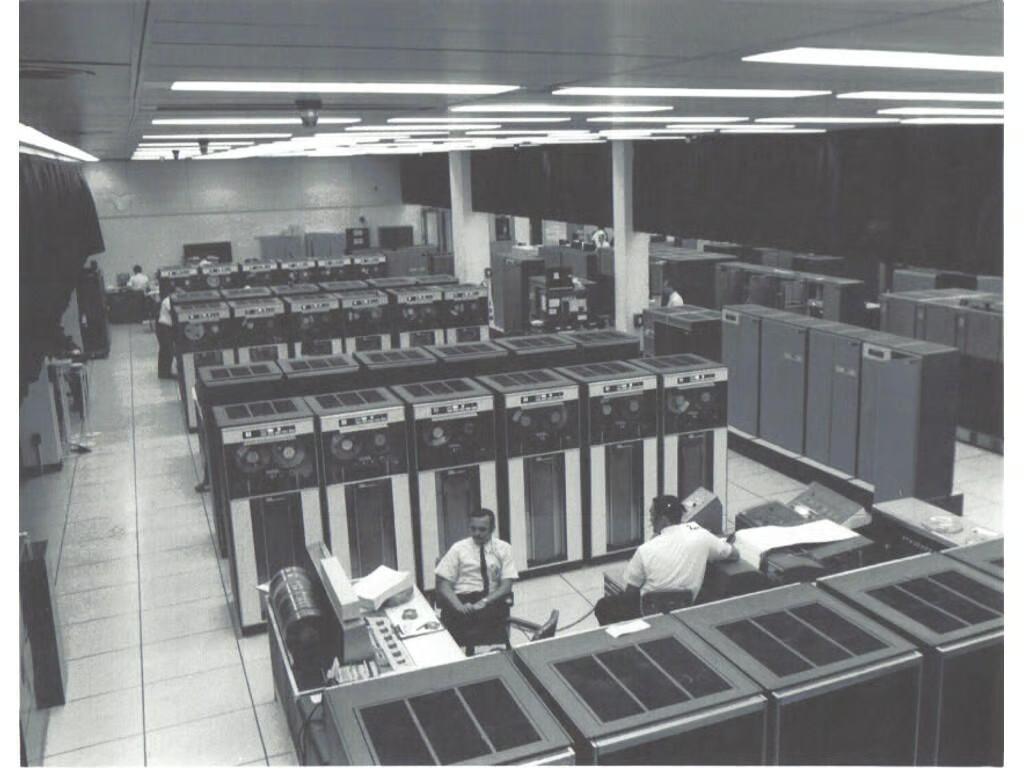
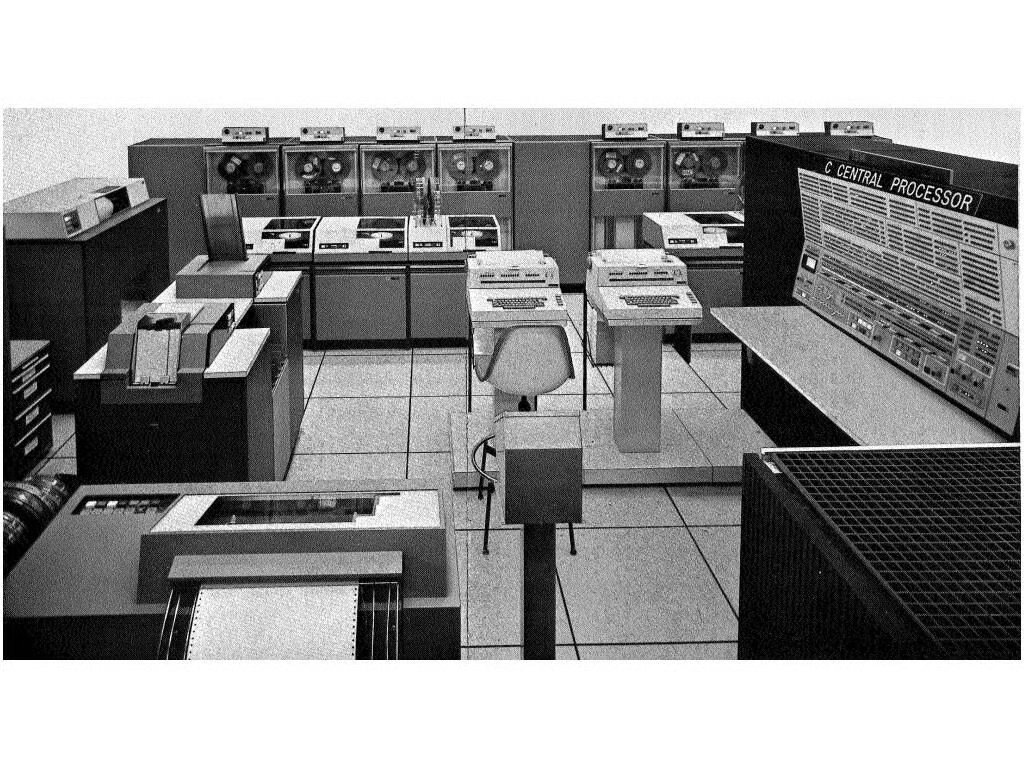
The Real-Time Computer Complex (RTCC) for the Apollo Program’s Mission Control Center at Johnson Space Center. The RTCC was situated on the first floor in Building 30, below the Mission Operation Control Rooms. There were no windows to the outside world in any of these rooms.
SEE: NASA’s unsung heroes: The Apollo coders who put men on the moon (PDF download)
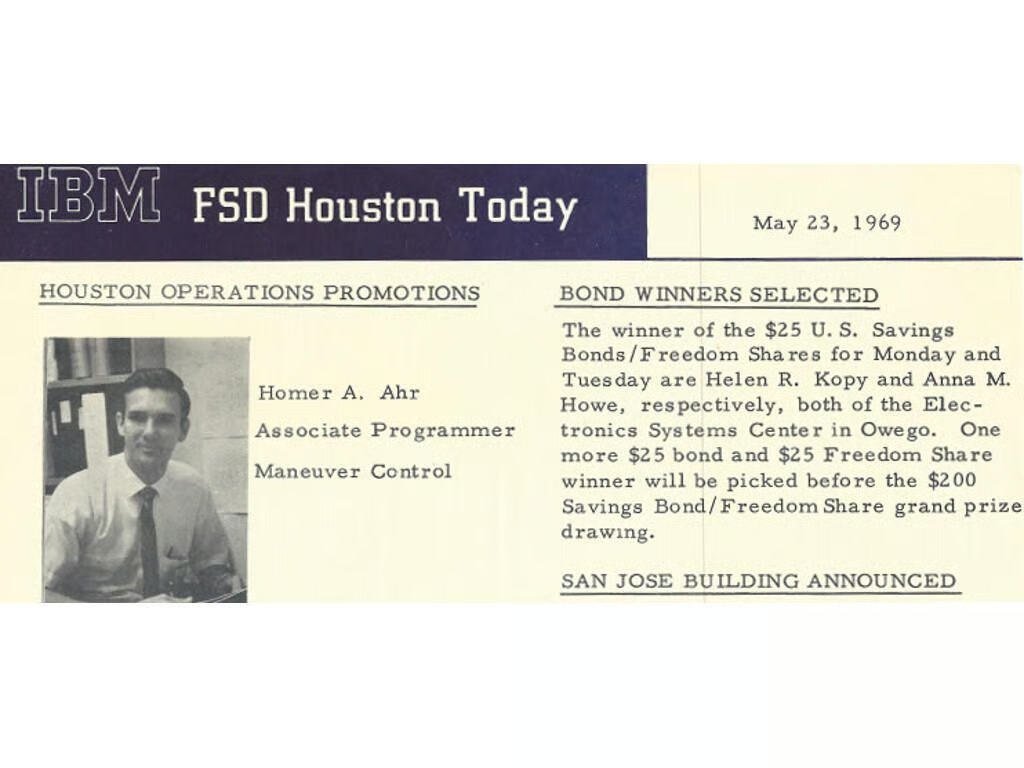
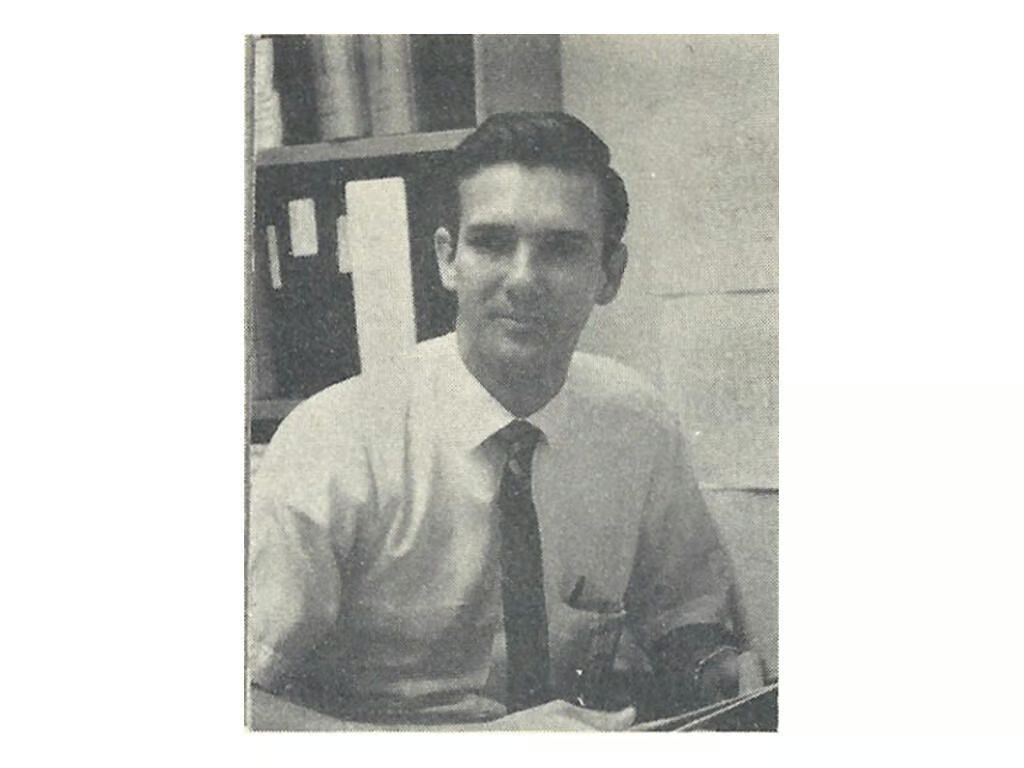
Homer Ahr’s promotion ahead of the Apollo 11 mission in July 1969 is publicized in an IBM magazine from the time.
SEE: NASA’s unsung heroes: The Apollo coders who put men on the moon (PDF download)
Homer Ahr pictured a couple of months before the launch of the Apollo 11 mission in July 1969.
SEE: NASA’s unsung heroes: The Apollo coders who put men on the moon (PDF download)
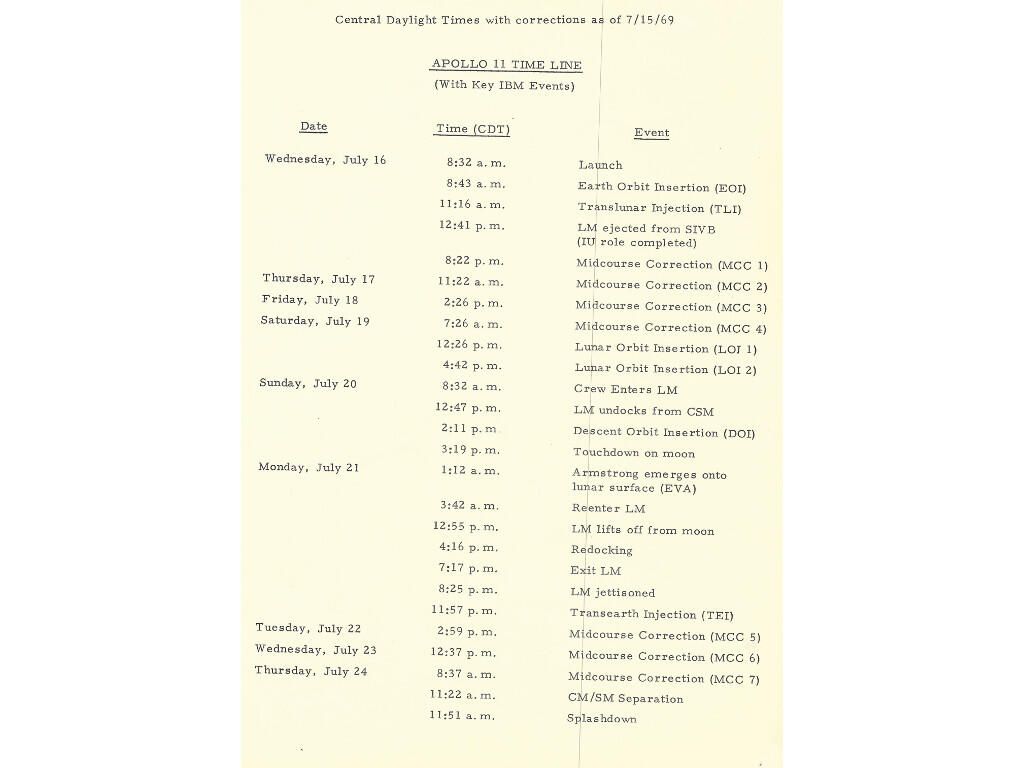
A timeline of key events in the forthcoming Apollo 11 mission, released a day before launch.
SEE: NASA’s unsung heroes: The Apollo coders who put men on the moon (PDF download)
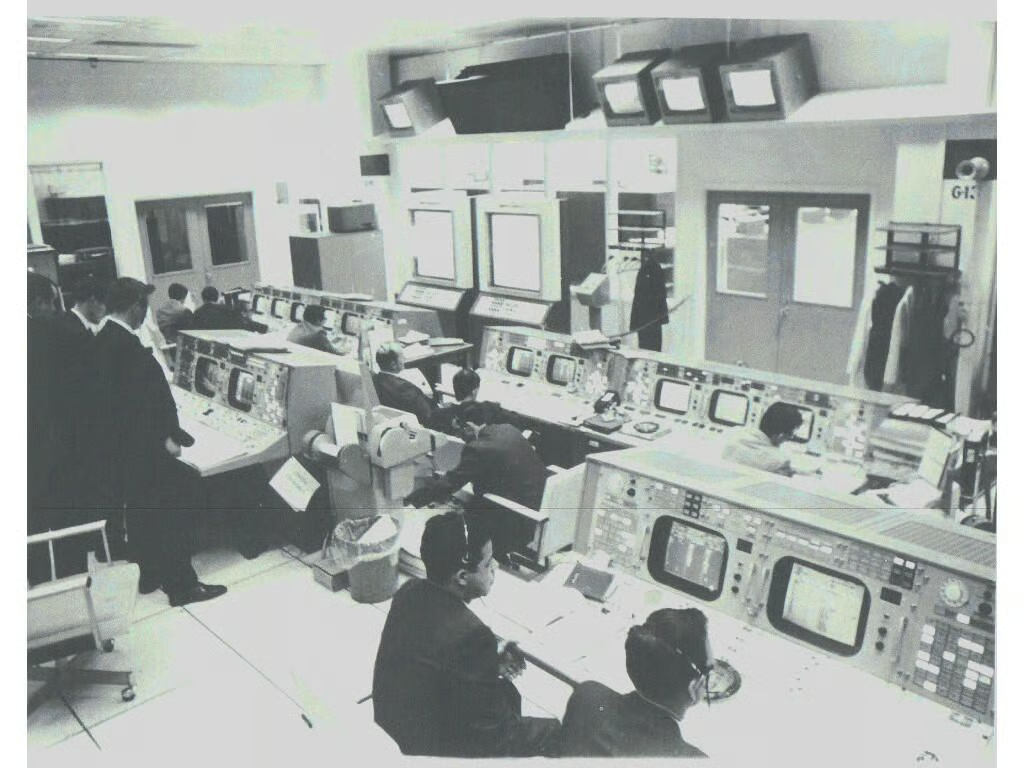
This is the RTCC console area where Ahr worked on the Dynamics Computer Console during Apollo 11.
SEE: NASA’s unsung heroes: The Apollo coders who put men on the moon (PDF download)
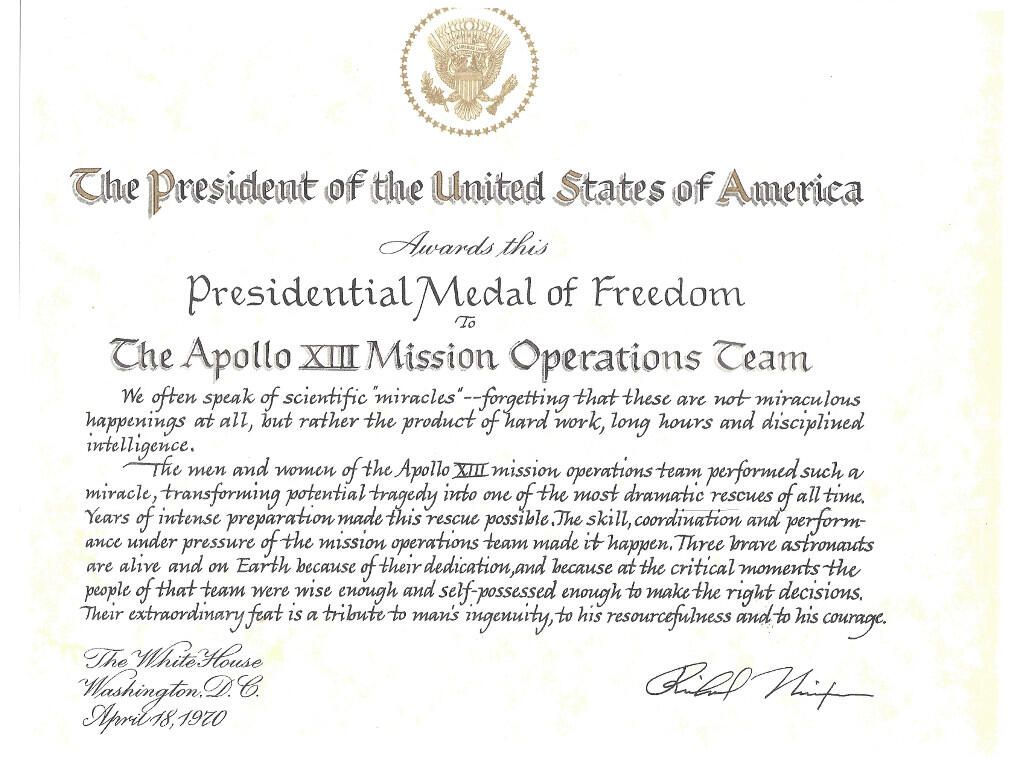
The Presidential Medal of Freedom Award presented to Ahr for his work as part of the Apollo 13 Mission Operations Team.
SEE: NASA’s unsung heroes: The Apollo coders who put men on the moon (PDF download)
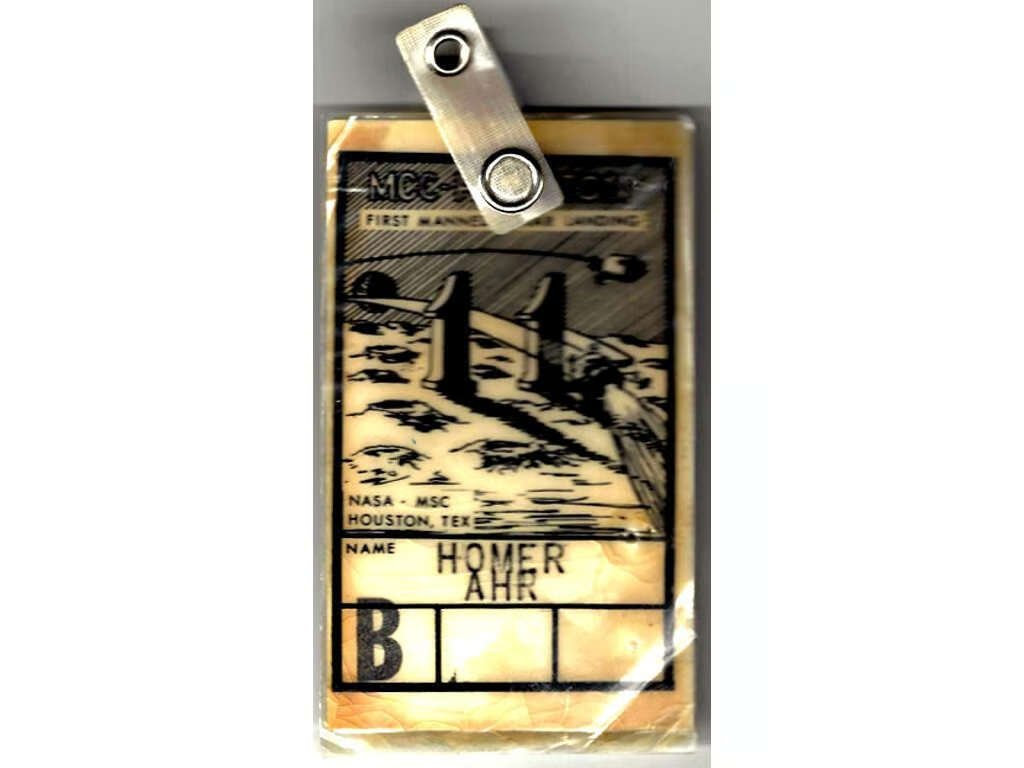
Ahr’s Apollo 11 mission badge that allowed him entrance to the Mission Control Center during the mission.
SEE: NASA’s unsung heroes: The Apollo coders who put men on the moon (PDF download)
The Real-Time Computer Complex, taken from the Familiarization Manual for Mission Control Center Houston.
SEE: NASA’s unsung heroes: The Apollo coders who put men on the moon (PDF download)
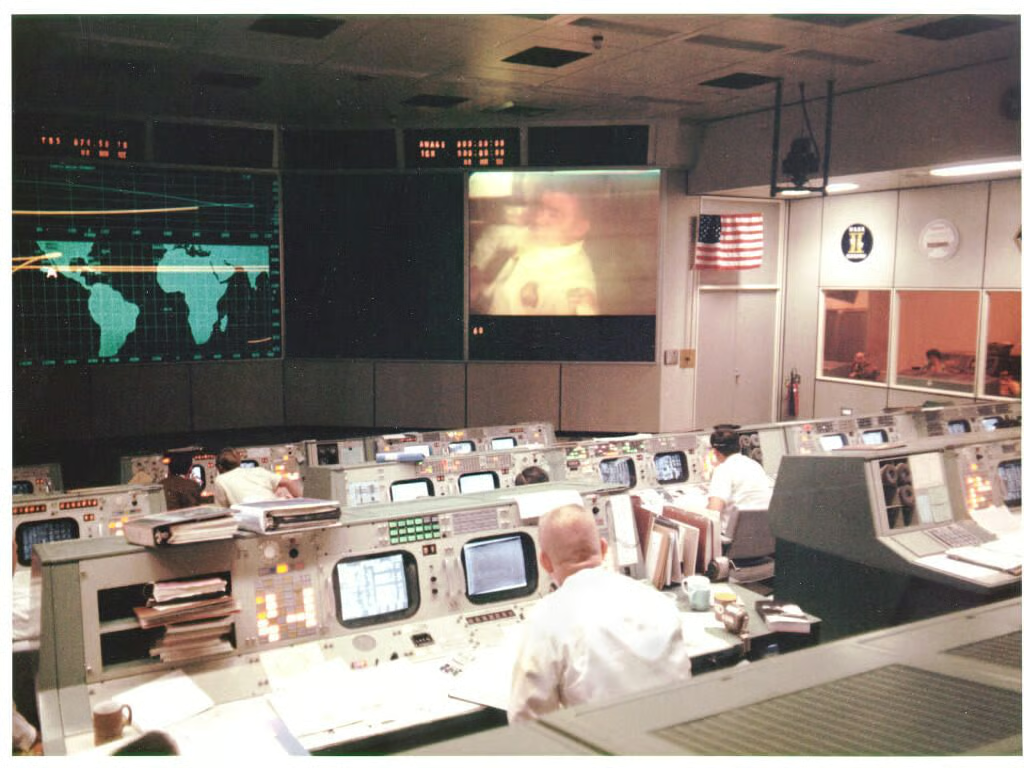
The Mission Operations Control Room in NASA’s Mission Control Center at the Manned Spacecraft Center (now Johnson Space Center) in Houston. The image was taken on April 13, 1970, during the fourth television transmission from the Apollo 13 mission.
SEE: NASA’s unsung heroes: The Apollo coders who put men on the moon (PDF download)
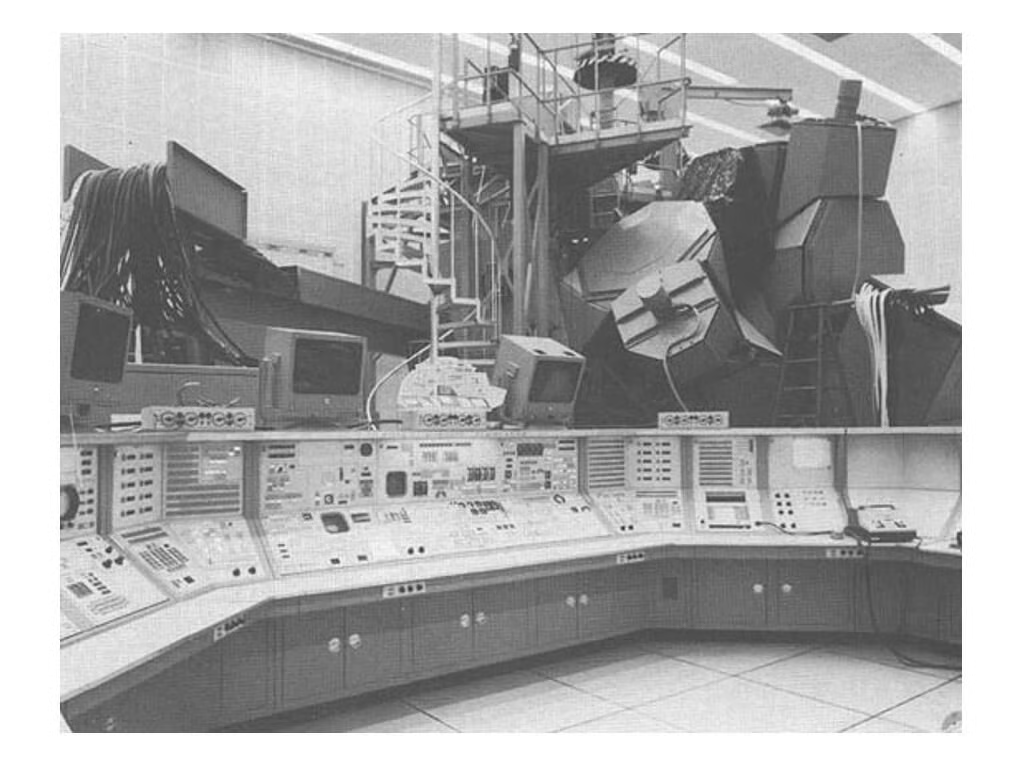
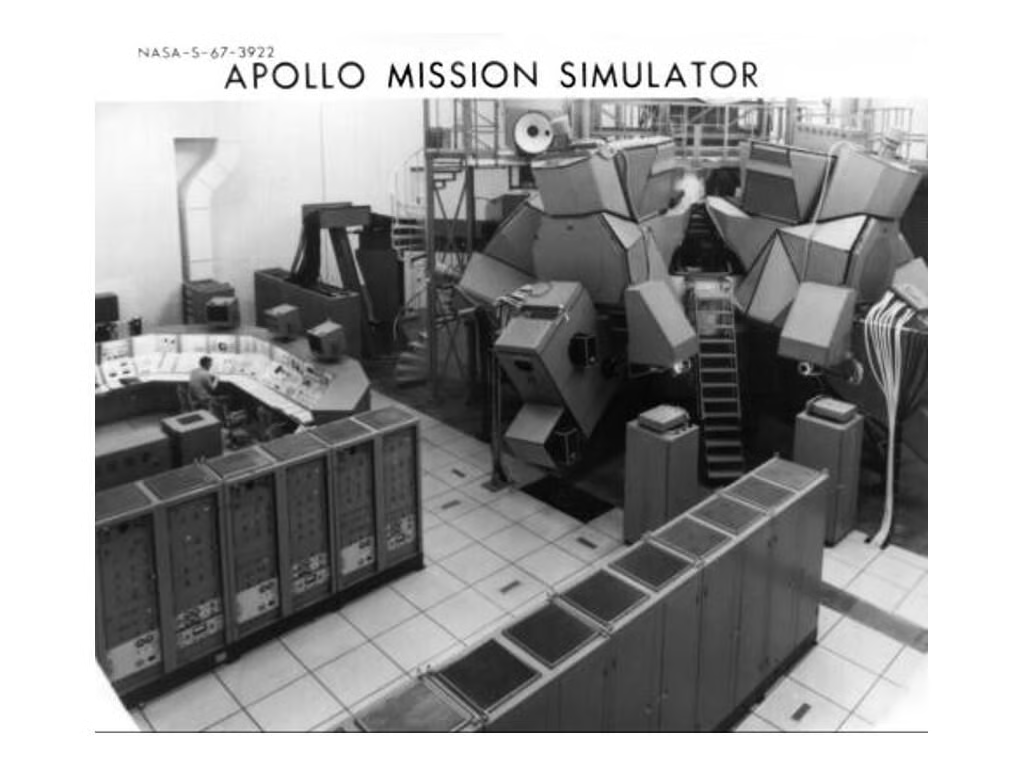
The Apollo command module mission simulator.
SEE: NASA’s unsung heroes: The Apollo coders who put men on the moon (PDF download)
The Apollo command module mission simulator at Manned Spacecraft Center, where Apollo astronauts practiced for their missions.
SEE: NASA’s unsung heroes: The Apollo coders who put men on the moon (PDF download)
Flight controllers celebrate the successful conclusion of the Apollo 11 lunar landing mission in the Mission Operations Control Room in the Mission Control Center.
SEE: NASA’s unsung heroes: The Apollo coders who put men on the moon (PDF download)
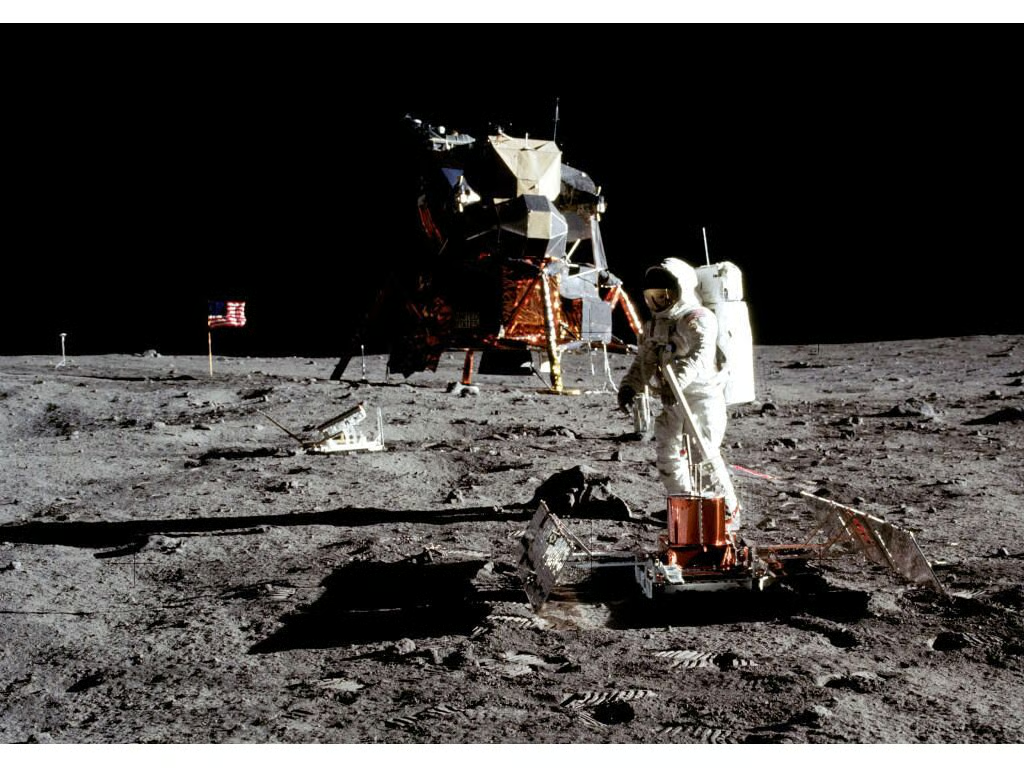
Astronaut and lunar module pilot Edwin E. Aldrin Jr. beside the US flag on the lunar surface during Apollo 11. The lunar module is on the left, and the footprints of the astronauts are clearly visible in the soil of the moon.
SEE: NASA’s unsung heroes: The Apollo coders who put men on the moon (PDF download)
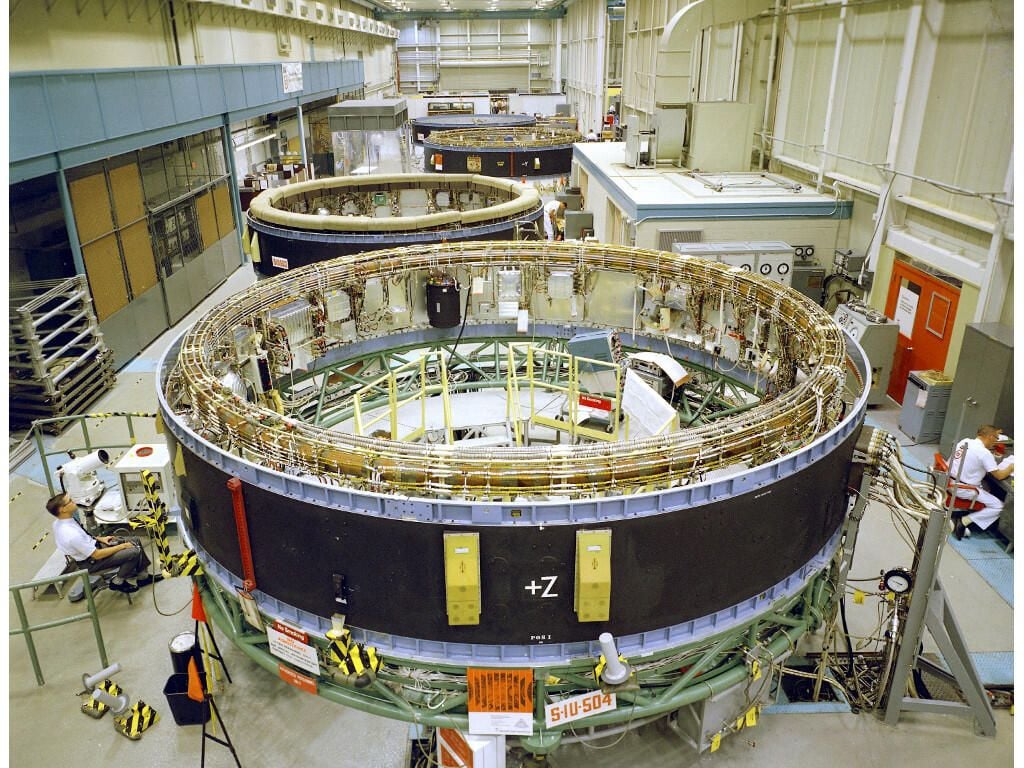
The Saturn V Instrument Unit (IU), the “brains” of the Saturn V rocket, was manufactured at International Business Machines (IBM) in Huntsville, Alabama. The IU was three-feet tall, twenty-one feet in diameter, and weighed about 4,000 pounds, and contained the navigation, guidance, control, and sequencing equipment.
SEE: NASA’s unsung heroes: The Apollo coders who put men on the moon (PDF download)
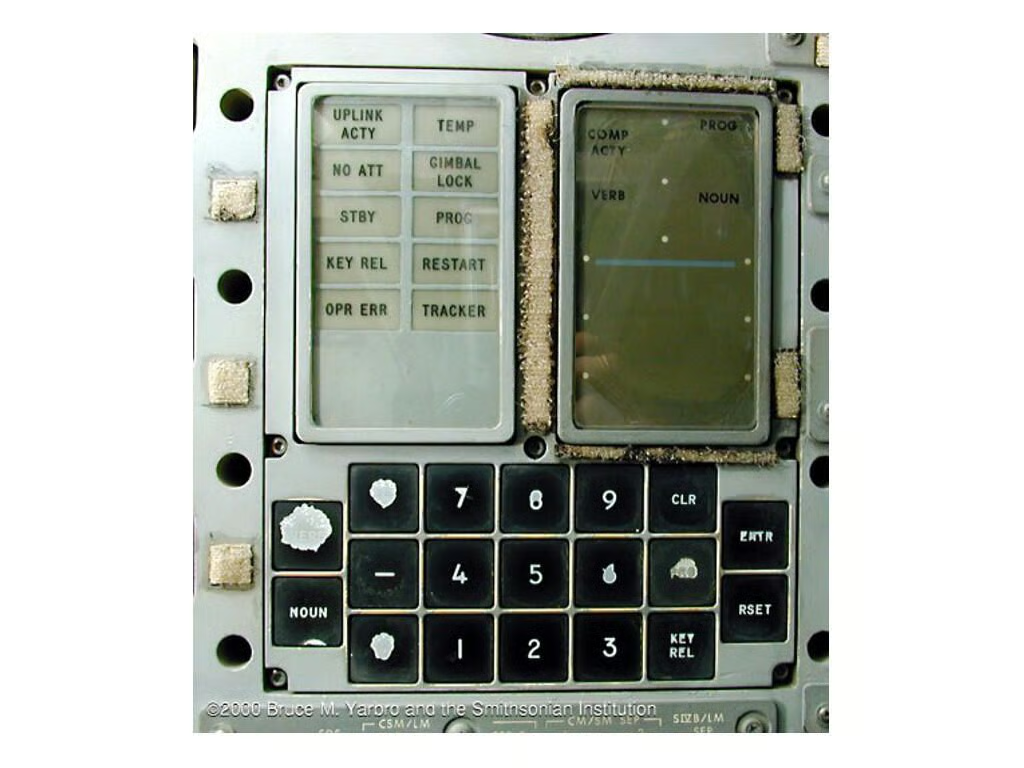
The Apollo Display & Keyboard (DSKY) was the main interface with the Apollo Guidance Computer used onboard the spacecraft. This unit is from the main display console of the command module Odyssey used during Apollo 13.
SEE: NASA’s unsung heroes: The Apollo coders who put men on the moon (PDF download)
A modern day image of Homer Ahr.
SEE: NASA’s unsung heroes: The Apollo coders who put men on the moon (PDF download)
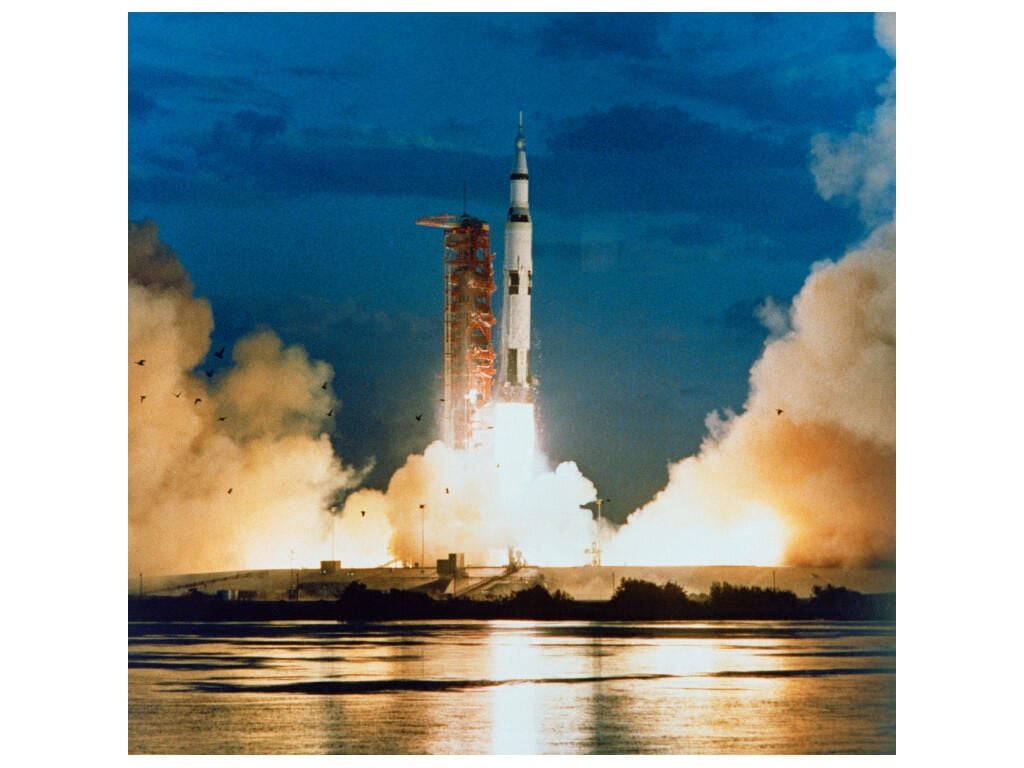
The launch of Apollo 4 was the first from NASA’s Kennedy Space Center in Florida.
SEE: NASA’s unsung heroes: The Apollo coders who put men on the moon (PDF download)
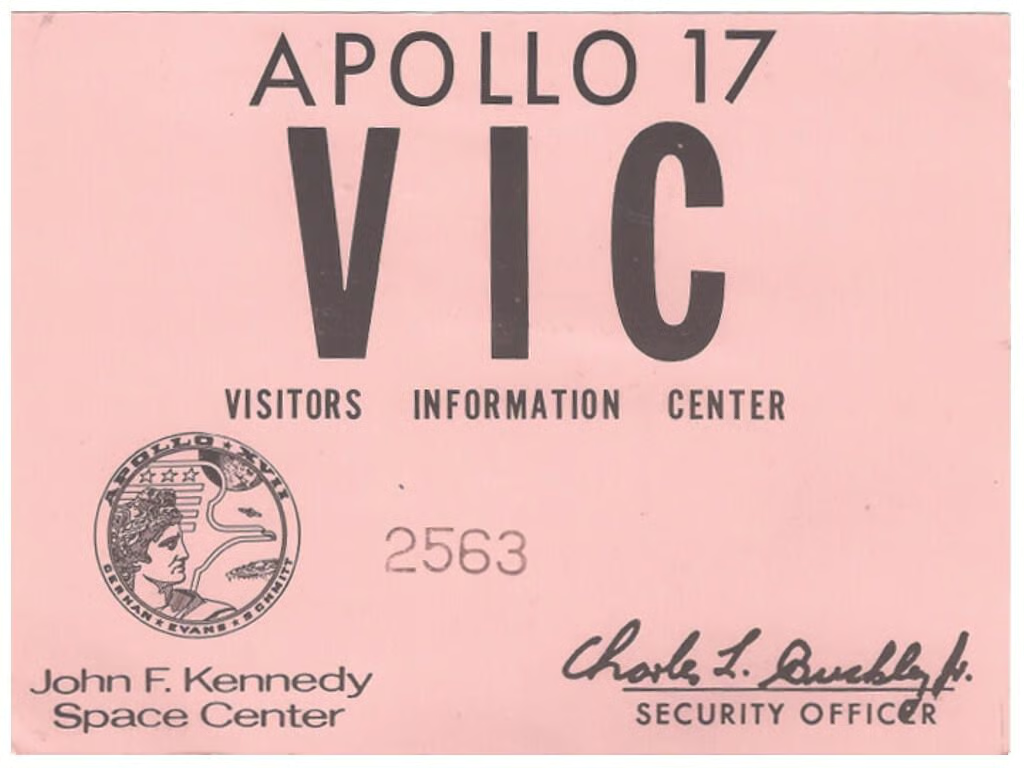
The VIP parking pass and badge used by Homer Ahr and his wife Carol when they were IBM honored guests of the astronauts and the NASA Manned Flight Awareness Program for Apollo 17, the last mission to the moon and back.