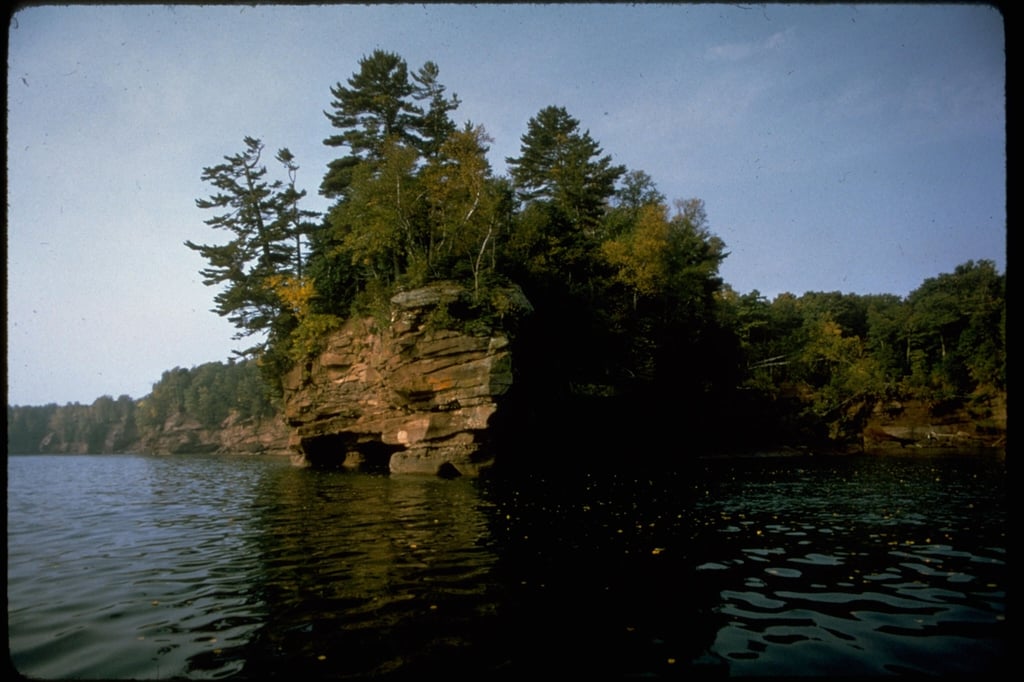
\n\tThere are thousands of public domain images available from the U.S. National Park Service that make great scenic view wallpaper. The images are available in high resolutions, which means they can be adjusted to fit your preferred screen resolution. I have chosen over 50 images from the archives, but there are hundreds more available from the NPS Digital Image Index.
\n\t
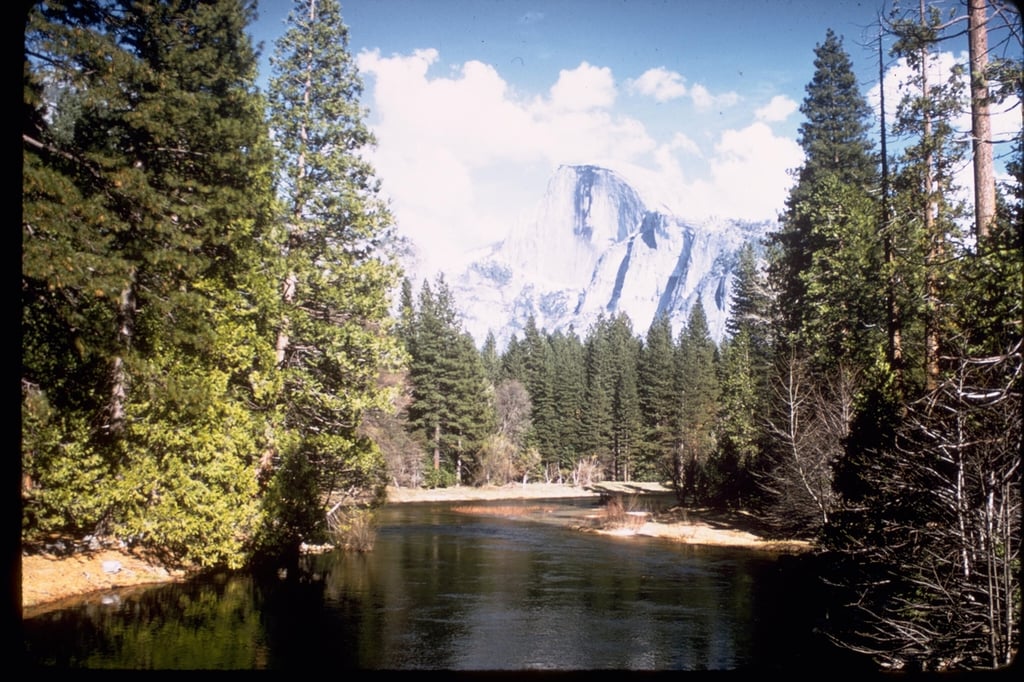
\n\tThe first image is from Yosemite National Park.
\n\t
\n\tFor the best results download the highest resolution image by left-clicking the small image above. In Windows, you right-click that large image and click the “Set as desktop background” menu item. The gallery was originally published in September 2010.
\n\t
\n\tPhoto credit to National Park Service
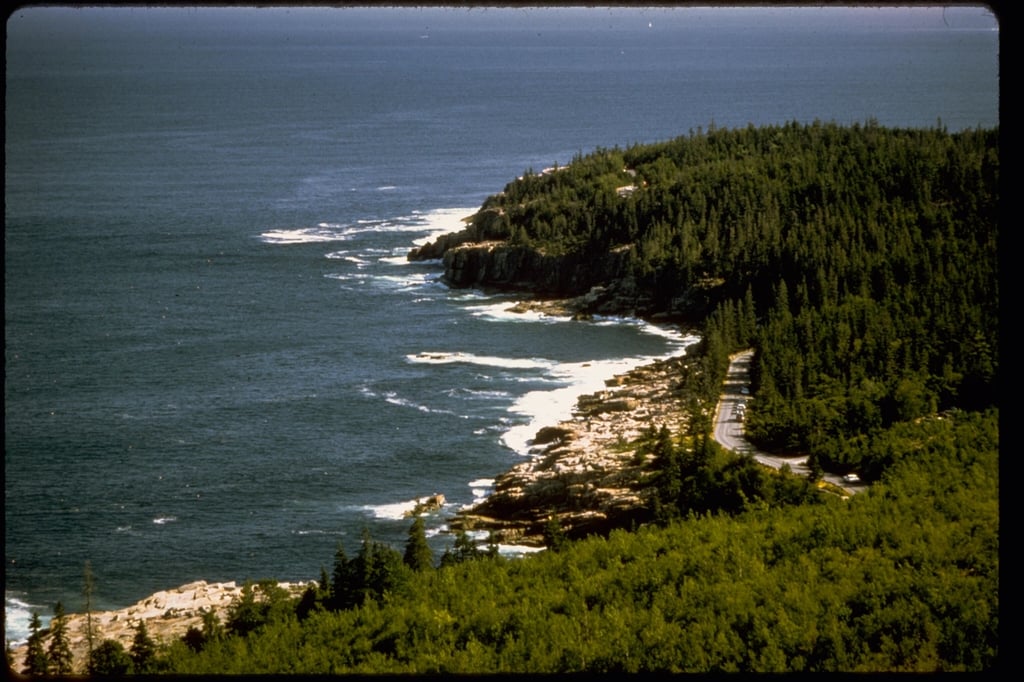
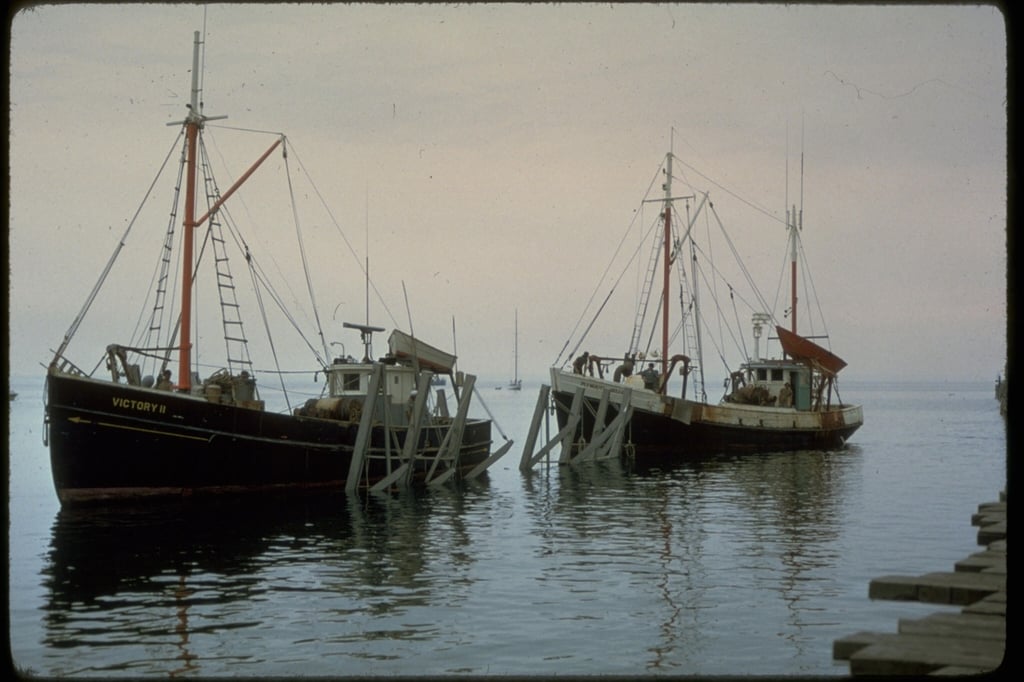
\n\tPeople have been drawn to the rugged coast of Maine throughout history.
\n\t
\n\tPhoto credit to National Park Service
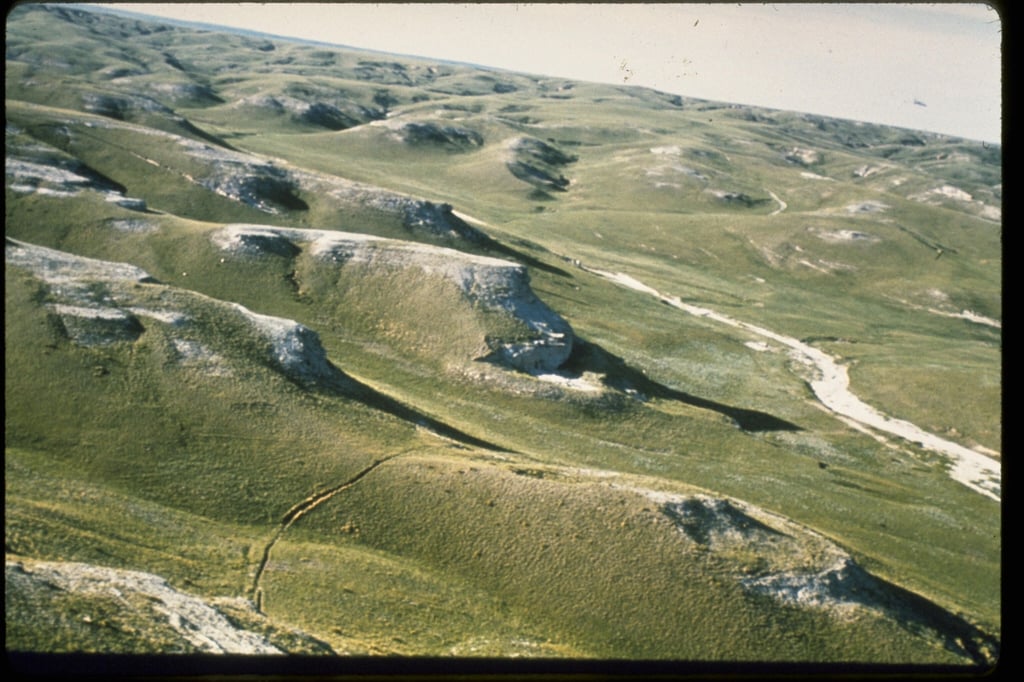
\n\tDuring the 1890s, scientists rediscovered what the Lakota Sioux already knew – bones preserved in one of the most complete Miocene mammal sites in the world.
\n\t
\n\tPhoto credit to National Park Service
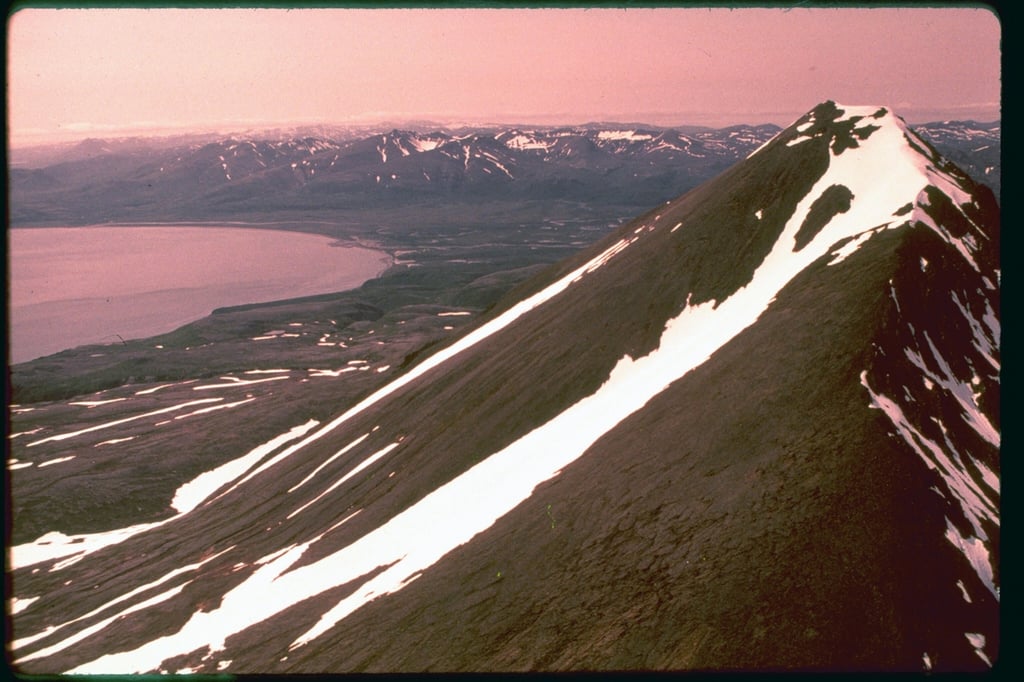
\n\tGiven its remote location and notoriously bad weather, Aniakchak is one of the least visited units of the National Park System.
\n\t
\n\tPhoto credit to National Park Service
\n\tAlong windswept beaches and cliffs, visitors experience where water meets land and sky, culture meets culture, and past meets present.
\n\t
\n\tPhoto credit to National Park Service
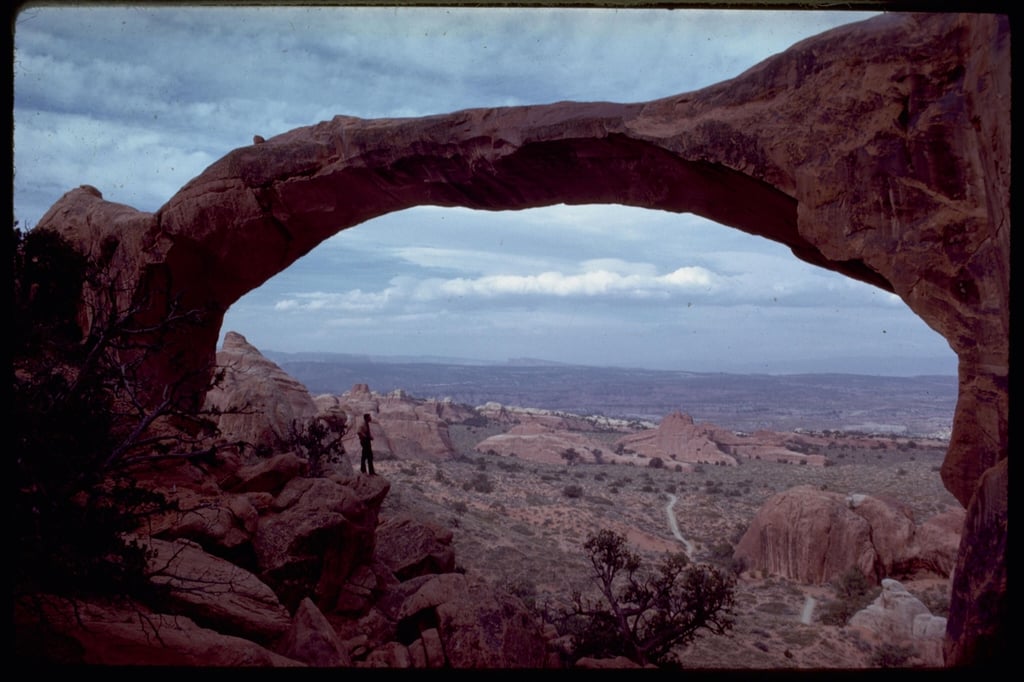
\n\tArches National Park preserves over 2,000 natural sandstone arches, like the world-famous Delicate Arch, as well as many other unusual rock formations.
\n\t
\n\tPhoto credit to National Park Service
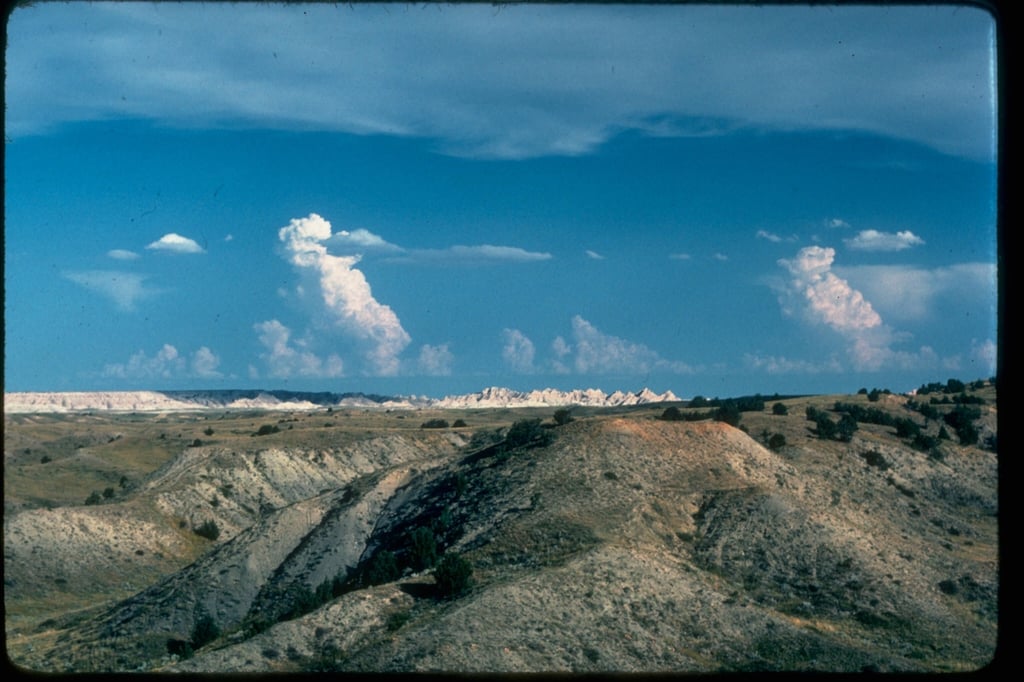
\n\tContaining the world’s richest Oligocene epoch fossil beds, dating 37-28 million years old, the evolutionary stories of mammals such as the horse and rhinoceros arise from the 244,000 acres of sharply eroded buttes, pinnacles, and spires.
\n\t
\n\tPhoto credit to National Park Service
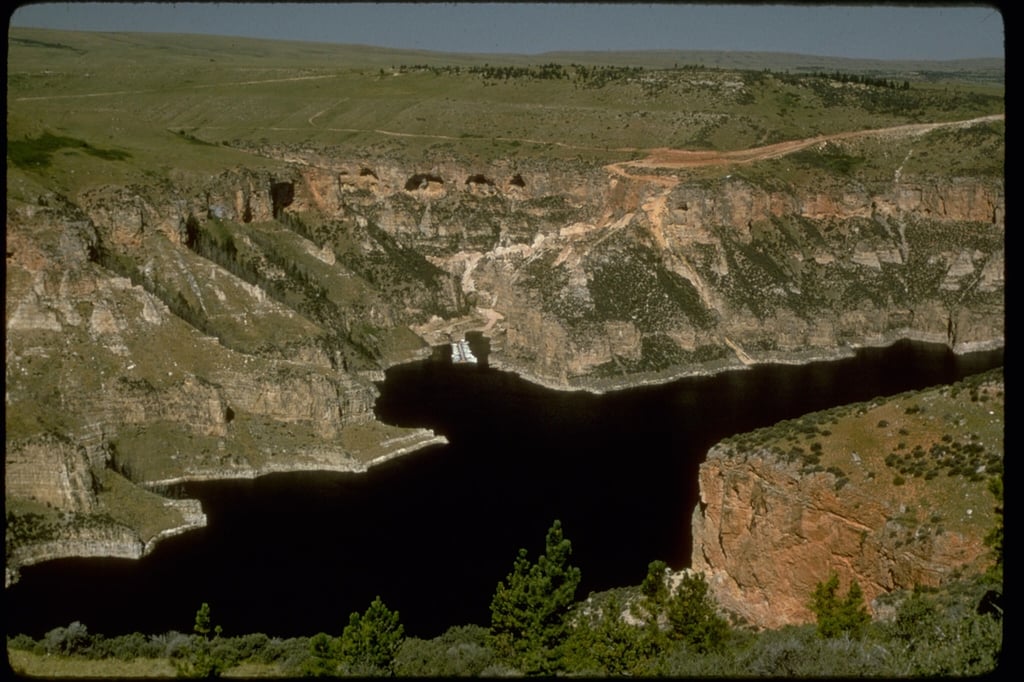
\n\tThe canyon offers a diversified landscape of forest, mountains, upland prairie, deep canyons, broad valleys, high desert, lake and wetlands.
\n\t
\n\tPhoto credit to National Park Service
\n\tThe great Outer Beach described by Thoreau in the 1800s is protected within the national seashore.
\n\t
\n\tPhoto credit to National Park Service
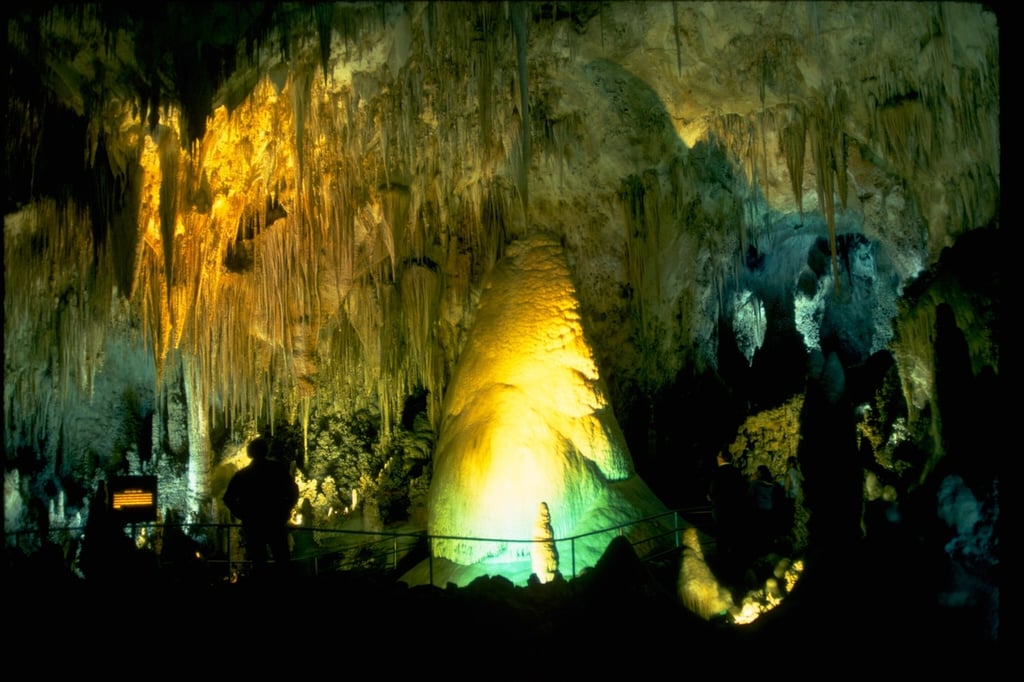
\n\tAs you pass through the Chihuahuan Desert and Guadalupe Mountains of southeastern New Mexico and west Texas—filled with prickly pear, chollas, sotols and agaves—you might never guess there are more than 300 known caves beneath the surface.
\n\t
\n\tPhoto credit to National Park Service
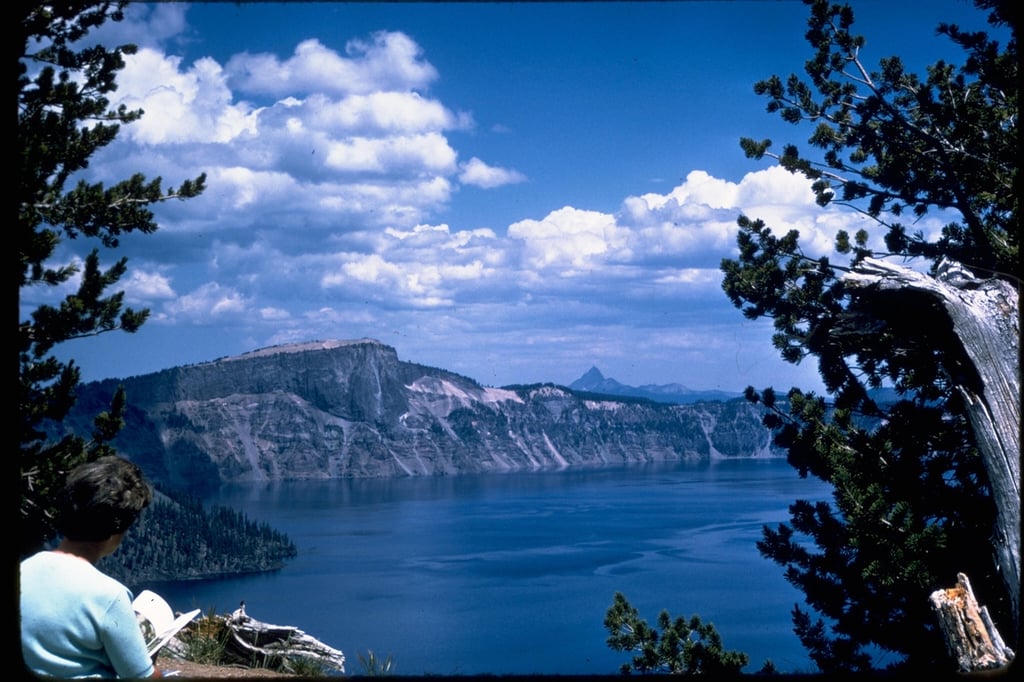
\n\tCrater Lake has inspired people for hundreds of years. No place else on earth combines a deep, pure lake, so blue in color; sheer surrounding cliffs, almost two thousand feet high; two picturesque islands; and a violent volcanic past. It is a place of immeasurable beauty, and an outstanding outdoor laboratory and classroom.
\n\t
\n\tPhoto credit to National Park Service
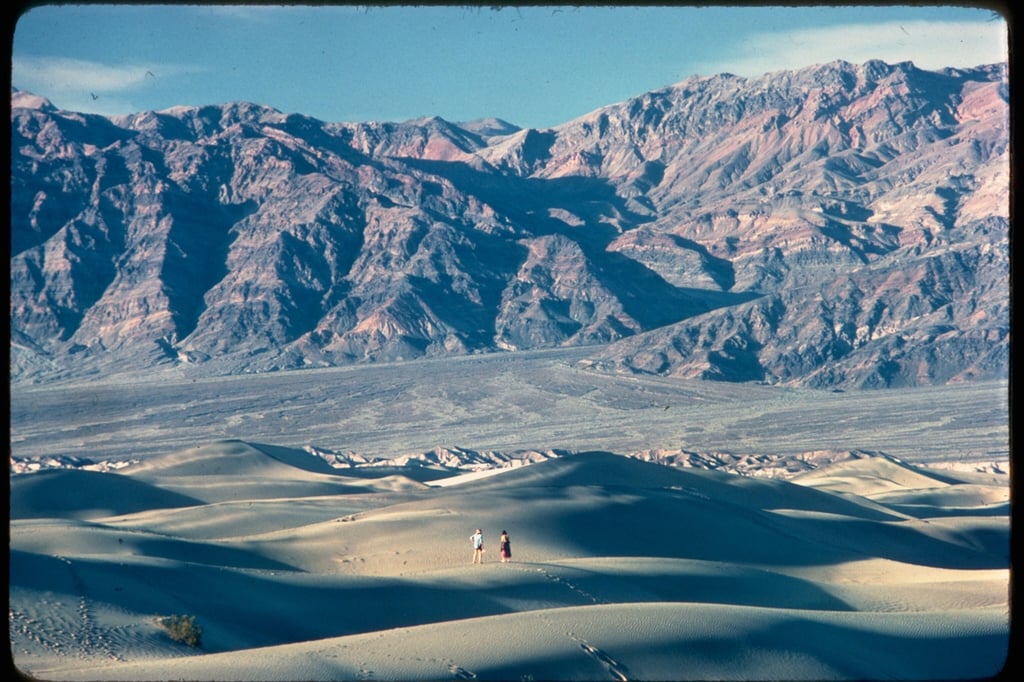
\n\tA superlative desert of streaming sand dunes, snow-capped mountains, multicolored rock layers, water-fluted canyons and three million acres of stone wilderness.
\n\t
\n\tPhoto credit to National Park Service
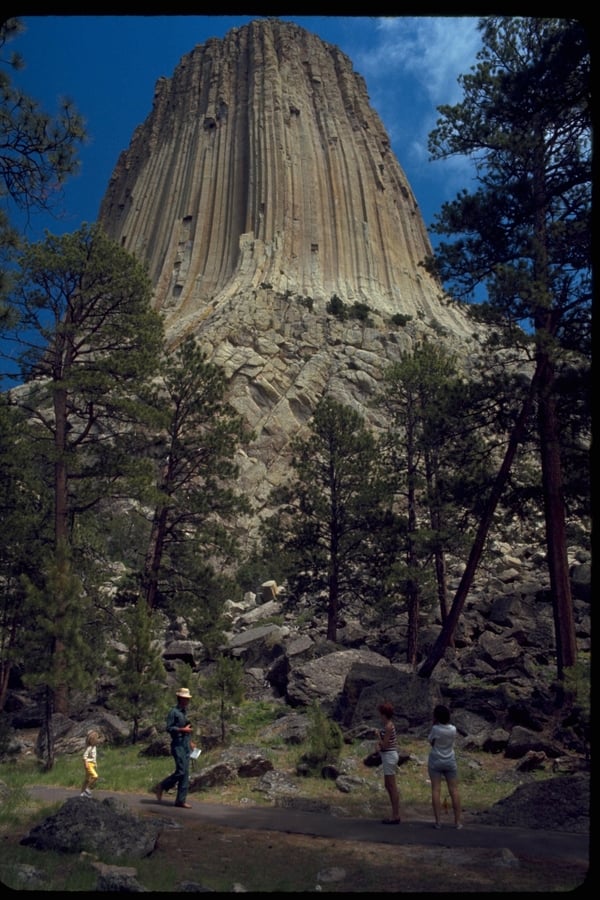
\n\tAmerica’s first national monument. Devils Tower rises 1267 feet above the Belle Fourche River.
\n\t
\n\tPhoto credit to National Park Service
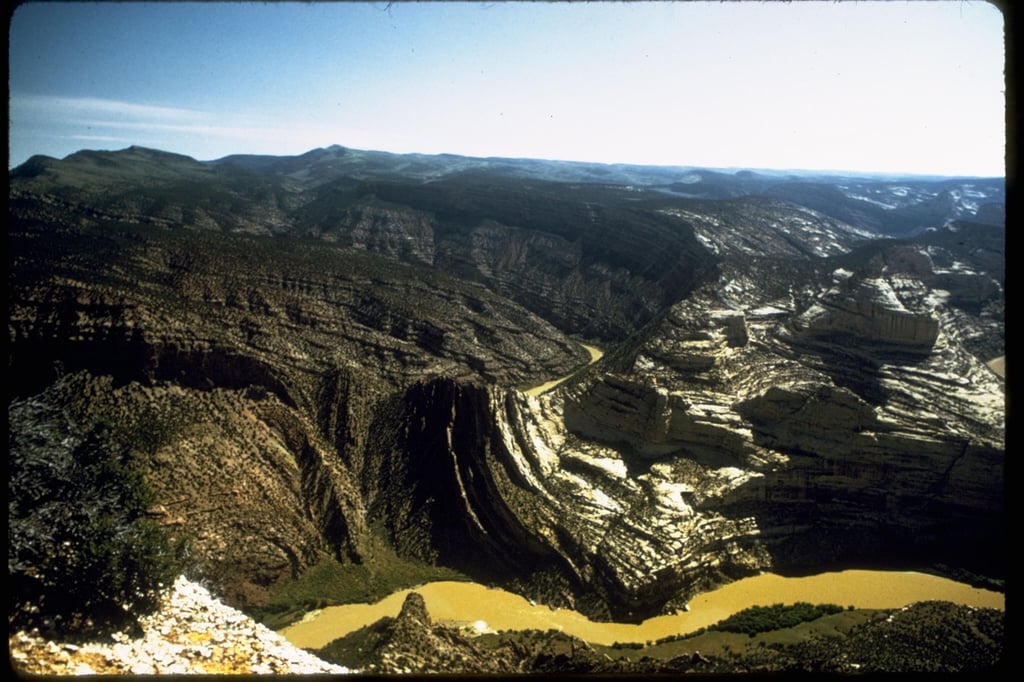
\n\tinosaur National Monument’s cultural history dates back 10,000 years. The Yampa and Green Rivers have provided water for survival in an arid country.
\n\t
\n\tPhoto credit to National Park Service
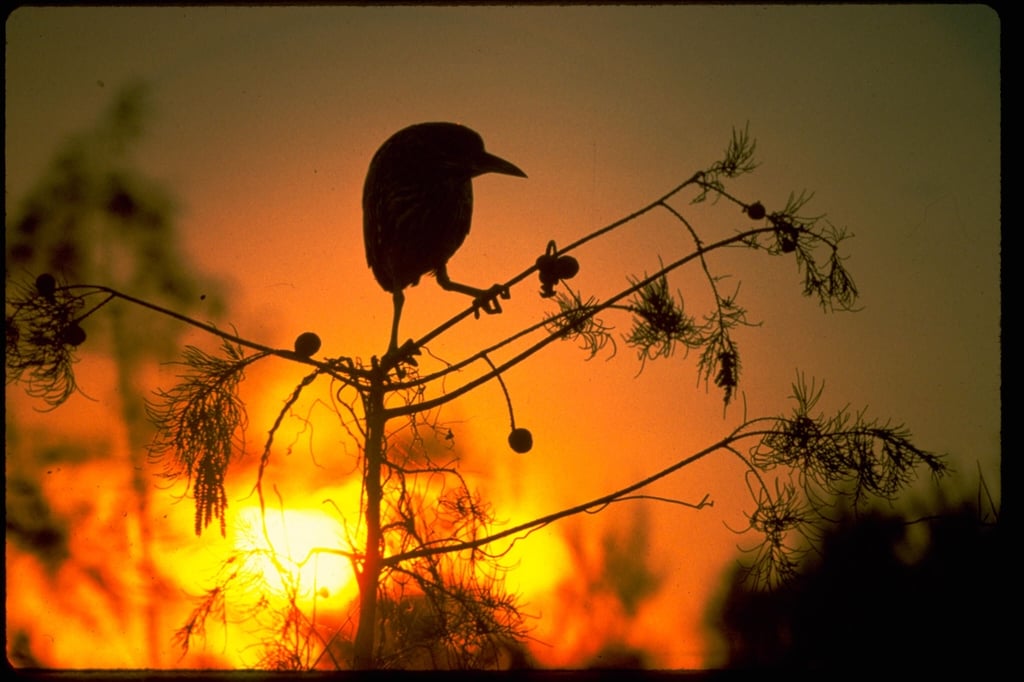
\n\tEverglades National Park, largest subtropical wilderness in the United States, boasts rare and endangered species.
\n\t
\n\tPhoto credit to National Park Service
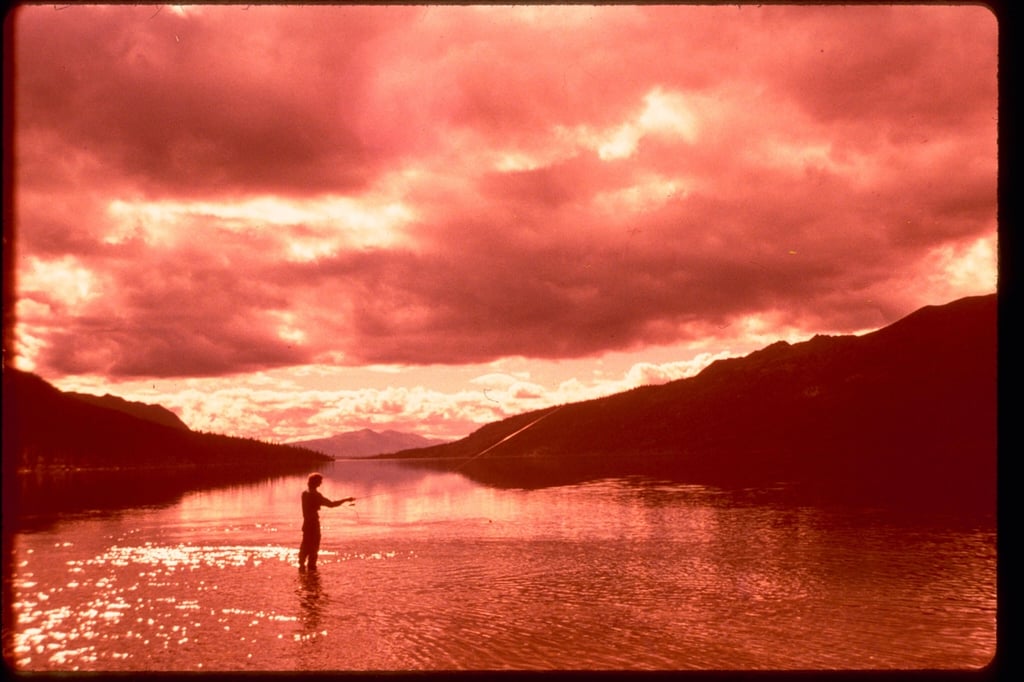
\n\tGates of the Arctic, in Alaska’s central Brooks Range, is a wilderness park accessible to backcountry travelers. The park has no signs, facilities, roads or trails – travel is by foot or boat (canoe, raft or kayak). Traveling through this vast wilderness you will discover craggy ridges, glacier carved valleys and fragile flowers.
\n\t
\n\tPhoto credit to National Park Service
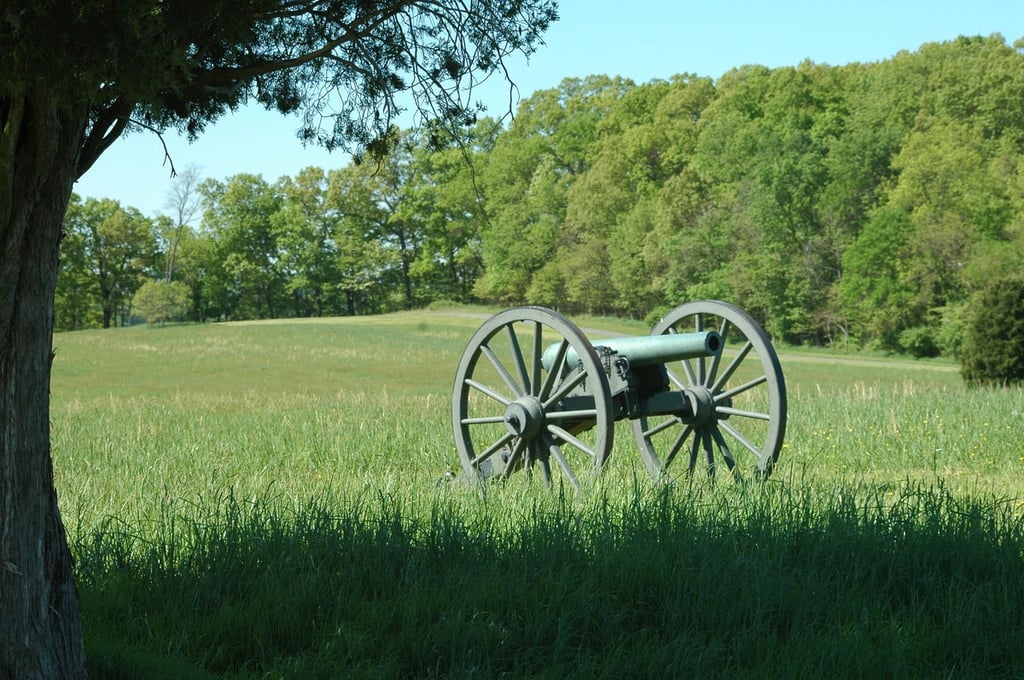
\n\tThe Battle of Gettysburg was a turning point in the Civil War, the Union victory in the summer of 1863 that ended General Robert E. Lee’s second and most ambitious invasion of the North.
\n\t
\n\tPhoto credit to National Park Service
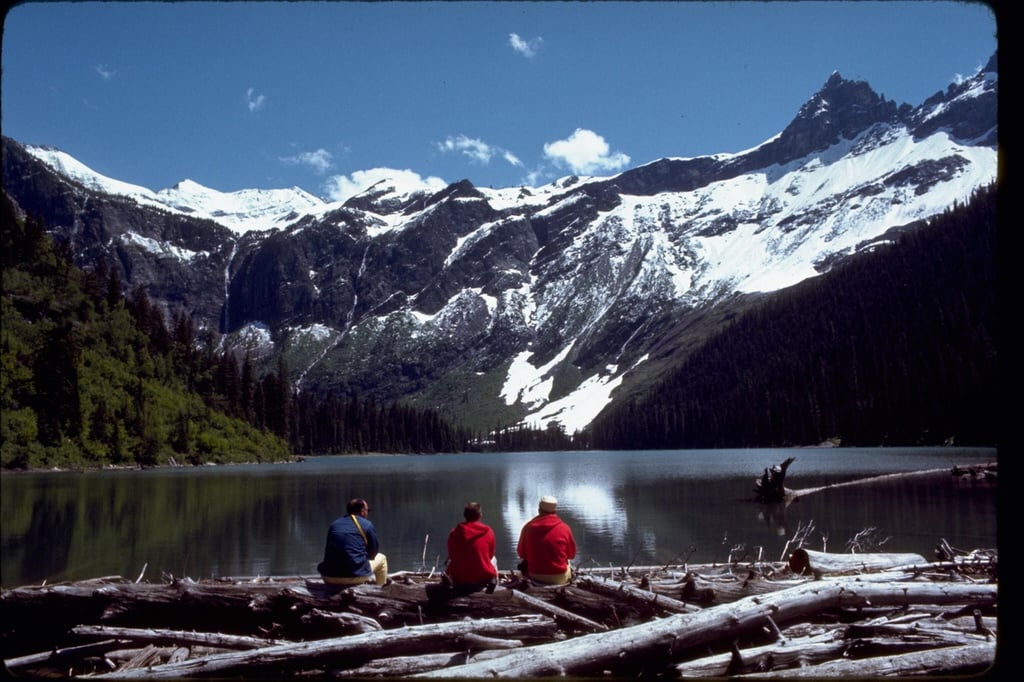
\n\tWith over 700 miles of trails, Glacier is a hiker’s paradise for adventurous visitors seeking wilderness and solitude.
\n\t
\n\tPhoto credit to National Park Service
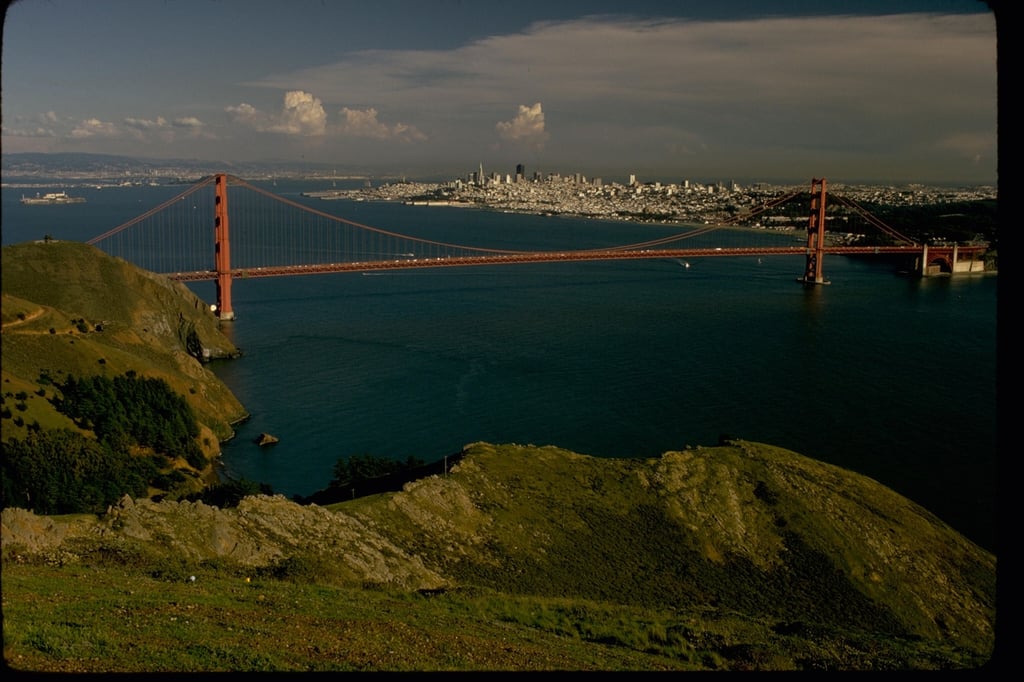
\n\tGolden Gate National Parks chronicle two hundred years of history, from the Native American culture, the Spanish Empire frontier and the Mexican Republic, to maritime history, the California Gold Rush, the evolution of American coastal fortifications, and the growth of urban San Francisco.
\n\t
\n\tPhoto credit to National Park Service
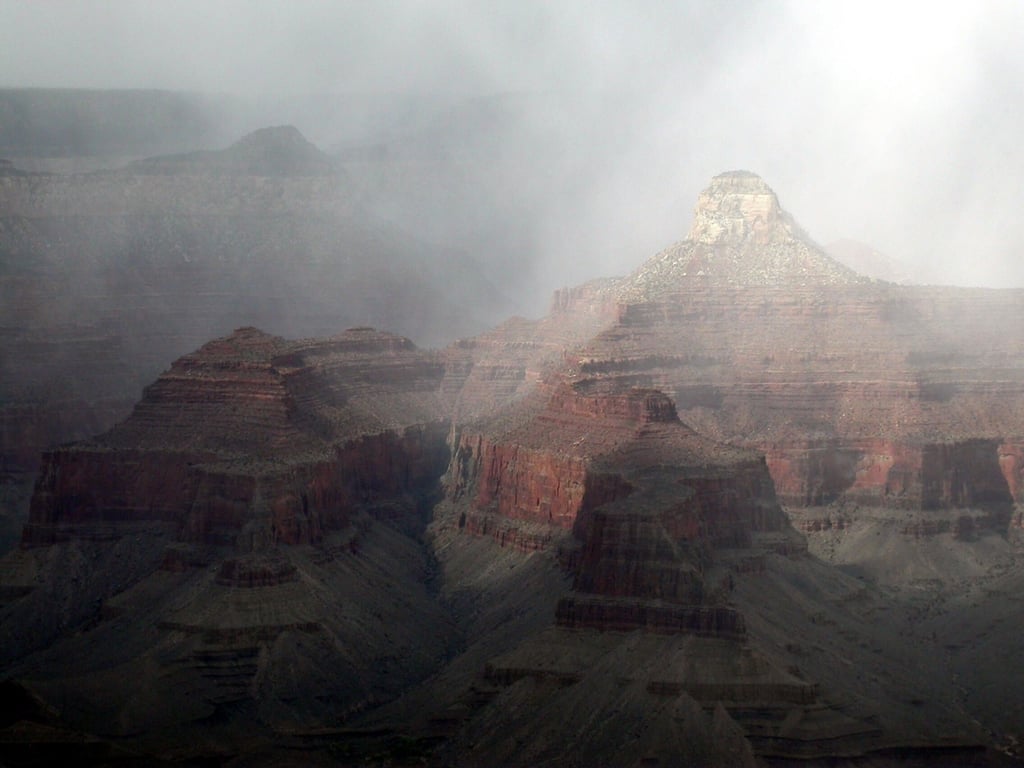
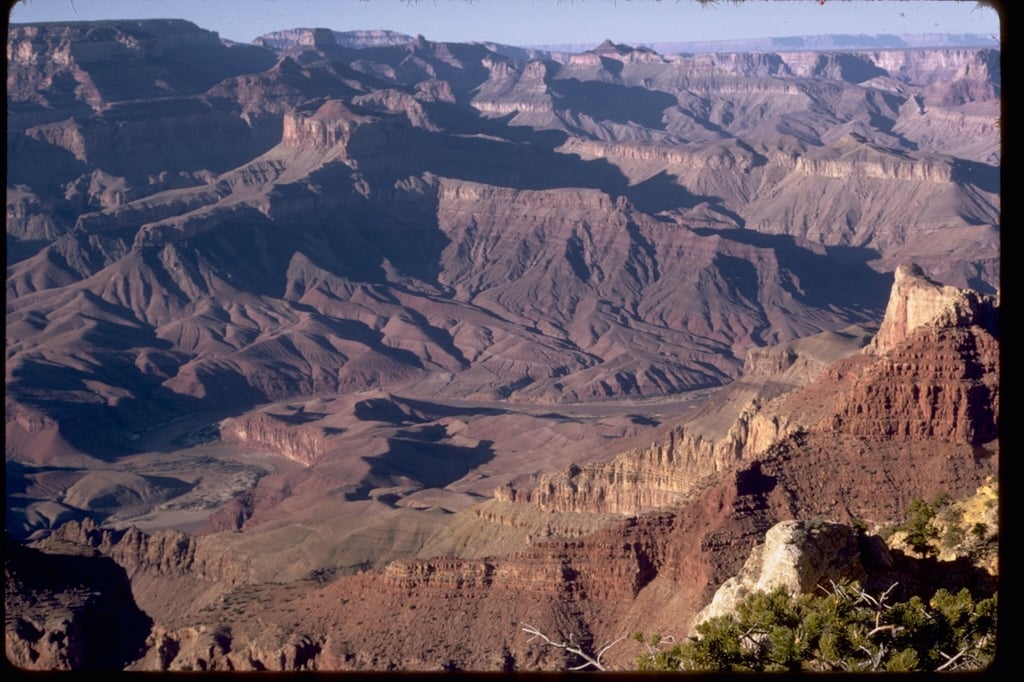
\n\tA powerful and inspiring landscape, the Grand Canyon overwhelms our senses through its immense size; 277 river miles (446km) long, up to 18 miles (29km) wide, and a mile (1.6km) deep.
\n\t
\n\tPhoto credit to National Park Service
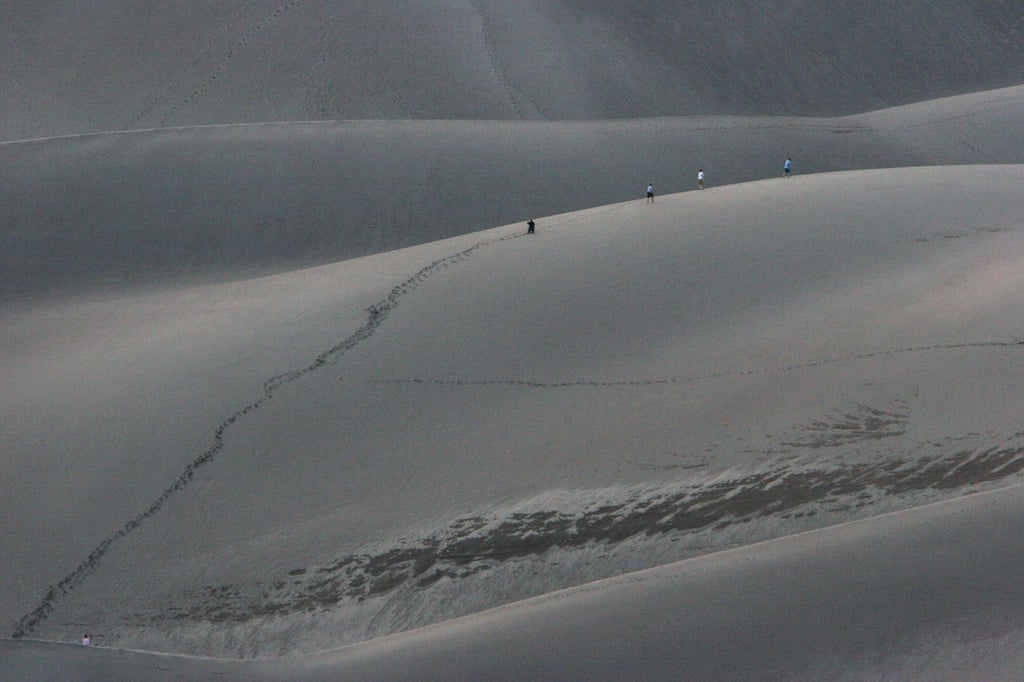
\n\tAlpine tundra, forests, massive dunes, grasslands, and wetlands are all protected as elements of the Great Sand Dunes natural system.
\n\t
\n\tPhoto credit to National Park Service
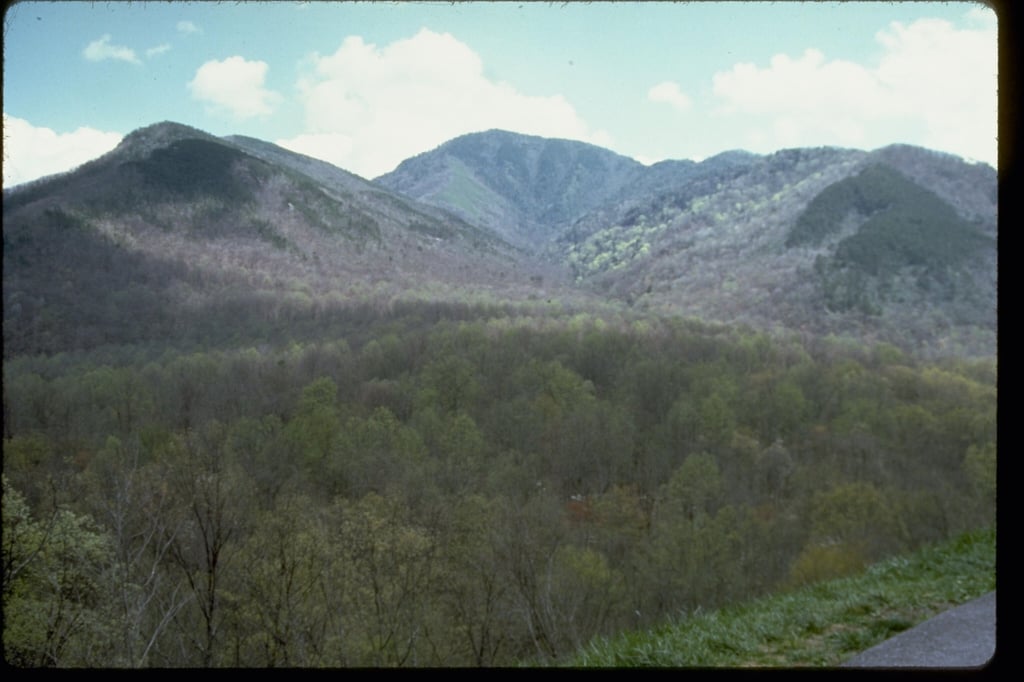
\n\tRidge upon ridge of forest straddles the border between North Carolina and Tennessee in Great Smoky Mountains National Park. World renowned for its diversity of plant and animal life, the beauty of its ancient mountains, and the quality of its remnants of Southern Appalachian mountain culture, this is America’s most visited national park.
\n\t
\n\tPhoto credit to National Park Service
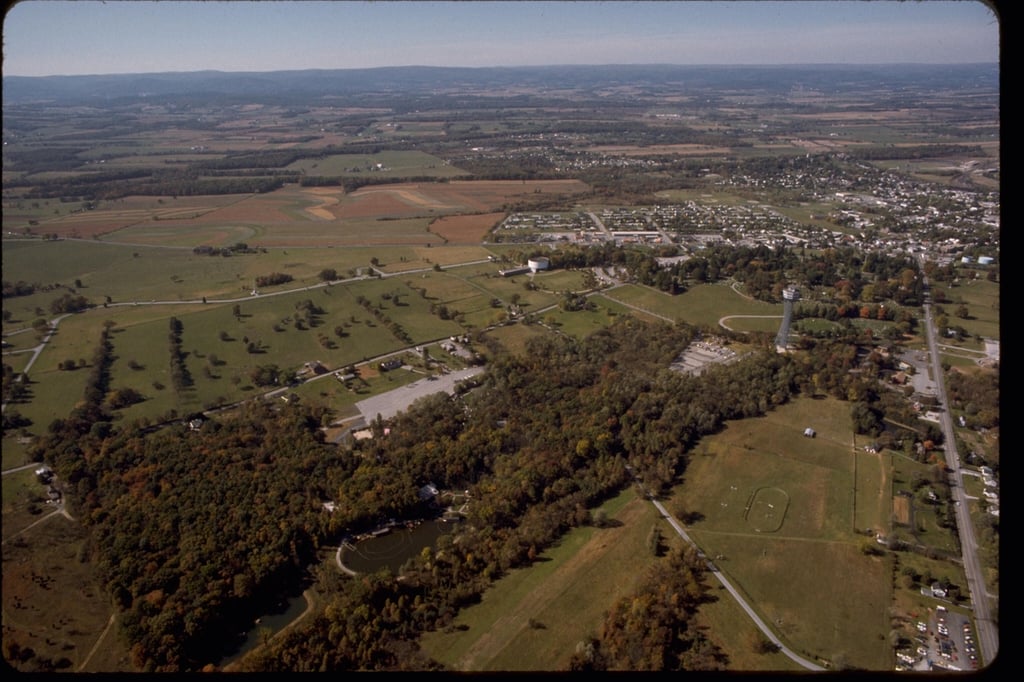
\n\tA visit to this quaint, historic community, at the confluence of the Potomac and Shenandoah Rivers, is like stepping into the past. Stroll the picturesque streets, visit exhibits and museums, or hike our trails and battlefields. There’s a wide variety of experiences for visitors of all ages, so come and discover Harpers Ferry.
\n\t
\n\tPhoto credit to National Park Service
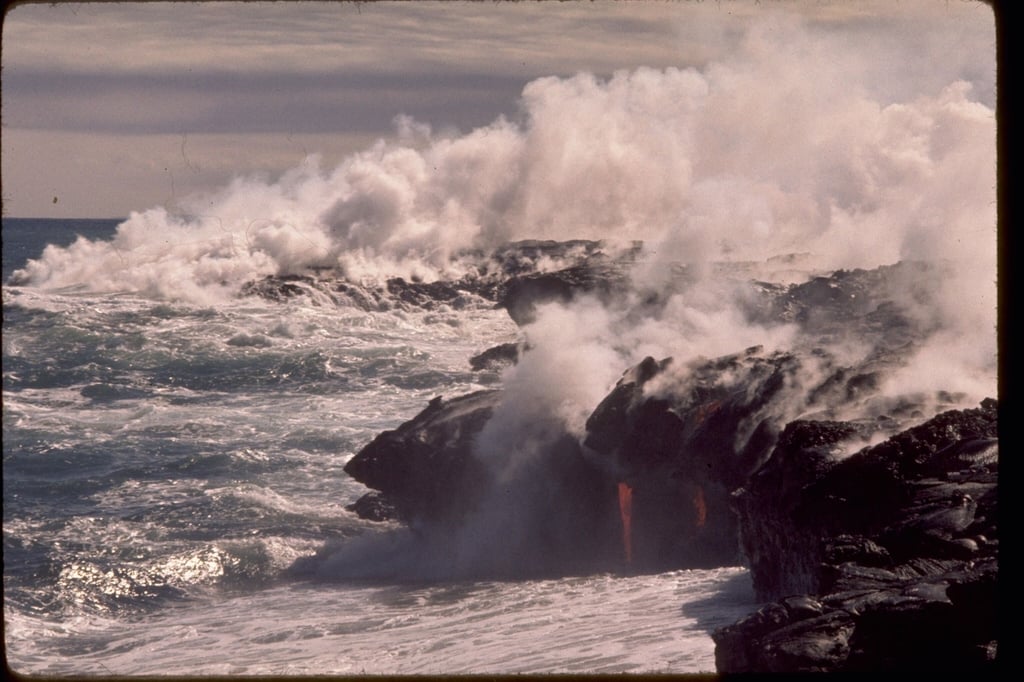
\n\tHawaii Volcanoes National Park displays the results of 70 million years of volcanism, migration, and evolution — processes that thrust a bare land from the sea and clothed it with unique ecosystems, and a distinct human culture.
\n\t
\n\tPhoto credit to National Park Service
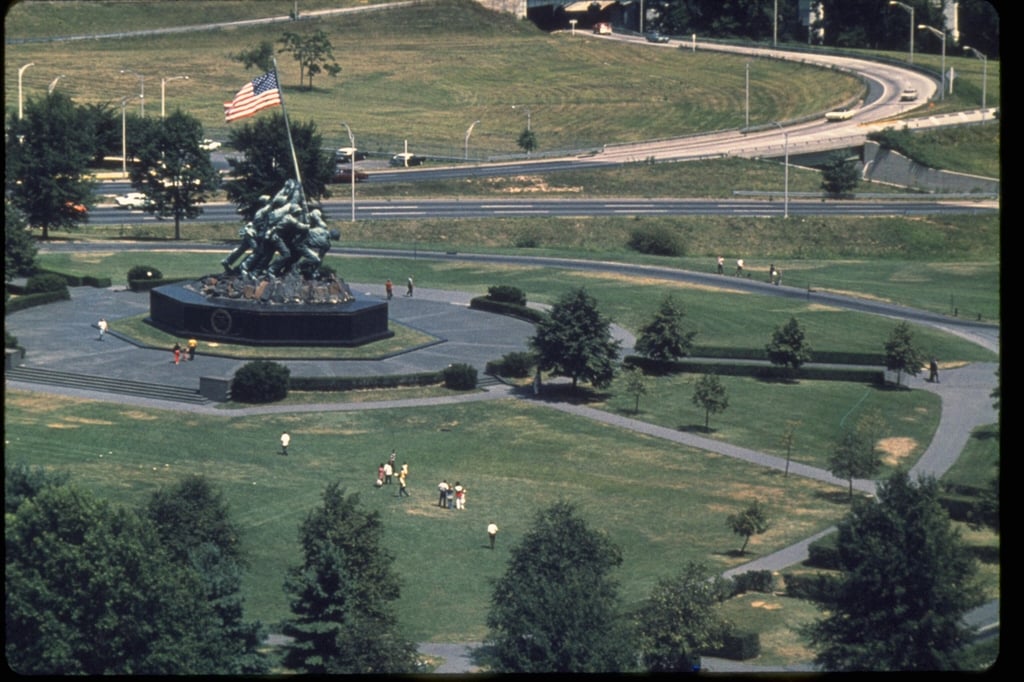
\n\tThe Marine Corps War Memorial stands as a symbol of this grateful Nation’s esteem for the honored dead of the U.S. Marine Corps. While the statue depicts one of the most famous incidents of World War II, the memorial is dedicated to all Marines who have given their lives in the defense of the United States since 1775.
\n\t
\n\tPhoto credit to National Park Service
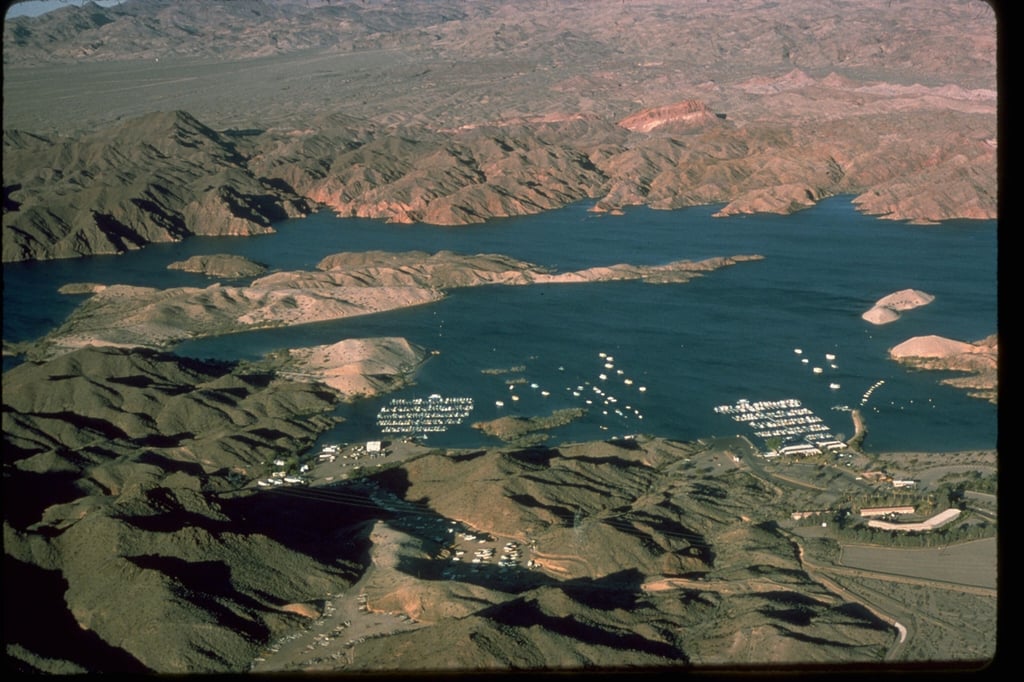
\n\tLake Mead National Recreation Area offers a wealth of things to do and places to go year-round.
\n\t
\n\tPhoto credit to National Park Service
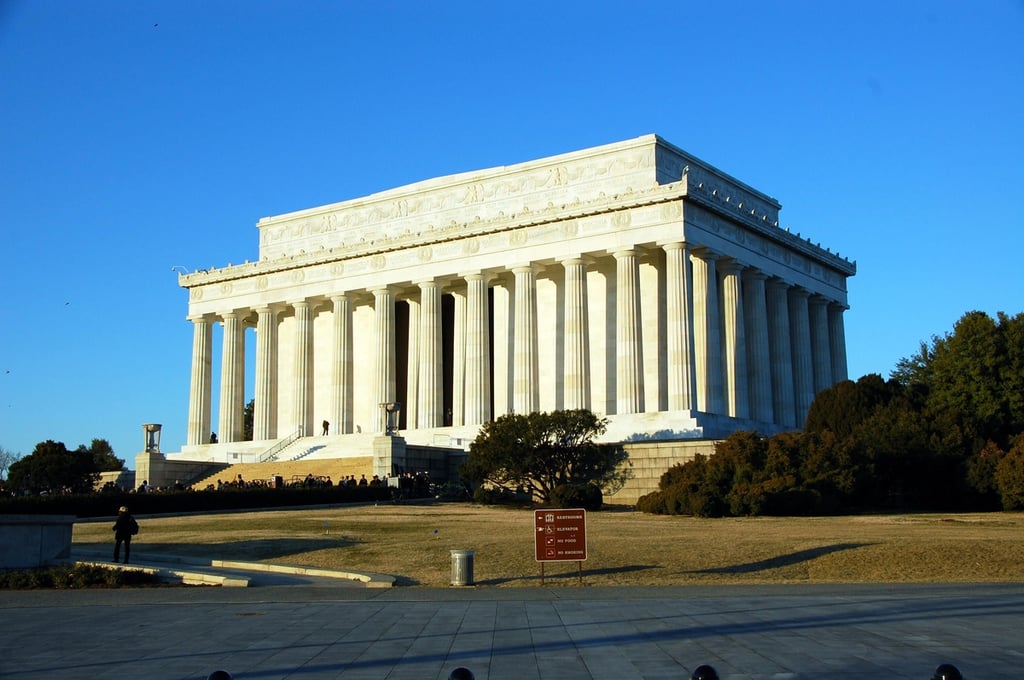
\n\tIn this temple, as in the hearts of the people for whom he saved the Union, the memory of Abraham Lincoln is enshrined forever.
\n\t
\n\tPhoto credit to National Park Service
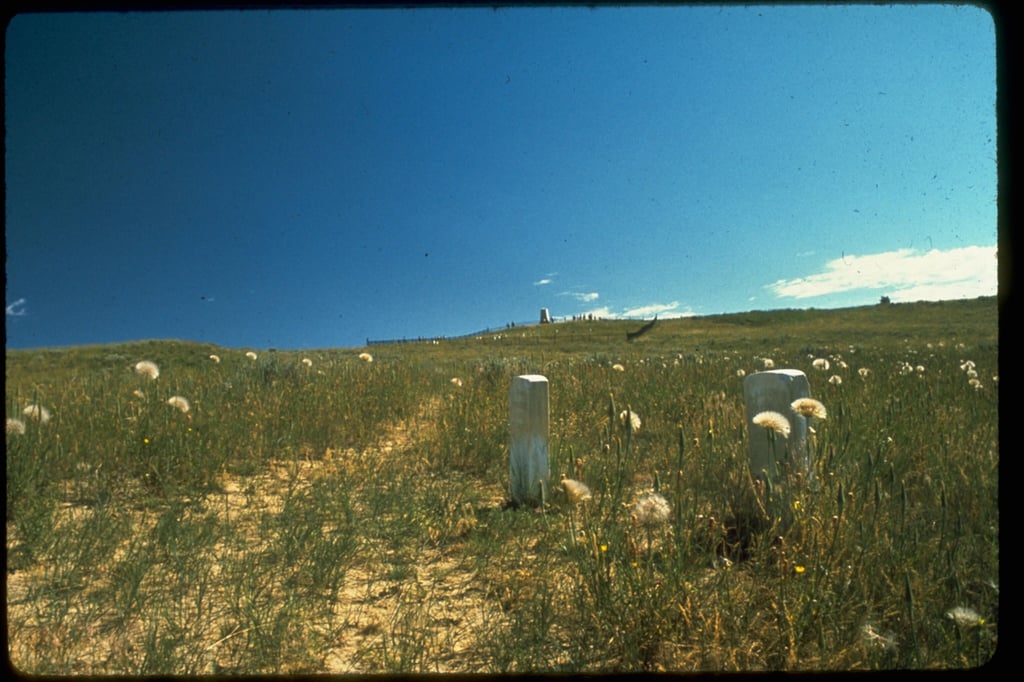
\n\tThis area memorializes one of the last armed efforts of the Northern Plains Indians to preserve their way of life. Here in 1876, 263 soldiers and attached personnel of the U.S. Army, including Lt. Col. George A. Custer, met death at the hands of several thousand Lakota and Cheyenne warriors.
\n\t
\n\tPhoto credit to National Park Service
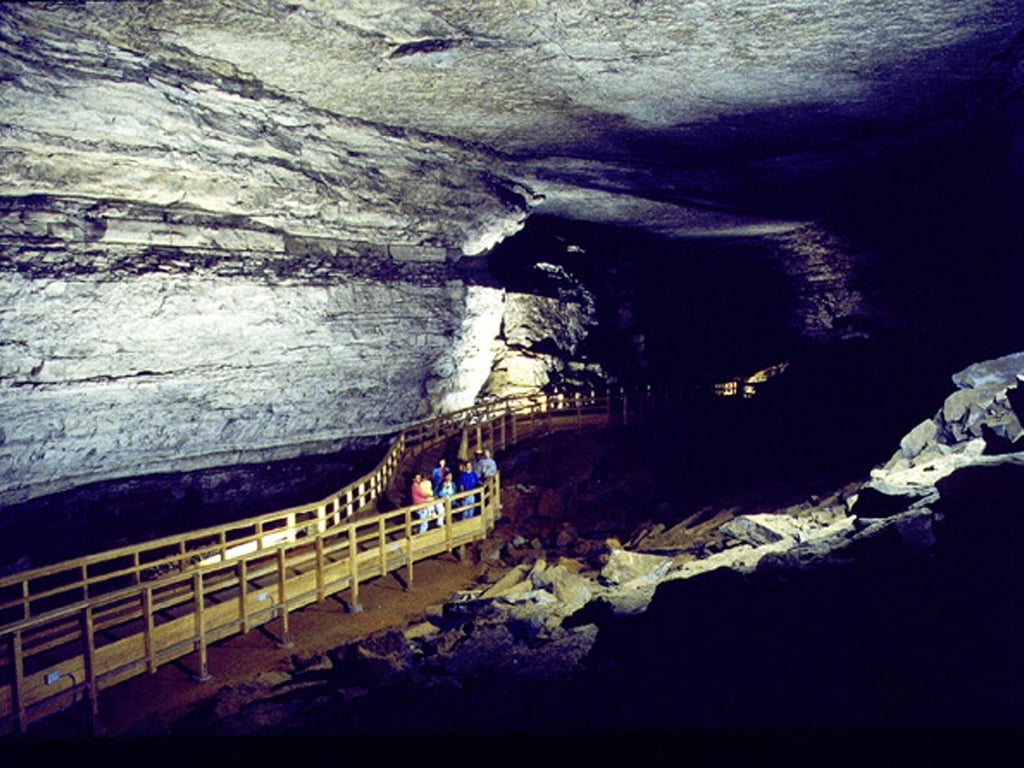
\n\tMammoth Cave National Park preserves the cave system and a part of the Green River valley and hilly country of south central Kentucky. This is the world’s longest cave system, with more than 365 miles explored.
\n\t
\n\tPhoto credit to National Park Service
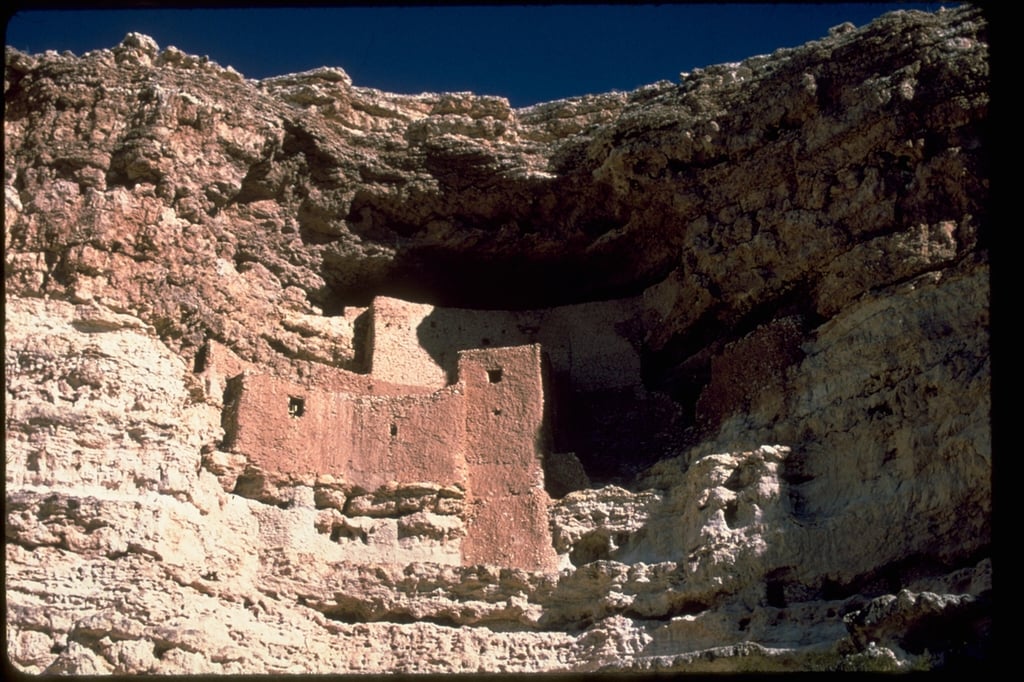
\n\tGaze through the windows of the past into one of the best preserved cliff dwellings in North America. This 20 room high-rise apartment, nestled into a towering limestone cliff, tells a 1,000 year-old story of ingenuity and survival in an unforgiving desert landscape.
\n\t
\n\tPhoto credit to National Park Service
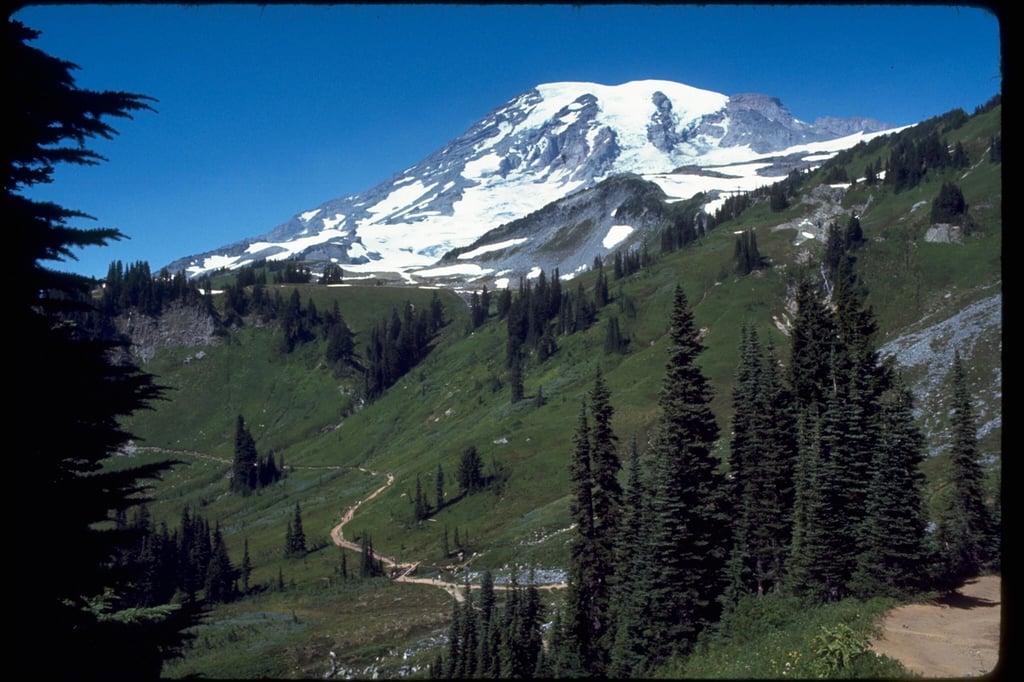
\n\tThis greatest single-peak glacial system in the United States radiates from the summit and slopes of an acient volvano, with dense forests and subalpine flowered meadows below.
\n\t
\n\tPhoto credit to National Park Service
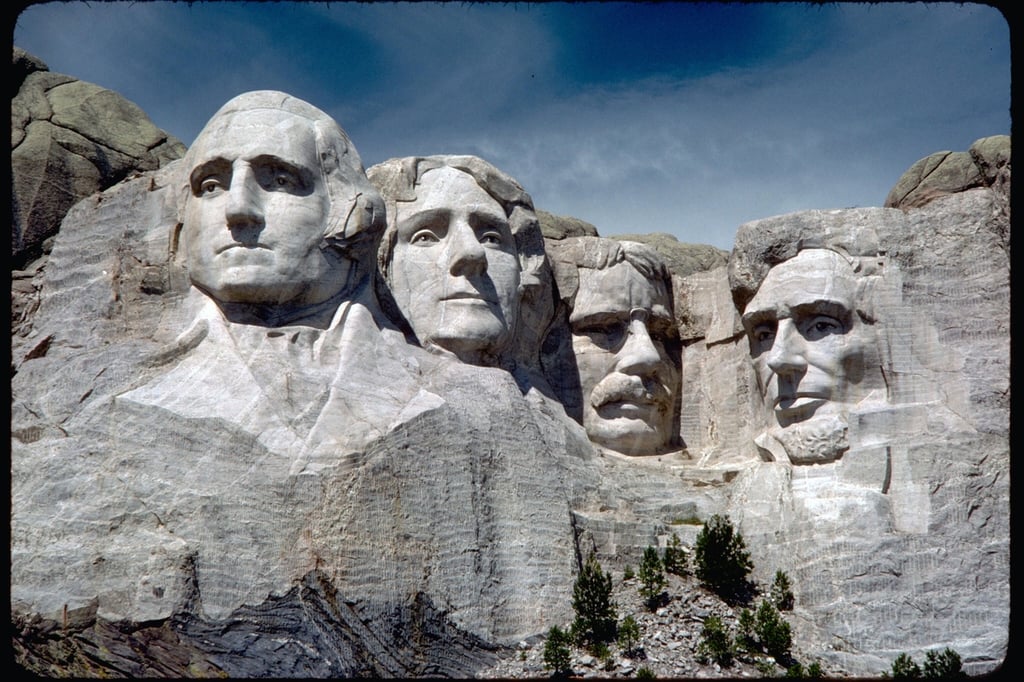
\n\tColossal heads of Presidents George Washington, Thomas Jefferson, Theodore Roosevelt, and Abraham Lincoln were sculpted by Gutzon Borglum on the face of a granite mountain.
\n\t
\n\tPhoto credit to National Park Service
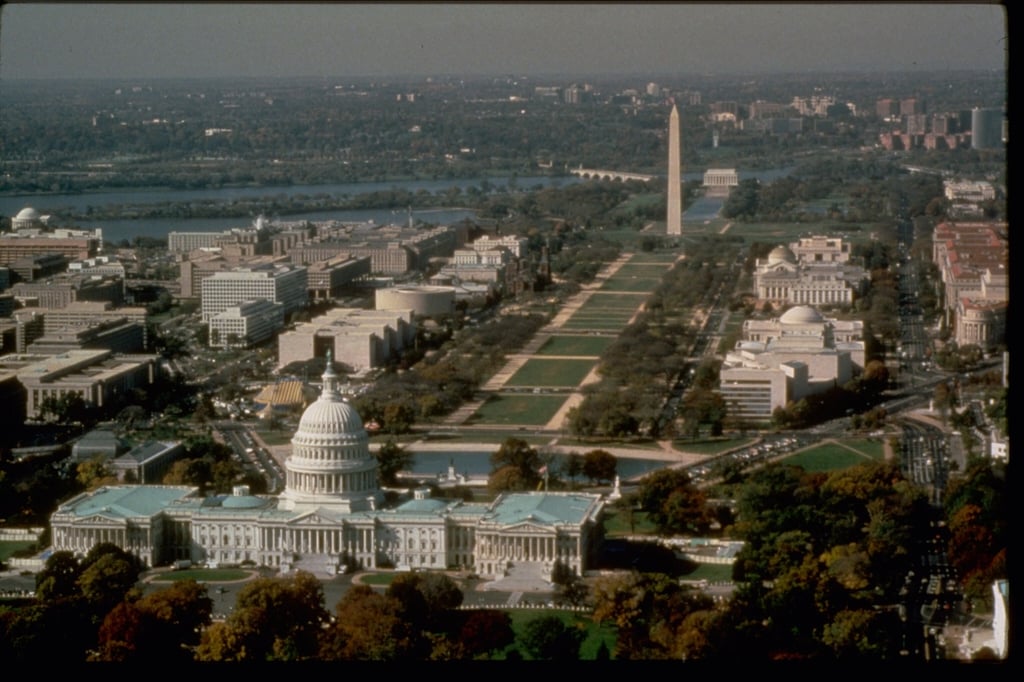
\n\tOfficially established in 1965, National Mall and Memorial Parks actually protects some of the older parkland in the National Park System. Areas within this premier park provide visitors with ample opportunities to commemorate presidential legacies; honor the courage and sacrifice of war veterans; and celebrate the United States commitment to freedom and equality.
\n\t
\n\tPhoto credit to National Park Service
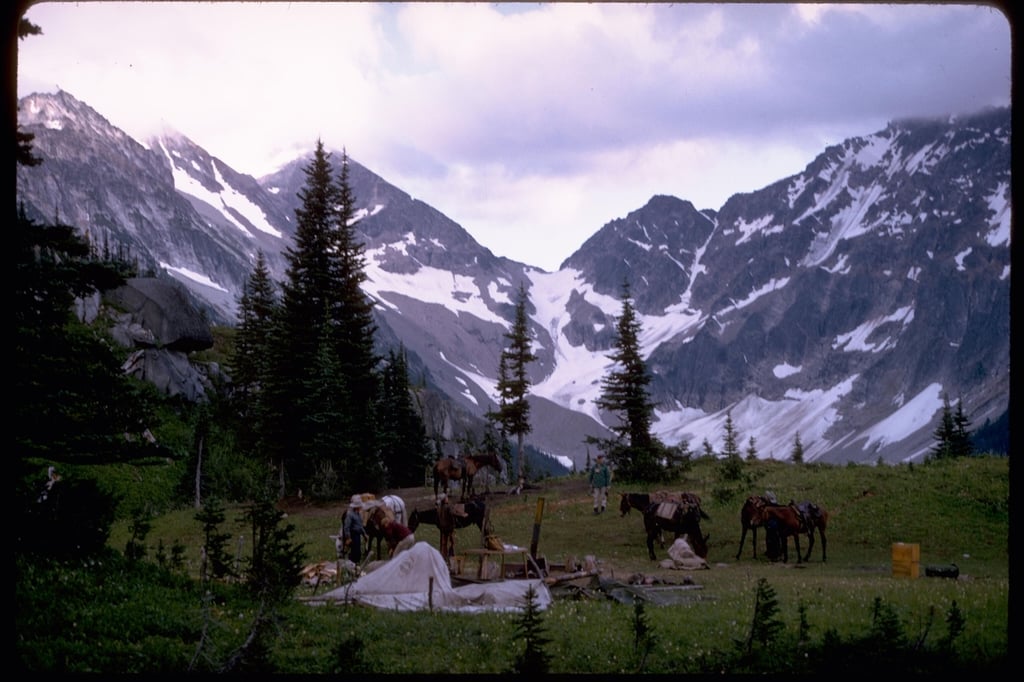
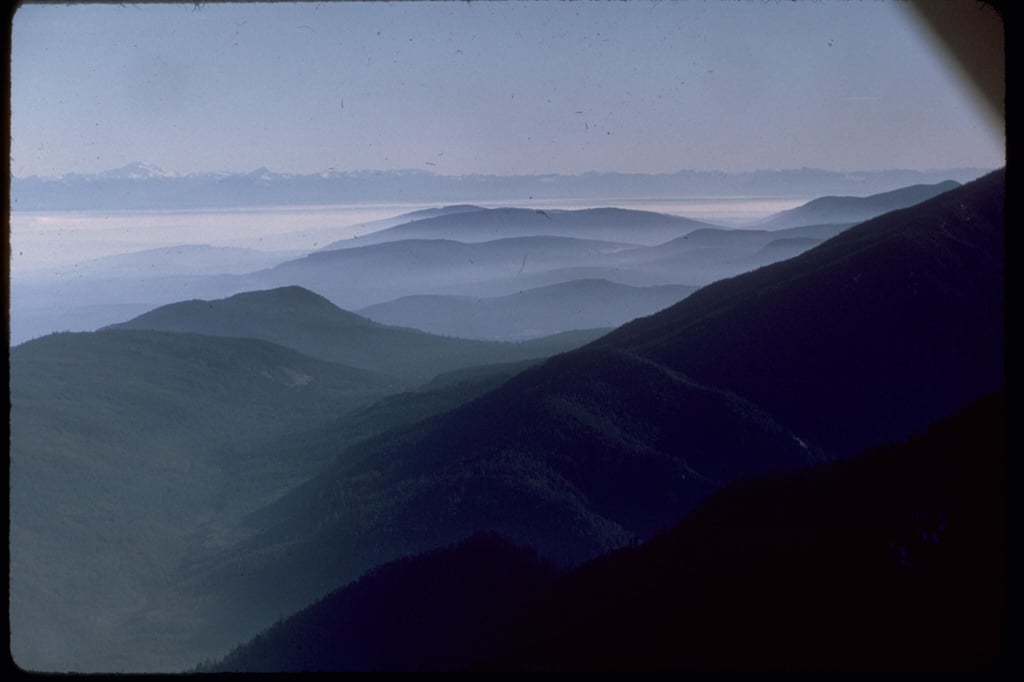
\n\tNorth Cascades National Park Service Complex Washington Jagged peaks, deep valleys, cascading waterfalls and over 300 glaciers adorn the North Cascades National Park Service Complex.
\n\t
\n\tPhoto credit to National Park Service
\n\tHere you will find Pacific Ocean beaches, rain forest valleys, glacier-capped peaks and a stunning variety of plants and animals. Roads provide access to the outer edges of the park, but the heart of Olympic is wilderness; a primeval sanctuary for humans and wild creatures alike.
\n\t
\n\tPhoto credit to National Park Service
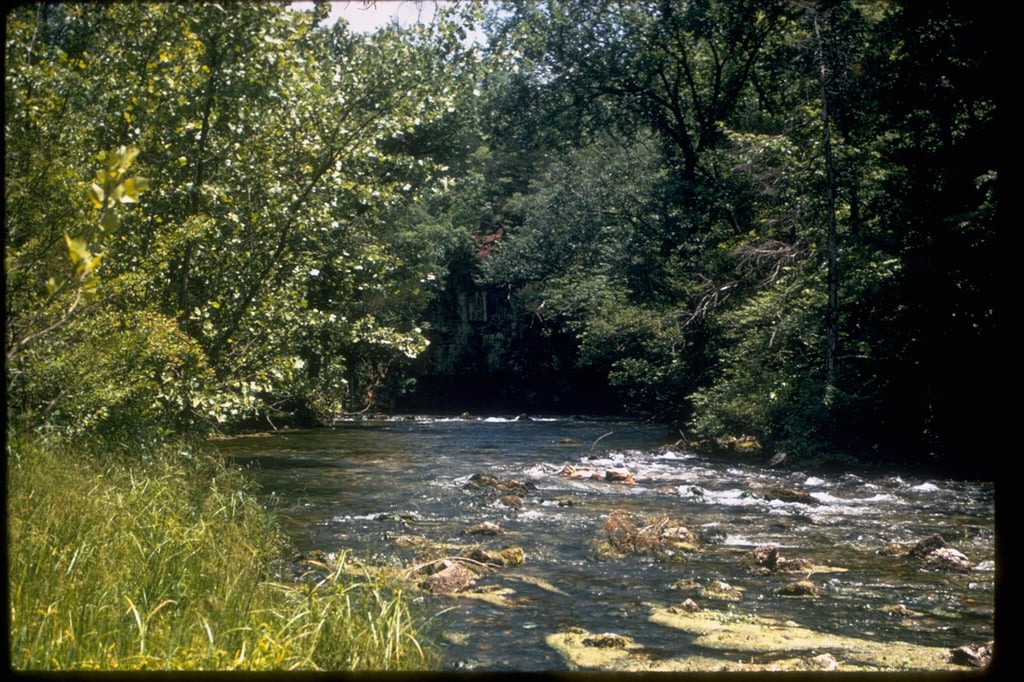
\n\tTwo of America’s clearest and most beautiful spring-fed rivers make up the Ozark National Scenic Riverways, the first national park area to protect a wild river system. The Current and Jacks Fork Rivers wind through a landscape of rugged hills and towering bluffs.
\n\t
\n\tPhoto credit to National Park Service
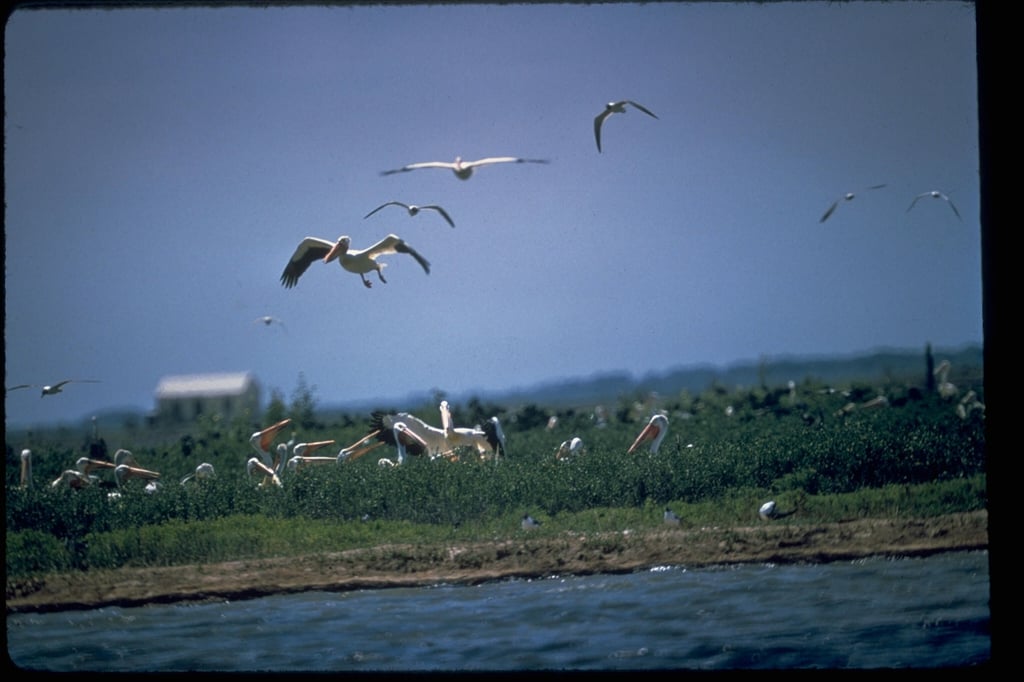
\n\tLocated along the south Texas coast, Padre Island National Seashore protects the longest undeveloped stretch of barrier island in the world. Here, you can enjoy 70 miles of sandy beaches, wind-carved dunes, vast grasslands, fragile tidal flats, and warm, near shore waters.
\n\t
\n\tPhoto credit to National Park Service
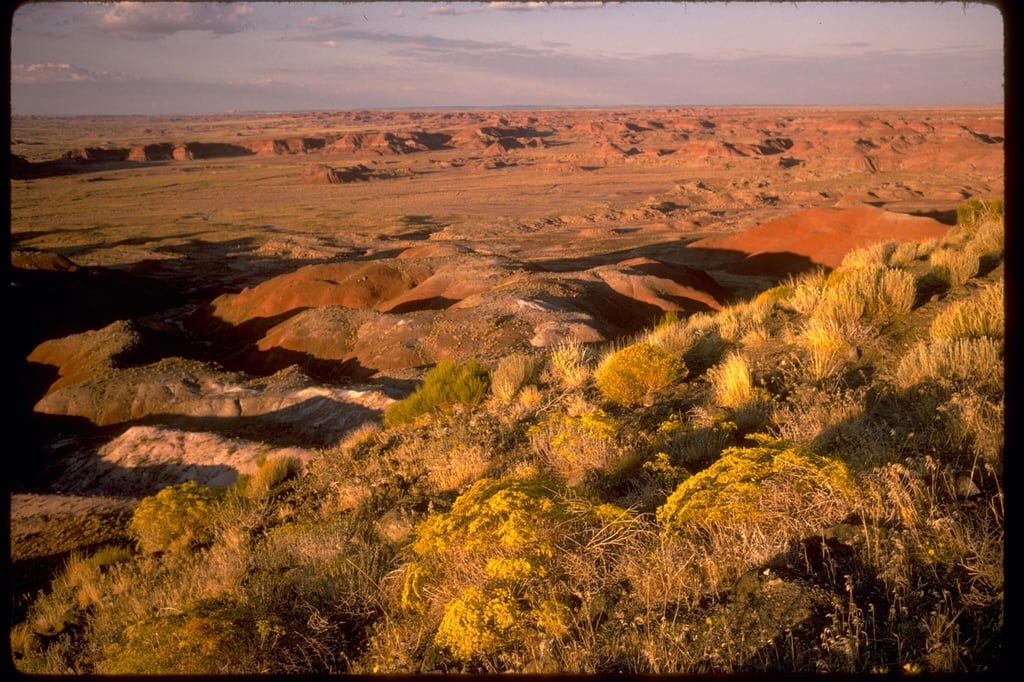
\n\tWith one of the world’s largest and most colorful concentrations of petrified wood, multi-hued badlands of the Painted Desert, historic structures, archeological sites, and displays of over 200-million-year-old fossils, this is a surprising land of scenic wonders and fascinating science.
\n\t
\n\tPhoto credit to National Park Service
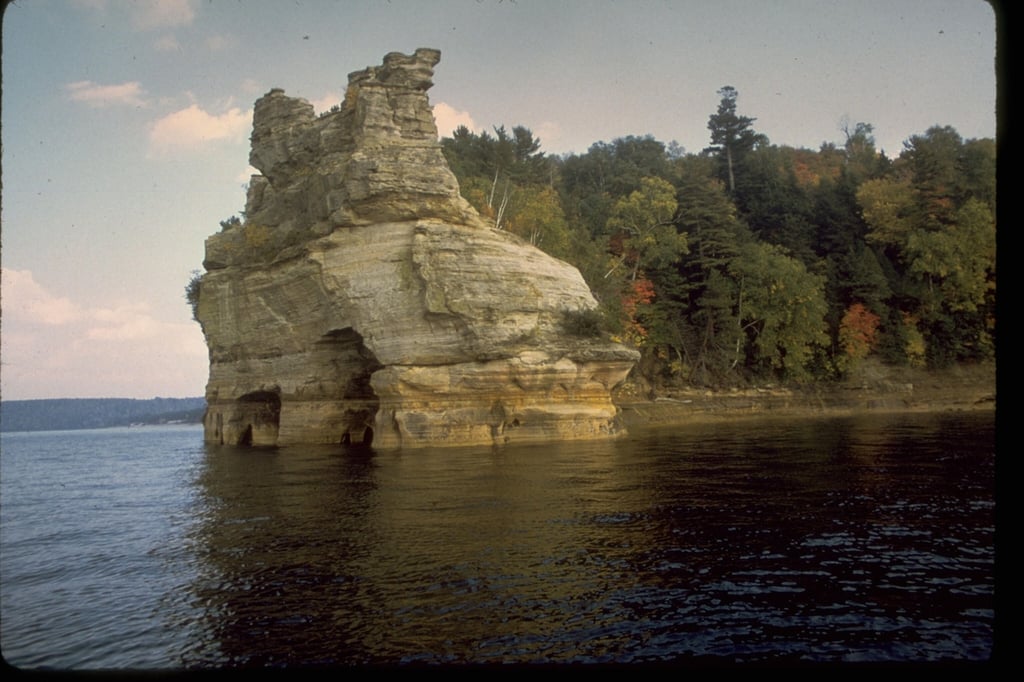
\n\tSandstone cliffs, beaches, sand dunes, waterfalls, lakes, forest, and shoreline beckon you to visit Pictured Rocks National Lakeshore.
\n\t
\n\tPhoto credit to National Park Service
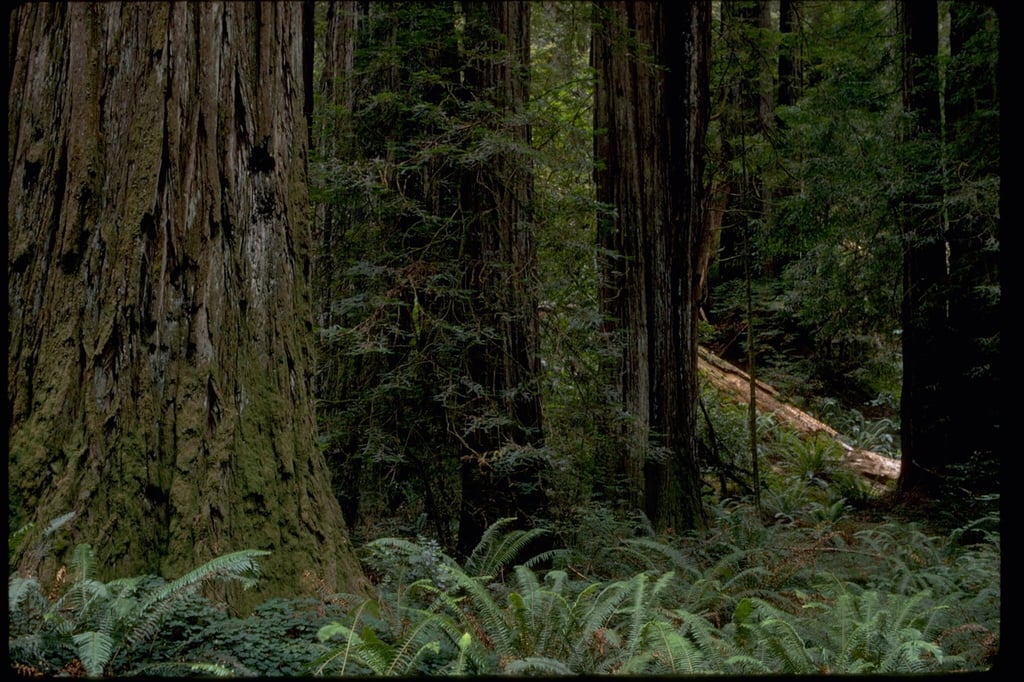
\n\tCoastal redwood forests with virgin groves of ancient trees, including the world’s tallest, thrive in the foggy and temperate climate. The park includes 40 miles of scenic Pacific coastline.
\n\t
\n\tPhoto credit to National Park Service
\n\tThis living showcase of the grandeur of the Rocky Mountains, with elevations ranging from 8,000 feet in the wet, grassy valleys to 14,259 feet at the weather-ravaged top of Longs Peak, provides visitors with opportunities for countless breathtaking experiences and adventures.
\n\t
\n\tPhoto credit to National Park Service
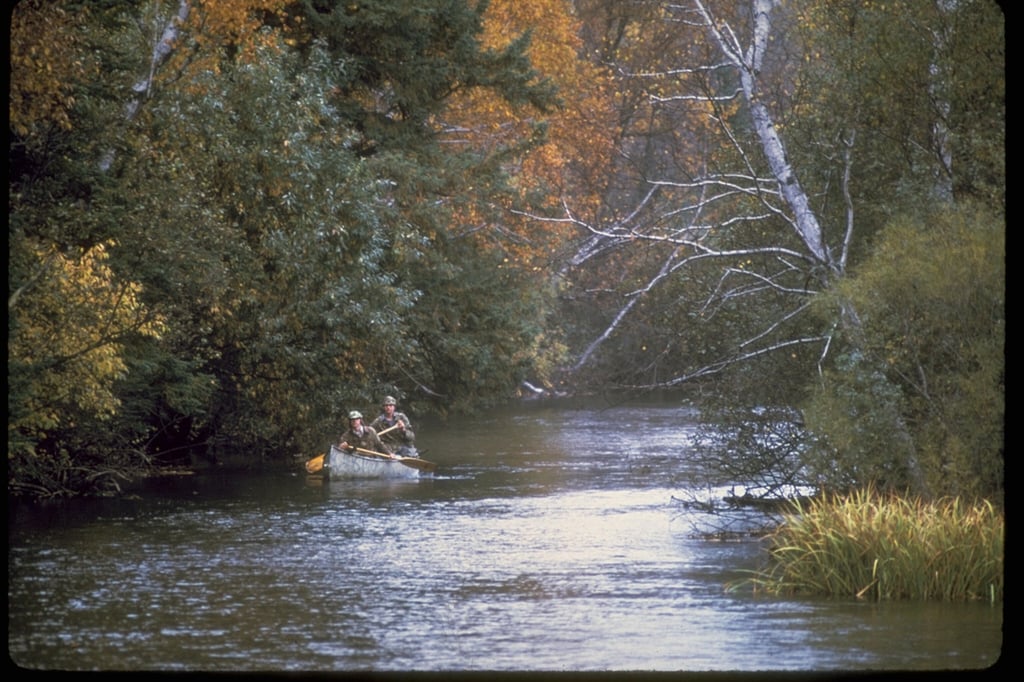
\n\tThe St. Croix and Namekagon Rivers offer 252 miles of clean water gliding past a lush green landscape, with glimpses of a human presence.
\n\t
\n\tPhoto credit to National Park Service
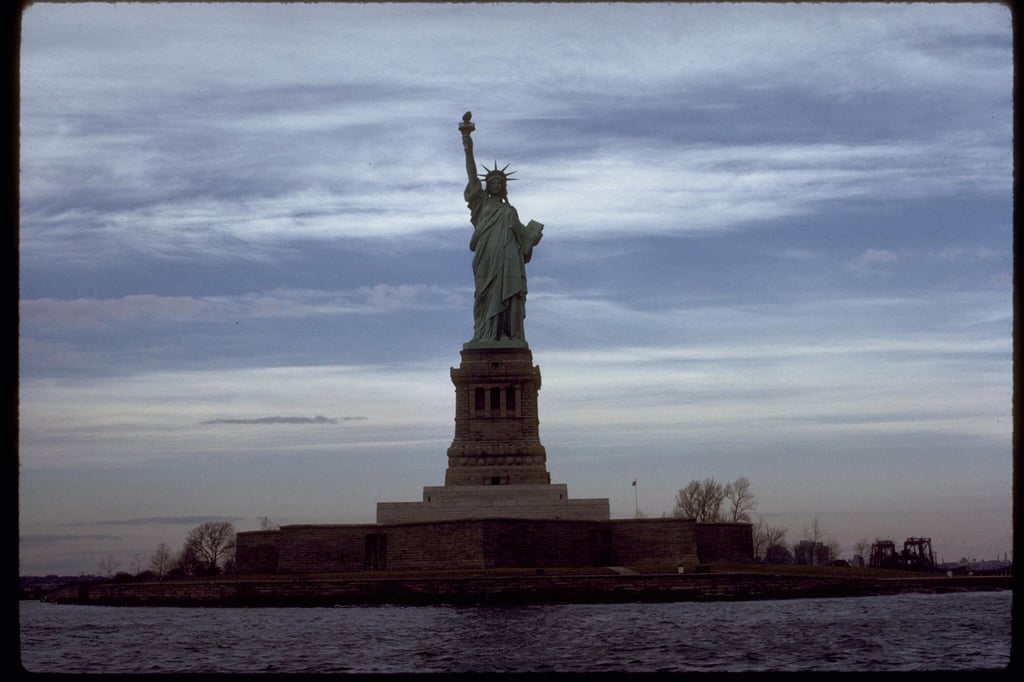
\n\tLocated on a 12 acre island, the Statue of Liberty Enlightening the World was a gift of friendship from the people of France to the people of the United States and is a universal symbol of freedom and democracy.
\n\t
\n\tPhoto credit to National Park Service
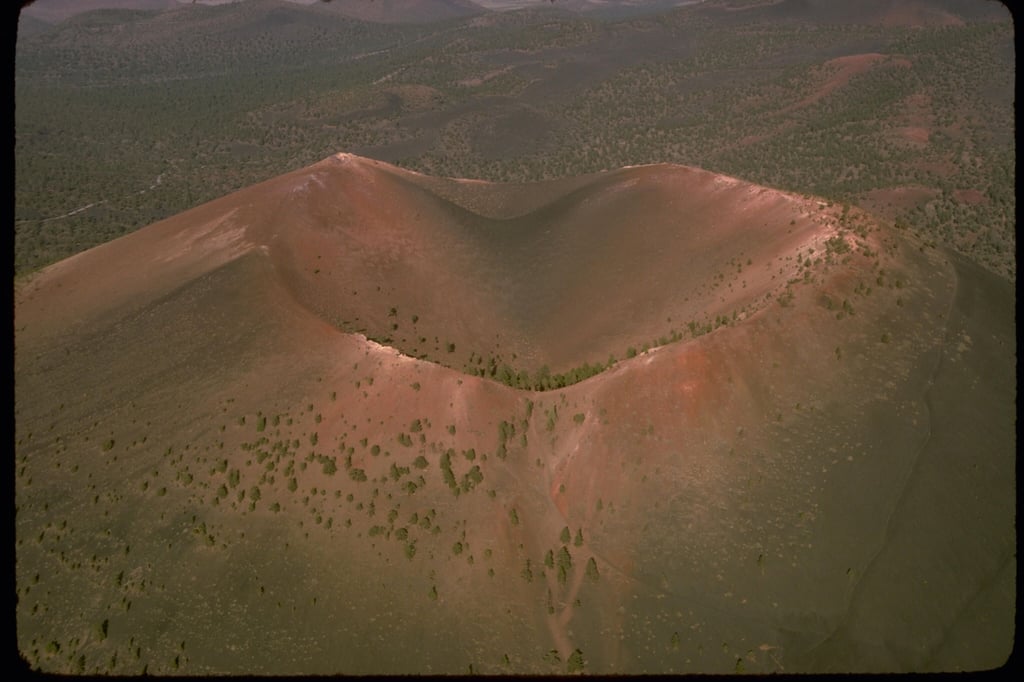
\n\tSunset Crater Volcano was born in a series of eruptions sometime between 1040 and 1100.
\n\t
\n\tPhoto credit to National Park Service
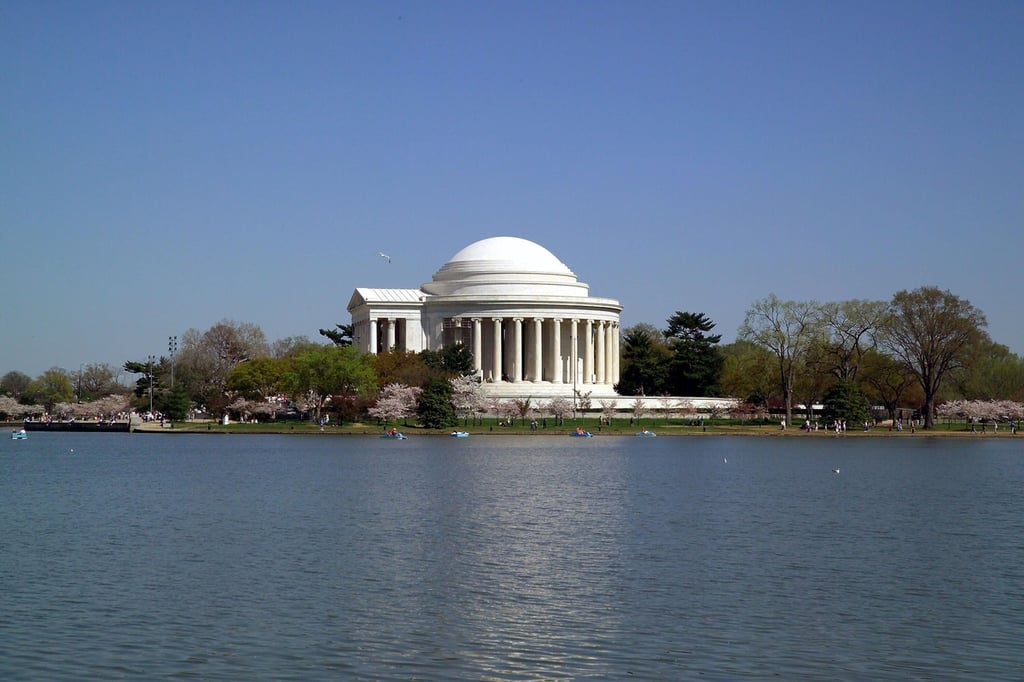
\n\tThe words of Thomas Jefferson, some written more than 200 years ago, have shaped American ideals. Today, many of these impressive, stirring words adorn the interior walls of his memorial. The Thomas Jefferson Memorial stands as a symbol of liberty and endures as a site for reflection and inspiration for all citizens of the United States and the world.
\n\t
\n\tPhoto credit to National Park Service
\n\tThe United States Capitol is a building that serves as the seat of government for the United States Congress, the legislative branch of the U.S. federal government. It is located in Washington, D.C., on top of Capitol Hill at the eastern end of the National Mall.
\n\t
\n\tPhoto credit to National Park Service
\n\tThe USS Arizona Memorial at Pearl Harbor is “ground zero” where World War II began for the United States. The event where Admiral Isoroku Yamamoto stated: “I fear all we have done is to awaken a sleeping giant…”
\n\t
\n\tPhoto credit to National Park Service
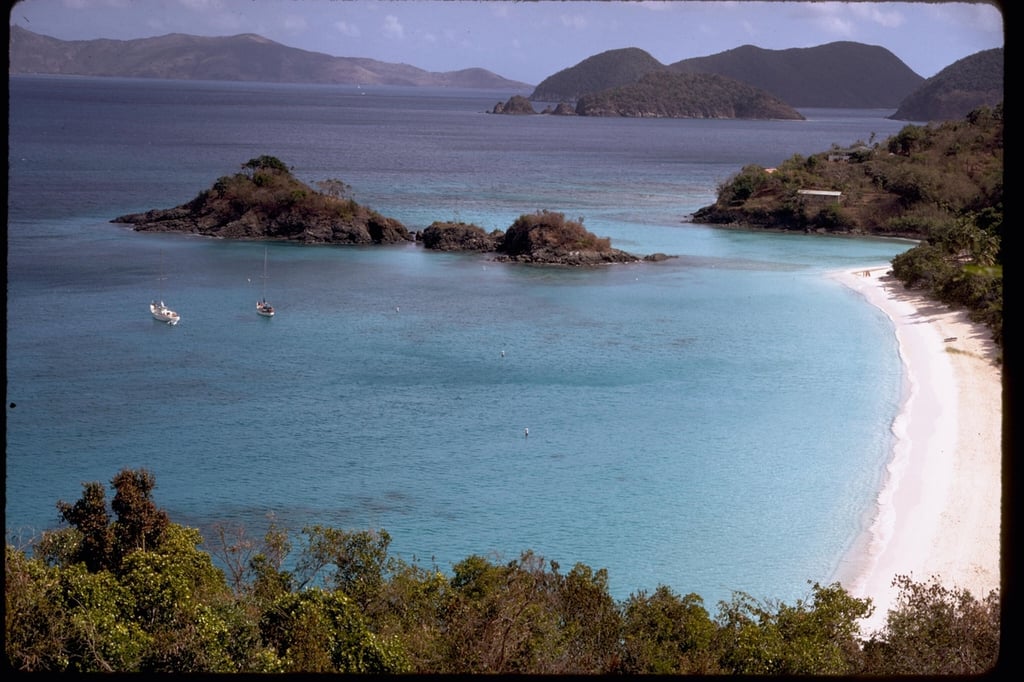
\n\tVirgin Islands National Park’s hills, valleys and beaches are breath-taking. However, within its 7,000 plus acres on the island of St. John is the complex history of civilizations – both free and enslaved – dating back more than a thousand years, all who utilized the land and the sea for survival.
\n\t
\n\tPhoto credit to National Park Service
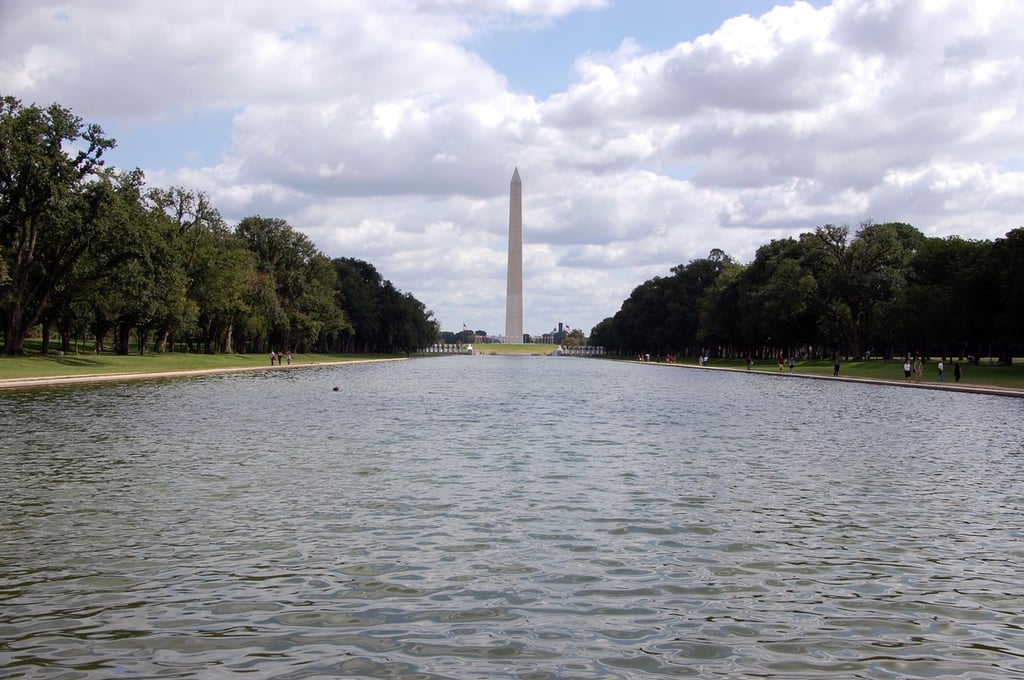
\n\tThe Washington Monument is the most prominent structure in Washington, D.C. and one of the city’s early attractions.
\n\t
\n\tPhoto credit to National Park Service
\n\tThroughout the years President’s Park has served many purposes from bosk to bivouac, from a field for infantry drills to a place for inaugural celebrations.
\n\t
\n\tPhoto credit to National Park Service
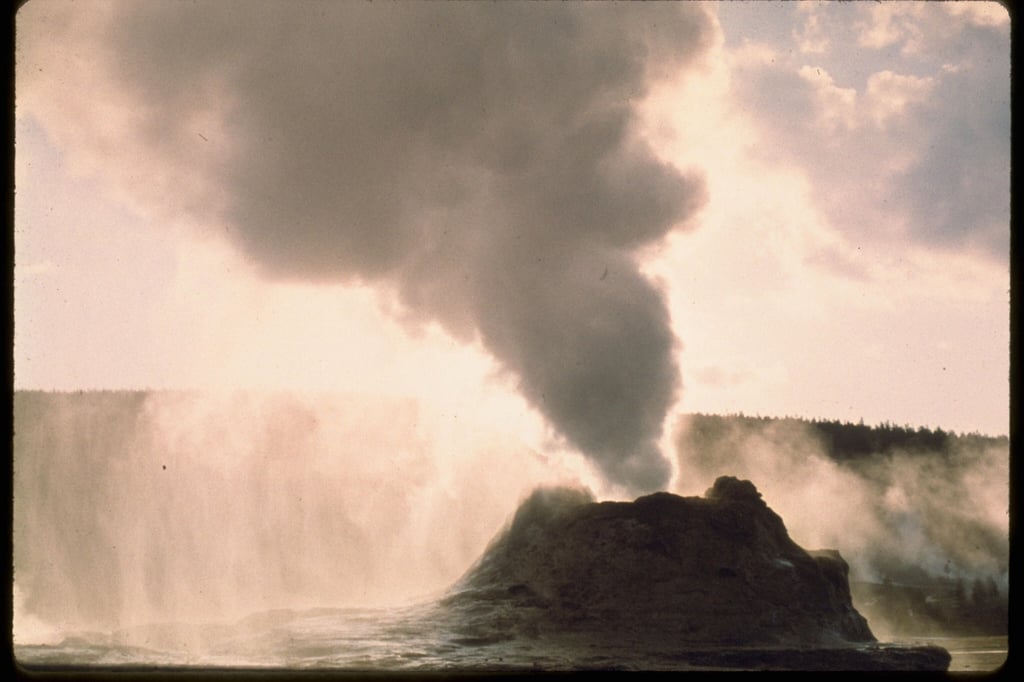
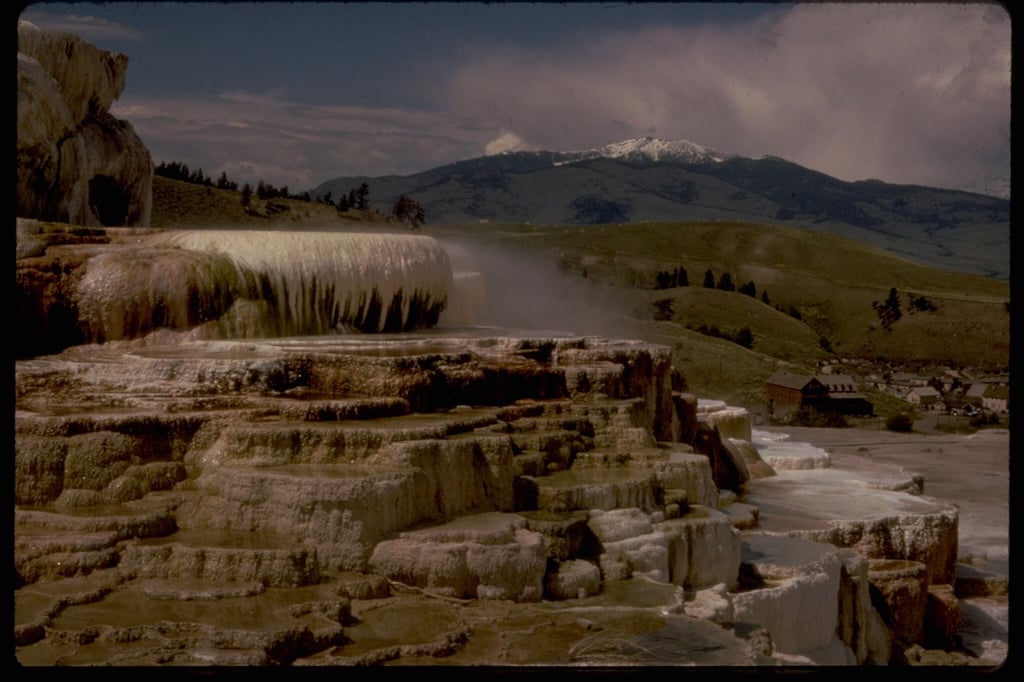
\n\tEstablished in 1872, Yellowstone National Park is America’s first national park. Located in Wyoming, Montana, and Idaho, it is home to a large variety of wildlife including grizzly bears, wolves, bison, and elk. Preserved within Yellowstone National Park are Old Faithful and a collection of the world’s most extraordinary geysers and hot springs, and the Grand Canyon of the Yellowstone.
\n\t
\n\tPhoto credit to National Park Service
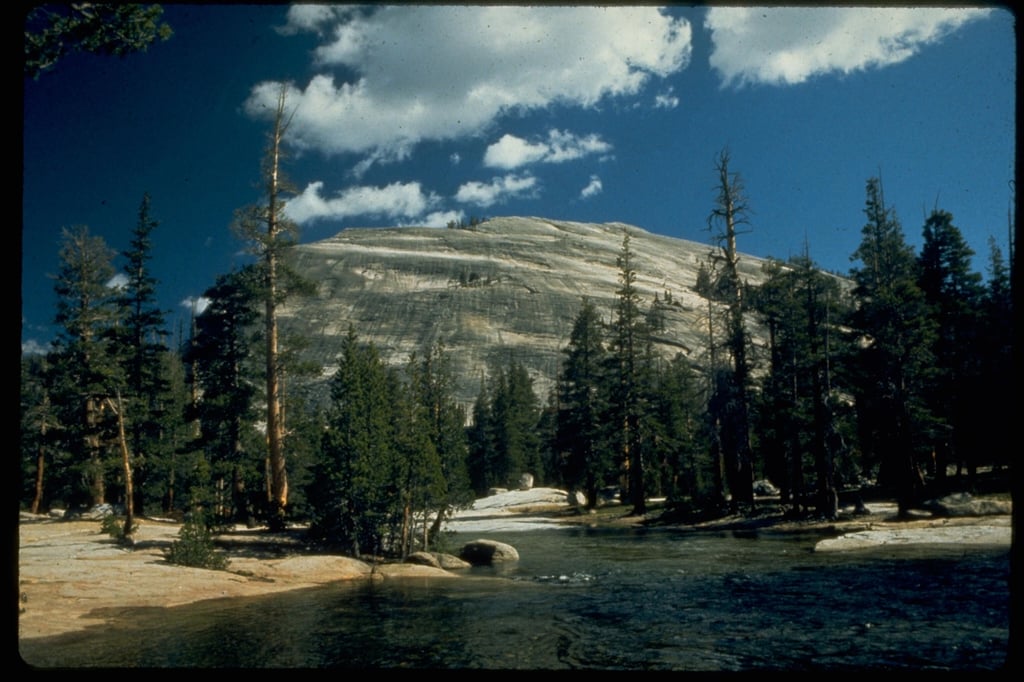
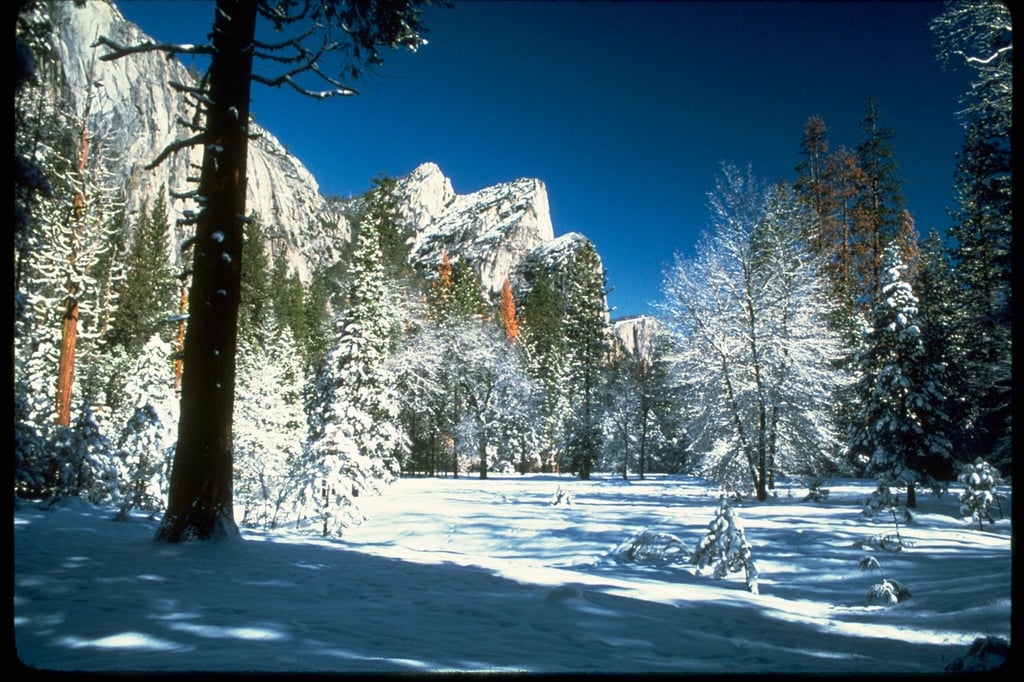
\n\tYosemite National Park, one of the first wilderness parks in the United States, is best known for its waterfalls, but within its nearly 1,200 square miles, you can find deep valleys, grand meadows, ancient giant sequoias, a vast wilderness area, and much more.
\n
\n\tPhoto credit to National Park Service