Screenshots: Raspberry Pi gets a new look desktop - TechRepublic

Screenshots: Raspberry Pi gets a new look desktop

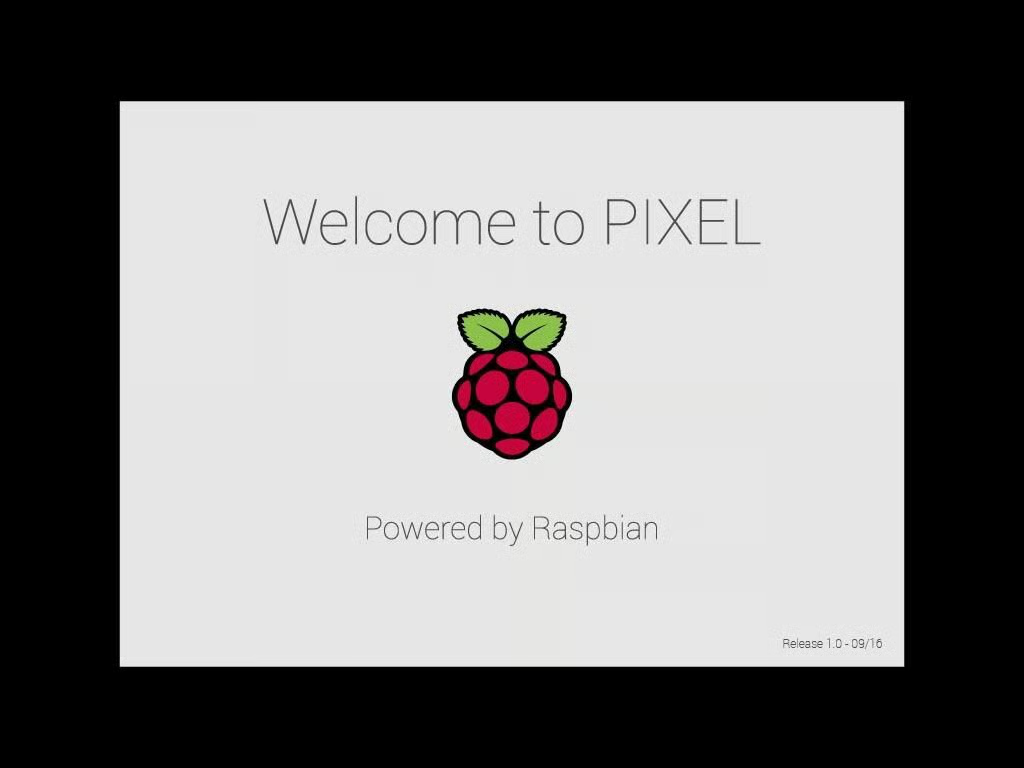
  • splash.jpg

    Splash screen

    The first change you’ll notice is the introduction of this splash screen while Raspbian loads, complete with version number in the bottom-right. The Foundation’s Long stresses that boot times remain the same.

    Image: Raspberry Pi Foundation
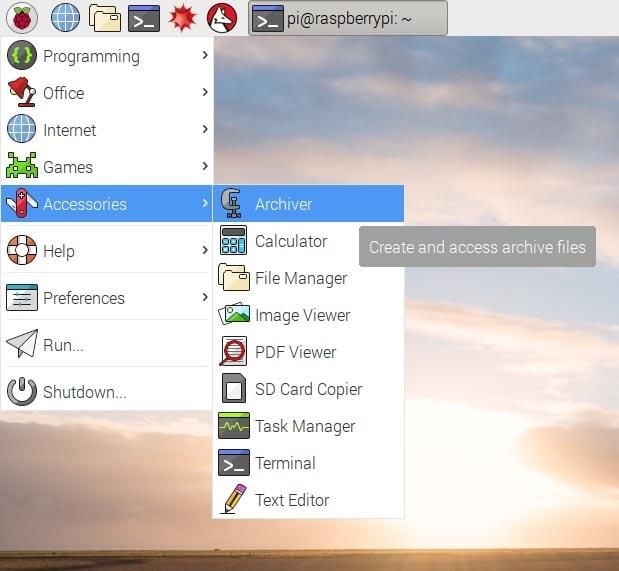
  • menu.jpg

    Icons

    Icons on the taskbar, menu, and file manager have been refreshed.

    The Foundation’s Long said their new design is businesslike but “with a touch of playfulness”.

    To create a cleaner interface, icons have also been removed from individual application menus by default.

    Another change should make it more obvious when the Pi is not getting enough power or is overheating, thanks to new bolt and thermometer icons.

    Image: Raspberry Pi Foundation
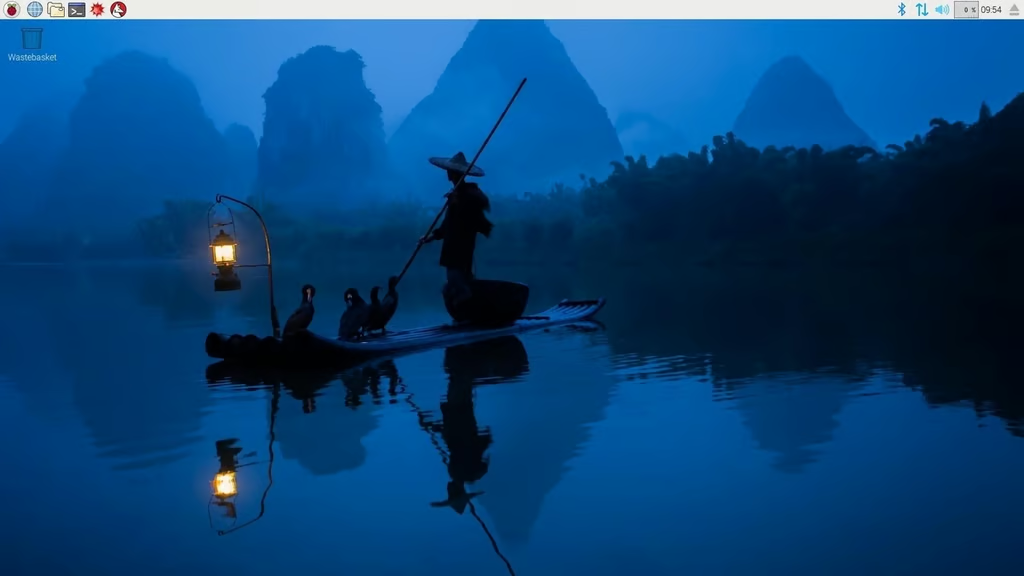
  • desk2.jpg

    Stunning backdrops

    There are 16 new desktop backgrounds, a selection of stunning landscapes from around the globe.

    The backdrops can be swapped using the Appearance Settings application.

    Image: Raspberry Pi Foundation
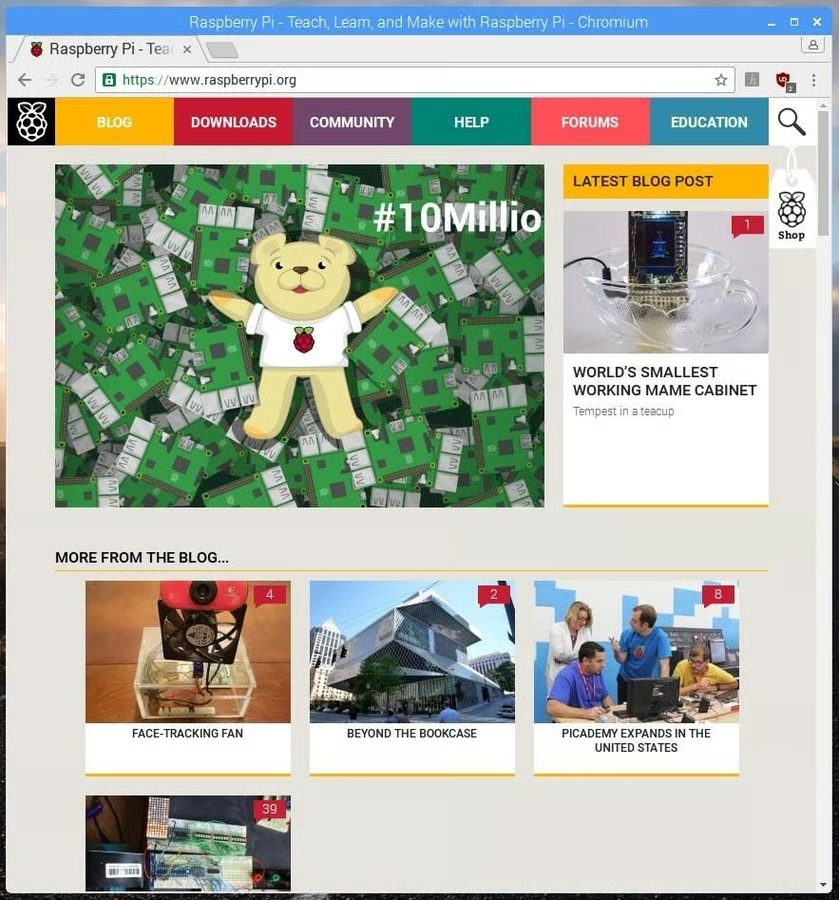
  • chromium.jpg

    Chromium for Pi

    Perhaps the biggest change to the default applications is the replacement of Epiphany web browser with Chromium for Pi, which uses the Pi’s hardware to accelerate video playback.

    Image: Raspberry Pi Foundation
  • vnc.jpg

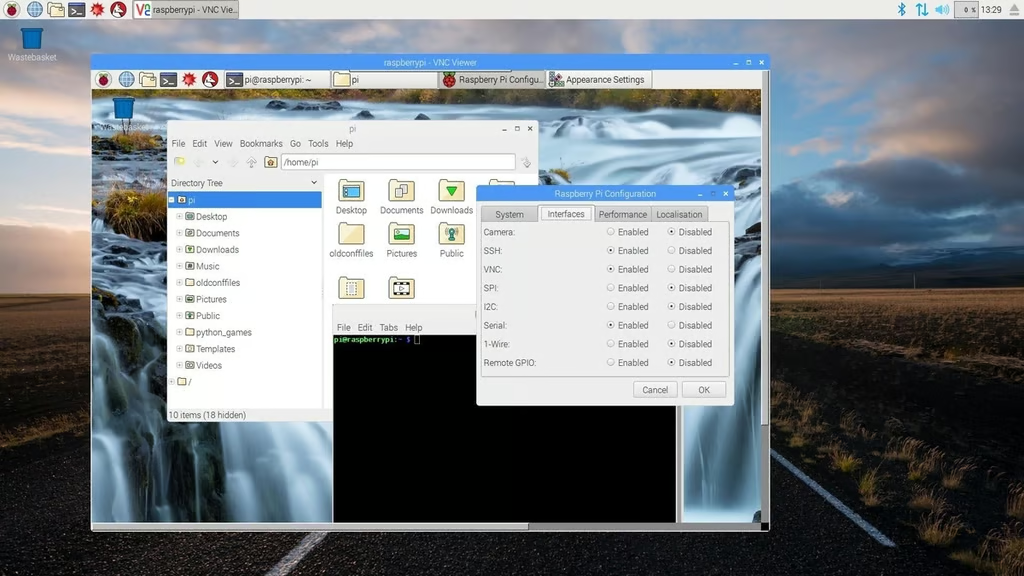
    Remote access

    It’s now easier to control the Pi from another computer, thanks to the addition of the remote access software RealVNC.

    Both the server and viewer are included in PIXEL, to allow the Pi to both be controlled by and control other machines.

    Image: Raspberry Pi Foundation
  • sensehat.jpg

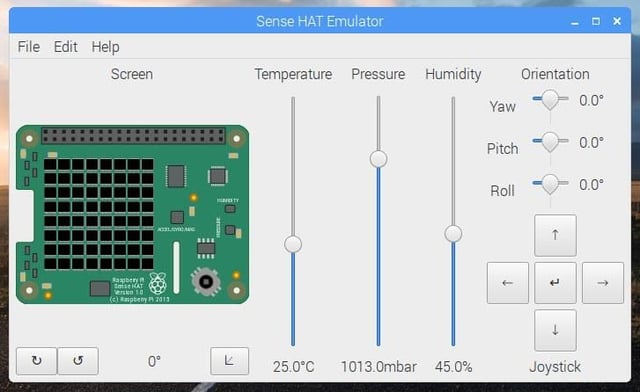
    Sense HAT

    For those who want to experience what it’s like to use the Pi to control hardware, Raspbian now also includes the Sense HAT emulator.

    Sense HAT is an add-on board that is bundled with various sensors, a joystick and an LED matrix that the Pi can interact with. The emulator allows you to test code written for Sense HAT without owning a board.

    The bundled versions of the drag-and-drop programming tools Scratch and Node-RED have also been updated.

    Image: Raspberry Pi Foundation
1 of 6
Nick Heath

Nick Heath is a computer science student and was formerly a journalist at TechRepublic and ZDNet.