This\r\ngallery is also available as a TechRepublic article.
Greetings from beautiful Las Vegas, where the days are sunny and every\r\nnight is Saturday! I came out here for the Dev Connections conference at the\r\nMandalay Bay, which winds up today. Whenever I travel I make sure to\r\nsynchronize all my data to my laptop so I’ll have the resources I need when I’m\r\naway from home. This time a snag I’ve been having with bookmark synchronization\r\nin Chrome finally came to a boil and I thought I’d share how I addressed the\r\nissue.
\r\n\r\n
If you’ve read my columns for a while you might have noticed that synchronization\r\nduplicates have been the bane of my existence. I’ve experienced duplicate contact\r\nproblems in Outlook 2011 as well as duplicate data\r\nissues in Google Drive – it’s never pretty cleaning up these issues but\r\nhopefully the advice in this article can be helpful if you find yourself\r\nrunning afoul of a duplicate Google Chrome synchronization problem. Note this\r\nmight help with bookmarks, extensions, history or anything else you’re having\r\nproblems with.
\r\n\r\nCredit: Images by Scott Matteson for TechRepublic.
\r\n\r\n
As a background, I use multiple systems (two desktops at work and home\r\nas well as two laptops) and had an add-on called “Xmarks” set up to synchronize my bookmarks\r\n(which number about 450 total) among Firefox and Chrome using the respective\r\nadd-ons for each.
\r\n\r\n
I had the Google Chrome bookmark sync turned off at this point (I’ll\r\nexplain where to turn this on or off below) so as to not make things too\r\nconfusing; the goal was to let Xmarks handle synchronization on its own.
\r\n\r\n
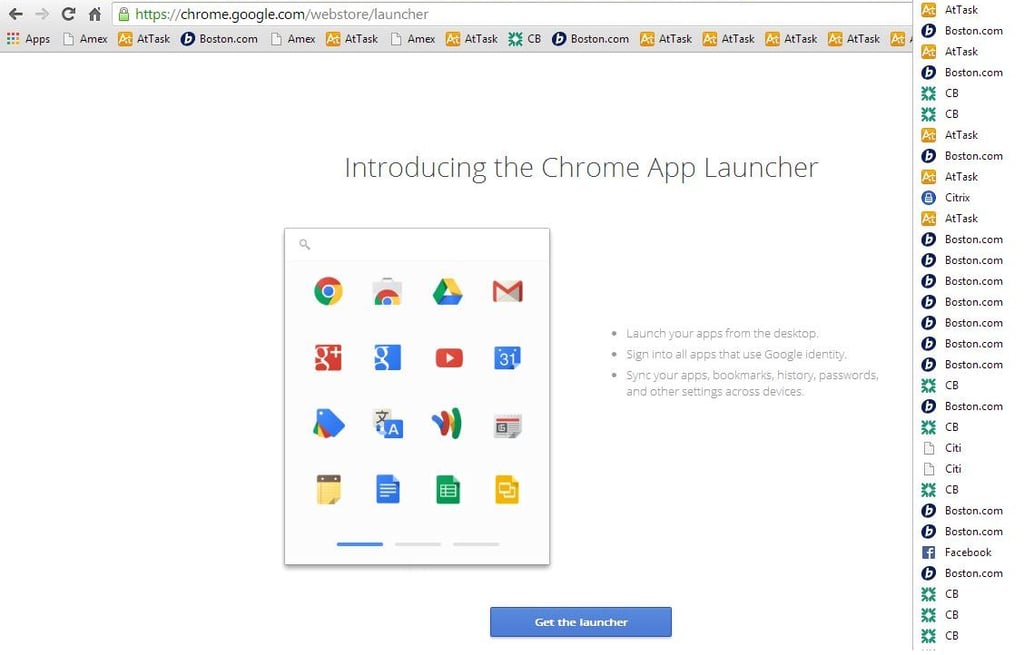
I found Xmarks worked fine with just Firefox in the recipe, but unfortunately\r\nonce I added Chrome into the mix I found a seemingly never-ending parade of\r\nduplicate bookmarks piling up on all my systems. Figure A shows what I would\r\ngenerally see every time the problem exploded.
\r\n\r\nCredit: Images by Scott Matteson for TechRepublic.
Each time I deleted all my bookmarks and restored them from backup. Then\r\nthere would be a next time.
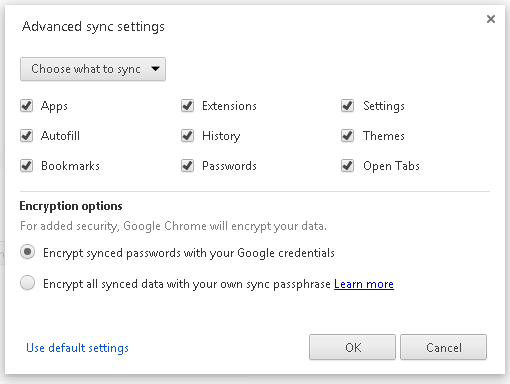
\r\n\r\nAt first I thought Xmarks was to blame, since\r\nthe duplicate bookmarks also showed when I logged directly into my Xmarks\r\naccount, and even deleting them there didn’t seem to do anything. I removed Xmarks\r\nfrom my browsers and switched Google Chrome bookmark sync on by accessing chrome://settings in the browser, clicking the “Advanced\r\nsync settings” button and checking off “Bookmarks.” (Figure B)
\r\n\r\nCredit: Images by Scott Matteson for TechRepublic.
Unfortunately, this didn’t work either – I kept encountering duplicate\r\nbookmarks, and what was odd was seeing deleted bookmarks – which had been gone\r\nfrom all my computers – mysteriously reappear like a scene from “The Sixth\r\nSense.”
\r\n\r\n
I cleaned out the duplicates, exported my known good set of bookmarks to\r\nan html file and turned off Google Chrome bookmark sync. However, this meant I\r\nhad to export my bookmarks every time I made a change and reimport them on all\r\nmy systems. I put up with this for a bit since I had other priorities to wade\r\nthrough. Finally just before leaving on my trip I thought: “This is\r\nridiculous. Technology is supposed to solve problems, not create them.” I\r\nknew I’d be adding a lot of links at the conference and wanted one less chore\r\non my to-do list, so I began digging into the issue to see what I could do.
\r\n\r\n
\r\n\r\n
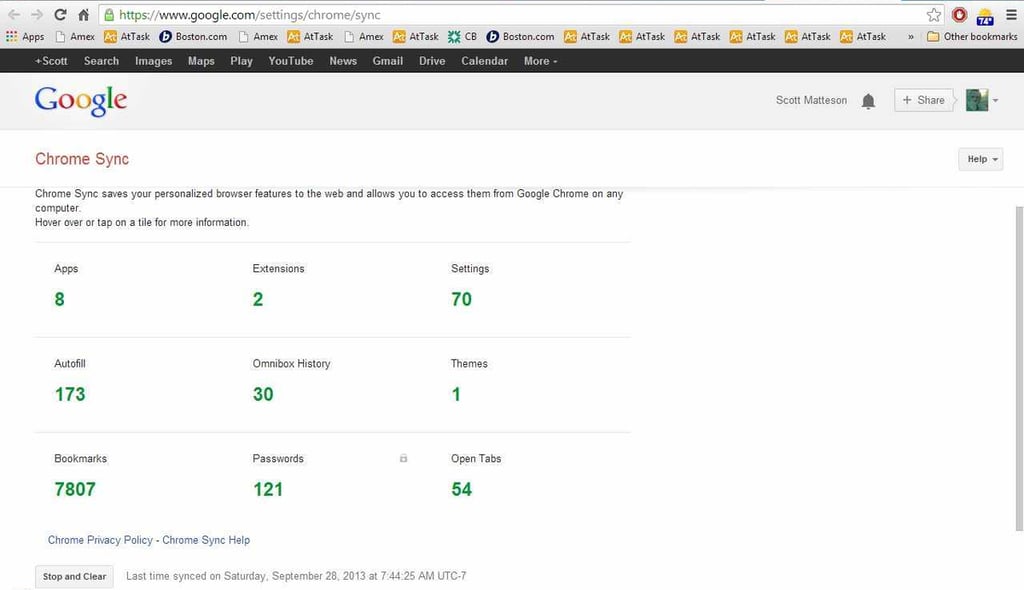
Based on some quick research, I checked my Chrome Sync settings to see\r\nwhat sort of data was being synchronized from Google’s servers among my various\r\ncomputers. You can do the same at https://www.google.com/settings/chrome/sync. Here’s what I saw. (Figure\r\nC)
\r\n\r\nCredit: Images by Scott Matteson for TechRepublic.
Everything looked normal to me – except the “Open\r\nTabs” and “Bookmarks” fields – Google thought I had seventeen times as many bookmarks as I\r\nreally possessed, even after multiple deletions and manual imports on all my\r\ncomputers. I knew I had nowhere near that level of open tabs, being\r\nconservative about the ones I use.
\r\n\r\n
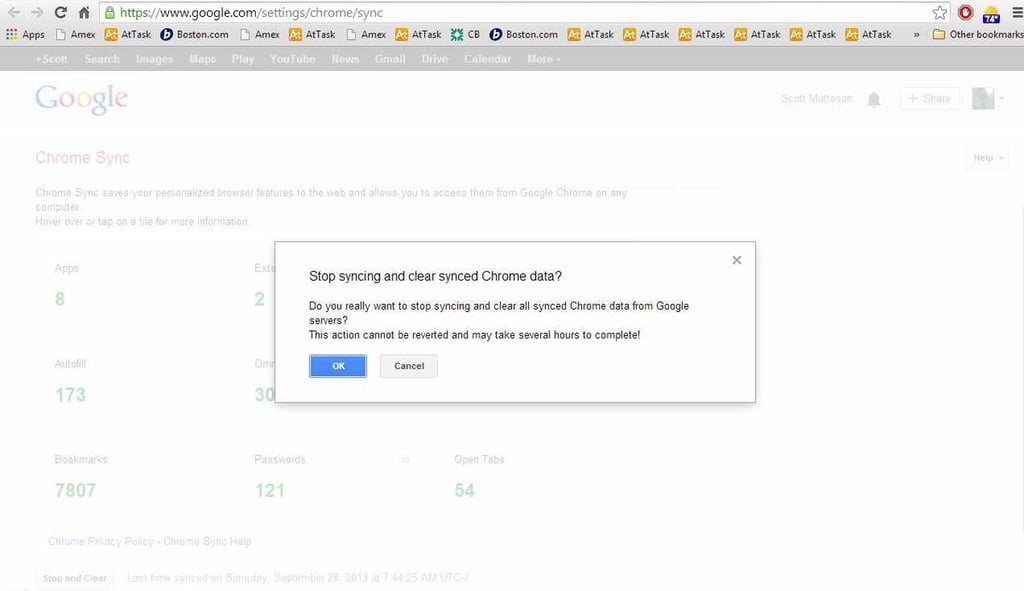
Clearly it was time to flush everything out and start over.\r\nI did this by clicking the “Stop and Clear” button in the lower left,\r\nwhich invoked the prompt shown in Figure D.
\r\n\r\nCredit: Images by Scott Matteson for TechRepublic.
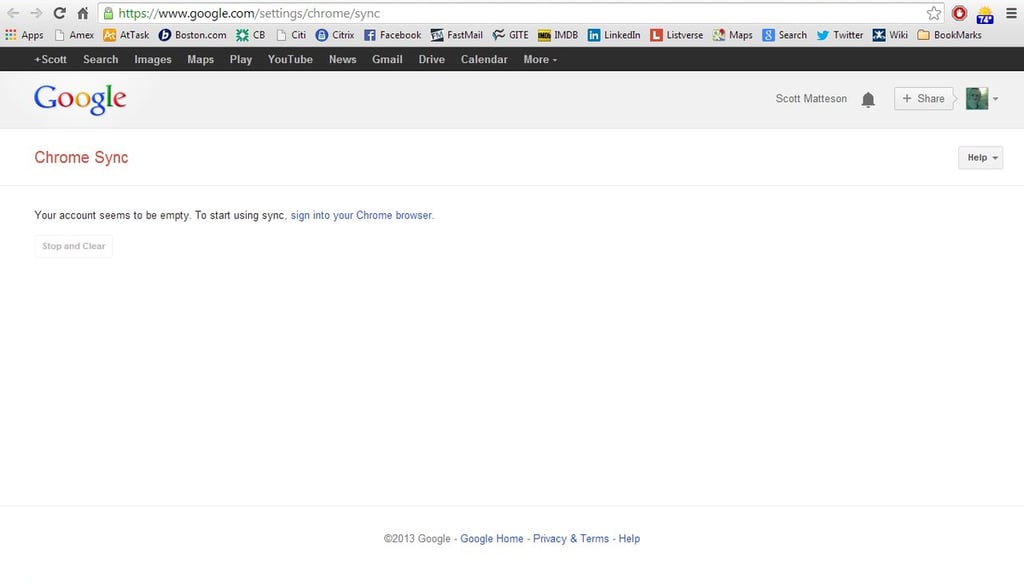
I clicked OK. Then to be on the safe side I waited several\r\nhours as the box indicated. When I returned to the Google Chrome Sync settings page I\r\nobserved Figure E.
\r\n\r\nCredit: Images by Scott Matteson for TechRepublic.
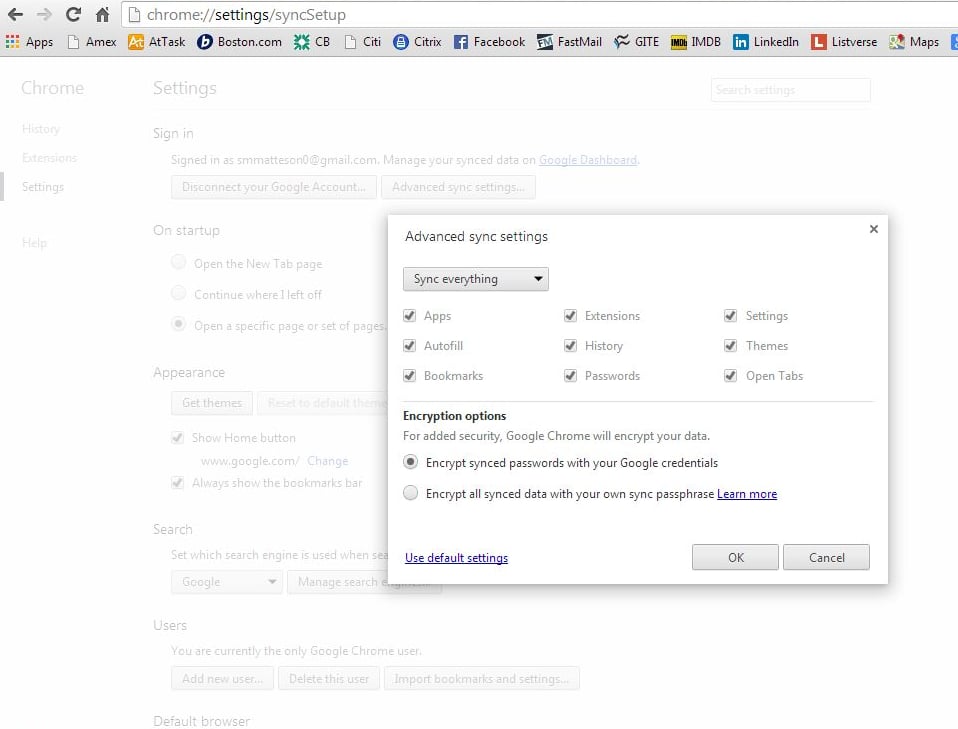
I signed into Chrome which brought me to the Advanced Sync\r\nsettings dialog. (Figure F)
\r\n\r\nCredit: Images by Scott Matteson for TechRepublic.
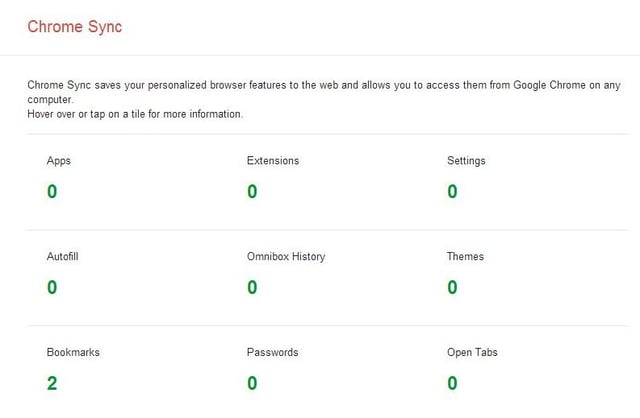
Once I clicked OK, I checked out the Google Chrome Sync settings page once\r\nmore and beheld the following. (Figure G)
\r\n\r\nCredit: Images by Scott Matteson for TechRepublic.
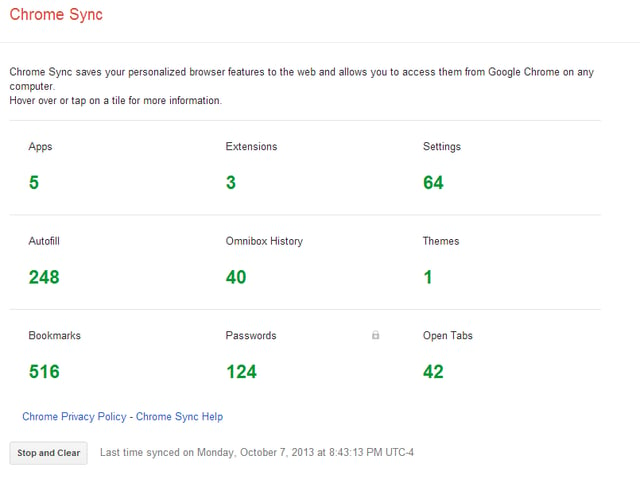
This seemed like a good sign; synchronization had started\r\naccording to that count of “2” in the “Bookmarks” field. I\r\nwaited a couple of days and checked my various computers, testing the process\r\nby adding new bookmarks and removing obsolete ones. Everything seemed to work\r\nsuccessfully and my Chrome Sync settings currently show the appropriate figures\r\n(I have added over 60 bookmarks since the problem appeared resolved). (Figure\r\nH)
\r\n\r\nCredit: Images by Scott Matteson for TechRepublic.
Wow, I guess luck really is\r\nwith me in Vegas! Maybe it’s time to visit the roulette table.
\r\n\r\n
\r\n\r\n
If the above steps don’t\r\nhelp you, you might also try forcing synchronization in Chrome.
\r\n\r\n
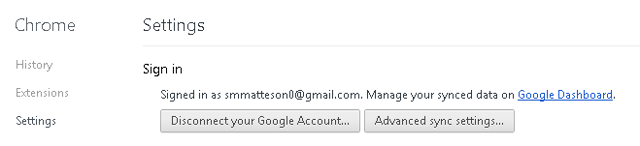
Go to chrome://settings.\r\n(Figure I)
\r\n\r\nCredit: Images by Scott Matteson for TechRepublic.
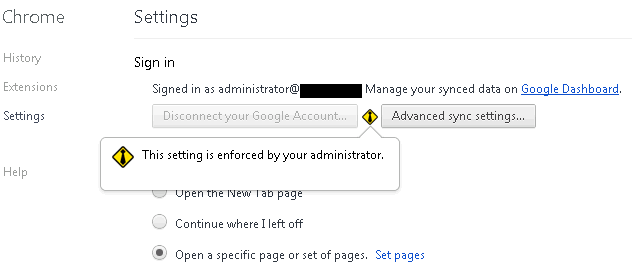
Click “Disconnect your Google account” (if this\r\noption is greyed out it may be due to the fact the setting is enforced by your\r\nadministrator, with whom you should discuss this problem); a yellow diamond\r\nwith what appears to be a black necktie in the middle of it will be shown next\r\nto the button. (Figure J)
\r\n\r\nCredit: Images by Scott Matteson for TechRepublic.
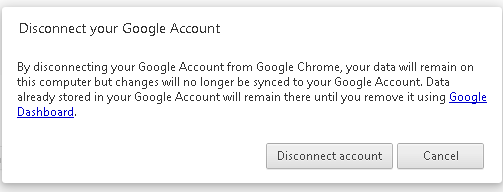
Assuming you can click “Disconnect your Google\r\nAccount” you’ll see the confirmation box shown in Figure K.
\r\n\r\nCredit: Images by Scott Matteson for TechRepublic.
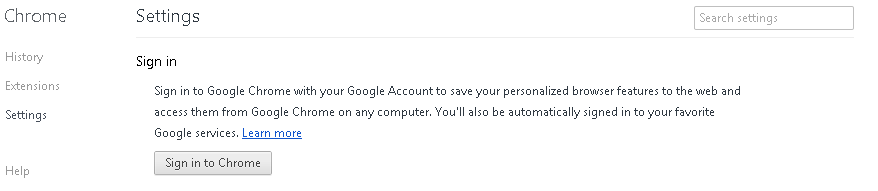
Click “Disconnect account.” The Chrome settings\r\npage will appear as follows. (Figure L)
\r\n\r\nCredit: Images by Scott Matteson for TechRepublic.
Wait a bit to ensure the changes take effect then restart\r\nChrome.
\r\n\r\n
Access chrome://settings again, then\r\nclick “Sign in to Chrome” to connect your account once more.
\r\n\r\n
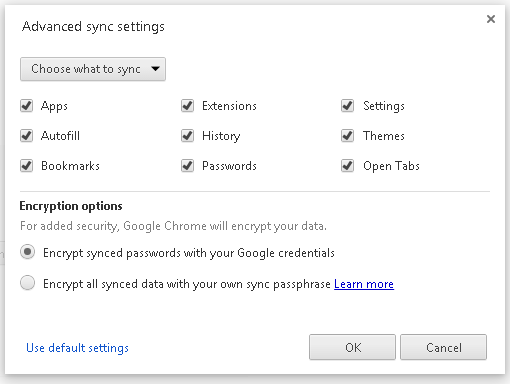
You’ll be prompted to choose what to sync. (Figure M)
Leave the defaults (unless there is a category which you\r\ndo NOT want to sync) and click “OK.”
\r\n\r\n
Repeat this process for every system on which you are\r\nsigned into Chrome. Hopefully everything will begin evening out among your\r\nbookmarks and/or data.
\r\n\r\nCredit: Images by Scott Matteson for TechRepublic.
\r\n\r\n
I also found a good tip for Android users in the Google Chrome forums\r\ndescribing an issue with\r\nAndroid phones causing duplicate bookmarks. The poster, JL King, stated:
\r\n\r\n
“The Android browser (called “Internet” on Samsung\r\nphones) has been known to cause duplicates. I recommend the following:
\r\n\r\n
Access Android Settings | [accounts] | Google | select your account name
\r\n\r\n
Scroll down and uncheck “Sync Internet”
\r\n\r\n
This should prevent new duplicates. Then you’ll need to clean up the\r\nexisting duplicates, which might be easier from a desktop:
\r\n\r\n
Open Chrome from a computer on which you’re signed into that same\r\naccount.
\r\n\r\n
Type chrome://bookmarks into the Omnibox
\r\n\r\n
Find your Mobile Bookmarks folder in the left nav.
\r\n\r\n
Select the duplicates and delete.
\r\n\r\n
As an alternative to the last four steps, there are several bookmark\r\nmanagement extensions in the Chrome Web Store that will automatically find and\r\ndelete duplicates.”
\r\n\r\n
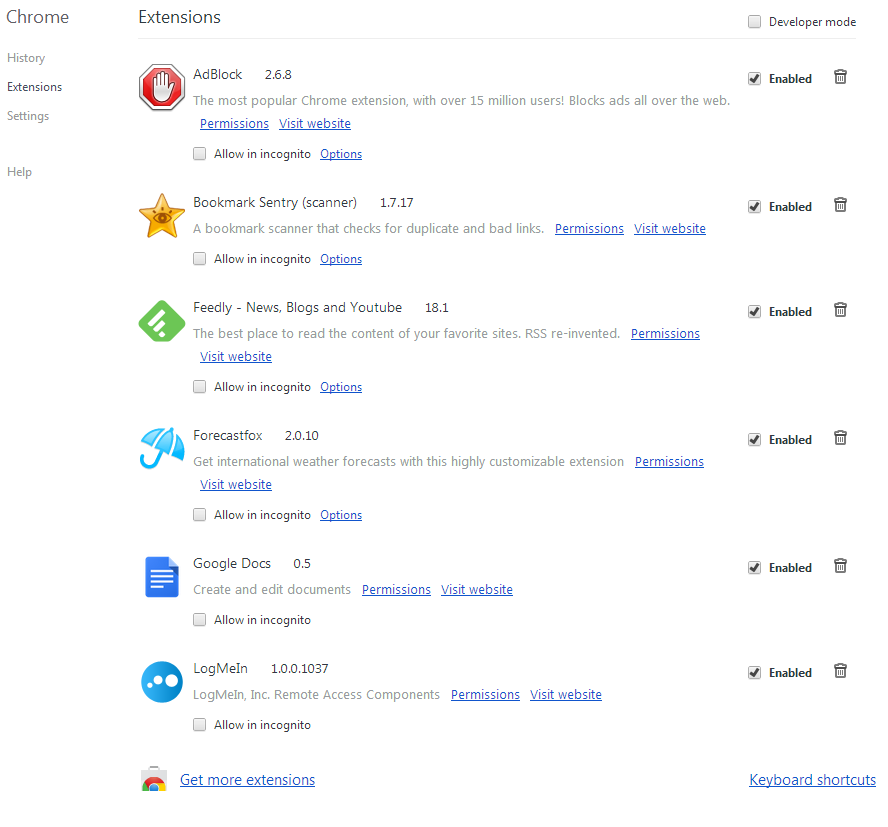
I got curious about the extensions mentioned in the post above and found\r\nan add-on for Chrome called Bookmark Sentry. I installed it\r\nin Chrome then accessed chrome://extensions to configure it.\r\n(Figure N)
\r\n\r\nCredit: Images by Scott Matteson for TechRepublic.
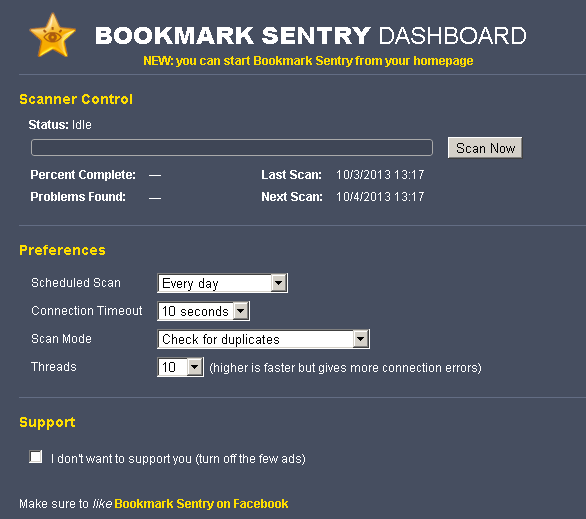
I clicked “Options” underneath “Bookmark Sentry\r\n(scanner). (Figure O)
\r\n\r\nCredit: Images by Scott Matteson for TechRepublic.

The extension is ad-supported, but you can turn the ad option off\r\n(albeit by checking a box that states “I don’t want to support you,”\r\nwhich seems to be a bit of a tearjerker).
\r\n\r\n
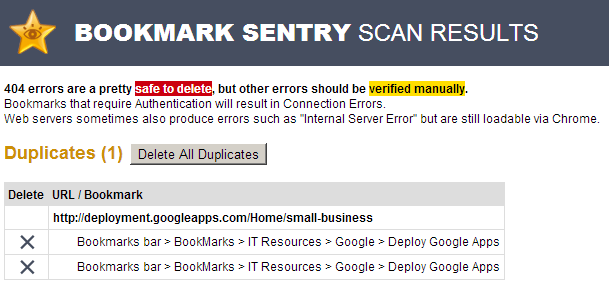
You can set the scanning frequency and the options (check for duplicates\r\n/ check for bad links / check for duplicates and bad links). I left the default\r\nof “Check for bad links & duplicates” and ran it. The add-on showed\r\nme some bad links but no duplicates (it does not actually appear to say “No\r\nduplicates found!” but I tested it by adding a duplicate of my “Deploy\r\nGoogle apps” bookmark and reran the scan). (Figure P)
\r\n\r\n
There doesn’t seem to be a way to prevent duplicates from occurring on a\r\nproactive basis, but this add-on can be quite helpful if you’re experiencing\r\nhassles of this nature and need to comb through various bookmark folders and\r\neliminate any extras.
\r\n\r\n
\r\n\r\n
Google offers a page discussing\r\nthe synchronization setup process which is worth reviewing. They also have a\r\nsupport page on troubleshooting\r\nsynchronization issues. Finally, there is also a Google Chrome\r\nforum where problems can be reported and discussed.
\r\n\r\nCredit: Images by Scott Matteson for TechRepublic.