Less than a month away from the consumer release of Windows 10 and new builds of the operating system are coming thick and fast.
The latest preview version of the OS, build 10162, was released on Tuesday, hot on the heels of two builds earlier in the week.
Together, the latest updates introduce many fixes and notable changes to the look and feel of the OS, taking it a step closer to the launch build, due at the end of the month.
Here’s what’s new:
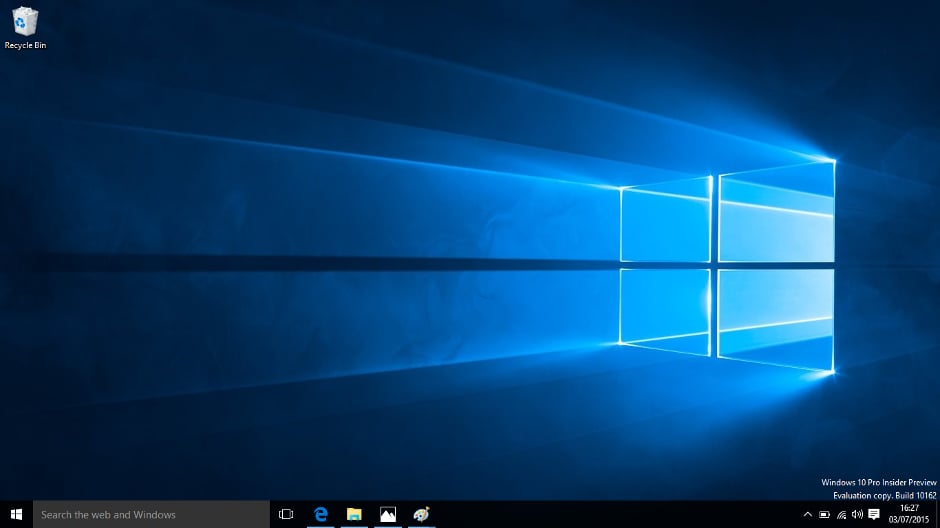
The releases introduce the default Windows 10 wallpaper, a Windows icons that Microsoft created using lasers, projectors and camera-mapping.
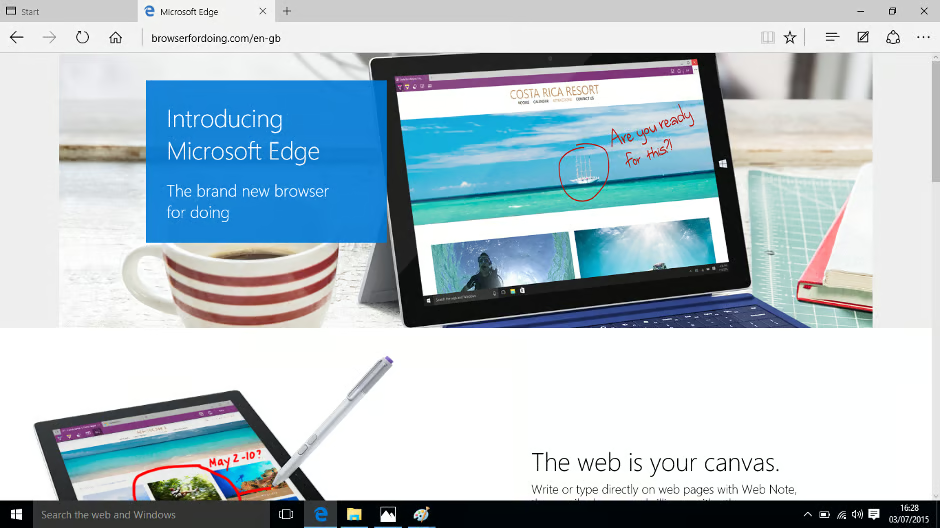
The new Microsoft Edge browser gets a lot of changes – not least that it’s now officially called Edge rather than its codename Spartan.
The change means the browser has a new app ID, which will cause any favourites, cookies, history and reading list items that you had saved in “Project Spartan” from previous builds to be lost after upgrading. To keep these you’ll have to backup your favourites before upgrading, following these instructions.
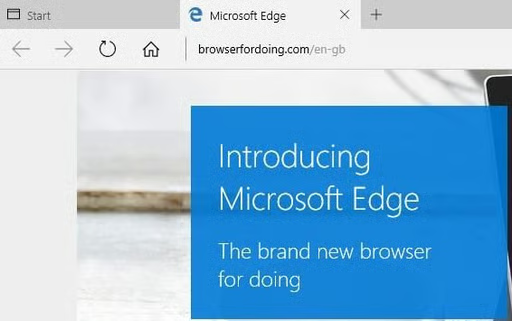
Following feedback from people testing Windows 10 under the Windows Insider Program, Microsoft has added an optional ‘Home’ button.
The button can be enabled by going to Settings > Advanced Settings and selecting turn on “Show the home button”.
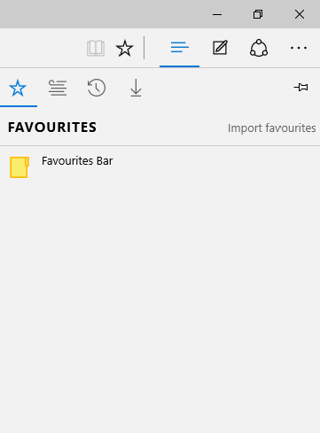
Also new in this release is the ability to import favorites and bookmarks from other browsers into Edge.
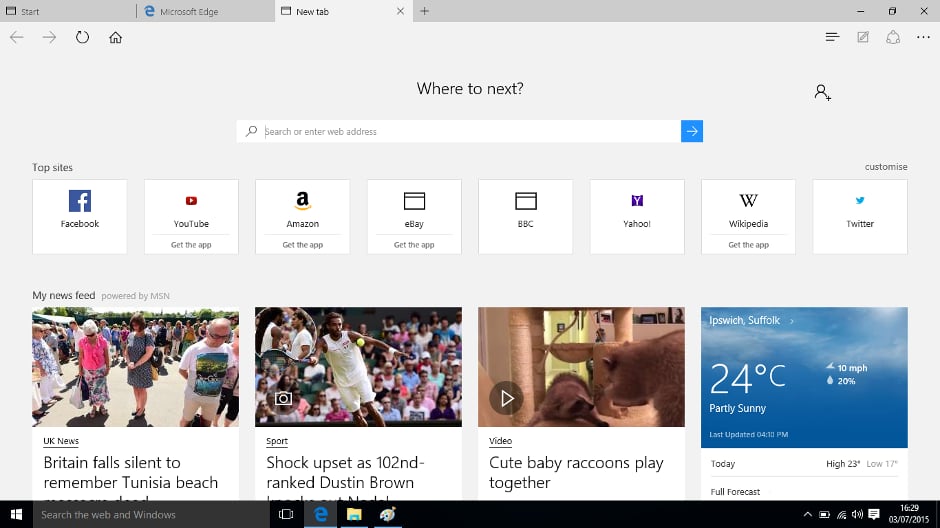
The New Tab page in Edge can now be further customized, with a choice of seeing top sites and suggested content or just the top sites.
Other changes include added support for automatic password and form-filling, a password manager and audio from pages still playing when Edge is minimized.
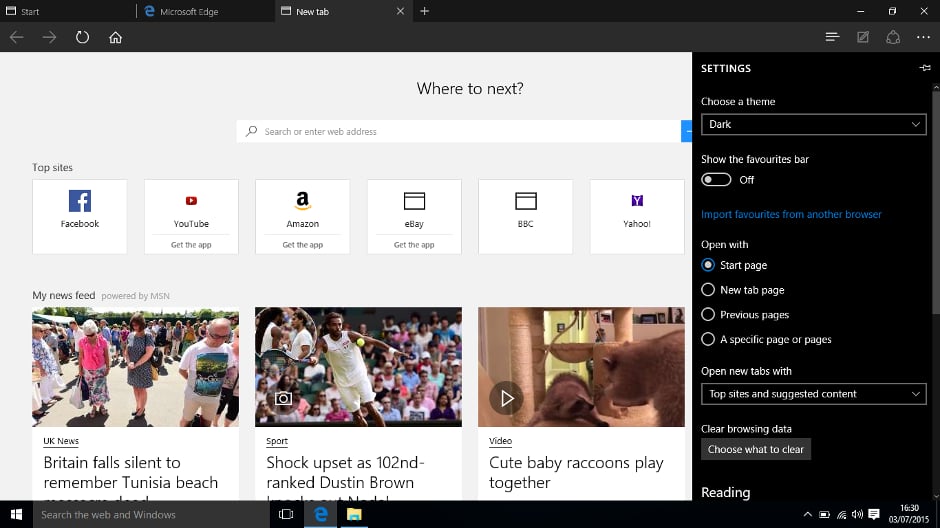
Due to popular demand from Windows Insiders, Microsoft has introduced a dark theme to the browser, alongside its ‘Light’ setting.
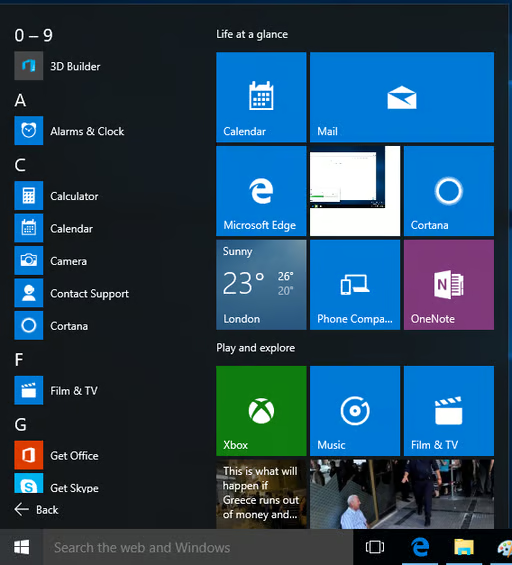
The builds bring various interfaces changes. When using the Start Menu, you can swipe up on the left side to open the ‘All apps’ list.
Microsoft has made a lot of bug fixes to Continuum, the feature that changes the look and feel of the UI depending on whether a computer is being used as a tablet or as a PC with a mouse and keyboard. Other additions include improved ‘Tablet mode’ animations and improved support for Windows 8/8.1 apps and classic, Win32, apps in ‘Tablet mode’.
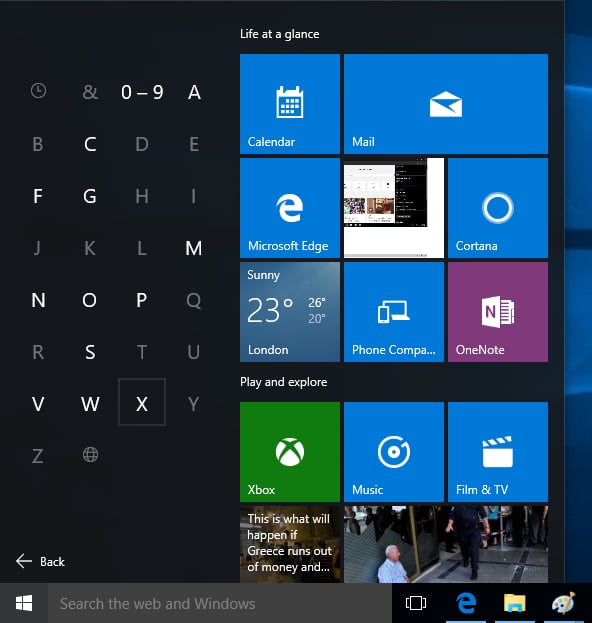
The ‘All apps’ menu now allows you to click on a letter to go to apps under that letter.
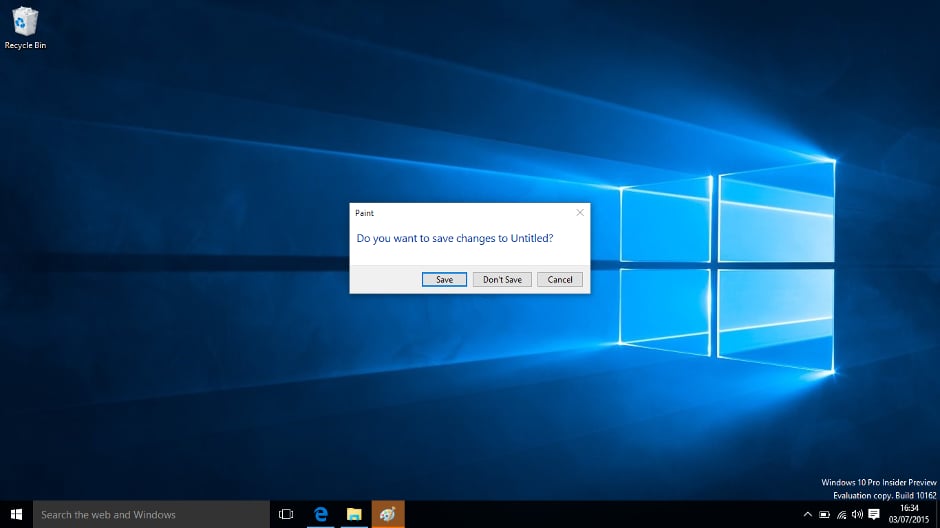
When an app needs your attention it will now flash orange in the Taskbar.
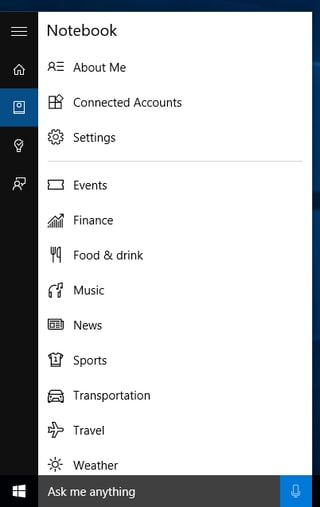
The menu for Cortana, Windows 10’s virtual assistant now has a consolidated left rail. Cortana’s Notebook is in its final stage, with a combined Profile and Settings menu.
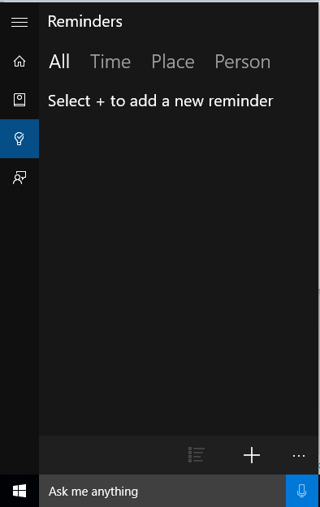
Cortana now has a dark theme to match the rest of the OS.
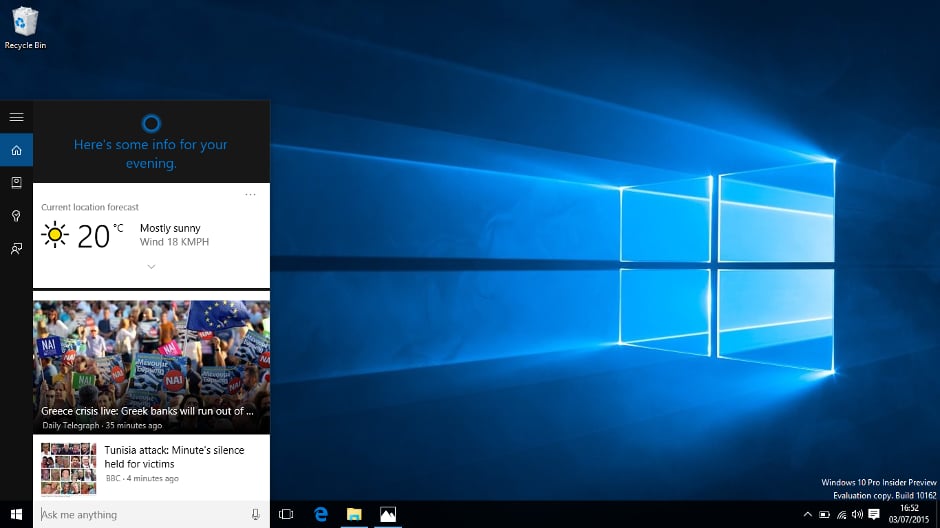
Cortana can be told where you work and where your home is, allowing it to give you alerts about disruption to journeys.
Tracking your flights has also been enabled, allowing Cortana to notify you when you get an email with flight information, although this feature is limited to supported travel providers. Unfortunately I was unable to get any of these features to work.
Cortana also allows users to compose emails in a single sentence. For example, users can say “Email Gabe Aul Windows Feedback” and it will automatically populate the fields for the recipient, the Subject line, as well as filling the body of the email with whatever you say next. This feature requires an internet connection and only works for US English at the moment.
With the most recent build, you’ll also be able to try out the Cortana integration with Office 365 if your company is opted into First Release for Office 365.
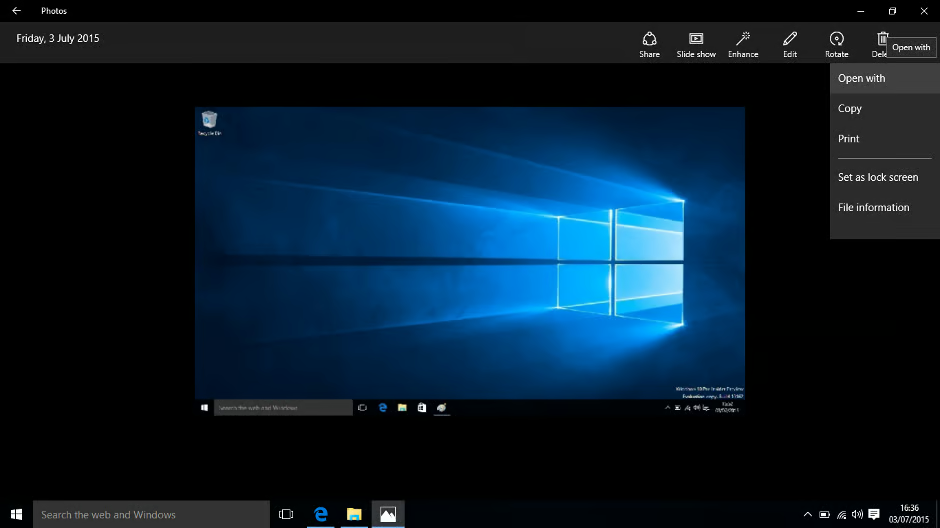
The photo viewer now features an “Open with” button, accessible by clicking the “…” icon at the top right. Links to saved photos, screenshots, and camera roll are also available on the Albums page.
The Photos app for Windows 10, available via the Windows Store Beta, improves performance and reliability and adds features such as support for animated GIFs.
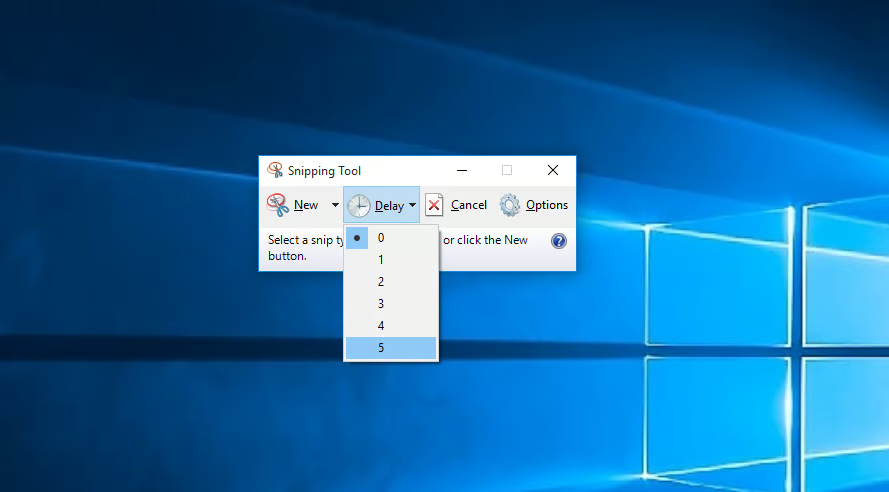
The Snipping Tool now includes a 5-second delay to allow it to capture pop-up menus.

Nick Heath is a computer science student and was formerly a journalist at TechRepublic and ZDNet.


