As we celebrate the 10th anniversary of the very first iPhone, let’s look back at the phones that got us to 2007 and the progress manufacturers have made since.
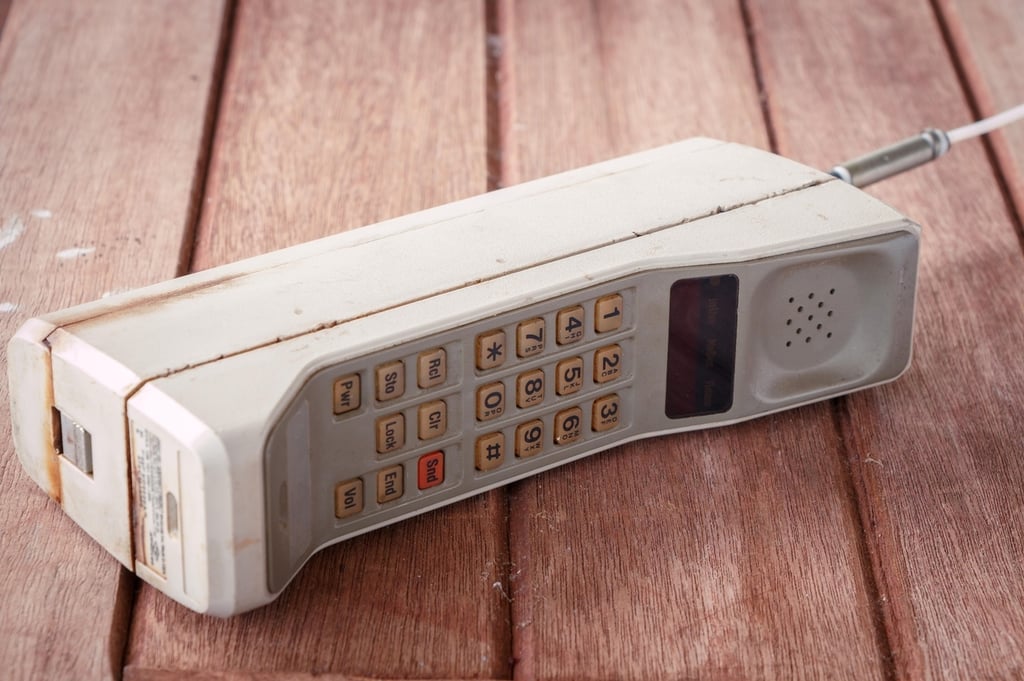
The first commercially available mobile phone in history was introduced by Motorola in 1983. It cost $4000 and was approximately the size of a shoe box.
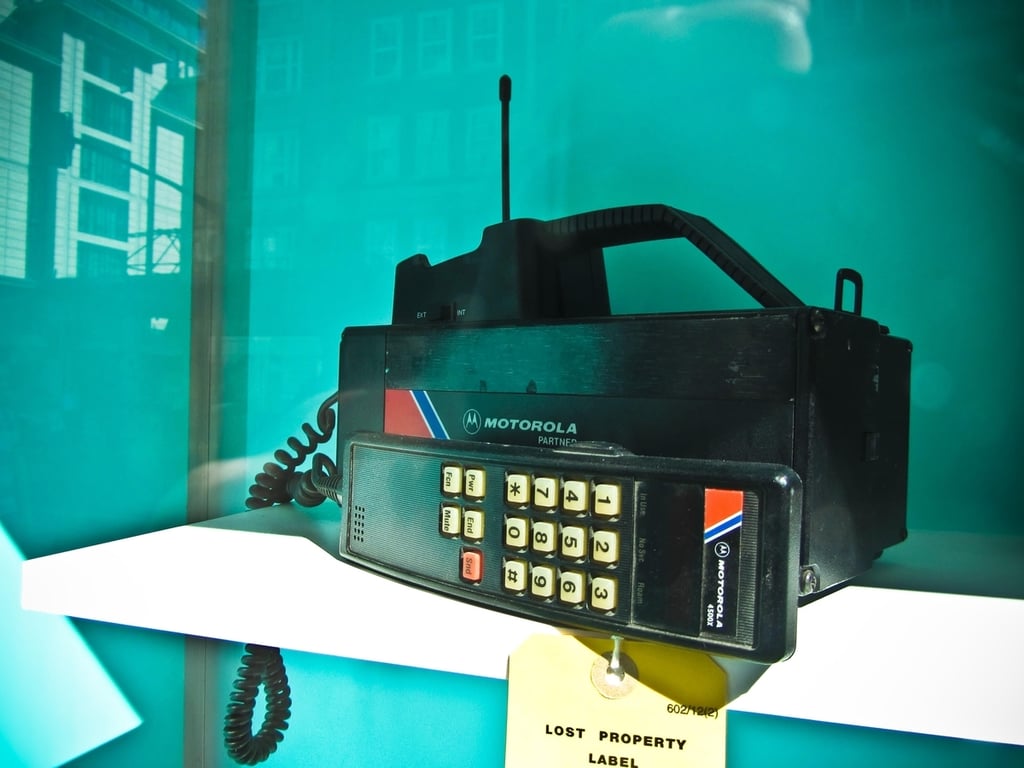
A few years later, Motorola released another “mobile” phone. This one featured a handset attached to a 7.7 pound battery box. The 4500x was considered a luxury item at over $2000 retail.
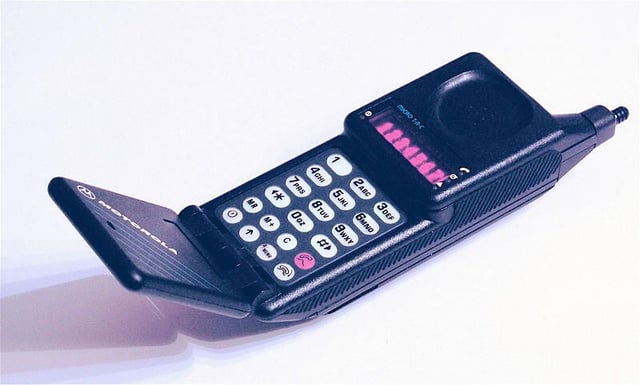
By 1989, phones were already getting smaller. This Motorola flip phone was designed to fit in a shirt pocket.
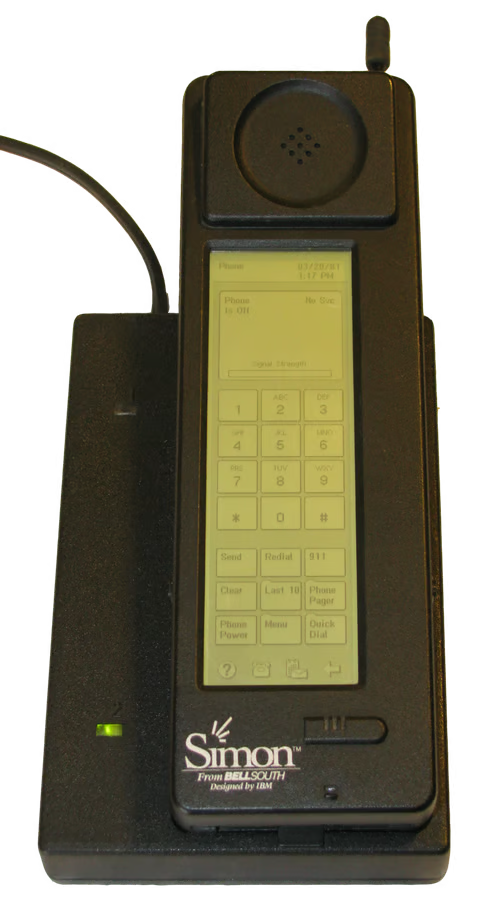
This PDA-and-cell-phone hybrid is considered to be the precursor to the smartphone. In addition to working as a phone, the Simon had features like email, calendar, calculator and could even send and receive faxes.
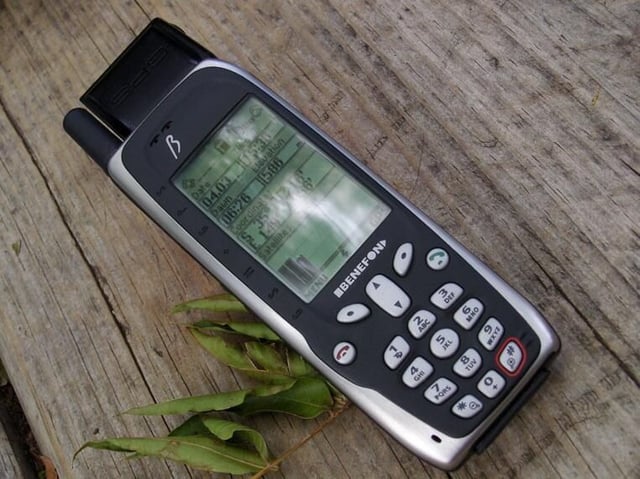
This was the first phone to feature built-in GPS. It was never commercially available in the United States.
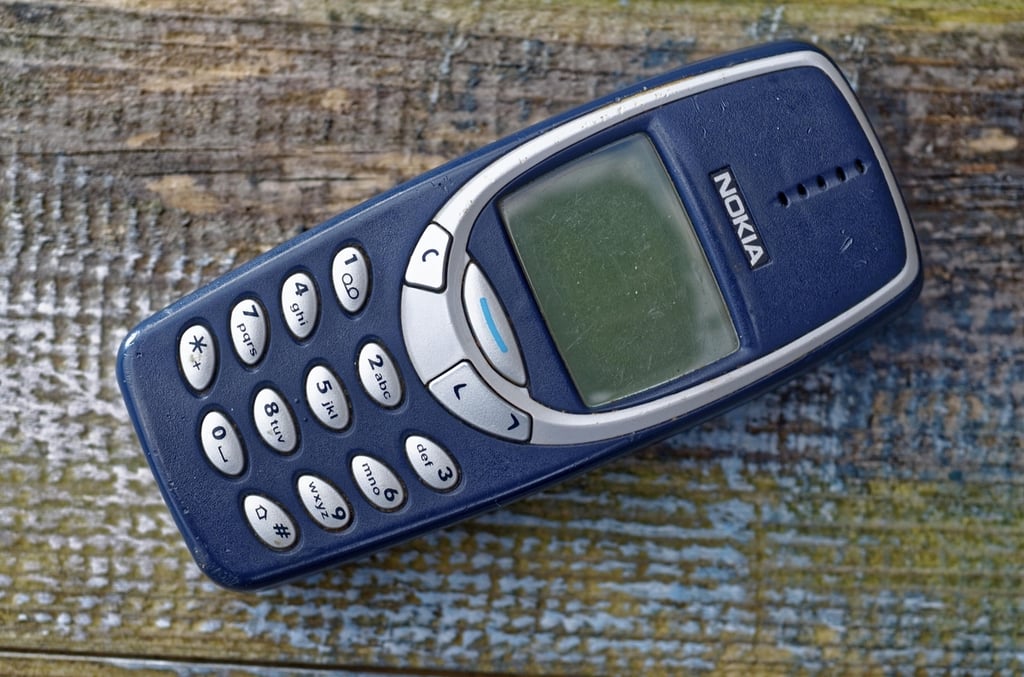
This phone has become something of a cult favorite since its release because of its durability. In fact, there’s so much nostalgia surrounding this phone that it was recently reimagined.
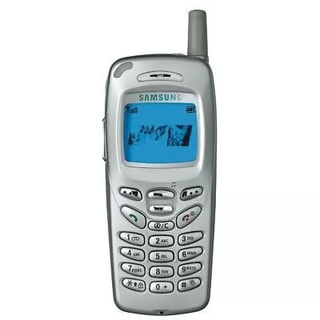
This was the first phone to have polyphonic ringtones, which was a huge deal at the time.
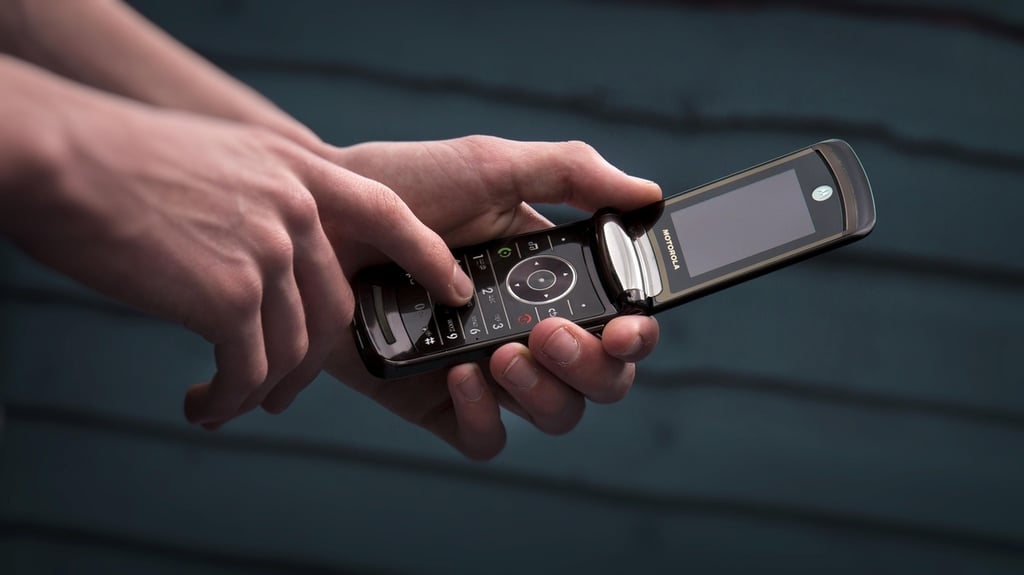
Millennials across the country have Myspace photos floating around the annals of the internet with Motorola RAZRs clam-snapped to their clothes. The super-slim design and color screen launched the RAZR into a special place in cell phone history. It remains the best-selling clamshell phone in the world to date.
The music industry was already completely disrupted by the iPod by the time Samsung released this twist-open music-focused cell phone.
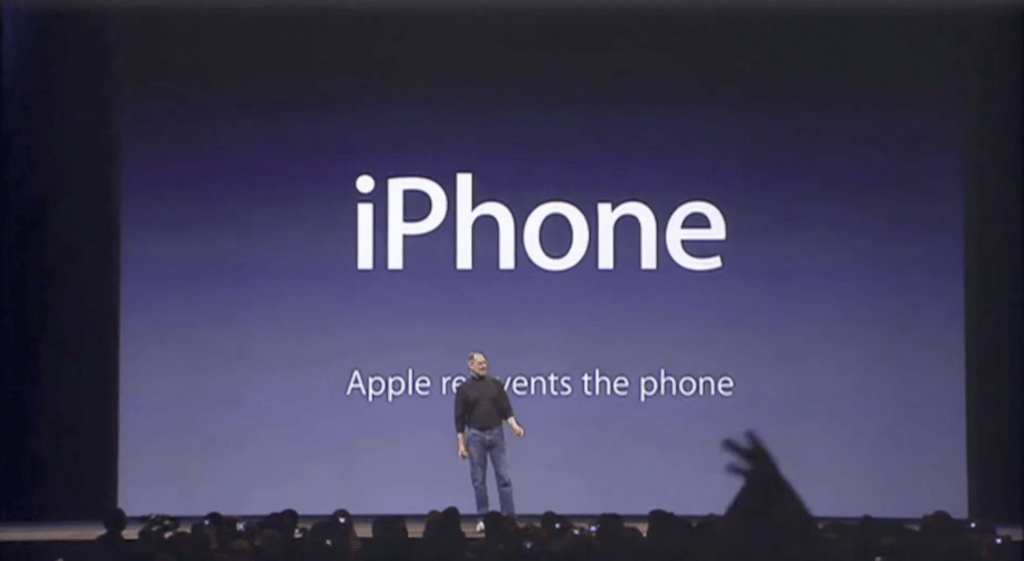
In 2007, Apple brought rich-text email, full internet access via Safari and all of the functions of an iPod Touch to one device — the iPhone. Previous phones were only able to access plain-text email and parts of the internet via rudimentary WAP pages.
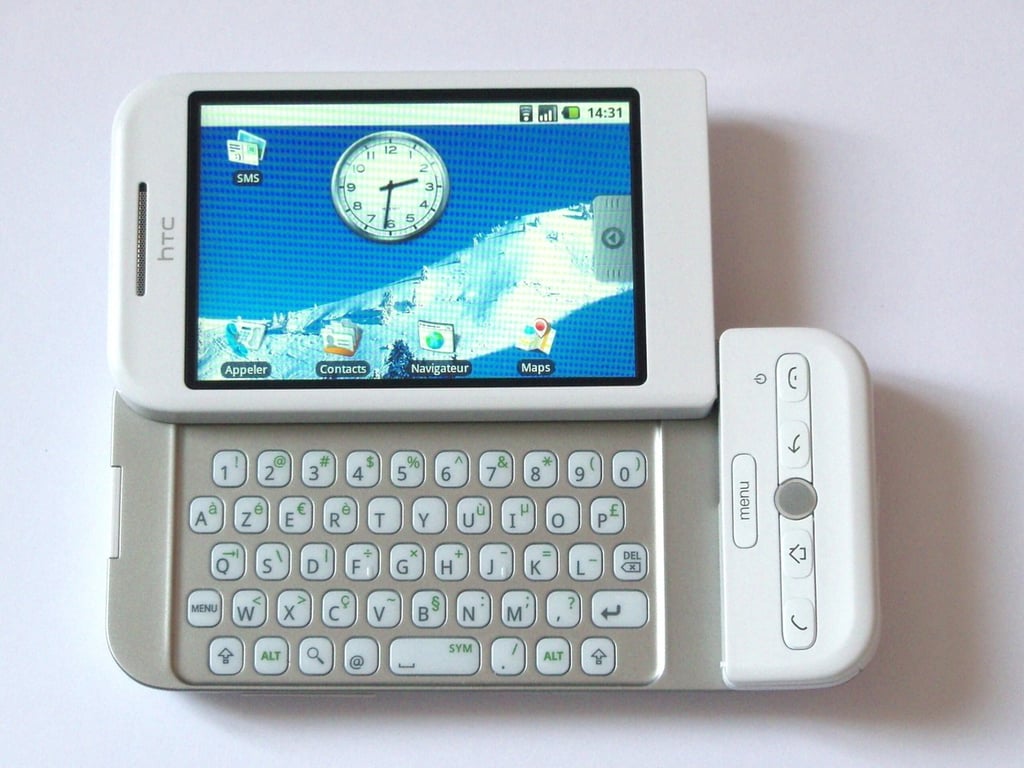
A year after the iPhone was released, HTC introduced the first smartphone to run the Android operating system. It also featured a sliding screen that opened into a full QWERTY keyboard.
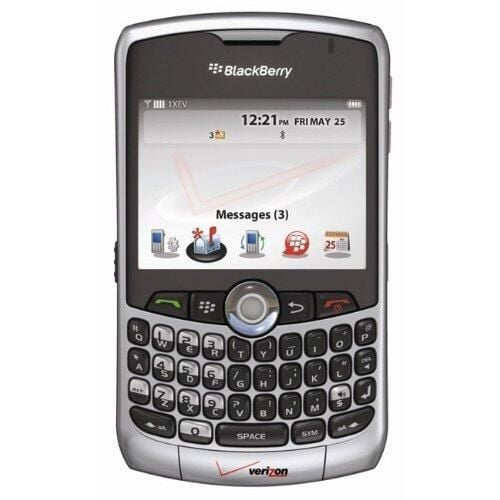
BlackBerry Messenger would let you know every time your other BlackBerry-toting friends were ignoring you. This was also (and continues to be) the phone of choice for many concerned with cybersecurity.
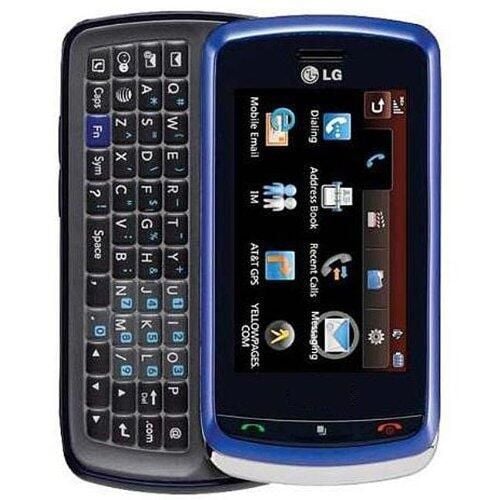
Ah, the LG Xenon… It was a pre-iPhone phone in a post-iPhone world. A quick look at the archive of Amazon reviews of this phone reveal a few common issues including a finicky LCD screen and a tendency to snap in half.
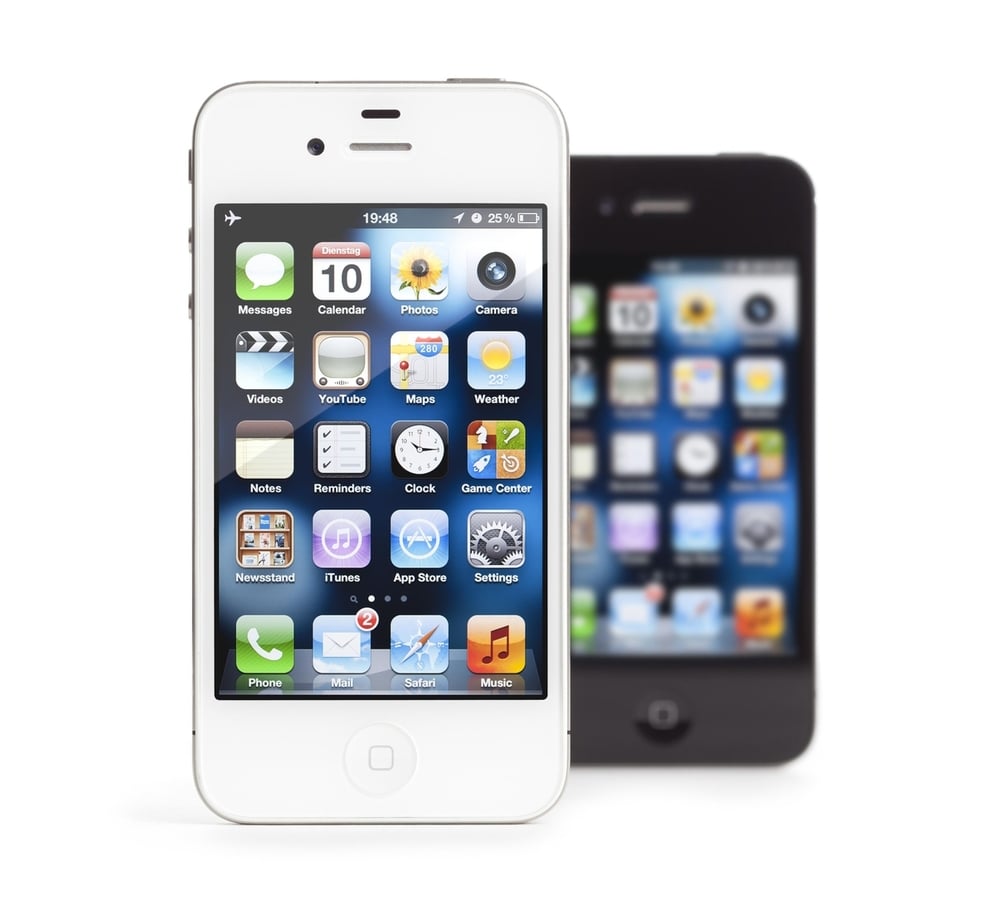
The iPhone 4 was truly tiny and came in a futuristic, snowy white. The battery life was the best in its class when the iPhone 4 was released.
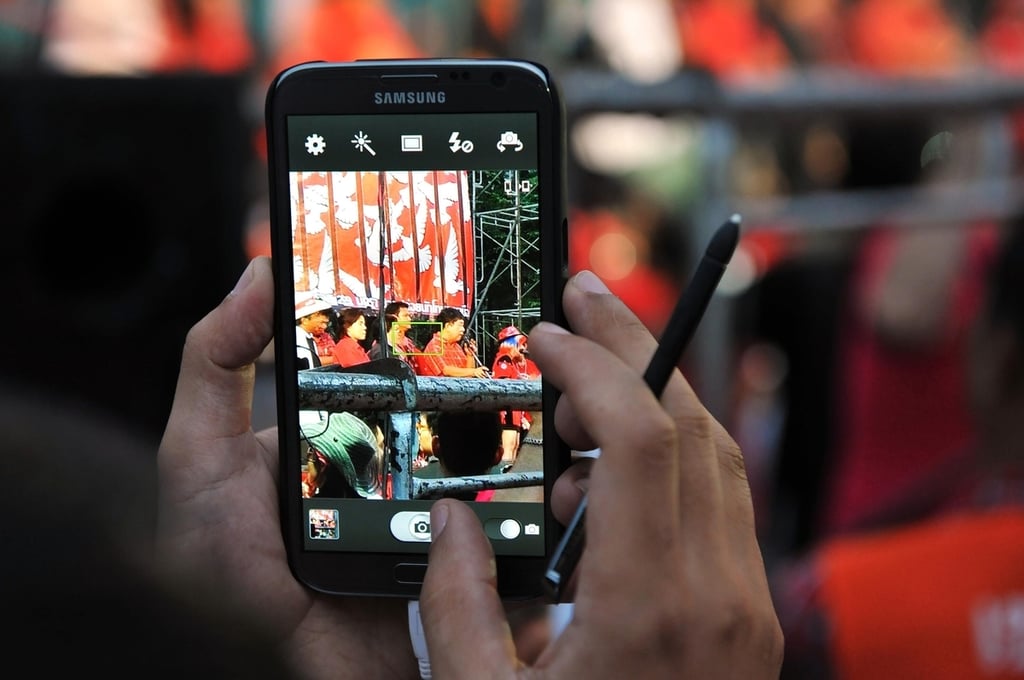
Samsung took the phablet to the mainstream with its nearly tablet-sized Note. The Note series of cell phones hold a stylus called an S Pen in the body of the phone.
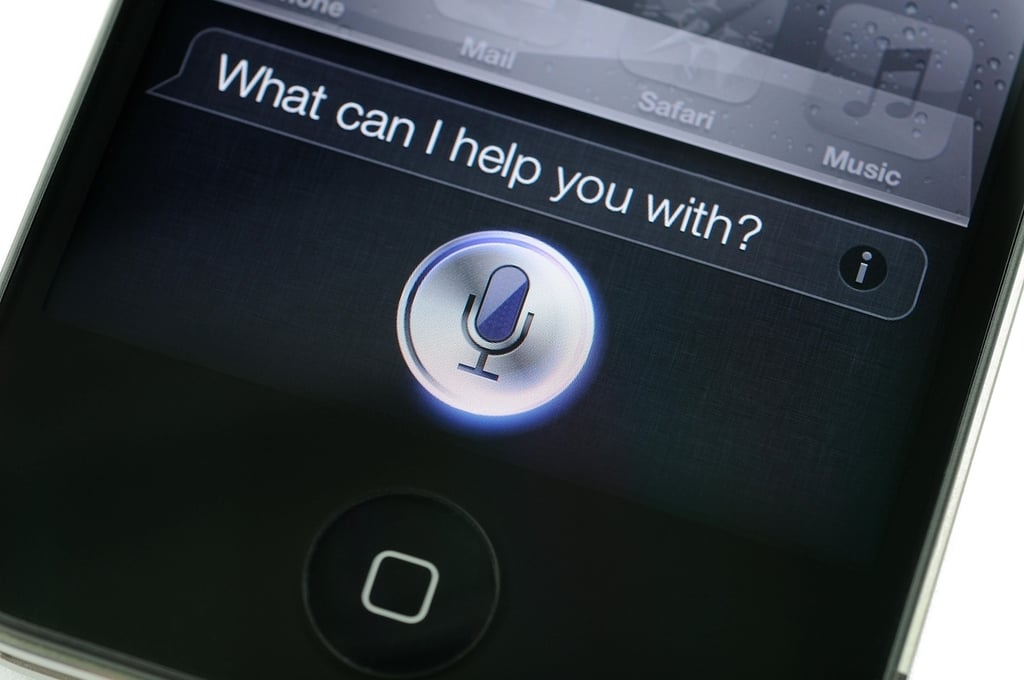
Just a year after releasing the redesigned iPhone 4, Apple released the 4S with integrated personal assistant, Siri.
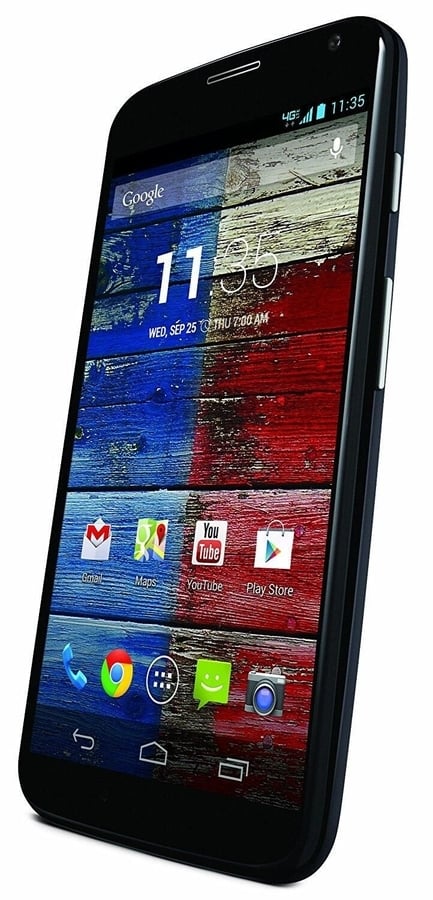
The Moto X was the first Motorola phone released after Motorola was acquired by Google. It was received with generally positive reviews.
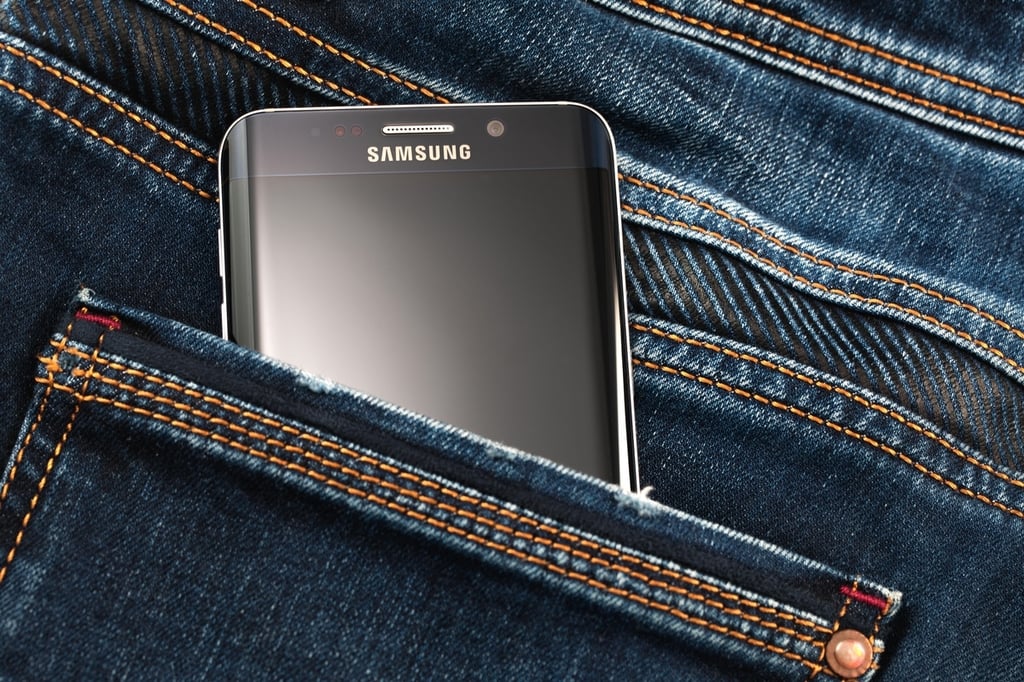
In the mid-2010s, Samsung began wrapping the screen around the sides of their Edge series of smartphones.
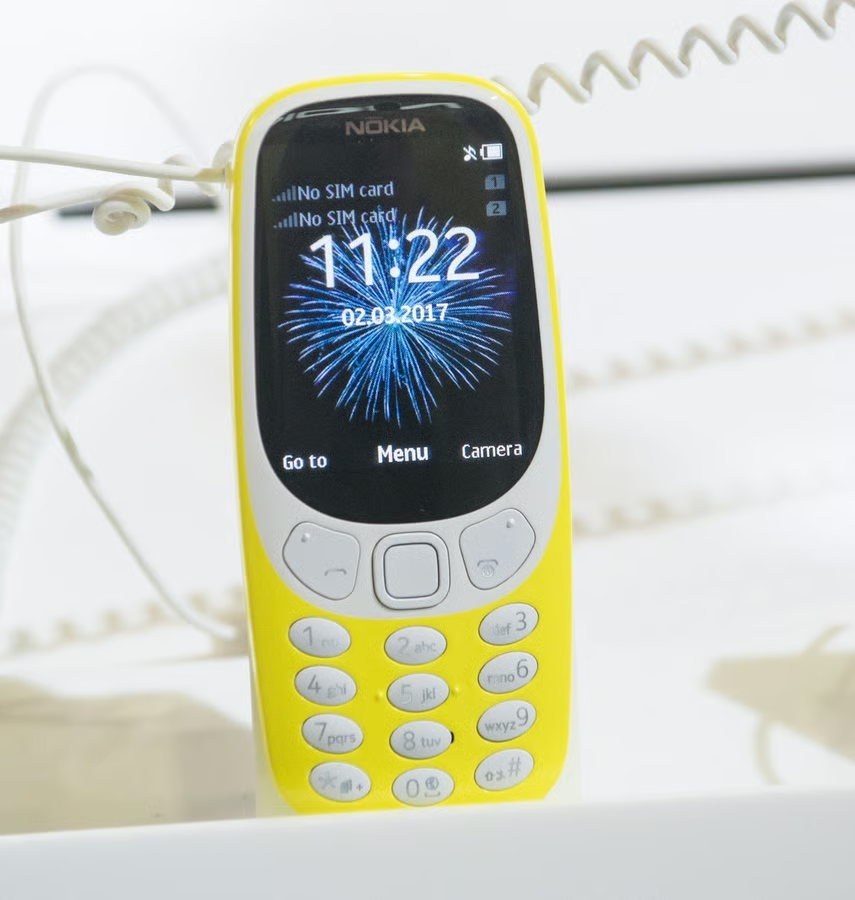
The Nokia 3310 has been reimagined for anyone who is nostalgic for a simpler time, way back around 17 years ago. The feature phone now has a color display but the 2017 phone still uses T9 texting, the camera is still 2 megapixels and, most importantly, you can still play Snake.
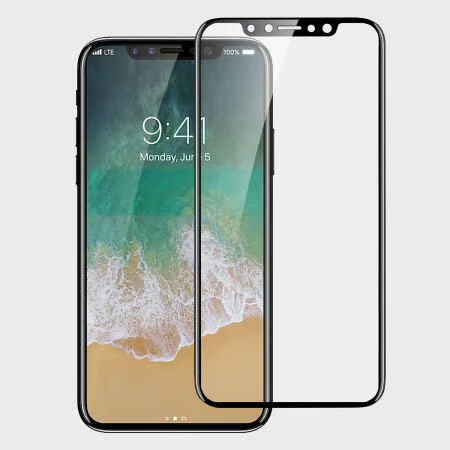
Comps of the 10th anniversary iPhone suggest that Apple will ditch the home button altogether in favor of on-screen navigation. Speculation and excitement continue to mount as whispers from Palo Alto suggest big improvements from previous iPhone models.