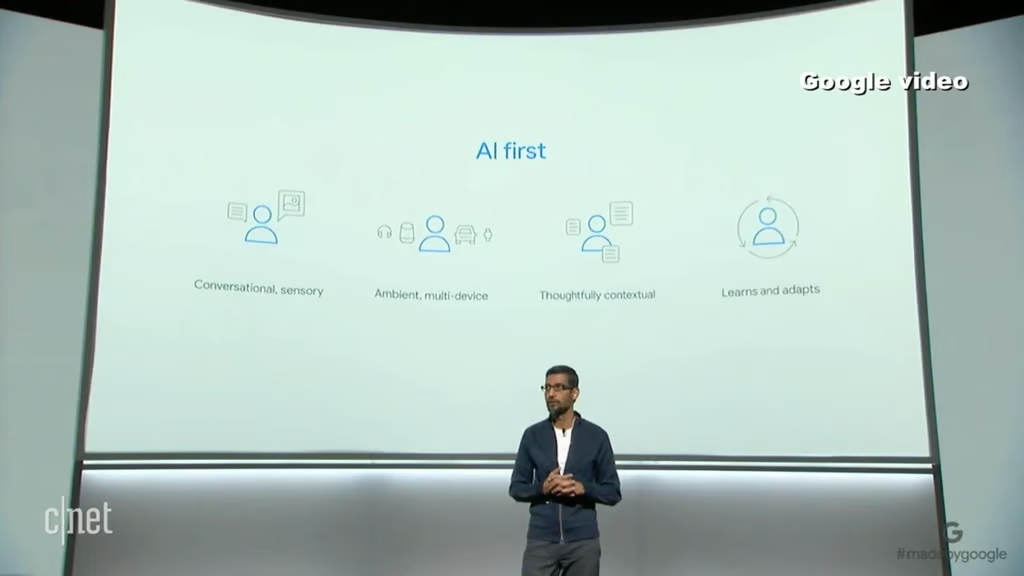
AI was reflected in everything Google announced today. Its hardware all integrates with Assistant, which reflects Google CEO Sundar Pichai’s statement that Google wants computers to adapt to how people live their lives, not the other way around.
Google’s AutoML, a machine learning system that builds its own learning machines, surpassed the efficiency and efficacy of human-built learning machines.
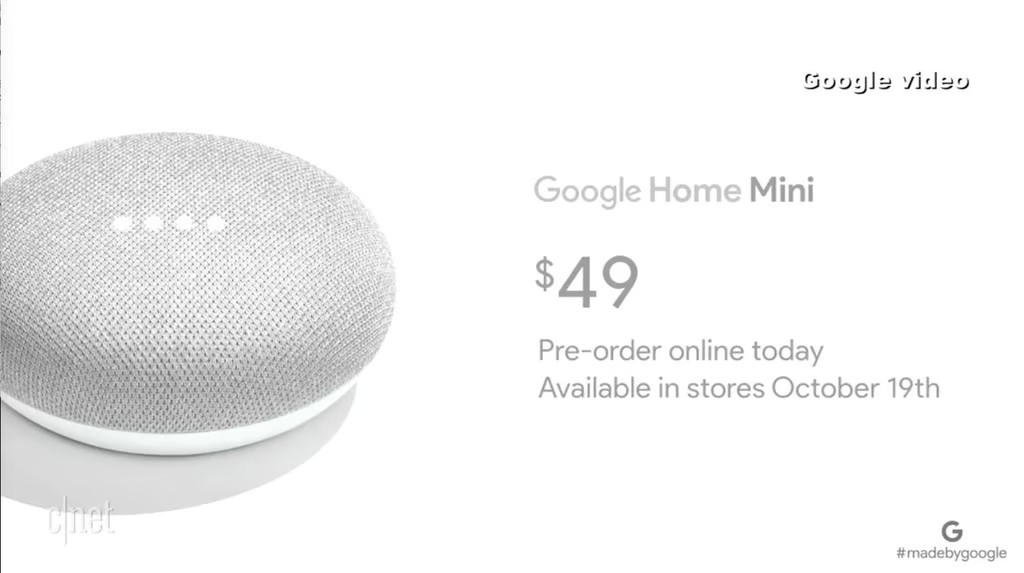
Home mini is tiny, and with a price of just $49, is clearly an Echo Dot competitor.
The mini has lights and a touch sensor under the top fabric, has a 360 degree speaker, and comes in three colors (coral, chalk, and charcoal). It’s currently available for preorder and will be in stores on October 19.
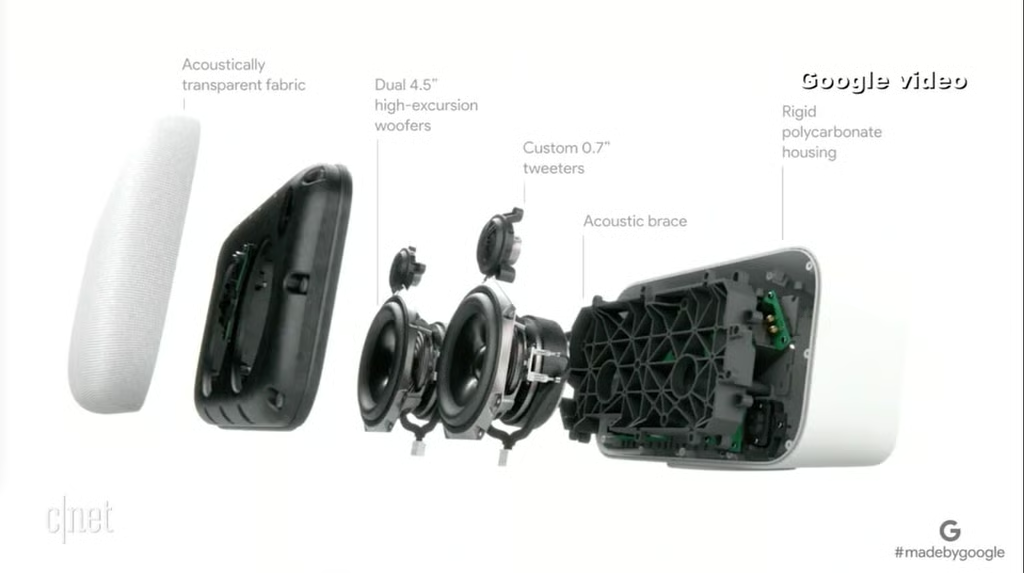
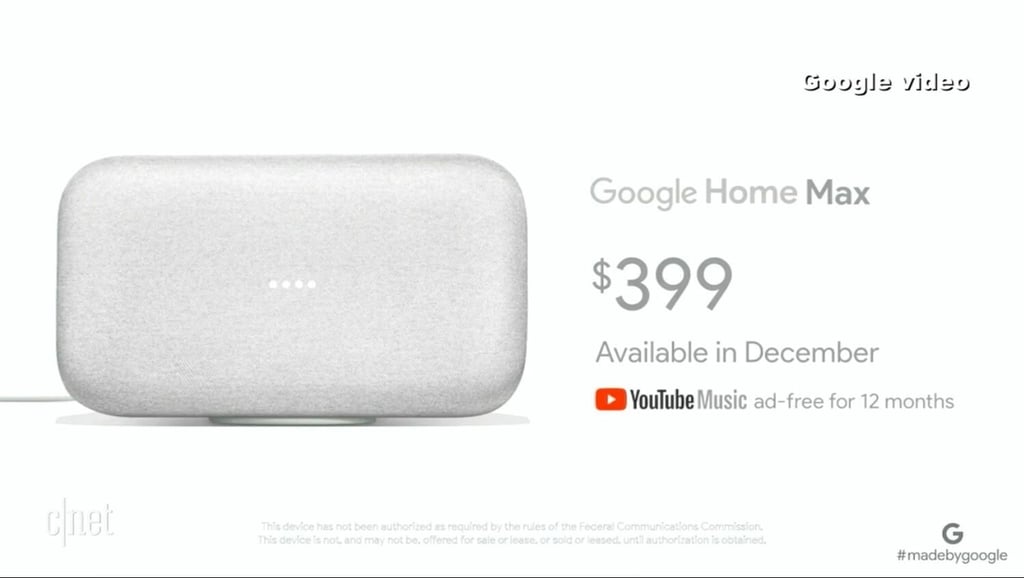
Google’s Air Pod competitor, the Home Max is designed for music lovers.
According to Google, it’s 20 times louder than the regular Google Home, and it will also support casting, bluetooth, and stereo aux inputs.
The speakers in the Max are self-adjusting too, which Google says will ensure premium sound quality no matter where it’s placed. It can also self-adjust for ambient noise, the time of day, and the type of media being played.
The Home Max will retail for $399, and will be on sale in December. It will also come with a free year of YouTube Red.
Nest, which has released a new line of video-enabled products, is partnering with Google to integrate its hardware into Assistant and Google Home devices.
Home users can ask assistant who is at the front door to get video casted instantly to the nearest screen, and Home will even pair with Hello, Nest’s video doorbell, to recognize, remember, and announce people based on face profiles you ask it to save.
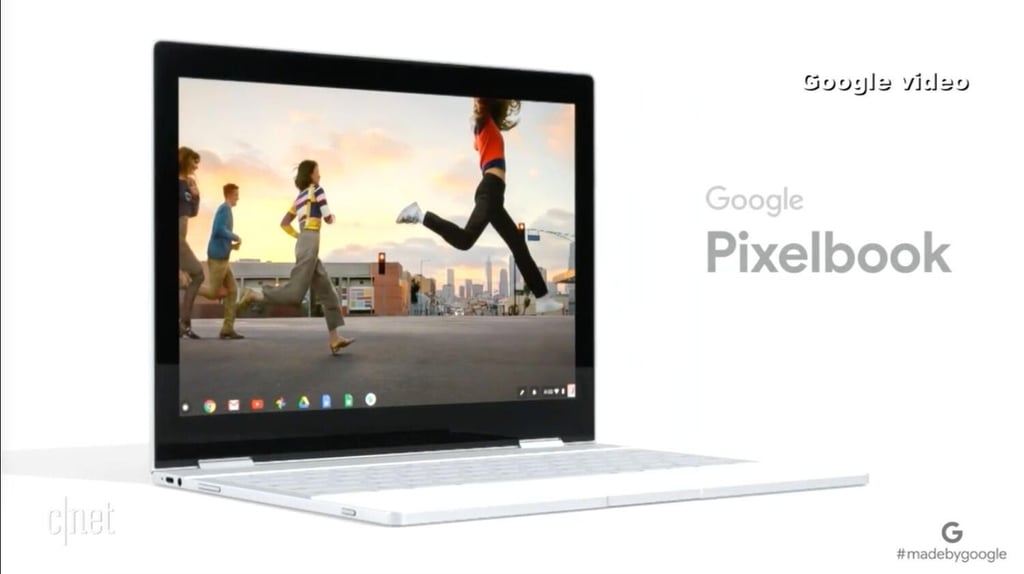
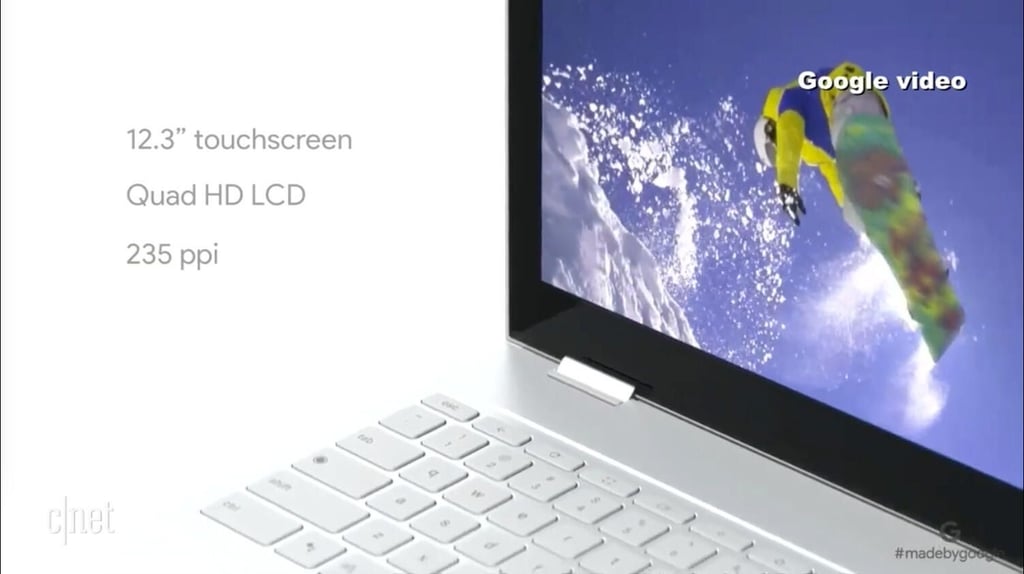
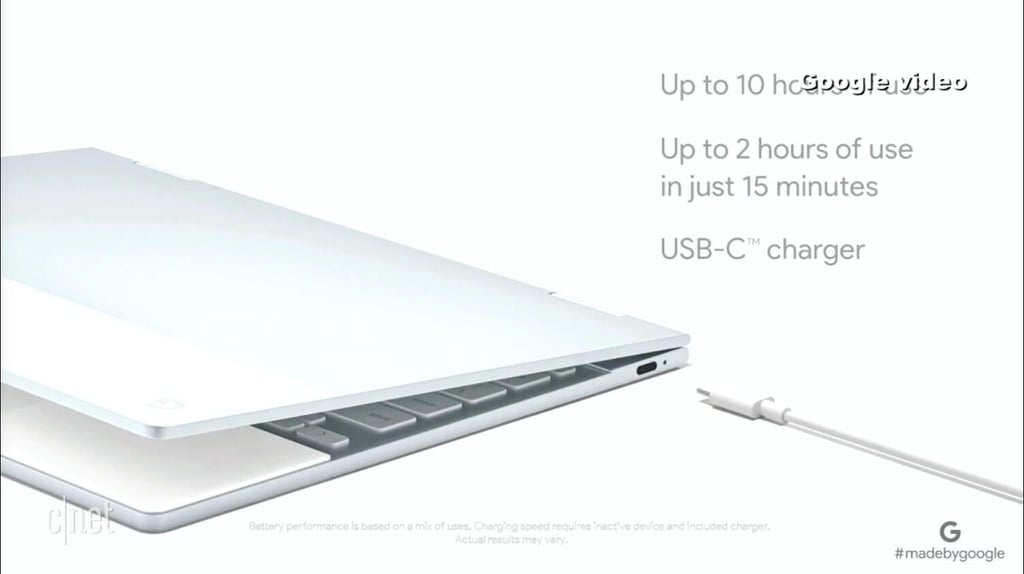
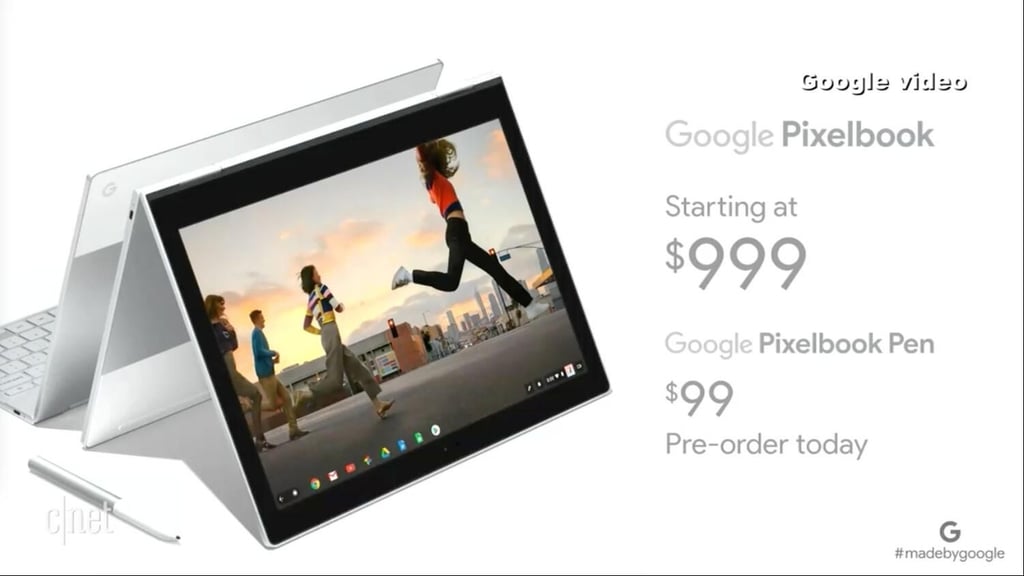
An all new Pixelbook is on the way too. It runs on Chrome OS and has complete support for Google Play, so it will run a variety of Android apps as well.
Other Pixelbook features include a fully rotatable keyboard for tablet use and instant tethering that will automatically pair the device to your Pixel phone when it can’t get a Wi-Fi signal.
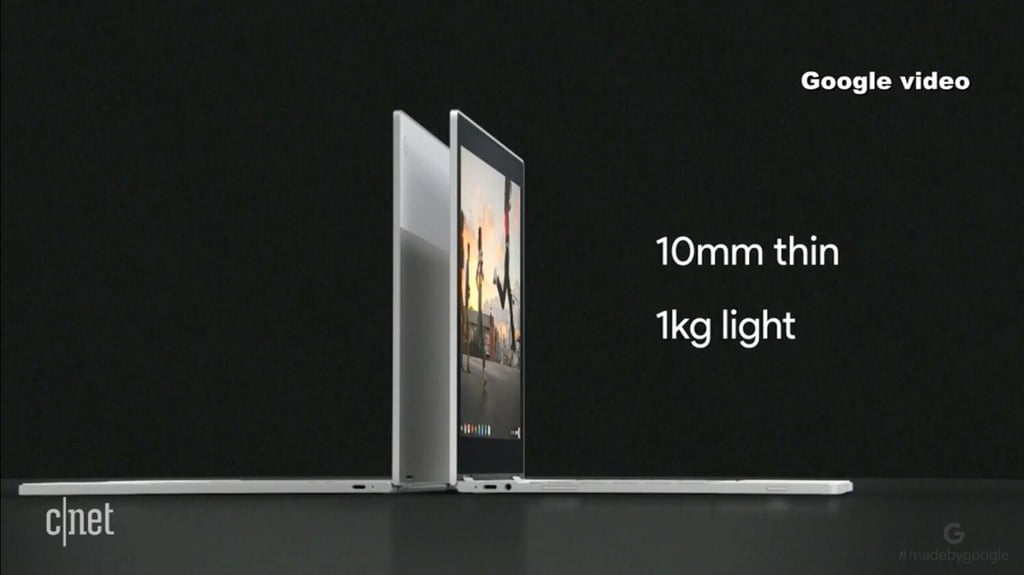
It weighs only one kilogram and is 10mm thick–that’s tiny.
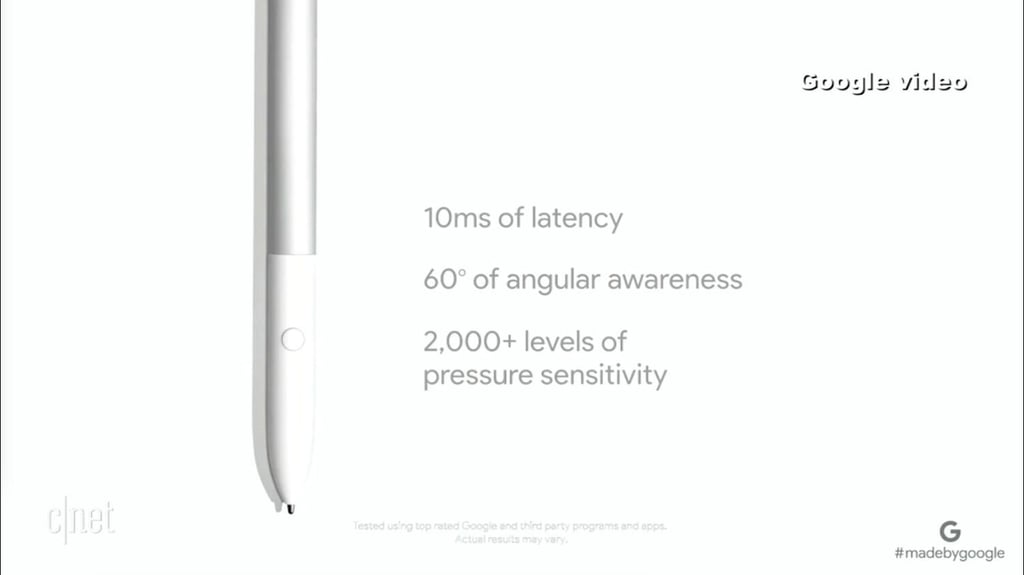
Google is adding a Wacom-powered pen to its lineup, and it has some neat features aside from just drawing and writing.
The Pixelbook Pen can be used to circle a word, image, or object on the screen and Google Assistant will instantly provide a definition, an identification, or more info on what’s selected.
Preorders are now available for both, and they will be available starting October 31.
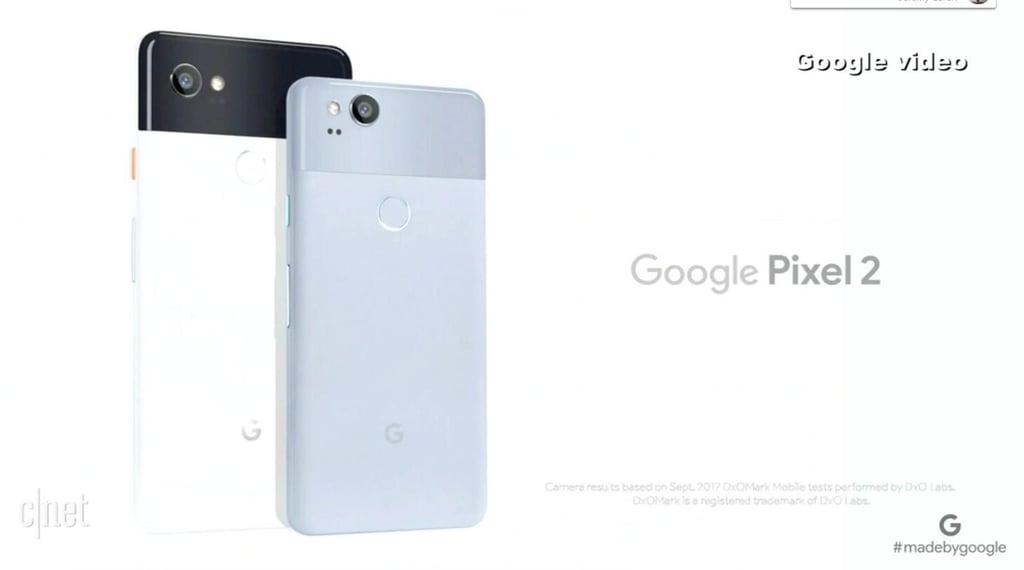
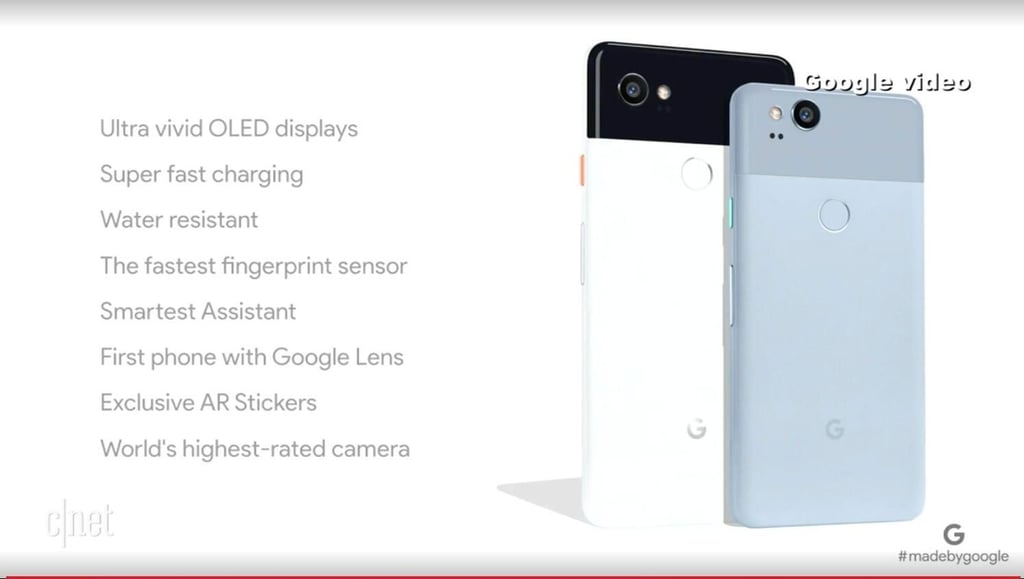
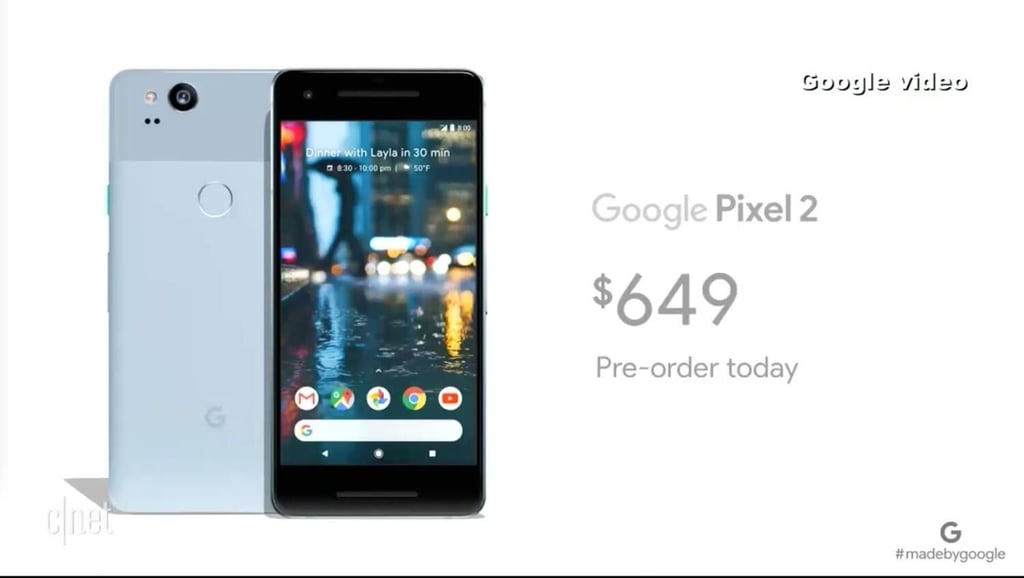
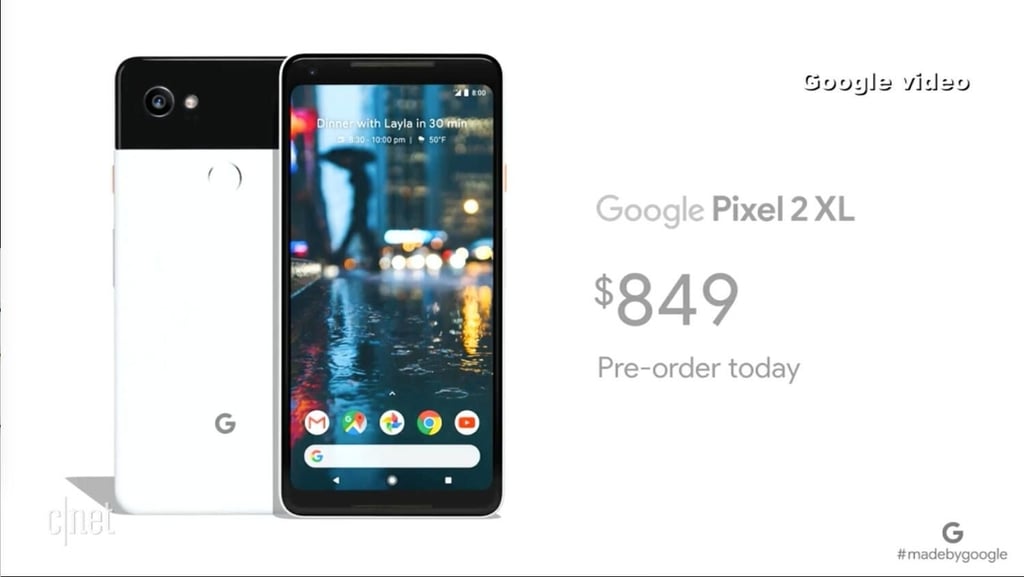
With a 5″ and 6″ display options, the Pixel 2 and Pixel 2 XL are Google’s next generation of smartphones.
They have full HD OLED displays, are rated IP67 for water and dust and have front-facing stereo speakers.
But there’s no headphone jack–sorry.
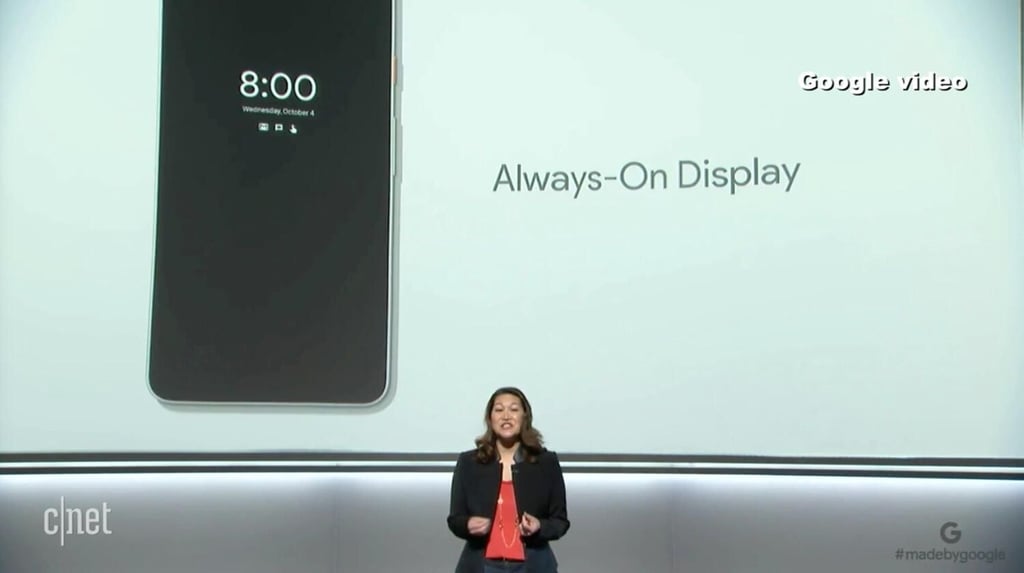
The always-on display isn’t unique to the Pixel, but what it does have are some unique contextual features like notifications.
One particularly interesting feature of the always-on screen is ambient song recognition. If you’re out somewhere and a song is playing just glance at your Pixel and you’ll see what the song is on the bottom of the screen (provided everything is working correctly).
Tap on the song and you’ll get more options, like being able to purchase it, find out more about the performer, or watch the video on YouTube.
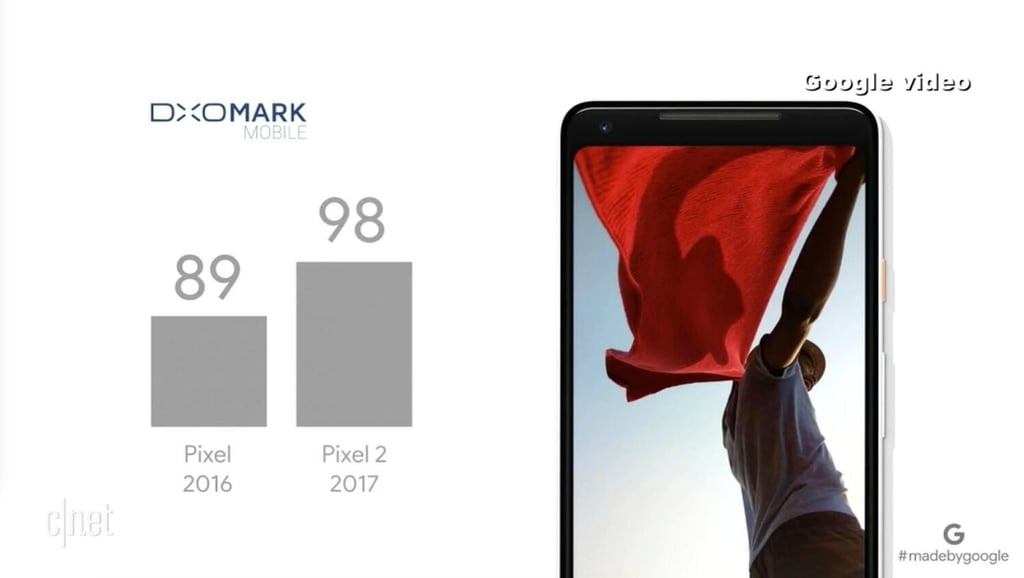
Google is proud of its DxOMark score, which have improved since its last “best smartphone camera” in the first-generation Pixel: the 2 has a DxOMark rating of 98.
Google also spoke on the camera’s AI-powered features: Each photo is captured as a burst that are algorithmically combined to create the best possible image, and it uses both optical and electronic stabilization at the same time while capturing video.
One of the most interesting camera features is its ability to perform portrait mode pictures, like those on Apple’s iPhone X, with a single camera. Instead of relying on slight visual differences captured by two lenses the Pixel 2 and 2 XL use machine learning to separate the fore- and background objects.
A note for Pixel 2 purchasers interested in Google Home: The 2 and 2 XL will come with a free Google Home Mini, but only for a limited time and in certain markets.
The Pixel 2 will be available everywhere that the Pixel is, but the XL will only launch in Australia, Canada, Germany, India, UK, and the US for now. It will be coming to Italy, Singapore, and Spain later this year.
Both models are Verizon exclusives in the US.
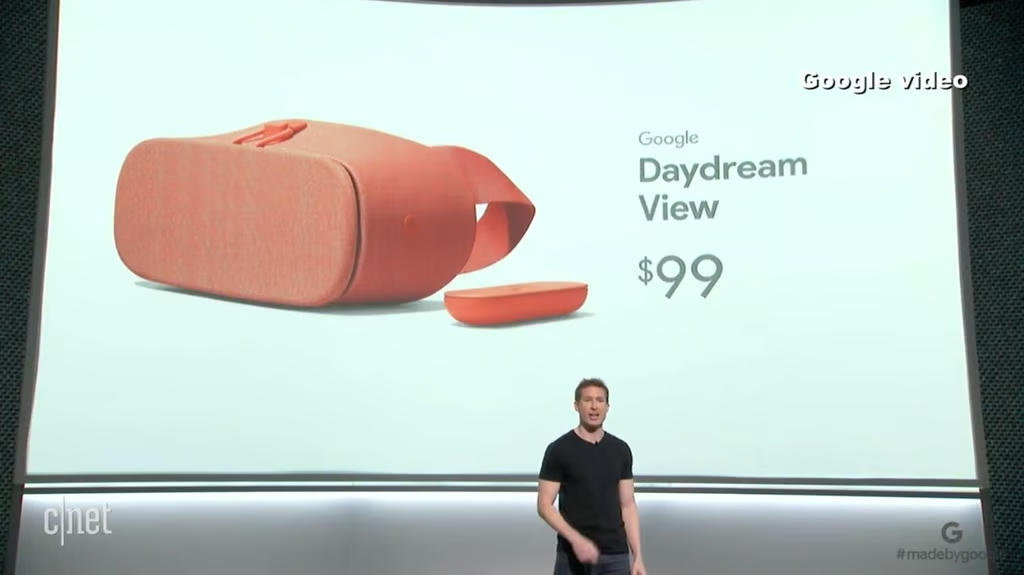
This was only a brief mention in the presentation–not much has changed aside from new colors and a wider field of vision. The device is powered by the phone and doesn’t contain any internal hardware.
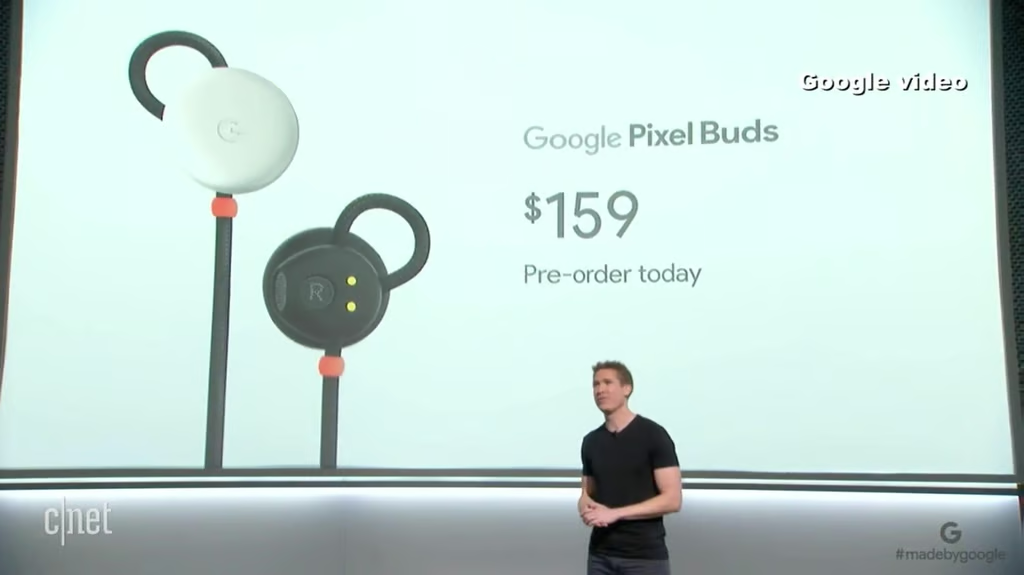
Google’s Pixel Buds are wireless bluetooth headphones that are designed to pair with a Pixel device. They have touch controls integrated into the right earbud (tap to pause, swipe to change tracks, touch and hold to access Assistant). They also enable real-time translation in 40 different languages simply by touching the right earbud, holding it, and speaking.
Preorders are now avialable and the Pixel Buds will ship in November.
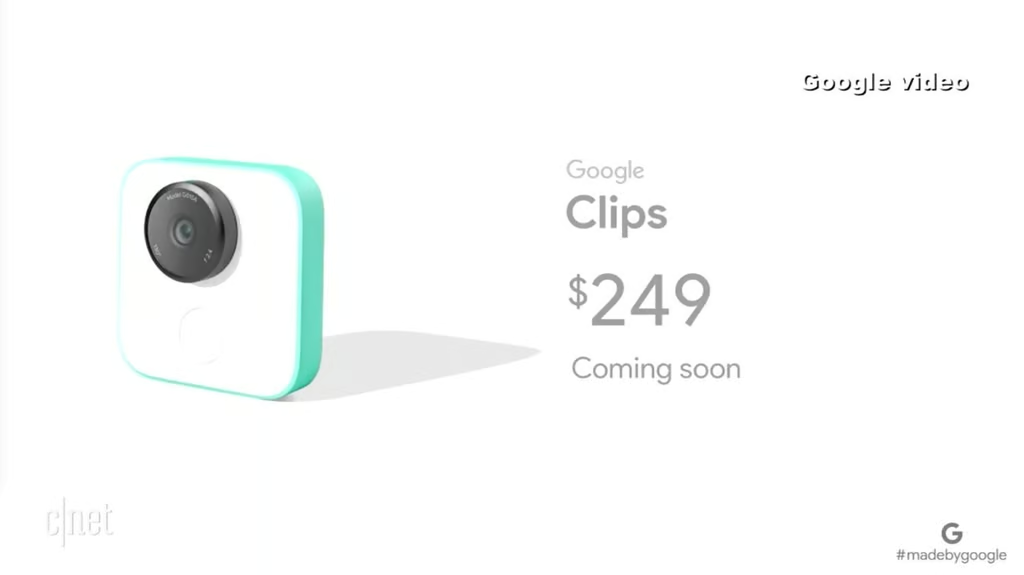
Google said they want to take users away from behind the camera, and that’s what Clips is for. The tiny, clip-on camera will use machine learning to decide when to take the best possible pictures. It captures them as short videos, which users can choose to save as a motion photo or as a single frame still image.
In the interest of privacy, Google said that all the machine learning the device does happens on-device, so nothing is transmitted until a user saves the picture.