The most disappointing and bizarre gadgets of 2013 - TechRepublic

The most disappointing and bizarre gadgets of 2013

  • iphone_5C_123113.png

    Disappointing or weird gadgets

    These are the gadgets released or at least announced or demoed in 2013 that I think are the biggest letdowns or just flat-out weird. Sound off in the comments about which gadgets are on your worst of 2013 list.
    Note: TechRepublic and CNET are CBS Interactive properties.

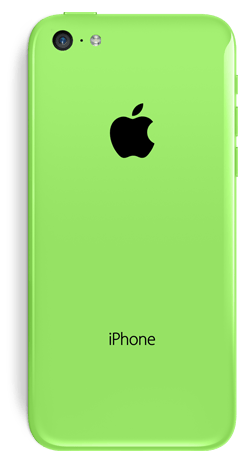
    iPhone 5C

    I might get a lot of flack for including the iPhone 5C in this list, but I stand behind my decision. The iPhone 5C’s main selling point is color options, and the product tainted the release of the new hardware and iOS 7.

    This is made even more evident when you compare the iPhone 5C to the incredible power of the iPhone 5S. The 5S is the first 64-bit smartphone platform and should have been given its own release. Yes, iOS 7 made a lot of major changes and even gained a boost in performance, but with a polycarbonate body, the C should stand for cheap.

    Also read: iPhone 5C teardown reveals upgrades and design changes and iPhone 5s, iPhone 5c might underwhelm – but do they point to Apple’s future plans? 

  • lg_4k_tv_123113.jpg

    4K TVs

    \r\n\r\n\r\n\r\n\r\n\r\n\r\n\r\n

    TV stations are not broadcasting or cannot broadcast near\r\nthe 4K range. One exception is the Sochi Olympics, which will\r\nbe broadcast in 4K. Outside of that, standard broadcasts can’t touch it, and\r\nI don’t see them making the jump any time soon.

    This is about more than just broadcasting feeds — it’s also about the very technology with which films and TV shows are\r\nfilmed because cameras will have to be upgraded. Let the networks and production\r\nhouses first start filming in 4K and then roll the broadcasts out and\r\nlet the consumer decide if it’s time for 4K TVs. 

    An LG Ultra HD TV is displayed in this image.

    \r\n\r\n

    Photo credit: LG
  • LG-Optimus-Vu-2_123113.jpg

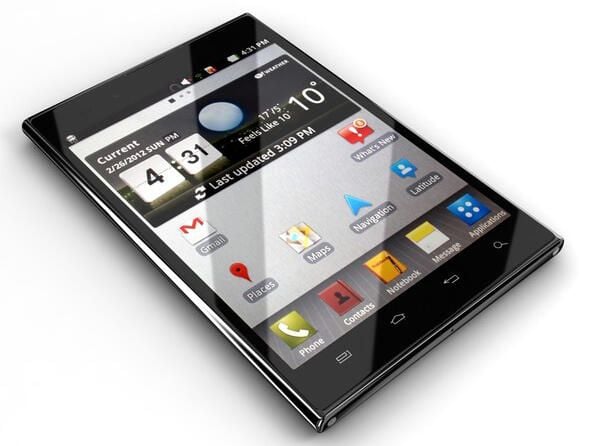
    LG Optimus Vu II

    If you’re looking for a solid, Android-based smartphone, skip the LG Optimus Vu II.

    It ships with an out-of-date Android platform (4.0), it’s underpowered, and it’s shape doesn’t conform to any standard known to this planet. It’s also difficult to hold and slow to use (dual core Snapdragon running at 1500 Mhz with only 2048 MB of RAM). Overall, it’s a horrible product.

    Photo credit: LG
  • iMusic_Body_Rhythm_123113.png

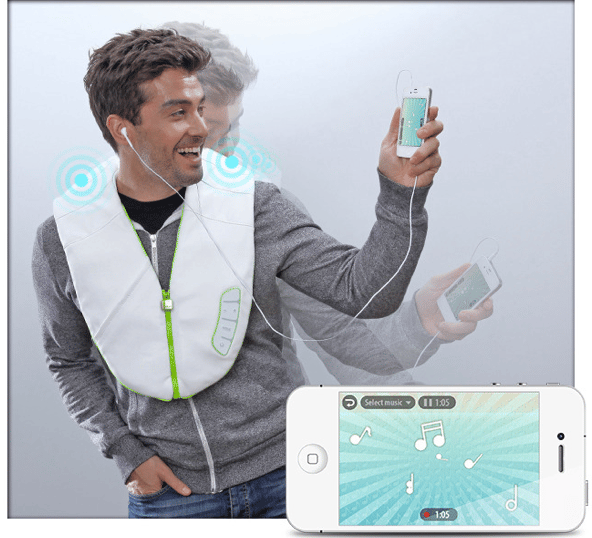
    iMusic BodyRhythm

    \r\n\r\n\r\n\r\n\r\n\r\n

    iMusic Body Rhythm is a bib-like device that hangs on your shoulders and uses an iPhone app to pummel your muscles into submission. The device uses a sequence of “tiny taps” on your muscles and less actual massage. The feeling is more disconcerting than relaxing.

    I cannot imagine anyone getting their money’s worth out of this gadget, even though there are “games” associated with the massage experience. The games are along the variety of a drum tapping, so it’s less of a game and more just tapping your fingers on a screen, and those taps are transferred to your shoulders.

    Forgo the near $150 price (should this gadget even make it out of Kickstarter), and have a friend tap your shoulders for an hour or so.

    Photo credit: iCess Labs, Inc.
  • hapi_fork_123113.jpg

    HAPIfork

    The HAPIfork is a “smart fork” that monitors the amount of food you eat and the rate at which you eat it. The premise is that it tries to prevent hurried eating (which has been “attributed” to weight gain). 

    Photo credit: Hapi.com
  • minikoo_123113.png

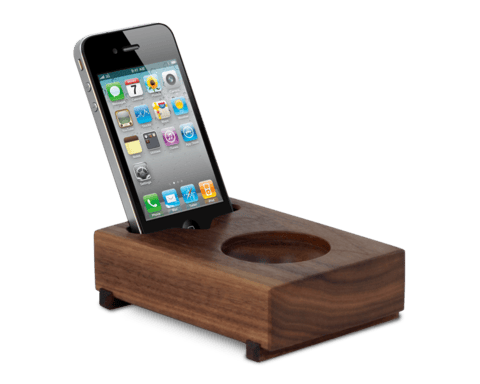
    Acoustic iPhone amplifiers

    For some reason, acoustic iPhone amplifiers (such as the Mini Koo seen in this photo) have taken off. The iPhone speakers (or any smartphone speakers) are not capable of producing sound of any real quality. So when you amplify that already less-than-stellar sound, you’re just making it louder.

    If you really want to amplify your iPhone sound, get a proper amplifier with a set of quality speakers (such as the Fluance FiSDK 500); your music will have a much more refined sound.

    Photo credit: Koostik
  • hi_call_gloves_123113.jpg

    hi-Call Bluetooth gloves

    I thought the hi-Call Bluetooth gloves were a joke, but they’re real; the gloves serve as a Bluetooth handset for your smartphone.

    You know that gesture you make with your hand when you want someone to call you? Imagine having a pair of gloves that make that gesture work — for real. In the thumb is the speaker for incoming calls, and in the pinky is the speaker for outgoing calls.

    These gloves should only exist as a Saturday Night Live fake commercial. 

    Photo credit: HiFUN
  • Paparazzo_123113.jpg

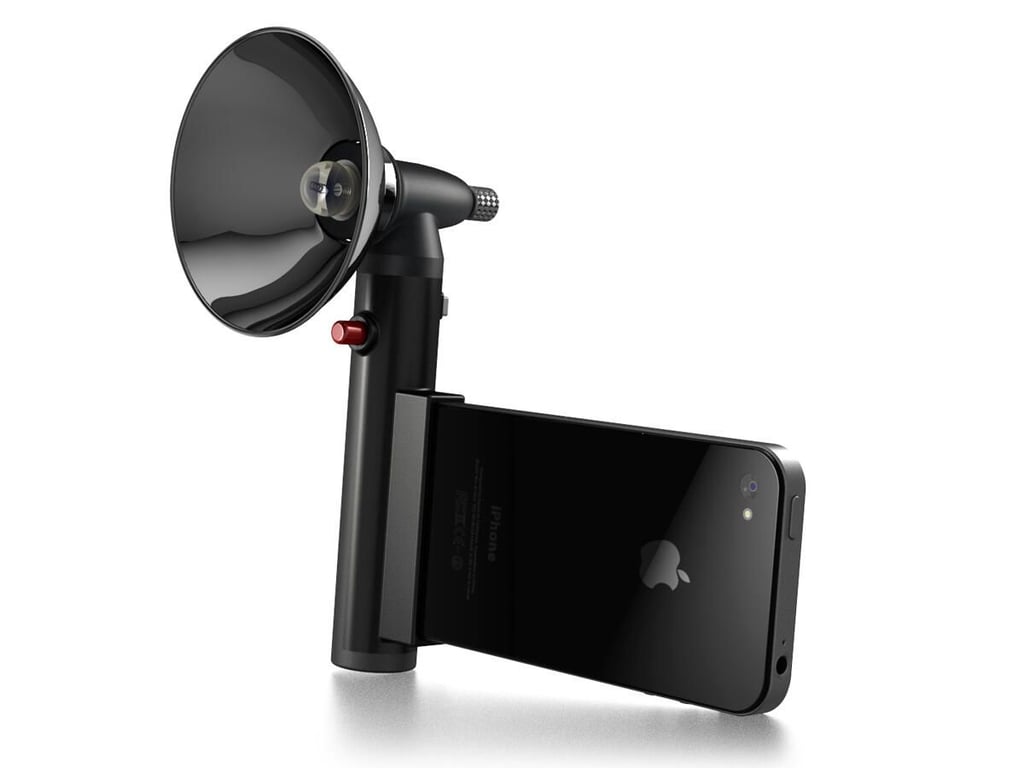
    Paparazzo iPhone Light

    If you want to look like old-timey paparazzi, the Paparazzo iPhone Light might be for you. If, however, you want to keep your iPhone portable and easy to handle, don’t bother.

    The external light uses an LED and a reflector to give you serious light for your photos. 

    The biggest issue with this add-on is that you have to manually press the trigger for the light — there is no auto syncing. So if you don’t pretty the light and your camera button at the same time, the sync will be off (as will your photo). Come back to us when you have an auto-sync feature.

    Photo credit: Paparazzo
  • ipotty_123113.jpg

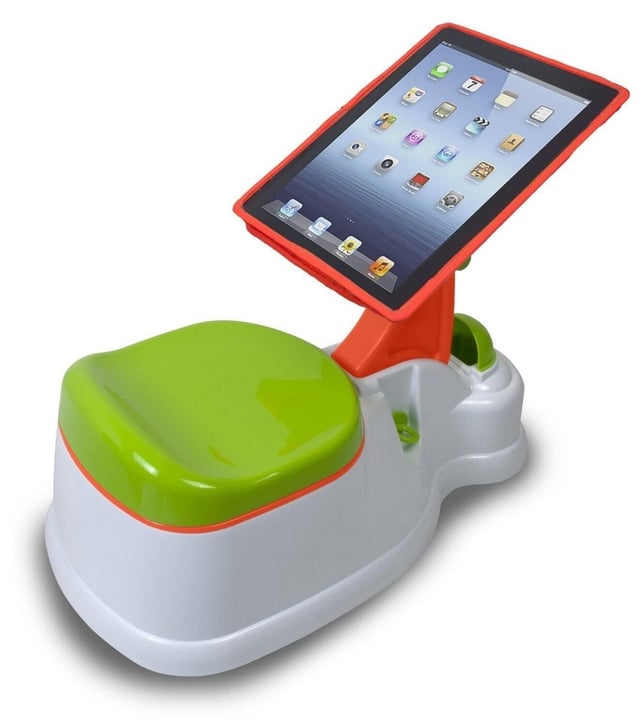
    iPotty

    Seriously? Do we really need high-tech toilet training? The iPotty sends a bad message that a device can replace good parenting skills.

    Photo credit: CTA Digital
  • google-shoes_123113.jpg

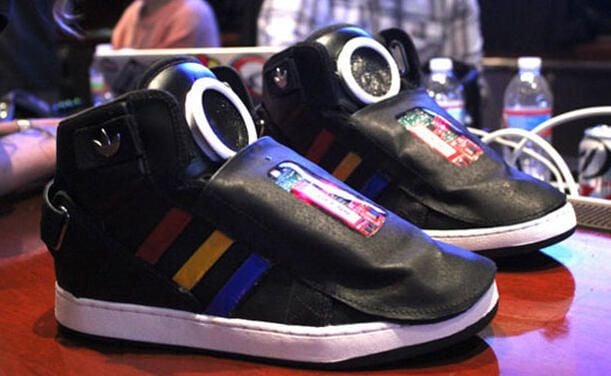
    Google Shoe

    According to a CNET News article about Google Shoe, a Google spokeswoman said this was an experiment rather an actual product going to market. Still, it’s amusing to think about Google Shoe.

    These heavily customized Adidas shoes features an accelerometer, a gyroscope, a pressure sensor, and a speaker from which over 250 motivational phrases can be announced. Anyone that needs their sneakers to shout to them for motivation to exercise might want to give up sports or just be more active.

    Photo credit: Joanna Stern
1 of 10
Jack Wallen

Jack Wallen is an award-winning writer for TechRepublic, The New Stack, and Linux New Media. He's covered a variety of topics for over twenty years and is an avid promoter of open source. For more news about Jack Wallen, visit his website jackwallen.com.