TPG Screen By Screen: Configuring DNS on Windows Server 2003 - TechRepublic

TPG Screen By Screen: Configuring DNS on Windows Server 2003

  • 6685.jpg

    DNS helps allow workstations to find Web sites and resources both on the Internet and on internal networks. You can configure Windows Server 2003 to act as a DNS server. This Screen By Screen walks you through the process of how to do so.
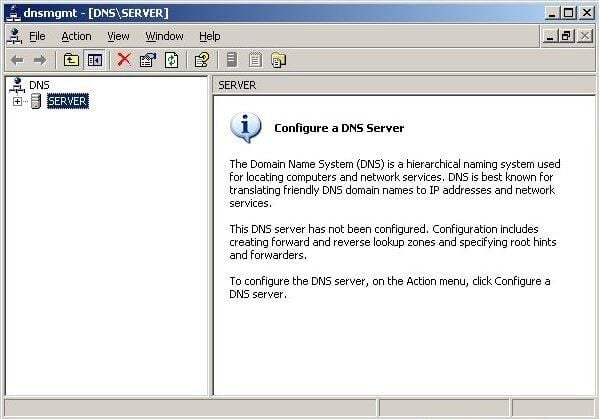
    \r\nBegin by clicking Start | Administrative Tools | DNS. When the DNS Management console starts, start by selecting the DNS server in the left pane.

    CNET Networks
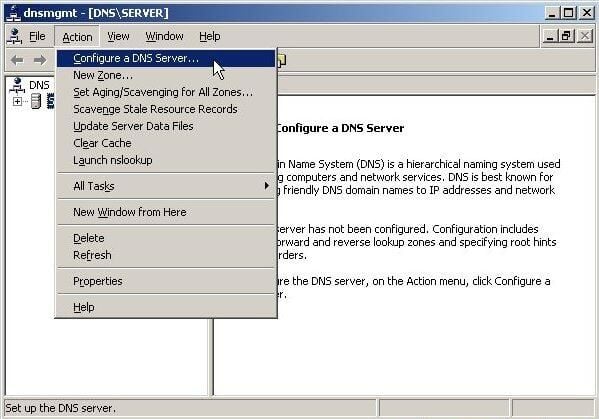
  • Click Configure a DNS Server from the Action menu.

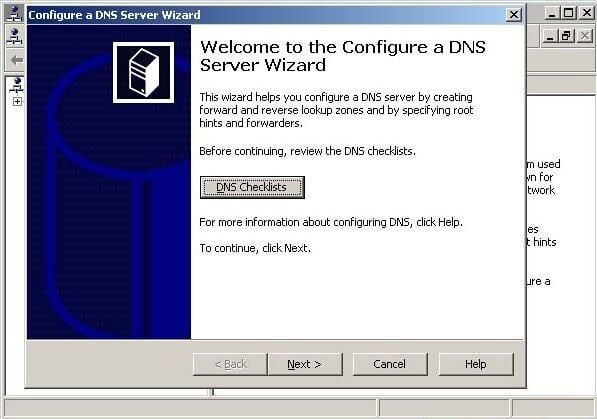
  • The Configure a DNS Server Wizard will appear. Click Next to continue.

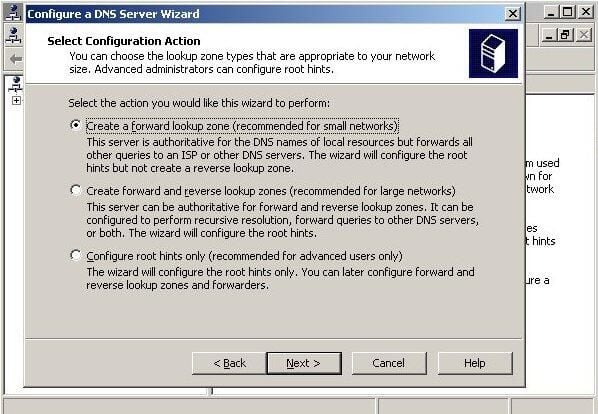
  • Verify that Create a forward lookup zone (recommended for small networks) is selected. If you are configuring DNS for a large network, select the second option. Click Next.

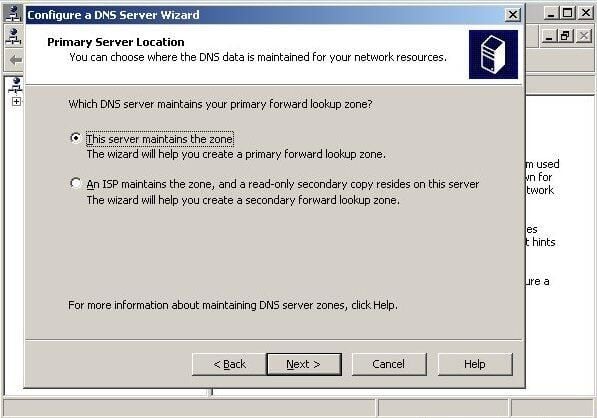
  • Verify that This server maintains the zone is selected. If the zone is hosted by an ISP, select the second option. Click Next to continue.

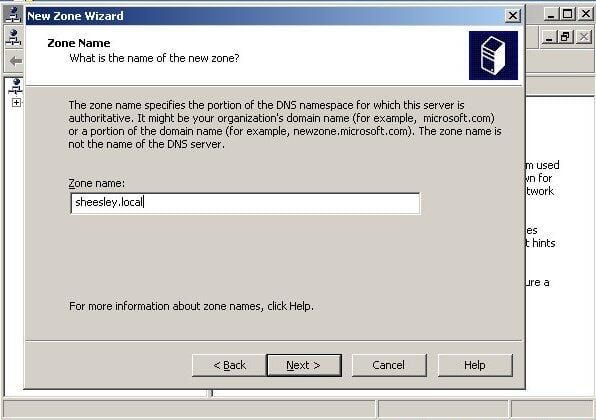
  • Type in the name of the new zone. Click Next.

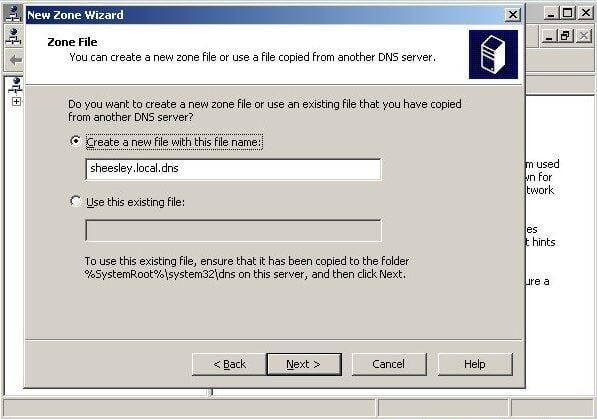
  • Verify the name and location of the zone file. Click Next.

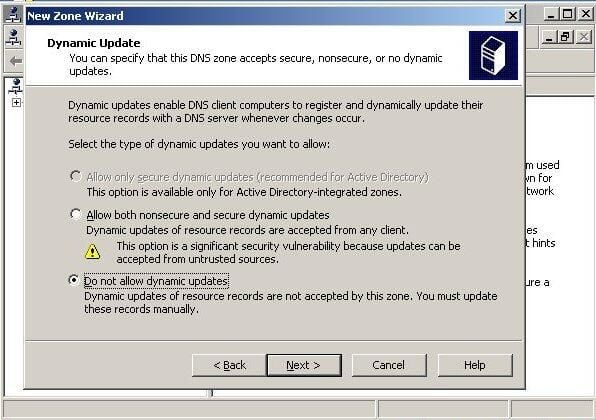
  • Verify that the Do not allow dynamic updates is selected. Select the second option to enable dynamic updates. Secure updates are only available for Active-Directory-integrated zones. Click Next.

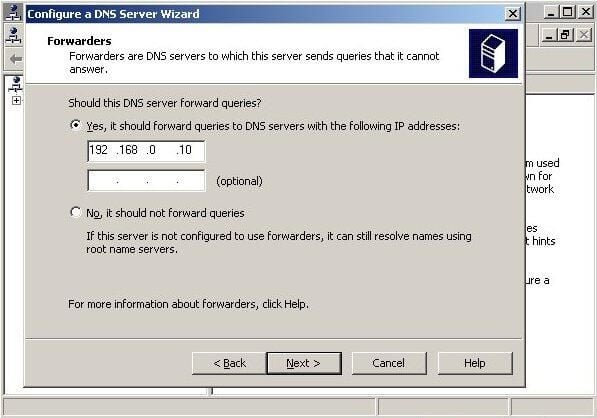
  • Type in the IP address of the DNS server that this DNS server should forward queries to. Select the second option if queries should not be forwarded to another DNS server. Click Next.

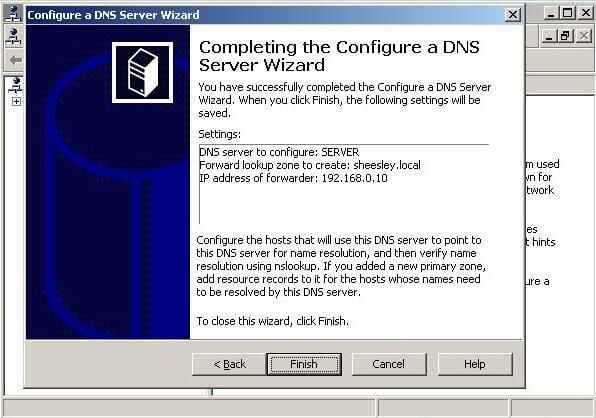
  • Review the summary of settings configured. Click Finish.

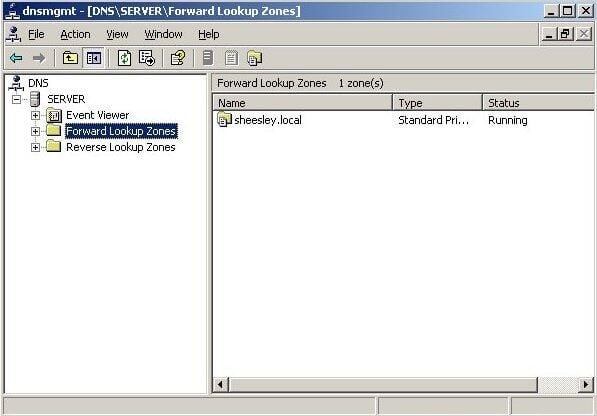
  • The new zone will appear in the right pane of the DNS Management console.

1 of 11
BD

Bill Detwiler is the Editor for Technical Content and Ecosystem at Celonis. He is the former Editor in Chief of TechRepublic and previous host of TechRepublic's Dynamic Developer podcast and Cracking Open, CNET and TechRepublic's popular online show. Previously, Bill was an IT manager in the social research and energy industries. He has bachelor's and master's degrees from the University of Louisville, where he has also lectured on computer crime and crime prevention.