


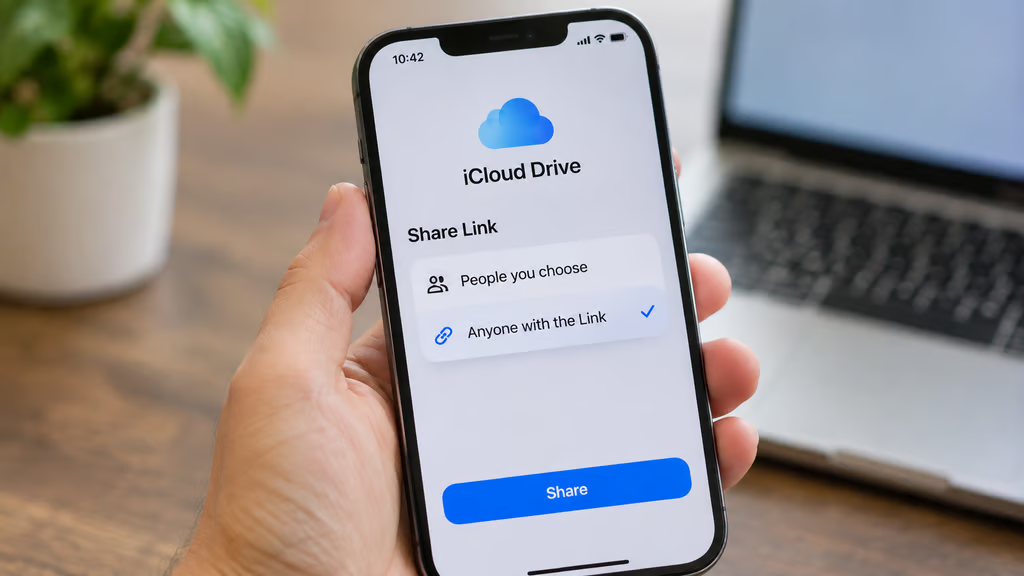
Apple is changing how it handles publicly shared iCloud content, with new checks for harmful material coming in iOS 27.3. The policy applies to photos, files, and other items shared using the “Anyone with the Link” option, which lets people open shared content without being individually invited.
The change also applies to iPadOS, macOS, and visionOS 27.3 or later. Apple confirmed the policy in a support document published Nov. 3, but hasn’t explained how it will examine shared content or how it defines “harmful content” for these checks. The company also says it may remove flagged material or take action against the account responsible.
The 27.3 updates are currently in beta, with iOS 27.3 expected to reach the public in December.
What Apple will check in iOS 27.3
According to Apple’s support document, the new checks apply specifically to content shared through the “Anyone with the Link” setting.
When sharing a link to something stored in iCloud, such as a photo from iCloud Photos or a document in iCloud Drive, users can choose between two options:
- People you choose: Only people you invite or approve can access the shared item.
- Anyone with the Link: Anyone with the link can open the shared item, including Apple.
Starting with version 27.3, Apple says it will check content shared through the second option for harmful material.
That doesn’t mean Apple has announced plans to scan every photo, document, or backup stored in iCloud. The new policy concerns items shared through public links, not private content that hasn’t been shared.
Apple also hasn’t explained how the checks will work. Its announcement doesn’t say whether automated systems will examine files, whether human reviewers will be involved, or whether checks will happen when a link is created or afterward.
What happens to end-to-end encryption?
Apple’s documentation includes another important detail: items shared using “Anyone with the Link” are not end-to-end encrypted, even when Advanced Data Protection is enabled.
Advanced Data Protection normally extends end-to-end encryption to additional categories of iCloud data, preventing Apple from accessing that information under ordinary circumstances.
However, Apple says content shared through public links loses that protection to support the sharing feature. Public-link sharing uses standard data protection, which encrypts data in transit and on Apple’s servers but allows Apple to access the encryption keys.
This isn’t a new encryption change introduced by iOS 27.3. Apple had already documented this exception in its iCloud security overview.
For anyone sharing sensitive information, the distinction is important. Turning on Advanced Data Protection doesn’t mean a publicly shared iCloud file remains end-to-end encrypted.
Users who want tighter control over who can access a file should consider choosing specific recipients rather than creating a link anyone can open. For supported sharing features, end-to-end encryption also requires every participant to enable Advanced Data Protection. Photos’ Shared Albums and iWork collaboration do not support that protection.
What happens if Apple flags a file?
Apple says it can take several actions against content it considers harmful.
These include refusing an upload, modifying or removing content, and deleting material from its services.
The company also reserves the right to take action against the associated Apple Account. Possible measures include:
- Blocking or disabling the account.
- Preventing the creation of another account using the same email address or phone number.
- Involving law enforcement when necessary.
The support document does not define “harmful content” for these checks. However, Apple’s existing iCloud terms already prohibit material such as child sexual abuse content and malware, and allow content removal without prior notice.
The support document also doesn’t describe an appeals process for someone who believes their content was flagged incorrectly.
These are potential enforcement actions, not evidence that Apple plans to suspend accounts for ordinary file sharing.
Apple’s announcement comes amid wider concerns about harmful content on digital platforms, including recent scrutiny of AI deepfake apps available through major app stores.
However, Apple hasn’t connected its new iCloud checks to that investigation or identified any particular category of harmful content as the reason for the change.
Should you stop using public iCloud links?
There’s no indication that people need to stop using iCloud links altogether.
The “Anyone with the Link” option remains useful for sharing photos, documents, and other files without inviting each recipient individually. But it’s best suited to material you’re comfortable making accessible to anyone who obtains the link.
For private documents, personal information, or files intended for a small group, sharing with specific people provides better control over who can open them.
Before sending a link, check which sharing option is selected. If a file is already shared publicly, review whether it still needs to be accessible that way.
The same advice applies whether you’re sharing family photos, work documents, or other personal files.
Apple hasn’t announced a separate setting for opting out of the new checks while continuing to use “Anyone with the Link.”
It also hasn’t specified whether previously created public links will be checked under the new policy.
For now, the confirmed change is limited to Apple’s stated policy: content shared through public iCloud links is already accessible to Apple, which says it will begin checking that content for harmful material starting with version 27.3.
The unanswered questions concern how those checks will work, what content will be flagged, and what users can do if Apple makes a mistake.
Also read: Our iOS 27.3 update guide covers the expected release date and other changes coming to Apple’s next software update.