


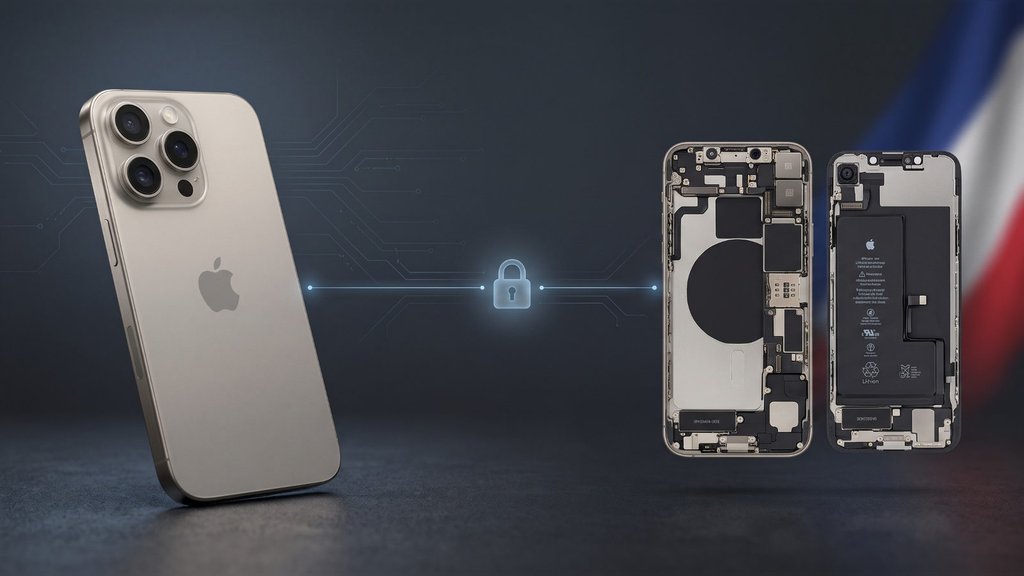
Even genuine Apple replacement parts can run into software restrictions. Now, the company’s control over independent iPhone repairs is headed to court in France.
Apple Inc. and Apple Distribution International are expected to face trial in Paris in June 2027 over allegations that software-based parts pairing obstructed independent repairs and refurbishment. The case follows a December 2022 complaint by French consumer group Halte à l’Obsolescence Programmée (HOP), covering 24 iPhone models. Apple denies wrongdoing.
The proceedings could shape how French law is applied to repair restrictions, affecting independent repair shops, iPhone owners, and businesses maintaining older devices.
Apple accused of restricting independent repairs
According to Euronews’ November 17 report, citing AFP, the four-day trial is expected to begin June 17, 2027. The allegations concern practices between November 2021 and July 2024, involving iPhone models from the XS through the 15 series and the 2022 iPhone SE.
The prosecution follows HOP’s complaint over parts pairing, also called serialization. The technology digitally associates components such as batteries, displays, and cameras with individual iPhones.
HOP alleges that replacing these components outside Apple’s approved repair process could cause malfunctions or disable features, even when genuine Apple parts were installed. Reported examples include Face ID becoming unavailable after certain camera replacements and Battery Health information disappearing following battery repairs.
The case centers on Article L441-3 of France’s Consumer Code, which prohibits certain techniques intended to obstruct independent repairs or refurbishment. Effective since November 17, 2021, the law allows exceptions for legitimate reasons, including user safety.
HOP describes this as the first prosecution under France’s specific repair-obstruction offense. Apple rejected the allegations, telling AFP, “We strongly contest these unfounded allegations.” In its 2024 repairability report, Apple defended component authentication as a safeguard for security, privacy, and safety, particularly for biometric features.
Apple’s repair changes face a legal test
Apple has expanded repair access since the complaint. In April 2024, it announced support for used genuine parts on select iPhones, including on-device calibration. It also removed serial-number requirements for most Self Service Repair parts orders.
Newer devices have joined the program. Apple now sells genuine iPhone Duo replacement parts, although its inner display assembly costs $999 in the US before return credits. Access to replacement parts does not necessarily make repairs affordable.
Repair eligibility still varies by model and component. Apple generally permits third-party parts to function but restricts unverified biometric components from performing authentication. HOP acknowledges the changes while questioning whether they adequately address independent repair barriers.
France’s prosecution comes as European countries implement the EU’s Right to Repair Directive, which restricts certain barriers to repairing covered products. The French case concerns earlier alleged conduct under national law.
Smartphone repairability varies across manufacturers, while an iPhone Duo teardown illustrates the challenges of servicing foldable hardware. European businesses maintaining iPhone fleets must also weigh component compatibility, calibration support, and repair costs.
A scheduling hearing is set for February 25, 2027, before the expected June trial. The court has yet to determine whether Apple’s historical restrictions unlawfully obstructed independent repairs.
Stay informed: Keep up with Europe’s latest technology, AI, and cybersecurity developments. Subscribe to Tech Insider Europe for free for essential coverage of the region’s evolving technology landscape.