


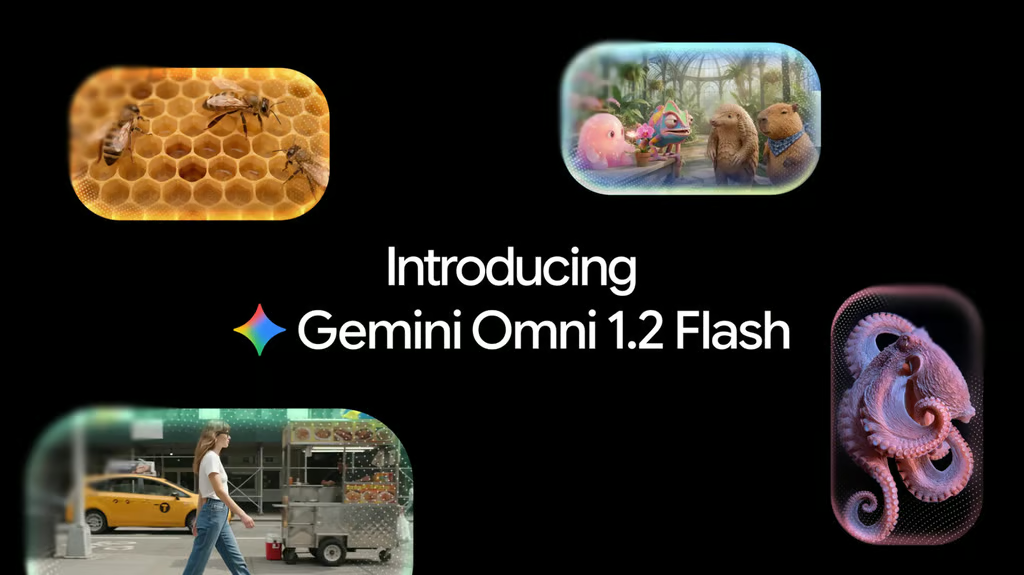
Google is making AI-generated video longer and cheaper. Its new Gemini Omni 1.2 Flash model creates clips up to 15 seconds, compared with 10 seconds previously, while cutting 720p generation costs by 30% to $0.07 per second.
Announced November 5, the model is now generally available through Google Cloud and the Gemini API. It also improves conversational editing and visual consistency, potentially reducing the work needed to produce short advertisements, product demonstrations, and other business videos.
Cheaper generation could make AI video production more practical for small businesses and larger creative teams. But repeated edits and inconsistent results could erase those savings.
Longer clips, lower pricing and wider access
According to Google’s November 5 announcement, Omni 1.2 Flash generates and edits videos lasting three to 15 seconds, adjustable in one-second increments. A 15-second clip costs $1.05 at 720p before additional editing or processing. Teams can draft at lower resolutions and upscale approved footage to 1080p or 4K.
The model also supports multi-turn conversational editing, allowing users to change backgrounds, lighting, or framing through follow-up instructions. Google reports improved consistency for faces, packaging, and brand colors, along with more natural dialogue and lip synchronization.
Retailers could use these capabilities to produce product videos, while developers could integrate video generation into applications. Google is also targeting costs in video analysis through agentic video understanding, which examines selected footage rather than processing every frame.
Google Cloud’s release confirms production availability, including Provisioned Throughput for organizations requiring reserved processing capacity.
Access extends beyond developers. Google Vids previously introduced free AI video generation using Omni 1.1 Flash. With the upgrade, Google Vids offers up to three free 15-second generations monthly for Google account and Workspace users, with higher limits available through eligible subscriptions.
The Workspace rollout began November 5, with feature visibility expected within one to three days. Video creation directly inside Gemini’s business chat interface is still forthcoming. Available models and subscription requirements vary across Google’s services, as outlined in TechRepublic’s Google Gemini cheat sheet.
Production costs and controls remain the test
Lower generation prices do not guarantee cheaper finished videos. Organizations should measure how many attempts and editing rounds are required to meet production standards.
A retailer could generate an advertisement from product photographs, then change its background or lighting. Testing whether the product remains visually accurate through those revisions would help establish reliability for commercial campaigns.
Google acknowledges limitations involving fast sports action, rapid script changes, and complex physics. Businesses creating action-heavy advertisements or technical demonstrations should test these scenarios before deployment.
Compliance also requires attention. Google’s DeepMind model card confirms that the model can modify people’s speech in existing videos, although Google currently restricts that capability. Generated videos carry an imperceptible SynthID watermark, while audio-reference functionality requires allowlisting.
IT teams should establish content review procedures, verify access restrictions, and check disclosure requirements before publishing generated footage. A limited pilot can show whether Omni 1.2 Flash’s lower generation costs translate into fewer revisions, reliable output, and meaningful savings in regular production.
Read more: Google’s earlier Omni 1.1 Flash update introduced video extensions and improved editing controls, providing context for the latest improvements.