


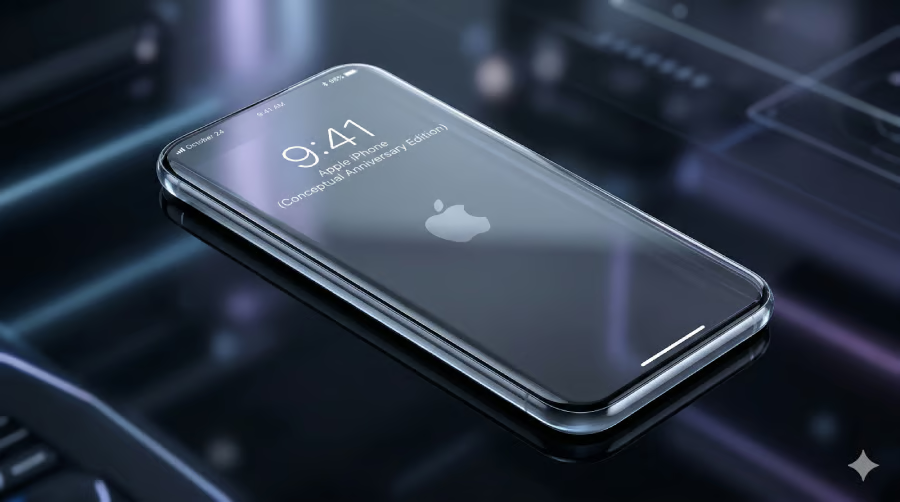
Apple’s 2027 iPhone calendar may be getting more crowded.
Apple may be preparing to stretch its iPhone roadmap further than ever before, with new leaks pointing to a packed 2027 lineup that could include six new devices, split launches, and a second-generation foldable iPhone.
According to a new post from leaker Digital Chat Station on Weibo, Apple’s early 2027 lineup will focus on three models: the iPhone Air 2, iPhone 18, and iPhone 18e.
The leak outlines fairly incremental upgrades for the non-Pro range. The iPhone Air 2 is said to feature a 6.55-inch, 1.5K 120Hz LTPO OLED display, while the iPhone 18 would carry a 6.3-inch panel with the same resolution and refresh rate.
The entry-level iPhone 18e, however, is tipped to stick with a 6.12-inch 60Hz LTPS OLED screen, potentially leaving it without ProMotion support once again.
All three models are expected to use 1.5K OLED displays, reinforcing Apple’s push toward higher-resolution panels across its mainstream lineup.
Split launch strategy takes shape
Reports suggest Apple is increasingly dividing its iPhone launches across the year. Under this approach, the base iPhone 18 series could arrive in early 2027, likely by March, while Pro models would remain reserved for the traditional September window.
This would continue a shift already being tested, where Apple separates standard and premium releases to keep momentum going across the calendar rather than concentrating attention into a single fall event.
The second half of 2027 appears far more ambitious. Leaks indicate that Apple is already conducting mold testing for the iPhone 19 Pro series, alongside a second-generation foldable device, the iPhone Ultra 2.
These models are expected to arrive in September 2027, alongside what some reports describe as a major redesign tied to the iPhone’s 20th anniversary.
What it means for Apple’s strategy
If accurate, the roadmap suggests Apple is preparing a more complex product cycle than its traditional once-a-year iPhone launch rhythm. The split schedule would allow Apple to refresh its lineup more frequently while keeping premium attention focused on Pro and foldable devices later in the year.
It also highlights a widening gap between entry-level and high-end iPhones. While Pro models are expected to gain advanced features and design changes, the 18e may remain relatively conservative, especially if display upgrades are limited.
Why this matters
A six-model year would mark a major shift in how Apple structures its most important product line. It could increase consumer choice, but also complicate the buying decision, particularly if features like high refresh rates remain uneven across the range.
For Apple, the strategy may be about keeping pace in a more competitive smartphone market while extending excitement across multiple product moments rather than a single one.
The biggest question is consistency. A staggered release schedule risks fragmenting attention across the lineup, while maintaining older display technology on cheaper models could deepen the perceived gap between tiers.
There’s also uncertainty around Apple’s foldable ambitions. While multiple reports point to an iPhone Ultra 2 in development, Apple has yet to publicly confirm any foldable plans, leaving this part of the roadmap highly speculative.