


Nvidia GTC 2026 is kicking off at a time when the enterprise world has stopped wondering what AI can do. Now, it’s about building the infrastructure to run it at scale.
Generative AI is evolving into a foundational industrial layer that requires next-generation architectures, like Vera Rubin, to deliver measurable ROI. As Jensen Huang takes the stage in San Jose, the focus is shifting from training massive models to deploying agentic systems and physical robotics… from software hype to industrial execution.
This article will track the most important GTC 2026 announcements as they happen, highlighting the hardware drops, partnerships, and structural shifts that signal where computing is headed next and which innovations are ready to power the modern AI factory.
- Financial firms adopt Nvidia AI models to improve fraud detection and payments
- Techman Robot mixes wheeled mobility with humanoid dexterity
- Jensen Huang gathers AI’s open model leaders for a bigger conversation
- BioNeMo gains ground in genomics and virtual cell research
- Nvidia rolls out AI tools to speed up media production and localization
- Nvidia and OpenAI map out a new path for AI-powered shopping
- Oracle taps Nvidia cuVS for faster AI database indexing
- Nvidia turns the desk into a one-trillion-parameter AI workstation
- Microsoft adds more Nvidia muscle across Azure, agents, and simulation
- Roche goes bigger on AI with a massive Blackwell deployment
- Samsung brings HBM4 and next-gen memory tech to Nvidia’s AI stack
- Apple Vision Pro joins Nvidia’s XR lineup
- Nvidia unveils DLSS 5 to push photoreal graphics in games
- Nvidia restarts H200 production for China amid easing restrictions
- Nvidia rolls out Dynamo inference OS for AI factories
- Nvidia and T-Mobile push AI-RAN to power edge AI applications
- Surgical robotics gets a new open AI stack with Nvidia
- Google Cloud adds new GPU and Vera Rubin plans
- BYD, Geely, Isuzu, and Nissan join the DRIVE Hyperion lineup
- Nvidia takes its AI ambitions into orbit
- Nvidia brings Agent Toolkit to Adobe, Salesforce, SAP, and more
- IBM and Nvidia widen enterprise AI partnership
- RealSense puts safer humanoid navigation in the spotlight
- Nvidia builds out its physical AI stack for real-world robotics
- Nvidia strengthens autonomous driving ties with Hyundai and Kia
- Vera Rubin enters full production as Nvidia readies its next AI platform
- Disney’s robotic Olaf takes the stage at Nvidia GTC keynote
- Nvidia launches NemoClaw stack to secure autonomous AI agents
- Nvidia unveils Groq 3 LPU and new AI accelerator rack
- Jensen Huang: Nvidia’s AI Chips Could Generate $1T by 2027
- What to expect at GTC 2026
Financial firms adopt Nvidia AI models to improve fraud detection and payments

Financial companies, including Mastercard, Revolut, and Adyen, are adopting Nvidia-powered transaction AI models to better understand user behavior and improve payment systems. These models are trained on large volumes of transaction data to detect patterns, enhance security, and optimize global commerce.
Revolut said its model has improved fraud detection and credit predictions, while Adyen is using similar technology to process payments more efficiently at scale. The shift reflects growing interest in using AI to replace siloed systems with more unified, data-driven approaches in the financial industry.
Techman Robot mixes wheeled mobility with humanoid dexterity
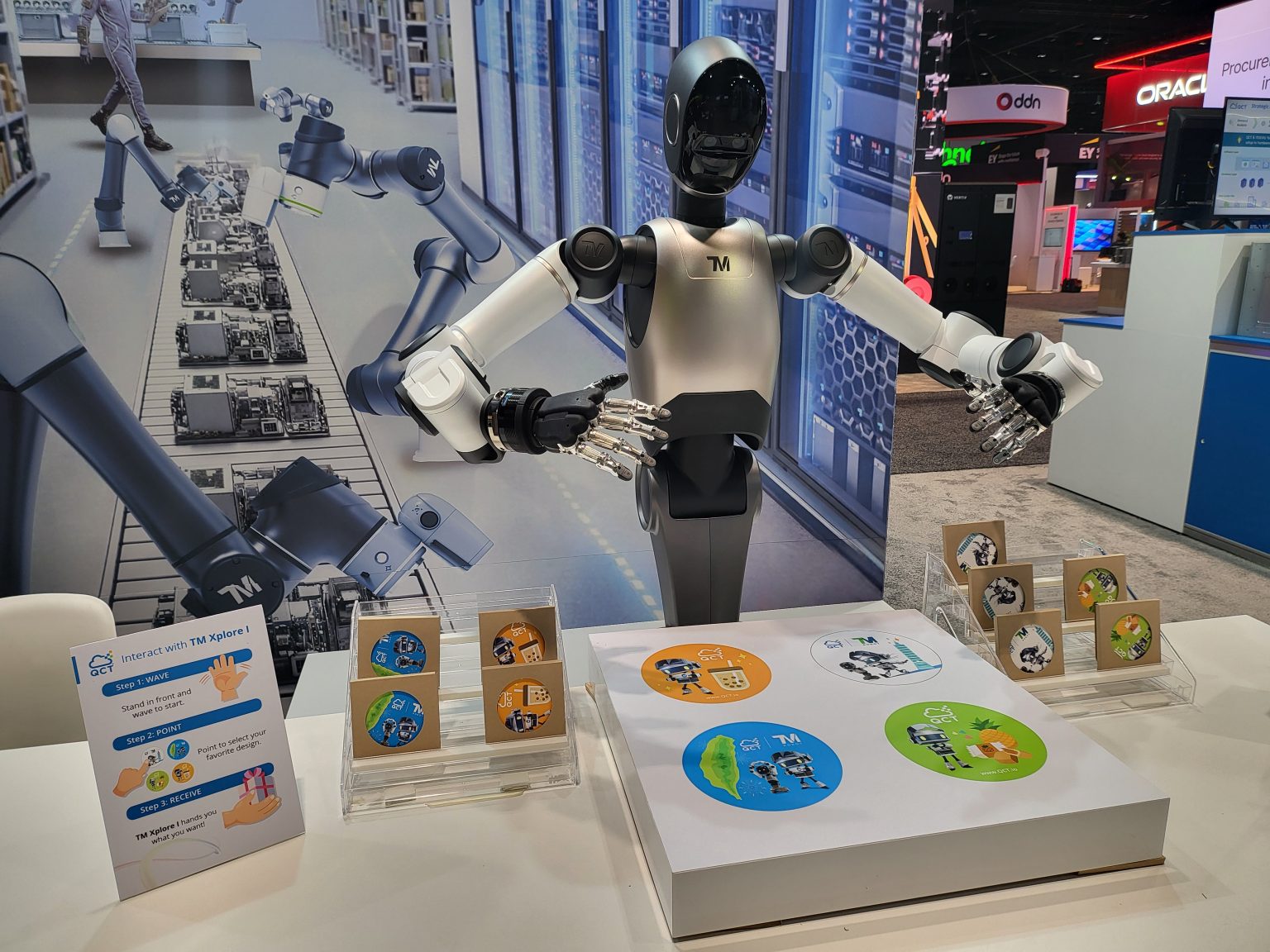
Techman Robot introduced TM Xplore I, a new humanoid platform that pairs a humanoid upper body with a wheeled base for stable movement and dexterous manipulation.
Built on Techman’s “See, Think, Act” system, the robot runs on Nvidia Jetson Thor and uses a vision-language-action model for sensor fusion, generative AI inference, and autonomous navigation. Techman also said it is using Nvidia Isaac Sim, FoundationStereo, and Isaac GR00T to train and validate the robot for high-precision work in semiconductor, electronics, and automotive manufacturing.
Jensen Huang gathers AI’s open model leaders for a bigger conversation
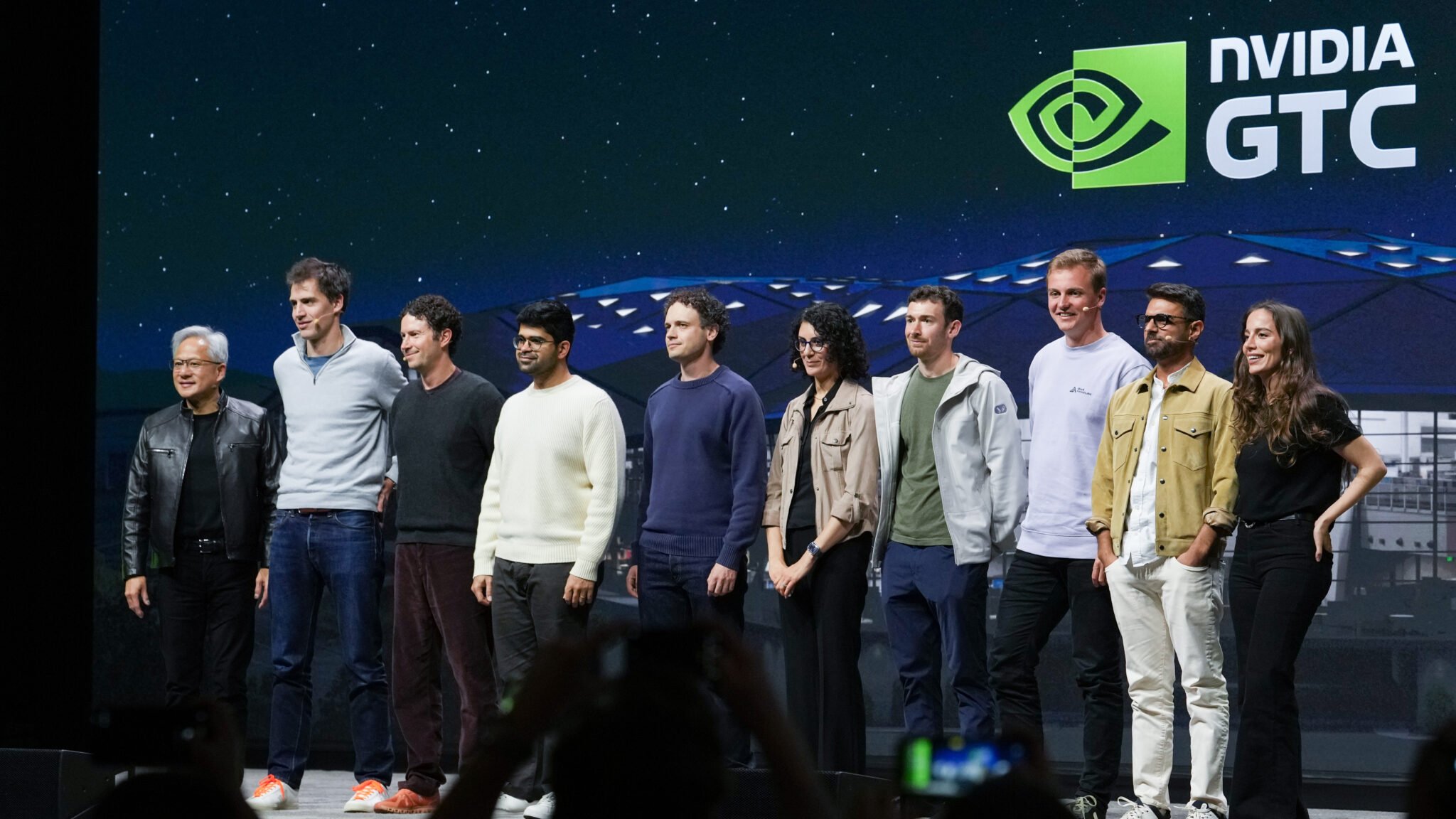
Jensen Huang turned the spotlight on open models with a GTC session that pulled together leaders from Mistral, Perplexity, Cursor, Thinking Machines Lab, LangChain, and others to talk about what comes next.
The conversation focused on how open models are moving into real systems, products, and agents. Speakers pointed to growing interest in orchestration, tool use, customization, and trust, with Huang making the case that open models are becoming a serious part of the next enterprise AI buildout.
BioNeMo gains ground in genomics and virtual cell research

BioNeMo took on a bigger role in Nvidia’s healthcare push, with life sciences companies using the platform in large-scale genomics and cell-modeling work.
Basecamp Research is using BioNeMo tools including Parabricks for its Trillion Gene Atlas, while Tahoe Therapeutics is training virtual cell models on single-cell data at scale and PerturbAI is applying the platform to a large in-vivo CRISPR functional genomics atlas. The examples point to a common goal: faster genomic analysis, larger biological datasets, and quicker paths to therapeutic discovery.
Nvidia rolls out AI tools to speed up media production and localization

Nvidia introduced a set of AI technologies aimed at transforming media workflows, including tools for live production, post-production, and content localization. Updates to its Holoscan for Media platform and a new content-localization blueprint allow companies to translate video, audio, and graphics into multiple languages more efficiently using AI.
The company also expanded its AI for Media suite with features like voice enhancement, speaker detection, and video upscaling. Nvidia said the tools can help media and sports organizations produce and distribute content faster, while partnerships with companies like Lenovo aim to bring AI-driven workflows to the sports and entertainment industries.
Nvidia and OpenAI map out a new path for AI-powered shopping
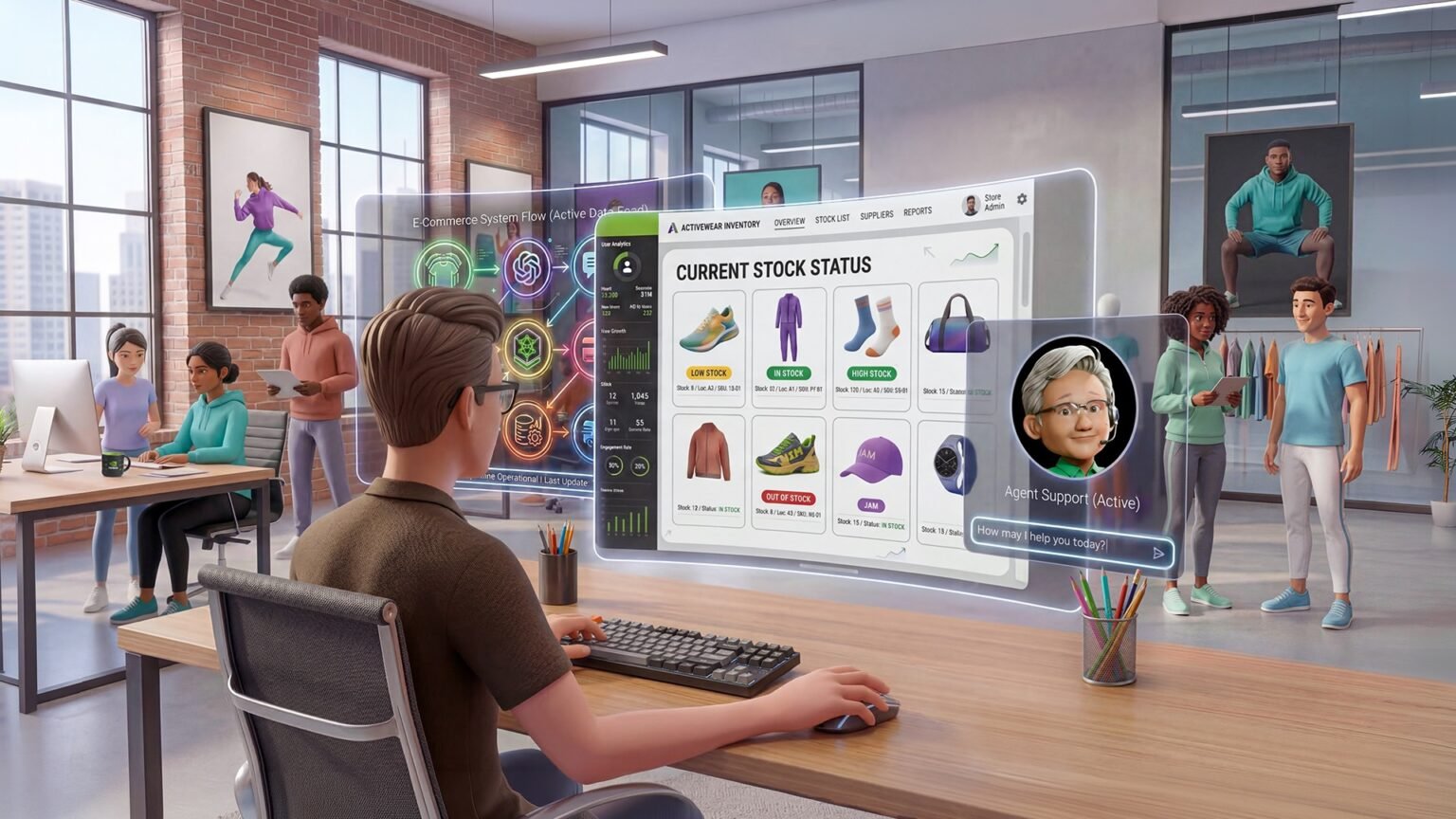
Nvidia is making a play for agentic shopping with a new retail commerce blueprint built with OpenAI, aimed at turning AI assistants into full purchase channels under a merchant’s control.
The open-source stack supports both OpenAI’s Agentic Commerce Protocol and Google’s Universal Commerce Protocol from one deployment, while handling product discovery, promotions, recommendations, post-purchase messaging, and delegated payments. Built on Nvidia’s NeMo Agent Toolkit and Nemotron models, it is designed to let retailers plug into emerging AI shopping ecosystems without giving up control of transactions or customer experience.
Oracle taps Nvidia cuVS for faster AI database indexing
Oracle and Nvidia are teaming up on GPU-accelerated vector search, plugging Nvidia cuVS into Oracle’s Private AI Services Container to speed up index builds for large pools of unstructured and multimodal data.
Oracle said the setup is designed to cut the time needed to build vector indexes in Oracle AI Database 26ai, with healthcare companies Biofy and Sofya among the first exploring it for clinical search, medical transcription, and evidence-based recommendations. For Sofya, that work includes a dataset of roughly 500 million vectors across more than 3TB of health library data that previously took days to index.
Nvidia turns the desk into a one-trillion-parameter AI workstation
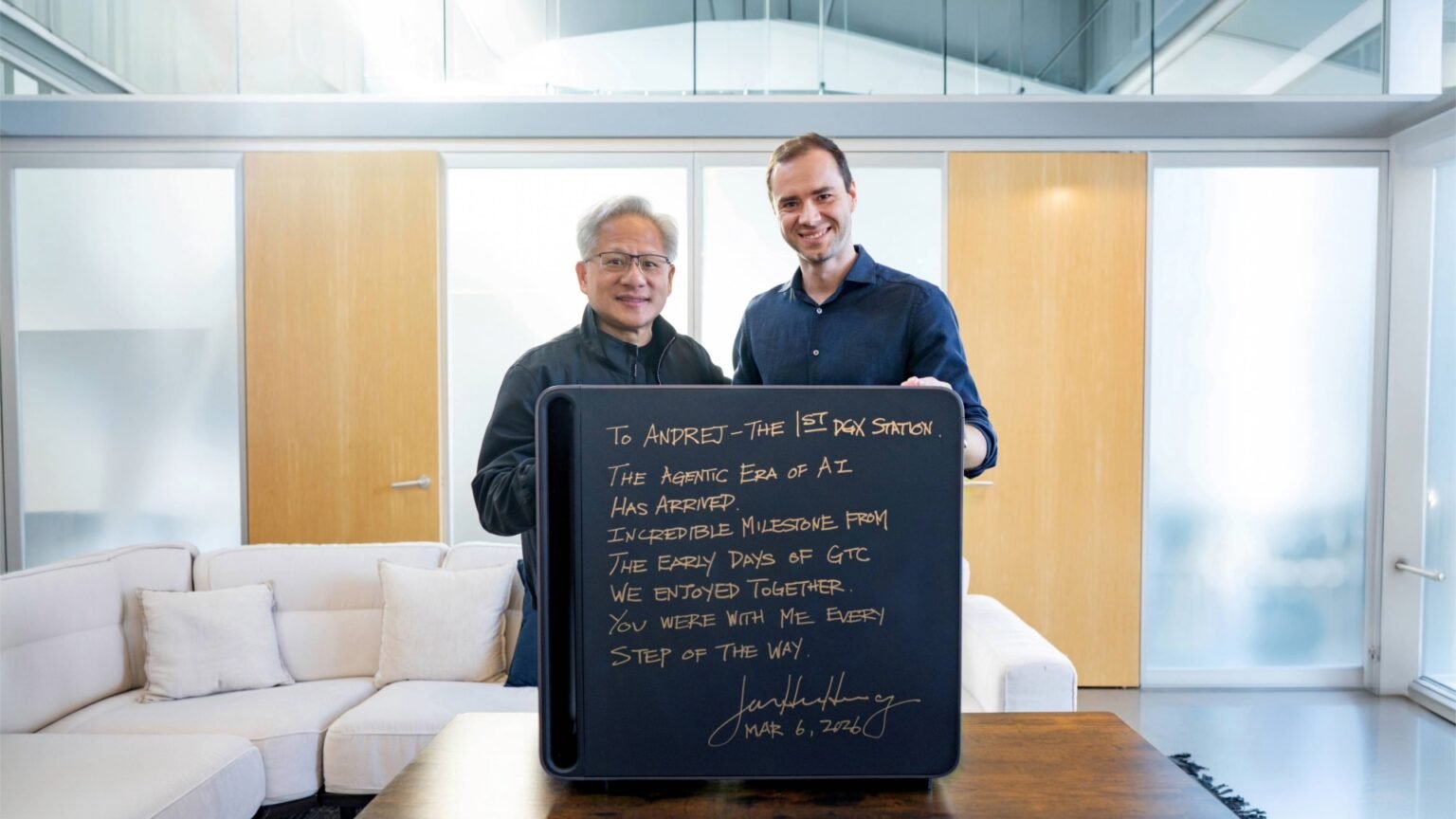
DGX Station GB300 puts data center-class AI development on the desk, with the first systems already reaching developers including Andrej Karpathy and Matt Berman.
Built on the same GB300 superchip architecture as Nvidia’s data center systems, it packs 748GB of coherent memory, up to 20 petaflops of FP4 performance, and support for models up to 1 trillion parameters in a deskside form factor. Nvidia also tied the machine to long-running autonomous agent work through NemoClaw and OpenShell, pitching it as a local platform for building and running more secure, always-on AI agents.
Microsoft adds more Nvidia muscle across Azure, agents, and simulation
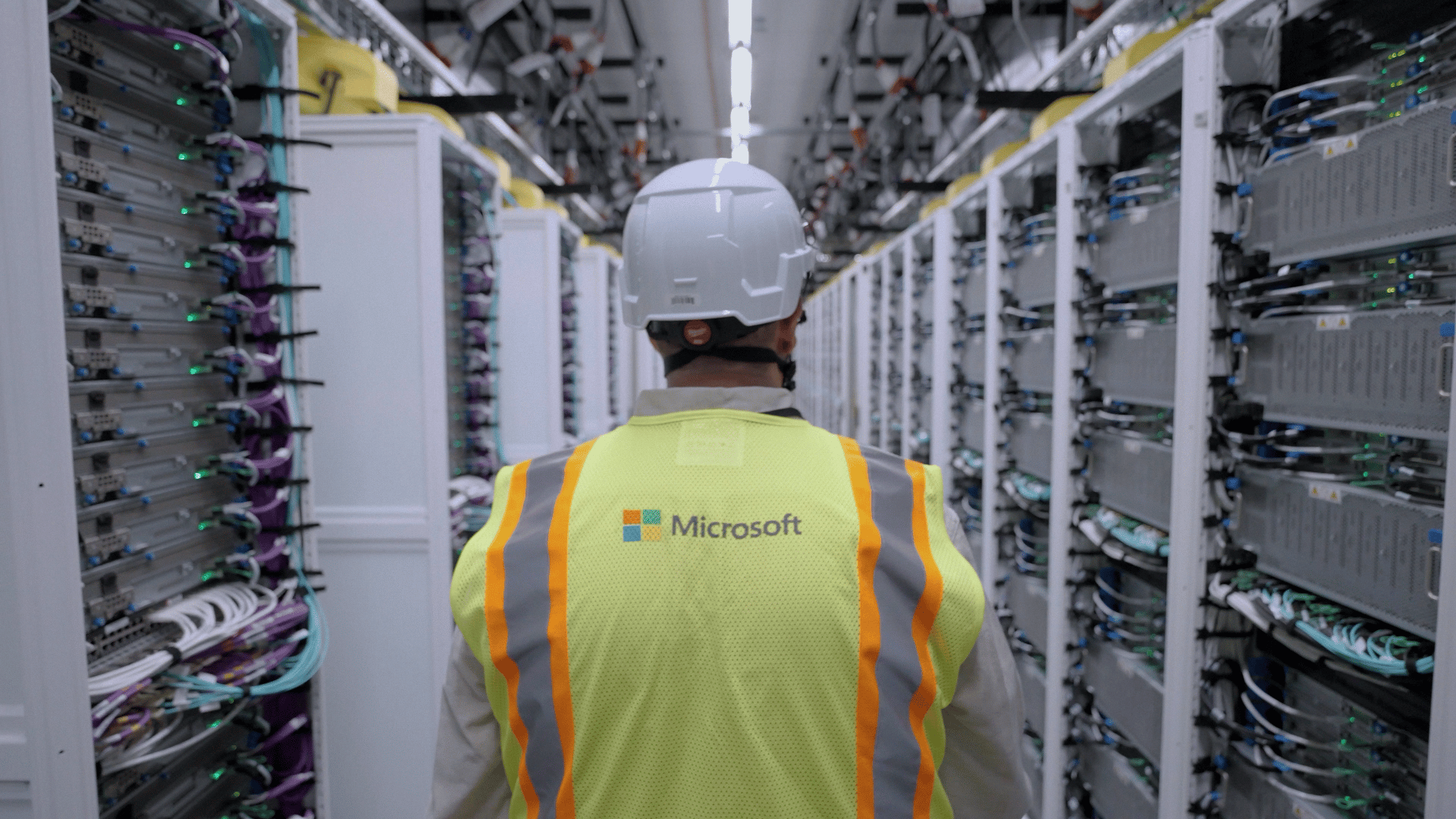
Microsoft is expanding its Nvidia collaboration across AI agents, infrastructure, and physical AI, combining new Foundry capabilities with Nemotron models and next-generation Azure systems.
The company said Foundry Agent Service and its control plane are now generally available for production-scale AI agents, while Azure is preparing to roll out Vera Rubin NVL72 systems and adding initial support for the platform on Azure Local. Microsoft also detailed deeper links between Foundry, Fabric, and Nvidia Omniverse tools for physical AI, aimed at connecting simulation, robotics, and real-world operations.
Roche goes bigger on AI with a massive Blackwell deployment
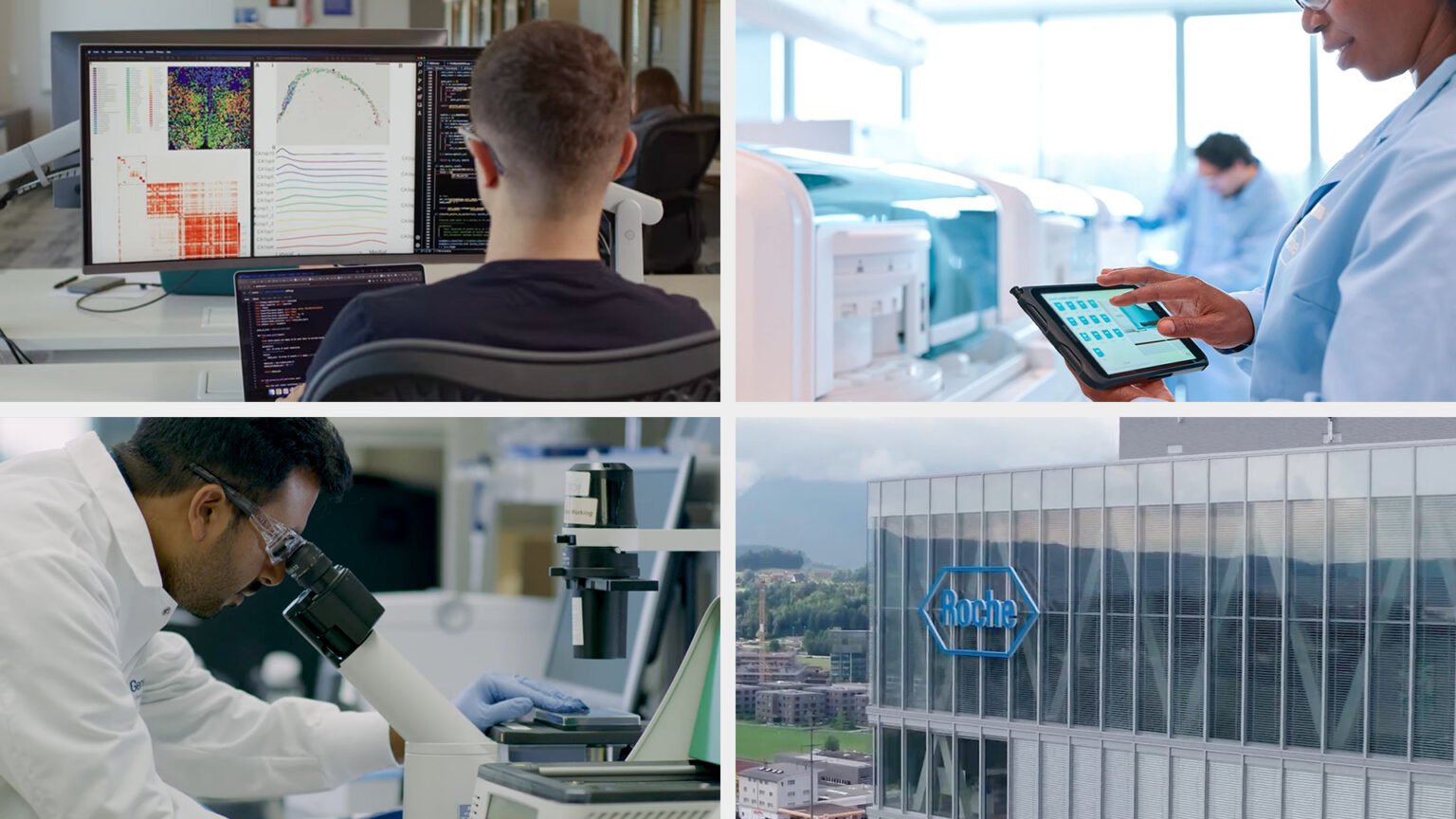
Roche brought a major AI infrastructure expansion to GTC, with more than 3,500 Nvidia Blackwell GPUs set to run across cloud and on-prem systems in the U.S. and Europe.
The buildout is aimed at work across Roche’s pharma and diagnostics businesses, including biological foundation models, drug discovery, digital twins for manufacturing, and digital pathology. Roche also pointed to AI use in regulatory documentation, quality assurance, production scheduling, and healthcare-grade guardrails as it pushes AI further into scientific and clinical workflows.
Samsung brings HBM4 and next-gen memory tech to Nvidia’s AI stack
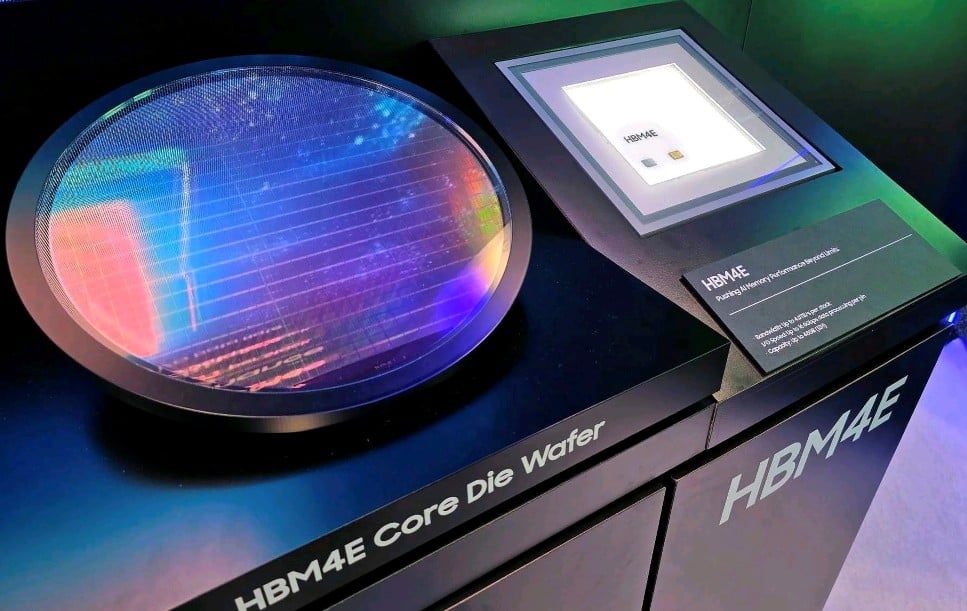
Samsung is putting HBM4 at the center of its AI hardware lineup, with the new memory now in mass production for Nvidia’s Vera Rubin platform.
The company is also showing HBM4E, SOCAMM2 server memory, PM1763 and PM1753 SSDs, and hybrid copper bonding technology aimed at next-generation AI systems and storage. Samsung also pointed to joint work with Nvidia on AI factory development and digital twin manufacturing, alongside memory products for local AI workloads on DGX Spark and mobile devices.
Apple Vision Pro joins Nvidia’s XR lineup
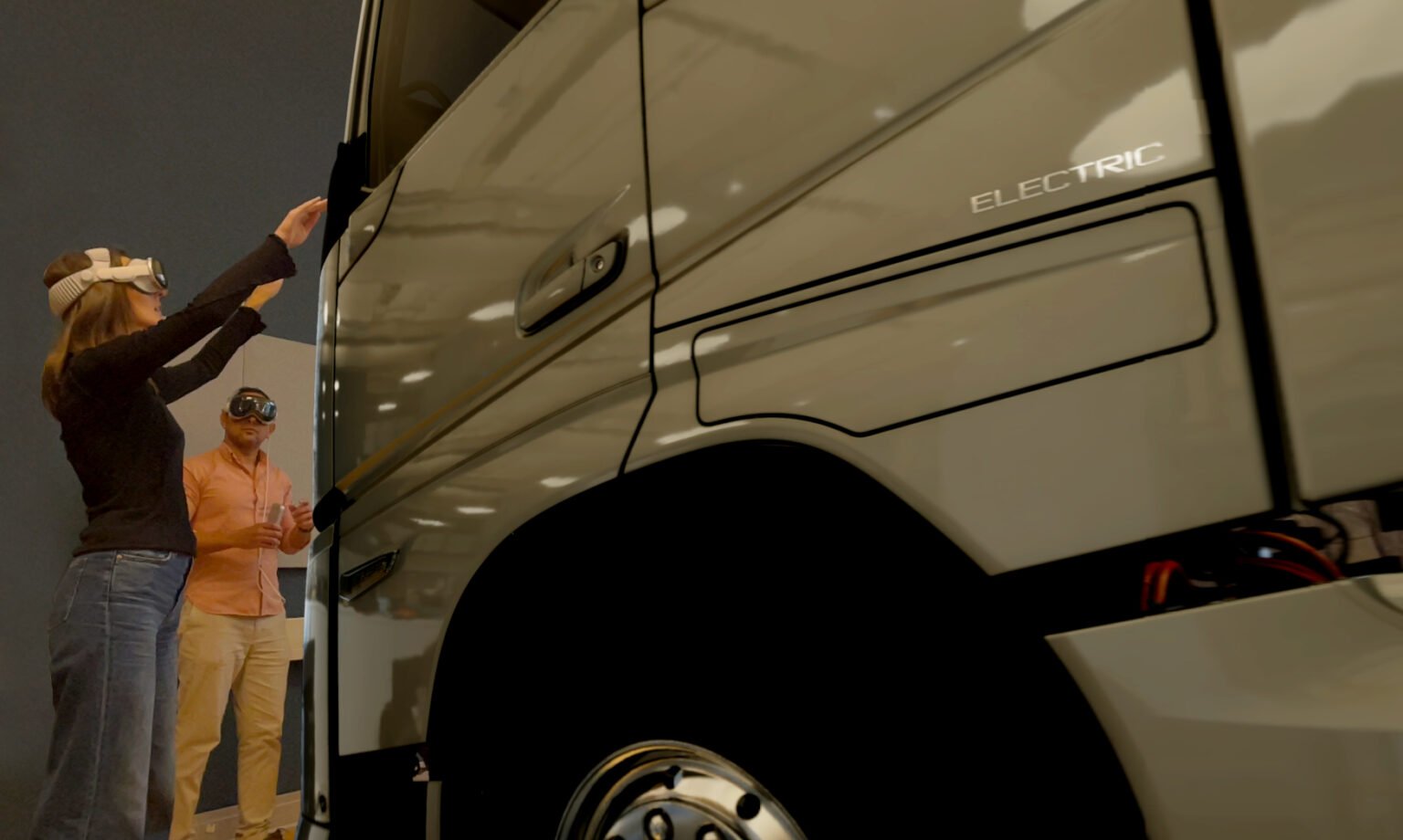
Apple Vision Pro is joining Nvidia’s XR lineup through native support for CloudXR 6.0 on RTX-powered PCs and cloud systems, opening the door to high-fidelity apps and simulations without cutting down 3D assets first.
CloudXR for visionOS brings foveated streaming, low-latency immersive graphics, and privacy protections around gaze data, while software partners including Autodesk, Innoactive, Synopsys, Trifork, X-Plane, and iRacing are already using it. Companies such as Kia, BMW Group, Rivian, Volvo Group, Roche, Foxconn, and Switch are applying the setup to design reviews, digital twins, factory planning, and simulation work.
Nvidia unveils DLSS 5 to push photoreal graphics in games
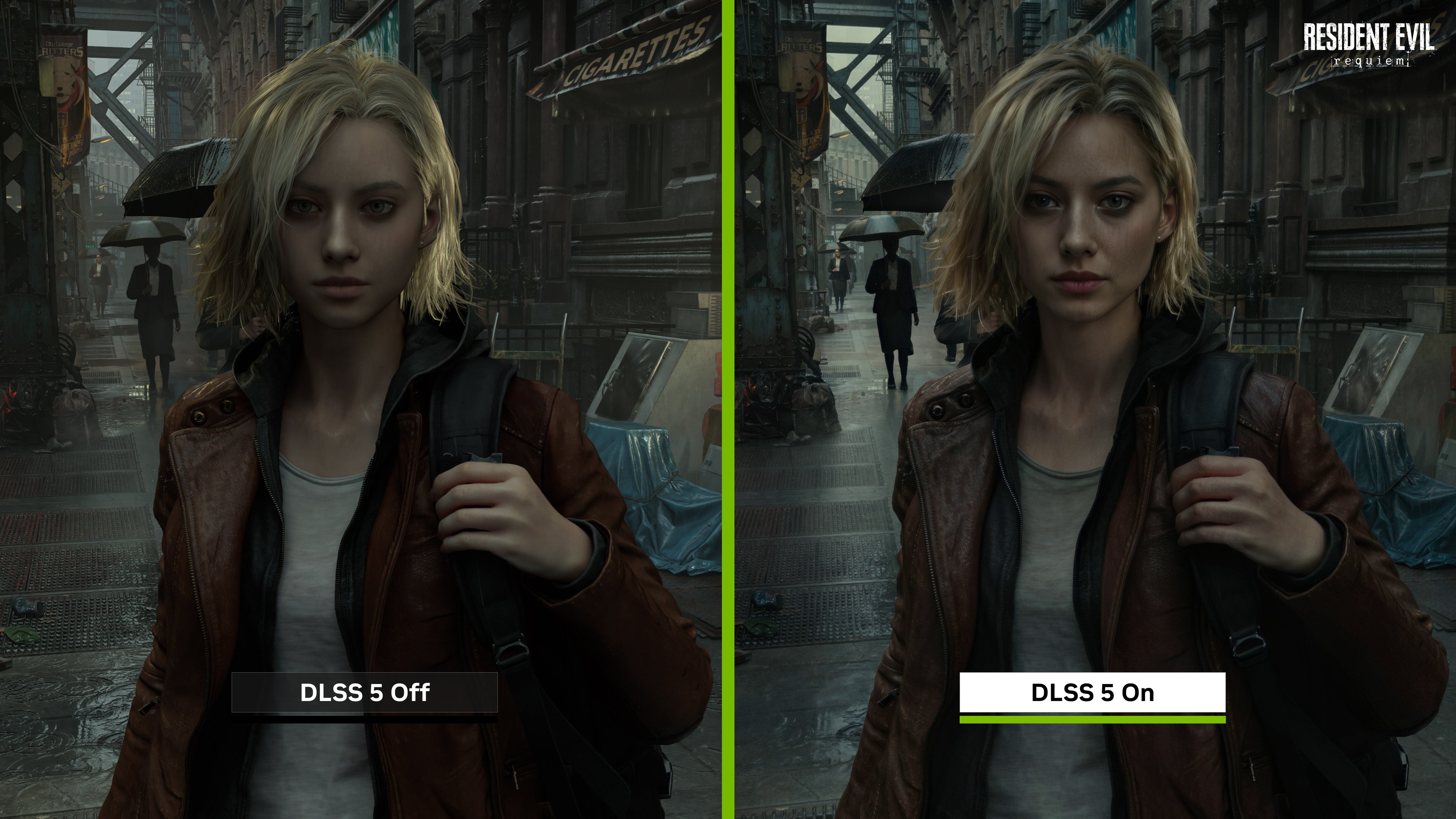
During his keynote, Nvidia CEO Jensen Huang highlighted the company’s GeForce legacy before introducing DLSS 5, a new AI-powered graphics technology designed to deliver more realistic lighting and materials in real time. A demo showed how neural rendering can produce photoreal 4K visuals on local hardware, bringing game graphics closer to cinematic quality.
Major developers, including Bethesda, Ubisoft, and Capcom, will support DLSS 5, set to launch this fall. Nvidia said the update marks its biggest graphics breakthrough since real-time ray tracing, combining AI and traditional rendering to improve both visual fidelity and performance in modern games.
Nvidia restarts H200 production for China amid easing restrictions

Nvidia is ramping up production of its H200 AI accelerators for China, marking progress in its effort to re-enter the market after US export restrictions. Speaking during a GTC press conference, CEO Jensen Huang said the company has secured licenses for multiple customers and is “firing up” its supply chain to support shipments.
The H200, while less advanced than Nvidia’s latest chips, remains more powerful than many locally available alternatives. China was once a major market for Nvidia, and the company’s push to resume shipments underscores the market’s continued importance despite ongoing regulatory constraints.
Nvidia rolls out Dynamo inference OS for AI factories

Nvidia announced Dynamo 1.0, an open-source software platform designed to help companies run AI applications more efficiently at scale. Positioned as an operating system for AI infrastructure, Dynamo helps manage computing resources across data centers, enabling AI systems to handle large volumes of requests more smoothly.
The platform can improve performance on Nvidia’s latest Blackwell chips while lowering costs, making it easier for cloud providers, startups, and enterprises to run AI in production. Dynamo is already being adopted across major cloud platforms and companies, reflecting rising demand for tools that can run AI applications more efficiently at scale.
Nvidia and T-Mobile push AI-RAN to power edge AI applications
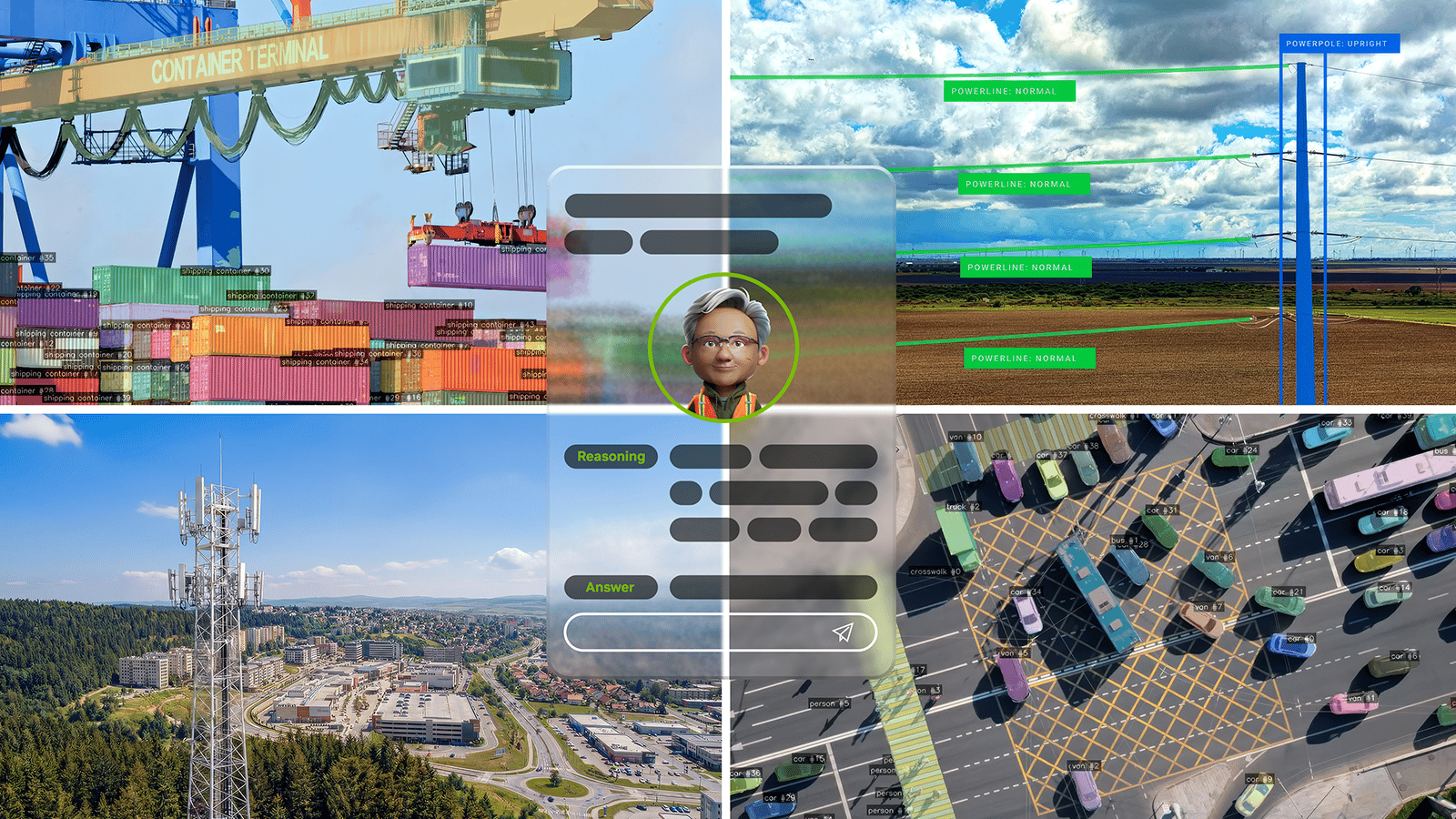
Nvidia and T-Mobile are expanding their collaboration to bring physical AI applications to distributed edge networks as telecom infrastructure evolves into a platform for real-time AI computing. The companies are working with Nokia and a growing number of developers to roll out AI agents with vision and reasoning capabilities at the network edge.
The effort includes pilots of Nvidia RTX PRO 6000 Blackwell server edition systems and builds on Nvidia’s Metropolis platform and updated video search and summarization blueprint. The collaboration is part of Nvidia’s broader strategy to work with telecom providers like T-Mobile as base stations evolve into edge AI platforms for real-time intelligent systems.
Surgical robotics gets a new open AI stack with Nvidia
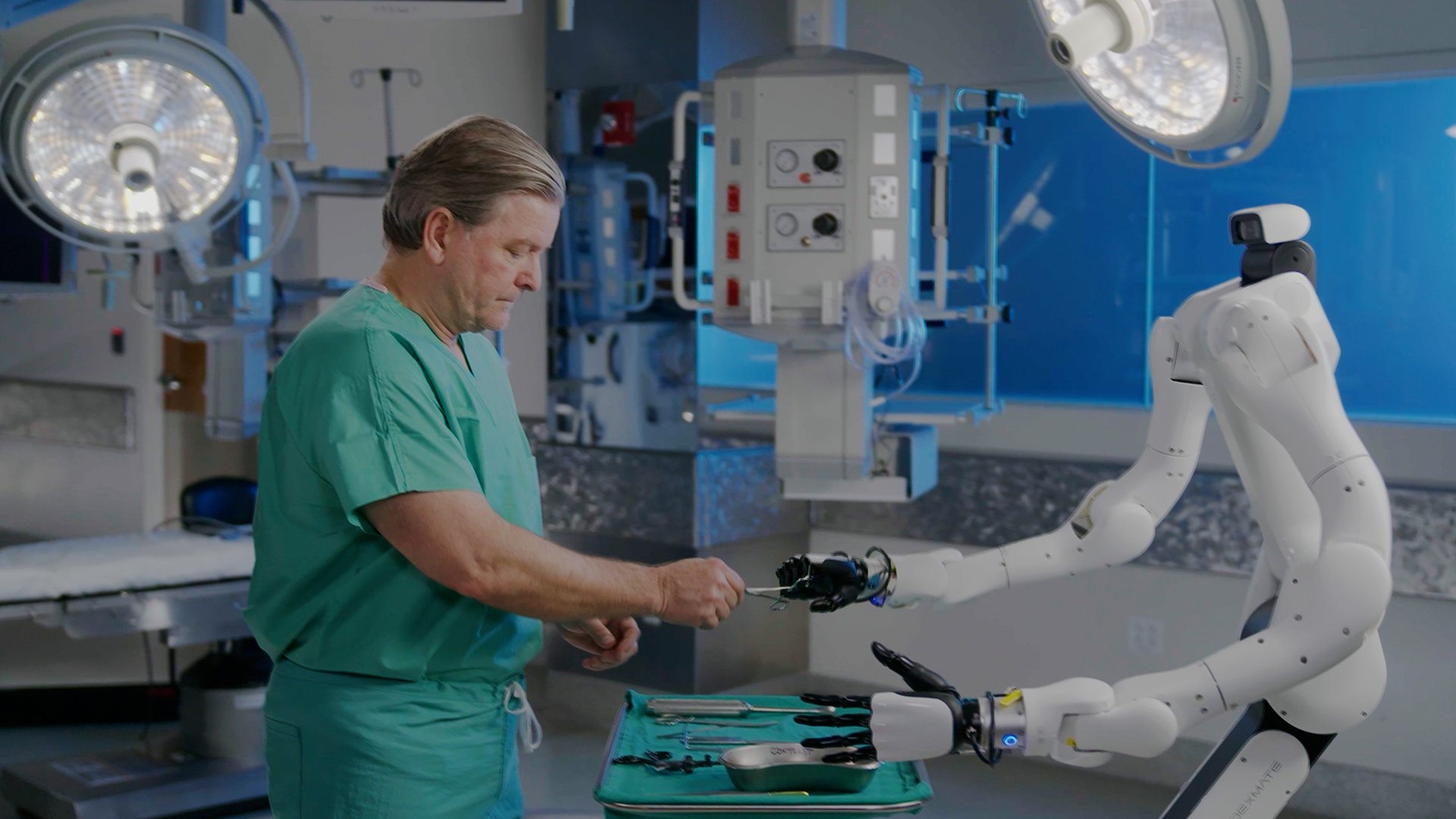
Healthcare robotics is getting a new open physical AI stack from Nvidia, with surgical robotics companies including CMR Surgical, Johnson & Johnson MedTech, Moon Surgical, and Rob Surgical already adopting the tools.
Open-H, Cosmos-H, GR00T-H, and the Rheo simulation blueprint make up the stack, giving developers tools for hospital robotics and surgical AI. PeritasAI and Proximie are already using it for surgical coordination, real-time AI agents, and operating room workflows.
Google Cloud adds new GPU and Vera Rubin plans
Google Cloud and Nvidia are strengthening their AI infrastructure partnership with new G4 virtual machines, fractional GPU options, and planned support for Vera Rubin systems.
The update brings Nvidia technology into more parts of Google Cloud’s AI stack, including GKE Inference Gateway, Vertex AI Training, and Model Garden, as the companies target larger agentic AI workloads. Google Cloud also introduced a public sector AI startup accelerator with Nvidia, while customers including Salesforce, ElevenLabs, General Motors, Imgix, Otto Group One.O, Snap, and Schrödinger were cited as early users of the expanded setup.
BYD, Geely, Isuzu, and Nissan join the DRIVE Hyperion lineup
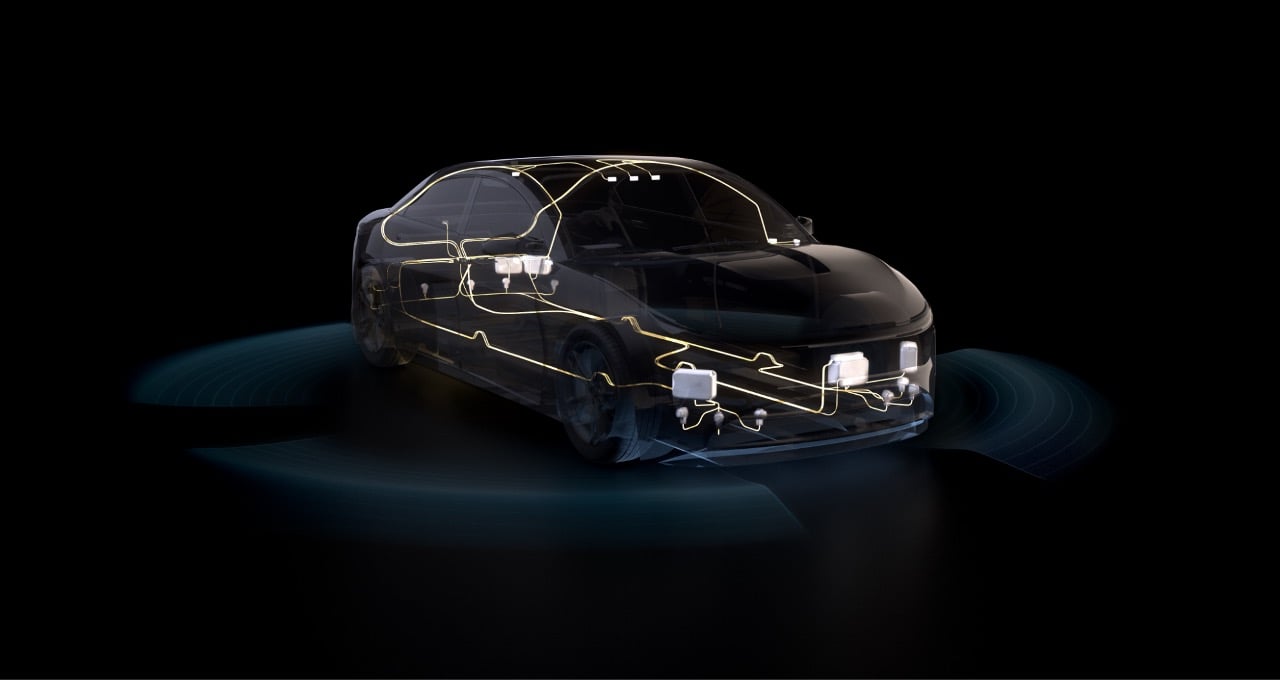
More automakers are signing on to Nvidia’s DRIVE Hyperion platform, with BYD, Geely, Isuzu, and Nissan using it for level 4-ready vehicle programs.
The push also reaches ride-hailing and transit. Uber plans to deploy Nvidia-powered autonomous fleets across 28 cities by 2028, starting in Los Angeles and the San Francisco Bay Area in the first half of 2027, while Bolt, Grab, Lyft, and TIER IV are also building robotaxi and autonomous bus efforts on the same stack.
Nvidia takes its AI ambitions into orbit
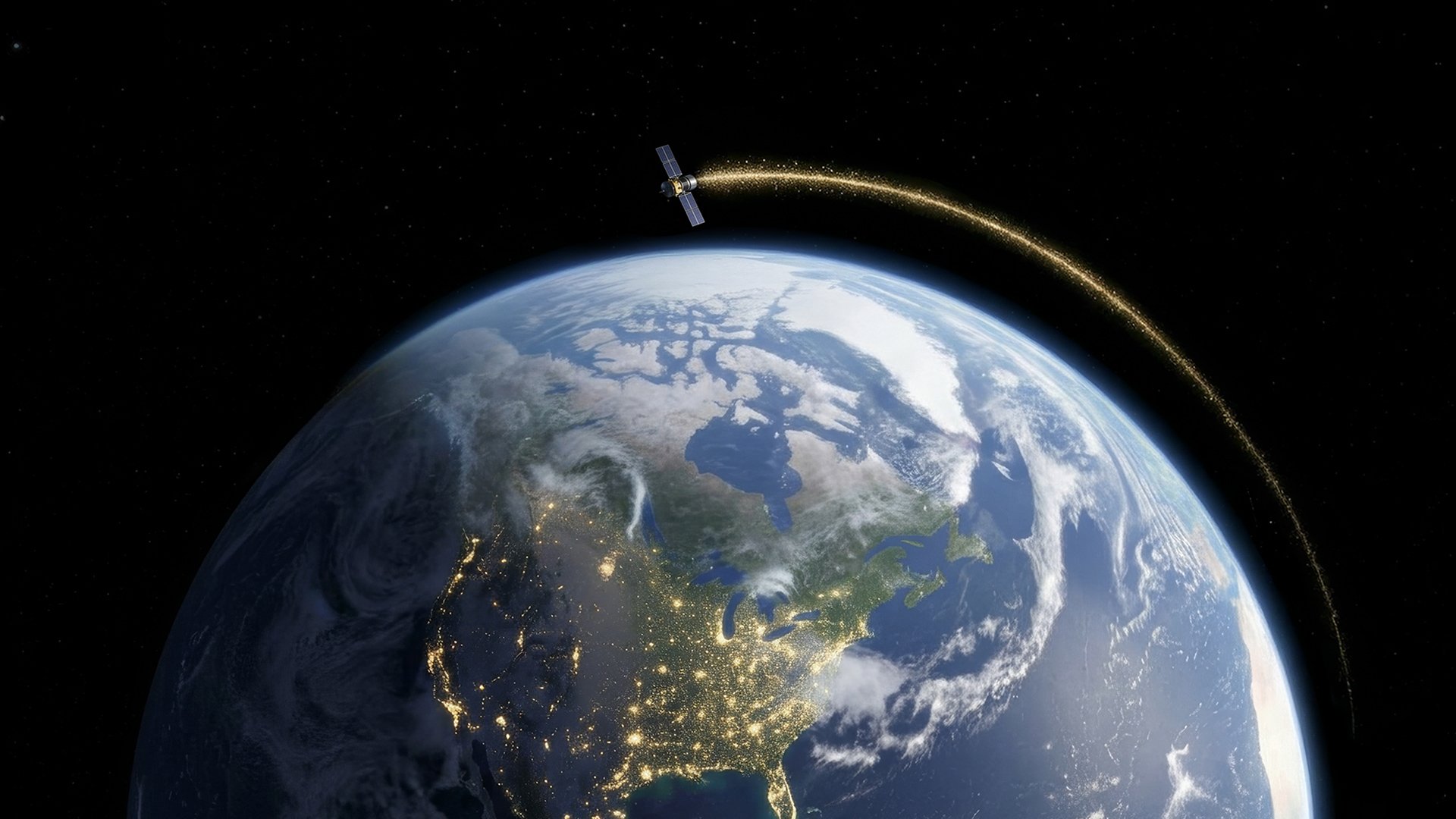
Nvidia is taking AI into orbit with a new space computing push aimed at orbital data centers, geospatial intelligence, and autonomous spacecraft operations.
The company introduced the Space-1 Vera Rubin Module alongside IGX Thor, Jetson Orin, and RTX PRO 6000 Blackwell Server Edition platforms for space and ground-based workloads. Nvidia also named partners including Aetherflux, Axiom Space, Kepler, Planet, Sophia Space, and Starcloud as adopters building next-generation space missions on its accelerated computing stack.
Nvidia brings Agent Toolkit to Adobe, Salesforce, SAP, and more
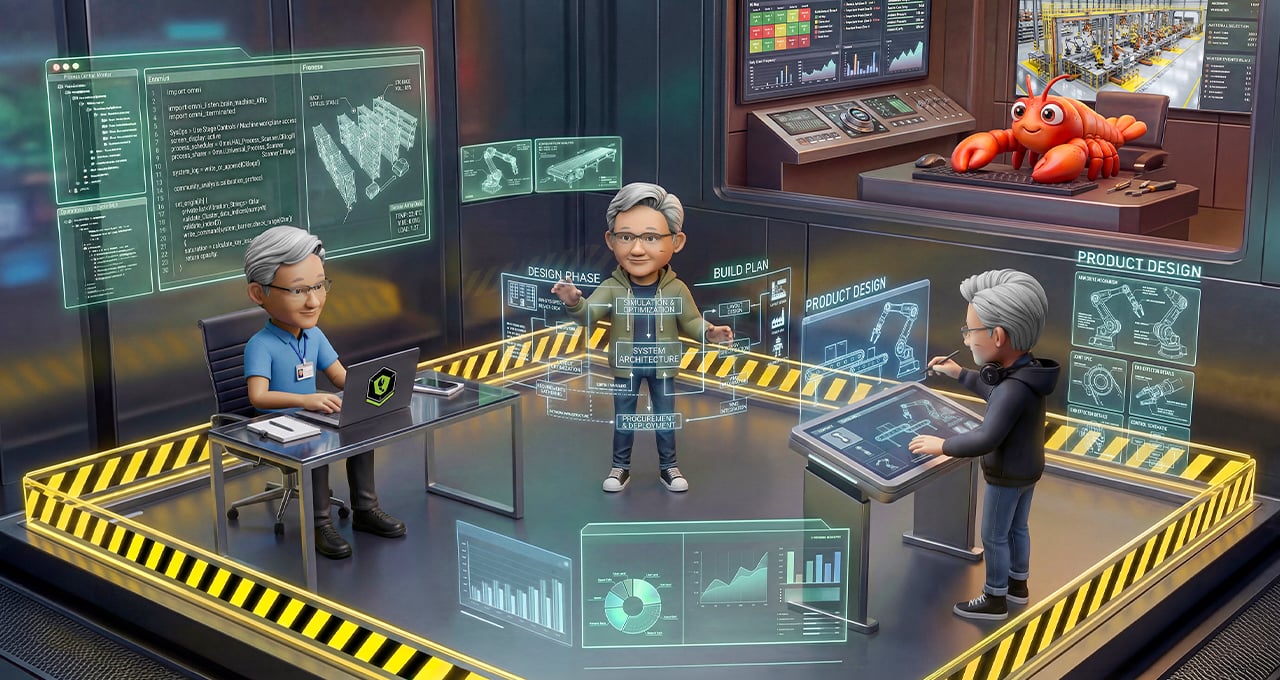
Nvidia brought its Agent Toolkit with a broad lineup of software and enterprise platforms, including Adobe, Salesforce, SAP, ServiceNow, Atlassian, and Box.
The open-source stack combines Nemotron models, the AI-Q blueprint, cuOpt, and the new OpenShell runtime, which Nvidia says adds policy-based security, network, and privacy guardrails for autonomous agents. Nvidia also said companies including Cisco, CrowdStrike, Red Hat, Siemens, Synopsys, Cadence, and IQVIA are building or expanding agent systems with the toolkit across business software, security, chip design, and life sciences.
IBM and Nvidia widen enterprise AI partnership
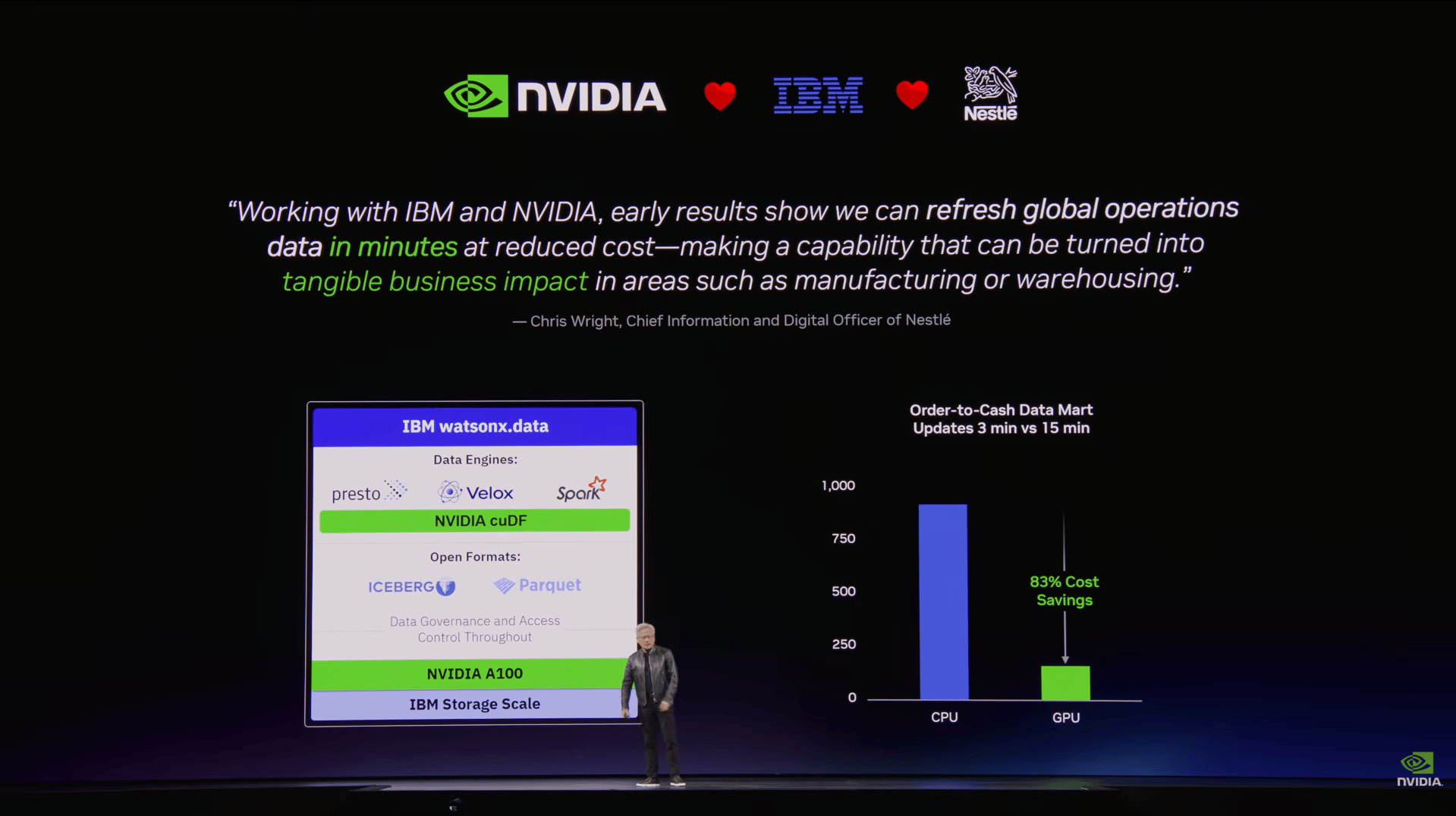
IBM is expanding its partnership with Nvidia to help enterprises move AI projects from pilot stages into production.
The companies detailed work across watsonx.data, document extraction, on-prem and regulated infrastructure, IBM Cloud, and consulting services aimed at making enterprise AI easier to deploy at scale. IBM also pointed to a Nestlé supply chain data project that cut refresh times from 15 minutes to three minutes, while IBM Cloud is set to add Nvidia Blackwell Ultra GPUs in early Q2 2026.
RealSense puts safer humanoid navigation in the spotlight
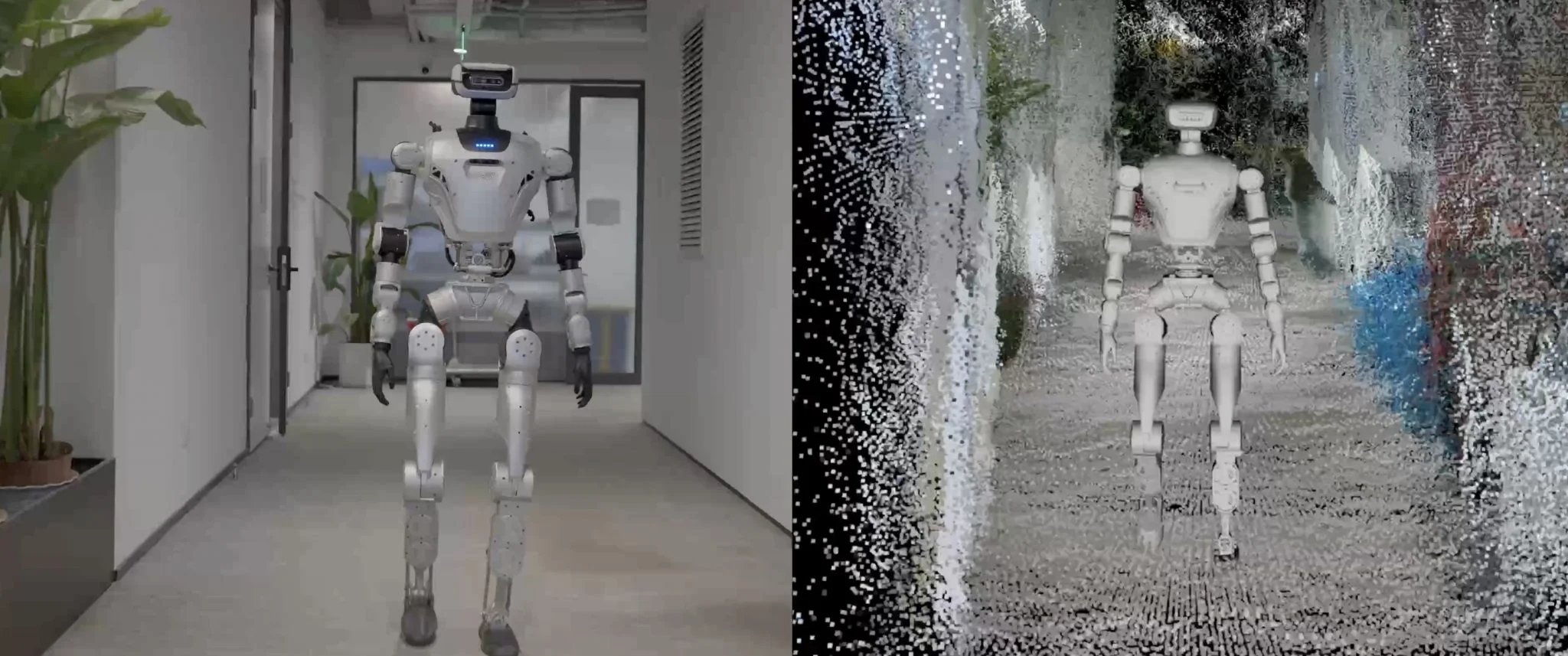
RealSense used Nvidia GTC 2026 to show autonomous humanoid navigation built around depth sensing, visual SLAM, and Nvidia visual odometry.
The demo pairs RealSense depth cameras with LimX Dynamics’ humanoid platform and Nvidia CuVSLAM to handle localization, mapping, and navigation in human-centered spaces. RealSense said the setup is aimed at safer real-world movement, including collision avoidance, fall prevention, and more stable navigation across uneven terrain, stairs, and other changing environments.
Nvidia builds out its physical AI stack for real-world robotics
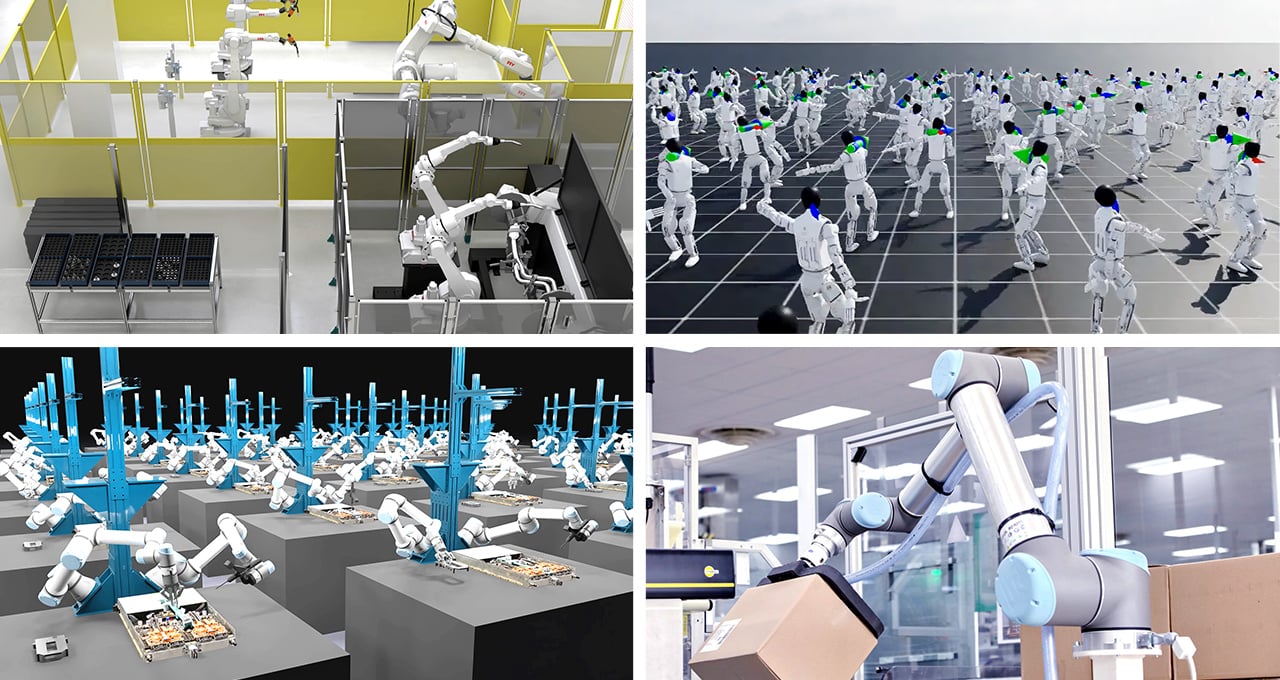
Nvidia made a broad physical AI push with new robot models, simulation tools, and partnerships aimed at moving robotics further into real-world deployment.
The company said robotics leaders including ABB, Agility, Figure, KUKA, Universal Robots, and YASKAWA are building on its platform, while Nvidia also introduced Cosmos 3, Isaac Lab 3.0, and new Isaac GR00T models for training and deploying robots. It also detailed work spanning industrial automation, humanoids, healthcare robotics, warehouse systems, and open-source development, underscoring how widely it is trying to extend its physical AI stack.
Nvidia strengthens autonomous driving ties with Hyundai and Kia
Hyundai Motor, Kia, and Nvidia are expanding their autonomous driving partnership, with plans to build next-generation systems on the Nvidia DRIVE Hyperion platform.
The companies said the work will cover level 2 and above capabilities in select vehicles, while also extending to level 4 robotaxi development through Motional. Nvidia said the collaboration combines Hyundai Motor Group’s software-defined vehicle efforts and fleet data with its AI infrastructure and autonomous driving software to support a scalable, data-driven development cycle.
Vera Rubin enters full production as Nvidia readies its next AI platform
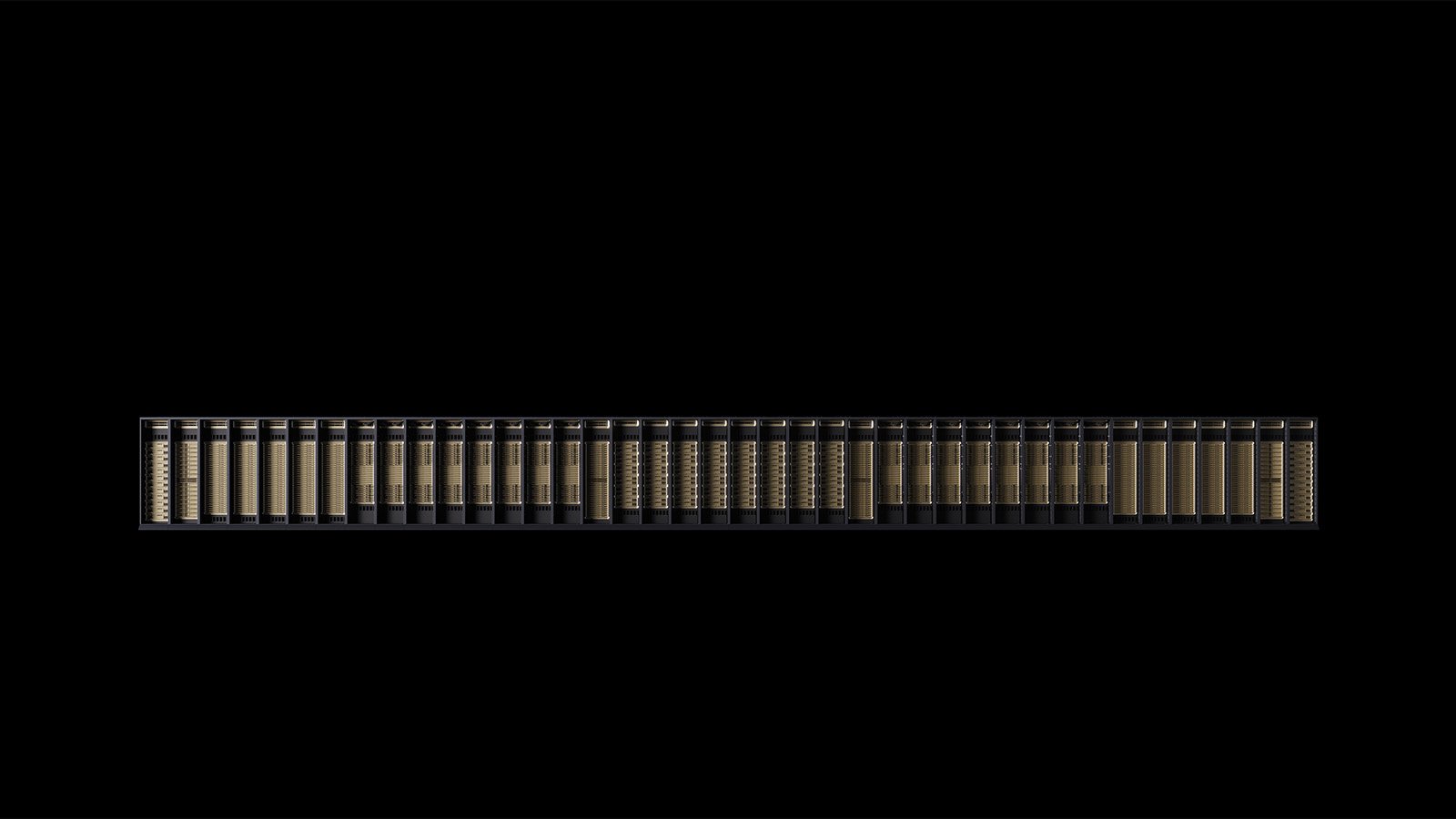
Nvidia put Vera Rubin into full production, assembling seven chips and five rack-scale systems aimed at everything from model training to real-time agentic inference.
The lineup includes the Vera CPU, Rubin GPU, Groq 3 LPU, BlueField-4, Spectrum-6, and related networking and rack systems built to operate as a unified AI supercomputer. Nvidia also expects Vera Rubin products to arrive through cloud and hardware partners in the second half of the year, including AWS, Google Cloud, Microsoft Azure, Oracle, Dell, HPE, Lenovo, and Supermicro.
Disney’s robotic Olaf takes the stage at Nvidia GTC keynote

Disney’s free-roaming robotic character Olaf made a surprise appearance during Nvidia’s GTC keynote, previewing the technology behind his upcoming debut at Disneyland Paris on March 29. Developed by Walt Disney Imagineering, the self-walking robot joined Nvidia CEO Jensen Huang onstage, showcasing advances in expressive, autonomous robotics powered by AI.
Behind Olaf’s lifelike movement is deep reinforcement learning trained using Kamino, a GPU-accelerated physics simulator built on Nvidia’s Warp framework. The system can run thousands of parallel simulations on a single GPU, allowing Olaf to learn complex behaviors such as balancing on a moving boat in just hours instead of months.
Disney says Kamino will play a key role in accelerating the development of future robotics characters. The platform will enable faster iteration and more expressive designs for theme parks and experiences worldwide.
Nvidia launches NemoClaw stack to secure autonomous AI agents

Nvidia announced NemoClaw, a new open-source stack for the OpenClaw platform designed to make autonomous AI agents more secure, private, and scalable. The system enables users to install Nvidia Nemotron models and the OpenShell runtime in a single command, simplifying deployment of always-on AI assistants across environments ranging from cloud systems to RTX PCs and DGX machines.
NemoClaw adds policy-based guardrails through OpenShell, allowing users to control how agents access data and behave while running tasks. It also supports hybrid AI workloads, combining locally run open models for better privacy and lower costs with advanced cloud models through a privacy-focused router. Nvidia CEO Jensen Huang described OpenClaw as “the operating system for personal AI,” positioning the platform as a foundational layer that helps bring secure, self-evolving AI agents into mainstream use.
Nvidia unveils Groq 3 LPU and new AI accelerator rack
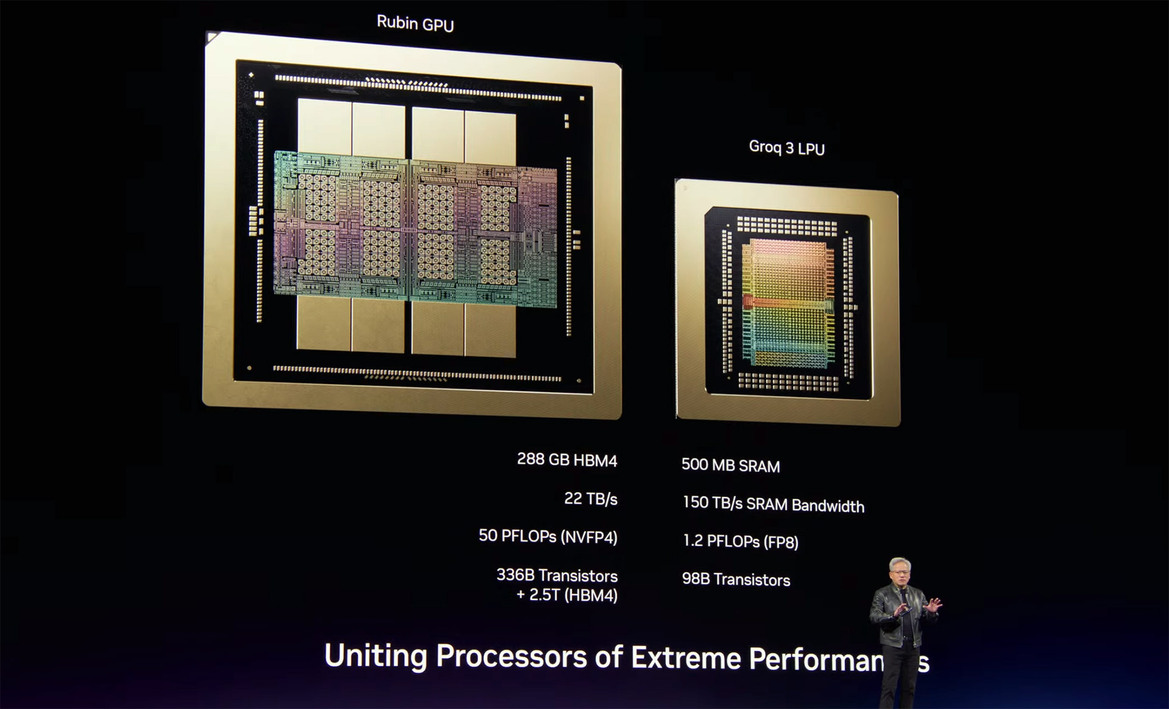
Nvidia CEO Jensen Huang unveiled the Groq 3 Language Processing Unit (LPU), marking the first chip release from the AI startup Nvidia largely acquired in a $20 billion asset deal last December, its biggest acquisition to date.
The Groq 3 chip, expected to ship in the third quarter, is designed to complement Nvidia’s GPUs by accelerating language processing tasks and improving overall AI system performance.
Huang introduced a Groq LPX rack system containing 256 LPUs, built to work alongside Nvidia’s upcoming Vera Rubin rack-scale AI systems. The setup pairs high-throughput GPUs with low-latency Groq processors, which Huang said can boost tokens-per-watt performance for Rubin GPUs by up to 35x, helping deliver faster AI responses while expanding memory capacity for large-scale inference workloads
Jensen Huang: Nvidia’s AI Chips Could Generate $1T by 2027
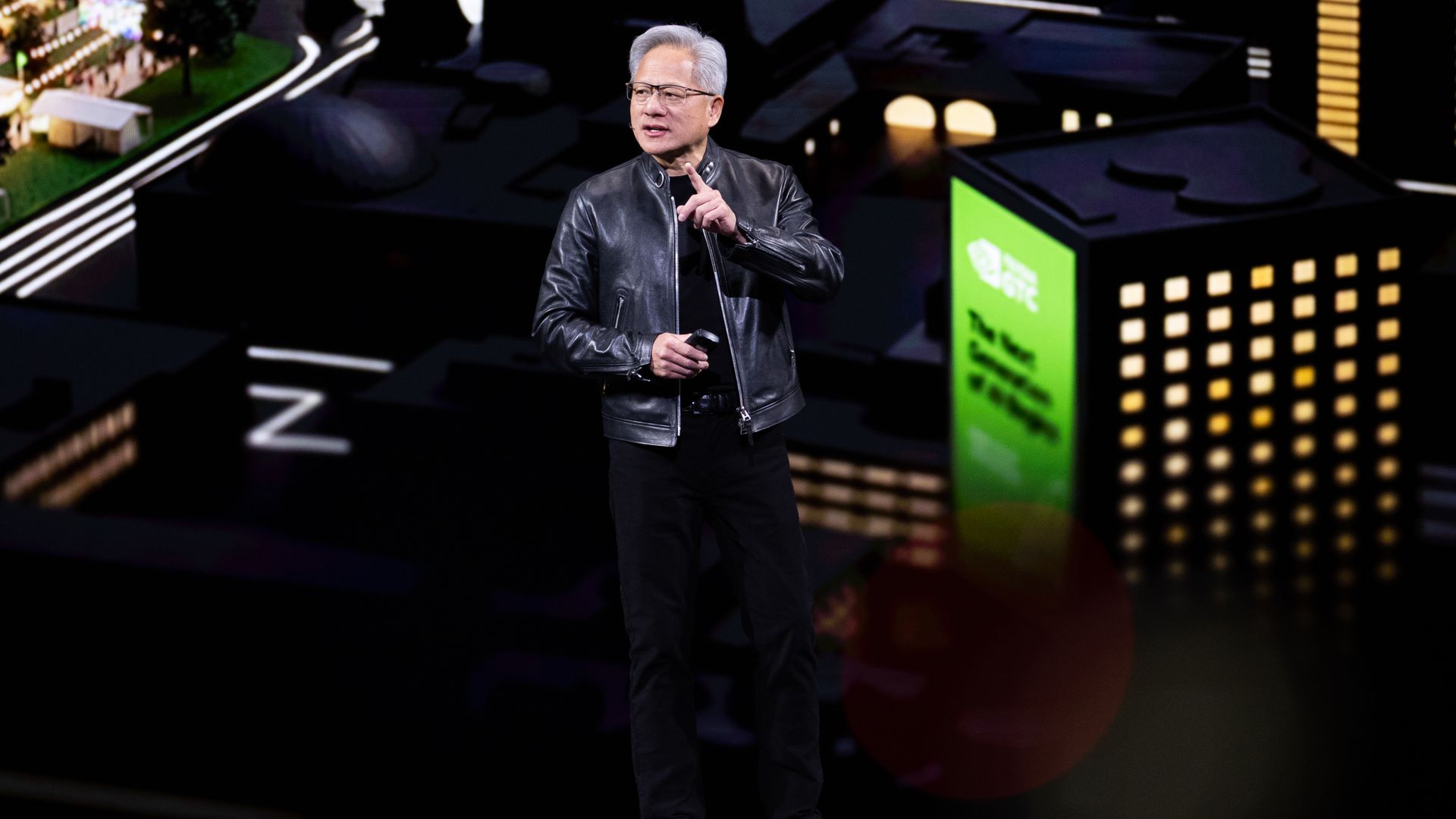
Nvidia CEO Jensen Huang said at GTC 2026 that the company expects to generate at least $1 trillion in revenue from its latest AI chips by 2027, driven by demand for its current Blackwell processors and the upcoming Vera Rubin architecture. He added that computing demand could ultimately exceed that figure, noting Nvidia already had about $500 billion in AI chip orders through 2026 as of late 2025.
Huang also emphasized that the AI market is shifting from training models to running them in production, a transition fueling massive demand for advanced chips. He described the moment as the “inflection point of inference,” highlighting how AI systems are now doing real work at scale, including inside Nvidia itself, where engineers widely use AI coding assistants like OpenAI’s Codex and Anthropic’s Claude Code.
What to expect at GTC 2026
At this year’s GTC, the focus is shifting from proving AI’s potential to efficiently scaling its infrastructure. Jensen Huang and company are expected to detail the mechanics of the modern “AI factory,” moving aggressively beyond individual chips to fully integrated systems designed to slash the cost per token.
Here are the key themes and announcements to watch for:
- The Vera Rubin architecture: Expect a full technical breakdown of the next-generation Rubin GPU and custom ARM-based Vera CPU, highlighting HBM4 memory and high-performance inference capabilities.
- Rack-scale power: A deep dive into massive, liquid-cooled systems built to handle the intense power and networking demands of gigawatt-scale data centers.
- Agentic AI: Software frameworks designed to help enterprises transition from standard generative chatbots to autonomous software agents that can reason and execute complex workflows.
- Physical AI & robotics: Major updates to platforms like Nvidia Isaac and digital twins, merging foundation models with humanoid and industrial robotics for real-world execution.
Kezia Grace Jungco contributed to this article.