


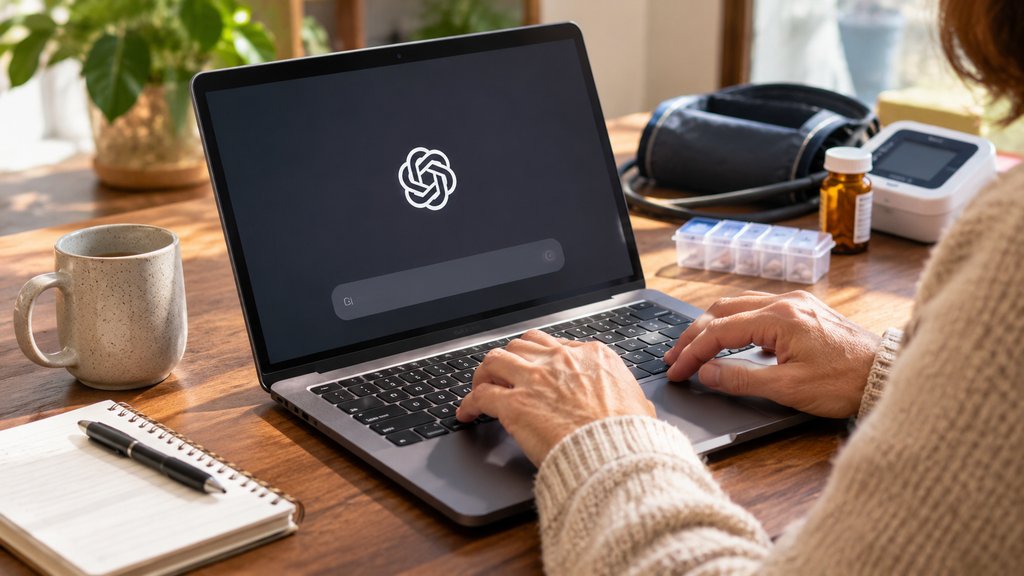
Caregiving involves more than medical appointments. Families also juggle schedules, paperwork, support services, and information that can be difficult to understand. OpenAI is offering practical ChatGPT training to help caregivers manage some of those everyday responsibilities.
On Nov. 10, OpenAI Academy held free, in-person workshops in five US cities as part of National Family Caregivers Month. The sessions focused on organizing caregiving tasks, finding community resources, and using AI responsibly without replacing professional advice.
OpenAI partnered with Caregiver Action Network, the Alzheimer’s Association, and the American Diabetes Association. The company estimates that more than 40 million weekly ChatGPT messages in the US involve questions about someone else’s healthcare, based on usage data collected Oct. 9–29.
Where OpenAI held its caregiver workshops
The AI Skills Jam for Caregivers & Community Health took place in five cities:
- Oakland, California
- Tampa, Florida
- Pittsburgh, Pennsylvania
- Atlanta, Georgia
- Detroit, Michigan
Participants included family caregivers, caregiver support organizations, and people living with chronic or serious health conditions.
The workshops required no coding or technical background. OpenAI facilitators and mentors provided hands-on assistance while participants explored practical uses for ChatGPT.
Rather than focusing on medical diagnosis, the training emphasized everyday activities that often consume caregivers’ time.
These included:
- Organizing schedules: Creating appointment checklists, planning routines, and coordinating responsibilities.
- Understanding information: Turning trusted educational resources into easier-to-read explanations.
- Finding support: Identifying community resources and preparing questions about available services.
- Supporting discussions: Developing guides for caregiver support groups and peer conversations.
For example, someone coordinating appointments for a family member could use ChatGPT to organize a checklist of questions to bring to a doctor.
The chatbot could also help simplify a public health information sheet, provided the caregiver checks that the resulting explanation accurately reflects the original source.
OpenAI’s approach builds on its broader AI literacy initiatives. The company previously introduced ChatGPT training certifications for workers and educators, emphasizing practical skills developed through guided exercises.
Can caregivers access the training materials?
Although the five-city event took place Nov. 10, OpenAI Academy subsequently published the workshop presentation on Nov. 11.
The material provides a starting point for caregivers interested in the topics covered during the sessions.
OpenAI has not announced another round of caregiver workshops or confirmed additional cities.
The company also has not published a complete breakdown of attendance, participant feedback, or measured improvements in caregivers’ ability to manage everyday tasks.
Those details would help establish whether the approach is effective beyond the initial training event.
What caregivers should know before using ChatGPT
OpenAI says its workshops included guidance on protecting personal information and recognizing when professional advice is necessary.
Participants were encouraged to treat AI as a supporting tool rather than a replacement for medical, legal, or financial professionals.
That distinction is particularly relevant when caregiving involves health records, insurance information, and treatment decisions.
Protect sensitive information
Caregivers should avoid entering unnecessary personal details into a general-purpose chatbot.
Information requiring particular care includes medical records, insurance identification numbers, Social Security numbers, passwords, and financial account details.
TechRepublic’s guide to what not to share explains the risks of uploading sensitive documents and other identifying information.
A safer approach is to use generalized questions or remove identifying details when personalized information isn’t necessary.
For example, a caregiver could ask ChatGPT to create a generic weekly appointment checklist without including a relative’s name, diagnosis, or insurance details.
Organizations offering similar training should also establish which tools are approved and what information participants can enter.
Verify health-related answers
ChatGPT can help organize information or make complex language easier to understand, but it can still produce incorrect or misleading responses.
Caregivers should confirm information about medications, treatment options, insurance coverage, and benefits eligibility with qualified professionals or authoritative sources.
Previous testing of AI health assessments found that chatbot-generated evaluations could conflict with physicians’ conclusions.
OpenAI has introduced separate healthcare tools for clinical organizations, including Epic patient-record integration, but those governed systems differ from consumer ChatGPT sessions and the caregiver training program.
The workshop announcement does not specify which ChatGPT account tiers participants used or whether special retention settings applied during the event.
That leaves organizations considering similar training responsible for reviewing their own account configurations, data-handling policies, and facilitator instructions before asking participants to practice with real information.
For caregivers, the most practical starting point is relatively simple: use ChatGPT to organize tasks, prepare questions, and understand trusted resources without treating its answers as professional advice.
OpenAI’s workshops introduced those skills to participants in five cities. The published presentation now offers an additional resource, although the company has not established whether the training produces lasting improvements in caregiving outcomes.
Want to learn more AI tips, tricks, and prompting techniques? TechRepublic readers get free 7-day access to The Neuron Academy, our practical learning platform designed to help professionals use AI more confidently at work. Browse all lessons →
Let us teach you How to Talk to AI for free! Try our six-minute course at The Neuron Academy and learn a few simple ways to write better prompts and get more useful results from AI, or browse our other AI course for free for seven days. Check out all the lessons here →