


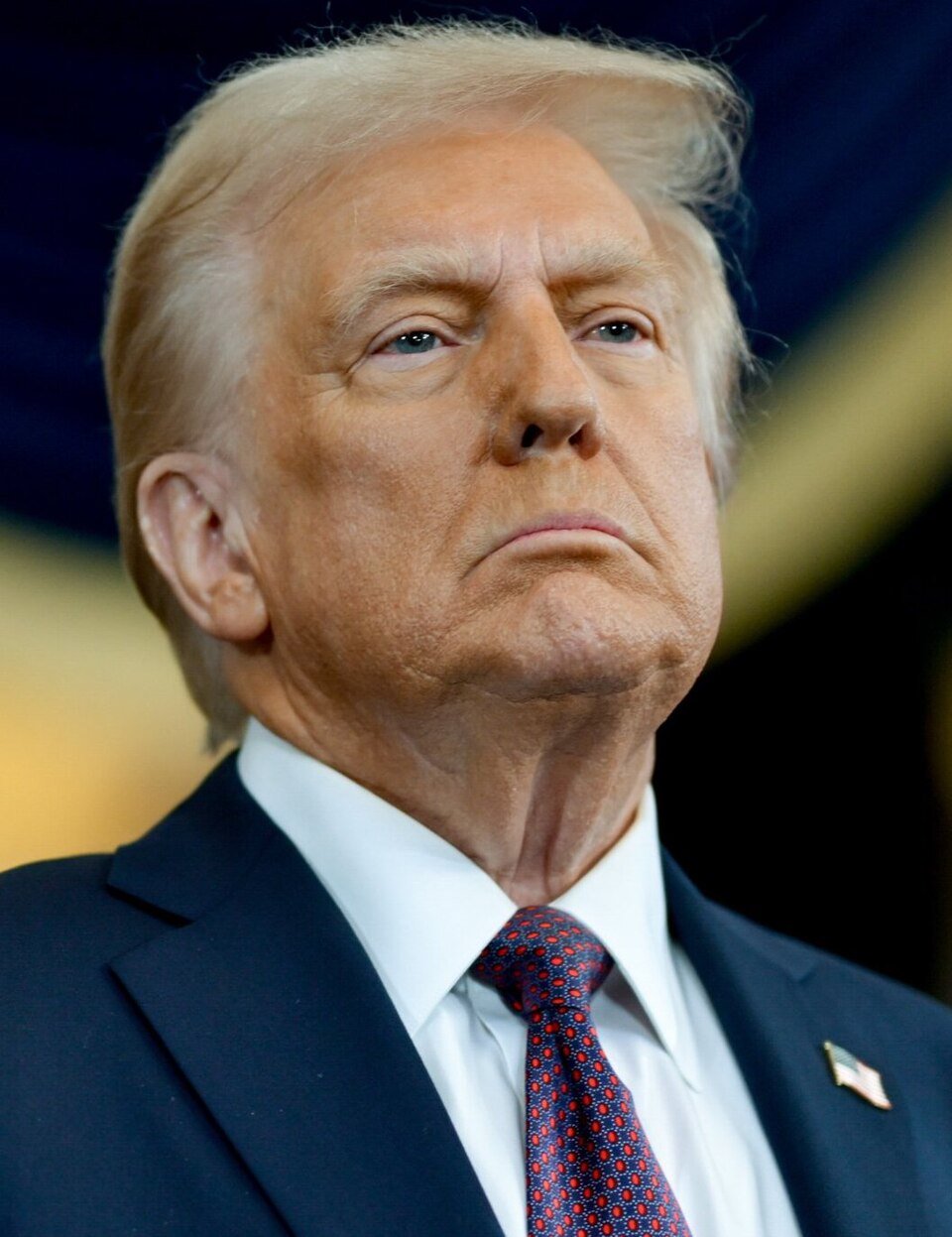
A week of technology failures has ended with a shake-up at the White House, where President Donald Trump has replaced the official overseeing federal cybersecurity policy.
President Donald Trump selected Pentagon Chief Information Officer Kirsten Davies on Nov. 19 to lead the White House Office of the National Cyber Director, succeeding Sean Cairncross. Davies will initially serve in an acting capacity, NBC News reported. The permanent appointment requires Senate confirmation.
Axios reported that Trump’s chief of staff, Stephen Miller, pushed for Cairncross’ removal because he lacked the cybersecurity credentials required for the position. Two sources described the departure as amicable, although other accounts characterized it as a firing.
The administration faces a limited window to secure approval before Democrats take control of the Senate in January.
She also previously advised Defense Secretary Pete Hegseth on information technology, cybersecurity and information management. Her private-sector experience includes roles at Unilever, Estée Lauder, Barclays Africa, Hewlett Packard and Siemens.
Outages add pressure to cybersecurity leadership
Cairncross’ departure follows disruptions affecting Microsoft services, US air travel, banking systems and the National Security Agency’s internal network. The nationwide aviation disruption alone affected more than 18,000 flights, Reuters reported.
However, officials have cautioned against treating the incidents as evidence of a coordinated cyberattack. Intelligence officials attributed the disruptions to separate service interruptions involving maintenance and technical changes.
The leadership change also follows scrutiny of Trump’s broader cybersecurity team. Michael LoSapio, the president’s nominee to lead the Cybersecurity and Infrastructure Security Agency (CISA), faced a contentious Senate confirmation hearing on Nov. 19.
Must-read security coverage
- UK Police Convicts Pair in £5.5 Billion Bitcoin Launder Case
- Blackpoint Cyber vs. Arctic Wolf: Which MDR Solution is Right for You?
- How GitHub Is Securing the Software Supply Chain
- 8 Best Enterprise Password Managers
Davies inherits more than a cybersecurity office
The appointment comes at a difficult time for federal cybersecurity policy. The administration is simultaneously dealing with increasingly capable AI systems, vulnerabilities in critical infrastructure and questions about how government agencies should work with technology companies.
Cairncross helped shape the administration’s AI policies, including discussions with major AI developers and efforts to establish voluntary government testing of advanced models.
Davies’ technical background could strengthen the administration’s ability to connect cybersecurity policy with the operational challenges facing federal agencies.
However, experience managing Pentagon technology systems does not automatically guarantee effective coordination across civilian agencies, infrastructure operators and private technology providers. Her immediate challenge will be maintaining continuity while the administration reorganizes its cyber leadership.
For companies that operate critical infrastructure, the next thing to watch is how the White House puts its March cyber strategy into practice. Davies inherits responsibility for coordinating that work across federal agencies, while a separate Senate process will determine who leads CISA.
In other news, Vals AI found gaps in commercial AI safeguards after some models flagged civilians, ambulances, and a school as military targets in controlled tests.