


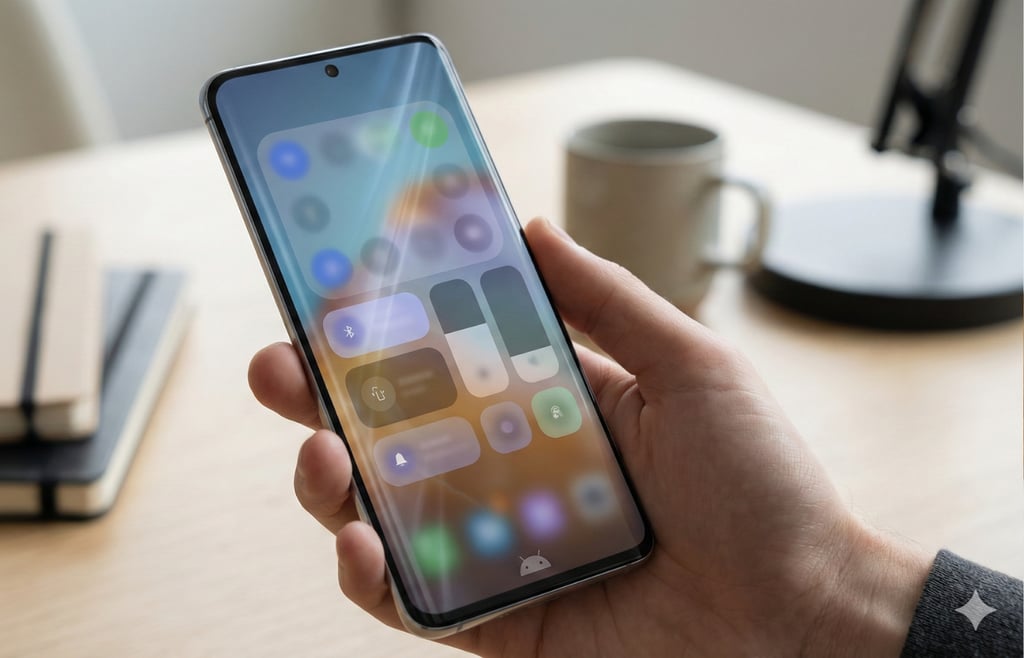
Android 17 is starting to come into view, with early images suggesting changes beyond routine visual tweaks.
The screenshots imply Google is reworking familiar system elements rather than introducing flashy new features.
Several images shared across Telegram and X appear to show an internal Android 17 build, offering brief glimpses of interface changes and updated system tools that have not yet been announced publicly.
Rumored additions are stacking up
Screenshots shared by Android commentator Radek Błędowski (RKBDI) on X offer the clearest look yet at the possible changes. The images highlight interface and system-level tweaks that appear to be under active development.
- System UI blur effects: Translucent, wallpaper-aware overlays across core system controls such as panels and system menus
- Redesigned screen recording tools: A floating interface that keeps controls accessible while recording is in progress
- Native App Lock support: An early option in app long-press menus, suggesting tighter app-level privacy controls
- Expanded Bubble support: More apps able to use floating, multitasking-style interfaces beyond messaging
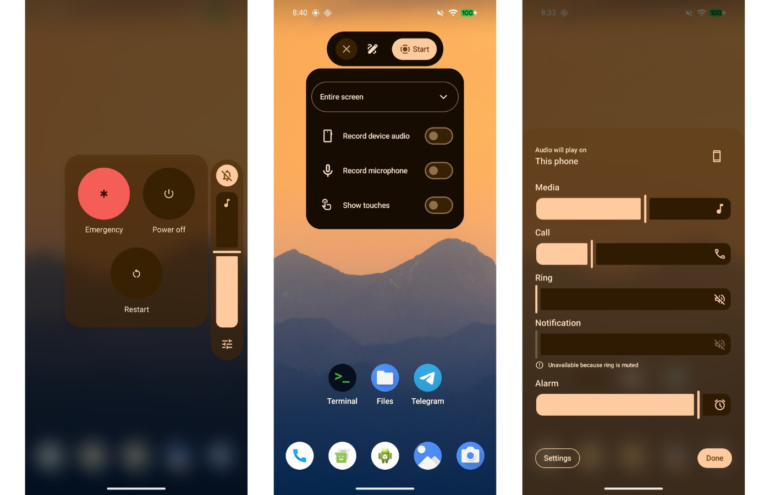
Separately, an account called Pixel UI by Google on X outlined additional features it described as upcoming, broadening the list of rumored changes.
- Separate Wi-Fi and mobile data toggles: More granular network controls within system settings
- Optional removal of app names: A cleaner, more minimal home screen layout focused on icons
- Additional System UI refinements: Referenced alongside Android 17 or a future Pixel feature drop
The leaks hint at multiple layers of the upcoming Android release being reworked simultaneously.
Early buzz meets pushback
Early reaction to the leaks has been mixed. Some users on X and Reddit expressed excitement about practical additions, such as expanded Bubble apps, the option to remove app names from the home screen, and the native App Lock feature, calling them overdue quality-of-life upgrades.
At the same time, others drew comparisons to Apple’s glass-like “Liquid Glass” interface style, arguing that the increased use of blur and translucency makes Android feel closer to Apple’s visual direction.
How close this may be to release
The timing of these changes remains uncertain. It is still unclear whether the features are planned for Android 17 itself, a QPR3 update, or a Pixel-first rollout.
Pixel UI by Google suggested a possible February release window, without clarifying how broadly the update would ship. As with many early leaks, some features could arrive later than expected, launch in limited form, or never reach public builds.
A long-running effort to merge Android and ChromeOS is taking shape under Google’s Aluminium OS project.