


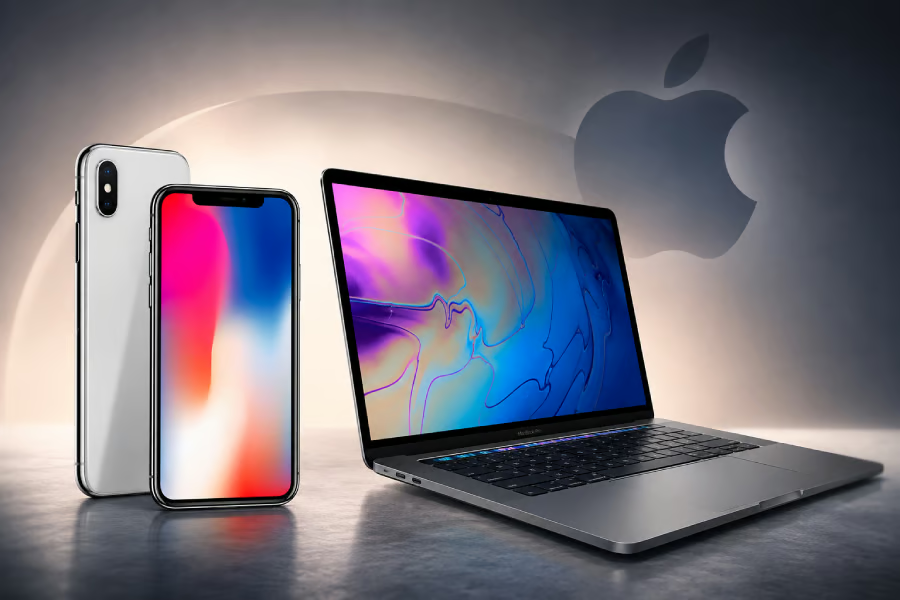
The iPhone X helped define the modern iPhone, but Apple has now largely ended authorized hardware repairs for it.
Apple has added the iPhone X and 15-inch 2018 MacBook Pro to its obsolete products list, ending normal hardware service for two devices that once represented major shifts in Apple’s product strategy.
The move does not mean the devices will stop working, but it sharply limits official repair options when their hardware fails.
Two record-setting Apple devices enter the old league
The iPhone X was one of Apple’s biggest hardware refreshes in years when it was unveiled in September 2017 and released that November, replacing the familiar Home button with Face ID and setting the design direction for the iPhones that followed with its notch display.
Apple stopped distributing the iPhone X in September 2018 and moved it to its vintage list in July 2024. The device has now completed that lifecycle, joining Apple’s obsolete-products list in an August 13 update reported by Mashable.
The same update also catches the 15-inch MacBook Pro from 2018, another product from an important transition period for Apple.
The MacBook Pro packed Intel’s Core processors, up to 32GB of RAM, up to 4TB of SSD storage, a Touch Bar, and Apple’s T2 security chip. It was also part of the first MacBook Pro generation to feature a True Tone display, making it equally iconic like the iPhone X. Apple stopped selling that generation in 2019 as it refreshed the 15-inch MacBook Pro.
Their shared fate therefore has less to do with the devices themselves than with Apple’s time-based hardware support policy.
How do Apple’s vintage and obsolete categories work
Apple’s categories are based on how long it has been since a product was last distributed, not simply how old it is. A product becomes vintage after more than five years and obsolete after more than seven years.
In simple terms, Vintage serves as a transition notice, while obsolete marks the end of both software updates and official part replacements.
An interesting point, however, is that a device can be significantly older based on its release date yet still not be obsolete. In comparison, a relatively newer device is already obsolete. A good example of this is the iPhone 7, released in 2016, and per Apple’s own listing, is in vintage, but not yet obsolete.
Must-read Apple coverage
- Nearly 7 in 10 iPhone Owners Plan iPhone 17 Upgrade
- Apple Prepares AI-Powered Siri Upgrade With Google Search Integration
- Apple’s Xcode 26 Beta Now Supports GPT-5 and Claude
- Apple’s Vision Pro Adoption Stalled As Content Released ‘Drip by Drip’
What this means for Apple users
The immediate impact falls on the people who still retain both devices.
For those owners, the bigger concern is what happens when something breaks. Apple will no longer provide normal hardware service or supply parts through authorized providers, which could make repairs more expensive and push some owners toward third-party repair shops or replacement devices.
The obsolete label could also put further pressure on device prices, although there is no evidence yet that Apple’s announcement has caused a measurable price drop.
But the change is also a reminder for people using newer Apple hardware, given that two products launched years apart can reach the same support deadline.
That makes Apple’s vintage and obsolete lists worth watching if you plan to keep a Mac or iPhone for many years. A device can remain perfectly usable long after Apple stops selling it, but the options for repair gradually shrink as it approaches obsolescence.
Read more: If aging hardware has you considering a replacement, explore the new iPhones, Macs, and Apple Watches on Apple’s 2026 product roadmap.