


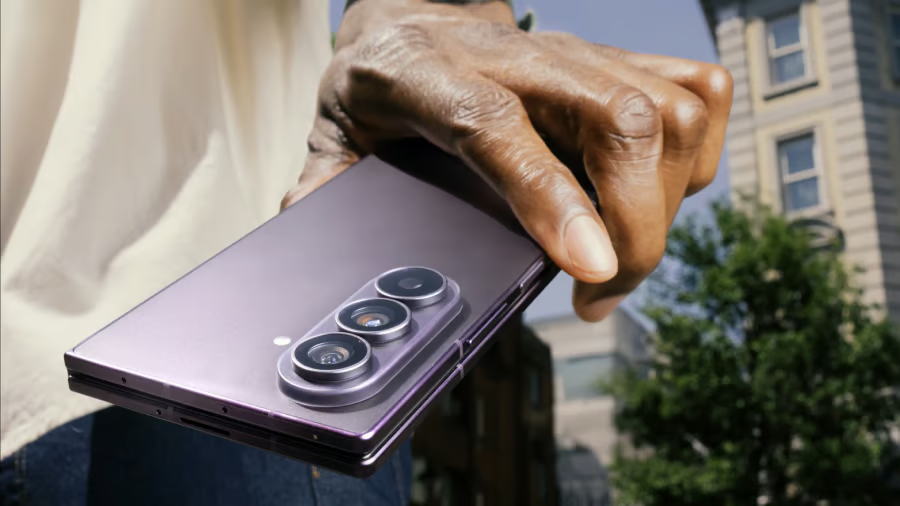
Samsung has expanded its Fold lineup from one flagship model into two book-style phones.
The Galaxy Z Fold8 Ultra and Galaxy Z Fold8 debuted at Galaxy Unpacked 2026. The Ultra gets the larger screen, bigger battery, and more advanced cameras. The Fold8 cuts weight and uses new screen proportions for reading and entertainment.
A $200 price gap puts both models within reach of the same premium-phone shopper.
Galaxy Z Fold8 Ultra vs Galaxy Z Fold8 at a glance
| Starting price | $2,099 | $1,899 |
| Weight | 215 grams | 201 grams |
| Main display | 8 inches | 7.6 inches |
| Rear cameras | 200MP main, 50MP ultrawide, 10MP telephoto | 50MP main, 50MP ultrawide |
| Battery | 5,000mAh | 4,800mAh |
Samsung’s ‘most capable’ foldable
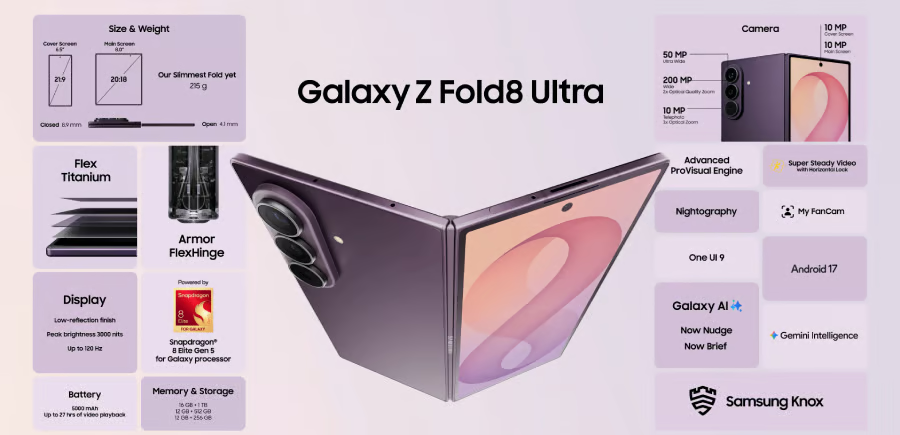
Samsung calls the Galaxy Z Fold8 Ultra its most capable foldable because it combines the company’s largest Fold screen, strongest Fold camera system, and biggest Fold battery. The Ultra branding also comes to the Fold line for the first time.
Key upgrades include:
- More room to work: An 8-inch open screen supports documents, video calls, and side-by-side apps.
- More camera options: A 3x zoom lens joins the 200MP main and 50MP ultrawide cameras, with improved low-light capture and 8K video.
- More power for demanding use: A 5,000mAh battery, faster charging, and expanded cooling support longer work, editing, and gaming sessions.
- A slimmer design: Flex Titanium helps reduce crease visibility and makes opening the phone feel smoother.
The Galaxy Z Fold8 Ultra measures 4.1mm when open. Samsung says its charging system can restore up to 67% of the battery in about 30 minutes under its test conditions.
Samsung’s ‘lightest Fold’ yet
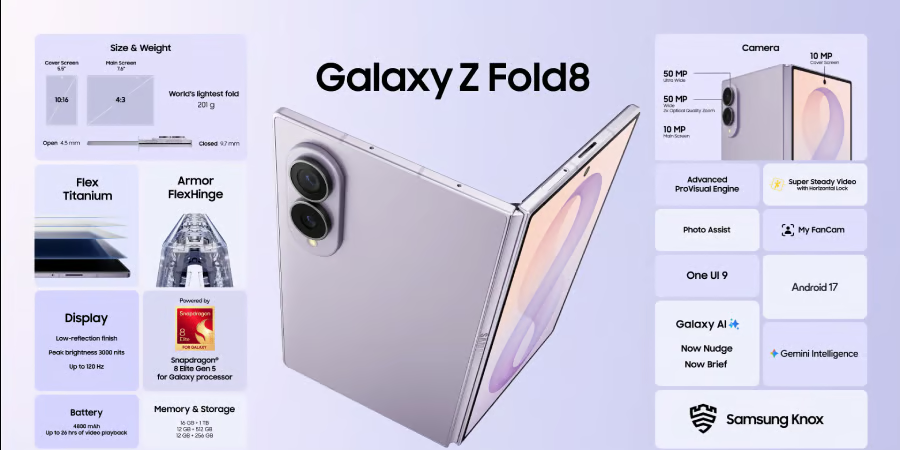
Galaxy Z Fold8 weighs 201 grams, making it Samsung’s lightest Galaxy Z Fold yet and 14 grams lighter than the Ultra. Lower weight and new screen proportions are intended to make reading, streaming, and everyday carrying easier.
Notable changes include:
- A familiar cover screen: Its outside display suits messages, web browsing, and short videos.
- A wider open view: A 4:3 layout gives films and games more room.
- A taller reading view: Rotating the phone creates a 3:4 shape for articles and e-books.
- Easier social video editing: My FanCam follows a selected person and reframes recorded footage for a chosen format.
According to Samsung, the phone has more than 26 hours of video playback. Dual 50MP rear cameras cover standard and wide-angle shots, while Photo Assist displays original and edited images side by side.
Mobility must-reads
- Big Apple OS Makeover: Here’s What to Expect & When
- MWC 2025: Nothing Shows Off (3A) Phones With AI Organization Tool
- Bad News for App Developers: Most Apps Fail to Hit $1,000 Monthly Revenue Within Two Years
- Mobile Device Computing Policy
Bringing AI tools to the larger screen
Both phones use the Snapdragon 8 Elite Gen 5 for Galaxy and run Android 17 with One UI 9, giving buyers the same main software experience.
Shared tools include:
- Now Nudge: Suggests a next step based on what is happening in another app, such as opening Calendar beside a conversation.
- Gemini Notebook: Combines documents, photos and recordings, then creates summaries, reports or presentations.
- Multi-app assistance: Gemini can complete requests across more than 40 supported apps and services, with confirmation required for certain actions.
One UI 9 also adds a dashboard for reviewing AI activity. Each phone includes six months of Google AI Pro. Preorders opened July 22, with general availability beginning August 7.
Which Galaxy Fold fits your routine
Choose Galaxy Z Fold8 Ultra if video editing is part of your day. Regular zoom use can also justify the extra $200. Heavy side-by-side app use gives the added screen space a clear purpose.
Pick the Galaxy Z Fold8 if you spend more time reading or streaming. Commuters may also prefer the lower weight during long days away from home.
Current Fold owners can start with the problem they want solved. Pick the Ultra if your camera or battery falls short. Pick the Fold8 if weight or long-session comfort is the bigger issue. Try both in person before ordering, since grip and balance rarely come across on a spec sheet.
Also read: Samsung’s floating data center concept may have a clearer case in New Zealand as AI infrastructure faces local pushback.