


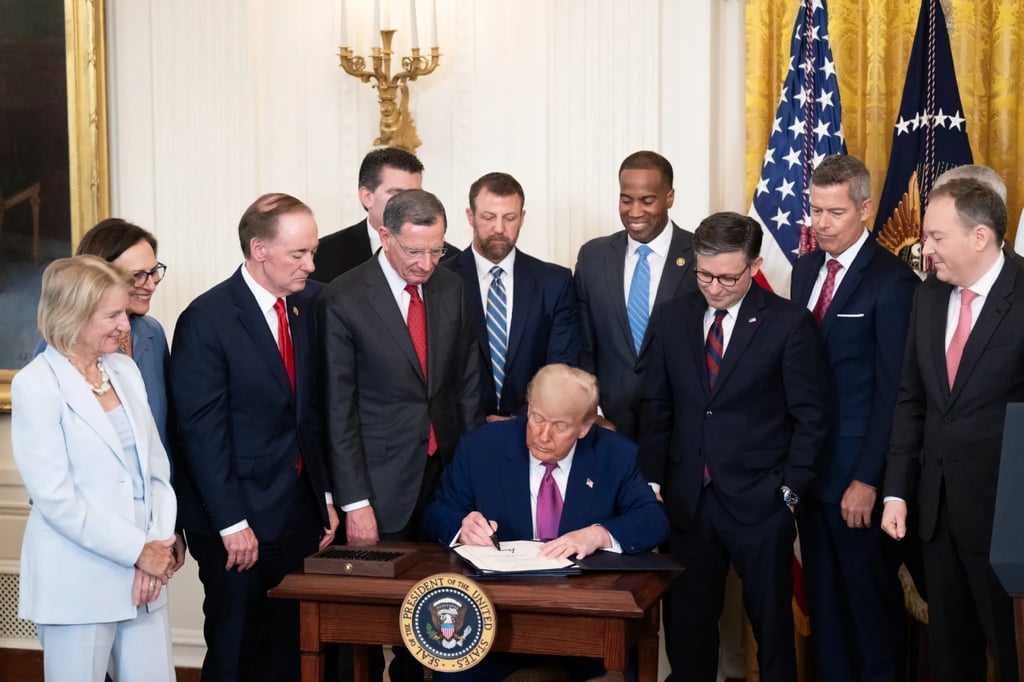
President Donald Trump has announced new tariffs of up to 40% on imports from 14 countries, many in Asia, drawing sharp criticism from some longtime US allies affected by the move.
Trump’s tariff hikes target numerous countries, including Japan, South Korea, Malaysia, and South Africa, prompting officials in Tokyo to call the decision “deeply regrettable.” He warned that imports would face penalties unless production is relocated to the US, escalating tensions with governments with which he had previously been engaged in trade talks.
From Tokyo to Tunis: Tariff shockwaves spread
Trump outlined the latest tariff increases in a series of letters sent to foreign leaders and published on his Truth Social account. This follows an earlier April 2 announcement introducing “reciprocal tariffs” and a 90-day pause, which has now lapsed ahead of the August 1 enforcement date.
How US tariffs have shifted: April vs. July 2025
- Reinstated tariffs: Japan and South Korea tariffs are reinstated at 25%, with Japan’s rate slightly increased from the 24% announced in April. Both countries had seen a temporary reduction to 10% during the 90-day suspension.
- Significant increases: Malaysia, Kazakhstan, Tunisia, Bangladesh, Serbia, South Africa, and Bosnia & Herzegovina saw their tariffs rise from 10% in April to between 25% and 35% in July.
- Unchanged rates: Indonesia and Thailand’s tariffs remain at 32% and 36%, respectively.
- Slight decreases: Cambodia, Myanmar, and Laos received modest reductions from April’s previously higher proposed rates of 49%, 44%, and 48%, now lowered to between 36% and 40%.
Diplomatic ties tested under tariff pressure
The tariff rollout has triggered tension with some of America’s closest allies, with several governments reacting publicly to what they viewed as a unilateral move.
Japan, one of the first countries to receive the letter, strongly condemned the approach. Itsunori Onodera, policy chief of the ruling Liberal Democratic Party, said, “The content is entirely unacceptable. To notify a key ally with nothing more than a single letter is extremely disrespectful, and I feel a strong sense of indignation.”
In Seoul, the new administration held back-to-back emergency meetings to assess the fallout. South Korea’s national security adviser, Wi Sung-lac, met with US officials in Washington and said talks were entering “a very important phase.” The trade ministry vowed to push for a “mutually acceptable outcome,” while officials privately described the tariff move as a diplomatic slight that could strain broader security cooperation.
What's hot at TechRepublic
- Blackpoint Cyber vs. Arctic Wolf: Which MDR Solution is Right for You?
- Why AWS Sellers Choose Deepgram Over Other Voice AI Tools
- SS&C Intralinks DealCentre AI vs. Datasite: Which platform is built for the future of dealmaking?
- SS&C Intralinks FundCentre AI vs. Juniper Square: Which platform better supports modern private markets fund managers?
- Verito vs. Rightworks: Which IT Provider Is Best for Your Firm?
Southeast Asian nations struck a more cautious tone but signaled concern. Cambodia warned that a 36% tariff could seriously damage its garment exports, with a senior official telling The Washington Post there were still no clear guidelines on what the White House wanted in return. Indonesia and Malaysia, still in active talks, aim to secure rates similar to Vietnam’s 20%, which remains among the lowest rates agreed upon so far.
South Africa, facing a 30% rate, called the tariff unjustified, citing the fact that over three-quarters of US goods enter the country duty-free.
Analysts and diplomats saw the tariff campaign as more than an economic move.
“It is also an issue of trust,” said Tokuko Shironitta, Japan director at the Asia Group. “Is this how you treat the allies?”
Politics and production
Trump’s message is blunt: build in America or pay the price. The tariff letters make clear that countries keeping production offshore will face steep charges, while those that shift manufacturing in America can avoid them entirely. Any retaliation will be met with matching penalties, a tariff for a tariff.
That pressure now intertwines with global political alignment. Trump has threatened an extra 10% tariff on any country “aligning” with BRICS, tying trade access to political loyalty.
Trade partners now face two tests: where they build, and who they side with.
After months of stalled negotiations, the US and UK have signed a narrow trade pact dropping some tariffs and freezing others. Here’s what’s in the deal — and what both sides left unresolved.