


Taiwan Semiconductor Manufacturing Company’s global ambitions are stuck in traffic jams.
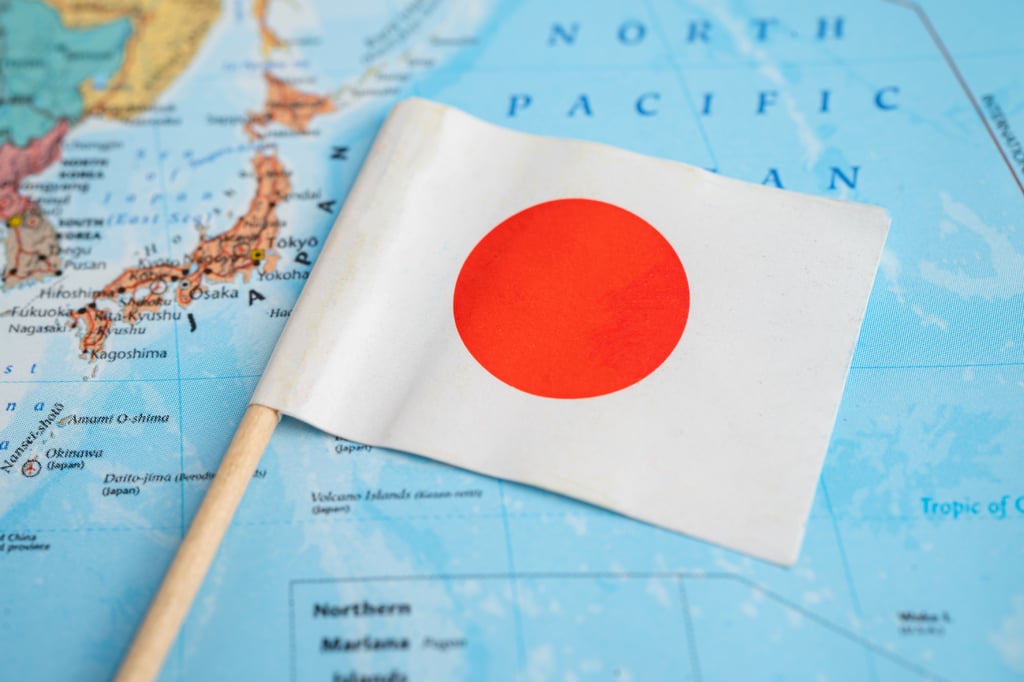
As the world’s largest contract chipmaker races to meet soaring global demand, traffic congestion in Japan has delayed construction of its second fabrication plant in Kumamoto Prefecture, signaling how community concerns can disrupt even the most advanced industrial projects.
CEO C.C. Wei stated that the company is collaborating with the Japanese government to address these issues.
“We have created too big an impact on the local traffic. I have experienced that in person. For what used to take a 10-15 minute drive, it now takes almost an hour,” he told reporters after hosting a shareholders’ meeting, according to The Japan Times. “We told the Japanese government we’ll delay the construction until the traffic improves.”
The second plant is expected to manufacture 6nm and 7nm chips for high-performance computing, an upgrade from the first fab’s focus on 12nm, 16nm, and 28nm nodes, which are mainly used in automotive and imaging applications.
TSMC receives ‘warm’ reception from Trump
While local road infrastructure stalls TSMC’s plans in Japan, the company’s US expansion is gaining momentum. The company has pledged another $100 billion over the next five years to expand its manufacturing footprint in Arizona, where multiple fabs are already under construction.
Despite well-documented labor shortages in the US semiconductor workforce, Wei described his recent conversation with President Donald Trump as “warm,” noting how Trump voiced strong support for TSMC’s US investments.
He emphasized that TSMC is partnering with local stakeholders and educational institutions to cultivate the skilled workforce necessary to sustain the expansion.
What's hot at TechRepublic
- Blackpoint Cyber vs. Arctic Wolf: Which MDR Solution is Right for You?
- Why AWS Sellers Choose Deepgram Over Other Voice AI Tools
- SS&C Intralinks DealCentre AI vs. Datasite: Which platform is built for the future of dealmaking?
- SS&C Intralinks FundCentre AI vs. Juniper Square: Which platform better supports modern private markets fund managers?
- Verito vs. Rightworks: Which IT Provider Is Best for Your Firm?
Balancing global growth with local realities
TSMC’s dual-track expansion strategy reflects both opportunity and risk. As global demand for chips surges — particularly in AI, automotive, and defense — the company is under pressure to diversify its manufacturing base beyond Taiwan.
However, the delays in Japan highlight the growing pains that come with such rapid expansion. Infrastructure limitations and community concerns can be just as critical to a project’s success as funding or technology.
For now, TSMC appears committed to both regions, signaling flexibility in its timelines while maintaining focus on long-term global leadership in semiconductor manufacturing.