


Two phones can have the same screen size on paper and feel very different in your hand. A new leak suggests Xiaomi may be testing a design that makes that difference easy to see.
Tipster Digital Chat Station described a non-folding phone with a 6.3- to 6.4-inch 16:9 display. The post didn’t name the manufacturer, but Gizmochina linked the design to Xiaomi and reported that the panel had already been powered on in testing.
Quick specs: The rumored Xiaomi wide-screen phone
The leak does not name Xiaomi directly, but multiple reports have linked the project to the company based on clues in the tipster’s post. The phone is said to be in an early testing phase, and Xiaomi has not confirmed its existence.
Riding the wide-screen wave
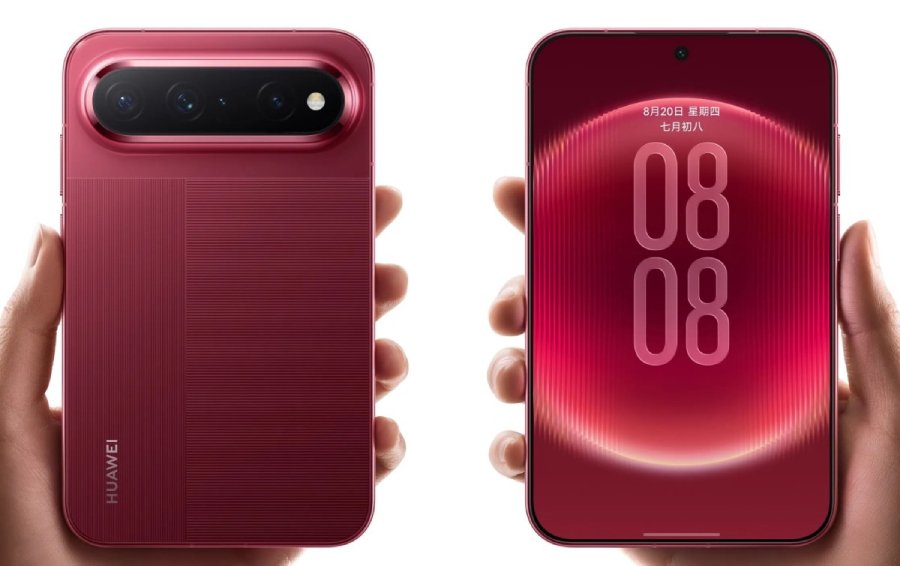
Xiaomi isn’t alone in exploring this form factor. Huawei kicked off the trend with its Pura X View, a wide, non-folding phone that has reportedly sold well in China. Other Chinese brands, including Oppo, Honor, and Vivo, are also rumored to be working on similar devices, with some potentially arriving by 2027.
The appeal is straightforward: a 16:9 screen is a better fit for standard video content, reducing black bars. It could also make reading documents and multitasking feel more natural. The rumored 6.3-6.4-inch diagonal would keep the device relatively compact, unlike the massive phablets of the past.
The strategic play for Xiaomi
Xiaomi’s move is a calculated attempt to create a new product category in a saturated market. By experimenting with a wide-screen bar phone, the company is positioning itself as an innovator alongside Huawei, not just a follower. This could help Xiaomi differentiate its premium offerings and generate buzz, particularly in its home market of China, where the initial launch is most likely to occur.
For the industry, a successful wide-screen phone from a major player like Xiaomi would validate the form factor and likely accelerate adoption by other brands. For consumers, it signals a potential shift away from the current one-size-fits-all design philosophy.
It could open the door to devices that prioritize specific use cases, like media consumption or productivity, over a single, compromised shape.
However, significant risks remain. A wider phone may be harder to hold and use with one hand, a challenge Xiaomi would need to solve with careful design. Furthermore, app developers would need to optimize their software for the unconventional aspect ratio to avoid a subpar user experience.
Mobility must-reads
- Big Apple OS Makeover: Here’s What to Expect & When
- MWC 2025: Nothing Shows Off (3A) Phones With AI Organization Tool
- Bad News for App Developers: Most Apps Fail to Hit $1,000 Monthly Revenue Within Two Years
- Mobile Device Computing Policy
What it means for you
For now, this is a rumor, and a China-first launch is the most likely scenario, if it happens at all. If you’re a user who primarily watches video or reads on your phone, this is a form factor worth watching. It promises a more immersive viewing experience without the bulk of a foldable.
The most revealing test might be writing an email. At the same diagonal, a 16:9 screen gives an on-screen keyboard more room across the phone in portrait, but the display is also shorter. How much of the message you can see while typing would depend on how the keyboard and app use that space.
That’s worth checking if the phone ships. Open a long email, pull up the keyboard, and see how much of the conversation stays visible while you reply. A wider layout could make typing feel less cramped, but if it means scrolling more often to reread the message, the benefit may be smaller than the specs suggest.
But don’t wait up. The phone is reportedly just entering display testing, and its future is far from certain.
Other news: Apple is reportedly testing four prototypes for its 20th-anniversary iPhone, including flat- and curved-glass designs, ahead of an expected fall 2027 launch.