


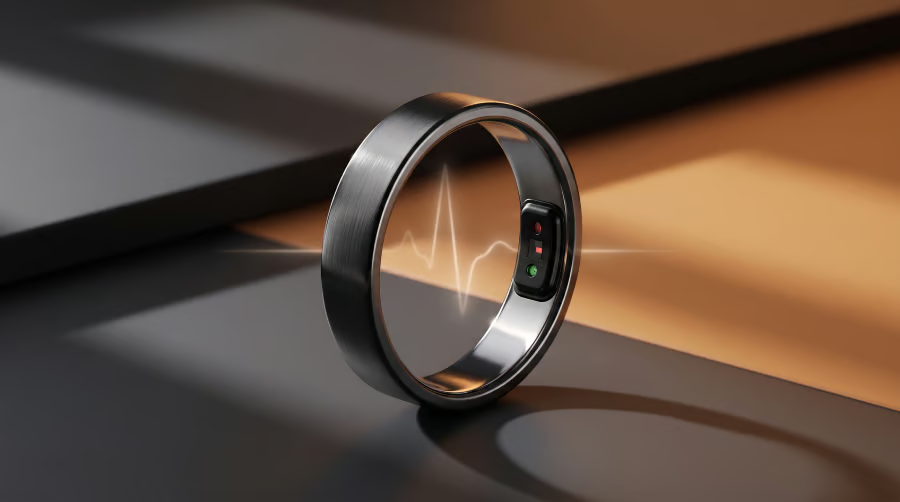
Circular’s latest smart rings want to do more than monitor sleep. They can also wake users silently, deliver discreet reminders, and pay at checkout.
Unveiled at IFA 2026 in Berlin, the Circular Ring 3 series includes the compact Ring 3 Slim and the more advanced Ring 3 Pro. Both upcoming models add NFC contactless payments and haptic alerts, while Pro includes ECG-based atrial fibrillation detection and other advanced health insights.
The choice comes down to size and health features: Slim is thinner, while Pro includes additional sensors and a longer battery estimate.
Health features range from sleep trends to heart checks
Circular classifies the glucose insights as wellness information. That said, details about what users will see inside the app have not been disclosed yet.
Both rings track core wellness measurements including heart rate, blood oxygen, skin temperature, activity, sleep, and heart-rate variability. Kira, the app’s AI health companion, interprets changes in the wearer’s data and offers guidance through the iOS and Android app.
Ring 3 Pro includes Slim’s core wellness features and adds ECG recordings with atrial fibrillation detection. Circular also advertises blood-pressure trends and non-invasive glucose insights for Pro, although neither feature is intended for diagnosis or treatment. The company says its ECG software for detecting signs of atrial fibrillation has received FDA clearance.
Haptic feedback lets both rings act on some of the information they collect. Vibrations can pace a guided-breathing session, prompt someone to take medication, or warn when heart rate or rhythm moves outside the person’s normal range.
Other wearable health glucose alerts often send users to a watch or phone screen. Circular says Ring 3 can deliver an on-finger vibration rather than relying solely on a phone notification.
Slim and Pro differ in thickness and battery life
Ring 3 Slim measures 2.35mm thick, and Circular rates its battery for up to 10 days. Ring 3 Pro is 2.78mm thick and carries a battery estimate of up to 12 days.
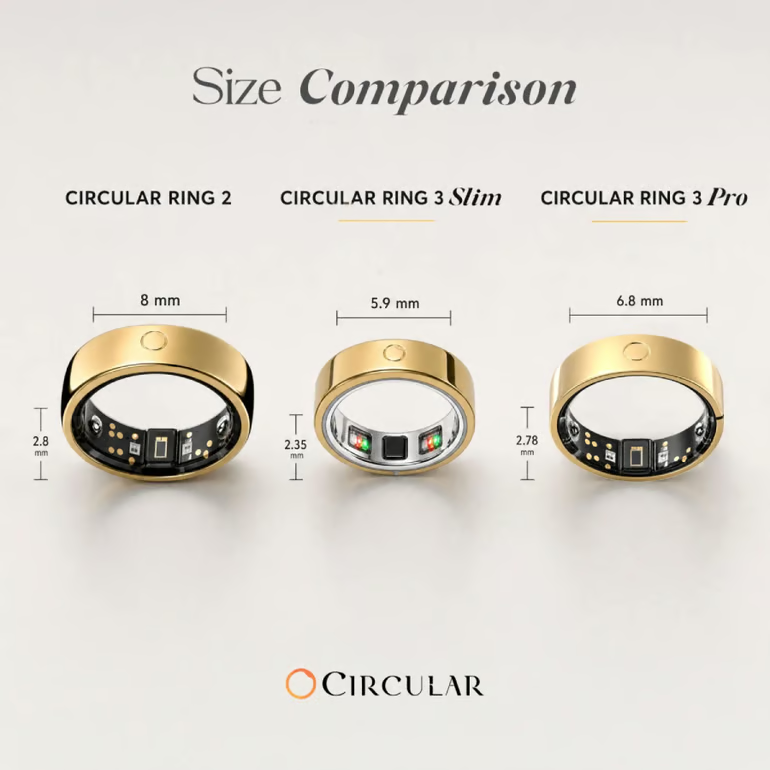
Both ring models support wireless charging and will be sold in US sizes 6 through 14. Finish options include Gold, Silver, Rose Gold, and Anthracite Black.
What's hot at TechRepublic
- Blackpoint Cyber vs. Arctic Wolf: Which MDR Solution is Right for You?
- Why AWS Sellers Choose Deepgram Over Other Voice AI Tools
- SS&C Intralinks DealCentre AI vs. Datasite: Which platform is built for the future of dealmaking?
- SS&C Intralinks FundCentre AI vs. Juniper Square: Which platform better supports modern private markets fund managers?
- Verito vs. Rightworks: Which IT Provider Is Best for Your Firm?
Pay at checkout and wake without a sound
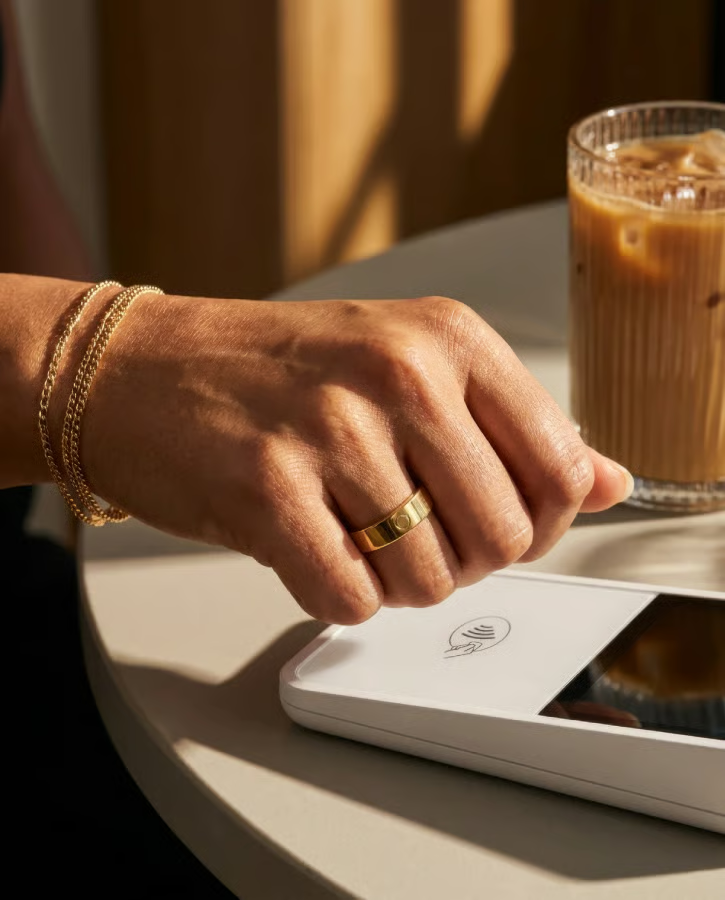
Contactless payment adds a job missing from earlier generations. Both rings include NFC for contactless payments with compatible Visa and Mastercard cards, using the same short-range technology behind tap-to-pay cards and phones. Circular has not yet detailed regional or bank compatibility.
Vibration also supports a silent alarm that wakes the wearer without disturbing anyone nearby.
Preorders open in December 2026, when pricing will also be announced. Delivery dates remain unconfirmed, and subscription terms will be disclosed alongside prices.
Ring 3 faces rivals with different specialties
Circular’s Ring 3 series put glucose insights, haptics, and payments in the same ring. Its closest rivals cover pieces of that package, sometimes through separate hardware.
Oura Ring 5 is slightly thinner than Ring 3 Slim, but its glucose tracking imports readings from a separate Dexcom Stelo sensor.
RingConn Gen 3 offers vibration alerts, vascular-health insights, and sleep-apnea pattern insights. RingConn rates it for up to 14 days without vibration or 10–12 days with vibration enabled. Ultrahuman Ring Pro advertises up to 15 days, but glucose readings in its Ultrahuman platform come from its separate M1 monitor.
If a smartwatch feels like one screen too many, Ring 3 combines contactless payments and discreet reminders in a screen-free device. Buyers interested primarily in glucose or blood-pressure monitoring should wait for Circular to explain how those insights are generated and validated. Neither ring should replace an authorized glucose monitor, blood-pressure cuff, or medical advice, particularly when readings could influence medication or treatment.
Read more: Compare what today’s wearables can—and cannot—do for blood sugar tracking, including products that display readings from separate continuous glucose monitors.