


The clock on America’s sweeping new tariff regime has been reset again, with the deadline for implementation pushed back to August 1. When the new rates take effect, consumer tech prices are likely to rise.
Not the first time the tariff deadline has been extended
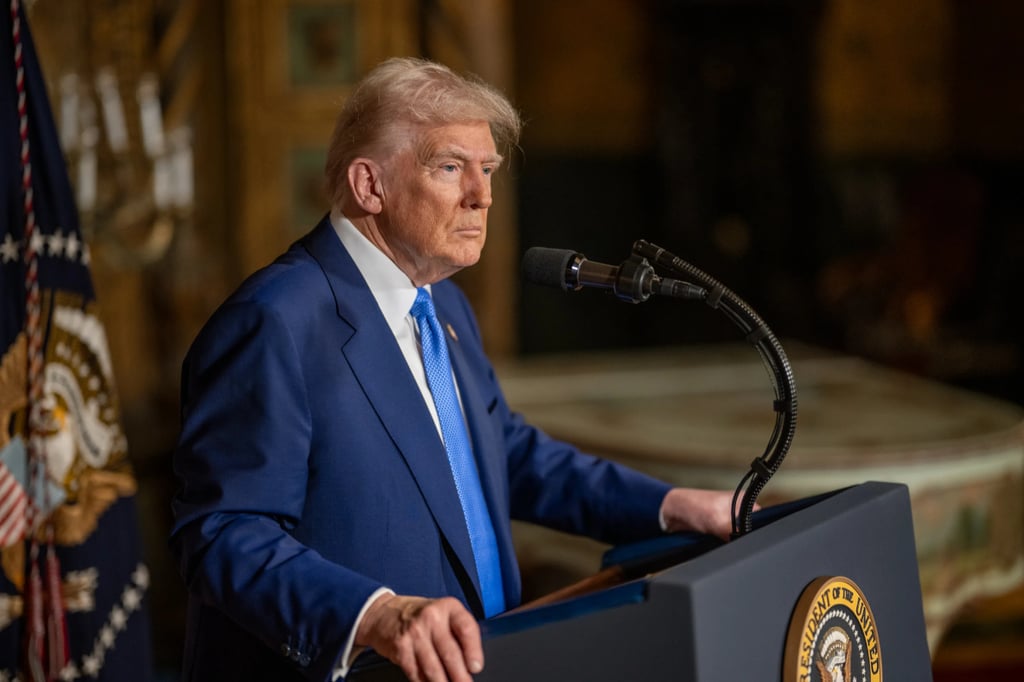
On April 2, Trump announced that the US would be imposing a 10% baseline tariff on all imports and additional “reciprocal” tariffs targeting countries with which the US runs a trade deficit, aiming to promote domestic manufacturing and address perceived trade imbalances. However, just a week later, he suspended them for 90 days to allow time for trade negotiations that would ease the market turmoil.
The pause was initially scheduled to end on Wednesday, July 9, but it has been extended to August 1, as was announced by Treasury Secretary Scott Bessent on Sunday during a CNN broadcast. “President Trump’s going to be sending letters to some of our trading partners saying that if you don’t move things along, then on August 1 you will boomerang back to your April 2 tariff level,” he said. “So I think we’re going to see a lot of deals very quickly.”
Later that day, Commerce Secretary Howard Lutnick confirmed to reporters at Morristown Municipal Airport that August 1 is the new deadline for tariffs to take effect. “The president is setting the rates and the deals right now,” he said, according to The Guardian. President Trump then announced that formal tariff notification letters would be sent starting July 7, detailing the specific rates and any deals reached.
Trade deals have been penned with Vietnam, UK, and China
Over the weekend, as the original July 9 deadline loomed, the European Union, Japan, and South Korea were among the nations urgently negotiating with the Trump administration to secure trade agreements and avoid steep tariffs, according to Bloomberg. In May, the EU’s reciprocal tariff was increased from 20% to 50% after the bloc retaliated.
The most recent trade agreement, struck with Vietnam on July 2, imposes a 20% tariff on Vietnamese exports and a 40% levy on goods suspected of being transshipped through the country, a move widely viewed as targeting Chinese supply chains. Economists and industry experts say the deal sets a precedent for upcoming US trade negotiations across Asia, which could lead to higher prices for everyday goods like electronics, apparel, and furniture.
The US also made notable progress with both the UK and China last month. A trade deal signed with the UK lowered import duties on British cars and aerospace materials, while a tentative agreement with China would impose a 55% tariff on all Chinese imports and 10% tariffs on American exports, although this is not yet set in stone.
What's hot at TechRepublic
- Blackpoint Cyber vs. Arctic Wolf: Which MDR Solution is Right for You?
- Why AWS Sellers Choose Deepgram Over Other Voice AI Tools
- SS&C Intralinks DealCentre AI vs. Datasite: Which platform is built for the future of dealmaking?
- SS&C Intralinks FundCentre AI vs. Juniper Square: Which platform better supports modern private markets fund managers?
- Verito vs. Rightworks: Which IT Provider Is Best for Your Firm?
BRICS-style defiance could cost nations more
On Monday, Trump posted on his Truth Social platform that any country aligning itself with the “Anti-American” policies of the BRICS (Brazil, Russia, India, China, South Africa) organisation could incur additional 10% tariffs on top of the baseline and reciprocal rates. The Carnegie Endowment for International Peace refers to the bloc as an “anti-Western counterweight to the venerable Group of 7.”
The timing of the post suggests it may have been provoked by a BRICS joint statement issued July 6 that voiced “serious concerns about the rise of unilateral tariff and non-tariff measures which distort trade and are inconsistent with WTO (World Trade Organisation) rules,” and refers to rate changes as “indiscriminate.”
The statement also says that the WTO is the “only multilateral institution with the necessary mandate, expertise, universal reach and capacity to lead on the multiple dimensions of international trade discussions, including the negotiation of new trade rules,” which could have caused some offence within the White House.
For a breakdown of which devices could get pricier and what to snag before August 1, read this TechRepublic guide.