Photos: Phone fun in Japan - TechRepublic

Photos: Phone fun in Japan

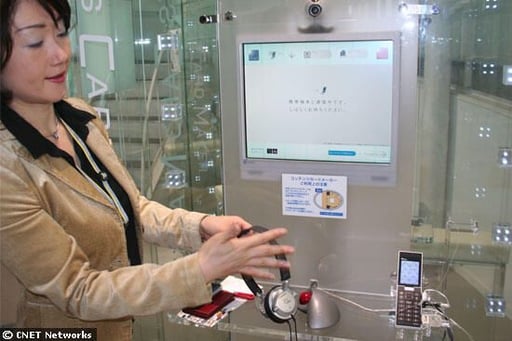
  • Life Pod

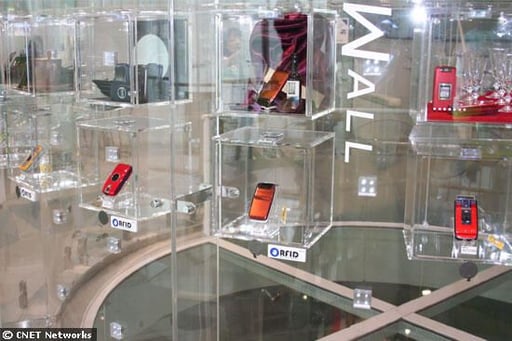
    The Life Pod, which contains an RFID chip and is either great or spooky, depending on your perspective. Pass a display with an RFID\r\nreader and the phone downloads information from the kiosk and uploads it to a personal blog. The phone also posts information about time, date,\r\nlocation and more. Conceivably, if enough RFID readers exist, people could track daily movements for entertainment. Life Pod is still in the\r\nexperimental phase. Fujitsu, NEC and government agencies are currently participating with KDDI on the project.

    Michael Kanellos/CNET News.com
  • KDDI’s seasonal phones. The company comes out with a summer line, a spring line and an autumn/winter line each year, with each fashion line containing about 10 to 12 phones. A typical Japanese consumer swaps cell phones about once every 12 to 18 months. People used to swap more often, but the carriers changed pricing structure so it pays to keep a phone longer. Typically, carriers garner about 8,000 yen ($7.25) per customer per month in revenue.

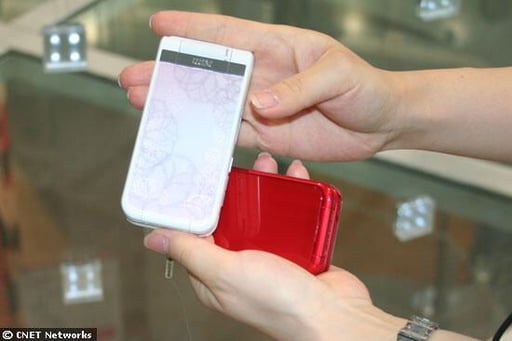
  • Shut the cover on this phone and lights embedded in the cover switch on. The phone also emits a sparkly sound. Did we mention the KDDI Designing Center was located in teen girl shopping heaven?

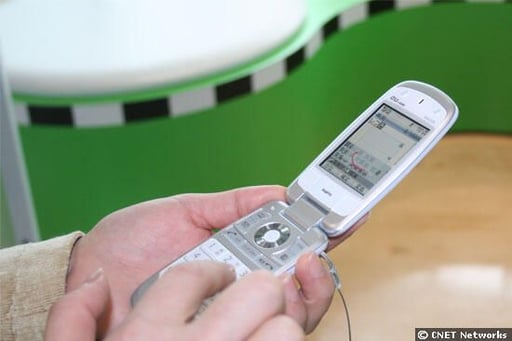
  • Behold the Sanyo touch-pad phone, coming out soon. Flick a switch and the keypad turns into a touch pad. Here, a woman draws lines with the\r\npad (her finger movements are represented by the red line on the screen).

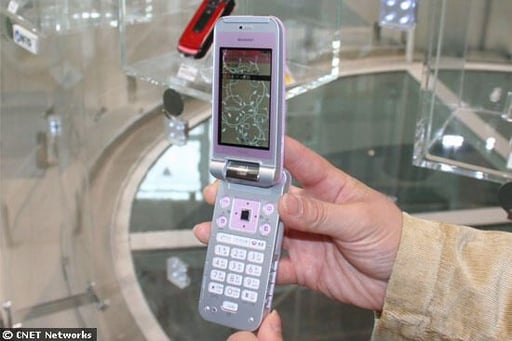
  • Concerned about privacy? This phone from Sharp, which runs on the KDDI au network, lets consumers read e-mail and the Internet looking at it\r\nstraight on. But from an angle, all one sees is a screen saver. Thus, the person next to you on the train can’t look at your e-mail. Sharp also has an LCD TV phone that serves up a number of independent images, viewable from\r\ndifferent angles.

  • Internet commerce, here we come. These sleek kiosks, which will probably be rolled out soon, let consumers download and buy music with a phone. They will also likely sell games.

1 of 6
BD

Bill Detwiler is the Editor for Technical Content and Ecosystem at Celonis. He is the former Editor in Chief of TechRepublic and previous host of TechRepublic's Dynamic Developer podcast and Cracking Open, CNET and TechRepublic's popular online show. Previously, Bill was an IT manager in the social research and energy industries. He has bachelor's and master's degrees from the University of Louisville, where he has also lectured on computer crime and crime prevention.