


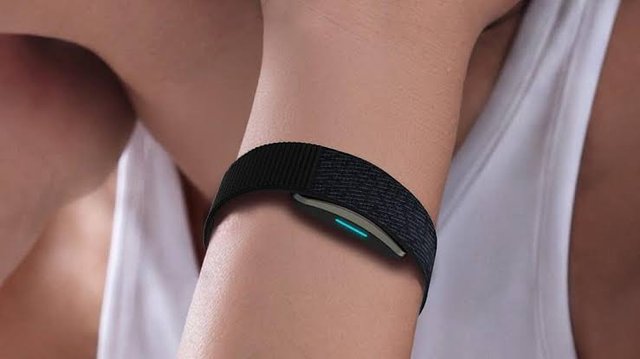
A minute with the Spark Band gets you a glucose estimate. To see it, you’ll need your phone.
Singapore-based Actxa is taking preorders for the Spark Band, a screenless fitness tracker that uses AI to estimate glucose from optical signals at the wrist. Its Singapore storefront lists a Dec. 1 launch and shipping from Dec. 12. Actxa’s Singapore store lists the band at S$139.30 (about US$108) for preorder, down from S$199 (about US$154).
The app lets you compare scans around meals and over time. How much those comparisons tell you depends on how closely the estimates match a reference reading.
Light sensors and AI power the glucose snapshots
Spark Band uses optical sensors to collect information about blood flow at the wrist, similar to technology used for heart-rate tracking in smartwatches. Actxa’s BGEM technology analyzes these signals using AI models trained on wearable sensor data paired with conventional blood glucose measurements.
Users can access several glucose-tracking features through the companion app.
- Quick Snapshot. Provides an estimated glucose range and a most likely reading from a short scan.
- Meal Snapshot. Lets users check before and after eating, then tag meals to follow estimated changes.
- Trend tracking. Combines snapshots taken throughout the day and provides a separate 30-day fasting trend.
Other features include sleep monitoring and activity tracking. LED lights and vibrations provide workout feedback without a screen. Actxa lists up to 14 days of battery life in Standard mode and no subscription fee.
The device’s current launch schedule lists Dec. 1 for release and Dec. 12 for shipping, with preorders remaining open.
What Actxa’s glucose accuracy figures show
Actxa reports that its AI Glucose Snapshot technology has been tested against conventional finger-prick glucose meters. According to the company, the estimates achieved the following results.
In Actxa’s testing, one in five estimates differed from a finger-prick meter reading by more than 20%. The company’s product page gives no sample size or detailed testing conditions for those figures.
A 2023 peer-reviewed study in JMIR AI used data from 500 people in Singapore and an older Actxa Spark+ Series 2 wearable. The best-performing model averaged 84.7% accuracy in classifying whether glucose was elevated. Several authors worked for Actxa or served on its advisory board.
That study tested whether the model could flag elevated glucose. It leaves open how closely the new Spark Band’s numerical estimates match a meter reading.
Medical use also remains outside the product’s stated purpose. Actxa classifies Spark Band as a wellness device, not a medical monitor for diagnosing or managing diabetes.
Screenless tracking brings different trade-offs for wearable users
If you already own an Apple Watch or Galaxy Watch, adding Spark Band could duplicate some of your existing fitness and sleep features. More important is how each wearable setup obtains glucose information and how conveniently you can access it.
| Device or setup | How glucose information is obtained | Everyday experience |
|---|---|---|
| Spark Band | AI estimates generated from wrist sensors | Start a scan on demand and view the estimate in the phone app. The band has no built-in screen. |
| Smartwatch with CGM | Readings sent from a separate glucose sensor | Compatible watches display glucose levels and alerts directly on the wrist. A separate sensor is still needed. |
| CGM with phone app | A sensor under the skin tracks glucose in the fluid between cells | Ongoing glucose trends on a phone, with alerts depending on the system. Sensors need periodic replacement. |
Dexcom G7’s Direct to Watch feature sends readings from the sensor straight to a compatible Apple Watch. The Oura Ring’s glucose integration displays data from a separate Stelo sensor in the Oura app and is available in the US.
What to check before preordering
- How often you’ll scan. Each snapshot takes about a minute and appears in the Actxa app for iOS or Android. If you want to compare meals, consider whether you’ll remember to scan before and after eating. The day’s pattern depends on when you take those snapshots.
- How much you can learn from a change. If two estimates are close together, the published figures give you little basis for deciding whether the difference reflects a change in glucose or variation in the estimate. Look for independent tests of the retail band that show how readings compare with a reference meter before and after meals.
- What you’re paying to add. If your current wearable already covers workouts and sleep, decide whether the glucose snapshots alone justify another band. Check the local checkout price and return window before ordering.
Actxa sells the Spark Band for general wellness. The US FDA warns against using smartwatches or smart rings that claim to measure glucose on their own without piercing the skin. If your care depends on glucose readings, ask your healthcare provider which authorized device suits your needs.
Related reading: Huawei has unveiled its first continuous glucose monitor, an arm-worn sensor that lets users check blood sugar readings on compatible smartphones and smartwatches.