


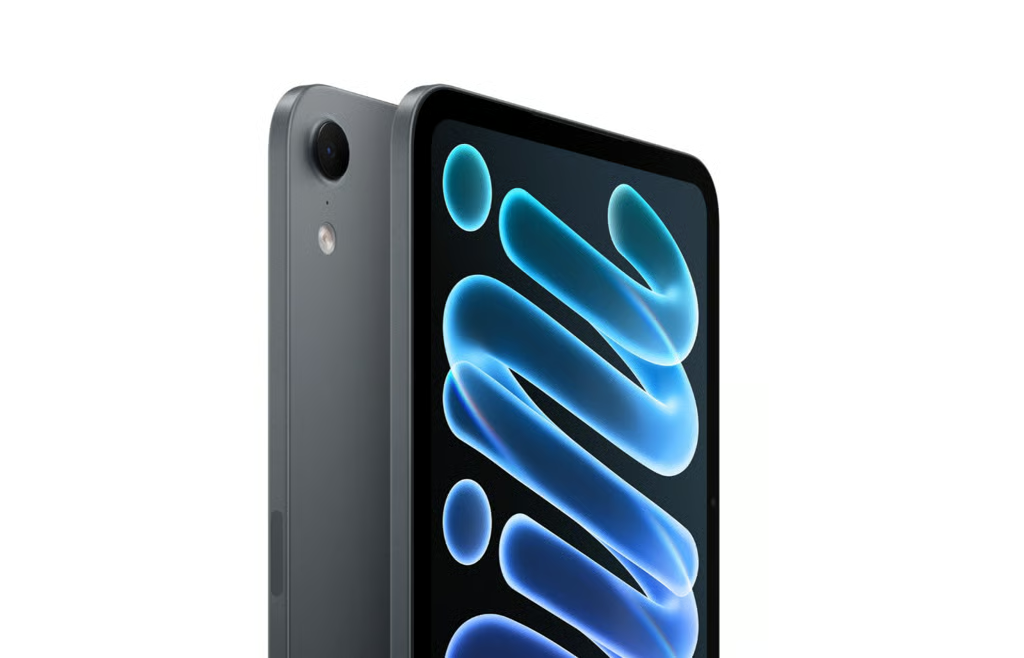
Apple’s smallest iPad is getting a more expensive upgrade, giving business buyers more to weigh than portability.
Unveiled Oct. 26, the new iPad mini adds OLED, an A20 Pro chip, and water and dust resistance. US Wi-Fi pricing starts at $699, up $200 from the previous model’s launch price.
Choosing a configuration now also means choosing processing capabilities: storage capacity determines which CPU and Neural Engine configuration buyers receive.
OLED and water resistance lead a major redesign
An OLED screen replaces the mini’s LCD for the first time, bringing richer contrast and deeper blacks to photos and videos. Slimmer borders allow a larger display while retaining the previous model’s footprint. IP67 water and dust resistance is also new to the lineup.
Apple’s A20 Pro delivers faster graphics and on-device AI processing. Only the 512GB version gets additional CPU and AI-processing cores, despite all three models sharing the same chip name.
iPadOS 27 adds resizable windows for multitasking and new Apple Intelligence photo-editing tools. Siri AI adds personal-context and onscreen-awareness features in the iPadOS 27.2 beta, subject to language and regional restrictions. Apple says Siri AI is unavailable on iPadOS in the EU.
New iPad mini specifications, price, and availability
| Feature | Details |
|---|---|
| Display and design | 8.5-inch OLED, 24% thinner bezels, 5.4mm thickness and 255g weight for Wi-Fi models. Up to 1,200 nits peak HDR brightness and optional nano-texture glass on 256GB and 512GB versions. |
| Durability | IP67 water and dust resistance, tested for immersion up to one meter for 30 minutes. Liquid damage is excluded from Apple's warranty. |
| Processor and storage | Apple claims A20 Pro delivers up to 60% faster multithreaded CPU performance, 2.7 times faster graphics, and 4.5 times faster AI processing than the previous-generation mini. The 128GB and 256GB models have a five-core CPU and 16-core Neural Engine. The 512GB model gets a six-core CPU and dual 16-core Neural Engine. |
| Cameras and audio | Landscape 12MP Center Stage front camera, 12MP rear camera with improved document scanning, 4K video at up to 60 fps, slow motion at up to 240 fps and Acoustic Display stereo speakers. |
| Software and AI | iPadOS 27 with windowed multitasking and updated AI photo editing. Extended display support and Siri AI beta in iPadOS 27.2, subject to regional restrictions. Certain cloud-based AI features have daily usage limits. |
| Connectivity | Wi-Fi 7, Bluetooth 6 and Thread. Cellular models include a C2 modem, 5G and eSIM, with up to 50% faster cellular data speeds claimed by Apple. |
| Battery and charging | Apple rates battery life at up to 10 hours of web browsing over Wi-Fi or video playback. Approximately 50% charge in 30 minutes with a compatible 35W or higher adapter, sold separately. |
| Accessories and colors | Midnight and starlight finishes, Apple Pencil Pro and USB-C Pencil compatibility, and a new TechWoven Smart Folio in navy blue and taupe. |
| Environmental materials | 35% recycled content, including recycled aluminum and battery cobalt. Apple reports 40% renewable energy use in manufacturing and fully fiber-based packaging. |
US preorders open Oct. 28, with availability beginning Nov. 6. Prices start at $699 for Wi-Fi and $849 for cellular.
The higher price changes the choice for iPad buyers
A smaller tablet can be an advantage on the move and a compromise at a workstation. With the new mini’s higher price, three groups of buyers face different considerations:
- Desk-based professionals. Apple’s 11-inch M4 iPad Air, for example, starts at $749, just $50 more than the mini. It offers a larger LCD screen and Magic Keyboard support for document-heavy work, but lacks OLED and an advertised IP67 rating.
- Mobile professionals. Field technicians inspecting equipment and medical staff reviewing records between appointments may benefit from the mini’s portable design and water and dust resistance. Organizations planning to deploy it should test their essential applications on the smaller screen, since crowded forms and frequent scrolling can interrupt work.
- Existing iPad mini owners. A17 Pro models support Apple Intelligence and Pencil Pro, so routine reading and note-taking may not justify replacing them. Upgrading is worth considering when screen visibility or performance limitations regularly affect their tasks.
Before committing to a rollout, IT teams should pilot the mini with employees performing their normal tasks. Check whether forms remain readable, document entry requires excessive scrolling, and essential applications work comfortably alongside one another. Those results should determine whether the compact screen improves mobility enough to justify its compromises.
Match the configuration to demonstrated needs. Teams should test their actual on-device AI workloads before paying for the 512GB model’s additional processing resources. Where a purchase depends on Siri AI or external-display multitasking, confirm software and regional availability before including those features in the business case.
Compare the complete deployment cost, including cases, Pencil accessories, cellular plans, and any additional charging equipment. For existing A17 Pro fleets, replace devices when a measurable limitation affects work; otherwise, retaining them may leave more budget for applications, support, or other equipment.
Related reading: Our iOS 27 compatibility guide covers supported iPhones, Apple Intelligence requirements, and features that aren’t available on every device.