


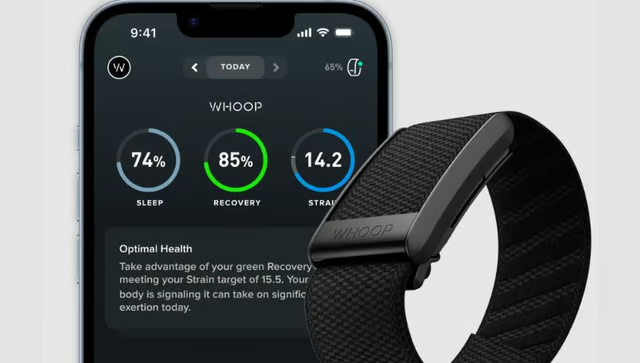
A fitness tracker can flag a poor night’s sleep or recommend easing up after a demanding workout. WHOOP now wants to find out whether acting on that feedback can improve the health measurements people discuss with their doctors.
Its new research collaboration with Abu Dhabi’s Department of Health will investigate whether wearable data and personalized coaching can help improve blood sugar and blood pressure.
Adults with obesity and hypertension will be the first group studied.
Researchers will track seven health measures over six months
Announced at the Abu Dhabi Future Health Summit on Oct. 21, the 24-month collaboration will begin with a six-month clinical study.
Researchers will assess changes in seven health indicators, including blood sugar, blood pressure, cholesterol, and heart rate. Weight, waist circumference, and sleep complete the measurements.
Physicians will help design and oversee the research. Under the agreement, continuous data from WHOOP will also contribute to the emirate’s intelligent health system for population health studies.
Later phases will examine how wearable-supported behavioral changes can help reduce risk factors for heart and metabolic disease alongside existing treatments.
Coaching connects wearable readings with everyday habits
Continuous sensor readings and personalized coaching are central to the planned research. WHOOP’s existing tools illustrate how members receive guidance and review health information, although the announcement does not specify which features the study will use.
- Daily health coaching. The AI-powered coach uses sleep, recovery, physical strain and other personal data to suggest changes in daily routines. Morning recommendations, proactive check-ins and evening reviews help members follow their progress and adjust habits over time.
- Blood pressure trends. Available with the WHOOP MG device and Life membership, Blood Pressure Insights estimates systolic and diastolic pressure using overnight sensor data. Members calibrate the feature with a conventional cuff, after which they can review daily estimates alongside their sleep and recovery information. The feature is intended for wellness monitoring, and WHOOP says it should not be used to diagnose or manage hypertension.
- Blood sugar information. Advanced Labs lets members bring blood-test results, including glucose and hemoglobin A1c, into the app as well as their wearable records. US users can also access clinician-reviewed testing through the service. Unlike continuous glucose monitors, WHOOP’s wristband does not directly measure glucose.
Daily wearable records can document changes in participants’ routines between clinical assessments.
More about Innovation
- Sovereign AI Explained
- The Rise of the AI-Native Factory
- Why Data Determines AI Success
- SS&C Intralinks DealCentre AI vs. Datasite: Which platform is built for the future of dealmaking?
What the study could tell wearable users
For people comparing WHOOP with other health wearables, the question is whether daily guidance leads to measurable improvements in health. Tracking sleep and activity can show changes in routines, but demonstrating better blood pressure or blood sugar outcomes would provide different evidence about the value of health-focused coaching.
The announcement does not disclose participant numbers, a comparison group, or the methods researchers will use to assess clinical outcomes. Those details will matter when interpreting any reported improvements and determining whether coaching contributed beyond medication, existing care, or other lifestyle changes.
Readers should also distinguish improvements during the six-month study from benefits that persist afterward. Findings from adults with obesity and high blood pressure would not automatically establish the same benefits for people with different health conditions or risk levels.
For healthcare technology teams evaluating similar programs, practical questions extend beyond the results. Participant consent, access to sensitive health records, and the work required to incorporate wearable information into clinical workflows would all affect whether a program is suitable for wider use.
For now, the collaboration provides a reason to watch for evidence rather than an established clinical benefit. People considering WHOOP for health coaching should weigh its current features and limitations against their needs; WHOOP describes its AI guidance as wellness information, not a substitute for professional medical advice, diagnosis, or treatment.
Related reading: People managing type 2 diabetes without insulin may have another reason to consider glucose wearables after a clinical trial found measurable improvements in blood sugar control.