Image: Generated by Google’s Nano Banana
This live blog will be updated in real time as CES 2026 announcements begin.

CES 2026 is opening at a time when the tech industry has stopped talking about what might be possible. Now it’s about what actually works.
Artificial intelligence is no longer a side act or a speculative bet. Its infrastructure is baked into devices, platforms, and workflows that are expected to deliver measurable value. As companies take the stage in Las Vegas, the focus is shifting from concept demos to deployable products… from hype to execution.
This article will track the most important CES 2026 announcements as they happen, highlighting the launches, partnerships, and trends that signal where technology is headed next and which innovations are ready to move beyond the show floor.

Emerson Smart showcased a privacy-focused approach to smart-home technology at CES 2026 with its new SmartVoice product lineup.
Developed by IAI Smart, the offline voice-controlled devices include tower fans, heaters, air fryers, and smart plugs that process commands locally, eliminating the need for Wi-Fi, apps, or cloud connectivity. The company stated that the products are designed for instant setup and hands-free control, while keeping user data within the home.
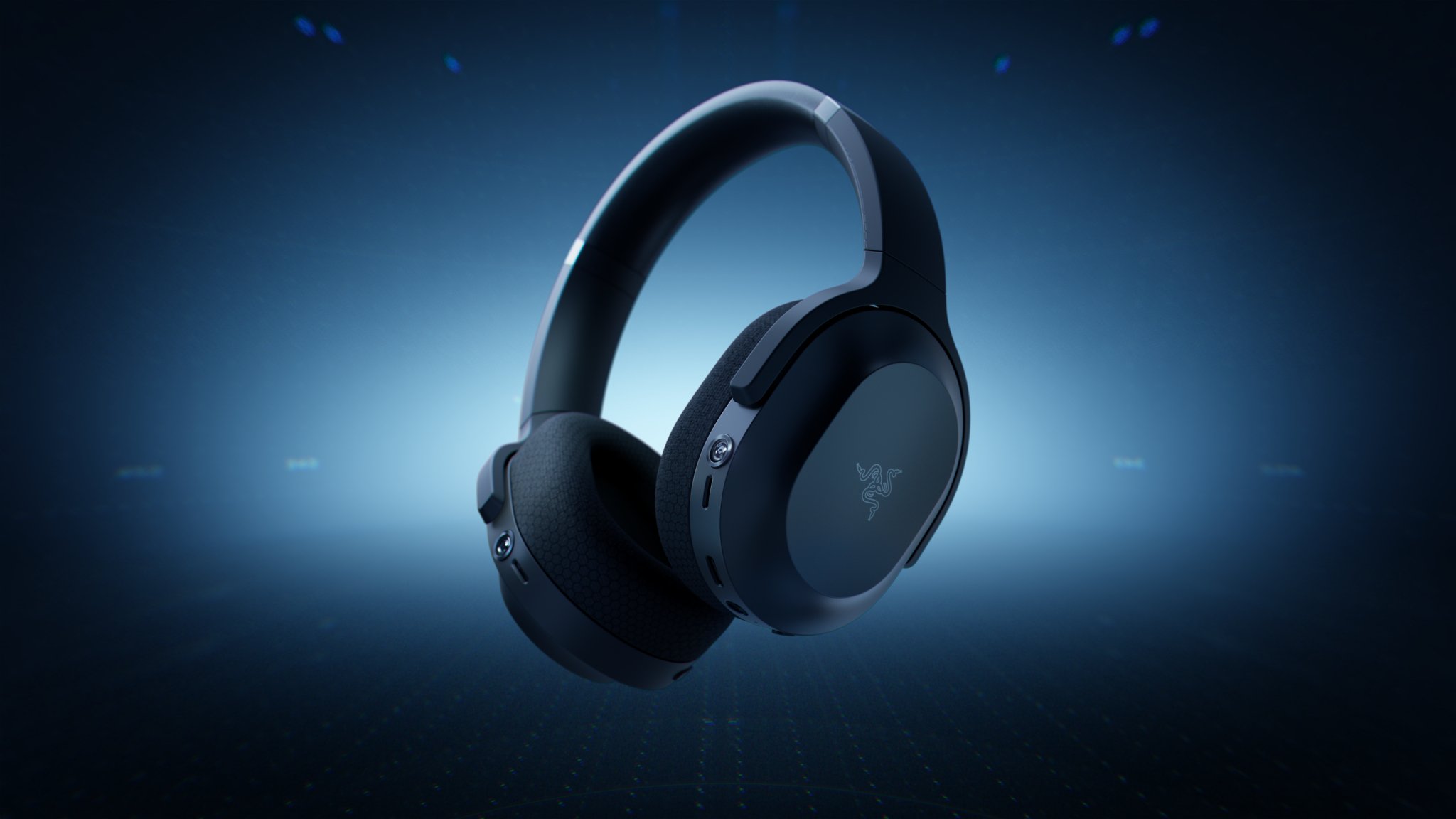
Razer previewed its take on AI-powered wearables with Project Motoko.
The concept headset combines first-person cameras, microphones, and on-device processing to provide real-time visual and audio awareness across gaming, productivity, and everyday tasks. Powered by Snapdragon platforms, Project Motoko works with multiple AI systems and remains a concept, offering a look at how Razer sees wearable computing evolving.
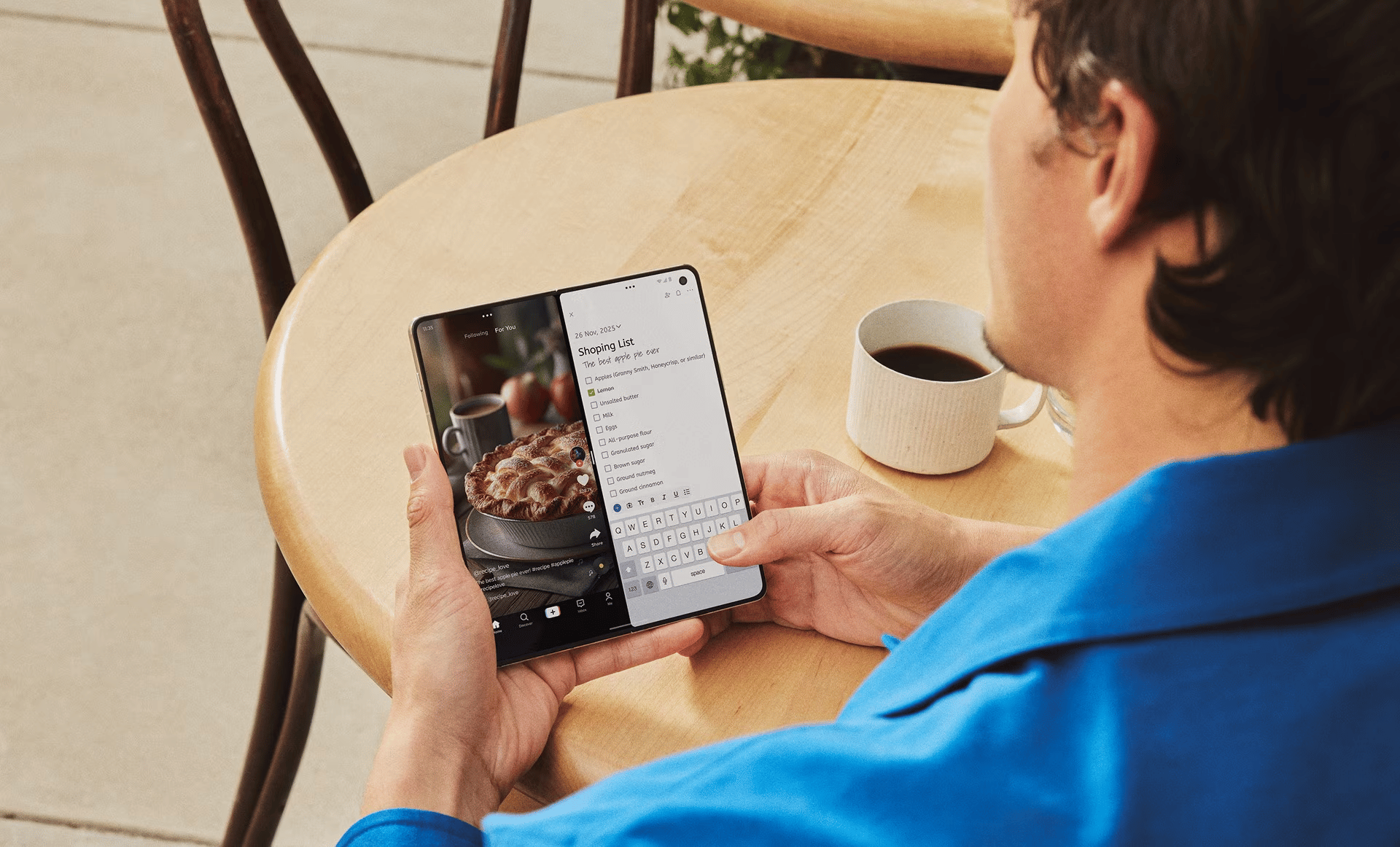
Motorola stepped into the foldable phone market at the event with the debut of the razr fold.
Shown on Lenovo’s main stage, the device pairs a large outer display for everyday use with a tablet-like inner screen built for multitasking and creative work. Motorola said the razr fold relies on on-device intelligence to adjust layouts and interactions as users move between screens, keeping the focus on usability rather than novelty.

AGIBOT made its US debut with a full lineup of humanoid robots already operating at scale.
The company showcased a broad portfolio ranging from full-size and compact humanoids to industrial robots and quadrupeds, emphasizing that more than 5,000 units have already been shipped and deployed in real-world settings.
AGIBOT highlighted its “one robotic body, three intelligences” approach, which combines movement, interaction, and task execution into a single platform aimed at moving humanoid robotics beyond demos and into everyday commercial use.
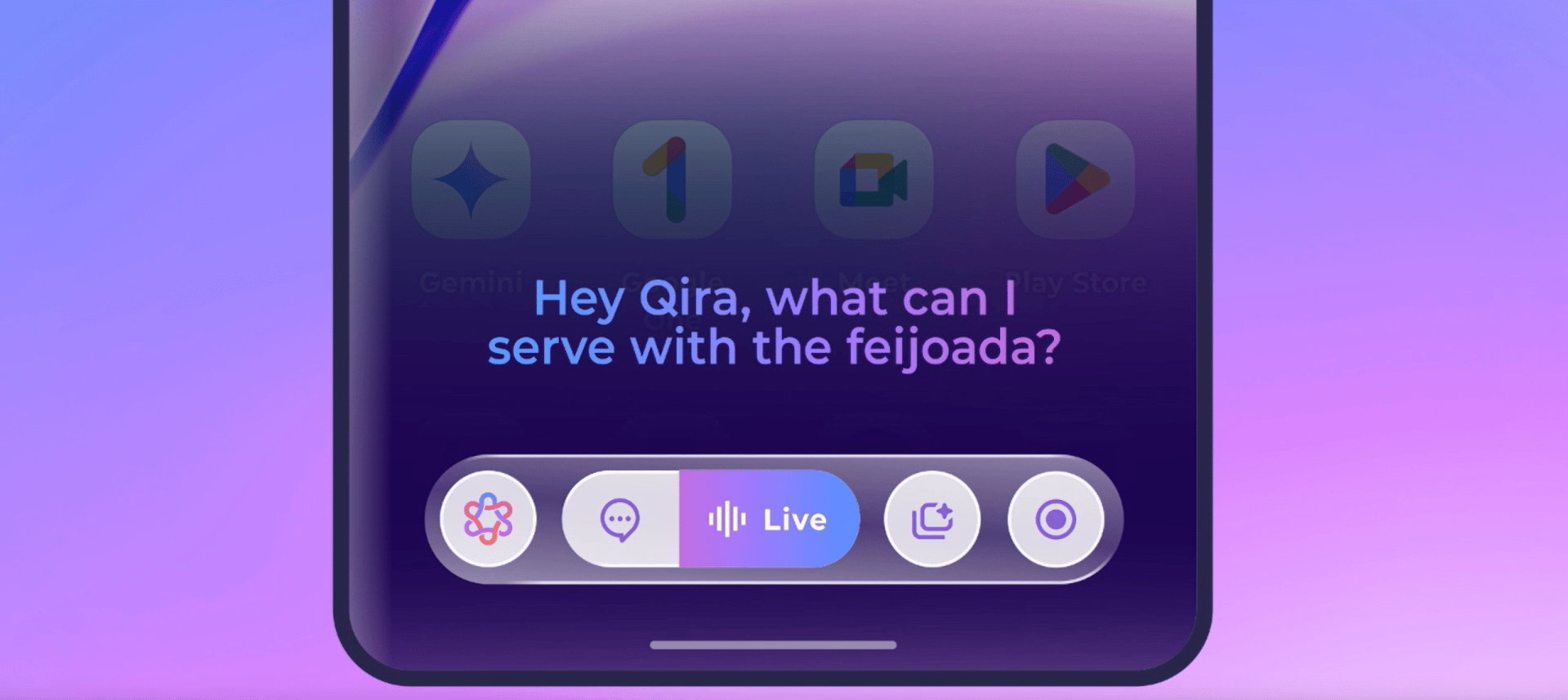
Lenovo and Motorola are bringing their AI efforts under one roof with a new unified system called Motorola Qira.
Qira combines moto ai, Lenovo AI Now, Creator Zone, and Learning Zone into a single cross-device experience that carries context between phones, PCs, and other devices. The companies said Qira is designed to reduce friction from switching apps and re-entering prompts, using a shared knowledge base and partnerships with Microsoft, Qualcomm, Intel, Google, and Perplexity to keep interactions consistent across devices.
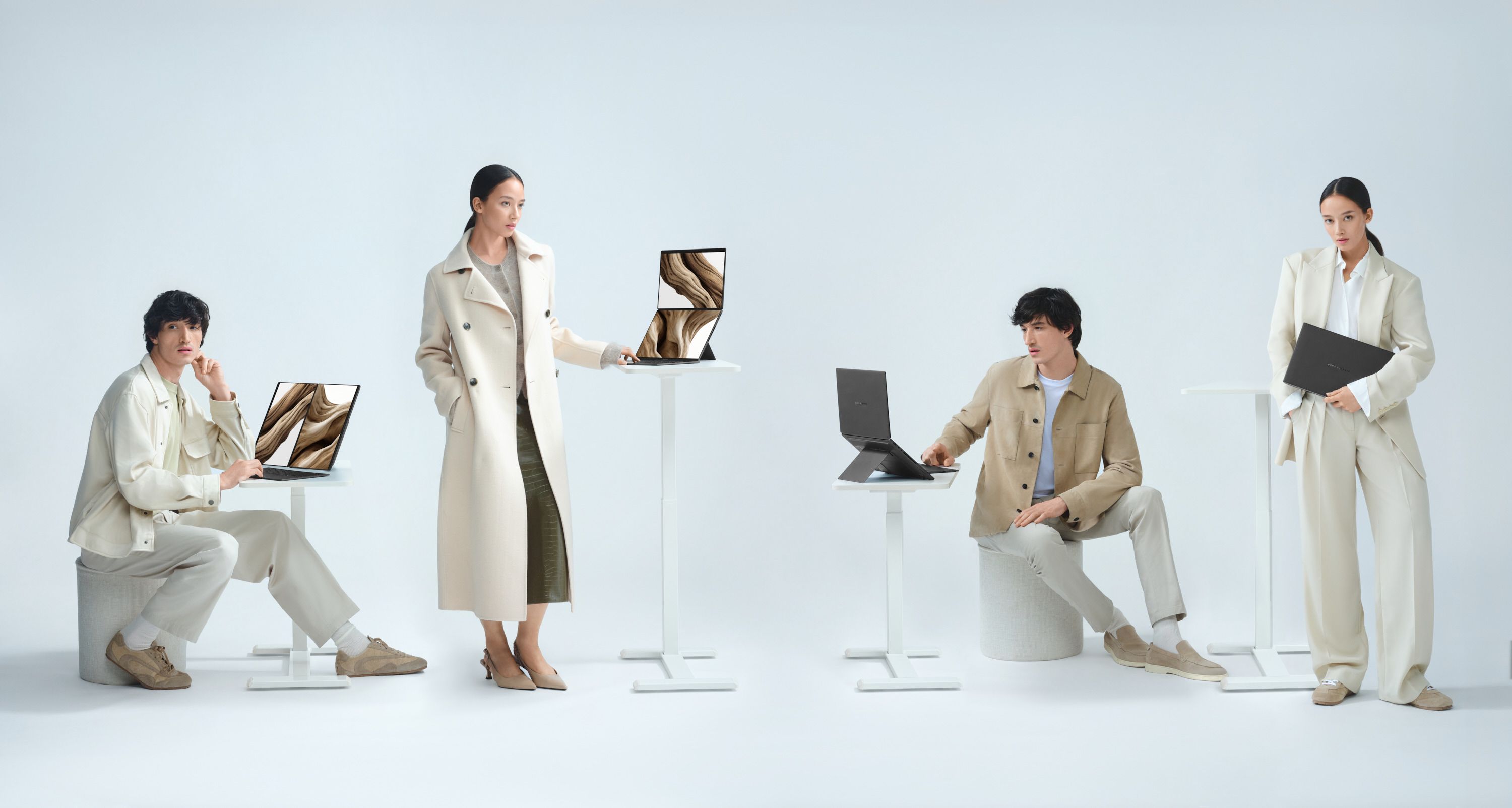
The 2026 Zenbook DUO pairs two 14-inch 3K OLED displays into a near-seamless workspace, cutting the gap between screens by 70% and enabling fluid multitasking across both panels.
With a redesigned lay-flat hinge, detachable keyboard, and software that automatically adapts to dual-screen use, ASUS pitched the laptop as a portable alternative to carrying a second monitor for creators and power users on the move.
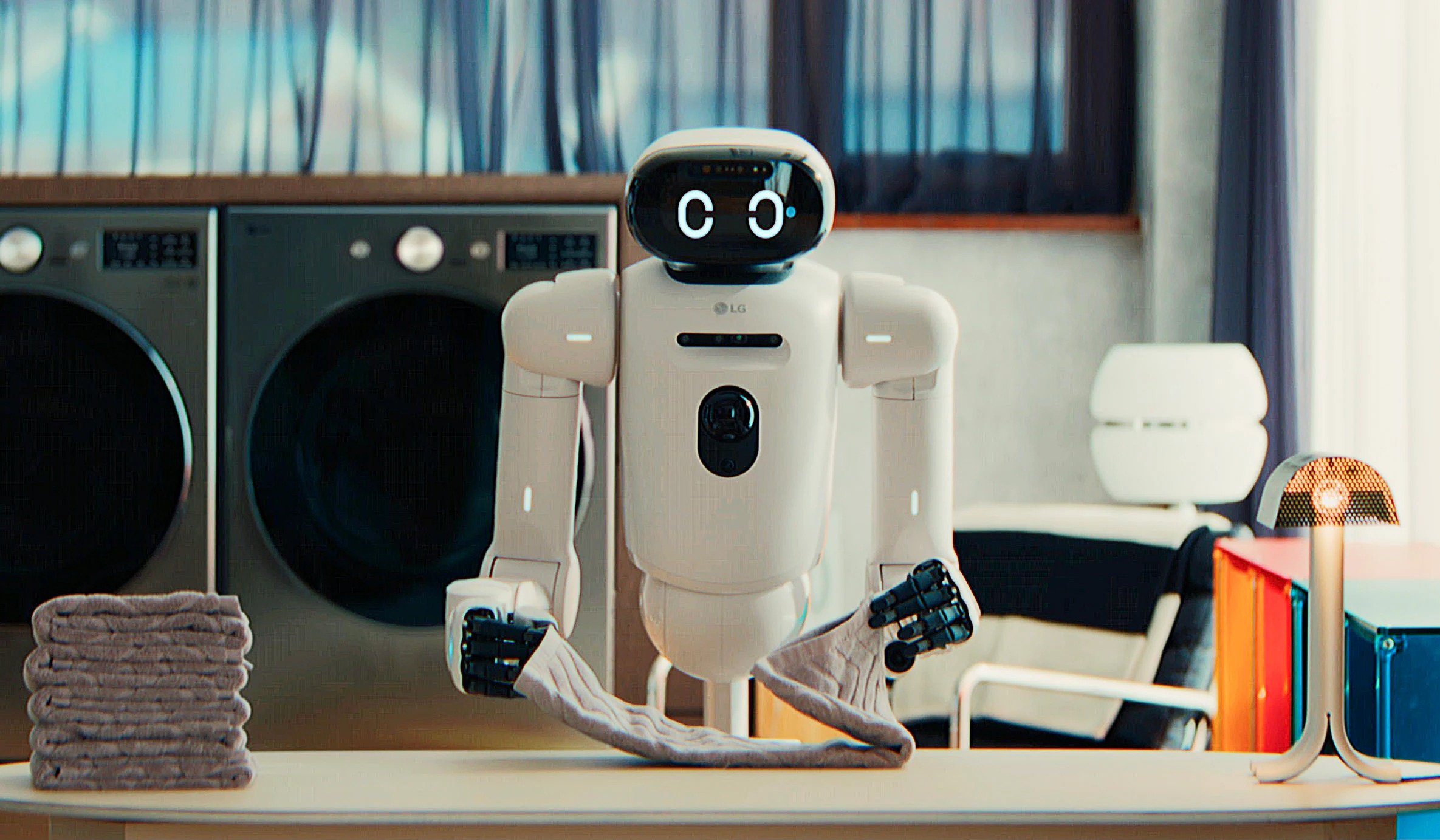
LG brought its vision of a “zero labor home” to life with a new AI-powered household robot.
The company demonstrated LG CLOiD, a home robot designed to handle everyday chores like cooking prep, laundry, and appliance coordination using vision-based physical AI. Built to move through real living spaces, CLOiD combined articulated arms, autonomous navigation, and integration with LG’s ThinQ smart home ecosystem, positioning it as both a mobile home hub and a hands-on assistant for daily tasks.
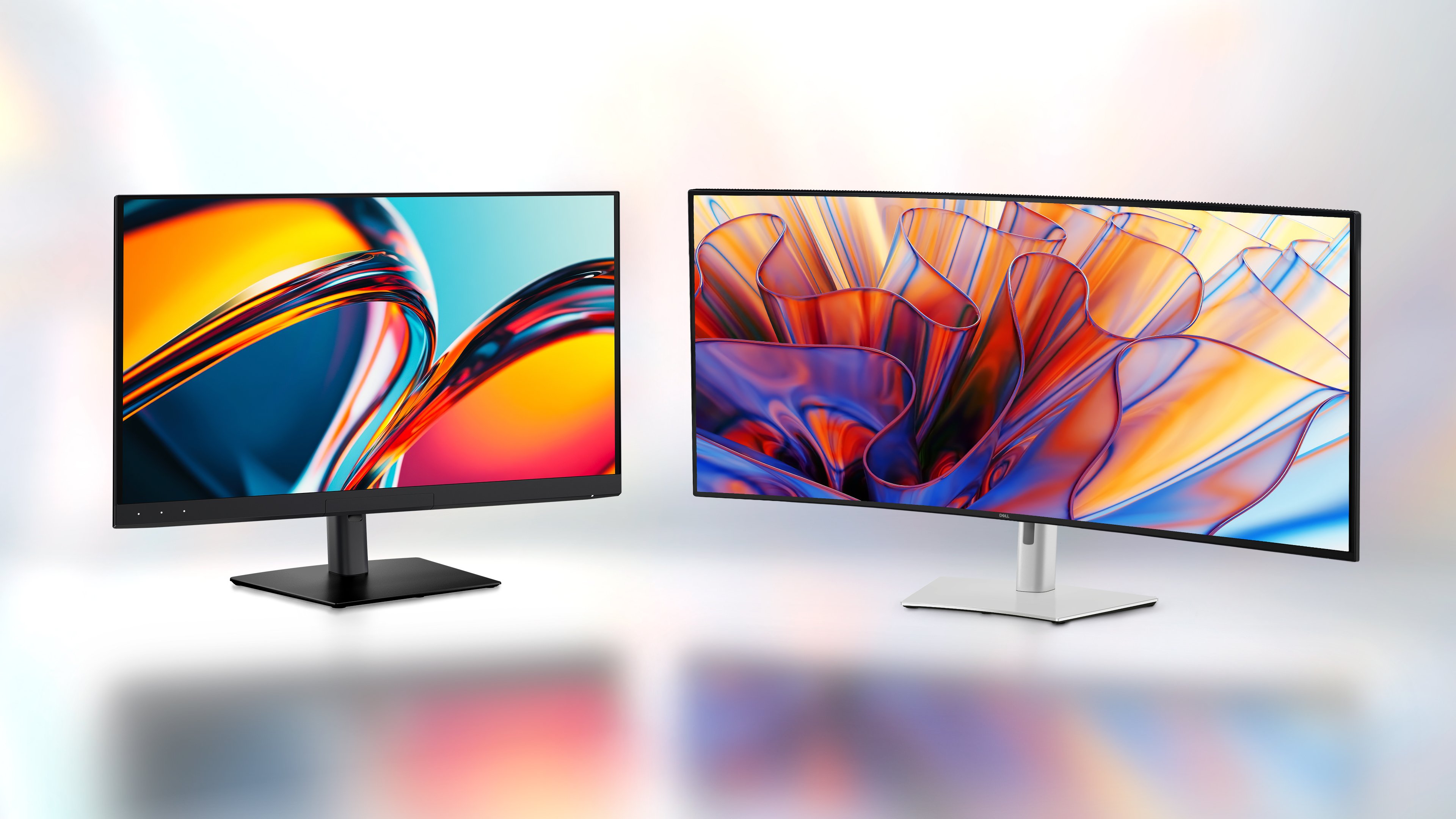
Dell is delving deeper into high-end professional displays with its latest UltraSharp additions.
The lineup includes a 52-inch curved 6K UltraSharp monitor with IPS Black technology and built-in Thunderbolt hub features, designed to consolidate multiple screens into a single workspace, as well as a 32-inch 4K QD-OLED model aimed at color-critical creative work.
Dell says both monitors introduce world-first display technologies, enhanced low-blue-light eye comfort, and designs built with a high percentage of recycled materials.
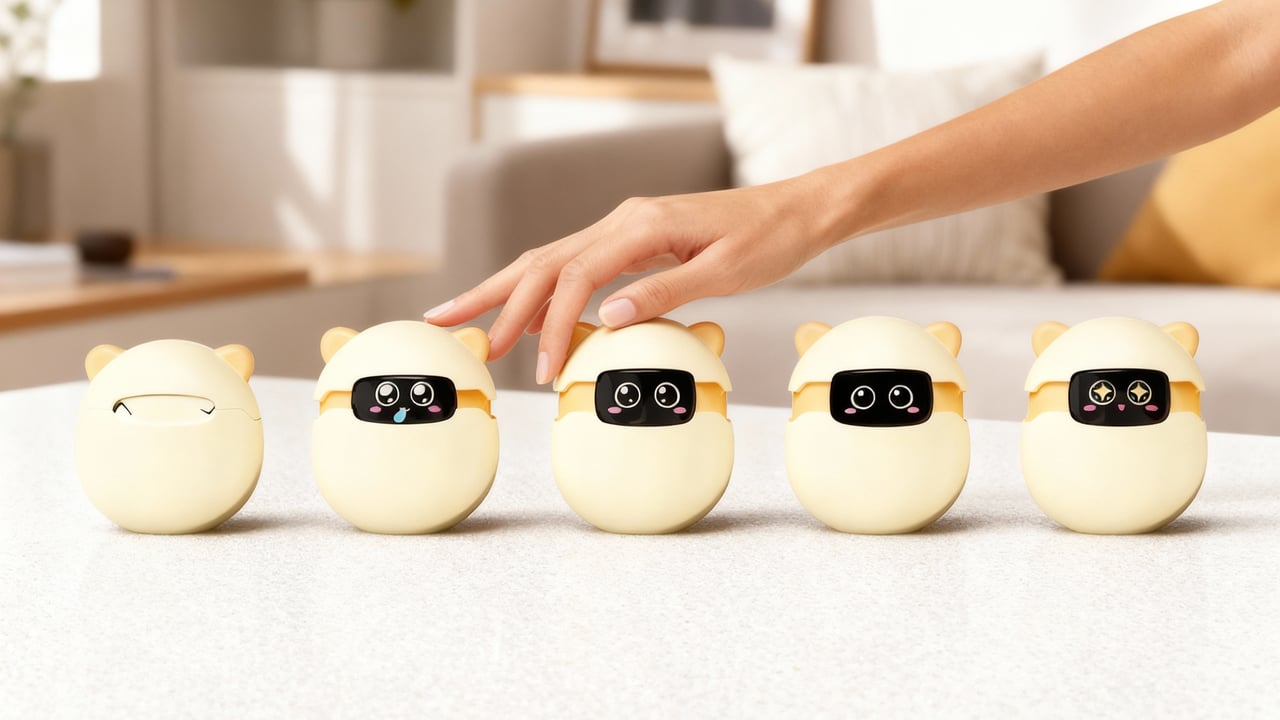
Takway AI is taking the idea of digital pets into the physical world.
The startup unveiled Sweekar, an AI-powered pocket pet that physically grows over time and develops its own personality through daily interaction. Unlike screen-based companions, Sweekar combines robotic hardware with emotional AI, evolving through life stages while learning user preferences, remembering past interactions, and continuing to “live” even when its owner is away.
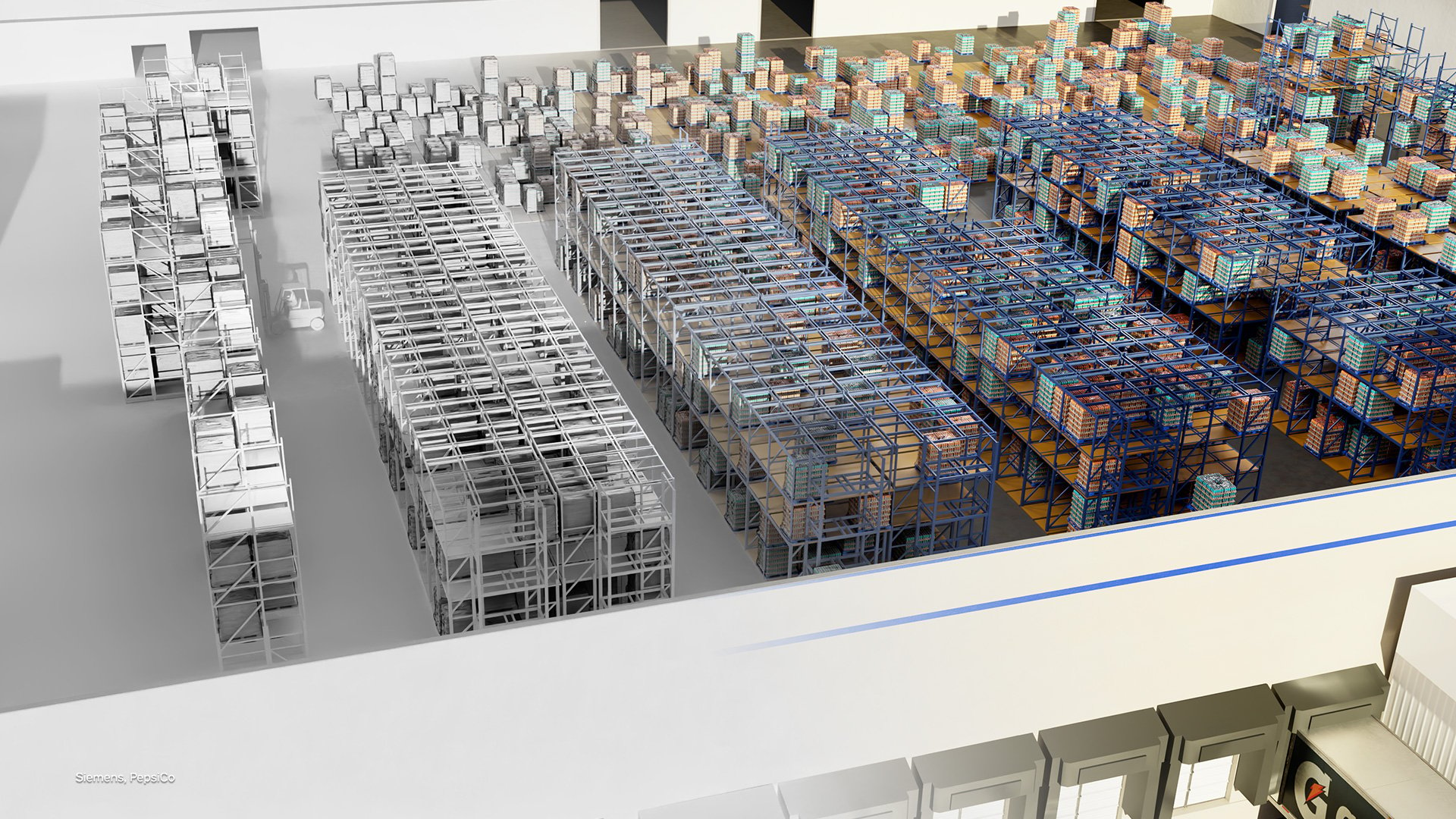
Siemens and Nvidia are strengthening their partnership to bring AI deeper into industrial workflows.
The expanded collaboration announced at CES centers on building what the companies call an industrial AI operating system, combining Nvidia’s AI infrastructure, simulation, and Omniverse tools with Siemens’ industrial software and automation stack. The effort spans everything from chip and factory design to manufacturing and supply chains, with the first AI-driven factory blueprint set to debut in 2026 at Siemens’ electronics plant in Germany.
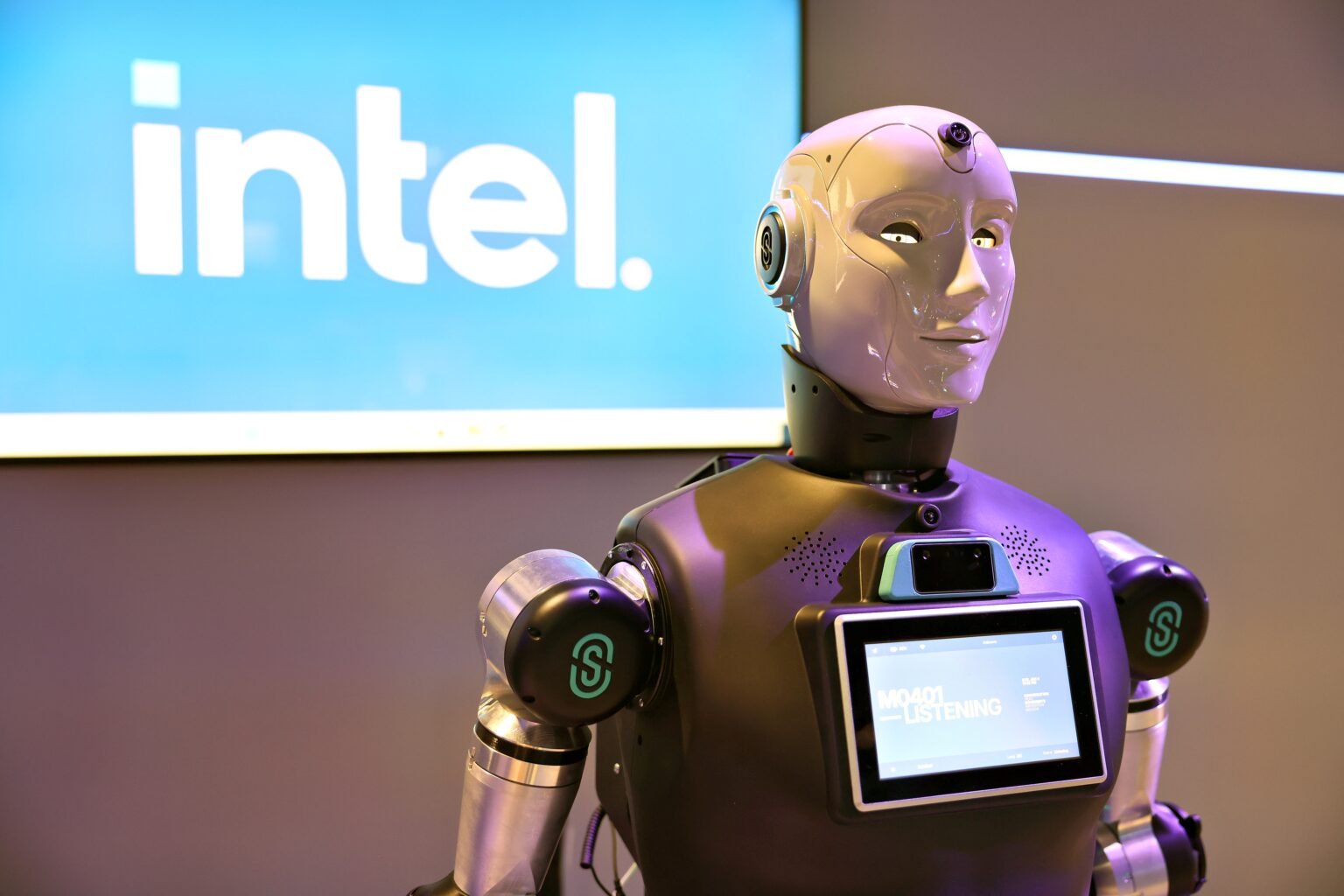
Intel is bringing its next-generation AI PC platform into the spotlight at CES 2026.
The company unveiled Intel Core Ultra Series 3 processors, the first AI PC platform built on Intel’s 18A process technology. This new platform is designed to deliver stronger performance, improved battery life, and advanced graphics across consumers, businesses, and edge devices. Demonstrations at CES highlighted on-device AI use cases such as robotics, gaming, and content creation, positioning Core Ultra Series 3 as a foundation for broader AI PC adoption in 2026.
Intel said the mobile processors will be available online, at in-store retailers, and at OEM partner storefronts, starting January 27.
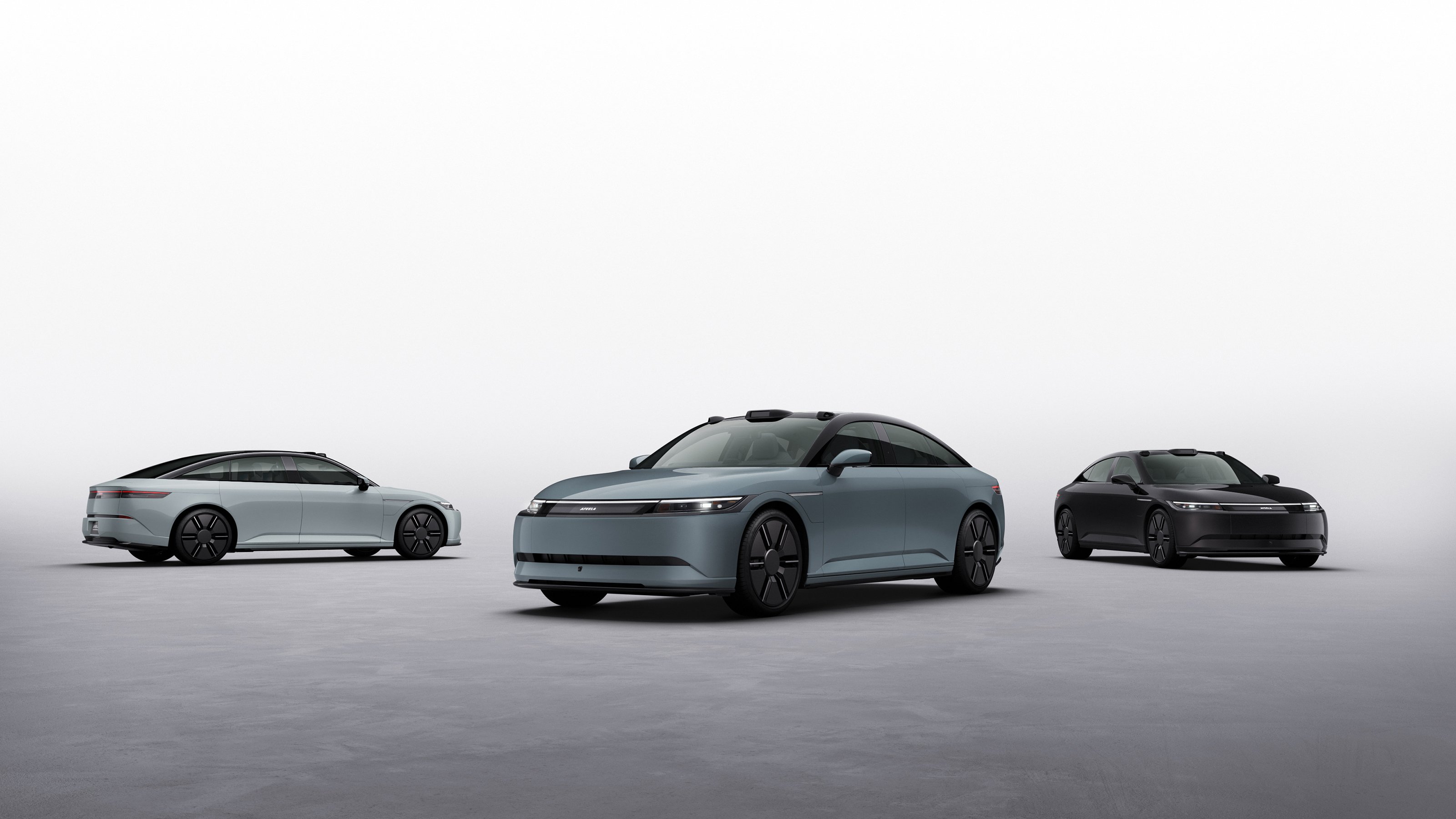
Sony and Honda’s joint mobility venture is bringing its AFEELA concept closer to the road.
Sony Honda Mobility revealed a new AFEELA Prototype 2026 and confirmed that customer deliveries of its first production model, AFEELA 1, are set to begin in California later this year. Company executives outlined a software-driven approach centered on vehicle AI, in-car entertainment, and partnerships with firms like Qualcomm, positioning the car as a connected, interactive space rather than a traditional vehicle.

Samsung is using CES to push the limits of what a TV can be, unveiling a massive new flagship display.
The tech company introduced the world’s first 130-inch Micro RGB TV, pairing next-generation color technology with a bold, gallery-style design meant to make the screen feel more like an architectural feature than a traditional television. Samsung says the ultra-premium display combines AI-powered picture processing, full BT.2020 color coverage, and glare-free viewing, with the new model set to anchor its highest-end lineup.
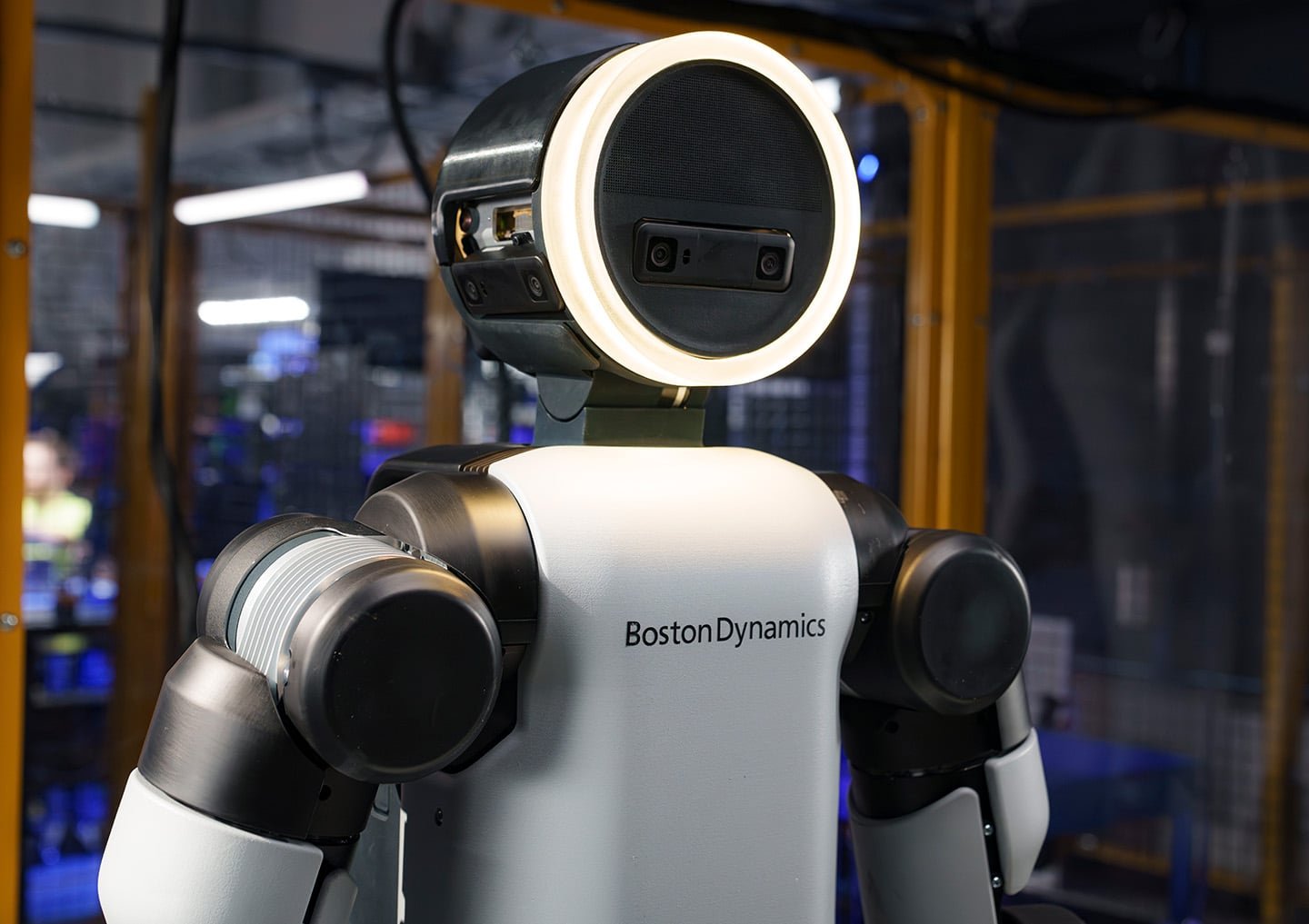
Boston Dynamics and Google DeepMind are teaming up to push humanoid robots into a new AI era.
The partnership will pair Boston Dynamics’ Atlas humanoid with Google DeepMind’s Gemini Robotics foundation models, aiming to give robots stronger perception, reasoning, and tool-use capabilities. Joint research using a new fleet of Atlas robots is set to begin this year, with early focus on industrial and manufacturing tasks.
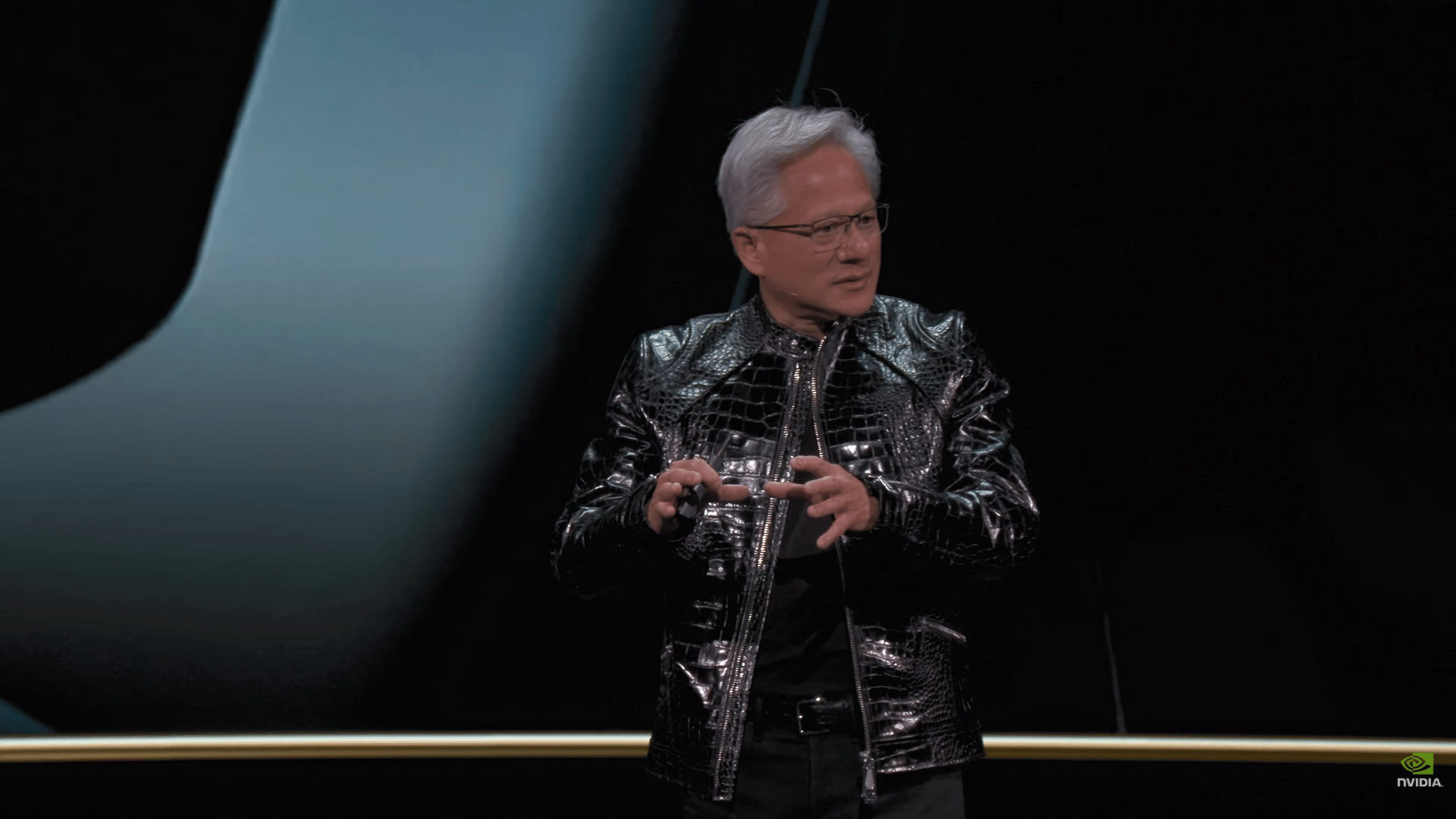
Nvidia’s CES keynote landed with a blunt message: the future of AI will be decided by compute, not creativity.
Onstage in Las Vegas, CEO Jensen Huang warned that reasoning models, long-context inference, and physical AI are driving explosive demand for power, memory, and networking. He framed Nvidia’s response as a shift from selling chips to building full AI systems, while highlighting agentic AI, simulation-driven physical intelligence, and always-on autonomy as forces pushing infrastructure to its limits.
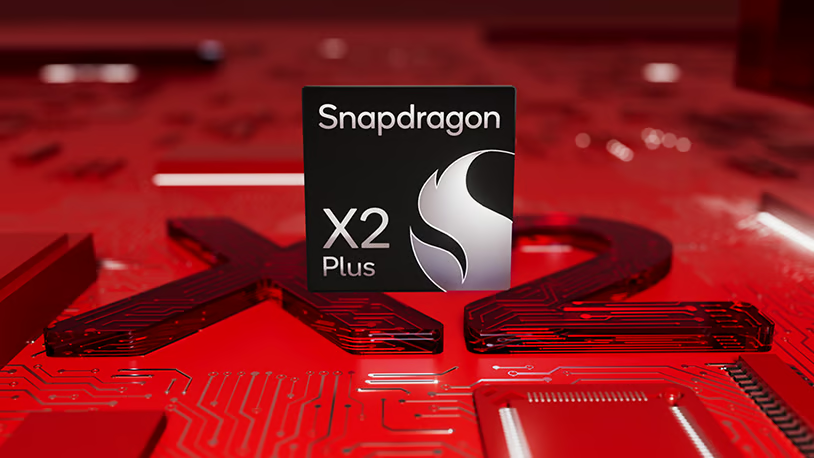
At CES 2026, Qualcomm introduced the Snapdragon X2 Plus, a more affordable addition to its Snapdragon X2 lineup. The new processor caters to professionals, creators, and everyday users seeking robust performance, integrated AI capabilities, and extended battery life at an affordable price. Qualcomm said select devices from leading OEM partners are expected to shift in the first half of 2026, expanding the reach of its next-generation PC platform.
The Snapdragon X2 Plus is expected to influence the next wave of Windows 11 Copilot+ PCs arriving later in 2026. Built on Qualcomm’s 3rd Gen Oryon CPU and featuring an 80 TOPS NPU, the chip is designed to support more advanced on-device AI while balancing performance and efficiency. Qualcomm highlighted at CES that Qualcomm positioned X2 Plus as a foundation for future laptops that prioritize AI readiness at more affordable prices.
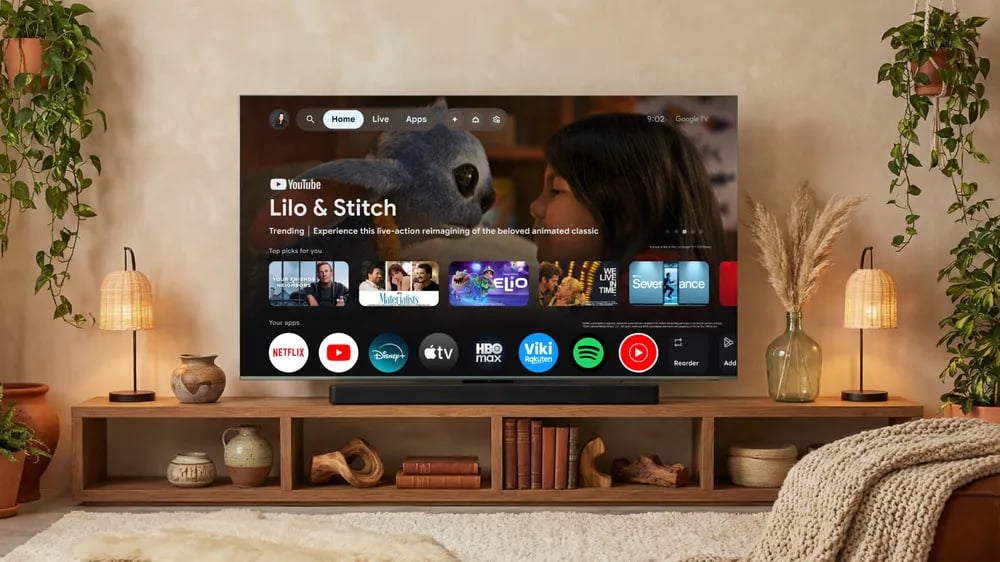
Google just announced the expansion of Google TV beyond simple streaming with a major Gemini AI upgrade that brings creative tools like Nano Banana and Veo directly to the big screen.
With these AI models, users can reimagine personal photos or generate original visuals right on their TV, turning a traditional living room experience into an interactive creative space. Gemini also adds richer responses with imagery and videos, natural language control for settings, and deeper integration with Google Photos — all pointing to a future where your TV isn’t just smart, it’s imaginatively generative.
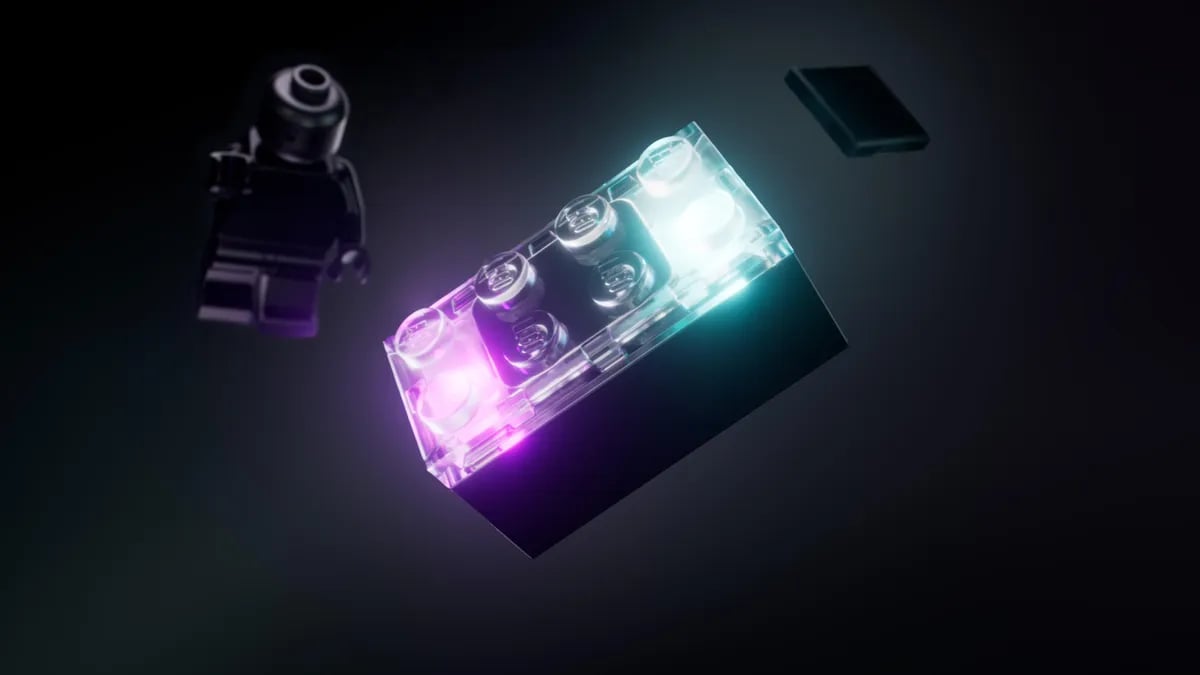
Lego stepped into the spotlight at CES 2026 with the announcement of its new Smart Play system, signaling a major evolution of its classic brick-based experience.
Centered on a Smart Brick with built-in computing, lights, sounds, and sensors, the system blends physical building with digital interactivity, allowing creations to respond to movement and touch. Set to debut with select themed sets before a wider rollout, Smart Play positions Lego squarely at the intersection of toys, tech, and interactive play, expanding how builders of all ages engage with their creations.
It is available for pre-order starting Jan. 9 in select markets.
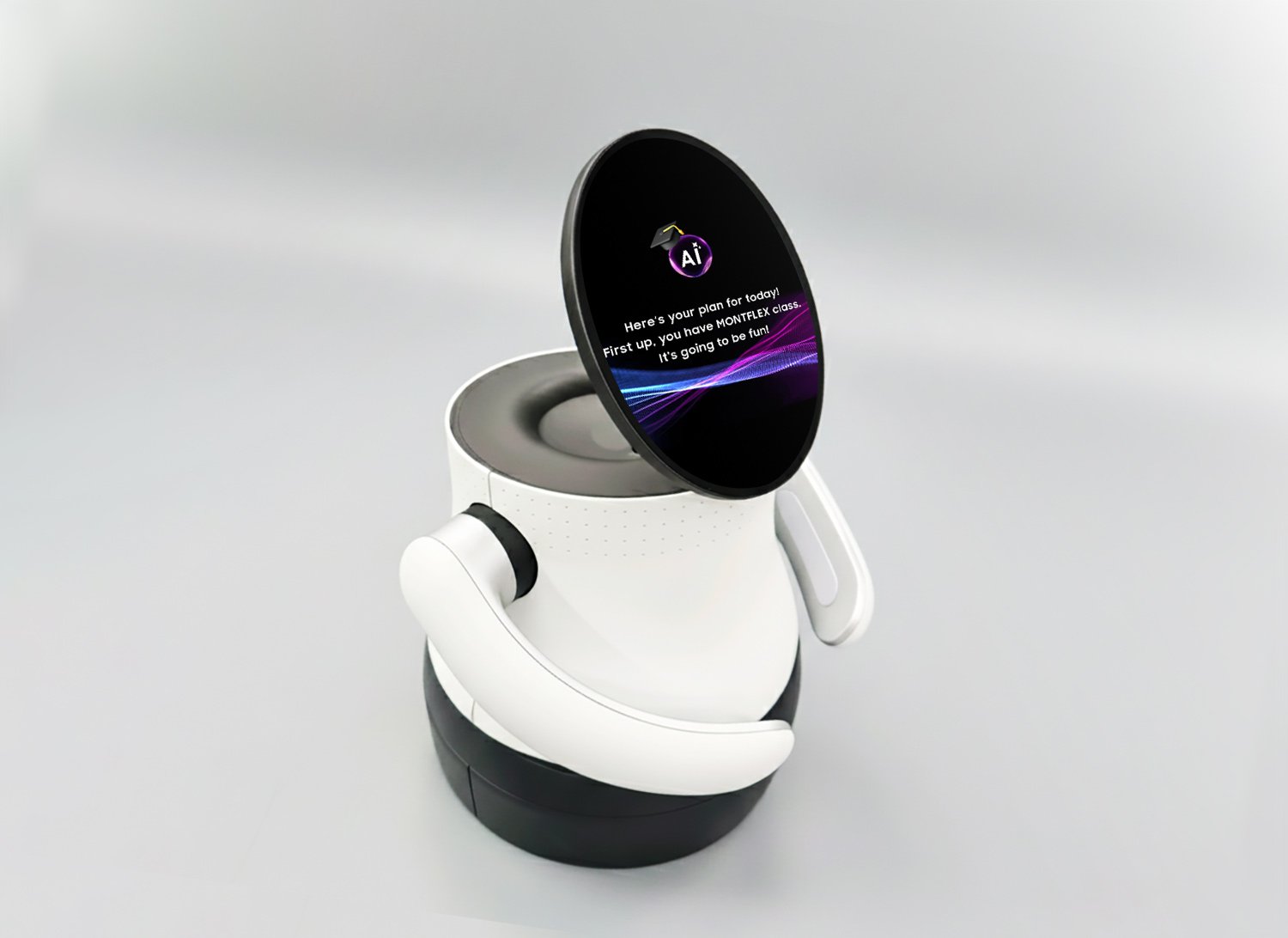
On Jan. 4, Samsung Display unveiled a forward-looking showcase focused on how OLED displays will serve as key interfaces in the AI era.
Under its CES theme, the company highlighted concept devices and real-world demos that blend flexible OLED technology with AI-driven interaction, from expressive assistant displays to advanced automotive and laptop panels. The exhibit underscored OLED’s role not just in visual quality, but in enabling smarter, more adaptive experiences across everyday devices.
This live blog is written by Liz Ticong and Kezia Jungco.
And don’t miss our tech finance wrap-up either: Nvidia’s completed $5 billion investment in Intel underscores a strategic alliance reshaping the CPU-GPU landscape and US semiconductor leadership.
Liz Ticong is a staff writer for eWeek and TechRepublic focused on AI, cybersecurity, enterprise software, and data. She has more than 10 years of editorial experience as a technology industry writer, combining reporting, product research, and hands-on software testing in her coverage. Her work has been published on Datamation, Enterprise Networking Planet, and TechnologyAdvice.com. She writes technology news, software reviews, product comparisons, and buyer’s guides for business and IT readers.

