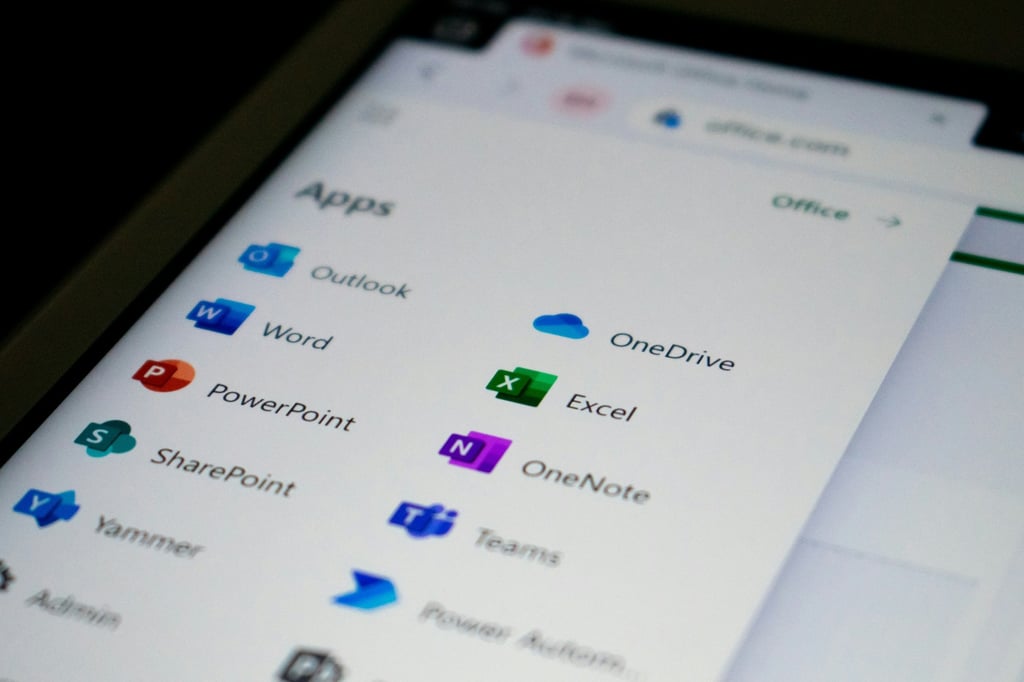
Source: Ed Hardie/Unsplash
Microsoft will integrate Anthropic’s Claude into Office 365, citing stronger performance in tasks like Excel and PowerPoint as tensions with OpenAI grow.

Microsoft is bringing Anthropic’s Claude into Office 365, edging away from its dependence on OpenAI.
According to The Information, Microsoft developers found that Anthropic’s AI outperformed OpenAI in automating tasks such as financial functions in Excel. The move, set to be announced in the coming weeks, blends Anthropic’s technology with OpenAI’s in Office apps.
Tests showed Anthropic’s model generated “more aesthetically pleasing” PowerPoint slides from basic prompts. To support the rollout, Microsoft will tap Amazon Web Services, Anthropic’s primary cloud partner.
Microsoft chose Claude Sonnet 4, not even Anthropic’s flagship Opus 4.1, after it outperformed OpenAI in productivity tasks. Company sources told The Information the model “performs better in subtle but important ways” than GPT-5.
Microsoft does not plan to raise prices for access to Anthropic models in Office 365, keeping Copilot at $30 per user, per month. That choice is notable, since the company must pay Amazon to run Claude through AWS, while it can use OpenAI models at no extra cost.
Anthropic has rapidly grown into one of OpenAI’s fiercest rivals, backed by billions from Amazon and Google to bring Claude into their cloud ecosystems. The startup’s valuation recently surged to $183 billion after a fresh funding round, rising as an enterprise-first AI provider.
The company has pushed Claude deep into business settings with features like Claude Code and new compliance APIs, cementing itself as a safer, more controllable alternative to competitors. For Microsoft, bringing Claude into Office 365 means tying its productivity apps to a partner that has global scale and enterprise credibility to match.
Microsoft’s embrace of Anthropic comes as its relationship with OpenAI faces a new strain. Talks have bogged down over OpenAI’s bid to become a for-profit public benefit corporation, with Microsoft demanding a bigger slice than Altman’s team allows.
Another flashpoint is a contract clause that could cut Microsoft off from future OpenAI models if the company declares it has reached artificial general intelligence. The disputes have grown tense enough that OpenAI executives have considered accusing Microsoft of anticompetitive behavior.
Yet publicly, both sides have struck a conciliatory note. “As we’ve said, OpenAI will continue to be our partner on frontier models and we remain committed to our long-term partnership,” a Microsoft spokesperson told Reuters. At a New York Times event, Sam Altman also insisted the partnership with Microsoft remains strong, while conceding it has faced its share of turbulence.
Even as it reaffirms its ties with OpenAI, Microsoft is broadening its base. The company has started developing its own AI and has brought DeepSeek into Azure, steps that show a deliberate effort to spread its bets across multiple providers.
As Microsoft lines up alternatives, OpenAI is navigating a storm of legal battles and regulatory probes tied to its for-profit transformation push.
Liz Ticong is a staff writer for eWeek and TechRepublic focused on AI, cybersecurity, enterprise software, and data. She has more than 10 years of editorial experience as a technology industry writer, combining reporting, product research, and hands-on software testing in her coverage. Her work has been published on Datamation, Enterprise Networking Planet, and TechnologyAdvice.com. She writes technology news, software reviews, product comparisons, and buyer’s guides for business and IT readers.

